
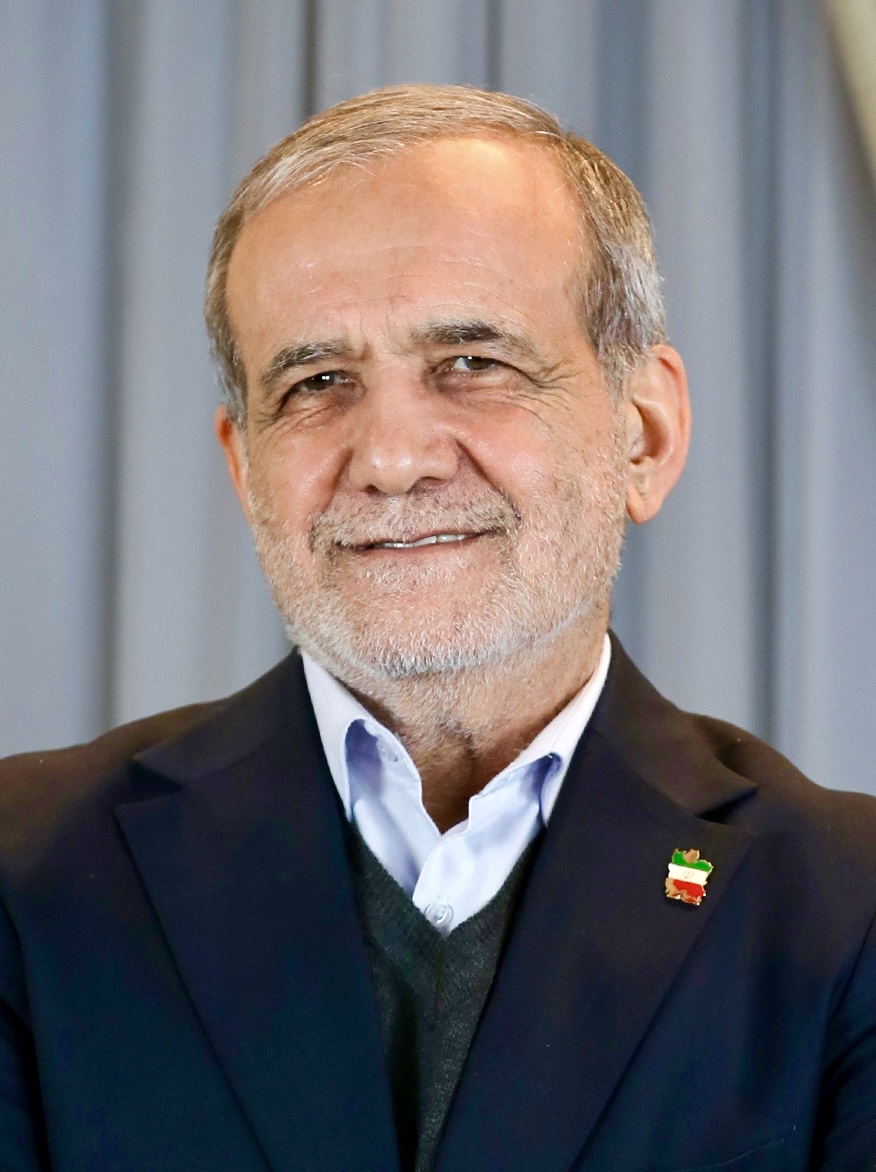
RIYADH — Iranian President Masoud Pezeshkian laid out three formal conditions for ending the war on Thursday, marking Tehran’s first shift from outright rejection of ceasefire talks to conditional engagement as the conflict between Iran, the United States, and Israel entered its thirteenth day. The conditions — recognition of Iran’s “legitimate rights,” reparations for war damage, and binding international guarantees against future aggression — set a high bar that immediately complicated Saudi Arabia’s quiet diplomatic efforts to broker a halt to fighting that has killed more than 1,200 people in Iran, shut the Strait of Hormuz to commercial shipping, and sent oil prices surging past $110 per barrel.
The announcement, carried by Iranian state television and confirmed by Deputy Foreign Minister Kazem Gharibabadi, came as Iraq shut down all oil terminal operations after two tankers were attacked near Basra, six vessels were struck by projectiles in the Persian Gulf, and the U.S. military conducted what Defense Secretary Pete Hegseth called “the most intense day” of strikes against Iranian targets. For Riyadh, which has invested months of diplomatic capital in a backchannel to Tehran and urged Gulf allies to avoid steps that could inflame tensions, Iran’s conditions represent both an opening and a trap — a framework that acknowledges the possibility of peace but sets terms Washington is almost certain to reject.
Table of Contents
- What Are Iran’s Three Conditions for Ceasefire?
- Why Did Iran Shift From Rejection to Conditional Engagement?
- How Is Saudi Arabia Responding to Iran’s Ceasefire Demands?
- The Mediators Trying to Broker Peace
- What Do the Conditions Mean for Gulf States?
- The Military Situation on Day Thirteen
- Can Iran’s Conditions Be Met?
- Frequently Asked Questions
What Are Iran’s Three Conditions for Ceasefire?
Iran’s three conditions for ending the conflict, as outlined by President Pezeshkian and elaborated by Deputy Foreign Minister Gharibabadi, establish a formal negotiating framework that extends far beyond a simple cessation of hostilities. Each condition addresses a different dimension of Iran’s strategic calculus — sovereignty, economics, and long-term security.
The first condition demands recognition of Iran’s “legitimate rights.” According to analysts at the Carnegie Endowment for International Peace, this language encompasses Iran’s claim to a peaceful nuclear programme and its regional influence through allied networks in Lebanon, Iraq, Syria, and Yemen. The phrasing echoes decades of Iranian diplomatic positioning at the International Atomic Energy Agency and the United Nations, where Tehran has consistently framed its nuclear activities as sovereign rights under the Non-Proliferation Treaty.
The second condition requires reparations for damage inflicted by U.S. and Israeli strikes since February 28. Tehran claims that nearly 10,000 civilian sites have been struck, according to Iranian state media, resulting in more than 1,300 civilian deaths. The Iranian Red Crescent Society has reported over 1,200 fatalities from American and Israeli bombardment. Infrastructure damage spans military installations, nuclear facilities, oil depots, power grids, and civilian areas including, according to the Pentagon’s own acknowledgement, at least one school.
The third condition demands “firm international guarantees” that Iran will not face future military aggression. “If a ceasefire is to be established or the war is to be ended, there must be a guarantee that aggressive actions against Iran will not be repeated,” Gharibabadi stated, according to Iranian state television. This condition implicitly calls for multilateral enforcement mechanisms — potentially involving the United Nations Security Council or major powers such as Russia and China — that would constrain future American and Israeli military options in the region.
| Condition | Core Demand | Implications |
|---|---|---|
| Recognition of Rights | Acknowledge Iran’s peaceful nuclear programme and regional role | Reverses US/Israeli goal of dismantling nuclear capabilities |
| Reparations | Compensation for civilian and military infrastructure damage | Establishes legal/moral precedent; estimated billions in claims |
| Security Guarantees | Binding international mechanism preventing future attacks | Constrains US/Israeli freedom of action; requires UNSC involvement |
“Reparations and guarantees are the only off-ramp,” Pezeshkian told state media, according to a report in Pakistan’s Dawn newspaper. The statement was notable for its directness — previous Iranian communications had rejected any framework for talks while military operations continued.
Why Did Iran Shift From Rejection to Conditional Engagement?
Iran’s decision to outline specific conditions marks a significant departure from its position as recently as March 10, when Foreign Minister Abbas Araghchi rejected all negotiations and told NBC News that Iran was “confident” it could counter a U.S. ground invasion. The shift from defiance to conditional engagement reflects multiple pressures converging simultaneously.
The military situation has deteriorated sharply for Tehran. The U.S. and Israeli strikes that began on February 28 killed Supreme Leader Ayatollah Ali Khamenei on the war’s first day, decapitated much of the Islamic Revolutionary Guard Corps. His son Mojtaba Khamenei, now supreme leader, issued his first public statement on March 12 pledging to continue the Hormuz blockade and rejecting any near-term ceasefire — directly contradicting the Pezeshkian government’s earlier overtures command structure, and destroyed significant portions of Iran’s air defence network, nuclear infrastructure, and conventional military capabilities. His son Mojtaba Khamenei was named as successor, but the new supreme leader has yet to consolidate authority over a fragmented security establishment.
Economically, Iran’s own weapons — particularly its disruption of Strait of Hormuz shipping — have created a double-edged crisis. While the closure has punished Gulf economies and global markets, it has also cut Tehran off from its own oil export revenue, according to shipping data tracked by Windward Maritime Intelligence. The shadow fleet that previously facilitated Iranian crude sales has found transit increasingly dangerous, with six vessels attacked near the strait on March 12 alone.
Diplomatic isolation has deepened. The UN Security Council condemned Iran’s attacks on Gulf states in a near-unanimous vote on March 11, according to Reuters. Even Russia and China, which initially condemned the American strikes, have moderated their positions as Iranian missile and drone attacks struck sovereign Gulf states that Beijing considers economic partners and Moscow views as potential energy market collaborators.
Perhaps most critically, President Pezeshkian represents the reformist wing of Iranian politics that has consistently advocated for diplomatic solutions. His survival — while military hardliners around the IRGC suffered devastating losses — may have shifted the internal balance of power enough to allow public exploration of ceasefire terms, according to analysis by the International Crisis Group.
How Is Saudi Arabia Responding to Iran’s Ceasefire Demands?
Saudi Arabia has maintained a carefully calibrated position since the war began — publicly condemning Iranian strikes on its territory while privately working to prevent the conflict from spiralling further. Iran’s announcement of ceasefire conditions immediately elevated Riyadh’s diplomatic significance, as the Kingdom is one of the few actors with active communication channels to both Washington and Tehran.
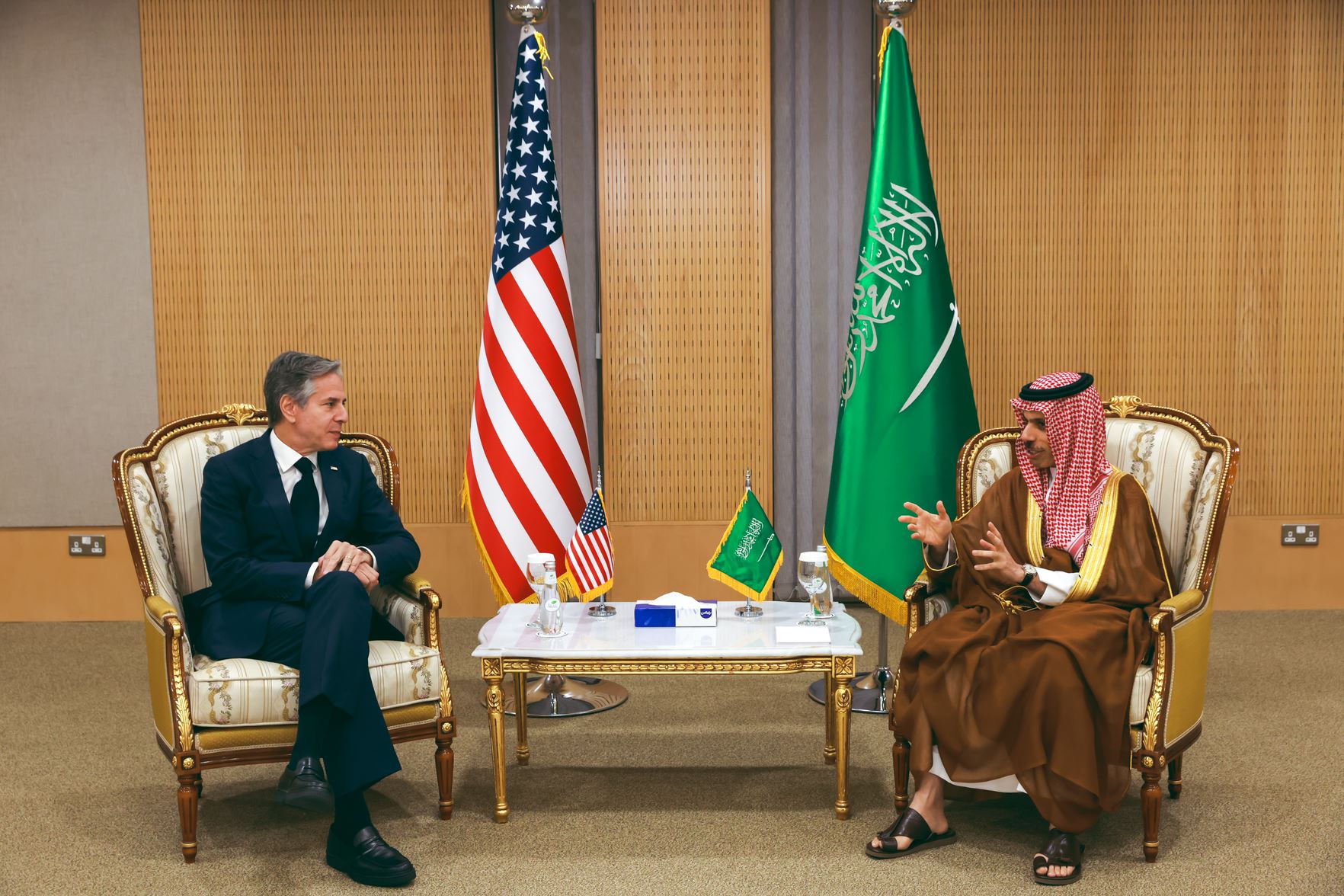
Bloomberg reported on March 6 that Saudi officials had deployed their backchannel to Iran “with increased urgency to ease tensions and keep the conflict from worsening.” The channel involves both security and diplomatic officials, according to sources familiar with the discussions. Saudi Foreign Minister Prince Faisal bin Farhan has held calls with his Iranian counterpart Abbas Araghchi, Russian Foreign Minister Sergey Lavrov, U.S. Secretary of State Marco Rubio, and Chinese Foreign Minister Wang Yi in rapid succession since the war began, positioning Riyadh at the centre of a web of ceasefire diplomacy.
Middle East Eye reported that Saudi Arabia has explicitly told Gulf allies to “avoid any steps that could inflame tensions with Iran,” a directive that has shaped the GCC’s collective restraint despite sustained missile and drone attacks across the region. The GCC’s 50th Extraordinary Ministerial Meeting on March 1 reaffirmed “the importance of dialogue and diplomacy as the sole path to overcome the current crisis,” language that closely mirrors Riyadh’s position.
The Saudi approach reflects a strategic calculation that has defined Mohammed bin Salman’s foreign policy since the 2023 Chinese-brokered rapprochement with Tehran: direct conflict with Iran serves no Saudi interest, regardless of how much damage the war inflicts on Iranian military capabilities. The Kingdom’s investment in diplomatic détente — represented by the restoration of diplomatic relations in March 2023 — has not been abandoned despite thirteen days of Iranian missiles striking Saudi soil.
Faisal bin Farhan told Araghchi of Saudi Arabia’s “condemnation of Israeli aggression on Iranian soil” and “reiterated his rejection of using violence as well as the need to address disputes via dialogue,” according to Anadolu Agency. The statement placed Riyadh in the unusual position of simultaneously defending itself against Iranian attacks and condemning the Western military campaign that provoked them — a diplomatic tightrope that analysts at the Gulf International Forum described as characteristic of the Kingdom’s pragmatic approach to the crisis.
The Mediators Trying to Broker Peace
Iran’s announcement has activated a crowded field of mediators, each bringing different leverage and limitations to the ceasefire effort. The competition among intermediaries is itself a complication, as Tehran and Washington receive conflicting signals about which diplomatic track to prioritise.
China has taken the most visible mediation role. Foreign Minister Wang Yi held phone calls with counterparts from Russia, Iran, Oman, France, Israel, Saudi Arabia, and the UAE in rapid succession, according to Chinese Foreign Ministry press conferences. Beijing dispatched special envoy Zhai Jun to the Middle East, with a mandate to “help bring about an immediate stop to the military conflict and to bring parties concerned back to the track of dialogue and negotiation,” according to the Chinese Foreign Ministry.
China’s leverage is substantial. Beijing is Iran’s largest oil customer, a major investor across the Gulf states, and a permanent member of the Security Council. China also brokered the 2023 Saudi-Iranian rapprochement, giving it institutional credibility with both sides. Beijing’s interest in ending the conflict is acute: the Hormuz closure has disrupted Chinese energy imports that depend heavily on Gulf crude, and the war threatens tens of billions of dollars in Chinese infrastructure investments across the region.
Russia has pushed ceasefire discussions through direct channels. President Vladimir Putin discussed a “quick end to the Iran war” with President Donald Trump in their first 2026 phone call on March 11, according to Kremlin readouts. Russian Foreign Minister Lavrov called Saudi Arabia’s Faisal bin Farhan on March 2, the day after the war began, to coordinate diplomatic positions. Moscow’s interest is complex — Russia benefits from high oil prices driven by the conflict but faces strategic concerns about its influence in the Middle East being eclipsed by American military dominance.
France has engaged through its own diplomatic channels. French President Emmanuel Macron’s office confirmed contact with Iranian officials about ceasefire possibilities, though details remain limited. Oman, which has historically served as a back channel between the United States and Iran, is also active — and has been described by multiple analysts as “the war’s best hope for peace,” according to regional diplomatic sources.
| Mediator | Diplomatic Channel | Key Leverage | Key Limitation |
|---|---|---|---|
| China | Special envoy Zhai Jun; FM Wang Yi calls | Iran’s largest oil buyer; brokered 2023 détente | No influence over Israeli operations |
| Russia | Putin-Trump call; Lavrov-Faisal bin Farhan call | UNSC veto; relationship with both sides | Benefits from high oil prices |
| Saudi Arabia | Backchannel to Tehran; calls with Rubio and Araghchi | Active channel to both Washington and Tehran | Under direct Iranian fire |
| Oman | Historic US-Iran intermediary | Trusted by both Washington and Tehran | Limited regional influence |
| France | Direct contact with Iranian officials | European voice; UNSC member | Limited leverage over US/Israel |
What Do the Conditions Mean for Gulf States?
Iran’s ceasefire conditions carry immediate implications for the six Gulf Cooperation Council states that have absorbed the heaviest collateral damage from a war they did not start. Saudi Arabia, the UAE, Bahrain, Kuwait, Qatar, and Oman have collectively intercepted hundreds of Iranian missiles and drones since February 28, suffered civilian casualties, and watched their economies buckle under the combined weight of Hormuz disruption, flight cancellations, and investor flight.
The first condition — recognition of Iran’s “legitimate rights” — is particularly sensitive for Riyadh. Saudi Arabia has long opposed Iran’s nuclear programme and worked to contain Tehran’s regional influence through proxy networks in Lebanon, Iraq, and Yemen. Any ceasefire framework that legitimises Iranian claims to nuclear enrichment and regional proxy networks would fundamentally undermine decades of Saudi strategic positioning. The Kingdom would face the paradox of mediating a peace that codifies Iranian capabilities it has spent billions trying to counter.
The reparations demand is less directly threatening to Gulf interests but creates diplomatic complications. If Washington agrees to any form of compensation — however framed — it would set a precedent that Gulf states could invoke for their own war damage claims. Kuwait’s electricity infrastructure was damaged when intercepted drone debris struck six transmission lines on March 12, according to the Kuwaiti Ministry of Electricity. Bahrain’s civilian areas have been struck repeatedly. Saudi Arabia’s air defence expenditures during the thirteen-day conflict alone are estimated in the hundreds of millions of dollars, based on the known cost of Patriot and THAAD interceptors.
The guarantee against future aggression is the condition most aligned with Gulf interests. A binding international framework that prevents unilateral military strikes on Iran would, by extension, reduce the likelihood of retaliatory Iranian attacks on Gulf states. The GCC’s March 1 statement calling for “dialogue and diplomacy as the sole path” implicitly supports this principle, even if the specific mechanism Iran envisions — potentially involving Russian and Chinese guarantors — would be problematic for states that rely on American security partnerships.
Oil prices swung violently on Thursday as markets digested Iran’s conditions alongside the Iraq port shutdown. Brent crude surged past $115 per barrel before settling around $108 as traders weighed whether the conditions represented a genuine path to de-escalation or merely a diplomatic manoeuvre to buy time, according to Bloomberg commodity analysis. The IEA’s record release of 400 million barrels from strategic reserves, announced on March 11, has provided only temporary relief to markets rattled by the effective shutdown of Gulf shipping.
The Military Situation on Day Thirteen
Iran’s ceasefire conditions were announced against a backdrop of intensifying military operations on all sides. The contrast between diplomatic overtures and battlefield escalation has become a defining feature of the conflict’s second week.
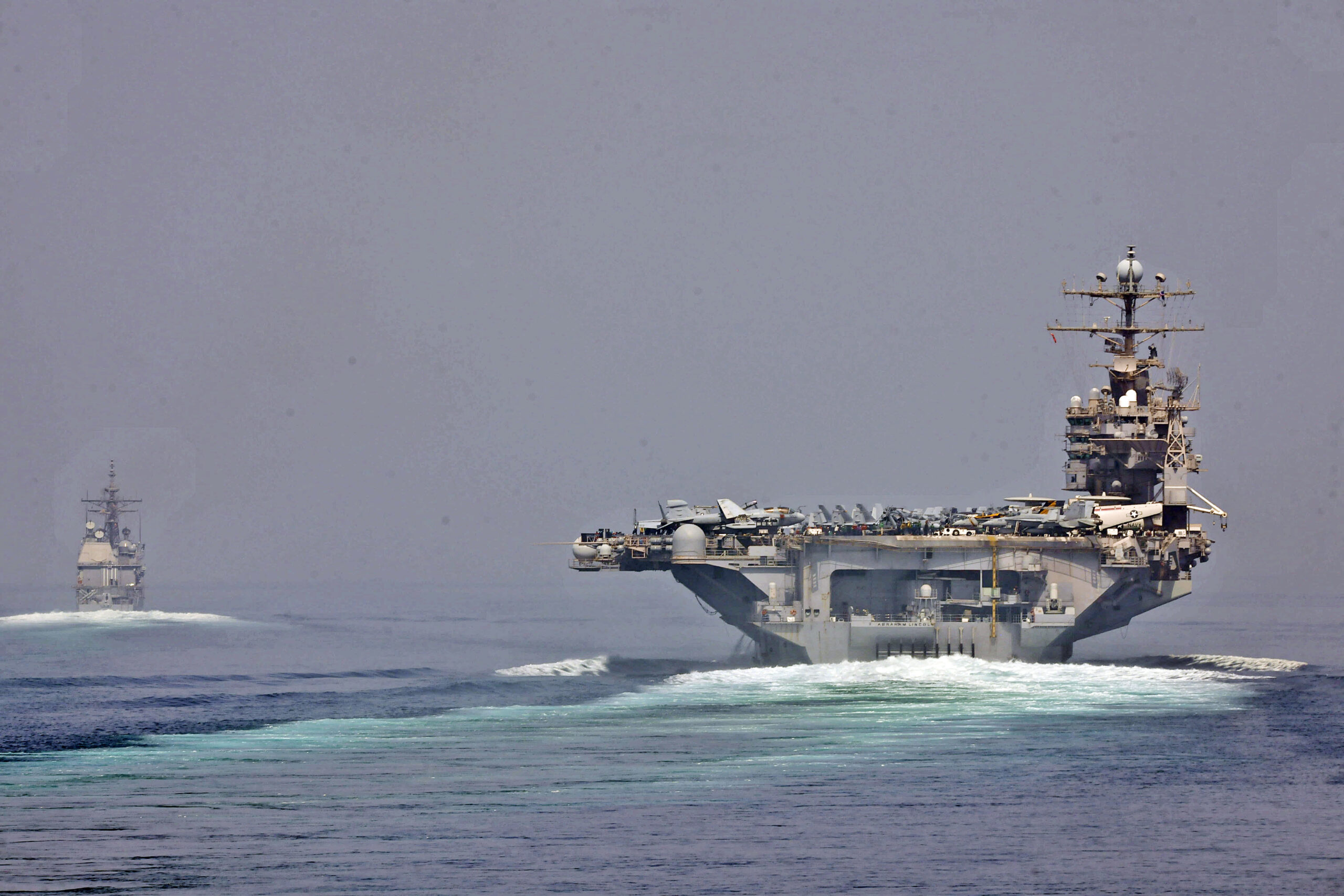
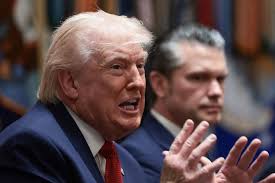
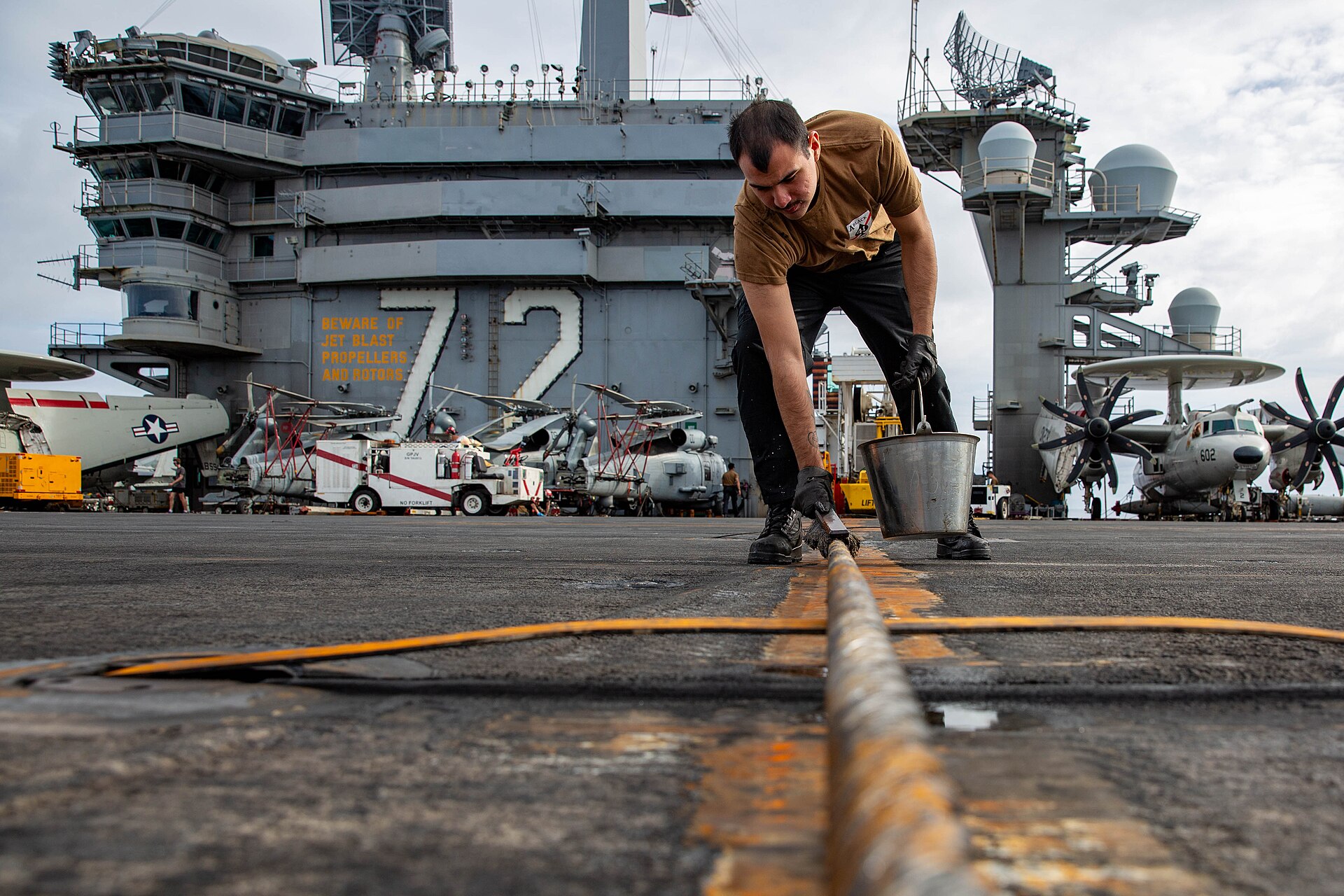
The Pentagon confirmed that March 12 would see the “most intense day” of U.S. strikes on Iranian targets. Defense Secretary Hegseth stated that “Iran stands alone, and they are badly losing,” while acknowledging the death of seven American service members and serious injuries to eight others, primarily from attacks on U.S. bases in countries neighbouring Iran. Three carrier strike groups remain deployed in the region, conducting continuous air operations.
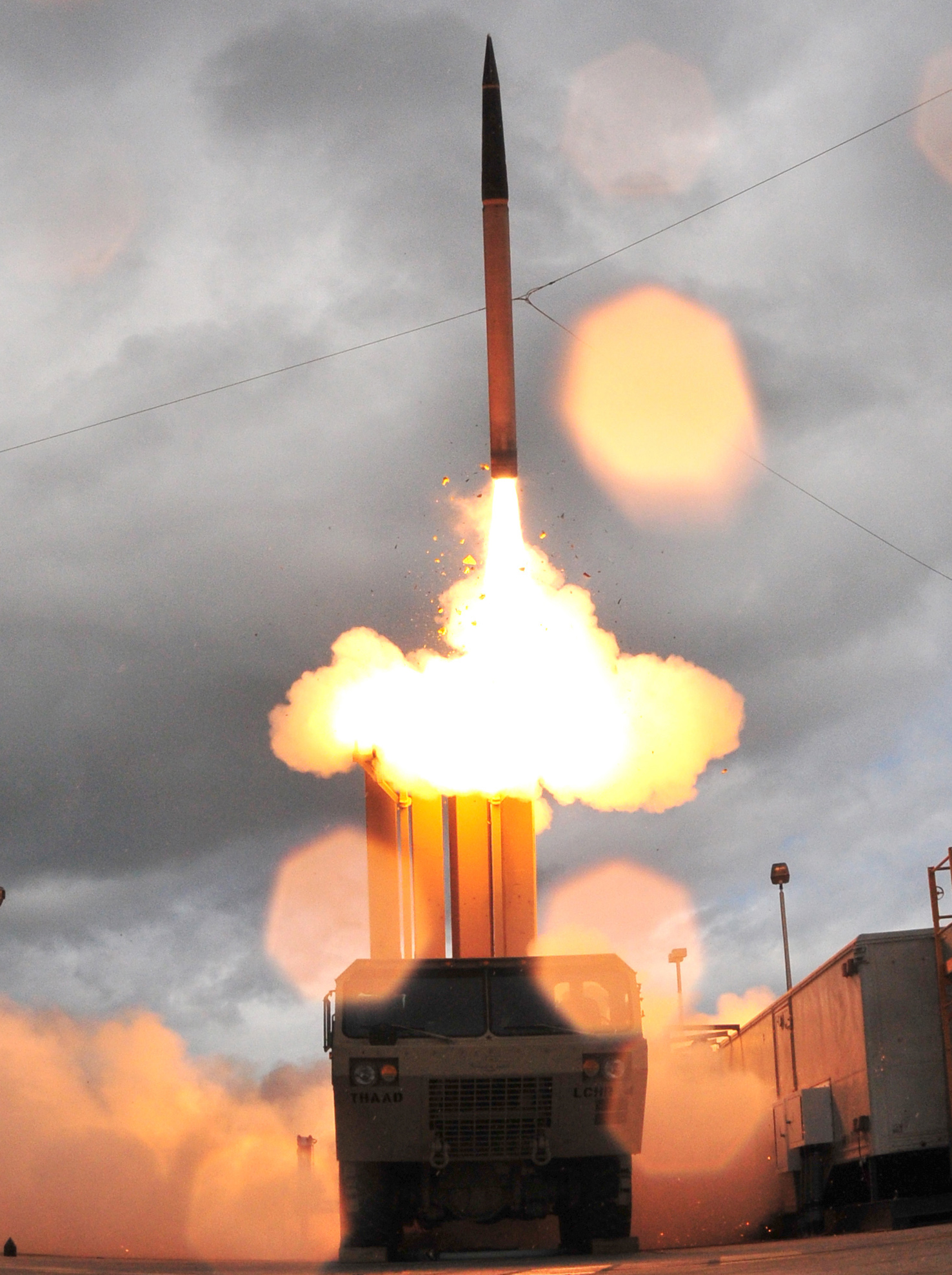
Iranian forces continued their retaliatory campaign across the Gulf. Saudi Arabia’s air defence network intercepted multiple cruise and ballistic missiles, with the Ministry of Defence confirming the destruction of three ballistic missiles targeting Prince Sultan Air Base on March 10. The Kingdom’s Patriot and THAAD batteries have performed reliably throughout the conflict, though the sustained pace of intercepts has raised concerns about ammunition depletion among defence analysts.
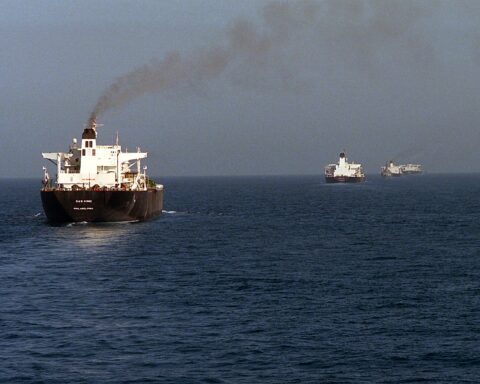
The maritime situation deteriorated sharply on Thursday. Iraq suspended all oil terminal operations after attacks on two foreign tankers near Basra, with at least one crew member killed, according to Bloomberg. Six additional vessels were struck by projectiles in the Persian Gulf, with reports of Iranian drone boats and sea mines complicating navigation, according to Al Jazeera. The attacks effectively removed Iraq — OPEC’s second-largest producer at approximately 4.5 million barrels per day — from global oil markets, compounding the disruption already caused by the Hormuz closure.
In Lebanon, the Israeli military launched what it described as a “large-scale wave of strikes” on Hezbollah infrastructure in Beirut’s Dahiyeh district. The Lebanese Ministry of Health reported seven killed and 21 injured. The war’s total death toll across all fronts has exceeded 1,800, according to compiled figures from Iranian, Lebanese, and Israeli health authorities.
| Metric | Figure | Source |
|---|---|---|
| Deaths in Iran | 1,200+ | Iranian Red Crescent Society |
| Deaths in Lebanon | 634+ | Lebanese Ministry of Health |
| Deaths in Israel | 13 | Israeli authorities |
| U.S. military deaths | 7 | U.S. Department of Defense |
| Saudi civilian casualties (Al-Kharj) | 2 killed, 12 injured | Saudi Civil Defence |
| Vessels attacked in Gulf | 19+ | Maritime tracking services |
| Oil price (Brent crude) | $108-115/bbl | Bloomberg |
| Hormuz tanker traffic decline | ~95% | Windward Maritime Intelligence |
Can Iran’s Conditions Be Met?
The gap between Iran’s three conditions and Washington’s stated war objectives is vast. The Trump administration launched Operation Epic Fury with the explicit goal of eliminating Iran’s nuclear capabilities, degrading its missile arsenal, and disrupting its proxy networks — aims that are the direct inverse of Tehran’s demand for recognition of its “legitimate rights.”
The reparations demand faces an equally stark political reality. No American administration has paid reparations for a military operation in the modern era, and the Republican-controlled Congress has shown no appetite for such concessions. The House of Representatives narrowly rejected a war powers resolution on March 5, indicating that legislative constraints on the military campaign remain unlikely.
The security guarantee condition is the most potentially negotiable element. The June 2025 Twelve-Day War ceasefire — brokered by Qatar and the United States — included a structured de-escalation framework that held for eight months before collapsing when the February 28 strikes began. The precedent suggests that temporary security frameworks are achievable, even if permanent guarantees involving Russia and China as co-guarantors would face fierce American resistance.
Saudi Arabia’s diplomatic position may ultimately prove decisive. Riyadh has the credibility, the communication channels, and the strategic motivation to serve as an honest broker. The Kingdom cannot afford an indefinite war on its doorstep — its Vision 2030 transformation programme, its tourism ambitions, its 2034 FIFA World Cup preparations, and its position as the world’s swing oil producer all depend on regional stability. At the same time, Saudi Arabia cannot accept a peace framework that strengthens Iran’s strategic position at Riyadh’s expense.
The coming days will test whether Iran’s conditions represent a genuine negotiating position or a public relations manoeuvre designed to shift blame for the war’s continuation onto Washington. For Saudi Arabia, China, Oman, and the other mediators working behind the scenes, the task is to find enough overlap between Tehran’s demands and Washington’s war aims to create space for talks — before the military situation makes diplomacy irrelevant.
“The Gulf monarchies are caught between Iran’s desperation and the US’s recklessness.”
Carnegie Endowment for International Peace, March 2026
The deeper question is not whether these conditions will be accepted but how Saudi Arabia’s leadership interprets them. Mohammed bin Salman’s wartime endgame calculus suggests that Riyadh views Iran’s maximalist demands as a strategic gift rather than an obstacle, buying time for further degradation of Iranian military capability while the kingdom consolidates its diplomatic position.
Frequently Asked Questions
What are Iran’s three conditions for ceasefire?
Iranian President Masoud Pezeshkian outlined three conditions on March 12, 2026: recognition of Iran’s legitimate rights including its nuclear programme, reparations for damage caused by U.S. and Israeli strikes that have killed over 1,200 Iranians and struck thousands of sites, and binding international guarantees preventing future military aggression against Iran.
Is Saudi Arabia involved in ceasefire negotiations?
Saudi Arabia has maintained an active backchannel to Iran since the war began, according to Bloomberg. Foreign Minister Prince Faisal bin Farhan has held calls with Iranian, American, Russian, and Chinese counterparts, positioning Riyadh as one of the few actors with communication channels to all parties. Saudi Arabia has also urged Gulf allies to avoid inflammatory actions.
Who else is mediating the Iran ceasefire?
China has dispatched special envoy Zhai Jun to the Middle East and Foreign Minister Wang Yi has called counterparts from seven countries. Russia raised the ceasefire in a Putin-Trump phone call on March 11. France has made direct contact with Iranian officials. Oman continues to serve as its historic intermediary role between Washington and Tehran.
Why did Iran change its position on ceasefire talks?
Iran initially rejected all ceasefire discussions while attacks continued. The shift to conditional engagement reflects mounting military losses including the death of Supreme Leader Khamenei, deepening economic pressure from the Hormuz blockade’s impact on Iranian oil revenue, growing diplomatic isolation after the UN Security Council condemned Iranian attacks on Gulf states, and the political ascendancy of reformist President Pezeshkian.
How has the war affected oil prices and the global economy?
Brent crude has surged from approximately $70 to over $110 per barrel since the war began. The Strait of Hormuz, which normally handles 20 percent of global oil shipments, has seen traffic decline by approximately 95 percent. Iraq’s shutdown of oil terminals on March 12 removed an additional 4.5 million barrels per day from markets. The IEA released a record 400 million barrels from strategic reserves on March 11.