
RIYADH — Six commercial vessels came under attack in the Persian Gulf on a single day this week, at least two of them struck by explosive-laden unmanned boats that Iranian forces guided into their hulls at the waterline. The attacks on 12 March 2026 marked the single deadliest day for shipping since the Iran war began two weeks earlier, and they introduced a weapon to the Gulf theatre that naval commanders have long feared but never faced at scale: the maritime drone. Iran’s Islamic Revolutionary Guard Corps Navy has deployed kamikaze surface vessels across the Persian Gulf’s shipping lanes, adapting a technology that Ukraine used to devastating effect against Russia’s Black Sea Fleet and transplanting it into the world’s most critical energy corridor. The weapon is cheap, difficult to detect, and strikes ships where they are most vulnerable — at the waterline — making it far more destructive per kilogram of explosive than any aerial drone. For Saudi Arabia, whose entire eastern coastline faces Iran across fewer than 300 kilometres of water, the drone boat threat demands an urgent rethinking of naval defence doctrine that has spent decades focused on missiles, mines, and manned fast-attack craft.
Table of Contents
- What Are Drone Boats and Why Do They Threaten the Persian Gulf?
- Six Vessels in One Day — The March 12 Escalation
- The Ukraine Blueprint That Iran Copied
- Inside the IRGC Navy’s Unmanned Surface Vessel Program
- The Gulf Maritime Threat Matrix
- Why Are Drone Boats Harder to Stop Than Aerial Drones?
- Saudi Arabia’s Naval Defence Gap
- How Did Drone Boats Break the Maritime Insurance Market?
- What Technologies Can Defeat Unmanned Surface Vessels?
- The Houthi Precedent Saudi Arabia Should Have Heeded
- What Does Saudi Arabia Need to Buy to Close the Gap?
- Is the Drone Boat Rewriting Global Naval Doctrine?
- The Real Threat Is Not in the Air
- Frequently Asked Questions
What Are Drone Boats and Why Do They Threaten the Persian Gulf?
An unmanned surface vessel, commonly called a drone boat or kamikaze boat, is a small watercraft loaded with explosives and guided by GPS, AI-assisted navigation, or remote control into a target ship. The vessel detonates on impact, typically at or below the waterline, where a hull breach causes maximum flooding and structural damage. Unlike an aerial drone that must carry its payload through the air — limiting warhead size — a waterborne platform can carry hundreds of kilograms of explosives at speeds exceeding 50 knots while sitting just centimetres above the surface, making radar detection extraordinarily difficult.
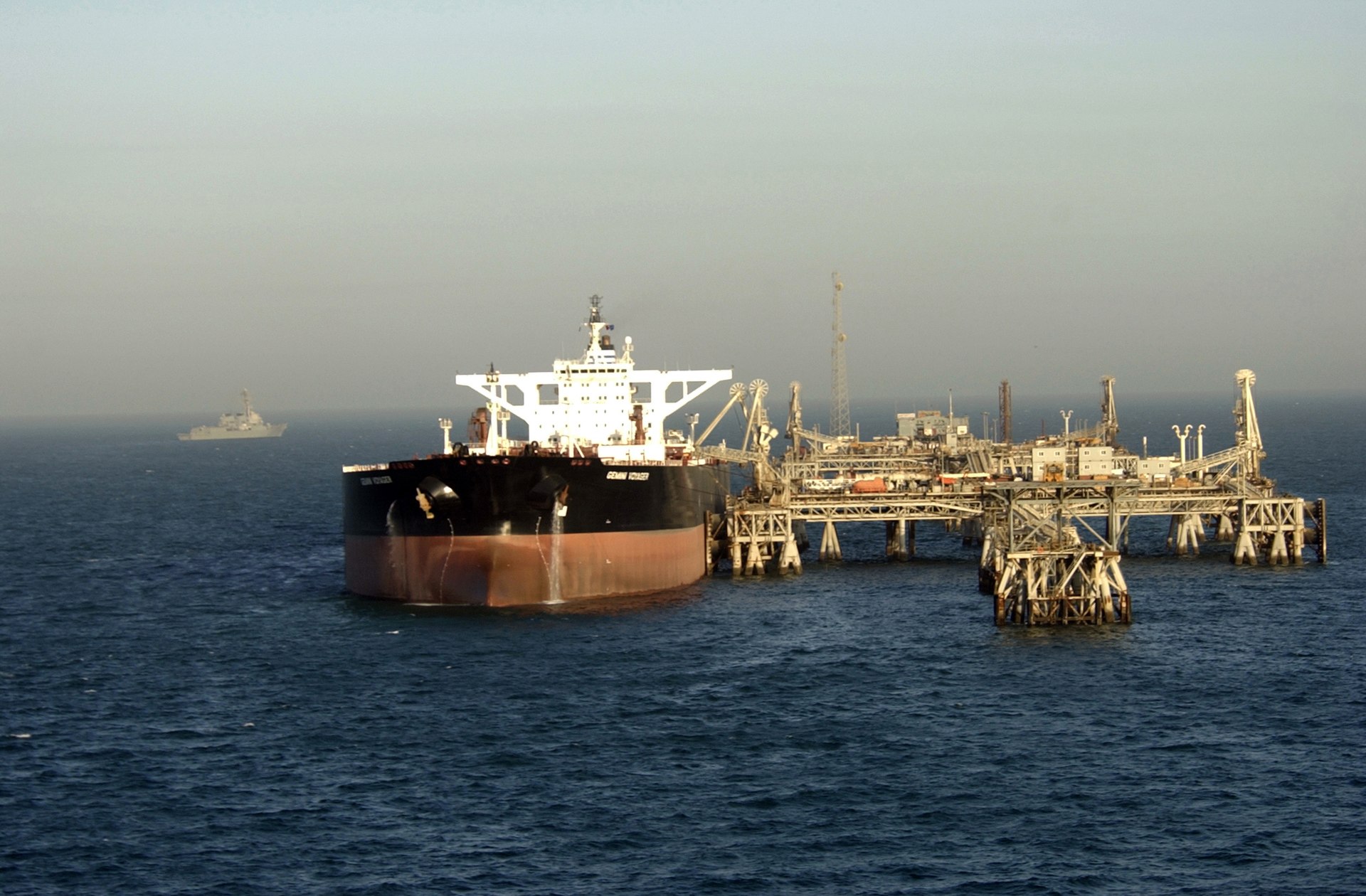
The Persian Gulf is the ideal operating environment for this weapon. The waterway measures just 56 kilometres across at the Strait of Hormuz, narrows to heavily trafficked shipping lanes, and carries approximately 20 percent of the world’s daily oil supply. Tankers move slowly, present enormous radar cross-sections, and cannot manoeuvre to evade a fast-moving surface threat the way a warship might. Every barrel of crude that Saudi Arabia, Iraq, Kuwait, and the UAE export through the Gulf must pass within drone boat range of Iran’s coastline.
The implications are severe. A single drone boat costing as little as $10,000 to $50,000 can disable a supertanker valued at $200 million to $300 million, shut down an oil terminal handling 2 million barrels per day, or kill crew members who have no warning system capable of detecting an object travelling at wave height. According to the International Maritime Organization, the technology represents the most significant asymmetric threat to commercial shipping since the invention of the naval mine.
Six Vessels in One Day — The March 12 Escalation
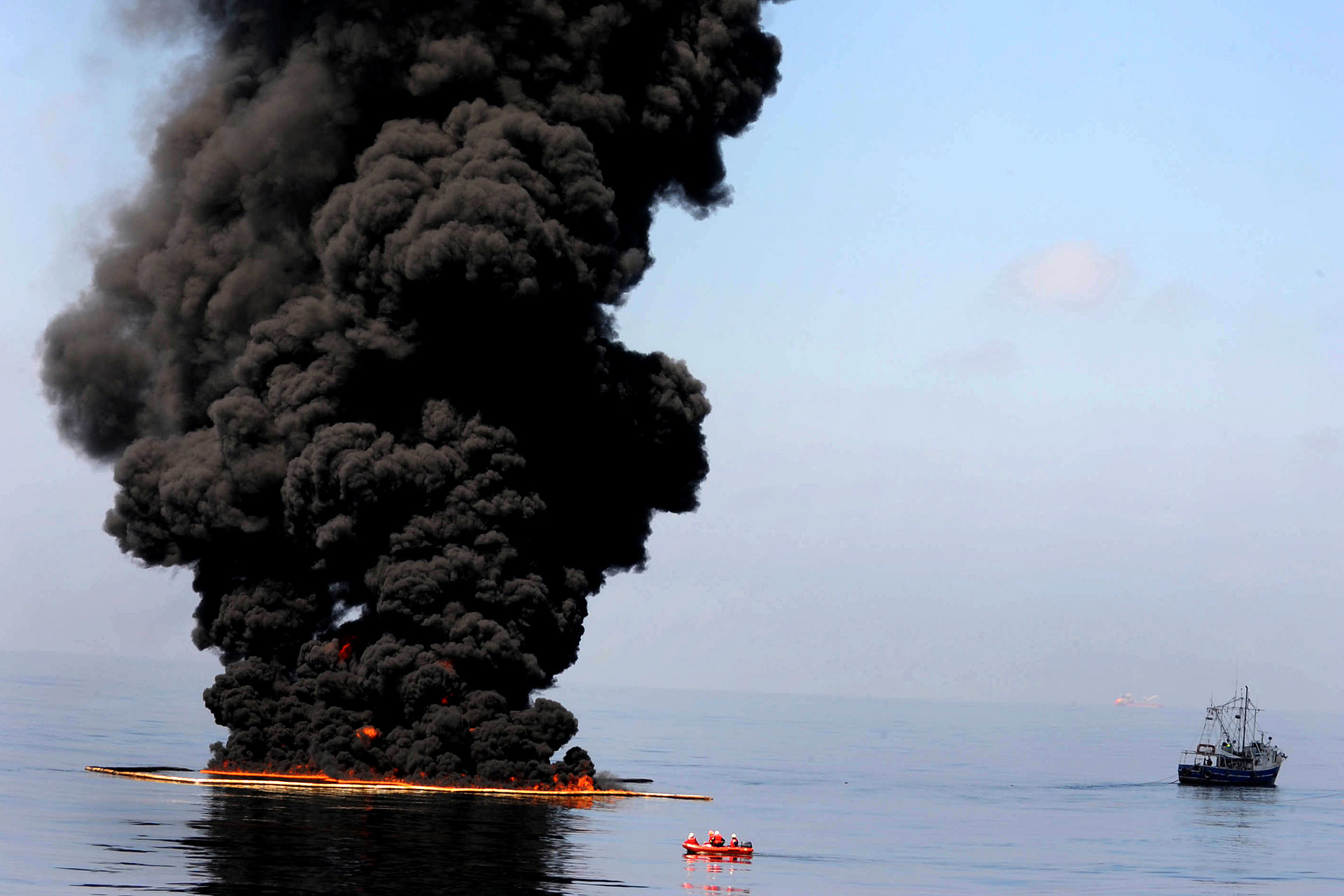
The scale of the 12 March 2026 attacks in the Persian Gulf marked a sharp escalation in Iran’s maritime campaign. According to Al Jazeera and Bloomberg, six commercial vessels were struck within a 14-hour window across a 200-kilometre stretch of water from the Strait of Hormuz to Iraq’s Basra oil terminal. At least two of the attacks involved explosive-laden unmanned surface vessels — drone boats — while the remainder involved a combination of anti-ship missiles, sea mines, and what Iraqi authorities described as remotely detonated waterborne improvised explosive devices.
The most consequential strike hit two fuel tankers in Iraqi waters near the port of Basra, according to Bloomberg. An Indian crew member aboard the U.S.-owned crude tanker was killed. Iraqi authorities immediately halted operations at all of the country’s oil export terminals — removing approximately 3.3 million barrels per day of Iraqi crude from the market in a single administrative decision. The port shutdown compounded the IRGC Navy’s declared closure of the Strait of Hormuz, effectively eliminating nearly all Gulf oil exports east of Saudi Arabia’s Red Sea pipeline terminus at Yanbu.
A Marshall Islands-flagged oil tanker had already become the first vessel confirmed struck by an Iranian unmanned surface vessel on 1 March, according to The War Zone, when the drone impacted the MKD Vyom approximately 44 nautical miles off Oman. The 12 March attacks proved that the initial strike was not an isolated experiment but the opening salvo of a deliberate, scalable maritime drone campaign.
| Date | Target | Location | Attack Type | Damage |
|---|---|---|---|---|
| 1 Mar | MKD Vyom (tanker) | 44 nm off Oman | USV impact | Engine room fire, hull breach |
| 8 Mar | Stena Imperative (tanker) | Port of Bahrain | USV (suspected) | Fire, 1 killed, 2 injured |
| 12 Mar | Two tankers near Basra | Iraqi waters | Drone boat | 1 killed, tankers ablaze, port shutdown |
| 12 Mar | Four vessels in Gulf | Various | USV, mines, missiles | Multiple fires, crew evacuations |
The Ukraine Blueprint That Iran Copied
Iran’s drone boat campaign did not emerge from nowhere. It follows a template written in the Black Sea between 2022 and 2025, where Ukraine’s military demonstrated that cheap unmanned surface vessels could cripple a modern navy.
Ukraine developed two primary maritime drone platforms — the Sea Baby, a six-metre vessel powered by twin 200-horsepower motors capable of reaching 90 kilometres per hour, and the MAGURA V7, a domestically produced naval drone armed with anti-aircraft missiles and capable of operating at sea for days, according to the Royal United Services Institute. The results were spectacular. Ukrainian drones hit Russian ships and boats at least 21 times, confirmed the destruction of 10 vessels, and forced the entire Black Sea Fleet to retreat from occupied Crimea to ports deep inside Russia proper, according to the Atlantic Council.
Ukrainian Navy officials have claimed their drone fleet damaged or destroyed approximately one-third of Russia’s Black Sea Fleet — an outcome that no conventional naval force could have achieved against a nuclear-armed adversary without triggering catastrophic escalation. The MAGURA V7 reportedly shot down two Russian Su-30 fighter jets over the Black Sea in May 2024, marking what is believed to be the first instance of military aircraft downed by unmanned naval platforms.
Iran watched closely. Tehran has maintained military-technical contacts with both Russia and Ukraine throughout the war, and IRGC commanders have publicly studied the Black Sea drone campaign. The transfer of unmanned warfare concepts from the Black Sea to the Persian Gulf was, in hindsight, inevitable. The question was never whether Iran would adopt maritime drones but how quickly it would deploy them at scale.
Inside the IRGC Navy’s Unmanned Surface Vessel Program
The IRGC Navy’s unmanned maritime programme is more advanced than most Western analysts had acknowledged before the war. According to the Hudson Institute’s MENA Defense Intelligence Digest, Iran operates several classes of unmanned surface vessels, including variants of the Seadog, Ghaton, and Saegheh platforms. These vessels carry GPS-guided explosive charges capable of detonating on impact, mount short-range guided missiles for engaging surface targets at standoff range, and employ autonomous navigation using GPS and radar for terminal guidance.
Iran’s capabilities extend well beyond expendable drone boats. In February 2025, the IRGC Navy accepted delivery of the IRIS Shahid Bagheri, a converted container ship that functions as a drone carrier, according to Naval News. The 240-metre vessel displaces more than 40,000 tonnes, features a 180-metre runway for drone operations, carries eight cruise anti-ship missiles, and can deploy unmanned subsurface vehicles. With a range of 22,000 nautical miles, the Shahid Bagheri can project drone warfare capabilities across the Indian Ocean without refuelling.
Beneath the surface, Iran has also developed the Azhdar unmanned underwater vehicle. Defence Security Asia reports that the lithium-battery-powered torpedo drone achieves speeds between 18 and 25 knots with an operational range exceeding 600 kilometres. Its quiet propulsion reduces acoustic signatures to near-undetectable levels in the confined, acoustically noisy waters of the Persian Gulf.
Iran’s maritime drone doctrine emphasises saturation attacks — launching multiple surface drones simultaneously alongside missiles and coastal artillery to overwhelm a target’s defensive systems. A single drone boat is a nuisance. Twenty arriving from different vectors within a two-minute window constitute a naval weapon against which most commercial vessels and many warships have no effective defence.
| Platform | Type | Payload | Speed | Range | Guidance |
|---|---|---|---|---|---|
| Seadog / Ghaton | Surface USV | 100-300 kg explosive | 50+ knots | ~200 km | GPS + radar + AI |
| Saegheh variants | Surface USV | 150-500 kg explosive | 40+ knots | ~150 km | GPS + remote |
| IRIS Shahid Bagheri | Drone carrier | Multiple UAVs/USVs | 20+ knots | 22,000 nm | Manned mothership |
| Azhdar | UUV (torpedo) | Warhead (classified) | 18-25 knots | 600+ km | Autonomous + inertial |
The Gulf Maritime Threat Matrix
The drone boat does not replace Iran’s existing maritime arsenal. It supplements a layered system of sea denial weapons that together make the Persian Gulf the most dangerous body of water for commercial shipping on Earth. Understanding the relative capabilities of each threat vector is essential for evaluating the challenge facing Saudi Arabia and its allies.
The following matrix assesses five categories of Iranian maritime attack capability across six operational dimensions. Each dimension is scored on a scale of 1 (least threatening) to 5 (most threatening) to commercial shipping and energy infrastructure.
| Threat Vector | Unit Cost | Detection Difficulty | Damage Potential | Scalability | Countermeasure Availability | Composite Score |
|---|---|---|---|---|---|---|
| Unmanned surface vessels (drone boats) | 5 | 5 | 4 | 5 | 5 | 24/25 |
| Sea mines (contact and influence) | 5 | 4 | 4 | 4 | 3 | 20/25 |
| Anti-ship cruise missiles (Noor, Qader) | 2 | 2 | 5 | 3 | 2 | 14/25 |
| Fast attack craft (manned swarm) | 3 | 3 | 3 | 4 | 2 | 15/25 |
| Unmanned underwater vehicles | 4 | 5 | 3 | 3 | 5 | 20/25 |
The matrix reveals that unmanned surface vessels score highest overall because they combine extreme cheapness (as low as $10,000 per unit compared to $500,000 or more for an anti-ship missile), near-zero radar cross-section, the ability to carry payloads large enough to breach a tanker hull, effectively unlimited production scalability, and the absence of any proven, widely deployed countermeasure system. No other single threat vector achieves this combination.
Sea mines and underwater drones score nearly as high on detection difficulty — mines are inherently passive and UUVs operate beneath the surface — but their damage potential per engagement is generally lower than a direct waterline impact from a drone boat carrying several hundred kilograms of explosive. Anti-ship cruise missiles remain the most destructive individual weapon but are expensive, detectable by modern radar, and subject to interception by shipboard defence systems like Phalanx CIWS and RAM launchers.
Why Are Drone Boats Harder to Stop Than Aerial Drones?
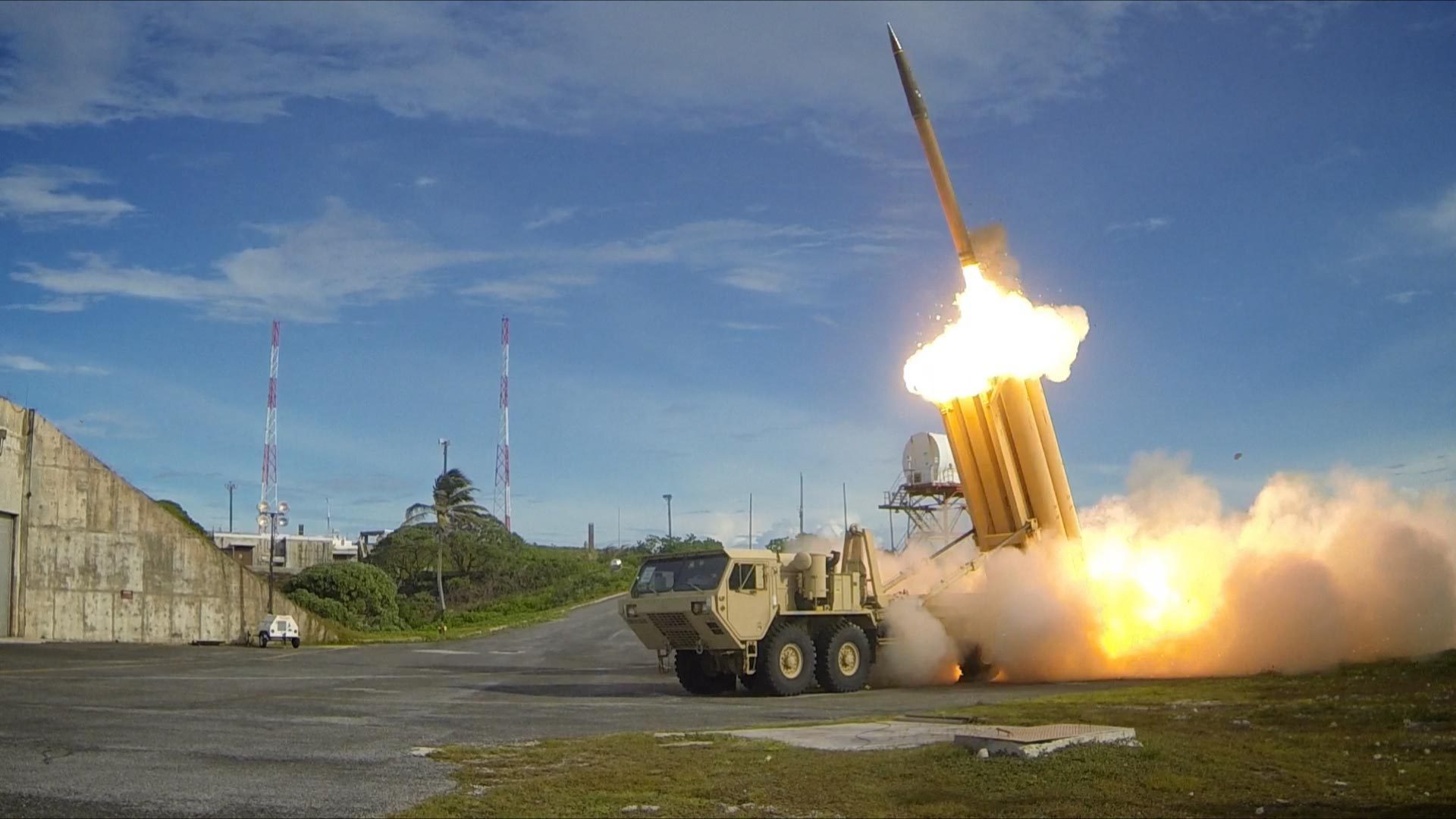
Saudi Arabia and its coalition partners have demonstrated formidable capability against aerial threats during this war. The Kingdom’s air defence network — comprising Patriot PAC-3, THAAD, and Shahine systems — has intercepted the vast majority of Iranian ballistic missiles, cruise missiles, and aerial drones targeting Saudi territory, according to statements from the Saudi Ministry of Defence. The arms race between offensive drones and defensive interceptors heavily favours the defender in the air domain.
The maritime domain inverts this equation. A drone boat riding at wave height presents a radar cross-section measured in square centimetres — smaller than a seabird and easily lost in wave clutter. Standard naval search radars designed to track aircraft and anti-ship missiles at altitude struggle to distinguish a low-profile surface drone from the ambient sea state. Infrared sensors face similar challenges because the drone’s small engine produces minimal heat signature relative to wave-reflected solar radiation.
Speed compounds the problem. A drone boat travelling at 50 knots covers one nautical mile every 72 seconds. In the confined waters of the Persian Gulf, where a tanker may have only 5 to 10 nautical miles of warning, that translates to a reaction window of six to twelve minutes — assuming the threat is detected at all. By comparison, an anti-ship cruise missile travelling at Mach 0.8 triggers radar warning at 20 to 40 kilometres, giving a warship’s combat system two to four minutes to engage. The drone boat’s slower speed is paradoxically an advantage: it arrives below the threshold at which automated combat systems are designed to react.
The waterline strike point is the critical differentiator. An aerial drone typically impacts a ship’s superstructure, causing fires and casualties but rarely threatening the hull’s watertight integrity. A drone boat detonates at or below the waterline, where even 50 kilograms of high explosive can breach the hull below the damage-control capability of most commercial vessels. The USS Cole bombing in 2000 — carried out by a small explosive-laden boat — tore a 12-metre hole in the side of a hardened U.S. Navy destroyer. A commercial tanker with single-hull construction in the engine room area has far less structural resilience.
Saudi Arabia’s Naval Defence Gap
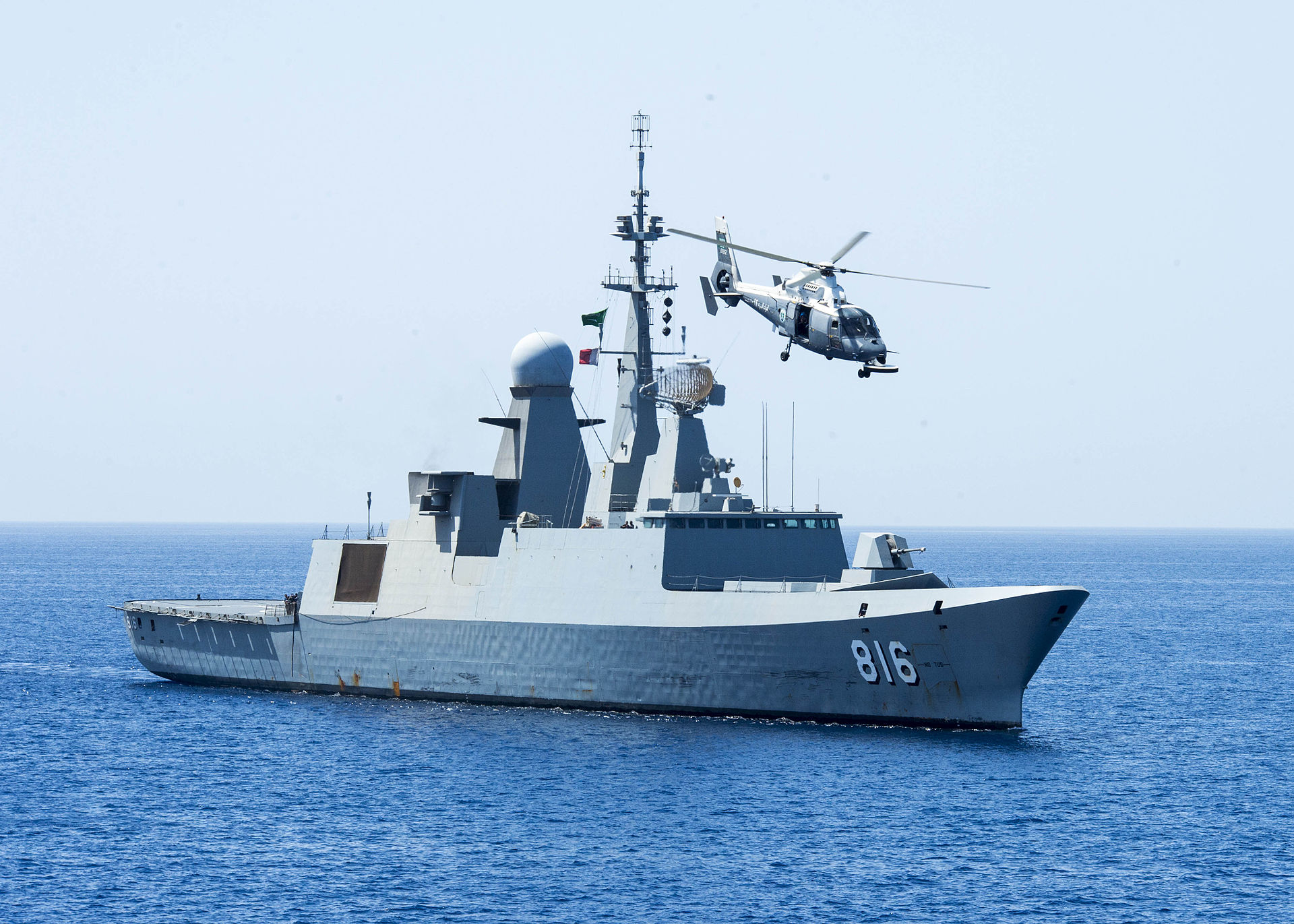
The Royal Saudi Navy operates 29 active warships, including 11 frigates, 9 patrol boats, 9 corvettes, and 3 mine warfare vessels, according to Global Military Net. The fleet is divided between an Eastern Fleet based at King Abdulaziz Naval Base in Jubail, facing the Persian Gulf, and a Western Fleet at King Faisal Naval Base in Jeddah, covering the Red Sea. Total naval personnel number approximately 13,000.
The Navy’s modernisation programme — the Saudi Naval Expansion Programme II (SNEP II), valued at approximately $20 billion — is focused on replacing aging vessels with modern frigates and corvettes. The first of four multi-mission combat vessels under the Tuwaiq Project launched in Wisconsin in early 2026. Navantia has delivered Avante-class corvettes, and new Avante 2200 corvettes were ordered in 2024. These platforms are designed for anti-ship, anti-submarine, and anti-air warfare — conventional threats from conventional adversaries.
None of these platforms were designed to counter swarms of unmanned surface vessels. The gap is doctrinal as much as technological. Saudi Arabia’s naval strategy has historically prioritised blue-water capability — the ability to project power and protect sea lines of communication — over littoral anti-swarm warfare. Crown Prince Mohammed bin Salman’s defence modernisation has emphasised air defence, offensive strike capability, and intelligence systems. The naval drone threat was, until two weeks ago, a theoretical risk discussed in think-tank papers rather than an operational reality demanding immediate investment.
The three mine warfare vessels in the Eastern Fleet represent the closest existing capability for dealing with surface threats in the littoral zone, but mine countermeasures vessels are slow, lightly armed, and designed to sweep fixed obstacles rather than engage fast-moving autonomous craft. Patrol boats carry guns and short-range missiles suitable for engaging manned fast-attack craft but lack the sensor integration and reaction speed needed to reliably detect and destroy a drone boat at sufficient range.
How Did Drone Boats Break the Maritime Insurance Market?
The financial consequences of Iran’s maritime drone campaign have been as devastating as the physical attacks. On 5 March 2026, seven of the world’s largest maritime protection and indemnity clubs — the mutual insurers that underwrite the vast majority of commercial shipping — announced the automatic termination of war-risk coverage for any vessel entering the Persian Gulf, the Strait of Hormuz, or adjacent Iranian waters, according to Bloomberg.
The withdrawal left approximately 1,000 vessels in Gulf waters — roughly half of them oil and gas tankers — with an aggregate hull value exceeding $25 billion, effectively uninsured against acts of war, Bloomberg reported. War-risk premiums for vessels that do secure coverage have surged by more than 1,000 percent. Insurance Journal reported that tankers valued at $200 million to $300 million now face premiums of approximately $7.5 million per voyage, up from roughly $625,000 before the conflict began.
The U.S. government has attempted to fill the gap. The Trump administration announced a $20 billion reinsurance programme through the U.S. International Development Finance Corporation, with Chubb as lead underwriter, to provide coverage for ships transiting the Strait of Hormuz, according to CNBC. The programme aims to restart oil flows by removing the insurance obstacle — but it does not address the underlying risk that makes private insurers unwilling to participate at any price.
Drone boats are the specific weapon that broke the insurance model. Mines can be swept, missiles can be intercepted, and manned fast-attack craft can be deterred by naval escorts. A drone boat that approaches at wave height, invisible to standard radar, and detonates against the hull with no warning represents an uninsurable risk in actuarial terms. The insurance crisis in the Persian Gulf will persist until either the drone boat threat is neutralised or commercial shipping routes permanently bypass the waterway — neither of which is achievable in the short term.
What Technologies Can Defeat Unmanned Surface Vessels?
The global naval arms industry has recognised the drone boat threat but has not yet fielded a mature, battle-proven countermeasure at scale. Several technologies are under development or in limited deployment, each with significant limitations in the Persian Gulf environment.
Directed-energy weapons offer the most promising near-term solution. The U.S. Navy’s ODIN (Optical Dazzling Interdictor, Navy) system uses focused light to disable the optical sensors that many USVs rely on for terminal guidance. The more powerful HELIOS (High-Energy Laser with Integrated Optical Dazzler and Surveillance) system can potentially destroy a small drone boat at ranges of several kilometres. However, only seven ODIN systems and one HELIOS have been deployed fleet-wide for evaluation, according to Euro Security and Defence, far short of the numbers needed to protect commercial shipping across the entire Gulf.
Electronic warfare systems capable of jamming GPS and remote-control links could disable some drone boats, but autonomous USVs with inertial navigation and AI-assisted terminal guidance are increasingly resistant to electronic countermeasures. Iran’s latest platforms incorporate visual recognition systems that can identify and track a target ship without GPS or external data links, making them immune to conventional jamming.
Traditional kinetic options — gun systems like the Mk 38 25mm autocannon or the Phalanx CIWS — can theoretically engage a drone boat, but these weapons are optimised for aerial targets approaching at high altitude and speed. Reprogramming their fire-control algorithms for low-profile surface targets in heavy sea clutter requires software modifications that most navies have not implemented. Ship-mounted .50-calibre machine guns operated by human crew remain the most widely available close-in defence, but the reaction time between visual detection and effective engagement is measured in seconds at close range.
| Technology | Type | Effective Range | Readiness Level | Limitation |
|---|---|---|---|---|
| HELIOS laser | Directed energy | ~5 km | Prototype (1 deployed) | Weather-sensitive, limited units |
| ODIN dazzler | Optical disruption | ~2 km | Limited fleet (7 units) | Non-destructive, sensor-only |
| GPS jamming | Electronic warfare | Variable | Mature | Ineffective vs. AI guidance |
| Phalanx CIWS | Kinetic (autocannon) | ~1.5 km | Widely deployed | Optimised for aerial targets |
| Mk 38 gun system | Kinetic (25mm) | ~2 km | Widely deployed | Manual tracking, slow reaction |
| Counter-USV drones | Autonomous intercept | ~10 km | Experimental | No combat-proven system exists |
The Houthi Precedent Saudi Arabia Should Have Heeded
Iran’s drone boat deployment in the Persian Gulf did not arrive without warning. Since 2017, Yemen’s Houthi forces — armed and trained by the IRGC — have used explosive-laden unmanned surface vessels against shipping in the Red Sea, according to the Wilson Center’s timeline of Houthi attacks. The Houthi campaign provided a nine-year live-fire proving ground for the technology now being deployed against Gulf shipping at industrial scale.
The Houthis attacked 178 vessels during their two-year Red Sea campaign, sinking four ships and killing nine sailors, according to the Armed Conflict Location and Event Data project. Their seven-metre USVs, packed with explosives, struck ships at the waterline using the same tactics Iran now employs in the Gulf. In January 2024, Breaking Defense reported that the U.S. Navy destroyed a Houthi suicide drone boat in the Red Sea — but the incident was treated as an isolated threat rather than a harbinger of systematic maritime drone warfare.
Saudi Arabia bore the brunt of Houthi attacks for years during the Yemen war, including drone and missile strikes on Aramco facilities, airports, and desalination plants. The Kingdom invested tens of billions of dollars in air defence systems — Patriot batteries, THAAD installations, and close-in air defence networks — to counter the airborne threat. The maritime dimension of Houthi capability received comparatively little attention. The trillion-dollar defence relationship with Washington focused overwhelmingly on aircraft, air defence, and armoured vehicles. Naval procurement remained a secondary priority.
The result is a strategic imbalance. Saudi Arabia can now intercept most Iranian ballistic missiles and aerial drones with reasonable confidence. It cannot reliably detect, track, or engage an unmanned surface vessel approaching its eastern coastline, its offshore oil loading terminals, or its commercial ports. The Houthi precedent suggested this vulnerability. The Iran war has confirmed it.
What Does Saudi Arabia Need to Buy to Close the Gap?
Closing the maritime drone defence gap requires Saudi Arabia to invest in three distinct capability layers: detection, engagement, and doctrine. Each layer demands procurement decisions that diverge sharply from the Kingdom’s traditional defence shopping list of fighter jets, armoured vehicles, and missile batteries.
The detection layer is the most urgent. Saudi Arabia’s Eastern Fleet currently relies on standard naval search radars designed to track aircraft, missiles, and large surface vessels. These systems cannot reliably distinguish a low-profile drone boat from sea clutter in the shallow, choppy waters of the Persian Gulf. The Kingdom needs a network of maritime domain awareness sensors — a combination of shore-based radar optimised for small surface targets, persistent airborne surveillance from maritime patrol aircraft and long-endurance drones, and underwater acoustic sensors to detect subsurface threats. Israel’s Rafael Advanced Defense Systems and Elbit Systems both manufacture naval radar systems with enhanced surface-detection algorithms, and South Korea’s Hanwha Systems has developed unmanned maritime surveillance platforms specifically designed for littoral environments.
The engagement layer must combine lethal and non-lethal options. Directed-energy weapons — particularly high-energy lasers capable of destroying a drone boat at ranges of 3 to 5 kilometres — represent the most cost-effective kinetic response. At approximately $1 to $10 per shot, a laser engagement inverts the cost asymmetry that currently favours the attacker. Lockheed Martin’s HELIOS system and Raytheon’s High Energy Laser Counter-Unmanned Aerial Systems (HELCUAS) are the leading candidates. Electronic warfare systems that can jam GPS and remote-control links provide a complementary non-lethal layer, though they are increasingly ineffective against autonomous platforms with inertial and visual guidance.
The most transformative investment would be in autonomous counter-USV drones — unmanned surface vessels designed to patrol, detect, and intercept attacking drone boats before they reach high-value targets. The concept mirrors air combat’s use of fighter jets to intercept enemy aircraft before they reach defended airspace. No navy has yet deployed a mature counter-USV drone at scale, but the U.S. Navy’s Task Force 59 in Bahrain has been experimenting with unmanned patrol vessels in the Persian Gulf since 2021, and Turkey’s ARES Shipyard has developed the ULAQ armed USV with remote weapons stations. Saudi Arabia’s World Defense Show, which concluded in February with $8.8 billion in contracts, featured several counter-drone maritime platforms that could be fast-tracked into service.
Doctrine may matter more than hardware. The Royal Saudi Navy needs to develop a maritime drone defence doctrine from scratch — rules of engagement for autonomous threats, patrol patterns optimised for drone-boat interception, integration protocols between naval vessels, shore-based sensors, and airborne surveillance, and training programmes that prepare crews for a threat they have never encountered in exercises. The U.S. Navy’s Fifth Fleet in Bahrain and the Royal Navy’s mine countermeasures force in the Gulf are the most logical partners for developing this doctrine.
| Capability | Systems Required | Estimated Cost | Timeline | Supplier Options |
|---|---|---|---|---|
| Shore-based surface radar network | 15-20 stations | $800M-$1.2B | 18-24 months | Rafael, Elbit, Thales |
| Maritime patrol aircraft (MPA) | 6-8 aircraft | $1.5B-$2.5B | 24-36 months | Boeing P-8, Airbus C-295 |
| High-energy laser systems | 20-30 units | $1B-$2B | 24-36 months | Lockheed Martin, Raytheon |
| Counter-USV autonomous drones | 30-50 units | $500M-$1B | 18-30 months | ARES (Turkey), L3Harris, domestic |
| Underwater surveillance network | Gulf-wide | $600M-$1B | 24-48 months | Thales, Ultra Electronics |
The total investment required — between $4.4 billion and $7.7 billion — is substantial but represents a fraction of the annual revenue lost to a single week of Hormuz closure. Saudi Arabia’s oil exports through the Gulf generate approximately $500 million per day at current prices. The entire counter-USV defence programme would pay for itself in nine to fifteen days of restored oil flow.
Is the Drone Boat Rewriting Global Naval Doctrine?
The deployment of maritime drones in two simultaneous theatres — the Black Sea and the Persian Gulf — within four years has forced every major navy in the world to confront a revolution in naval warfare that few had prepared for. The implications extend well beyond the immediate conflict.
The U.S. Navy recognised the emerging threat earlier than most. Task Force 59, established in Bahrain in September 2021, was specifically tasked with integrating unmanned systems into Fifth Fleet operations. The Navy stood up Unmanned Surface Vessel Squadron 1 (USVRON 1) at Port Hueneme in 2023 and USVRON 3 at Naval Base Coronado in 2024. These units are developing doctrine for operating large and medium unmanned surface vessels as fleet assets — but they are designed to augment U.S. naval power, not to defend against adversary drone boats attacking commercial shipping.
China’s People’s Liberation Army Navy has invested heavily in unmanned maritime platforms, including the Sea Lizard and Sea Dagger USVs, and has conducted large-scale swarm exercises in the South China Sea. Beijing views maritime drones as a tool for contesting Taiwan Strait scenarios and for establishing sea denial zones around artificial islands in the South China Sea — mirror-image applications of the same asymmetric logic Iran is demonstrating in the Persian Gulf.
For navies of medium powers like Saudi Arabia, Turkey, and India, the drone boat era presents both an opportunity and a threat. On one hand, cheap maritime drones dramatically lower the entry cost for sea denial — enabling smaller navies to hold at risk the assets of much larger adversaries. On the other hand, maritime drones wielded by hostile actors threaten the commercial shipping lanes on which these nations’ economies depend. The net effect is to make naval power simultaneously cheaper to project offensively and more expensive to defend against.
The 1980s Tanker War between Iran and Iraq — in which both sides attacked commercial shipping in the Persian Gulf with missiles, mines, and manned attack craft — now looks like the primitive precursor to a far more dangerous conflict. In that war, the U.S. Navy’s Operation Earnest Will successfully escorted Kuwaiti tankers through the Gulf by reflagging them under the American flag and providing direct naval escorts. The 2026 conflict has demonstrated that naval escorts, however powerful, cannot reliably protect commercial ships against a threat they cannot detect until it is within metres of the hull.
The Real Threat Is Not in the Air
The dominant narrative of the 2026 Iran war has focused on aerial threats — the ballistic missiles fired at Riyadh, the drone swarms targeting Aramco facilities, the cruise missiles aimed at Prince Sultan Air Base. This focus is understandable. Missiles and drones produce spectacular interceptions captured on mobile phone cameras. Air defence batteries make for compelling television. The aerial war is visible, dramatic, and politically resonant.
The narrative is also dangerously misleading. Saudi Arabia’s air defence network, while imperfect, has demonstrated a high interception rate against Iranian aerial attacks. The system bends but has not broken. The real strategic damage — the damage that will reshape the global energy market, permanently alter shipping patterns, and cost the Gulf economies trillions in foregone revenue — is being inflicted at sea.
The Hormuz closure, the mine threat, and now the drone boat campaign have collectively removed an estimated 15 to 18 million barrels per day of oil export capacity from the market, according to the International Energy Agency. No number of intercepted missiles changes this figure. The Strait of Hormuz remains effectively closed not because of aerial bombardment but because of the maritime threat environment — mines, drone boats, and the IRGC Navy’s declared shoot-on-sight policy for unauthorized transits.
The G7’s proposed response — Operation Maritime Shield, a multinational escort convoy — would need to contend with precisely these layered threats, and the historical record of convoy operations in mined waters suggests that naval escorts alone cannot guarantee safe passage for commercial shipping.
This matters for Saudi Arabia’s long-term strategic planning. The Kingdom has committed approximately $80 billion to air defence systems over the past decade, including diversified procurement from South Korea, Ukraine, and domestic manufacturers. Naval investment in counter-drone capability amounts to a fraction of that figure. The imbalance reflects a strategic miscalculation: the assumption that Iran’s primary threat vector would be airborne rather than seaborne.
The history of asymmetric warfare teaches a consistent lesson: the defender’s investment flows toward the most visible threat, while the most effective threat arrives from the direction nobody is watching. In the Persian Gulf in 2026, that direction is at the waterline.
Editorial analysis, March 2026
A rebalancing of Saudi defence investment toward maritime drone countermeasures — directed-energy weapons, autonomous counter-USV platforms, enhanced radar systems optimised for sea-surface detection, and rapid-response patrol vessels equipped with anti-swarm doctrine — is not merely advisable. It is an existential requirement for a petrostate whose economy depends on the ability to move tankers safely through waters that Iran has demonstrated it can threaten with $10,000 expendable weapons.
The drone boat threat is just one layer in what analysts describe as the hardest naval mine countermeasures challenge since 1991, with Iran’s 5,000-mine arsenal compounding the difficulty of reopening the strait to commercial traffic.
Frequently Asked Questions
What is a drone boat and how does it work?
A drone boat, or unmanned surface vessel (USV), is a small watercraft loaded with explosives that is guided by GPS, remote control, or AI-assisted navigation into a target ship. It detonates on impact at the waterline, where a hull breach causes maximum flooding and structural damage. Iran’s models can carry 100 to 500 kilograms of explosive at speeds exceeding 50 knots, making them extremely difficult to detect and intercept.
How many ships has Iran attacked with drone boats in the 2026 war?
Iran has confirmed or is suspected of using unmanned surface vessels against at least 10 commercial vessels in the Persian Gulf since 1 March 2026, according to maritime tracking data. The first confirmed USV strike hit the tanker MKD Vyom on 1 March. The 12 March attacks on six vessels in a single day marked the most intense use of the weapon to date, including strikes that forced Iraq to shut down all oil export terminals at Basra.
Can Saudi Arabia defend against maritime drone attacks?
Saudi Arabia’s Royal Navy currently lacks a dedicated counter-USV capability. The Eastern Fleet’s 29 warships are designed for conventional anti-ship, anti-submarine, and anti-air warfare. Technologies capable of defeating drone boats — including directed-energy weapons, AI-enhanced radar, and autonomous counter-drone platforms — exist in prototype form but are not yet deployed at scale by any navy. Closing this gap is now a strategic priority for Riyadh.
Why did maritime insurance collapse in the Persian Gulf?
Seven major maritime insurance clubs withdrew war-risk coverage for all vessels in the Persian Gulf on 5 March 2026 because the combination of mines, missiles, and drone boats created an uninsurable risk environment. War-risk premiums surged more than 1,000 percent. The U.S. government launched a $20 billion reinsurance programme through the Development Finance Corporation with Chubb as lead underwriter to fill the gap, but private insurers remain unwilling to re-enter the market.
How does Iran’s drone boat programme compare to Ukraine’s?
Ukraine pioneered modern maritime drone warfare in the Black Sea, destroying or damaging approximately one-third of Russia’s Black Sea Fleet with USVs like the Sea Baby and MAGURA V7. Iran has adapted this model for the Persian Gulf, deploying its own Seadog and Saegheh-class drone boats alongside a purpose-built drone carrier, the IRIS Shahid Bagheri. The key difference is operational context: Ukraine targeted warships, while Iran is targeting commercial tankers and energy infrastructure — softer targets with fewer defences.