
DUBAI — An Iranian drone struck a fuel storage tank near Dubai International Airport early on Monday, igniting a fire that forced authorities to suspend all flight operations for more than seven hours in the longest aviation shutdown since the war began on 28 February. The incident at the world’s busiest international airport, which handled 95.2 million passengers in 2025, underscored the deepening vulnerability of Gulf civilian infrastructure as the US-Israeli war on Iran entered its seventeenth day.
The Dubai Media Office confirmed that civil defence teams “successfully contained the fire resulting from impact to one of the fuel tanks in the vicinity” of the airport, adding that no injuries were reported at the site. Emirates airline suspended all departures and arrivals before announcing a resumption of limited services from 10am local time, with some flights diverted to Al Maktoum International Airport and others cancelled outright. The attack came as Saudi Arabia’s Ministry of Defence reported intercepting more than 60 drones since midnight, including 28 that entered Saudi airspace, and as Bahrain’s air defences engaged a barrage of four missiles and three drones.
Table of Contents
- What Happened at Dubai International Airport?
- How Did Emirates and Dubai Authorities Respond?
- Saudi Arabia Intercepts 60 Drones in Coordinated Gulf Assault
- What Does the Dubai Attack Mean for Gulf Aviation?
- Civilian Casualties Mount Across the Gulf
- Oil Markets React as Brent Crude Rises Above $105
- Why Are Gulf Airports Vulnerable to Drone Attacks?
- Seventeen Days of War and No End in Sight
- Frequently Asked Questions
What Happened at Dubai International Airport?
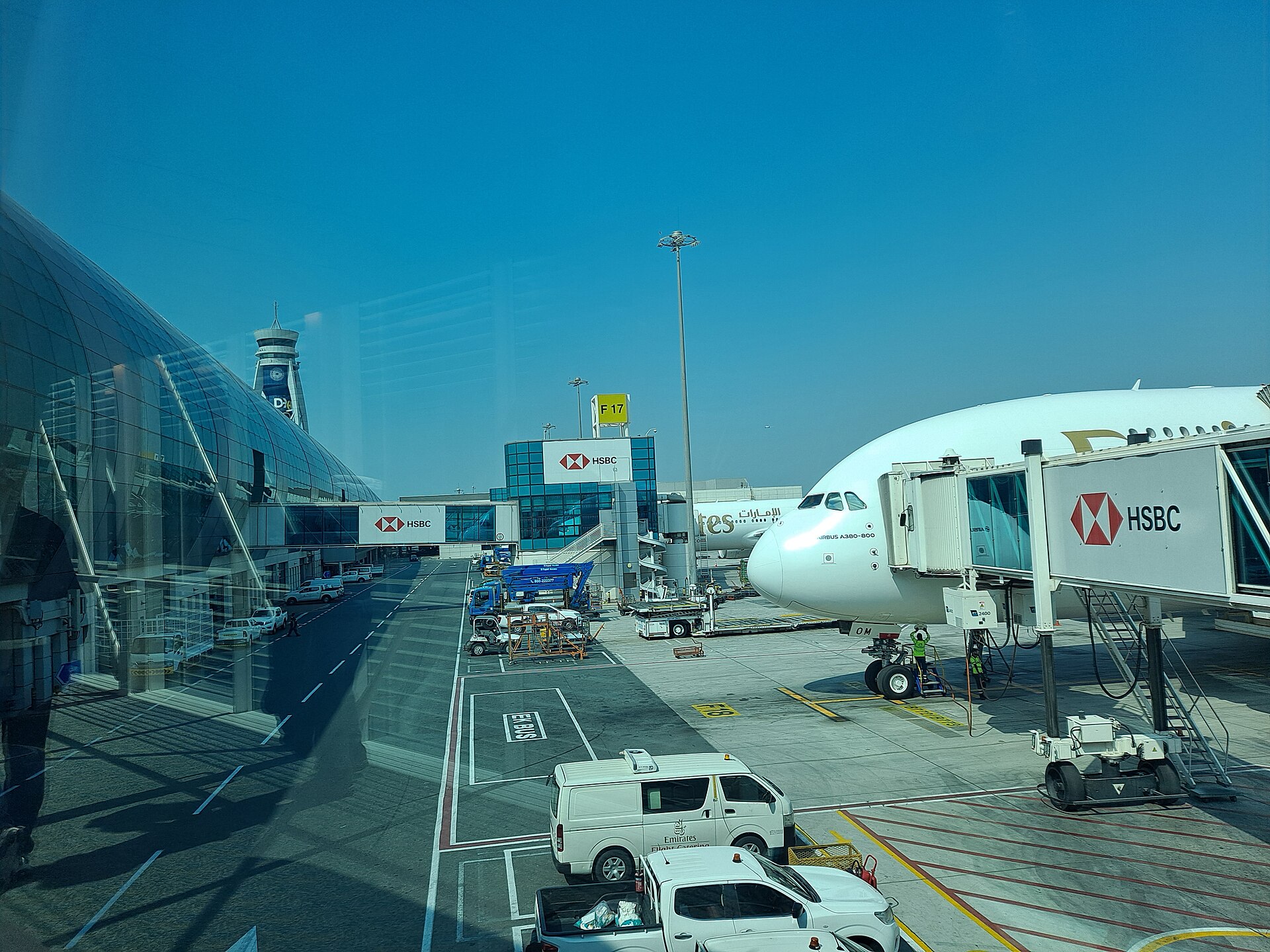
An explosive-laden drone struck a fuel storage facility adjacent to Dubai International Airport at approximately 6:30am local time on Monday 16 March, according to the Dubai Media Office. The impact ignited a fire in one of the fuel tanks, sending a plume of black smoke visible from across the city and prompting an immediate suspension of all flight operations at the airport.
The main access road and tunnel leading to the airport were closed as civil defence teams worked to contain the blaze, the Dubai Media Office said. Firefighting crews brought the fire under control within several hours, and no injuries were reported at the airport site itself. The UAE Ministry of Defence said its air defences were “responding to incoming missile and drone threats from Iran” across the country throughout the early hours of Monday.
The attack represented the most significant disruption to Dubai’s airport since the conflict began. While Iranian drones have previously struck Fujairah’s oil terminal and other UAE infrastructure, Monday’s strike on a fuel depot directly adjacent to the world’s busiest international hub marked a new threshold. The seven-hour suspension of operations was the longest halt since Dubai restarted flights through what authorities describe as “safe air corridors” three days into the conflict, according to Bloomberg.
The incident was not isolated. Separately, a drone strike started a fire at an oil facility in Fujairah’s Oil Industry Zone, which authorities described as “advanced” in nature. No casualties were reported at the Fujairah facility.
How Did Emirates and Dubai Authorities Respond?
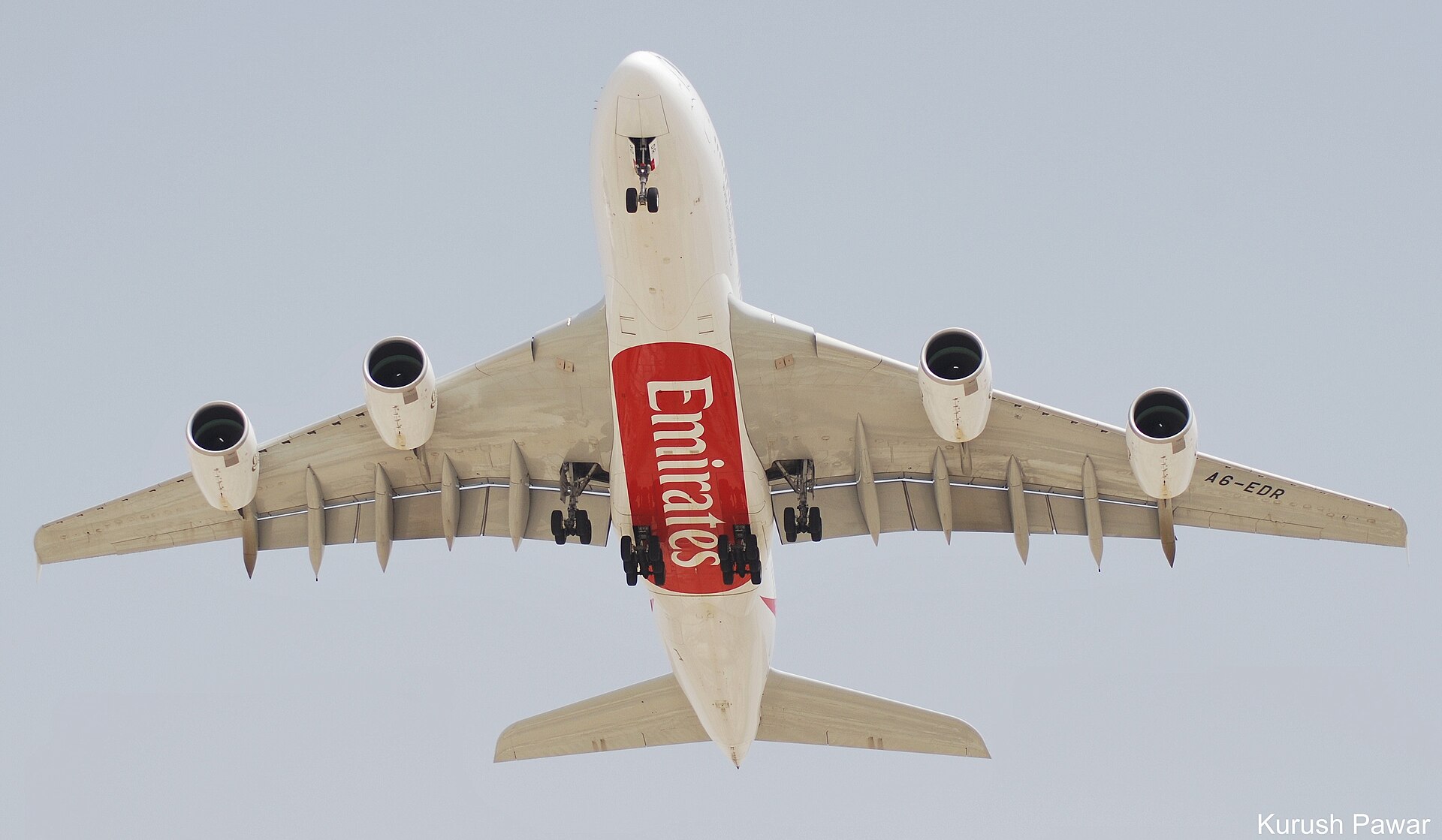
Emirates airline, the flagship carrier of Dubai and the world’s largest international airline by passenger-kilometres, suspended all flights to and from Dubai International Airport immediately after the drone strike was confirmed. The airline issued a statement urging passengers to avoid travelling to the airport until further notice.
Some inbound flights were diverted to Al Maktoum International Airport in Dubai’s Jebel Ali district, approximately 37 kilometres south of the main airport. Other flights were cancelled entirely, stranding passengers at departure points across Europe, Asia, and Africa. Emirates announced the resumption of a “limited schedule” of flights from 10am local time, according to CNBC, though the airline cautioned that significant delays and cancellations would continue throughout the day.
Dubai Airports, the state-owned operator, coordinated with the UAE’s General Civil Aviation Authority to establish safety protocols before reopening. The airport had operated under what Dubai Airports CEO Paul Griffiths previously described as “safe air corridors” designed in consultation with the military to route civilian aircraft away from known threat vectors.
The disruption highlighted the fragility of these arrangements. Dubai International handled a record 95.2 million passengers in 2025, a 3.1 per cent increase from the previous year, and had forecast 99.5 million passengers for 2026 before the conflict began. Saudi Arabia was the airport’s second-largest country market in 2025, with 7.5 million passengers, while Riyadh was the second-busiest city route with 3 million travellers, according to Dubai Airports data. Jeddah ranked fourth with 2.4 million passengers.
The volume of Saudi traffic through Dubai International meant the airport’s disruptions directly affected Saudi travellers and business links. Riyadh, Jeddah, and Dammam airports remained open and operational on Monday, though the US Embassy in Riyadh advised travellers to check flight status directly with airlines due to “possible delays and cancellations” resulting from regional air traffic restrictions.
Saudi Arabia Intercepts 60 Drones in Coordinated Gulf Assault
The Dubai airport strike was part of a coordinated Iranian drone offensive across the Gulf on Monday morning. Saudi Arabia’s Ministry of Defence announced it had intercepted and destroyed more than 60 drones since midnight, according to the Bangladeshi state news agency BSS, citing the Saudi defence ministry.
Twenty-eight drones were shot down after entering Saudi airspace, the defence ministry said. Of these, 20 were intercepted over the Eastern Province, which hosts the vast majority of the Kingdom’s oil infrastructure including Aramco’s Abqaiq processing facility and the Shaybah oil field. Seven drones were intercepted across the Eastern and Central regions, three were downed in Al-Kharj Governorate near Prince Sultan Air Base, and one was destroyed as it attempted to approach Riyadh’s Diplomatic Quarter, Arab News reported.
An additional 35 drones were neutralised before entering Saudi airspace, according to multiple reports, bringing the total to more than 60 intercepted threats in a single night. No casualties or significant damage were reported by Saudi authorities.
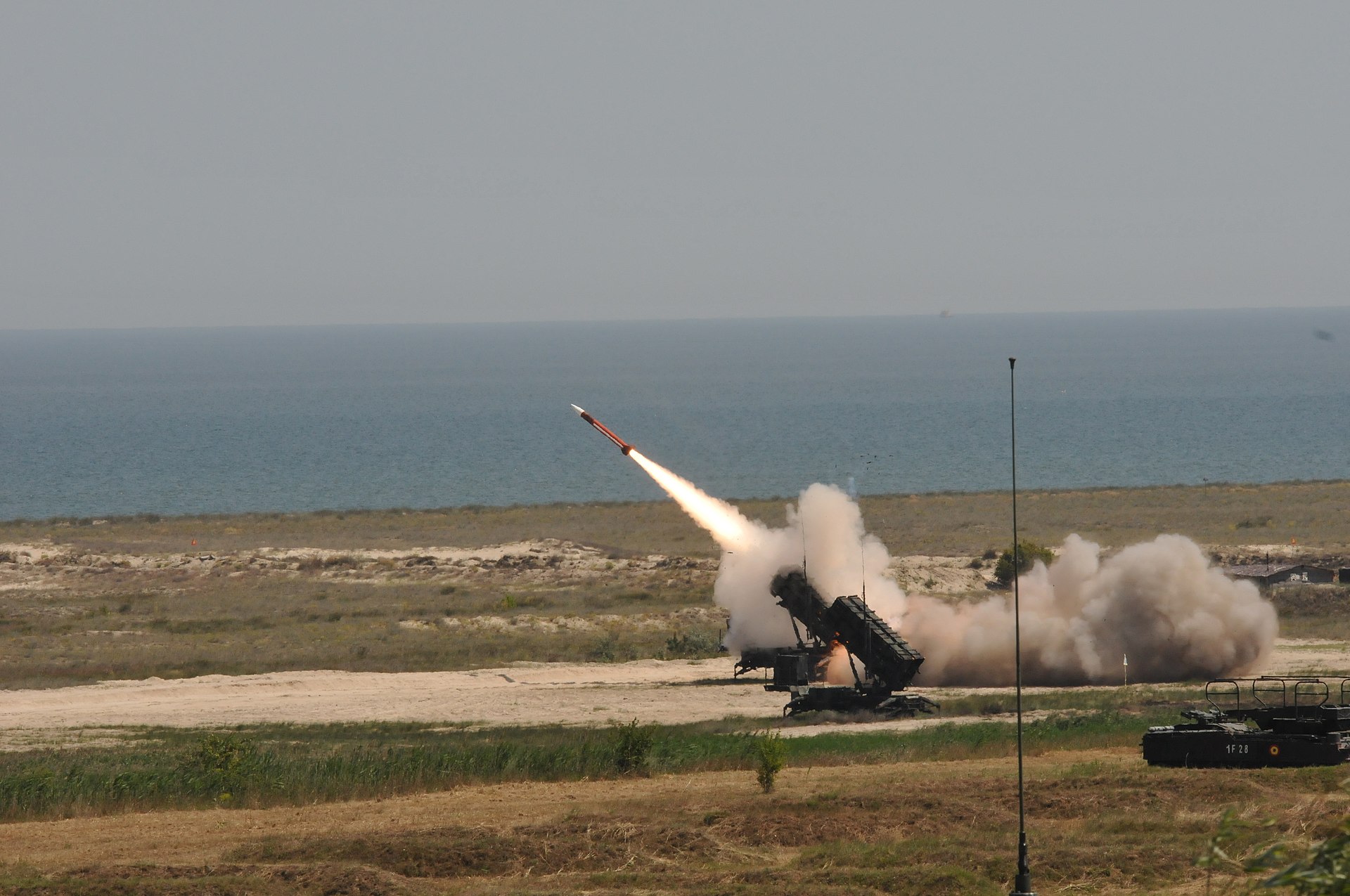
The Saudi Royal Air Defense Forces operate a layered air defence network centred on Patriot PAC-3 batteries, supplemented by shorter-range systems. The sheer volume of incoming threats has raised questions about the sustainability of interceptor stockpiles, a concern amplified by reports that Israel’s own interceptor shortage could limit the supply available to Gulf allies.
Bahrain’s air defence systems also engaged a barrage of four missiles and three drones on Monday morning, all of which were intercepted with no immediate casualties or damage reported, according to Bahrain’s defence ministry.
What Does the Dubai Attack Mean for Gulf Aviation?
The fuel tank fire at Dubai International Airport represented the most direct threat yet to Gulf aviation, an industry that underpins the economic model of every GCC state. Dubai, Abu Dhabi, Doha, Riyadh, and Jeddah have collectively invested hundreds of billions of dollars in airport infrastructure, airline fleets, and tourism ecosystems predicated on uninterrupted air connectivity.
Iran has fired more than 1,800 missiles and drones at the UAE since the war began on 28 February, more than at any other country targeted by Tehran in the conflict, according to Al Jazeera. The repeated strikes on or near aviation infrastructure have forced Gulf airports into an operational mode that aviation analysts compare to wartime conditions rarely seen at major civilian hubs.
Saudi Arabia’s own $100 billion aviation strategy, centred on establishing Riyadh as a global hub through the new carrier Riyadh Air and the expansion of King Khalid International Airport, now faces existential questions. While Saudi airports remained open on Monday, they did so under frequent air traffic restrictions and amid daily drone intercept operations. The US Embassy in Riyadh has maintained a shelter-in-place order for American citizens since 3 March, with security alerts issued daily warning that “hotels and other gathering points may be potential targets.”
The insurance implications are severe. War-risk premiums for aircraft operating in the Persian Gulf region have risen by an estimated 400 per cent since the conflict began, according to industry sources cited by Bloomberg. Several international carriers suspended Gulf routes entirely in the first week of the war, and Monday’s strike on a fuel tank at the world’s busiest airport is likely to reinforce those decisions.
For Saudi Arabia, the disruption carries a dual risk. Beyond the immediate threat to its own airports, the Kingdom stands to lose the network connectivity that Dubai has historically provided. The 7.5 million Saudi passengers who transited through Dubai in 2025 relied on Emirates’ extensive route network to reach destinations that Saudi carriers do not serve directly. The erosion of Dubai’s hub function removes a critical node in the Kingdom’s international connectivity.
Civilian Casualties Mount Across the Gulf
Monday’s attacks added to a growing toll of civilian casualties from the Iranian strikes. In Abu Dhabi, a missile struck a civilian vehicle in the al-Bahyah area early on Monday morning, killing a Palestinian resident, according to Al Jazeera. The death raised the total number of people killed by Iranian attacks in the UAE to seven since the war began on 28 February.
Across the Gulf, Iranian attacks have killed at least 26 people in civilian areas, according to Euronews, with casualties reported in Kuwait, Bahrain, Qatar, the UAE, and Saudi Arabia. In Saudi Arabia, an Iranian drone struck a residential building in Al-Kharj earlier in the conflict, killing two people of Indian and Bangladeshi nationality and injuring twelve, according to Al Arabiya.
The civilian toll, though limited compared to major conventional conflicts, has carried outsized political weight. Saudi Arabia, the UAE, and other Gulf states have condemned the strikes as violations of international law targeting civilian infrastructure. The Saudi foreign ministry warned that “if Iran presses ahead with its attacks, it would bear the heaviest diplomatic, economic, and strategic consequences, and be the biggest loser,” according to a statement issued through the Saudi Press Agency.
The targeting of civilian airports represents a particularly provocative escalation. International humanitarian law provides special protections for civilian aviation infrastructure, and the strikes have drawn condemnation from the International Civil Aviation Organization, the UN body responsible for global aviation standards.
Oil Markets React as Brent Crude Rises Above $105
Global oil markets responded sharply to Monday’s escalation. Brent crude was trading near $105 per barrel, up 1.6 per cent at $104.73, according to Euronews. Oil prices have risen more than 40 per cent since the war began on 28 February, when US and Israeli forces launched joint strikes against Iran.
The attack on Dubai’s airport fuel tank, combined with a separate drone strike on an oil facility in Fujairah’s Oil Industry Zone, reinforced concerns about the vulnerability of Gulf energy infrastructure. The Strait of Hormuz, through which approximately one-fifth of the world’s oil normally flows, has remained effectively closed since the early days of the conflict, with Iran’s new Supreme Leader Mojtaba Khamenei vowing in his first public statement on 12 March to keep the waterway shut.
OPEC+ agreed to resume production increases at an accelerated pace, boosting output by a larger-than-expected 206,000 barrels per day in April, Bloomberg reported. The move was designed to offset shortfalls from Iran, whose exports have been disrupted by the conflict. Saudi Arabia, the bloc’s largest producer, has the world’s only significant spare production capacity, but the closure of Hormuz has forced the Kingdom to reroute exports through Red Sea terminals at Yanbu, creating new bottlenecks.
The International Energy Agency projected that global oil supply would plunge by 8 million barrels per day in March, with curtailments in the Middle East only partly offset by higher output from non-OPEC+ producers. Approximately 1,000 oil tankers remained stranded and unable to pass through the Strait of Hormuz, according to reports cited by Al Jazeera.
Why Are Gulf Airports Vulnerable to Drone Attacks?
The vulnerability of Gulf airports to drone warfare reflects a fundamental asymmetry in the current conflict. Iran’s drone arsenal, built around the Shahed-136 kamikaze drone and its variants, costs a fraction of the air defence systems deployed to counter it. Each Shahed-136 is estimated to cost between $20,000 and $50,000 to produce, while the interceptor missiles used to shoot them down can cost between $2 million and $4 million each, a cost asymmetry that favours the attacker.
Gulf airports present uniquely challenging defensive targets. Dubai International Airport sits within a densely built urban environment, with fuel storage, maintenance facilities, and residential areas in close proximity to runways and terminals. The airport’s fuel infrastructure must be located near the airfield for operational efficiency, but this proximity makes it an attractive target for low-flying drones that may evade radar detection until the final moments of approach.
Iran’s drone campaign has exploited the limitations of conventional air defence systems designed to counter high-altitude, high-speed threats such as ballistic missiles and manned aircraft. Slow-moving drones flying at low altitudes can approach targets beneath the detection envelope of some radar systems, particularly in cluttered urban environments where buildings create radar shadows.
Saudi Arabia has sought to address this gap through multiple procurement channels. The Kingdom signed a $5 billion agreement to produce Chinese combat drones domestically in Jeddah, and Ukraine has offered to send drone defence teams to Saudi Arabia and Gulf states, Reuters reported. The diversification of air defence suppliers reflects a recognition that no single nation’s systems can address the full spectrum of threats posed by Iran’s arsenal.
| Airport | Country | Incidents | Longest Closure | Status (16 March) |
|---|---|---|---|---|
| Dubai International (DXB) | UAE | Multiple drone strikes | 7+ hours (16 March) | Limited operations |
| Abu Dhabi International (AUH) | UAE | Missile and drone attacks | 12+ hours (early March) | Intermittent closures |
| Kuwait International (KWI) | Kuwait | Airspace closed after strikes | Closed since early March | Closed |
| Bahrain International (BAH) | Bahrain | Fuel depot strike | 8+ hours | Limited operations |
| King Khalid (RUH), Riyadh | Saudi Arabia | Air traffic restrictions | No full closure | Open with restrictions |
| King Abdulaziz (JED), Jeddah | Saudi Arabia | Air traffic restrictions | No full closure | Open with restrictions |
| King Fahd (DMM), Dammam | Saudi Arabia | Air traffic restrictions | No full closure | Open with restrictions |
Seventeen Days of War and No End in Sight
The Dubai airport attack came as the US-Israeli war on Iran entered its seventeenth day with no ceasefire in prospect. The conflict began on 28 February when US and Israeli forces launched joint air strikes against Iranian nuclear and military targets, killing Supreme Leader Ali Khamenei in the opening hours. His son, Mojtaba Khamenei, 56, was named as the new Supreme Leader on 9 March after an emergency session of the Assembly of Experts.
Iran’s retaliatory strategy has focused on striking US military bases and infrastructure across the Gulf region, targeting countries that host American forces rather than engaging the US or Israeli militaries directly. This approach has drawn Saudi Arabia, the UAE, Bahrain, Kuwait, Qatar, and Oman into the conflict despite none of them having authorised or participated in the strikes against Iran.
President Trump said on Saturday that the United States Navy could begin escorting oil tankers through the Strait of Hormuz, and called on China, France, Japan, South Korea, the United Kingdom, and other nations to send warships to patrol the waterway. The response has been muted. A US official told Fox News Digital that “we are not escorting ships through the Strait of Hormuz, and we will not speculate on future operations.” The White House confirmed that Energy Secretary Chris Wright’s claim that a tanker had been successfully escorted was incorrect.
Iran’s foreign minister told NPR on Saturday that “we never asked for a ceasefire,” contradicting earlier reports that Tehran was seeking diplomatic channels to end the conflict. The UAE and other Gulf states have pressed for a cessation of hostilities while simultaneously investing in enhanced air defences and military readiness.
For Saudi Arabia, the conflict has crystallised a strategic dilemma. Crown Prince Mohammed bin Salman has been speaking regularly with President Trump, according to The New York Times, urging harsh action against Iran in language that echoes the late King Abdullah’s advice to “cut off the head of the snake.” Yet the Kingdom has refrained from direct military engagement, preferring to absorb Iranian strikes through its air defence network while pursuing diplomatic channels.
The US Embassy in Riyadh issued its latest security alert on Monday, directing all US government employees to shelter in place and recommending that American citizens depart the Kingdom via commercial flights if they can do so safely. The embassy noted that Saudi airspace remained open with “frequent air traffic restrictions to address continued missile and drone threats.”
Frequently Asked Questions
Was anyone killed in the Dubai airport drone attack?
No casualties were reported at the Dubai airport fuel tank fire on 16 March, according to the Dubai Media Office. Civil defence teams contained the fire, and no injuries were recorded at the site. However, a Palestinian civilian was killed by a separate missile strike in Abu Dhabi’s al-Bahyah area on the same day, bringing the UAE’s total civilian death toll to seven since the war began.
Are Saudi airports still operating during the Iran war?
Riyadh, Jeddah, and Dammam airports remained open and operational as of 16 March 2026, though all three are subject to frequent air traffic restrictions related to ongoing missile and drone threats. The US Embassy in Riyadh has advised travellers to check flight status directly with airlines due to possible delays and cancellations. Saudi Arabia has not experienced a full airport closure since the conflict began.
How many drones has Saudi Arabia intercepted since the war started?
Saudi Arabia intercepted more than 60 drones in a single night on 15-16 March alone, with 28 shot down after entering Saudi airspace. The Kingdom has intercepted hundreds of drones and missiles since the conflict began on 28 February, though exact cumulative totals have not been published by the Saudi Ministry of Defence. The Royal Saudi Air Defense Forces operate Patriot PAC-3 and other systems across the country.
Is Dubai International Airport now safe to fly through?
Emirates resumed limited services from 10am local time on 16 March, and Dubai Airports announced that operations were gradually returning to normal through “safe air corridors” established in coordination with the UAE military. However, the airport has experienced repeated disruptions since the war began, and Monday’s seven-hour closure was the longest yet. Multiple international airlines have suspended Gulf routes entirely, and war-risk insurance premiums for aircraft in the region have risen by an estimated 400 per cent.
What is the Strait of Hormuz situation?
The aviation shutdown is part of a broader economic catastrophe across the Gulf. Goldman Sachs warned on March 17 that Gulf economies face their worst recession in a generation, with 37,000 flights cancelled in the first ten days alone costing the tourism sector an estimated $600 million daily.
The Strait of Hormuz, through which approximately 20 per cent of global oil supply normally transits, has remained effectively closed since the early days of the conflict. Iran’s new Supreme Leader Mojtaba Khamenei vowed on 12 March to maintain the blockade. Approximately 1,000 oil tankers are currently stranded, and President Trump’s calls for international naval escorts have drawn limited commitments. Brent crude was trading near $105 per barrel on 16 March, up more than 40 per cent since the war began.