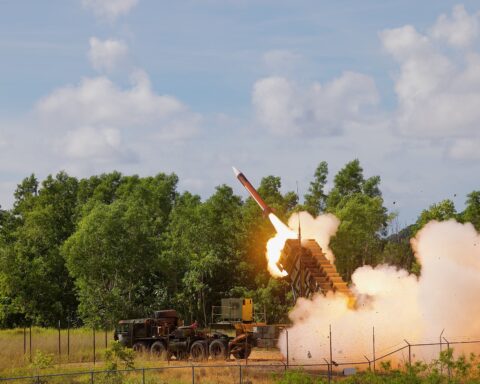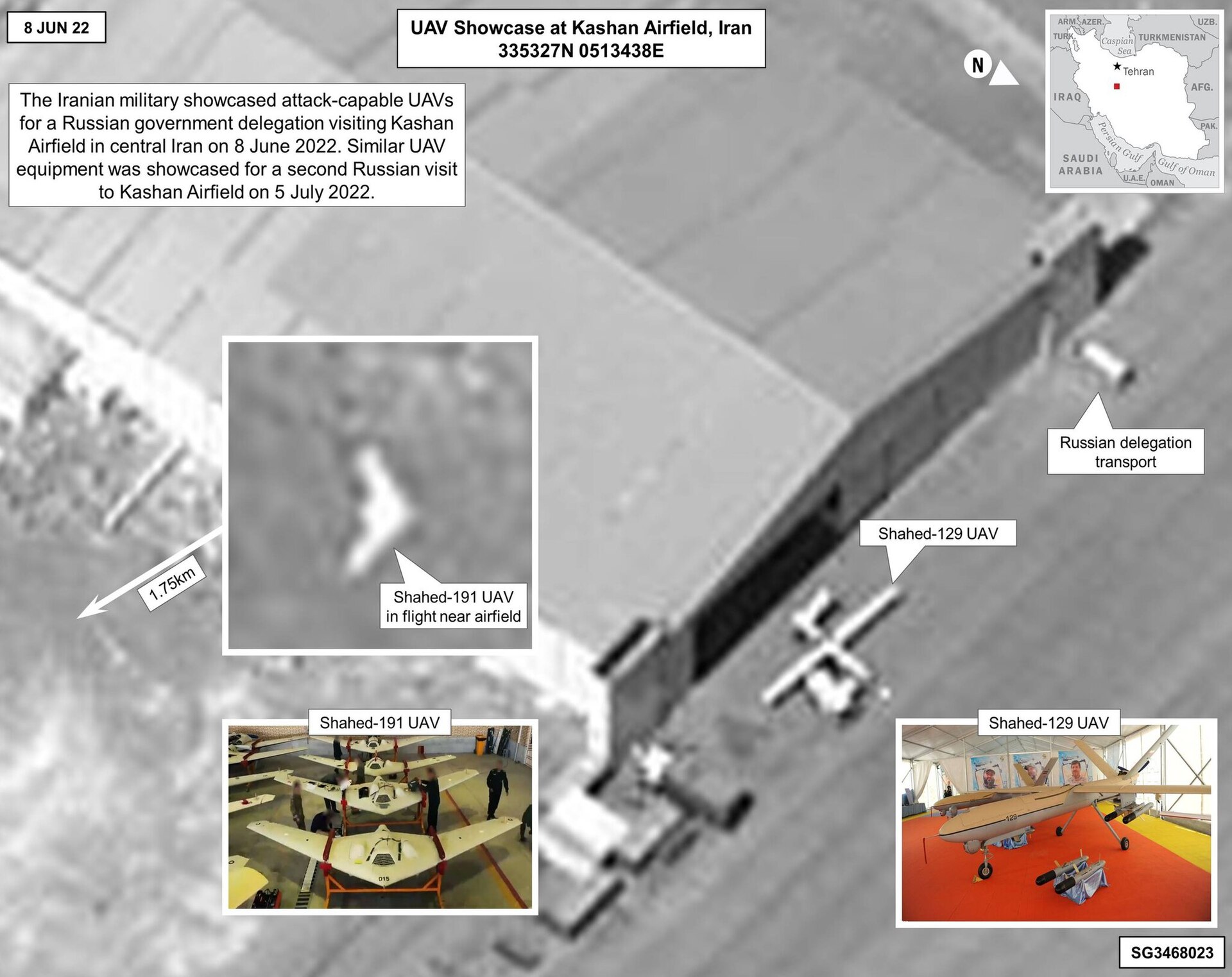

MUSCAT — Two foreign workers were killed and several others injured on Friday when Iranian drones crashed into an industrial area in the Omani city of Sohar, marking the first confirmed civilian fatalities on Omani soil since Iran began retaliatory strikes across the Gulf on March 1. The deaths in Oman’s al-Awahi Industrial Area, confirmed by Omani authorities and reported by Al Jazeera and Gulf News, represent a significant escalation in the two-week-old conflict — the war has now drawn blood in the one Gulf state that every party to the conflict needs as a mediator. Oman intercepted a second drone in the same area, which fell in open ground without casualties, according to the Oman News Agency. The strikes came as part of a broader wave in which Saudi Arabia intercepted more than 50 drones in a single day across its eastern and central provinces, and as Dubai, Abu Dhabi, and Kuwait all reported drone-related incidents within hours of the Sohar attack.
Table of Contents
- What Happened in Sohar on March 13?
- How Many Times Has Oman Been Hit Since the War Began?
- Why Does Oman’s Neutrality Matter to Saudi Arabia?
- Sohar and the Industrial Corridor at Risk
- Is the Oman Mediation Channel in Jeopardy?
- How Has the GCC Responded?
- What the Oman Deaths Mean for Riyadh
- Frequently Asked Questions
What Happened in Sohar on March 13?
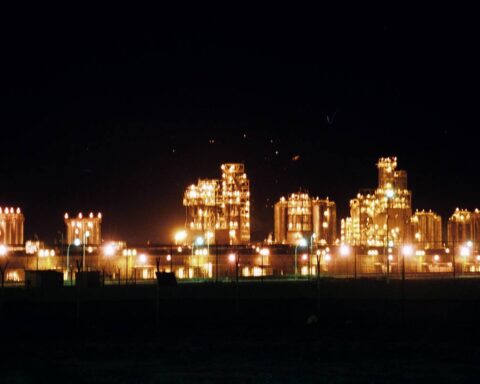
Two drones struck the governorate of Sohar in northern Oman on Friday, March 13, 2026, killing two expatriate workers and injuring several others, according to statements from Omani civil defence authorities reported by Khaleej Times, Arabian Business, and Gulf News. One drone hit the al-Awahi Industrial Area, a hub for manufacturing and logistics operations near SOHAR Port and Freezone, killing the two workers. A second drone crashed into open ground nearby without causing further casualties.
Omani authorities did not immediately attribute the drones to Iran, maintaining the cautious diplomatic language the Sultanate has employed throughout the conflict. Tehran has not claimed the Sohar strikes, and no official Iranian statement has addressed the Oman incidents directly. However, the timing and trajectory of the drones — arriving during a coordinated wave of Iranian strikes that hit Saudi Arabia, Kuwait, and the United Arab Emirates on the same day — leaves little ambiguity about their origin.
The nationalities of the two deceased workers have not been publicly disclosed, though Omani media reported them as foreign nationals employed in the industrial zone. SOHAR Port and Freezone employs approximately 36,000 workers directly and indirectly, many of them expatriates from South Asia, Southeast Asia, and East Africa, according to the port authority’s official data.
Emergency services responded to the scene within minutes. Omani civil defence units cordoned off the impact area in al-Awahi, and authorities launched an investigation into the incident, according to the Oman News Agency.
The attack came on the 14th day of the wider conflict — a war that began when American and Israeli forces launched coordinated airstrikes across Iran on February 28, killing Supreme Leader Ali Khamenei and senior IRGC commanders. Iran responded with a massive retaliatory campaign targeting US military bases, allied Gulf states, and energy infrastructure across the region. More than 2,000 people have been killed since the war began, according to Al Jazeera’s running tally, and Brent crude oil prices have surged above $90 per barrel as the Strait of Hormuz remains effectively closed to commercial shipping, leaving 3,000 vessels and 20,000 seafarers stranded according to the IMO.
How Many Times Has Oman Been Hit Since the War Began?
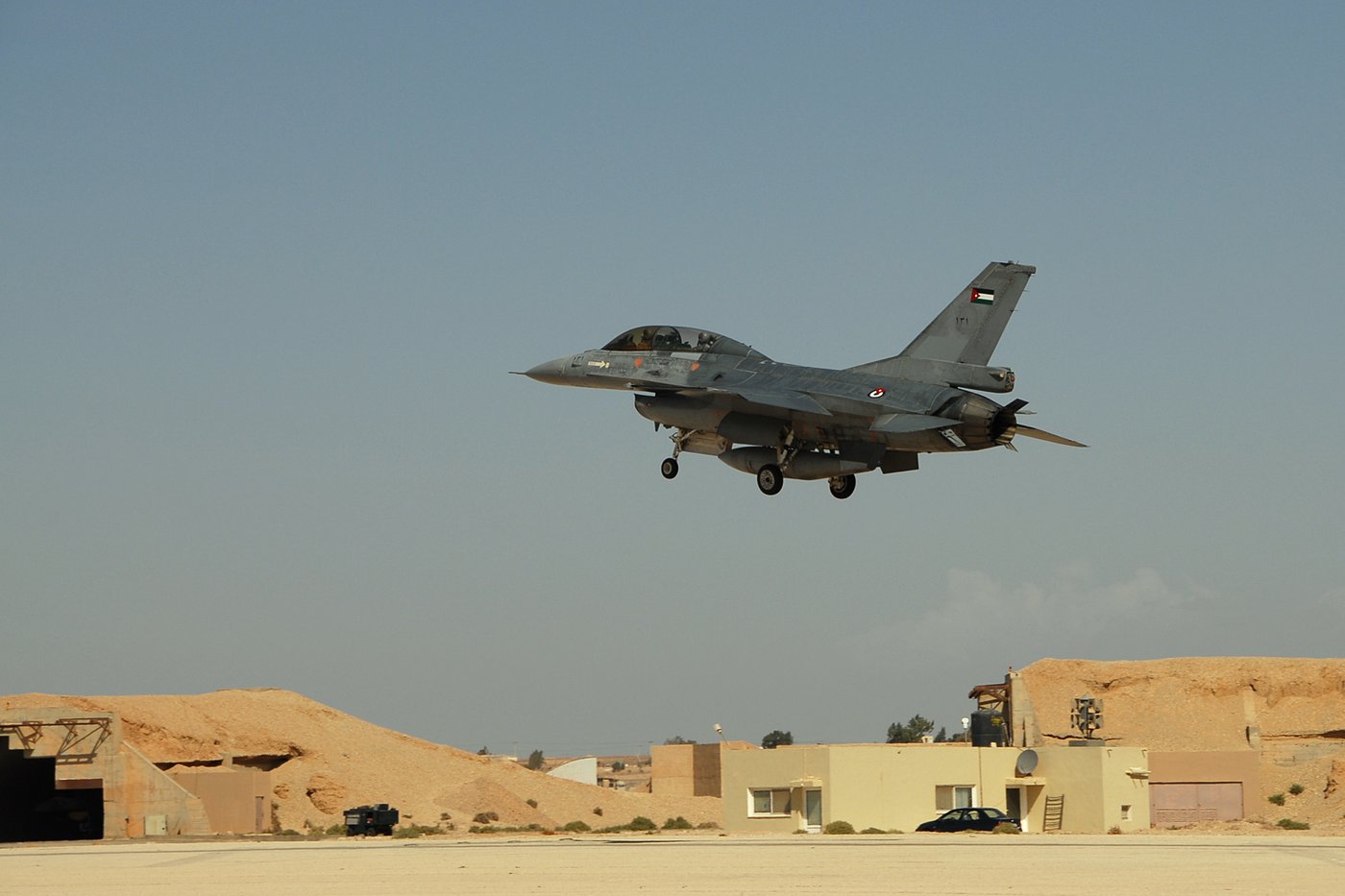
The Sohar attack was the deadliest single drone incident on Omani soil, but it was not the first. Since the United States and Israel launched strikes against Iran on February 28, killing Supreme Leader Ali Khamenei and triggering Iranian retaliation across the region, Oman has been hit repeatedly despite its formal neutrality. At least five people have been killed and several more injured in Oman-linked incidents since the war began, according to a compilation of reports from Omani state media, Al Jazeera, and Reuters. Jordan faces an even more acute version of this dilemma, with 119 Iranian missiles and drones targeting its territory while King Abdullah II maintains the fiction of neutrality even as Jordanian F-16s shoot down Iranian drones daily.
| Date | Location | Target | Casualties | Source |
|---|---|---|---|---|
| March 1 | Duqm Port, Al Wusta | Workers’ housing unit | 1 foreign worker injured | Oman News Agency |
| March 1 | Off Khasab, Musandam | Oil tanker (Skylight) | 4 crew injured | Reuters |
| March 2 | 52 nm off Muscat | Marshall Islands-flagged tanker | 1 crew member killed | Al Jazeera |
| March 3 | Duqm Port | Fuel storage tank | No casualties | Oman News Agency |
| March 11 | Salalah Port | Fuel tanks | Fire, no reported deaths | Middle East Eye, Al Jazeera |
| March 12 | Khasab airspace | Intercepted drone | No casualties | Times of Oman |
| March 12 | North of Duqm | Drone downed; another crashed into sea | No casualties | Anadolu Agency |
| March 13 | Sohar, al-Awahi | Industrial area | 2 killed, several injured | Gulf News, Khaleej Times |
The geographic spread of attacks is notable. Duqm, on Oman’s Arabian Sea coast, sits roughly 600 kilometres south of Muscat. Salalah, near the Yemeni border, is more than 1,000 kilometres from the capital. Khasab occupies the tip of the Musandam Peninsula, jutting into the Strait of Hormuz. Sohar lies on the Gulf of Oman coast between Muscat and the UAE border. The strikes suggest either a pattern of deliberate targeting across Omani territory or, more likely, that drones aimed at targets in Saudi Arabia and the UAE are straying into Omani airspace — a distinction that matters little to the families of the dead.
Iran has maintained publicly that its retaliatory strikes target only American and Israeli military assets and the infrastructure of states it considers complicit in the February 28 attack. Oman is not among those states. But geography and the crude guidance systems of mass-produced one-way attack drones do not respect diplomatic boundaries.
Why Does Oman’s Neutrality Matter to Saudi Arabia?
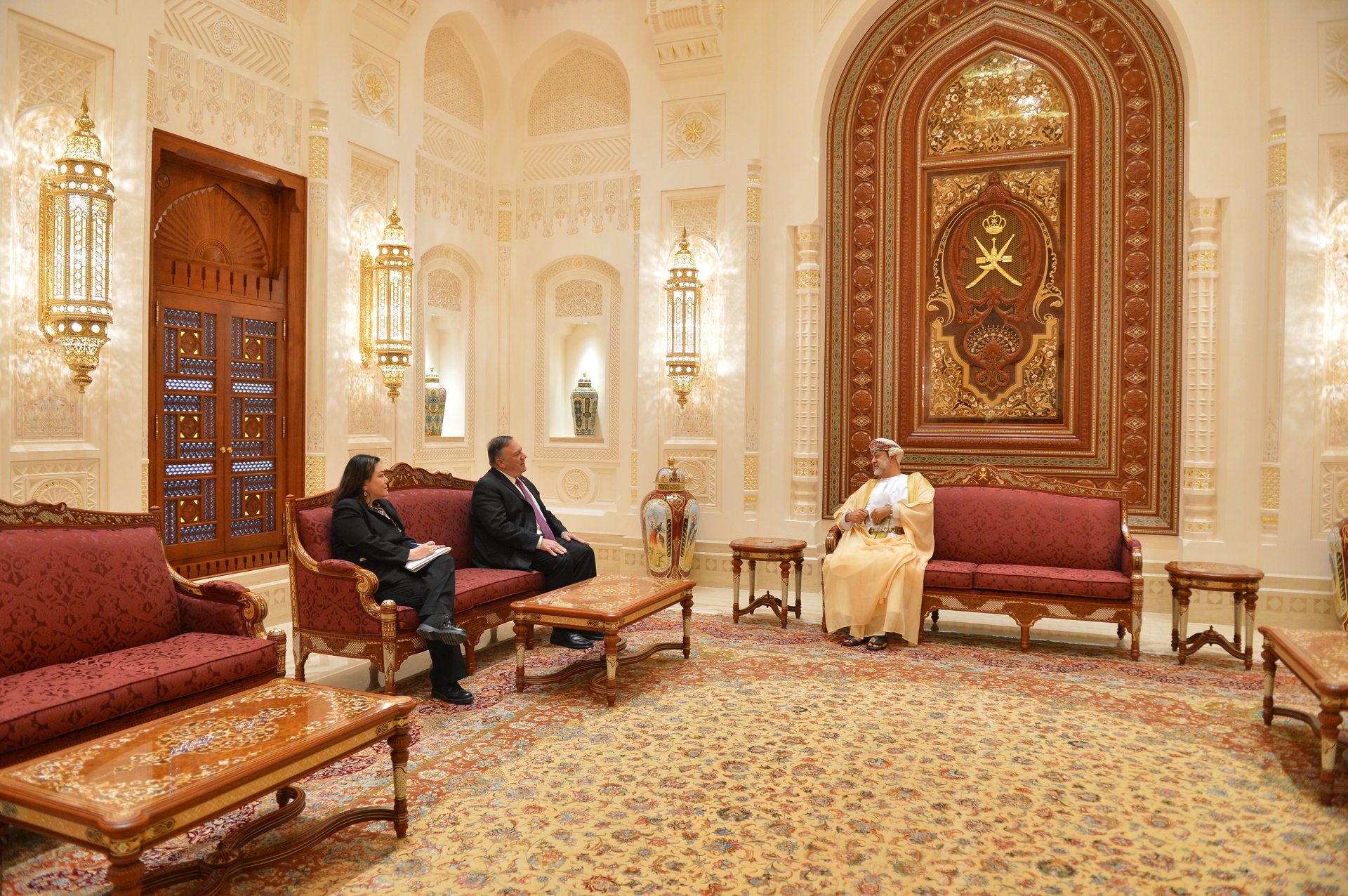
Oman’s value to Saudi Arabia and to the broader international order in the Gulf lies precisely in its refusal to take sides. Under Sultan Qaboos, who ruled for 50 years until his death in January 2020, the Sultanate built an identity as the Gulf’s indispensable mediator — a role Sultan Haitham bin Tariq has continued since assuming power. When Saudi Arabia, Bahrain, the UAE, and Egypt severed diplomatic ties with Qatar in 2017, Oman maintained relations with all sides. When every other Gulf monarchy broke with Iran in 2016, Muscat kept its embassy in Tehran open.
That institutional neutrality has made Oman the only viable primary mediator in the current conflict. Five rounds of Oman-facilitated indirect nuclear negotiations between US Special Envoy Steve Witkoff and Iranian Foreign Minister Abbas Araghchi took place between April 2025 and February 2026, according to reporting from NPR and the Middle East Institute. As late as February 27, 2026 — one day before the US-Israeli strikes killed Khamenei — Omani Foreign Minister Badr al-Busaidi publicly declared that “the peace deal is within our reach,” according to Al Jazeera.
“Off-ramps are available. The question is whether those at war want to use them.”
Omani Foreign Minister Badr al-Busaidi, March 3, 2026
For Riyadh, Oman’s back channel to Tehran represents something irreplaceable. Saudi Arabia has intensified its own direct engagement with Iran since the war began, according to a March 6 Bloomberg report, but those talks rely heavily on Omani facilitation. Crown Prince Mohammed bin Salman’s strategy of strategic restraint — refusing to join the US-Israeli military campaign while quietly working diplomatic channels — depends on having a trusted intermediary who can speak to Tehran without baggage.
Sohar and the Industrial Corridor at Risk
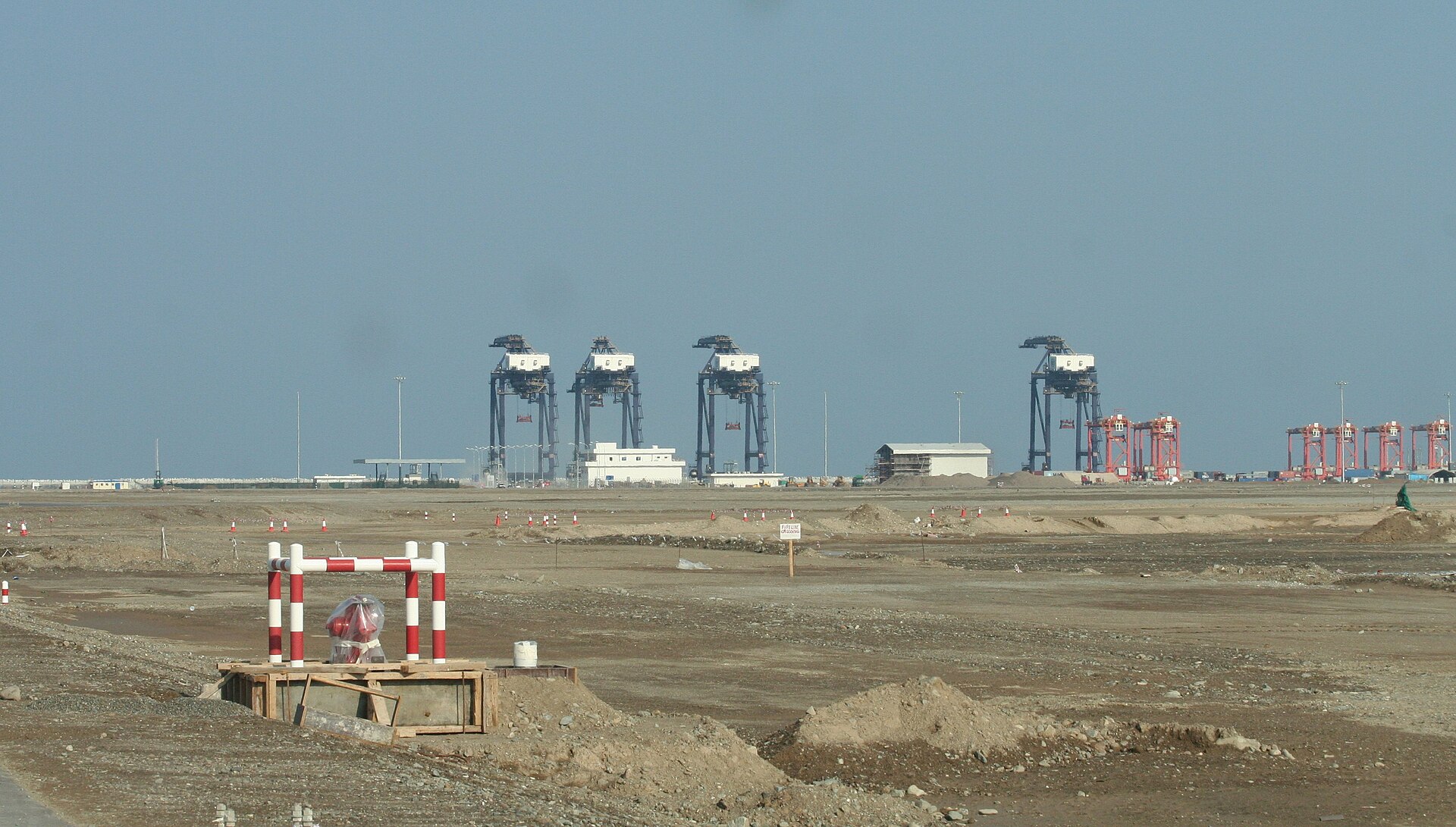
The al-Awahi Industrial Area where the two workers died sits adjacent to SOHAR Port and Freezone, one of the Middle East’s fastest-growing industrial complexes. The port, developed as a joint venture with the Port of Rotterdam, represents more than $26 billion in cumulative investment and contributes 2.1 percent of Oman’s GDP, according to the SOHAR Port and Freezone authority. In the first half of 2025, the complex attracted more than $1.3 billion in fresh foreign investment, Maritime Gateway reported.
Sohar’s industrial clusters span logistics, metals processing, petrochemicals, and food production. The port handles a significant share of Oman’s non-oil trade and serves as an alternative logistics gateway for companies seeking access to Gulf and Indian Ocean markets. Its location on the Gulf of Oman coast — outside the Strait of Hormuz chokepoint — had been considered a geographic advantage during the current conflict, when traffic through the Strait has effectively halted.
That geographic advantage may now be eroding. If foreign investors and shipping companies begin to view Sohar as a target rather than a safe alternative, the economic consequences for Oman could be severe. The port authority’s relaxed Omanisation requirements were specifically designed to attract foreign capital and skilled expatriate labour — the very workforce now exposed to drone strikes.
Insurance costs for maritime and industrial operations in the Gulf of Oman have already risen sharply since the war began. The strikes on Salalah port on March 11 further demonstrated that Oman’s ports are not immune, and the Sohar deaths will likely accelerate the repricing of risk across the Sultanate’s commercial infrastructure.
Is the Oman Mediation Channel in Jeopardy?
The killing of civilians on Omani soil places Sultan Haitham in an acutely difficult position. Oman’s neutrality is not the product of indifference — it is a strategic choice that requires maintaining credibility with all parties. If Muscat is seen as absorbing Iranian attacks without protest, domestic and regional pressure to abandon its neutral posture will intensify. If Oman responds with public condemnation or military measures, it risks losing its access to Tehran at the moment that access is most needed.
The Foundation for Defense of Democracies, a Washington-based think tank, published an analysis on March 4 accusing Oman of “flip-flopping on Iran” and predicting that continued drone strikes would leave Muscat “isolated in the Gulf.” That assessment may understate Oman’s diplomatic skill, but it captures a real tension: every drone that falls on Omani territory makes the Sultanate’s balancing act harder to sustain.
Omani Foreign Minister al-Busaidi has thus far maintained his offer of mediation. On March 3, he told Al Jazeera that “off-ramps are available” and that the Sultanate remained ready to facilitate talks. But facilitation requires a minimum of two willing parties, and Iran’s new supreme leader, Mojtaba Khamenei, has shown no inclination to negotiate, having publicly vowed to hold the Strait of Hormuz closed until all strikes on Iran cease.
Saudi Arabia’s diplomatic strategy depends on Oman maintaining its role. If the mediation channel collapses, Riyadh would need to find an alternative intermediary capable of reaching both Tehran and Washington. Qatar, which previously served in that capacity, has seen its own neutrality compromised by Iranian strikes on its territory. Turkey has the diplomatic relationships but not the regional trust. China sent a peace envoy to Riyadh on March 9, according to Al Jazeera, but Beijing lacks the granular Gulf relationships that Muscat has cultivated over decades.
How Has the GCC Responded?
The Gulf Cooperation Council has issued formal condemnations of drone attacks on Omani territory. The GCC Secretary General condemned the drone strike on Salalah port’s fuel storage tanks in a statement reported by Middle East Eye, calling the attack “a violation of Omani sovereignty and international law.”
The broader GCC response to the Sohar deaths was still emerging at the time of reporting, but the pattern of collective statements has been consistent since the war began. Gulf states have emphasised solidarity while stopping short of military coordination against Iran beyond defensive measures. Arab foreign ministers invoked collective defence provisions after Iranian strikes hit eight states in the first week of the war, according to reporting from House of Saud.
The Sohar deaths mark Oman as the seventh Gulf and Arabian Peninsula state to suffer casualties from Iranian strikes, joining Saudi Arabia, Bahrain, Kuwait, the UAE, Iraq, and — with a French soldier killed in Iraqi Kurdistan on March 12 — nations with military personnel deployed in the region.
What the Oman Deaths Mean for Riyadh
For Saudi Arabia, the killing of civilians in Oman represents a problem that cannot be solved with interceptors. Riyadh has invested heavily in its air defence network and has intercepted hundreds of drones and missiles since the war began. But Saudi Arabia cannot extend its defensive umbrella to cover all of Oman’s 309,500 square kilometres of territory, nor should it be expected to.
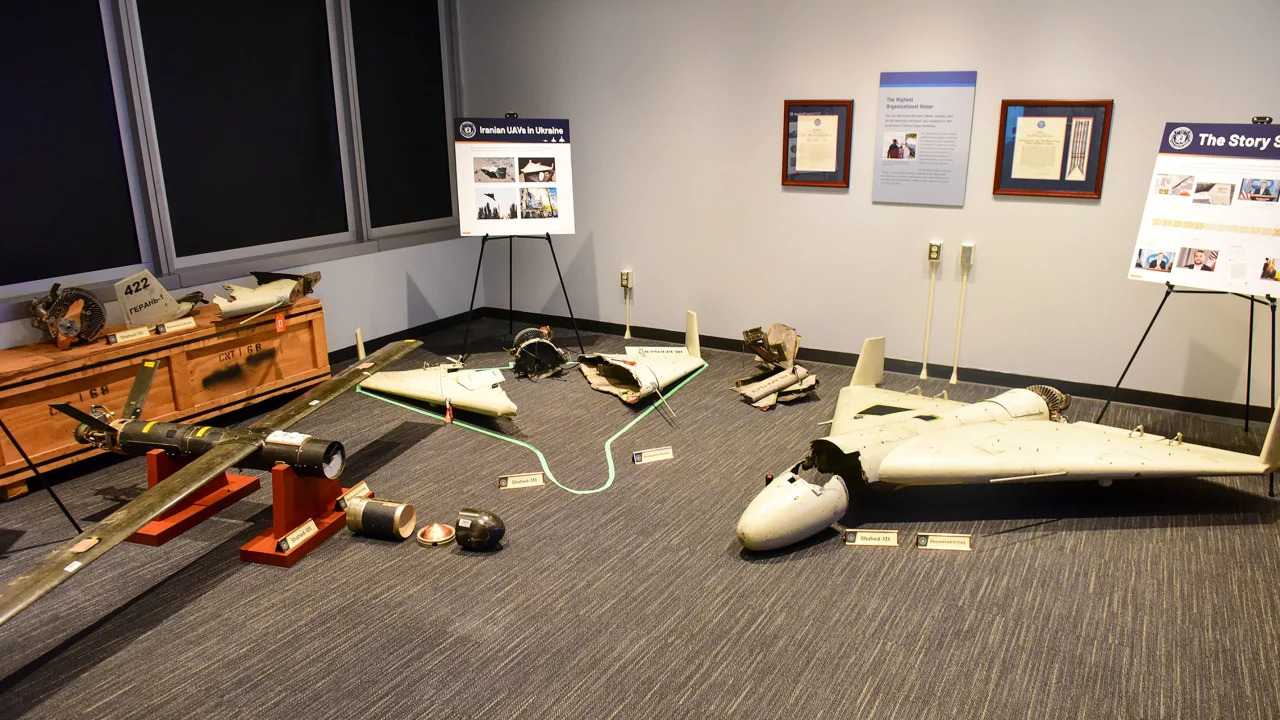
The strategic implications are threefold. First, the Sohar deaths demonstrate that Iran’s drone campaign is inherently indiscriminate at scale. When hundreds of low-cost, GPS-guided drones are launched in waves at targets across the Gulf, some will inevitably stray into neutral territory. The same physics that makes drone warfare asymmetrically cheap for Iran makes it geographically uncontainable. A $35,000 Shahed-136 drone does not distinguish between Saudi industrial facilities and Omani ones.
Second, the deaths increase domestic pressure on Sultan Haitham to take a firmer public stance against Iran. Omani public opinion, while generally supportive of neutrality, has limits. If Omani citizens or residents continue to die from Iranian drones, the political space for quiet diplomacy will shrink. Saudi and Emirati media commentary has already begun framing the Sohar attack as evidence that neutrality offers no protection — a narrative that serves the hawkish position but risks pushing Oman out of its mediating role.
Third, the economic fallout threatens Oman’s ability to serve as an alternative commercial route during the Hormuz closure. Saudi Arabia had begun redirecting some cargo flows through Omani ports as part of emergency Red Sea and alternative logistics corridors. If Sohar and Salalah are perceived as unsafe, those diversions become less viable, tightening the supply chain pressure on the entire Gulf.
The timing compounds the difficulty. Saudi Arabia’s own oil export infrastructure has been under sustained attack, with Aramco’s Shaybah field in the Empty Quarter targeted by drone swarms and the Ras Tanura terminal forced offline earlier in the conflict. Riyadh has been rerouting exports through Red Sea terminals and exploring Omani port alternatives. The Sohar deaths raise the question of whether any Gulf port can now be considered secure enough for sustained commercial operations during the conflict.
For Crown Prince Mohammed bin Salman, the equation is straightforward: Saudi Arabia needs a functioning mediator, it needs alternative shipping routes, and it needs regional allies who can pressure Iran without joining the war. Oman has been providing all three. The drones falling on Sohar threaten each of these pillars simultaneously. If Oman is forced off the fence — in either direction — Saudi Arabia loses the most flexible diplomatic instrument it has.
| Country | Status in Conflict | Confirmed Strikes | Casualties Reported | Key Targets |
|---|---|---|---|---|
| Saudi Arabia | Non-combatant, hosts US bases | 200+ | Multiple killed, including 2 in Al-Kharj | Aramco facilities, Prince Sultan Air Base, Diplomatic Quarter |
| Bahrain | Hosts US Fifth Fleet | 30+ | Multiple killed | Fuel depot, airport area, naval base |
| Kuwait | Non-combatant, hosts US troops | 20+ | 2 wounded | Airport area, residential buildings |
| UAE | Non-combatant | 15+ | Interception debris injuries | Abu Dhabi, Dubai intercepted debris |
| Iraq | Hosts US military bases | 50+ | Multiple killed including US personnel | US bases, oil export infrastructure |
| Oman | Neutral mediator | 10+ | 5 killed (3 maritime, 2 onshore) | Ports, industrial areas, tankers offshore |
Frequently Asked Questions
Who was killed in the Oman drone attack on March 13?
Two foreign workers were killed when an Iranian drone crashed into the al-Awahi Industrial Area in Sohar, northern Oman, on March 13, 2026. Their nationalities have not been publicly disclosed. Several other workers were injured. A second drone struck open ground nearby without causing additional casualties, according to reports from Gulf News and Khaleej Times.
Is Iran deliberately targeting Oman?
Iran has not claimed any strikes on Omani territory and officially states that its retaliatory attacks target only American and Israeli military assets and the infrastructure of states it considers complicit in the February 28 strikes. Analysts believe the Omani incidents result from drones straying off course during mass launches aimed at targets in Saudi Arabia, the UAE, and at maritime assets in the Strait of Hormuz region, according to reporting from Anadolu Agency and Al Jazeera.
Why is Oman neutral in the Iran war?
Oman has maintained a policy of strategic neutrality since the reign of Sultan Qaboos (1970-2020), keeping diplomatic channels open with all sides in regional disputes. Sultan Haitham bin Tariq has continued this approach, facilitating five rounds of indirect US-Iran nuclear talks between April 2025 and February 2026. Oman’s neutrality makes it the primary mediator between Iran and the Western-aligned Gulf states, a role that Saudi Arabia, the United States, and Iran all have an interest in preserving.
How many people have been killed in Oman since the Iran war began?
At least five people have been killed in Oman-linked incidents since March 1, 2026. One crew member died when a drone boat attacked a tanker off the Muscat coast on March 2. Two workers were killed in the Sohar industrial area strike on March 13. Additional fatalities may have occurred in the Salalah port fire on March 11, though Omani authorities have not confirmed deaths at that location. At least five more people have been injured across multiple incidents.
What does the Sohar attack mean for ceasefire talks?
The killing of civilians in Oman complicates the Sultanate’s ability to mediate between Iran and the US-Saudi coalition. Sultan Haitham faces growing domestic pressure to take a firmer stance against Iran, which could compromise the perception of Omani neutrality that makes mediation possible. Omani Foreign Minister Badr al-Busaidi has maintained that diplomatic off-ramps remain available, but Iran’s new supreme leader, Mojtaba Khamenei, has publicly rejected negotiations, making any near-term ceasefire unlikely regardless of Omani efforts.