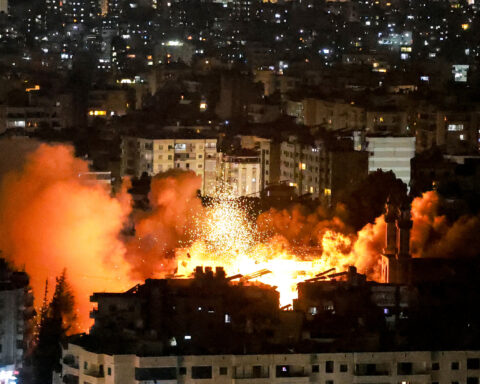

KUWAIT CITY — Iranian drones struck Kuwait’s Mina Al-Ahmadi oil refinery for the second consecutive day on Friday, March 21, igniting fires across multiple processing units at the country’s largest refining complex and forcing the state-owned Kuwait National Petroleum Company (KNPC) to shut down operations at a facility that processes approximately 730,000 barrels of crude oil per day. The attack, which came as millions of Kuwaitis observed Eid al-Fitr prayers marking the end of Ramadan, represented the most direct assault on Kuwait’s energy infrastructure since the Iran war began on February 28 and drew immediate condemnation from Gulf Arab states, the United States, and the European Union.
The strikes form part of what Iran’s Islamic Revolutionary Guard Corps described as its seventieth wave of retaliatory attacks since the conflict erupted, a campaign that has now damaged or disrupted energy infrastructure in Saudi Arabia, Qatar, the United Arab Emirates, Kuwait, and Bahrain. With Brent crude oil prices surging past $119 per barrel earlier this week before pulling back, the repeated targeting of Gulf refining and export facilities has transformed what began as a US-Israeli military operation against Iran’s nuclear programme into an energy crisis with consequences reaching from Tokyo to Berlin.
Table of Contents
What Happened at Mina Al-Ahmadi?
Iranian drones struck Kuwait’s Mina Al-Ahmadi refinery in two waves during the early hours of Friday, March 21, sparking fires in several processing units and prompting KNPC to suspend operations at its flagship facility. The attack marked the second consecutive day of strikes on the refinery, following a Thursday assault that damaged storage infrastructure and briefly disrupted crude loading operations at the adjacent port.
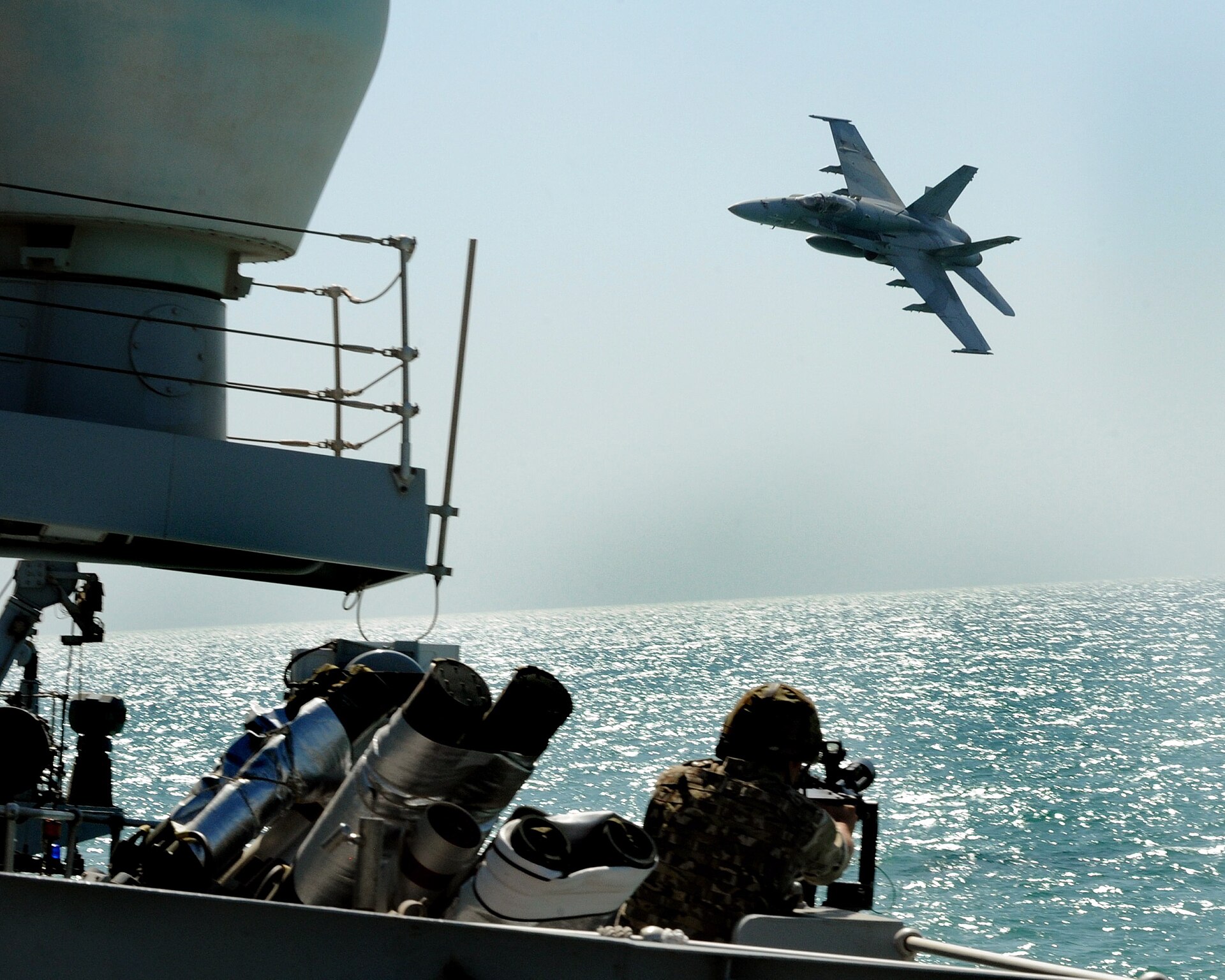
Kuwait’s Ministry of Defence confirmed that air defence forces intercepted a number of incoming drones over the Al-Ahmadi industrial zone south of Kuwait City, but acknowledged that several penetrated defensive coverage and struck refining units directly. Firefighting and emergency crews responded within minutes, according to KNPC, and initial assessments indicated no casualties among refinery workers, many of whom were observing the Eid al-Fitr holiday.
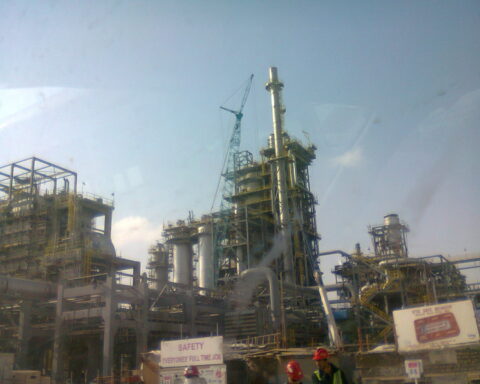
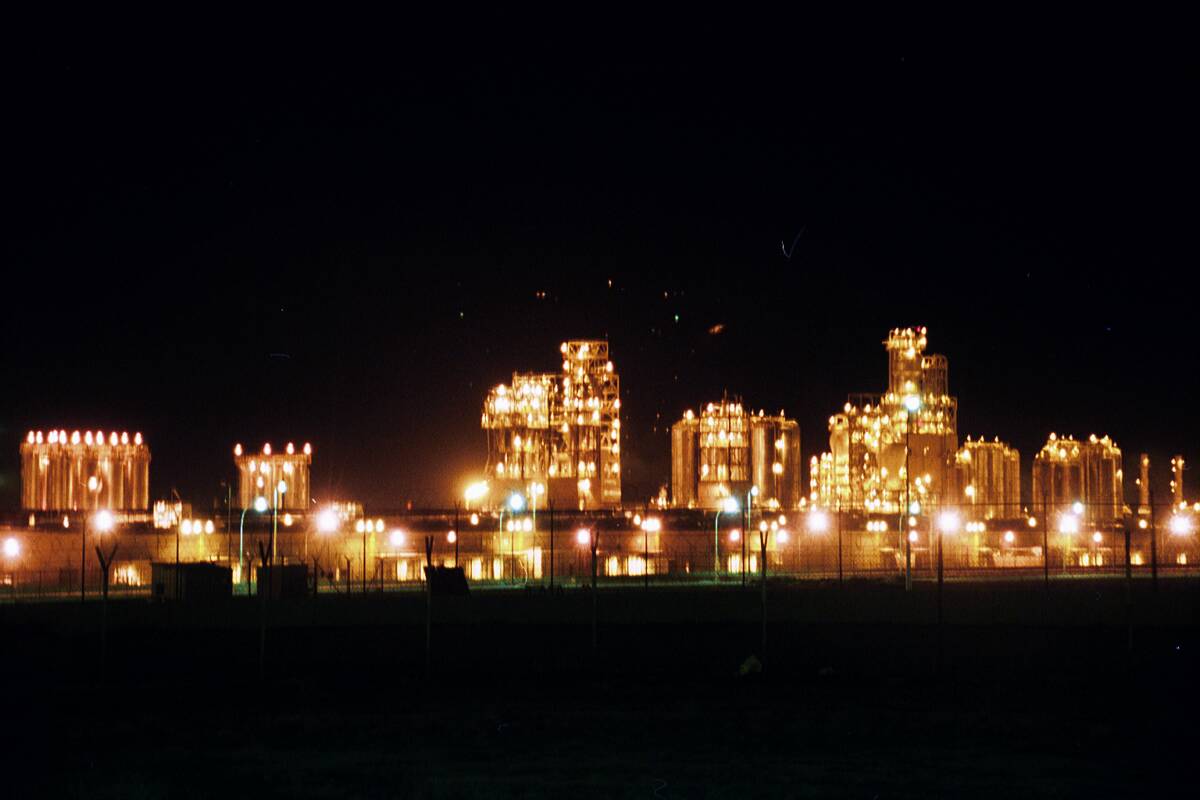
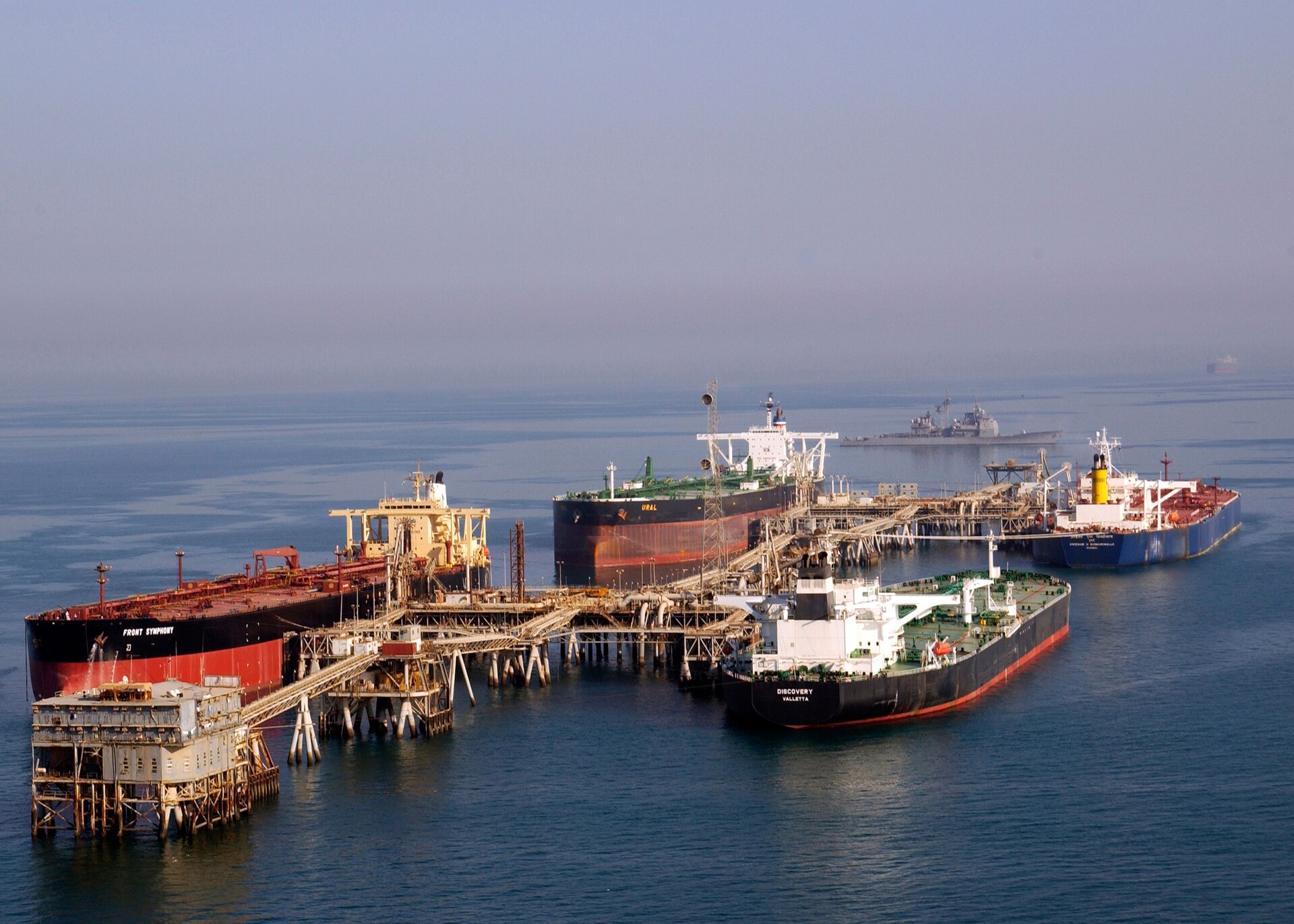
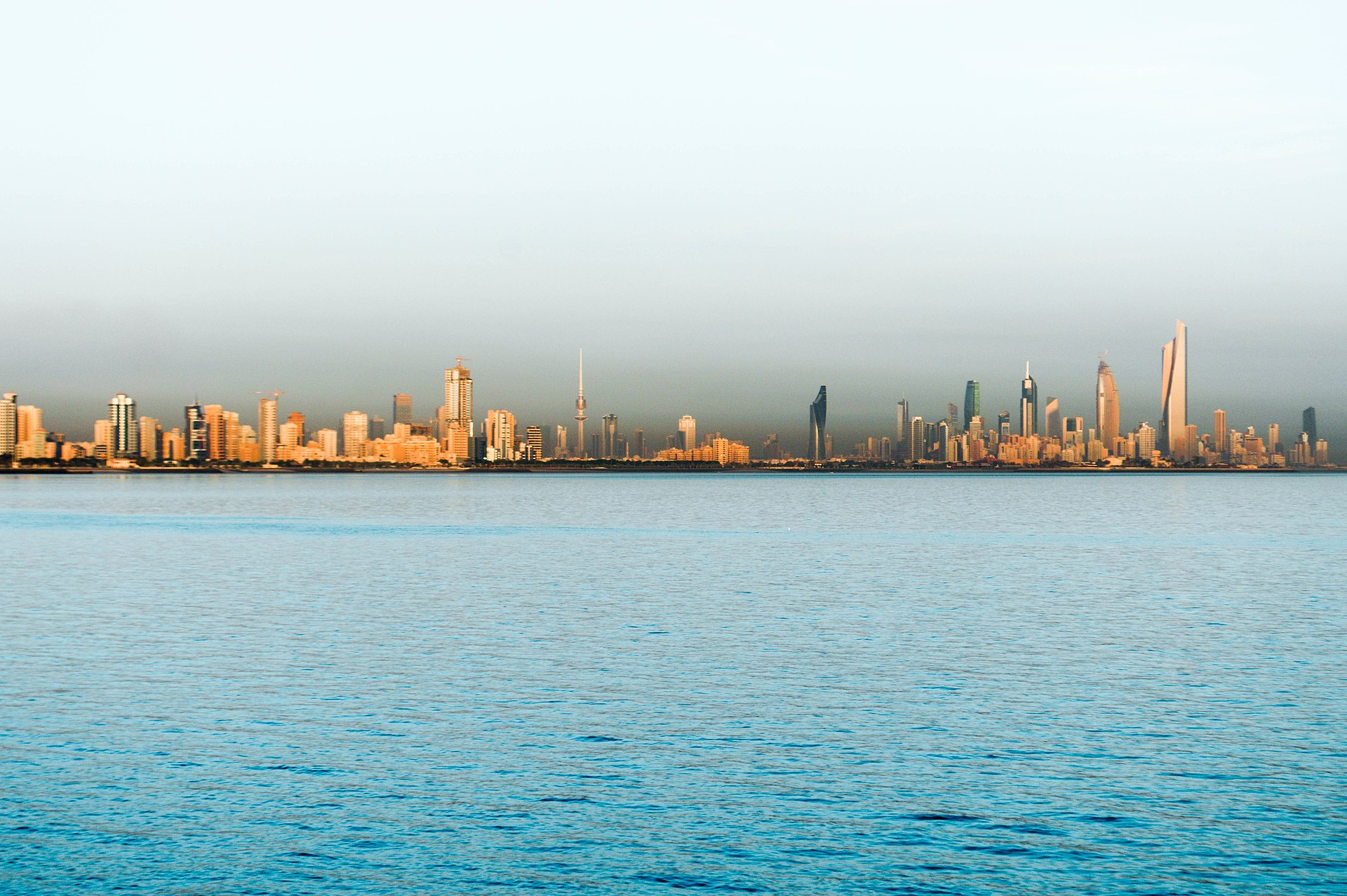
The Mina Al-Ahmadi refinery sits approximately 50 kilometres south of Kuwait City along the country’s Persian Gulf coastline. Operated by KNPC, a subsidiary of the state-owned Kuwait Petroleum Corporation (KPC), the complex has been upgraded over the past decade to produce cleaner fuels meeting international environmental standards, making it a critical export hub for refined products destined for Asian and European markets.
According to Al Arabiya, KNPC stated that “several hostile drone attacks” struck in the early morning hours, resulting in fires across multiple units. The company said it had activated emergency protocols and shut down affected units as a precautionary measure to protect personnel. Kuwait’s Interior Ministry deployed additional security forces around the Al-Ahmadi industrial perimeter, and civilian access to the area was restricted.
The Middle East briefing 3,000+ readers start their day with.
One email. Every weekday morning. Free.
The IRGC claimed responsibility for the strikes through a statement carried by Iran’s Tasnim News Agency, describing the attacks as part of ongoing retaliatory operations against states hosting American military forces. Kuwait hosts approximately 13,500 US military personnel across several installations, including Ali Al Salem Air Base and Camp Arifjan, both of which have been targeted separately since the war began.
How Extensive Is the Damage to Kuwait’s Oil Exports?
The damage to Mina Al-Ahmadi threatens to remove a significant volume of refined petroleum products from global markets at a time when supply disruptions across the Persian Gulf have already driven prices to their highest levels since 2022. The refinery processes approximately 730,000 barrels per day, according to KNPC data, making it one of the largest refining complexes in the Middle East.
Kuwait Petroleum Corporation reported that crude oil loading operations at the Mina Al-Ahmadi port were suspended following Thursday’s attack and had not resumed as of Friday evening, Reuters reported. The port handles a substantial share of Kuwait’s total crude exports, which averaged approximately 1.7 million barrels per day prior to the war, according to OPEC secondary source data.
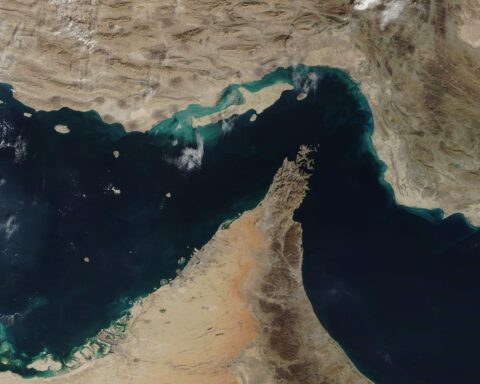
The broader picture for Kuwait’s oil sector is equally concerning. Kuwait produced approximately 2.6 million barrels per day in January 2026, according to CEIC data, against a declared production capacity of roughly 3.15 million barrels per day. However, the near-total closure of the Strait of Hormuz since early March has already curtailed Kuwait’s ability to export crude. CNBC reported on March 7 that Kuwait had begun cutting oil production and refining output because tankers could not transit the Persian Gulf due to Iranian threats.
| Facility | Type | Capacity (bpd) | Status (March 21) |
|---|---|---|---|
| Mina Al-Ahmadi | Refinery | 730,000 | Multiple units shut down after drone strikes |
| Mina Abdullah | Refinery | 454,000 | Operating at reduced capacity |
| Al-Zour | Refinery | 615,000 | Operational, heightened security |
| Mina Al-Ahmadi Port | Export terminal | 1.5M+ export | Loading operations suspended |
| South Tank Farm | Storage | N/A | Damaged Thursday, March 20 |
Kuwait’s oil revenue accounts for approximately 90 percent of the government’s fiscal income and roughly half of the country’s gross domestic product, according to the US Energy Information Administration. Every day that Mina Al-Ahmadi remains offline translates to an estimated loss of tens of millions of dollars in export revenue, compounding the financial strain from the Hormuz closure.
The Wider Gulf Energy War
The strikes on Mina Al-Ahmadi did not occur in isolation. Iran has systematically escalated its targeting of Gulf energy infrastructure over the past three weeks, transforming what the International Crisis Group described as a “sprawling Middle East war” into what energy analysts now call the worst disruption to global oil and gas supplies since the 1973 Arab oil embargo.
The timeline of attacks on Gulf energy facilities tells a stark story. On March 2, Iranian missiles and drones struck installations across Qatar, the UAE, Kuwait, and Bahrain in the first coordinated energy assault. By March 19, the campaign had intensified dramatically following an Israeli strike on Iran’s South Pars gas field, which supplies approximately 80 percent of Iran’s domestic natural gas, according to PBS News.
In retaliation, Iran launched what Foreign Minister Abbas Araghchi described as attacks representing only “a fraction” of Tehran’s capabilities, warning of “zero restraint” if Iranian facilities were targeted again, according to Al Jazeera. The strikes damaged or disrupted operations at several of the Gulf’s most important energy installations.
| Facility | Country | Date(s) Hit | Damage Assessment |
|---|---|---|---|
| Ras Laffan LNG Terminal | Qatar | March 19 | Extensive damage; QatarEnergy estimates $20B annual revenue loss, 3-5 year repair timeline |
| Mina Al-Ahmadi Refinery | Kuwait | March 20-21 | Multiple units shut, fires in refinery complex |
| SAMREF Refinery, Yanbu | Saudi Arabia | March 19 | Limited damage; port loadings briefly halted |
| Habshan Gas Facility | UAE | March 19 | Operations halted after drone threat |
| Fujairah Oil Terminal | UAE | March 14 | Struck by Iranian missiles |
| Jubail Industrial Complex | Saudi Arabia | March 18 | Targeted after Israel strikes gas field |
The damage to Qatar’s Ras Laffan facility has been particularly devastating. QatarEnergy chief executive Saad al-Kaabi told reporters that the attack had eliminated roughly 17 percent of global LNG supply overnight, and that full repairs could take between three and five years, setting the region’s energy infrastructure back “10 to 20 years,” according to NBC News. European natural gas benchmark prices have roughly doubled since the war began.
Saudi Arabia’s SAMREF refinery at Yanbu was also targeted on March 19, with a drone striking the Aramco-ExxonMobil joint venture facility while Saudi air defences intercepted a ballistic missile heading toward the nearby port, Bloomberg reported. Yanbu has become Saudi Arabia’s most critical export route as the closure of the Strait of Hormuz has shut off shipments from the Persian Gulf coast.
How Has Kuwait Responded Militarily?
Kuwait’s armed forces have been on a war footing since February 28, when the first Iranian strikes hit the country. The Kuwaiti Ministry of Defence reported that as of March 21, air defence forces had intercepted a total of 97 ballistic missiles and 283 drones launched by Iran at Kuwaiti territory, according to figures compiled from government statements.
The human cost has been significant for a country that did not seek this conflict. The Ministry of Defence confirmed that 67 army personnel had been wounded since hostilities began. The Interior Ministry reported two border guards killed in a dawn incident early in the conflict. These figures make Kuwait one of the more heavily affected Gulf states in terms of military casualties relative to its small armed forces of approximately 17,500 active-duty personnel.
Kuwait’s air force, which operates 40 F/A-18C/D Hornet fighters and 28 Eurofighter Typhoons, has been scrambled repeatedly to intercept incoming threats. In one tragic incident, a Kuwaiti F/A-18 shot down three American F-15E Strike Eagles in a friendly fire episode that underscored the chaos of defending against simultaneous attacks from multiple vectors, according to reports compiled in the Wikipedia article on the 2026 Iranian strikes on Kuwait.
The country closed its airspace to civilian traffic on March 10 after Iranian strikes damaged Kuwait International Airport. Ali Al Salem Air Base, which hosts Italian military forces as part of the international coalition, has also been struck by Iranian missiles. Camp Canada, a military installation within the Ali Al Salem complex, sustained damage from a targeted missile attack.
Kuwait has received support from the multinational coalition that has assembled to defend Gulf states, including Patriot missile batteries operated by US forces stationed in the country. The US Central Command has coordinated air defence across the Gulf theatre, but the sheer volume of Iranian drone and missile launches, described by military analysts as the most sustained aerial assault campaign since the Second World War, has stretched defensive systems.
Kuwait-Iran Relations in Ruins
The attacks have destroyed a diplomatic relationship that Kuwait had carefully cultivated over decades. Unlike Saudi Arabia and Bahrain, which have historically taken harder lines toward Tehran, Kuwait maintained a more conciliatory posture, keeping diplomatic channels open even during periods of regional tension.
Kuwait’s Emir Sheikh Mishal Al-Ahmad Al-Jaber Al-Sabah captured the sense of betrayal in a statement issued through the Kuwait News Agency, saying that his country faces “an unprovoked attack from a neighbouring Muslim country which we consider a friend, and to which we did not allow the use of our land, airspace, or waters for any military action against it.”
We consider Iran a friend, and we did not allow the use of our land, airspace, or waters for any military action against it.
Sheikh Mishal Al-Ahmad Al-Jaber Al-Sabah, Emir of Kuwait, March 2026
The statement was significant. Kuwait had explicitly refused to allow its territory to be used as a staging ground for operations against Iran, a neutrality the Emir clearly expected Iran to respect. The fact that Tehran struck anyway, targeting civilian infrastructure during the holiest period in the Islamic calendar, has shifted Kuwaiti public opinion sharply against Iran, according to Gulf-based analysts cited by the Atlantic Council.
Historically, Kuwait-Iran relations have oscillated between cautious cooperation and outright hostility. During the Iran-Iraq War of the 1980s, Kuwait sided with Iraq, prompting Iran to attack Kuwaiti tankers in what became known as the Tanker War. Relations improved after Iran condemned Iraq’s 1990 invasion of Kuwait, and the two countries maintained diplomatic ties even when Saudi Arabia and Bahrain cut theirs in 2016 after attacks on Saudi diplomatic missions in Iran.
In August 2022, Kuwait had sent its first ambassador to Tehran since downgrading ties in 2016, signalling a fresh effort at engagement. That effort now lies in ruins. Kuwait’s foreign ministry summoned Iran’s chargé d’affaires on March 2 following the first wave of strikes, and diplomatic relations have effectively frozen since.
The Durra gas field dispute, a long-running disagreement between Kuwait, Saudi Arabia, and Iran over the maritime boundary and resource ownership of an offshore gas deposit, adds another layer of complexity. In August 2023, Kuwait and Saudi Arabia jointly declared “exclusive ownership” of the field’s resources, a move Iran rejected. Energy analysts at the Atlantic Council have noted that the gas field dispute may have contributed to Iran’s willingness to target Kuwaiti infrastructure.
What Does the Attack Mean for Global Oil Markets?
The repeated targeting of Gulf refining capacity has compounded an already severe supply disruption. Brent crude oil, the international benchmark, has risen more than 60 percent since the war began on February 28, briefly surging above $119 per barrel on March 20 before retreating slightly, according to Bloomberg data. European natural gas benchmark prices have roughly doubled over the same period, NBC News reported.
The shutdown of Mina Al-Ahmadi removes refining capacity for 730,000 barrels per day from an already strained market. Combined with the Hormuz closure, which has blocked an estimated 20 percent of the world’s oil and gas trade according to the US Energy Information Administration, and the damage to Qatar’s Ras Laffan, which eliminated 17 percent of global LNG supply, the cumulative impact represents the most severe energy supply disruption in over half a century.
Mujtaba Rahman of the Eurasia Group characterised the conflict as having entered an “escalatory phase” with no clear resolution in sight, according to Reporters At Large. Oil traders have noted that the war risk premium built into crude prices now exceeds $30 per barrel above what fundamentals alone would justify.
| Indicator | Pre-War (Feb 27) | Current (March 21) | Change |
|---|---|---|---|
| Brent Crude ($/barrel) | $74 | $118 | +60% |
| European Gas Benchmark | Baseline | ~2x | +100% |
| Hormuz Oil Transit (mbd) | ~17 | Near zero | -100% |
| Global LNG Supply Loss | 0% | -17% | Ras Laffan damage |
| Ships Stalled in Gulf | 0 | ~150 | Including oil tankers |
Japan and South Korea, which together import more than 3 million barrels per day of Gulf crude, face the most acute supply pressure. Strategic petroleum reserves across OECD nations have been drawn down, with the International Energy Agency releasing a record 400 million barrels in an emergency coordinated response. Energy analysts at BloombergNEF warned that if the Hormuz closure persists beyond April, several Asian economies could face fuel rationing.
The insurance market has added another layer of disruption. War risk premiums for vessels transiting the Persian Gulf have made many shipping routes commercially unviable, according to the Financial Times. Lloyd’s of London has designated the entire Persian Gulf as a high-risk zone, effectively pricing smaller operators out of the market.
Saudi Arabia and the GCC Response
Saudi Arabia has taken the lead in coordinating the Gulf Cooperation Council’s diplomatic and military response to Iran’s energy targeting campaign. Twelve nations issued a joint demand at a Riyadh summit on March 20 calling on Iran to immediately cease attacks on civilian energy infrastructure across the Gulf.
Saudi Foreign Minister Prince Faisal bin Farhan Al Saud warned Tehran on March 19 that Gulf patience with Iranian attacks was “not unlimited,” calling on Iran to “recalculate” its strategy, Al Jazeera reported. Saudi Arabia’s Ministry of Defence confirmed that its air defences had intercepted four Iranian ballistic missiles targeting Riyadh and two launched toward the Eastern Province on the same day.
The attack on Kuwait carries particular weight within the GCC because Kuwait, unlike Saudi Arabia or the UAE, had maintained warmer relations with Tehran and explicitly refused to allow its territory to be used for military operations against Iran. If neutrality offered no protection, the lesson for smaller Gulf states was clear. Bahrain, which hosts the US Navy’s Fifth Fleet, has also absorbed repeated strikes, intercepting a total of 143 missiles and 242 drones since the war began, according to Bahrain’s defence forces.
Prince Mohammed bin Salman’s government has pursued a dual track of military preparedness and diplomatic restraint, declining to launch offensive strikes against Iran while building the broadest coalition of defending states since the 1991 Gulf War. Saudi Arabia’s military, with over 225,000 active-duty personnel, 232 F-15 fighters, and 72 Eurofighter Typhoons, possesses the Gulf’s largest conventional force but has so far limited its role to defensive operations and coalition coordination.
The Trump administration’s signals about winding down the war have added urgency to Gulf diplomatic efforts. With approximately 2,200 additional Marines and three warships heading to the region even as Washington discusses an exit, Gulf states face the prospect of reduced American military commitment while Iran’s drone and missile campaign continues unabated.
For Kuwait specifically, the attacks have accelerated discussions about deepening military integration within the GCC framework. Kuwait’s relatively modest armed forces, numbering approximately 17,500 active-duty personnel according to the International Institute for Strategic Studies, cannot independently defend the country’s sprawling energy infrastructure against a sustained Iranian campaign. The ongoing conflict has demonstrated that collective defence, not bilateral diplomacy, may be the only viable security model for the Gulf’s smaller states.
Frequently Asked Questions
What is the Mina Al-Ahmadi refinery?
Mina Al-Ahmadi is Kuwait’s largest oil refinery, located approximately 50 kilometres south of Kuwait City on the Persian Gulf coast. Operated by the state-owned Kuwait National Petroleum Company, it processes roughly 730,000 barrels of crude oil per day and serves as a major export hub for refined products shipped to Asia and Europe.
How many times has Iran attacked Kuwait since the war began?
Iran has launched sustained attacks on Kuwait since February 28, 2026. Kuwait’s air defences have intercepted 97 ballistic missiles and 283 drones in total. Targets have included Kuwait International Airport, Ali Al Salem Air Base, Camp Arifjan, and the Mina Al-Ahmadi refinery complex. The Ministry of Defence reported 67 military personnel wounded and two border guards killed.
Why is Iran attacking Kuwait’s oil infrastructure?
Iran has stated its attacks target states hosting American military forces involved in the US-Israeli operation against Iran. Kuwait hosts approximately 13,500 US military personnel. The energy strikes escalated after Israel hit Iran’s South Pars gas field on March 18, prompting Tehran to target Gulf energy facilities in retaliation, according to Al Jazeera.
How has the attack affected global oil prices?
Brent crude oil has risen over 60 percent since the war began, briefly surging above $119 per barrel on March 20 before pulling back slightly. The closure of the Strait of Hormuz, combined with damage to refineries in Kuwait, Saudi Arabia, and Qatar’s Ras Laffan LNG terminal, has created the worst supply disruption since the 1973 Arab oil embargo.
What is Kuwait’s position in the Iran war?
Kuwait has maintained a defensive posture, refusing to launch offensive operations against Iran. The Emir called the attacks “unprovoked” from “a neighbouring Muslim country which we consider a friend,” emphasising that Kuwait did not allow its territory to be used for military action against Iran. Kuwait is coordinating with GCC allies on collective defence.