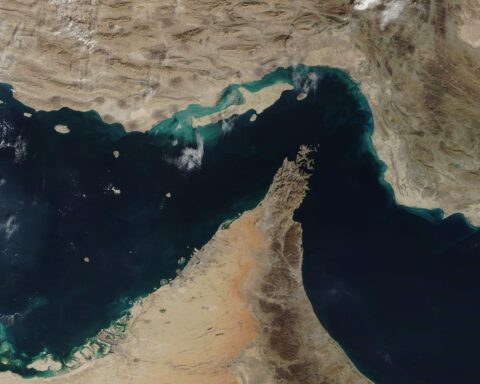

TOKYO — Iran announced on Friday that it is prepared to allow Japanese ships to transit the Strait of Hormuz, offering Tokyo a potential lifeline as the three-week-old blockade of the waterway threatens to drain the world’s third-largest economy of the crude oil it cannot function without. Iranian Foreign Minister Abbas Araghchi told Japan’s Kyodo News that the strait remains “closed only to ships belonging to our enemies, countries that attack us,” and that Tehran is ready to provide Japanese vessels with safe passage through Iranian territorial waters.
The announcement marks the most significant diplomatic breakthrough in the Hormuz crisis since Iran effectively shut the strait on February 28, 2026, in retaliation for the US-Israeli strikes that killed Supreme Leader Ali Khamenei. Japan, which imports 93 percent of its crude oil through the waterway, has watched its strategic petroleum reserves dwindle since the closure began. The deal—if operationalised—would be the first formal transit agreement between Iran and a major US ally, setting a precedent that could reshape alliance dynamics across the Indo-Pacific at a moment when Washington is demanding military support from the very nations now negotiating directly with Tehran.
Table of Contents
- What Did Iran’s Foreign Minister Say About Japanese Transit?
- How Iran’s Selective Blockade Works
- Why Is Japan So Vulnerable to the Hormuz Closure?
- Which Other Countries Have Secured Hormuz Access?
- Saudi Oil Exports and the Japan Connection
- Japan’s Strategic Petroleum Reserves Under Pressure
- What the Deal Means for the US-Led Coalition
- Frequently Asked Questions
What Did Iran’s Foreign Minister Say About Japanese Transit?
Araghchi made the offer in a telephone interview with Kyodo News published on his Telegram channel on Saturday. He stated that Iran had not closed the Strait of Hormuz in absolute terms. “We have not closed the strait. In our opinion, the strait is open,” Araghchi said. “It is closed only to ships belonging to our enemies, countries that attack us.” For nations that have not participated in military operations against Iran, he continued, “we are talking to them to find a way to pass safely. We are ready to provide them with safe passage.”
The foreign minister confirmed that discussions with Japan had already begun. Araghchi said the issue of navigation through the strait by Japanese vessels was raised during his phone call with Japanese Foreign Minister Toshimitsu Motegi last Tuesday, March 17. He indicated that all Japan needed to do was “contact Iran to discuss how the route will work for safe passage,” according to the Kyodo report.
Motegi, for his part, had previously called on Iran to “take appropriate measures to ensure the safety of all the vessels in the Strait of Hormuz, including those of Japan and other Asian countries.” The Japanese government has not publicly confirmed the terms of any transit arrangement, though a large number of Japanese-related vessels remain stopped in the Persian Gulf, awaiting clearance.
Araghchi also used the interview to reiterate Tehran’s broader position on the conflict. He stated that Iran was seeking “not a ceasefire, but a complete, comprehensive and lasting end to the war,” characterising the conflict as “imposed” and demanding “compensation for the damage inflicted” by the US-Israeli strikes that have killed more than 1,200 Iranians and struck thousands of sites across the country.
The Middle East briefing 3,000+ readers start their day with.
One email. Every weekday morning. Free.
How Iran’s Selective Blockade Works
The offer to Japan fits into a broader shift in Iran’s approach to the Strait of Hormuz. After the initial near-total closure in the first days of March, Tehran has gradually moved toward what analysts and shipping sources describe as a “selective blockade”—allowing certain nations’ vessels through while continuing to deny passage to ships linked to the United States, Israel, and their active military partners.
According to Lloyd’s List, the maritime news service, the Islamic Revolutionary Guard Corps is developing a formal vetting and registration system for vessel transit. Ships hoping to use a pre-approved route through Iranian territorial waters must communicate extensive details regarding both the ownership of the vessel and the destination of the cargo to the IRGC in advance. Those details are being transmitted through “a series of Iran-affiliated individuals operating outside of Iran,” the report stated.
A new “safe corridor” running through Iranian territorial waters has emerged in recent days. At least nine ships have passed through the corridor since mid-March, according to Lloyd’s List. One tanker is understood to have paid $2 million for the right to transit, though it remains unclear whether other vessels also paid fees or whether the charge represents an emerging toll system. That system has since evolved into a formalized sovereign toll regime, with Iran’s parliament drafting legislation to make it permanent.
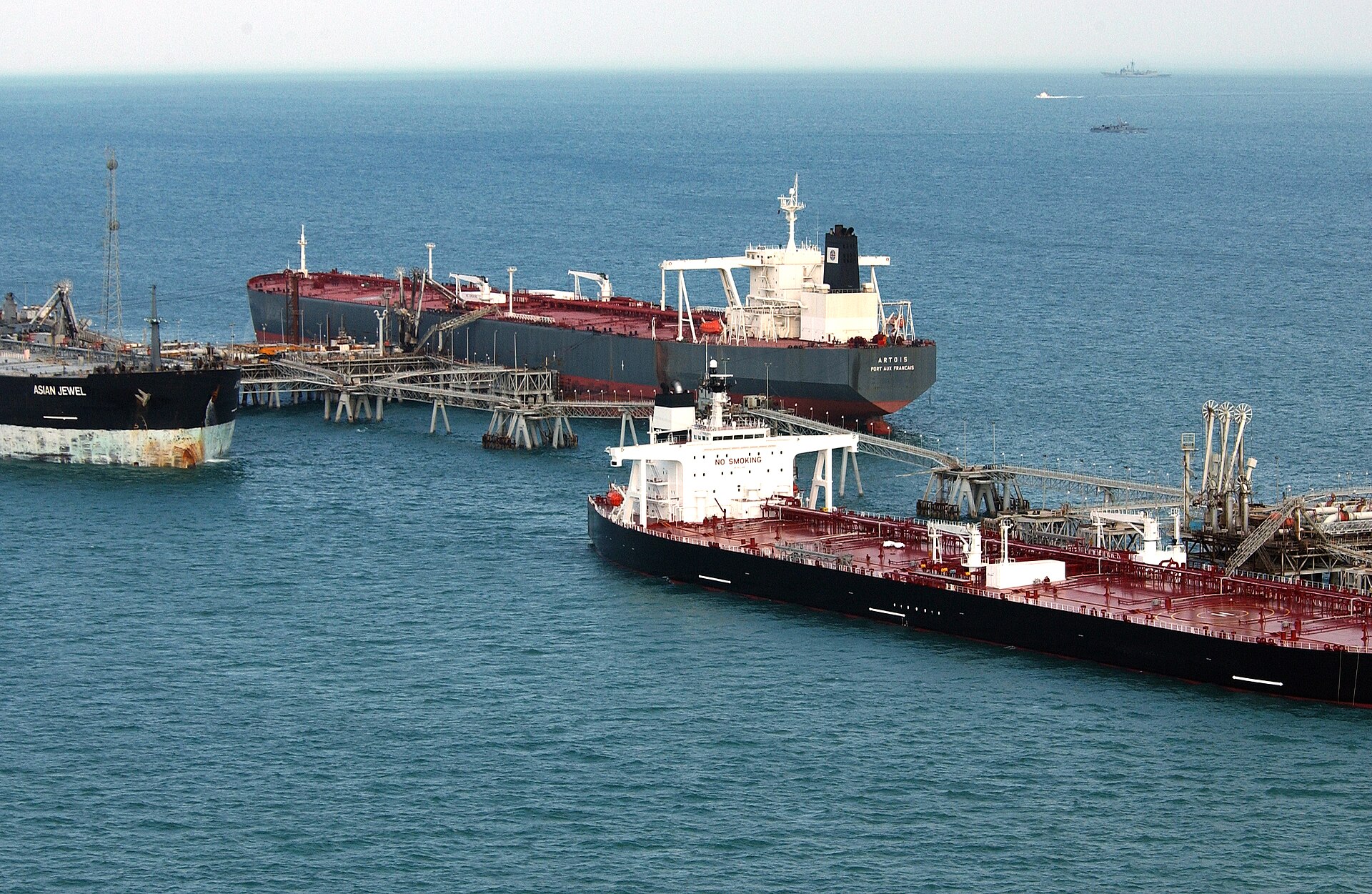
The contrast with pre-war conditions is stark. Before February 28, more than 100 ships transited the Strait of Hormuz daily. Since the war began, only 21 tankers have made the passage, according to S&P Global Market Intelligence. Traffic through the strait has plunged approximately 95 percent. Roughly 400 vessels sit in the Gulf of Oman, forming a massive backlog, while thousands of seafarers remain stranded aboard vessels in adjacent waters.
Alex Mills, an international trade and maritime law expert, told Al Jazeera that the vetting proposal “runs counter to the long-running approach of ‘going dark’ when entering Iranian waters” and poses “additional security risks” for ship operators, despite potential short-term benefits of regaining access to the waterway.
Why Is Japan So Vulnerable to the Hormuz Closure?
Japan’s dependency on the Strait of Hormuz is among the most acute of any major economy. The country imports 93 percent of its crude oil through the waterway, according to Japanese government data, and the Middle East supplies 93.5 percent of Japan’s total crude oil imports. Saudi Arabia and the United Arab Emirates each provide approximately 40 percent of Japan’s crude supply, with additional volumes from Kuwait, Iraq, and Qatar.
In January 2026, Japan imported an average of 2.8 million barrels per day of crude oil, of which 1.6 million barrels per day transited the Strait of Hormuz, according to the US Energy Information Administration. Japan accounts for 10.9 percent of all crude oil and condensate flows through the strait, making it the third-largest recipient of Hormuz-transiting oil after China and India.
| Metric | Value | Source |
|---|---|---|
| Share of crude imports via Hormuz | 93% | Japanese Government |
| Daily crude imports (Jan 2026) | 2.8 million bpd | EIA |
| Daily Hormuz transit volume | 1.6 million bpd | EIA |
| Share of global Hormuz crude flow | 10.9% | EIA |
| Middle East share of total imports | 93.5% | METI Japan |
| Saudi Arabia share of imports | ~40% | METI Japan |
| UAE share of imports | ~40% | METI Japan |
The vulnerability of Japan and South Korea to the Hormuz closure has been a defining feature of the crisis. Unlike European nations, which can source alternative crude from West Africa, the North Sea, or the Americas at higher cost, Japan has no viable short-term alternative to Middle Eastern oil that does not transit the Strait of Hormuz or the equally threatened Bab el-Mandeb chokepoint at the southern end of the Red Sea.

Which Other Countries Have Secured Hormuz Access?
Japan is not the first country to negotiate transit rights with Iran, but it would be the first major US ally to do so. Several nations have already secured passage or are in active discussions with Tehran.
Pakistan sent an Aframax tanker named Karachi through the strait on Sunday, March 16. India secured passage for two liquefied petroleum gas tankers on Saturday, March 15, with Iranian Ambassador Mohammad Fathali confirming that “Tehran had allowed some Indian vessels to pass through the Strait of Hormuz.” Turkey received permission for one ship out of fifteen that were waiting, according to Transport Minister Abdulkadir Uraloglu.
China, which receives 45 percent of its oil via the Strait of Hormuz, is in negotiations for safe passage of crude oil carriers and Qatari liquefied natural gas tankers. France and Italy have also reportedly requested talks with Iran about allowing their ships through, though no confirmed transit has occurred for vessels from either nation.
| Country | Status | Ships Transited | Notes |
|---|---|---|---|
| Pakistan | Access granted | 1 | Aframax tanker Karachi, March 16 |
| India | Access granted | 2 | LPG tankers, March 15 |
| Turkey | Partial access | 1 | 1 of 15 ships cleared |
| China | In negotiation | — | Seeking crude + LNG passage |
| Japan | Offered by Iran | — | FM Araghchi offer, March 21 |
| France | Requested talks | — | No confirmed transit |
| Italy | Requested talks | — | No confirmed transit |
| United States | Blocked | 0 | Designated as enemy state |
| United Kingdom | Blocked | 0 | Joined military operations |
The pattern emerging from these negotiations is clear. Countries that have remained neutral or avoided direct military engagement against Iran—such as Pakistan, India, and now potentially Japan—are being offered access. Countries that have participated in or actively supported the US-Israeli military campaign are locked out. Iran is effectively using the Strait of Hormuz as a tool of diplomatic leverage, rewarding neutrality and punishing participation.
Saudi Oil Exports and the Japan Connection
The Japan deal carries particular significance for Saudi Arabia. Japan is one of Saudi Aramco’s largest customers, importing approximately 1.1 million barrels per day of Saudi crude in 2025, according to METI data. The kingdom supplies roughly 40 percent of Japan’s total crude imports, making it the single largest source of oil for the Japanese economy.
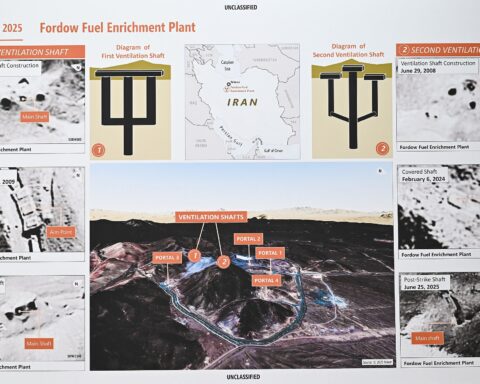
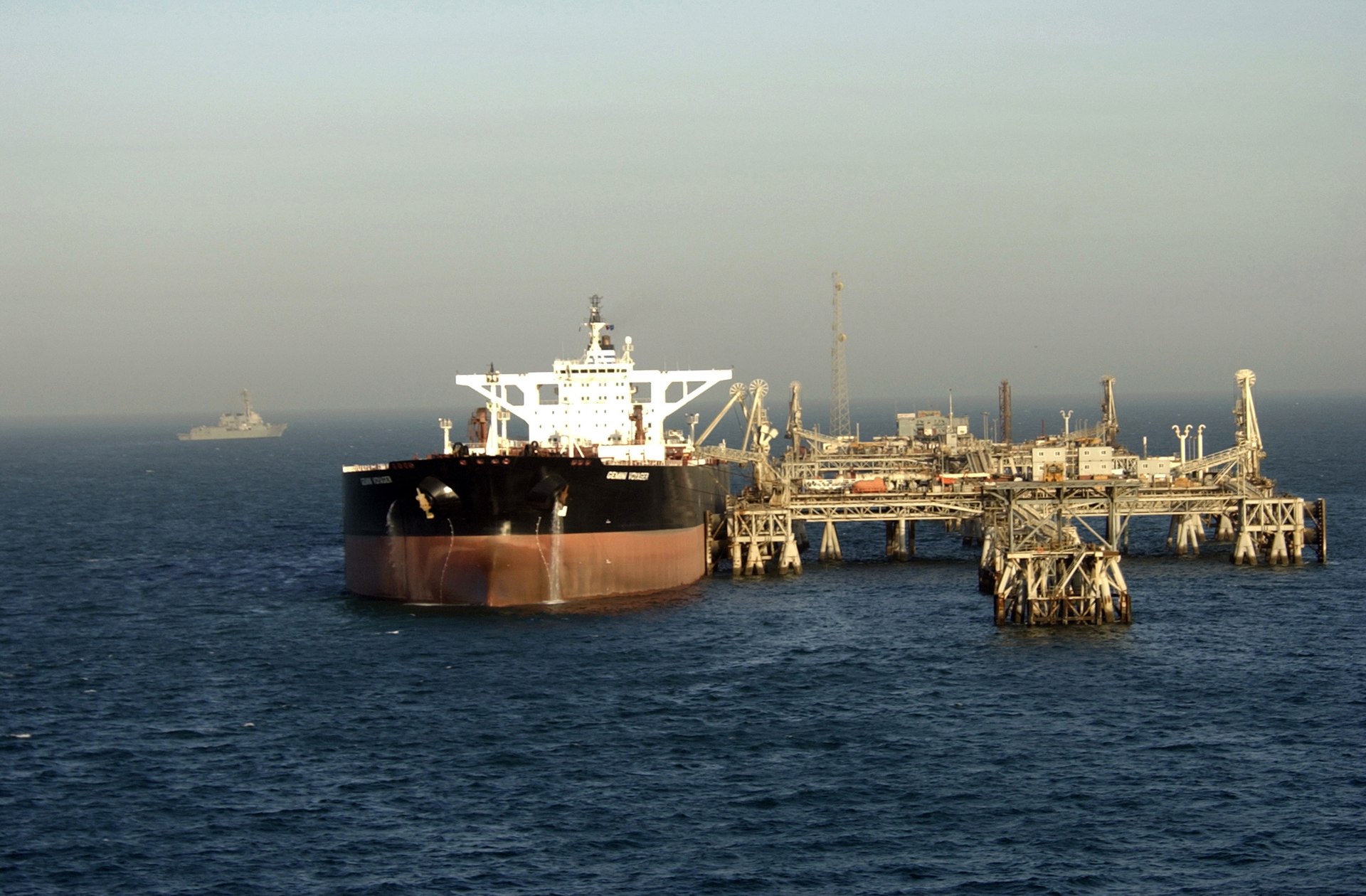
The Hormuz blockade has severed this trade relationship. Saudi crude bound for Japan loads at the Ras Tanura terminal and the Ju’aymah export facility in the Eastern Province, both of which require transit through the Strait of Hormuz. Since February 28, no Saudi oil has reached Japan via its traditional route. The Yanbu pipeline on the Red Sea offers a partial bypass, but its 5-million-barrel-per-day capacity serves the entire kingdom’s westward exports and is already under strain from the recent Iranian drone strike on the SAMREF refinery. The United States has since destroyed an underground Iranian missile facility on the coast as part of its campaign to reopen the Strait, though commercial shipping remains disrupted.
If Japan secures transit access, it could reopen a channel for Saudi crude to flow eastward again—provided the vessels carry Japanese flags or are registered under Japanese ownership. Saudi Arabia has not publicly commented on the Araghchi offer, but Riyadh has been engaged in intensive diplomatic coordination with both Asian energy importers and Western allies throughout the crisis.
The arrangement would not resolve Saudi Arabia’s broader export problem. The kingdom’s crude supply has fallen to approximately 8 million barrels per day, down from 10.4 million bpd before the war, according to the International Energy Agency’s March report. But even partial restoration of the Japan trade lane would provide meaningful revenue at a time when Brent crude sits at $107.40 per barrel—a price that generates substantial windfall income on every barrel that reaches market.
Japan’s Strategic Petroleum Reserves Under Pressure
The urgency behind Tokyo’s engagement with Iran is partly driven by the accelerating depletion of Japan’s strategic petroleum reserves. As of December 31, 2025, Japan held oil equivalent to 254 days of domestic consumption—146 days in state reserves, 101 days in private-sector inventories, and 7 days in joint reserves with oil-producing countries, according to Japan’s Ministry of Economy, Trade and Industry. The total stockpile exceeded 400 million barrels.
On March 11, Prime Minister Takaichi Sanae announced plans to release 45 days’ worth of oil, amounting to approximately 80 million barrels and representing nearly 20 percent of the nation’s reserves. The release began on March 16, initially drawing from private-sector stockpiles equivalent to about 15 days of consumption, with state reserve releases planned for later in the month, according to the Japan Times.
At current depletion rates, Japan’s reserves could sustain the economy for roughly seven to eight months without any new imports. But that calculation assumes no further deterioration in supply and no increase in demand from panic buying or industrial hoarding. Japanese refiners have already urged the government to accelerate reserve releases, with some warning that refinery shutdowns could begin within weeks if fresh crude does not arrive, according to OilPrice.com.
The scale of the reserve release is historically unprecedented. Japan’s previous largest release occurred during the 2011 coordinated IEA drawdown following the Libyan civil war, when Tokyo contributed approximately 7.9 million barrels. The current 80-million-barrel release dwarfs that effort by a factor of ten, reflecting the severity of the supply disruption. The Hormuz closure has been described by the International Energy Agency as the largest disruption to the global energy supply since the 1970s oil crisis.
The transit deal with Iran, if implemented, would not immediately solve the supply crisis. Even under the most optimistic scenario, Japanese-flagged tankers would need days to pass through the IRGC vetting system, load crude at Gulf terminals, and transit back through the strait. A round trip from a Saudi loading terminal to a Japanese refinery port takes approximately 18 to 21 days under normal conditions, according to shipping data. But the psychological impact could be substantial. The prospect of even partial supply restoration could stabilise Japanese futures markets, which have seen benchmark Dubai crude contracts surge above $115 per barrel, and reduce the political pressure on Prime Minister Takaichi to pursue more drastic emergency measures.
Japan’s predicament also highlights the limitations of the strategic petroleum reserve system that major oil-importing nations have relied upon since the 1970s. Reserves were designed to cushion temporary supply disruptions lasting days or weeks, not a sustained blockade of the world’s most important oil chokepoint entering its fourth week with no clear end in sight.
What the Deal Means for the US-Led Coalition
The Japan-Iran transit arrangement, if formalised, would create an awkward dynamic within the US-led coalition confronting Tehran. President Donald Trump has repeatedly called on allies—including Japan—to contribute military assets to a coalition to reopen the Strait of Hormuz by force. Tokyo has declined to send warships, citing constitutional constraints and the risk of provoking Iranian retaliation against Japanese energy interests.
That refusal now appears to have been rewarded. By staying out of the military campaign, Japan has positioned itself as a neutral party eligible for Iranian transit concessions—the precise outcome Washington sought to prevent by pressing allies to join the coalition. The dynamic echoes a pattern that has played out across the conflict. No major Asian economy has joined the Hormuz military coalition, and Iran’s selective approach gives each of them a powerful incentive to maintain that stance.
The seven nations that issued a joint statement calling on Iran to respect freedom of navigation—Japan, France, Germany, Italy, the Netherlands, and the United Kingdom, along with the EU—may now find their solidarity tested. If Japan secures transit access while its European partners remain locked out due to their closer alignment with US military operations, the coalition’s collective posture could fracture.
For Saudi Arabia, the implications are equally complex. Riyadh has consistently warned that the longer the war continues, the more Iran gains leverage over the countries most dependent on Gulf energy. A bilateral Japan-Iran transit deal, negotiated without Saudi involvement, underscores the degree to which the Hormuz crisis has shifted power toward Tehran—and away from the Gulf states whose oil transits the waterway Iran now controls.
Saudi Foreign Minister Prince Faisal bin Farhan warned on March 19 that the kingdom’s patience with Iran’s attacks “is not unlimited,” calling on Tehran to “recalculate” its strategy. But the Japan transit offer demonstrates that Iran’s selective blockade gives Tehran a diplomatic instrument that military threats alone cannot neutralise. Each new transit deal erodes the collective pressure that the United States and its Gulf allies have sought to maintain.
The broader risk for the US-led order in the region is that Iran’s selective approach creates a two-tier system in the Persian Gulf: nations that cooperate with Tehran gain access to energy markets, while those aligned with Washington face continued exclusion. If that dynamic hardens, it could reshape the geopolitical architecture of Gulf energy trade for years beyond the current conflict.
Frequently Asked Questions
Can Japanese ships actually transit the Strait of Hormuz now?
Not yet. Iranian Foreign Minister Abbas Araghchi announced on March 21 that Iran is prepared to allow Japanese vessels through, and discussions with Japanese Foreign Minister Toshimitsu Motegi have already begun. The precise terms, timing, and operational procedures for Japanese transit have not been finalised. Ships would likely need to pass through the IRGC’s vetting system, providing ownership and cargo details before transit.
How much oil does Japan import through the Strait of Hormuz?
Japan imports approximately 1.6 million barrels per day of crude oil through the Strait of Hormuz, representing 93 percent of the country’s total crude oil imports. Saudi Arabia and the UAE each supply roughly 40 percent of Japan’s crude, with additional volumes from Kuwait, Iraq, and Qatar. The closure has cut off virtually all of this supply since February 28, 2026.
Which countries have already been granted passage through Hormuz?
Pakistan, India, and Turkey have each secured transit for a small number of vessels. Pakistan sent one Aframax tanker through on March 16, India moved two LPG tankers on March 15, and Turkey received clearance for one of fifteen waiting ships. China is in negotiations for broader access. Japan would be the first major US ally to secure an arrangement with Tehran.
What is Iran’s vetting system for Hormuz transit?
The Islamic Revolutionary Guard Corps is developing a formal registration system requiring ships to disclose vessel ownership, cargo destination, and other details before being cleared for transit through a new safe corridor in Iranian territorial waters. According to Lloyd’s List, at least one tanker paid $2 million for transit rights. The system appears designed to give Iran granular control over which ships pass and which do not.
How long can Japan survive on its strategic petroleum reserves?
Japan held 254 days’ worth of oil reserves as of December 2025—more than 400 million barrels across state, private, and joint stockpiles. The government began releasing 80 million barrels (45 days’ worth) on March 16. At current consumption rates and without new imports, Japan’s reserves could last approximately seven to eight months, though Japanese refiners have warned that operational disruptions could begin much sooner.