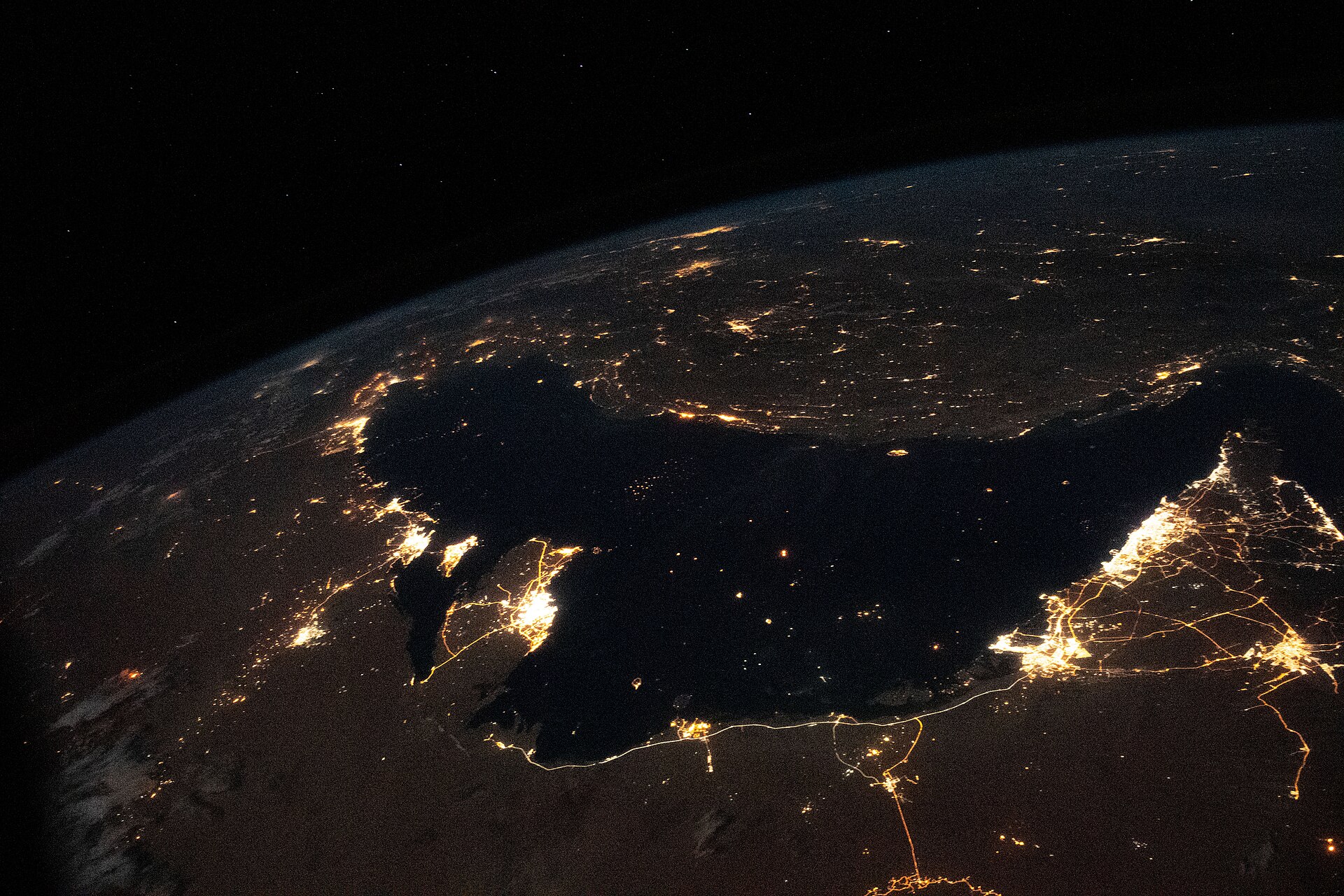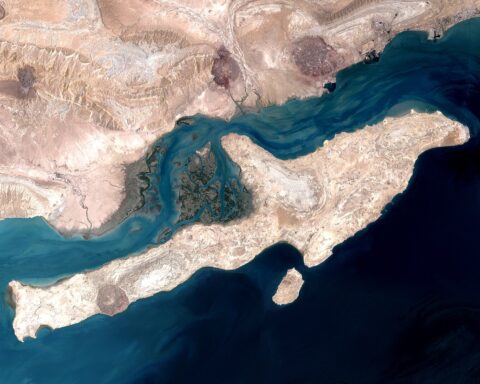

DHAHRAN — Iran struck the UAE’s largest gas processing facility and a Kuwaiti oil refinery within hours of each other on April 3, shutting down the Habshan complex for the second time in fifteen days and setting fires across multiple units at Mina Al-Ahmadi, while the IRGC’s media arm published a hit list of eight Gulf and Jordanian bridges that included Saudi Arabia’s King Fahd Causeway. One Egyptian worker died and at least sixteen people were injured across both UAE attack sites, according to The National and Al Jazeera, and Brent crude surged 8 percent to $109.03 per barrel on a day that confirmed what energy markets have been slow to price in: Iran is no longer just blockading the Strait of Hormuz but systematically destroying the upstream infrastructure that would allow Gulf oil and gas to flow even after the strait reopens.
The Habshan gas complex in Abu Dhabi’s Al Dhafra region processes 6.1 billion standard cubic feet of gas per day across five plants and fourteen processing trains, according to Oil & Gas Journal — roughly 61 percent of ADNOC Gas’s total capacity — and its suspension cuts the feed gas for UAE power generation, desalination, steel, aluminum, fertilizer and cement production in a single stroke. It is also the origin point of the Habshan-Fujairah pipeline, the 370-kilometer bypass route that was built after the 2019 Abqaiq attacks specifically so the UAE could export crude without passing through Hormuz, a redundancy that is now meaningless because the source facility is offline while Hormuz itself remains closed.
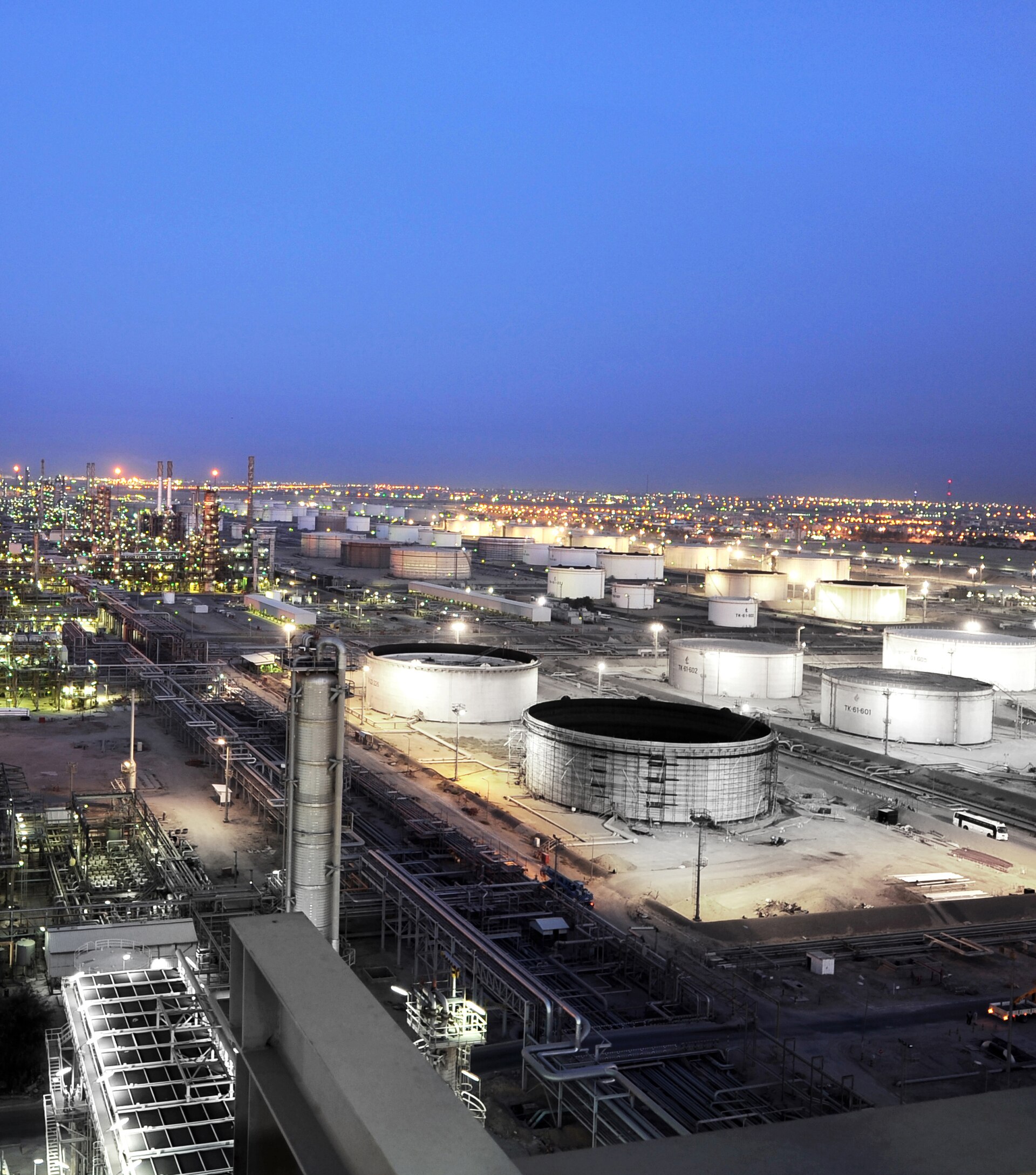
Table of Contents
- Habshan Goes Dark Again — and Takes the Hormuz Bypass With It
- Why Is Kuwait Being Hit for the Third Time?
- The Bridge List: Infrastructure Retaliation as Doctrine
- Is the Eastern Province Next?
- The $30 Drop That Got the Story Wrong
- The Interceptor Problem No One Wants to Count
- From Tanker War to Production War
Habshan Goes Dark Again — and Takes the Hormuz Bypass With It
The UAE Ministry of Foreign Affairs condemned what it called “an Iranian terrorist attack targeting both the Habshan gas facility and the Bab oil field,” describing it as “a dangerous escalation that threatens regional stability and critical energy infrastructure,” according to a statement carried by Daily Pakistan. The ministry’s decision to name both Habshan and the adjacent Bab field — one of Abu Dhabi’s oldest producing concessions — indicated that the attack hit a wider footprint than the March 19 incident, when intercepted missile debris ignited a fire that forced ADNOC’s first Habshan shutdown and prompted temporary adjustments to Das Island LNG production, according to The National and Arab News.
Das Island, which sits roughly 160 kilometers northwest of Abu Dhabi in the Persian Gulf, operates a 6 million-ton-per-year LNG export terminal that depends entirely on Habshan-processed gas for its feedstock. The first shutdown in March already forced ADNOC to reduce LNG output; a second, longer disruption threatens to trigger force majeure on export contracts at a moment when Asian LNG spot prices are already at crisis levels, according to OilPrice.com. The Habshan complex is not a single plant that can be repaired and restarted — it is a fourteen-train processing network spread across five separate facilities, and the damage from two attacks in fifteen days accumulates in ways that a single-event disruption does not.
The strategic arithmetic is unforgiving: the Habshan-Fujairah pipeline was the UAE’s insurance policy against precisely the scenario now unfolding, a Hormuz closure that would trap Gulf crude inside the Persian Gulf. But a bypass pipeline is only as useful as the facility feeding it, and with Habshan offline, Fujairah’s 1.5-million-barrel-per-day export capacity sits idle regardless of whether the strait is open or closed. Iran has, in effect, eliminated both paths simultaneously — the maritime route through Hormuz and the overland alternative through the desert — with a single target.
Why Is Kuwait Being Hit for the Third Time?
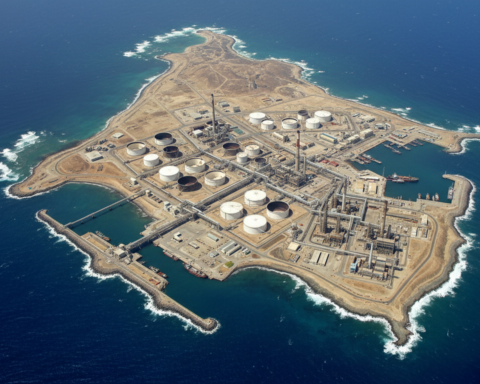
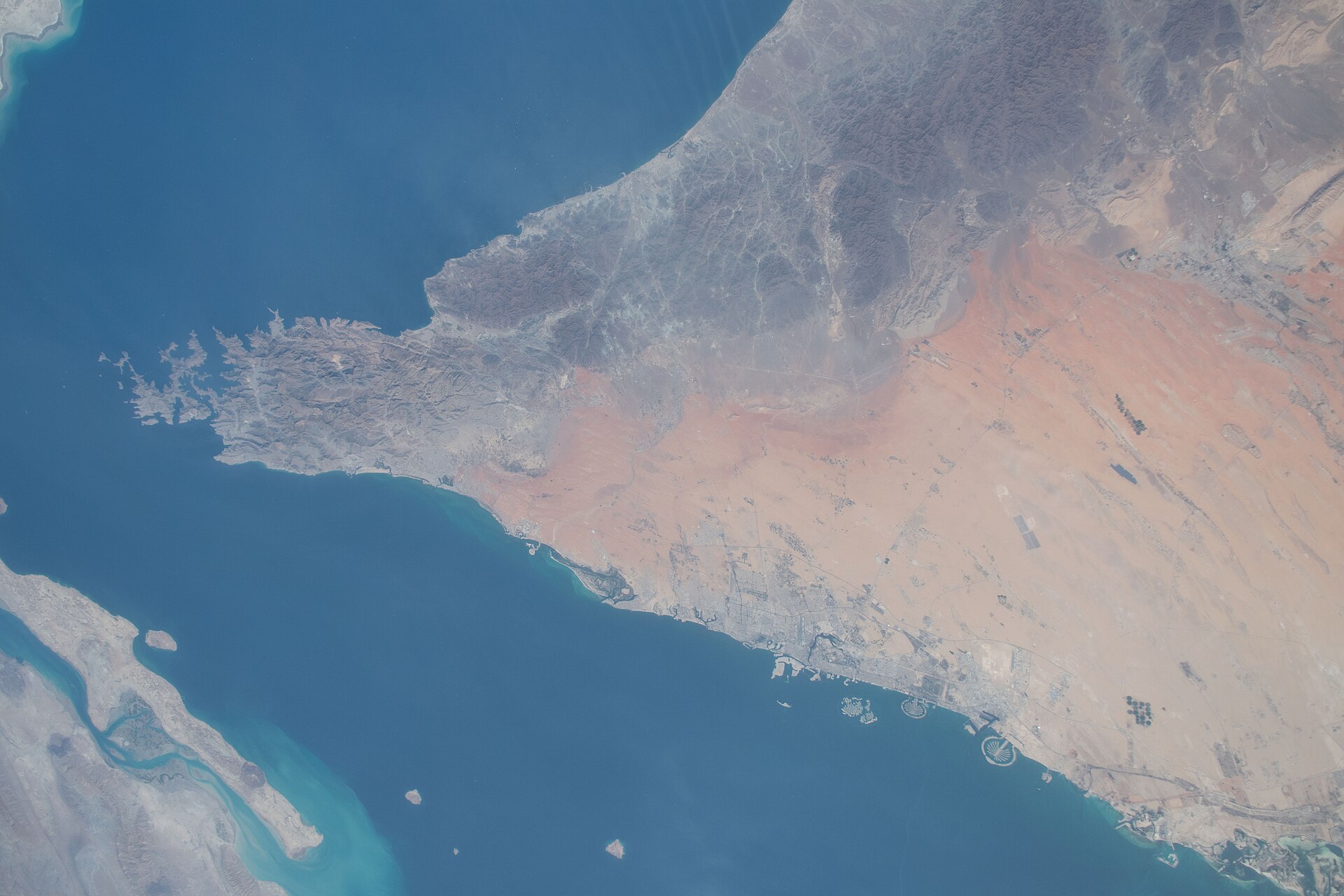
Iranian drones struck Kuwait’s Mina Al-Ahmadi refinery on April 3, igniting fires “in a number of operational units,” according to Al Jazeera and Business Standard — the third time the facility has been targeted since the war began on February 28. Mina Al-Ahmadi, with a capacity between 346,000 and 466,000 barrels per day, is one of the largest refineries in the Middle East, and its repeated targeting suggests a deliberate Iranian campaign to degrade Kuwait’s downstream processing capacity rather than a pattern of stray fire. A separate strike the same day hit a Kuwaiti power and desalination plant, according to Al Jazeera and Turkiye Today, extending Iran’s systematic attacks on Gulf civilian water infrastructure.
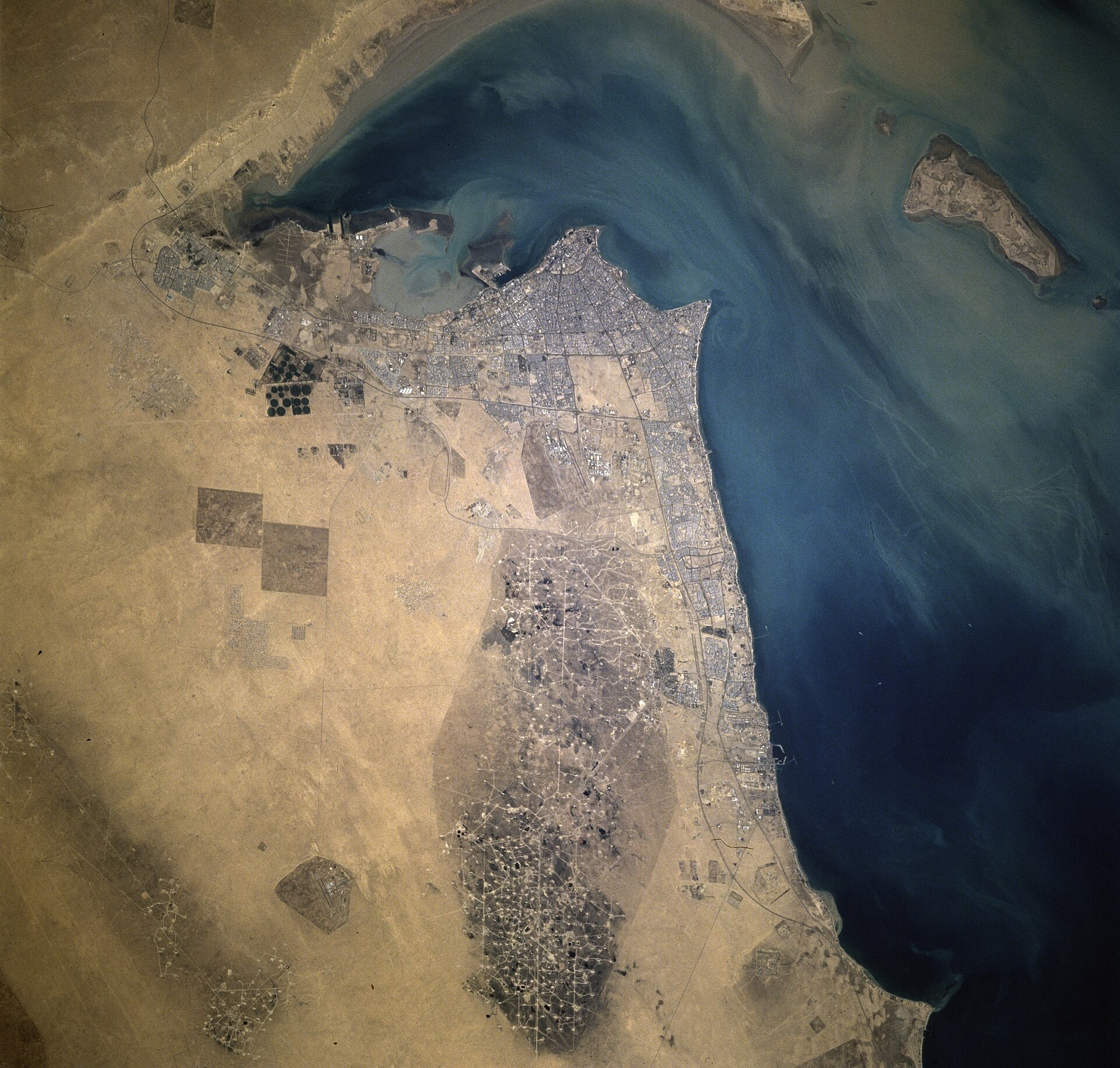
Kuwait’s geography makes it uniquely vulnerable: its coastline sits roughly 80 kilometers from Iran, the shortest overwater attack distance of any Gulf state, which compresses warning times and limits the effectiveness of air defense intercepts. The IRGC denied responsibility for the desalination strike, blaming Israel in what Al Jazeera reported as a claim offered “with zero evidence” — a pattern of denial that House of Saud has previously documented and that serves a specific purpose: it allows Iran to calibrate the pace of escalation while maintaining a diplomatic off-ramp that nobody believes but everybody can point to.
The April 3 attacks on Kuwait followed a pattern the IRGC established on March 18, when it issued formal evacuation orders around Gulf refineries and designated them “legitimate targets” following Israel’s strike on Iran’s South Pars gas complex, according to the Soufan Center. That pre-announced targeting doctrine has now been executed against Kuwaiti infrastructure three times in five weeks — a tempo that suggests Iran views Kuwait’s refining capacity as an attrition target rather than a one-time escalation signal.
The Bridge List: Infrastructure Retaliation as Doctrine
Within hours of US and Israeli forces destroying Iran’s B1 bridge in Karaj — a 136-meter span whose collapse killed eight people and wounded approximately 100, according to India TV News — Iran’s Fars News Agency, which is aligned with the IRGC, published a list of eight bridges across four countries as potential retaliation targets. The King Fahd Causeway, the 25-kilometer link between Saudi Arabia and Bahrain, was explicitly named alongside Kuwait’s Sheikh Jaber Causeway, three UAE bridges (Sheikh Zayed, Al Maqta, and Sheikh Khalifa), and three Jordanian bridges (King Hussein, Damia, and Abdoun), according to WION and The Federal.
The list is less a military targeting order than a doctrinal statement: for every piece of infrastructure the US-Israeli coalition destroys inside Iran, Tehran will identify and threaten an equivalent piece of infrastructure in states it considers complicit. The broader pattern of Iran’s published targeting has been to announce categories of targets before striking them — refineries were named on March 18 and hit within days; bridges were named on April 3 with the Karaj rubble still smoking. This is not reckless improvisation; it is a signaling system designed to demonstrate that Iran can match coalition escalation step for symmetrical step.
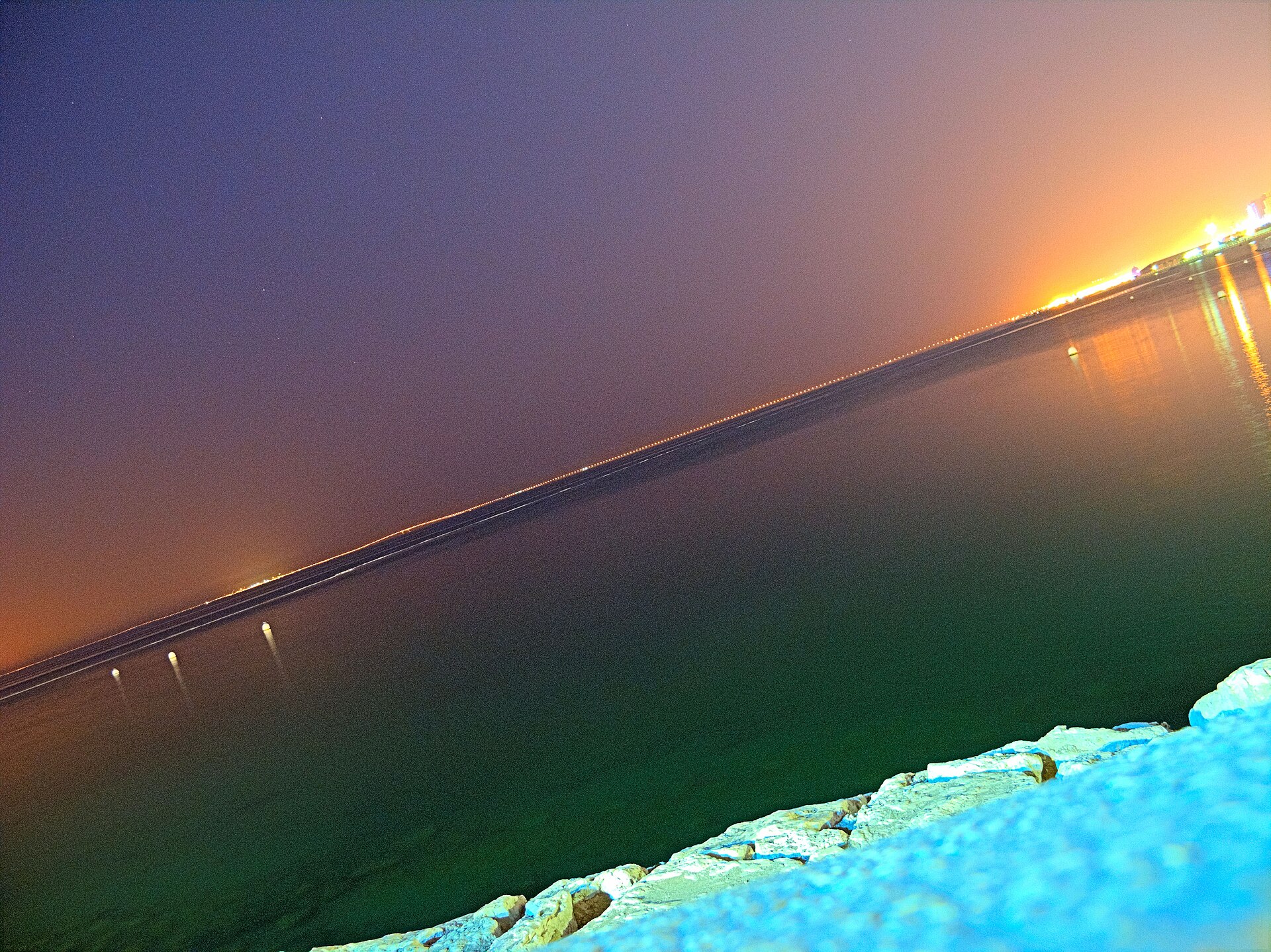
The King Fahd Causeway presents a particular concern because it carries not only civilian traffic — roughly 30 million crossings per year in normal times — but also serves as the primary land route between Bahrain and Saudi Arabia, with Bahrain hosting the US Navy’s Fifth Fleet headquarters. An attack on the causeway would be simultaneously a strike on Gulf civilian infrastructure, a disruption to the US military’s regional logistics chain, and a political provocation against two GCC member states, which may be precisely why Iran’s media chose to name it.
Is the Eastern Province Next?
Saudi air defenses intercepted ten drones and a cruise missile over the Eastern Province between March 28 and April 1, according to Al Arabiya, maintaining a tempo of intercepts that has been active since Iran’s first precision strikes on Aramco export infrastructure in early March. The Foundation for Defense of Democracies assessed that Iran’s accuracy has been increasing throughout the conflict, a trajectory consistent with the operational pattern visible across April 3: the strikes on Habshan and Mina Al-Ahmadi both reached their targets and caused operational damage, rather than being intercepted cleanly at distance.
Ras Tanura, Saudi Arabia’s largest oil export terminal with 550,000 barrels per day of refining capacity, was shut down on March 2 after drones intercepted above the facility shed debris that caused a fire, according to Bloomberg and The National. That incident established the Eastern Province attack corridor a full month before April 3, and the continued intercept activity reported by Al Arabiya confirms that Iran has not abandoned the corridor — it has been probing it with increasing frequency while executing larger strikes on UAE and Kuwaiti facilities to the south.
The Eastern Province contains the densest concentration of oil and gas infrastructure on earth: Ras Tanura, Dhahran, Abqaiq, Khurais, Safaniyah, and the offshore Marjan and Zuluf fields that together account for the majority of Saudi Arabia’s roughly 12 million barrels per day of production capacity. Saudi Foreign Minister Faisal bin Farhan captured the diplomatic reality bluntly on March 18, according to the Soufan Center: “The little trust that remained in Iran has been completely shattered.” But diplomatic sentiment does not stop cruise missiles, and the question facing Aramco and the Saudi Ministry of Defense is whether the Habshan-style attack — a second strike on a facility still recovering from the first — represents Iran’s template for the Eastern Province.
The $30 Drop That Got the Story Wrong
Brent crude closed at $109.03 per barrel on April 3 after an 8 percent intraday surge, according to NPR — but the number that matters is the one it fell from, not the one it rose to. Physical spot prices touched $141.36 per barrel on April 2, according to Bloomberg data reported by gCaptain, meaning that despite the most intense day of Gulf infrastructure attacks since the war began, the market had already shed roughly $30 per barrel from its recent peak. Saudi Arabia’s double compression — Hormuz blocking the volume while tariffs kill the price — is now compounded by a market that appears to be treating production infrastructure damage as a temporary disruption rather than a structural loss.
The market’s logic rests on the assumption that Gulf energy infrastructure can be rebuilt once the fighting stops, just as Saudi Arabia restored Abqaiq’s processing capacity after the 2019 attacks. But 2019 was a single event: one attack, one repair cycle, no second strike. Habshan has now been hit twice in fifteen days, and Mina Al-Ahmadi three times in five weeks. The cumulative damage model — where each attack layers additional destruction on facilities still undergoing repair from the previous strike — produces a recovery timeline that extends not in weeks but in months, potentially years for the most complex processing units.
Iranian Foreign Minister Araghchi offered the adversary perspective on April 3, stating according to gCaptain that strikes on civilian infrastructure “will not compel Iranians to surrender” — a framing that positions the energy infrastructure campaign as part of Iran’s broader resistance posture rather than a negotiating chip to be traded in ceasefire talks. If Araghchi’s statement reflects actual Iranian policy rather than public posturing, it suggests that the infrastructure attacks will continue for as long as the war does, regardless of their effect on global energy prices.
The Interceptor Problem No One Wants to Count
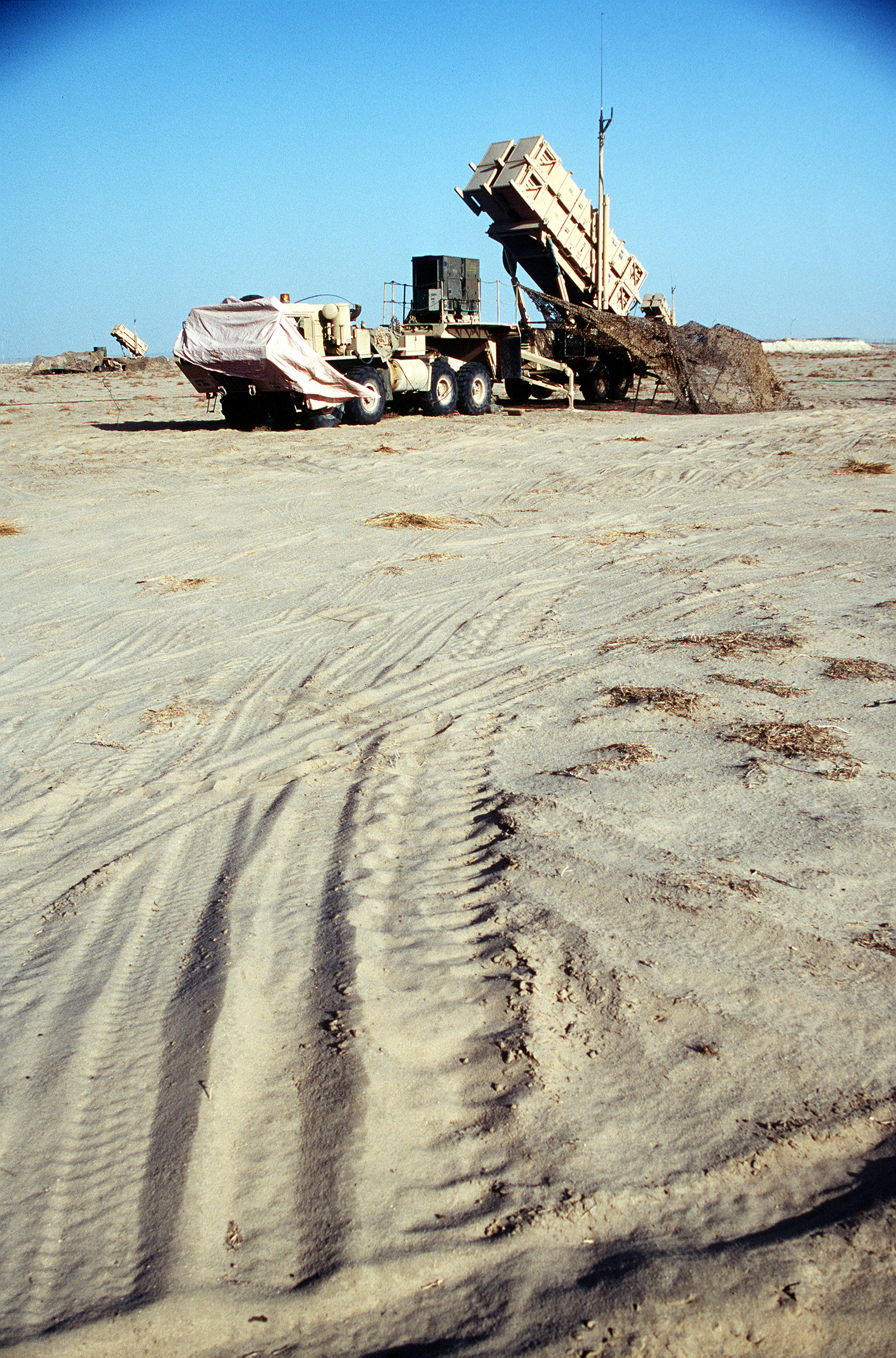
GCC-wide stocks of PAC-3 interceptor missiles stood at approximately 400 rounds in early April, according to CSIS data, against a production rate of roughly 50 per month from Lockheed Martin — a ratio that means the Gulf’s air defense network is consuming interceptors faster than they can be replaced. Lockheed Martin’s planned production tripling will not reach full capacity until 2030, according to CSIS, which creates a four-year gap during which Gulf air defenses are structurally degrading with every engagement.
Iran retains approximately half of its missile launchers despite more than 12,000 US and Israeli strikes since February 28, according to CNN and gCaptain reporting on US intelligence assessments — a survival rate that reflects decades of hardening, dispersal, and tunnel construction by the IRGC’s missile force. The arithmetic favors Iran on two axes: its launch platforms are proving more durable than coalition planners expected, and Gulf interceptor stockpiles are finite in a way that Iranian drone and missile production — which draws on a domestic industrial base — is not.
The practical consequence is already visible in the Habshan attack: the first shutdown on March 19 was caused by intercepted debris, meaning the air defense system worked as designed but the falling remnants still ignited a fire and forced a shutdown. A successful intercept that destroys the incoming weapon but showers the target with burning wreckage is a tactical success and an operational failure simultaneously — and it consumes an interceptor in the process. As PAC-3 stocks decline, the ratio of clean intercepts to leakers will shift toward Iran, and the facilities beneath the defensive umbrella will face not intercepted debris but direct hits.
From Tanker War to Production War
The 1980s Tanker War, which ran from 1984 to 1988 during the Iran-Iraq conflict, established the template that Iran is now updating: target the economic infrastructure of Gulf states to sustain uncertainty and raise the cost of the conflict for regional and global actors, without requiring a full military closure of the Strait of Hormuz, according to analysis by the Strauss Center at the University of Texas. The United States responded then with Operation Earnest Will in 1987, escorting reflagged Kuwaiti tankers through the Persian Gulf — a naval convoy system that addressed the maritime threat but did nothing to protect onshore production facilities.
The 2026 version of this strategy operates at a different level of the energy supply chain. Rather than targeting tankers in transit — vessels that can be replaced, rerouted, or escorted — Iran is striking the processing nodes where raw hydrocarbons are converted into exportable products: gas plants like Habshan, refineries like Mina Al-Ahmadi, export terminals like Ras Tanura. These facilities cannot be escorted, cannot be moved, and cannot be replaced in weeks. The Soufan Center assessed in March that Iran has shifted the war “from a regional military confrontation to a potential global economic shock event,” with Tehran recognizing “no red lines in what it frames as a regime-survival conflict.”
The 2019 Abqaiq-Khurais attacks remain the closest precedent: an Iranian-attributed drone and cruise missile strike knocked out 5.7 million barrels per day of Saudi processing capacity, the largest single-volume outage in modern oil history, according to the Baker Institute. Saudi Arabia rebuilt in weeks, oil prices returned to pre-attack levels within months, and the episode was absorbed as a one-time shock. But the Abqaiq model assumed a single attack followed by peace. What April 3 confirmed — Habshan hit twice, Mina Al-Ahmadi hit three times, Ras Tanura shut once, the Eastern Province corridor probed daily — is that Iran has replaced the one-time shock with a campaign of attrition against the physical plant that produces Gulf energy, conducted at a tempo that prevents repair and degrades capacity faster than it can be restored.
FAQ
What is the Habshan-Fujairah pipeline and why does its shutdown matter beyond the UAE?
The Habshan-Fujairah pipeline, completed in 2012, was designed to allow the UAE to export oil from Fujairah port on the Gulf of Oman without transiting the Strait of Hormuz. It was the centerpiece of the UAE’s post-2019 redundancy strategy, but because it draws its crude from the Habshan complex, the pipeline becomes inoperable when Habshan is shut down — regardless of whether Hormuz is open. Several other Gulf states, including Saudi Arabia, had studied similar bypass pipelines after 2019; the Habshan shutdown demonstrates that bypass routes are only as resilient as their upstream feed points, a lesson that applies directly to any future Saudi east-west pipeline projects.
Has Iran previously attacked civilian desalination infrastructure, and what are the humanitarian implications?
The April 3 strike on Kuwait’s desalination plant was the second confirmed direct attack on Gulf water infrastructure in the conflict, following an earlier strike that the IRGC also denied. Kuwait, like all Gulf states, depends on desalinated seawater for the vast majority of its freshwater supply — the country has virtually no natural freshwater sources. Habshan’s shutdown compounds this because UAE desalination plants rely on gas-fired power generation, and Habshan supplies the gas. A sustained loss of both gas processing and direct desalination capacity would create a civilian water crisis across the lower Gulf within weeks, affecting populations that have no alternative water source.
How does the IRGC’s bridge target list compare to actual Iranian strike capabilities?
The eight bridges named by Fars News Agency — spanning Saudi Arabia, Kuwait, the UAE, and Jordan — represent a range of targeting difficulty. The King Fahd Causeway (25 kilometers, over water) and Sheikh Jaber Causeway (36 kilometers, over water) would require multiple precision strikes to render impassable, as their length and construction make them resistant to single-point attacks. The urban bridges in the UAE and Jordan are shorter and potentially more vulnerable to individual strikes but are located in densely populated areas where civilian casualties would be high. Iran’s demonstrated capability to hit specific buildings and infrastructure nodes — as shown at Habshan and Mina Al-Ahmadi — suggests the list is not aspirational, but the political cost of striking bridges in four sovereign nations simultaneously would represent an escalation beyond anything Tehran has attempted so far.
What is the current status of the Strait of Hormuz, and can Gulf states export oil through alternative routes?
The Strait of Hormuz has been effectively closed to most commercial traffic since the early weeks of the conflict, though some Western vessels have recently transited by paying tolls to Iran in yuan. Alternative export routes are limited: the Habshan-Fujairah pipeline (now offline), Saudi Arabia’s East-West Pipeline (Petroline) to Yanbu on the Red Sea with roughly 5 million barrels per day of capacity, and Iraq’s Kirkuk-Ceyhan pipeline to Turkey. The East-West Pipeline remains the only major bypass route still operational, but it can handle only a fraction of total Gulf production, and the Red Sea itself faces Houthi-related shipping risks. The net effect is that the majority of Gulf oil and gas production has no viable export path.
Why did Brent crude fall from $141 to $109 despite escalating infrastructure damage?
The roughly $30 decline from the physical spot peak reflects several factors that traders are weighting against the supply disruption: demand destruction at prices above $100 per barrel (particularly in developing economies), coordinated Strategic Petroleum Reserve releases by IEA member states, and US tariff policies that are independently slowing global economic growth and therefore oil demand. The SPR releases are approaching a structural limit in mid-April, however, and the OPEC+ meeting scheduled for April 5 will determine whether producers with available capacity attempt to compensate for Gulf losses — a decision complicated by the fact that several OPEC+ members are themselves under attack.