
RIYADH — The strikes that destroyed Iran’s nuclear enrichment program were supposed to make the Middle East safer. Ten months after Operation Midnight Hammer levelled the centrifuge halls at Natanz, Fordow, and Isfahan, and ten days after Operation Epic Fury struck the remnants, the International Atomic Energy Agency still cannot access the ruins — and Saudi Arabia, sitting downwind from contaminated facilities it helped justify bombing, faces a radiological uncertainty that no missile defense system can intercept.
The nuclear equation in the Persian Gulf has not simplified. It has inverted. Iran’s capacity to build a weapon has been eliminated for the foreseeable future, according to assessments from the Institute for Science and International Security and the Center for Strategic and International Studies. Yet the physical destruction of uranium enrichment infrastructure, the continued operation of the Bushehr nuclear power plant under wartime bombardment, and the collapse of IAEA monitoring create a constellation of risks that directly threaten Saudi Arabia’s water supply, its civilian population, and its own nascent nuclear ambitions. The fallout — both literal and strategic — is just beginning.
Table of Contents
- What Happened to Iran’s Nuclear Facilities?
- How Did Operation Midnight Hammer Destroy Iran’s Enrichment Program?
- Why Did Operation Epic Fury Target Nuclear Sites Again?
- The Bushehr Factor — The Gulf’s Undetonated Chernobyl
- Can Nuclear Fallout From Iran Reach Saudi Arabia?
- The Desalination Catastrophe Nobody Is Preparing For
- What Does the IAEA Know — and What Can It No Longer See?
- The Nuclear Paradox — Destroying Iran’s Bomb Made the Gulf Less Safe
- Has the War Accelerated Saudi Arabia’s Own Nuclear Program?
- Can Iran Rebuild Its Nuclear Program Under Mojtaba Khamenei?
- What the Nuclear Ruins Mean for Mohammed bin Salman
- The Gulf Nuclear Vulnerability Matrix
- Frequently Asked Questions
What Happened to Iran’s Nuclear Facilities?
Two military operations — separated by eight months and motivated by different strategic logic — have effectively ended Iran’s capacity to enrich uranium. The combined damage represents the most significant forced rollback of a nuclear program since Iraq’s Osirak reactor was destroyed by Israeli jets in 1981, though the scale is orders of magnitude larger.
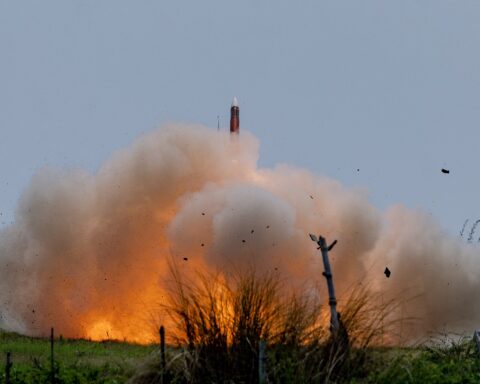
The first operation, codenamed Midnight Hammer by US Central Command, struck three primary nuclear sites on 22 June 2025. B-2 Spirit stealth bombers delivered GBU-57A/B Massive Ordnance Penetrator bombs — each weighing 30,000 pounds — against the underground enrichment facility at Fordow, buried approximately 260 feet beneath a mountain near Qom. Tomahawk cruise missiles struck Natanz and the Isfahan Nuclear Technology Center simultaneously. General Dan Caine, chairman of the Joint Chiefs of Staff, reported that initial assessments indicated all three sites sustained “extremely severe damage and destruction,” according to a Pentagon briefing.
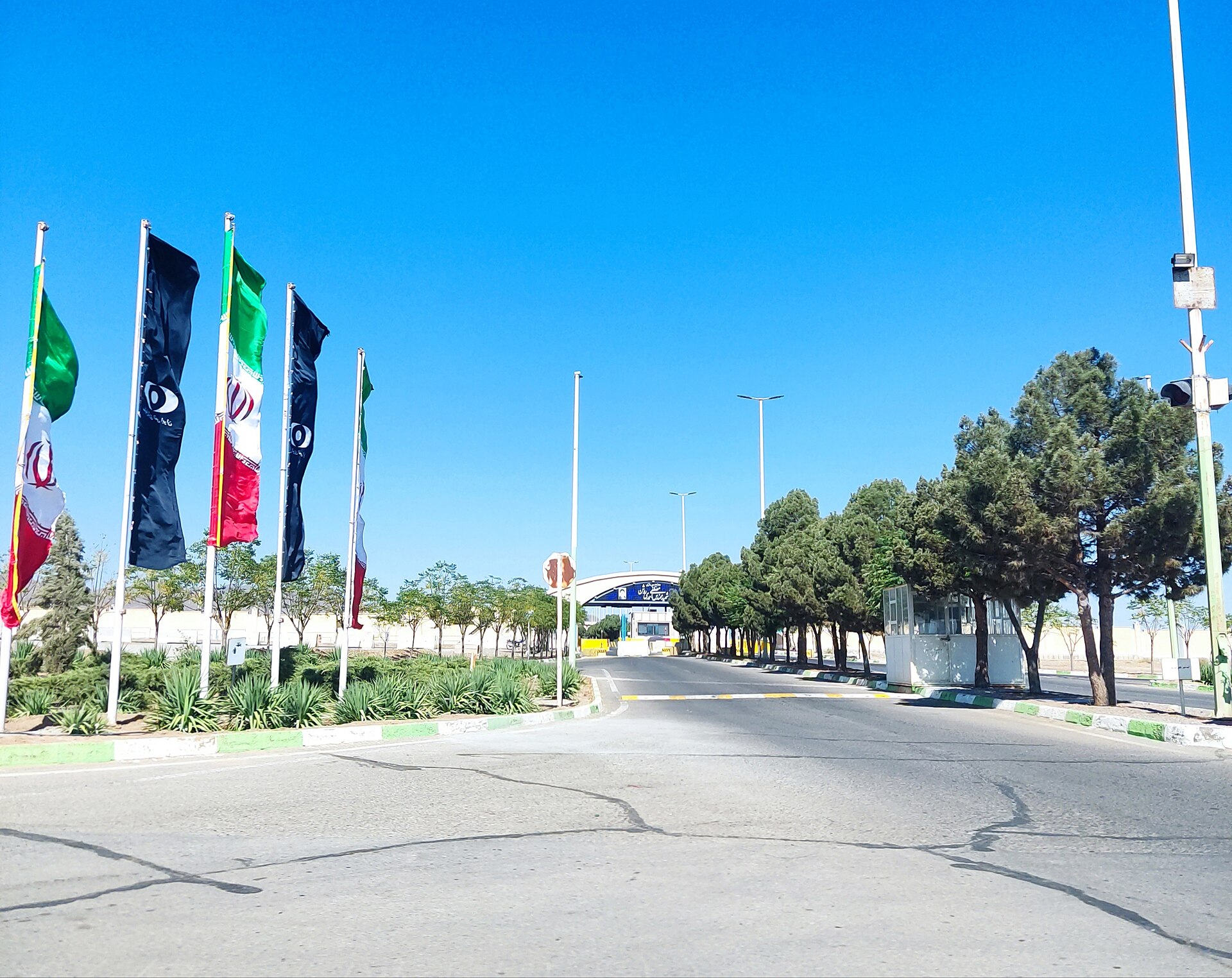
The second operation began on 28 February 2026. Operation Epic Fury — coordinated with Israel’s Operation Roaring Lion — was far broader in scope. Where Midnight Hammer targeted nuclear infrastructure specifically, Epic Fury struck leadership compounds, missile production sites, military installations, and the remnants of Iran’s nuclear program simultaneously. President Trump outlined four objectives in a TruthSocial address: preventing Iran from acquiring a nuclear weapon, destroying its missile arsenal, degrading its proxy networks, and eliminating its naval capacity. The political objective was regime change from within.
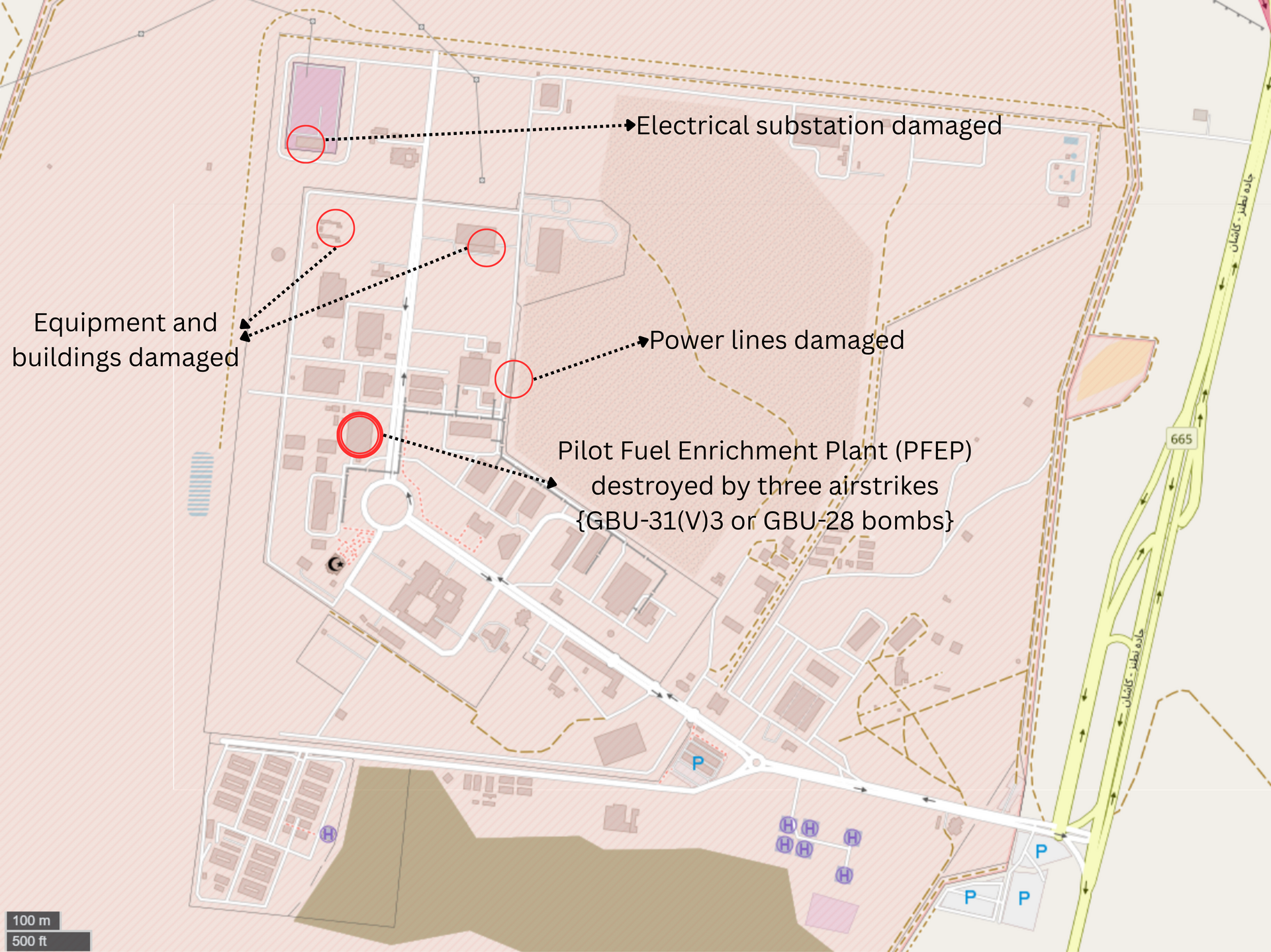
IAEA Director General Rafael Grossi confirmed on 3 March 2026 that the Natanz facility had sustained further damage during Epic Fury, with entrance buildings to the underground fuel enrichment plant destroyed and the facility rendered inaccessible. Satellite imagery published by the Sasakawa Peace Foundation showed two fresh strike craters at access points to the underground plant.
| Facility | Location | Function | Status (March 2026) | Radiological Risk |
|---|---|---|---|---|
| Natanz FEP | Isfahan Province | Uranium enrichment (centrifuges) | Destroyed — inaccessible | Low (UF6 dispersal limited) |
| Fordow FFEP | Near Qom | Underground enrichment | Severely damaged | Low-Medium (deep burial contained debris) |
| Isfahan NTC | Isfahan | Uranium conversion, metallurgy | Destroyed | Medium (chemical contamination possible) |
| Arak IR-40 | Arak | Heavy water reactor (plutonium) | Likely destroyed | Medium (spent fuel status unknown) |
| Bushehr NPP | Bushehr Province | Nuclear power generation | Operational — not targeted | Very High (1,000 MW reactor with spent fuel) |
| Minzadehei | Classified | Covert weapons development | Destroyed | Unknown |
The table reveals an uncomfortable asymmetry. The facilities that were destroyed carried relatively low radiological risk — enrichment plants process uranium hexafluoride gas, which disperses but does not create Chernobyl-scale contamination. The one facility that carries catastrophic radiological potential — Bushehr, a 1,000-megawatt light water reactor loaded with spent fuel — remains operational and undamaged. For Saudi Arabia, this distinction is everything.
How Did Operation Midnight Hammer Destroy Iran’s Enrichment Program?
Operation Midnight Hammer on 22 June 2025 was a surgical strike designed to achieve a single objective: the permanent elimination of Iran’s capacity to enrich uranium to weapons grade. The operation used fourteen GBU-57A/B Massive Ordnance Penetrator bombs carried by B-2 Spirit stealth bombers — the only aircraft in the American inventory capable of delivering the 30,000-pound weapon — alongside Tomahawk cruise missiles fired from at least one submarine operating in the Arabian Sea.
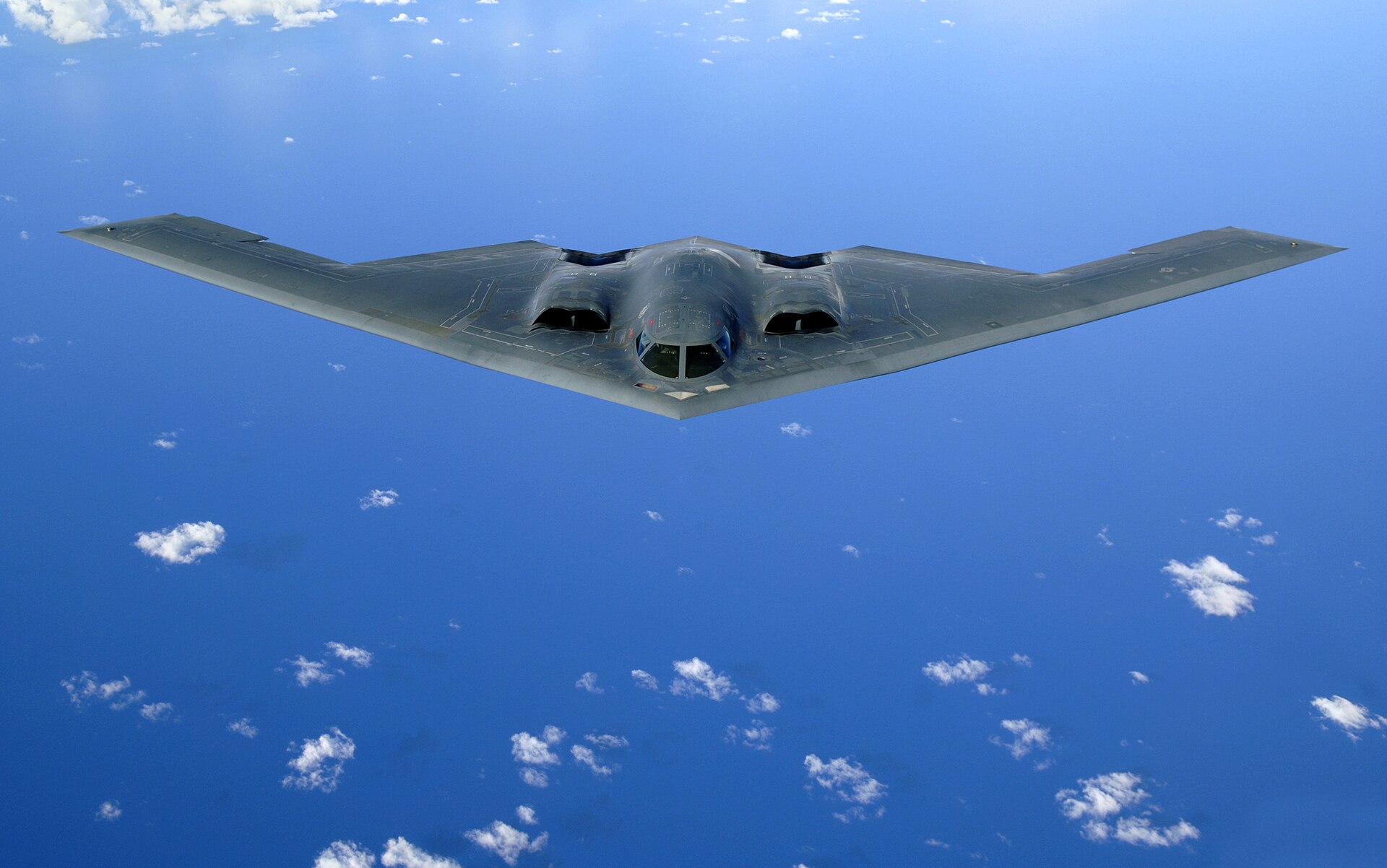
The Fordow Fuel Enrichment Plant presented the most formidable engineering challenge. Burrowed into the side of a mountain near the holy city of Qom, the facility sat approximately 260 feet beneath rock and soil — deliberately positioned to survive conventional air attack. Iran had further reinforced the site with blast doors and multiple tunnel entrances, and it was reportedly protected by both Iranian and Russian-supplied missile defense systems. The B-2s approached at high altitude, exploiting their near-zero radar cross-section, and delivered the GBU-57s in rapid succession. The weapon was specifically designed for this category of target: it penetrates up to 200 feet of reinforced concrete before detonating.
At Natanz, the strike pattern targeted both the above-ground pilot fuel enrichment plant and the access tunnels to the underground fuel enrichment plant where the majority of Iran’s advanced IR-6 and IR-8 centrifuges were operating. A post-strike assessment published by the Institute for Science and International Security confirmed that the centrifuges — precision machines spinning at over 60,000 revolutions per minute — were destroyed not only by direct blast effects but by the seismic vibrations transmitted through the bedrock. Centrifuges are among the most vibration-sensitive pieces of industrial equipment ever manufactured. Even the shock waves from near-miss detonations would have been sufficient to shatter the thin-walled rotors and collapse the magnetic bearings.
The Isfahan Nuclear Technology Center, Iran’s primary facility for converting yellowcake uranium into uranium hexafluoride feed gas and for uranium metallurgy research, was struck by Tomahawk cruise missiles. The conversion facility and metallurgy laboratories were destroyed, eliminating the upstream and downstream infrastructure required to sustain any enrichment program.
Within 72 hours, the White House published a statement headlined “Experts Agree: Iran’s Nuclear Facilities Have Been Obliterated.” The assessment was characteristically blunt but substantively accurate. CSIS analysis confirmed that Midnight Hammer represented “the ceiling that conventional force can achieve against Iran’s nuclear program without triggering fallout” — a careful acknowledgment that the strikes had threaded a needle between destroying enrichment capacity and avoiding radiological catastrophe.
Why Did Operation Epic Fury Target Nuclear Sites Again?
If Midnight Hammer had already destroyed Iran’s enrichment program, why did Operation Epic Fury — launched eight months later on 28 February 2026 — strike nuclear targets again? The answer illuminates both the limits of the first operation and the escalatory logic that now governs the conflict.
The IAEA had been unable to verify the completeness of Midnight Hammer’s destruction. Agency inspectors had not been granted access to Iranian nuclear sites since June 2025, and Tehran had provided only “very limited” cooperation in discussions about resuming inspections, according to Grossi’s 2 March 2026 statement to the Board of Governors. Without ground-truth verification, US and Israeli intelligence could not confirm whether Iran had begun covert reconstruction — a concern amplified by Iran’s long history of undeclared nuclear activities.
Epic Fury’s nuclear targeting was therefore both preventive and confirmatory. Strikes hit the entrance buildings at Natanz — the same facilities the IAEA later confirmed as newly damaged — as well as additional infrastructure at the Minzadehei complex, a covert weapons development site whose existence had been revealed by Israeli intelligence. The Foundation for Defense of Democracies characterized the strikes as signaling “resolve to end Tehran’s nuclear weapons program” permanently, not merely to set it back.
The cumulative effect of both operations, assessed by CSIS in its March 2026 analysis “Operation Epic Fury and the Remnants of Iran’s Nuclear Program,” is stark: Iran does not currently appear able to enrich uranium in any significant manner or manufacture gas centrifuges in significant numbers. The enrichment infrastructure at Fordow and Natanz is non-operational. The conversion facility at Isfahan that produced uranium hexafluoride feedstock is destroyed. The metallurgy laboratories that could convert enriched uranium into weapons components are gone.
For Saudi Arabia, this should be unambiguously good news. The Kingdom’s strategic calculus under Mohammed bin Salman has long identified an Iranian nuclear weapon as an existential threat — the one capability that would fundamentally alter the regional balance of power beyond Saudi Arabia’s capacity to compensate through conventional arms purchases or alliance architecture. The nuclear threat is neutralized. But neutralization came at a cost that is still being calculated.
The Bushehr Factor — The Gulf’s Undetonated Chernobyl
The Bushehr Nuclear Power Plant sits on Iran’s southwestern coast, approximately 270 kilometers across the Persian Gulf from Kuwait and 750 kilometers from the Saudi port city of Jubail — home to the world’s largest industrial complex and critical desalination infrastructure. Bushehr is a 1,000-megawatt pressurized water reactor built by Russia’s Rosatom and connected to the Iranian electrical grid since 2011. It was not targeted in either Midnight Hammer or Epic Fury.
The decision not to strike Bushehr was deliberate and widely understood within the targeting community. A CSIS analysis titled “The Fallout Factor in Targeting Iran’s Nuclear Program” explained why: attacking Bushehr would pose “the greatest contamination risk” of any potential nuclear target in Iran due to the high inventories of radioactive materials in its spent fuel pools. A direct hit or even a disruption to the plant’s cooling systems — whether from a strike on the facility itself, destruction of its electrical supply, or damage to its seawater cooling intake — could trigger a meltdown releasing iodine-131 and cesium-137 across the Persian Gulf region.
But the fact that Bushehr was not deliberately targeted does not mean it is safe. Rosatom CEO Alexei Likhachev warned on 3 March 2026 that “explosions are already being heard kilometers from the station’s defense line.” Iran’s military infrastructure is distributed across the country, and strikes on nearby targets create cascading risks — power grid disruptions, electromagnetic pulse effects, and the simple physical reality of sustained combat operations in the vicinity of an operating nuclear reactor.
Grossi stated there was “no indication” Bushehr had been damaged, but qualified this with the IAEA’s inability to conduct physical inspections. The agency’s monitoring relies on remote sensing, seismic data, and radiation detection networks operated by the Comprehensive Nuclear-Test-Ban Treaty Organization. These systems can detect a radiological release after it happens. They cannot prevent one.
The Bushehr scenario that keeps Saudi planners awake is not a deliberate strike. It is an accident — a stray missile, a power grid collapse, a cooling system failure during extended combat operations — that triggers a release no one intended and no one can contain. The Persian Gulf is a largely enclosed body of water with limited exchange with the Indian Ocean. Contamination would persist for years. Every desalination plant along the Arabian Peninsula’s eastern coast would face immediate shutdown.
Can Nuclear Fallout From Iran Reach Saudi Arabia?
Prevailing wind patterns across the Persian Gulf region flow predominantly from the northwest to the southeast during winter months and reverse to southeasterly flows during summer. The practical implication is that airborne radioactive material released from any Iranian nuclear site — whether from Bushehr on the coast, Natanz in central Iran, or Isfahan further inland — would follow atmospheric transport pathways that could carry contaminants toward the Gulf states depending on seasonal conditions, altitude of release, and particle size.
Scientific modeling published in the journal Science and Global Security assessed the specific risks to Persian Gulf cities from a spent fuel fire at Bushehr. The study concluded that in a worst-case scenario — a loss of cooling leading to a zirconium cladding fire in the spent fuel pools — evacuation orders would be required for areas within several hundred kilometers of the plant. The most impacted cities would include Shiraz (within Iran), Kuwait City, Basra in Iraq, and Ahvaz in Iran’s Khuzestan province. Saudi Arabia’s Eastern Province, while more distant, falls within the extended dispersion zone for fine particulate matter carried by sustained northwesterly winds.
Iran’s own nuclear safety agency and Saudi Arabia’s Nuclear and Radiological Regulatory Commission both confirmed in a joint statement that no elevated radiation levels had been detected following the strikes. Kurdistan24 reported this rare coordination between the two countries’ nuclear regulators — a small signal of pragmatic cooperation amid broader hostility. Background radiation monitoring stations across the GCC have remained within normal parameters.
CNN reported that “anxiety grips Gulf Arab states over threat of nuclear contamination and reprisals from Iran,” documenting the psychological dimension of the risk. Even without a release, the proximity of destroyed nuclear infrastructure to the world’s most desalination-dependent populations creates a persistent uncertainty that affects investment decisions, insurance markets, and public confidence. Several international reinsurance firms have added nuclear contamination exclusion clauses to Gulf property policies since Midnight Hammer, according to Lloyd’s of London market reports.
The IAEA’s official position, stated by Grossi, captures the tension precisely: the situation is “very concerning,” and “a possible radiological release with serious consequences cannot be ruled out, including the necessity to evacuate areas as large or larger than major cities.” This is the language of institutional caution, but for a kingdom that imports 70 percent of its drinking water from Persian Gulf desalination plants, institutional caution carries material weight.
The Desalination Catastrophe Nobody Is Preparing For
More than 400 desalination plants line the shores of the Persian Gulf. GCC member states account for approximately 60 percent of global seawater desalination capacity. The dependency is not a policy choice that can be reversed — it is a geological fact. The Arabian Peninsula receives less than 100 millimeters of rainfall annually in most areas. Groundwater aquifers are being depleted faster than they recharge. Desalination is not supplementary infrastructure. It is civilization-sustaining infrastructure.
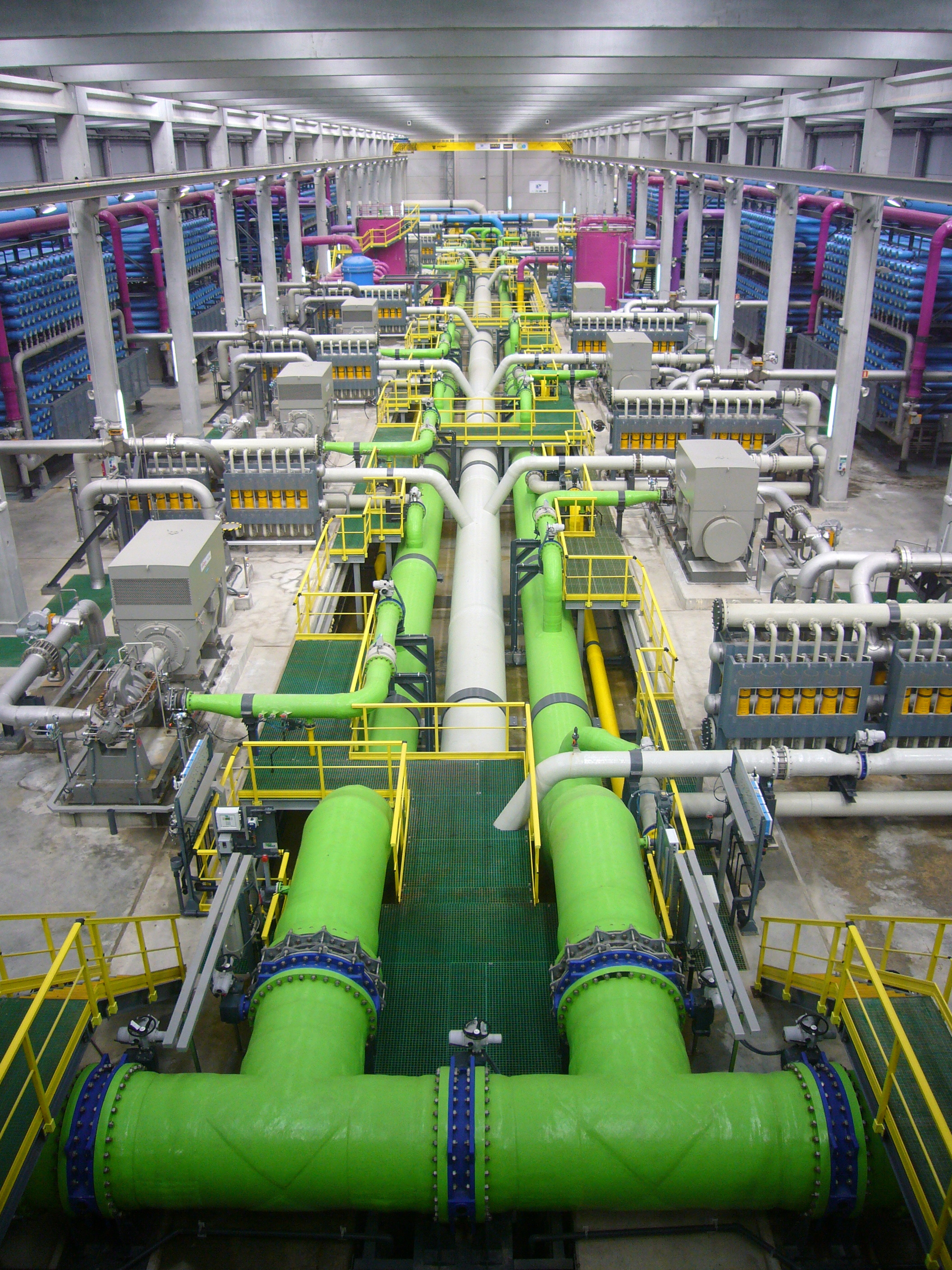
The dependency ratios are staggering. Kuwait derives 90 percent of its drinking water from desalination. Oman sources 86 percent. The UAE, 42 percent. Saudi Arabia, 70 percent — and the figure is higher in the Kingdom’s Eastern Province, where the majority of plants draw directly from Gulf waters. Al Jazeera’s March 2026 analysis of desalination vulnerability reported that a contamination event affecting Gulf waters would require “the immediate shutdown of every intake pipe drawing from the Persian Gulf to prevent piping radioactive poison into the homes of millions.”
Middle East Eye reported in March 2026 that threats to water supply and food inflation now “stalk Gulf states” as the war continues. The concern extends beyond nuclear contamination to include the US military’s strikes on Iran’s Qeshm Island freshwater desalination plant — an action Iran’s foreign minister condemned as a “blatant and desperate crime.” The targeting of civilian water infrastructure on either side of the Gulf establishes a precedent that makes every desalination facility a potential military objective.
Saudi Arabia has invested heavily in strategic water reserves and Red Sea coast desalination capacity precisely to reduce dependence on Gulf-facing plants. The Saline Water Conversion Corporation operates facilities on both coasts. But the infrastructure transition is incomplete, and a sudden loss of Gulf-side desalination capacity would create a shortfall that Red Sea facilities cannot immediately compensate. Iran International reported that “everyone is watching oil in the Iran war, but the real risk is water” — a framing that captures the blind spot in most Western analysis of the conflict.
| Country | Desalination Dependency | Gulf-Facing Plants | Distance to Bushehr (km) | Strategic Reserve Status |
|---|---|---|---|---|
| Kuwait | 90% | 6 major | 270 | Limited (2-3 day supply) |
| Bahrain | 75% | 4 major | 350 | Minimal |
| Qatar | 65% | 5 major | 450 | 7-day emergency reserve |
| Saudi Arabia (Eastern Province) | 70% | 12+ major | 500-750 | Strategic reserves being expanded |
| UAE | 42% | 10+ major | 500-700 | Moderate |
| Oman | 86% | 3 major | 600+ | Limited |
A Russian nuclear scientist quoted by TASS warned that damage to nuclear power plants in Iran or the UAE “would cause a disaster” for the entire region — a statement that, while self-serving given Russia’s role as Bushehr’s builder and operator, reflects the physical reality of nuclear contamination in a semi-enclosed maritime environment. The Persian Gulf has a mean depth of just 50 meters and an estimated water residence time of three to five years. Radioactive isotopes released into its waters would not flush into the Indian Ocean quickly. They would circulate, concentrate in sediments, and enter the marine food chain that supports the Gulf’s fishing industry — an industry that feeds millions across the region.
What Does the IAEA Know — and What Can It No Longer See?
The International Atomic Energy Agency’s ability to monitor Iran’s nuclear activities has collapsed to its lowest level since the country’s undeclared enrichment program was exposed in 2002. No agency inspectors have conducted on-site verification at any Iranian nuclear facility since June 2025. Discussions with Tehran about resuming access have been, in Grossi’s carefully diplomatic phrasing, “very limited.”
The monitoring gap matters for Saudi Arabia on two levels. First, it means the IAEA cannot confirm the completeness of destruction at Natanz, Fordow, and Isfahan. The agency’s 3 March 2026 update confirmed damage to Natanz entrance buildings through remote sensing and satellite imagery, but noted “no radiological consequence expected and no additional impact detected at the FEP itself.” The qualifier “expected” carries enormous weight. Without physical access — radiation dosimeters, soil samples, air monitoring equipment deployed at the site — the IAEA is relying on inference rather than measurement.
Second, the IAEA cannot verify whether Iran has moved nuclear material to undeclared locations. Iran’s history of covert nuclear activities — the secret enrichment plant at Fordow itself was only revealed by Western intelligence agencies in 2009, not by IAEA inspectors — means that the absence of detected activity is not the same as the absence of activity. The agency had already documented discrepancies in Iran’s declared uranium inventory before the war. Grossi noted that “while there has been no evidence of Iran building a nuclear bomb, its large stockpile of near-weapons grade enriched uranium and refusal to grant inspectors full access are cause for serious concern.”
The question of where Iran’s enriched uranium stockpile went remains partially unanswered. Before Midnight Hammer, Iran had accumulated enough 60 percent enriched uranium — just below weapons grade — to produce at least one nuclear weapon with further enrichment. CSIS analysis of the post-strike landscape noted that the enriched material was stored at Natanz and Fordow. If the storage facilities were destroyed, the material would have been dispersed — in what form and with what radiological consequences remains uncertain without on-site verification. If it was moved before the strikes, its current location is unknown.
For Saudi Arabia, the IAEA’s blindness transforms a known threat — an Iranian nuclear program whose parameters could be estimated and whose timeline could be tracked — into an unknown one. The Kingdom’s security establishment must now plan around uncertainty rather than intelligence. And uncertainty, in the nuclear domain, defaults to worst-case assumptions.
The Nuclear Paradox — Destroying Iran’s Bomb Made the Gulf Less Safe
The conventional analysis of the nuclear strikes is straightforward: Iran’s path to a nuclear weapon has been blocked, possibly for a generation. Rebuilding the centrifuge manufacturing base, the enrichment facilities, and the conversion infrastructure would take years even without active military opposition and intensified sanctions. The immediate nuclear threat is eliminated.
This analysis is correct but incomplete. The destruction of Iran’s nuclear program has created a different category of nuclear risk — one that is less dramatic than a weapon but potentially more insidious.
The first element is environmental. Destroyed nuclear facilities do not simply disappear. They become contaminated sites that require monitoring, containment, and eventually decommissioning — a process that typically takes decades and costs billions of dollars. Iran’s nuclear ruins now contain dispersed radioactive material, damaged centrifuge components contaminated with uranium hexafluoride residue, and potentially compromised storage containers for enriched uranium. Without IAEA access, these sites are unmonitored contaminated zones in a country undergoing active military bombardment.
The second element is precedent. The strikes demonstrated that nuclear facilities — even heavily fortified ones buried deep underground — can be destroyed by conventional military force. This precedent has implications that extend far beyond Iran. Every country operating nuclear infrastructure in a conflict-prone region must now calculate the vulnerability of its facilities to similar attacks. For Saudi Arabia, which is building its first nuclear power plant under the KACARE program, this means designing for a threat environment that did not exist before June 2025.
Operation Midnight Hammer may mark the ceiling that conventional force can achieve against Iran’s nuclear program without triggering fallout. Future operations will likely involve sites that are more fortified or environmentally risky, or both.
Center for Strategic and International Studies, March 2026
The third element is proliferation psychology. The destruction of Iran’s nuclear program validates, from the perspective of nuclear aspirants, the strategic logic of acquiring a weapon quickly and covertly rather than building a transparent civilian program. North Korea’s nuclear weapons have never been struck. Iran’s civilian program was. The lesson is not lost on states watching from the sidelines — and Saudi Arabia, as the region’s most significant potential nuclear aspirant, occupies a particularly uncomfortable position in this calculus.
Has the War Accelerated Saudi Arabia’s Own Nuclear Program?
The US-Saudi nuclear cooperation framework announced during Crown Prince Mohammed bin Salman’s November 2025 Washington summit was negotiated before the war. Its terms are now being implemented in a strategic environment that has been transformed by it.
The agreement, described by the Department of Energy as building “the legal foundation for a decades-long, multi-billion-dollar nuclear energy partnership,” grants Saudi Arabia access to American civilian nuclear technology, reactor designs, and potentially — and controversially — some form of uranium enrichment capability within the Kingdom. The Arms Control Association reported in March 2026 that the deal “loosened nonproliferation vows,” noting that the Trump administration relaxed demands for Saudi Arabia to negotiate an Additional Protocol with the IAEA and left open the path to domestic enrichment.
Saudi Arabia’s nuclear energy program under the King Abdullah City for Atomic and Renewable Energy (KACARE) predates the war by more than a decade. The Kingdom plans to build its first large-scale nuclear power plant — a 1,200-1,600 megawatt reactor — along with small modular reactors for desalination and industrial heat. Saudi Energy Minister Prince Abdulaziz bin Salman has stated that the Kingdom intends to use domestically sourced uranium in its future nuclear industry, including developing the full nuclear fuel cycle.
The war has not changed these plans. It has accelerated the strategic argument for them. The vulnerability of Gulf desalination infrastructure to potential contamination from Iranian nuclear sites — the very risk this article documents — strengthens the case for energy diversification away from hydrocarbon-dependent power generation. Nuclear power, paradoxically, is positioned as part of the solution to a crisis created by nuclear technology.
The nonproliferation community views Saudi Arabia’s nuclear ambitions with concern amplified by the war. The Foundation for Defense of Democracies published an analysis in February 2026 arguing that “Washington must not relax nonproliferation standards for Saudi Arabia,” warning that granting enrichment rights to the Kingdom while destroying Iran’s enrichment program creates a double standard that undermines the global nonproliferation regime. PBS reported that the proposed deal “could allow uranium enrichment” — language that reflects the deliberate ambiguity the Trump administration has maintained.
| Year | Milestone | Significance |
|---|---|---|
| 2010 | KACARE established | Institutional framework for nuclear energy |
| 2015 | KAERI agreement for SMART reactors | South Korean SMR technology partnership |
| 2018 | MBS states Saudi Arabia will pursue nuclear weapons if Iran does | Public declaration of threshold capability intent |
| 2023 | Prince Abdulaziz confirms domestic uranium plans | Full fuel cycle ambition signaled |
| 2025 (Nov) | US-Saudi nuclear cooperation framework signed | Legal foundation for reactor and enrichment access |
| 2025 (Nov) | Major Non-NATO Ally designation | Unlocks advanced military technology transfers |
| 2026 | Technical specifications for first large reactor finalized | Pre-construction phase underway |
The irony is structural. Saudi Arabia’s nuclear deal with Washington was partly enabled by the argument that Iran’s nuclear threat justified building a Saudi nuclear energy industry — with the implied potential for weaponization if Iran crossed the threshold. Now that Iran’s nuclear program has been destroyed by force, the original justification has evaporated but the deal remains in effect. Riyadh has secured nuclear technology access for a threat that no longer exists, and the nonproliferation constraints that might have accompanied a deal negotiated under different circumstances have been relaxed.
Can Iran Rebuild Its Nuclear Program Under Mojtaba Khamenei?
The appointment of Mojtaba Khamenei as Iran’s new supreme leader on 8 March 2026 — following the killing of his father Ayatollah Ali Khamenei in the opening strikes of Operation Epic Fury — adds a dimension of political uncertainty to the nuclear reconstruction question. Mojtaba, 56, is a hardliner whose selection was pushed by the Islamic Revolutionary Guard Corps. His mother, wife, and a sister were killed in the same strike that killed his father. The personal motivation for revanchism is acute.
But motivation without capability is aspiration, not threat. A comprehensive assessment by the Institute for Science and International Security, updated five months after Midnight Hammer, concluded that Iran “has not made significant efforts to rehabilitate key nuclear sites” since June 2025. The enrichment facilities at Fordow, Natanz, and Isfahan — which “once formed the core of Iran’s capacity to build a nuclear bomb” — show no satellite-detectable evidence of reconstruction activity.
The technical barriers to rebuilding are substantial. The uranium conversion facility at Isfahan, which produced the uranium hexafluoride gas fed into centrifuges, depended on “extensive, now sanctioned, imported equipment” that would be difficult to replace under the current sanctions regime. Centrifuge manufacturing requires precision engineering capabilities — specialized maraging steel, carbon fiber rotors, magnetic bearings — that Iran developed over decades with significant assistance from the A.Q. Khan network and other illicit procurement channels. Reconstituting these supply chains under wartime conditions and intensified sanctions would be extraordinarily difficult.
FactCheck.org reported that while Trump claimed Iran’s nuclear and missile capabilities were “completely destroyed,” independent assessments were more nuanced: Iran retains the scientific knowledge and some of the engineering expertise needed to eventually reconstitute enrichment capability, but the physical infrastructure and manufacturing base have been eliminated. Knowledge cannot be bombed. Factories can.
For Saudi Arabia, the relevant question is not whether Iran can rebuild — it almost certainly can, given enough time and resources — but how long the process would take and whether the Kingdom’s own defense architecture and intelligence partnerships would detect reconstruction before it reached a dangerous threshold. The monitoring challenge is complicated by the IAEA’s exclusion from Iran, meaning that any early warning would need to come from national intelligence agencies rather than the international verification system designed for exactly this purpose.
What the Nuclear Ruins Mean for Mohammed bin Salman
Mohammed bin Salman’s strategic position on the nuclear question has shifted from deterrence and containment to something more complex: managing the consequences of a success he did not orchestrate but tacitly endorsed. Saudi Arabia was not a participant in either Operation Midnight Hammer or Operation Epic Fury. But the Kingdom’s intelligence cooperation with Washington and its diplomatic support for the maximum-pressure campaign against Iran provided essential context for both operations. The Saudi backchannel to Tehran — maintained throughout the conflict — was itself predicated on the credible threat of escalation that the nuclear strikes represented.
MBS now faces a nuclear landscape with four distinct features, each requiring a different policy response. First, the immediate radiological risk from damaged nuclear sites and the Bushehr reactor requires enhanced monitoring, emergency preparedness, and sustained diplomatic pressure on both the United States and Iran to prioritize nuclear safety alongside their military and political objectives. Second, the collapse of IAEA monitoring requires alternative intelligence pathways — likely deepened cooperation with Israeli, American, and British signals intelligence programs — to maintain situational awareness of any Iranian reconstitution effort.
Third, the Saudi-US nuclear cooperation deal must be managed carefully. The agreement’s terms — including potential enrichment rights — are now being scrutinized by a congressional oversight community that is watching Iran’s nuclear ruins and asking whether Saudi Arabia should be granted capabilities that were just destroyed by American bombs in Iran. Arms Control Association analysis has flagged the inconsistency. MBS must navigate between securing the technology access the deal provides and avoiding the nonproliferation blowback that could accompany its implementation.
Fourth, and most fundamentally, the destruction of Iran’s nuclear program removes the strategic rationale that underpinned Saudi Arabia’s own nuclear hedging strategy. MBS famously stated in 2018 that if Iran acquired a nuclear weapon, Saudi Arabia would pursue one as well. Iran has not acquired one. Its capacity to do so has been eliminated. The threshold-state logic that justified Saudi nuclear ambitions no longer applies — unless MBS redefines the threat to encompass not Iran’s nuclear capability but its conventional military capacity, its proxy network, or the broader instability created by the war itself.
The Crown Prince’s Vision 2030 economic transformation program — already under wartime strain — includes nuclear energy as a pillar of the Kingdom’s post-hydrocarbon economy. Abandoning or downscaling the nuclear program in response to nonproliferation pressure would conflict with both the energy diversification strategy and the strategic signaling that the program represents. Building it out fully, including domestic enrichment, risks international isolation at a moment when Saudi Arabia is positioning itself as a mediator and stabilizer in the conflict.
The Gulf Nuclear Vulnerability Matrix
The risks from the nuclear dimension of the Iran war are not uniformly distributed across the Gulf states. Geography, infrastructure dependency, wind patterns, diplomatic relationships, and civil nuclear program ambitions all create a differentiated risk profile that shapes each country’s policy options.
| Factor | Kuwait | Bahrain | Qatar | Saudi Arabia | UAE | Oman |
|---|---|---|---|---|---|---|
| Proximity to Bushehr | Very High (270 km) | High (350 km) | Medium (450 km) | Medium-High (500-750 km) | Medium (500-700 km) | Lower (600+ km) |
| Desalination dependency | Extreme (90%) | Very High (75%) | High (65%) | Very High (70%) | High (42%) | Very High (86%) |
| Wind pattern exposure | High (direct NW path) | High | Moderate | Moderate-High | Moderate | Lower |
| US military presence | Major (Camp Arifjan) | Major (5th Fleet HQ) | Major (Al Udeid) | Major (multiple bases) | Moderate | Moderate |
| Own nuclear program | None | None | None | Active (KACARE) | Active (Barakah operating) | None |
| Iran diplomatic channel | Limited | Hostile | Functional | Active backchannel | Functional | Strong |
| Emergency water reserves | 2-3 days | Minimal | 7 days | Expanding | Moderate | Limited |
| Overall nuclear vulnerability | Critical | Critical | High | High | Medium-High | High |
The matrix reveals that Kuwait and Bahrain face the most acute vulnerability — closest to Bushehr, highest desalination dependency, minimal strategic water reserves, and hosting major US military facilities that make them targets for Iranian retaliation. Saudi Arabia’s position is complex rather than simply dangerous: high desalination dependency and significant proximity, but partially offset by Red Sea coast diversification, active investment in strategic reserves, and a diplomatic backchannel to Tehran that provides some crisis communication capability.
The UAE occupies a distinctive position. It operates four nuclear reactors at the Barakah plant on the Gulf coast — the Arab world’s first nuclear power station — giving it both nuclear expertise and nuclear vulnerability. Abu Dhabi’s experience with nuclear operations provides institutional knowledge that Saudi Arabia’s nascent program lacks, but Barakah itself becomes a potential target or accident site in any escalation involving Gulf nuclear infrastructure.
Oman, despite its high desalination dependency, benefits from geographic distance, a strong diplomatic relationship with Iran, and its position outside the direct line of most military operations. The Sultanate’s traditional neutrality has given it a unique buffer that other Gulf states cannot replicate.
Frequently Asked Questions
Were Iran’s nuclear facilities completely destroyed in the strikes?
Iran’s uranium enrichment facilities at Natanz, Fordow, and Isfahan were effectively destroyed in Operation Midnight Hammer (June 2025) and further damaged during Operation Epic Fury (February 2026). The Institute for Science and International Security confirmed Iran cannot currently enrich uranium in any significant manner. However, the Bushehr nuclear power plant remains operational and was not targeted.
Is there a radiation risk to Saudi Arabia from the destroyed nuclear sites?
No elevated radiation levels have been detected in Gulf states as of March 2026, according to both Iranian and Saudi nuclear regulatory agencies. However, the IAEA has stated it “cannot rule out” a possible radiological release, and the agency has not been able to conduct physical inspections at Iranian nuclear sites since June 2025, limiting its ability to assess contamination levels with certainty.
What happens to Saudi desalination plants if Bushehr melts down?
A Bushehr meltdown releasing radioactive material into the Persian Gulf would force the immediate shutdown of every desalination plant drawing water from the Gulf coast. Saudi Arabia derives 70 percent of its drinking water from desalination, with higher dependency in the Eastern Province. The Kingdom is expanding Red Sea coast capacity and strategic reserves but the transition is incomplete.
Does Saudi Arabia have its own nuclear weapons program?
Saudi Arabia does not have a nuclear weapons program. The Kingdom signed a civil nuclear cooperation framework with the United States in November 2025 that provides access to reactor technology and potentially allows some form of domestic uranium enrichment. Crown Prince Mohammed bin Salman stated in 2018 that Saudi Arabia would pursue a nuclear weapon if Iran acquired one — a scenario that the destruction of Iran’s enrichment program has made far less likely.
Can Iran rebuild its nuclear program?
Iran retains the scientific knowledge and some engineering expertise to eventually reconstitute enrichment capability, but the physical infrastructure has been destroyed and the manufacturing supply chains for centrifuge production depend on imported equipment now under expanded sanctions. Independent assessments indicate rebuilding would take years, and no satellite evidence suggests reconstruction has begun as of March 2026.
Why wasn’t the Bushehr nuclear power plant attacked?
Bushehr was deliberately spared because attacking an operational nuclear power plant loaded with spent fuel would risk catastrophic radiological contamination across the Persian Gulf. CSIS analysis identified Bushehr as posing “the greatest contamination risk” of any potential nuclear target in Iran. The decision to avoid Bushehr represents what CSIS termed “the ceiling that conventional force can achieve against Iran’s nuclear program without triggering fallout.”