
RIYADH — An Iranian missile and drone attack on Prince Sultan Air Base south of Riyadh wounded at least ten American service members and damaged multiple US military aircraft on Friday, in the single deadliest strike against American forces stationed in Saudi Arabia since the war began on 28 February. Two of the wounded are in serious condition, according to a US defence official who spoke on condition of anonymity. The attack struck an installation building housing personnel and hit the base’s flight line, damaging an E-3 Sentry airborne warning and control aircraft and several KC-135 Stratotanker refuelling planes that form the backbone of the coalition’s air operations over the Gulf.
The strike comes as US Central Command had reported a 90 percent reduction in Iranian missile and drone launches compared to the war’s opening days, raising questions about whether Tehran is concentrating its diminished arsenal on higher-value targets rather than the indiscriminate barrages that characterised the first three weeks of fighting. With 13 American service members now killed and more than 300 wounded since Operation Epic Fury began, the Prince Sultan attack is likely to intensify political pressure in Washington over the cost of defending Saudi Arabia’s skies.
Table of Contents
- What Happened at Prince Sultan Air Base
- Which Aircraft Were Damaged and Why It Matters
- How Many US Troops Have Been Killed and Wounded in the Iran War
- Prince Sultan Air Base and Its Role in the Gulf War
- Why Iran Targeted the Base Now
- Pentagon Orders Reinforcements to the Gulf
- Is the Gulf Running Out of Interceptors
- Political Fallout in Washington
- Frequently Asked Questions
What Happened at Prince Sultan Air Base
The Iranian attack struck Prince Sultan Air Base, located approximately 60 miles south of Riyadh near the city of Al Kharj, on Friday 27 March 2026. According to US defence officials cited by the Military Times and PBS, the assault combined at least one Iranian ballistic or cruise missile with multiple unmanned aerial vehicles that penetrated the base’s defensive perimeter.
Ten American personnel were wounded in the attack. All were reportedly inside an installation building at the time of impact, suggesting the missile struck a structure rather than catching troops in the open. Two of the ten were classified as very seriously injured, while the remaining eight sustained serious injuries, according to CBS News. None of the casualties were immediately life-threatening, but the two most gravely wounded required urgent medical evacuation.
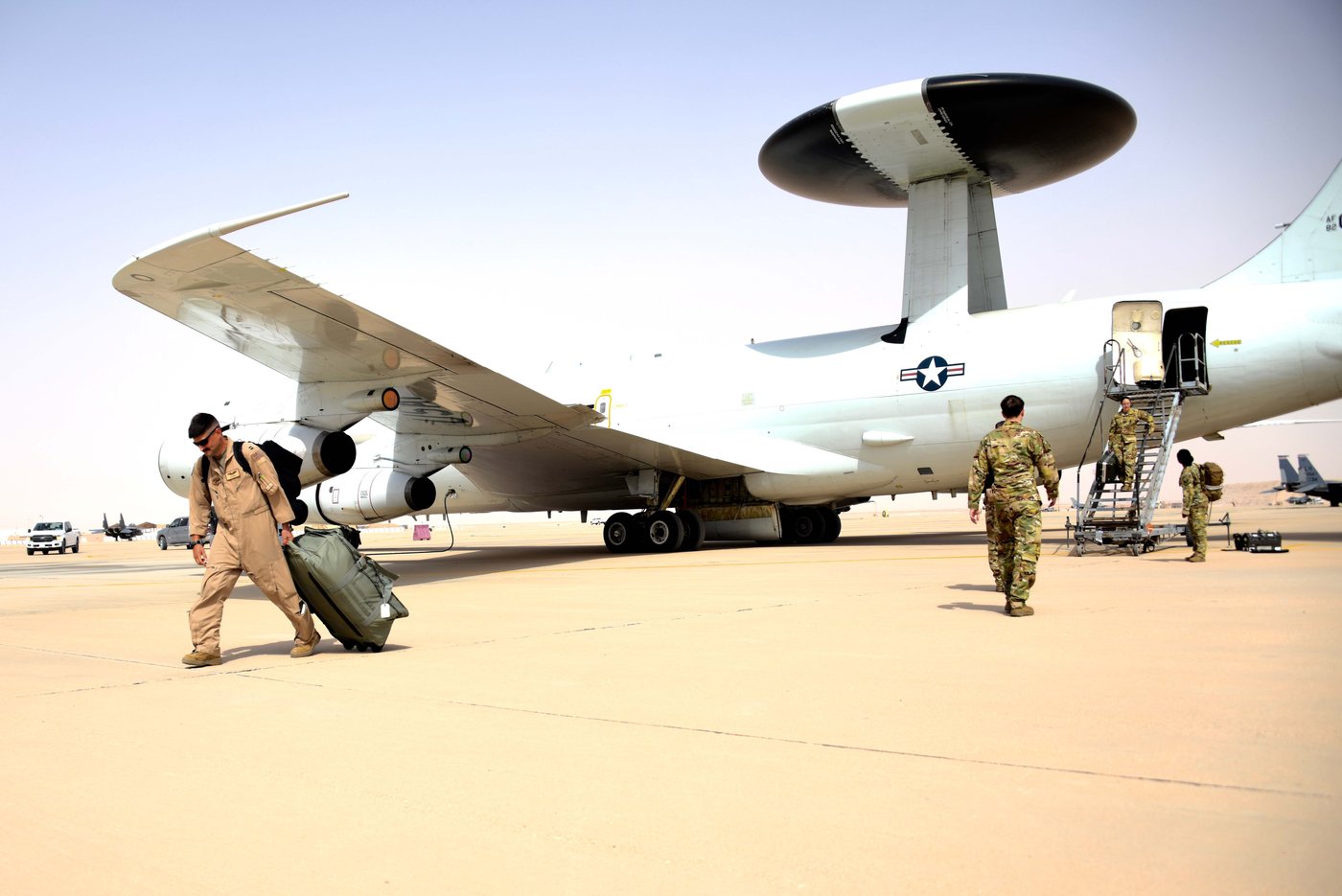
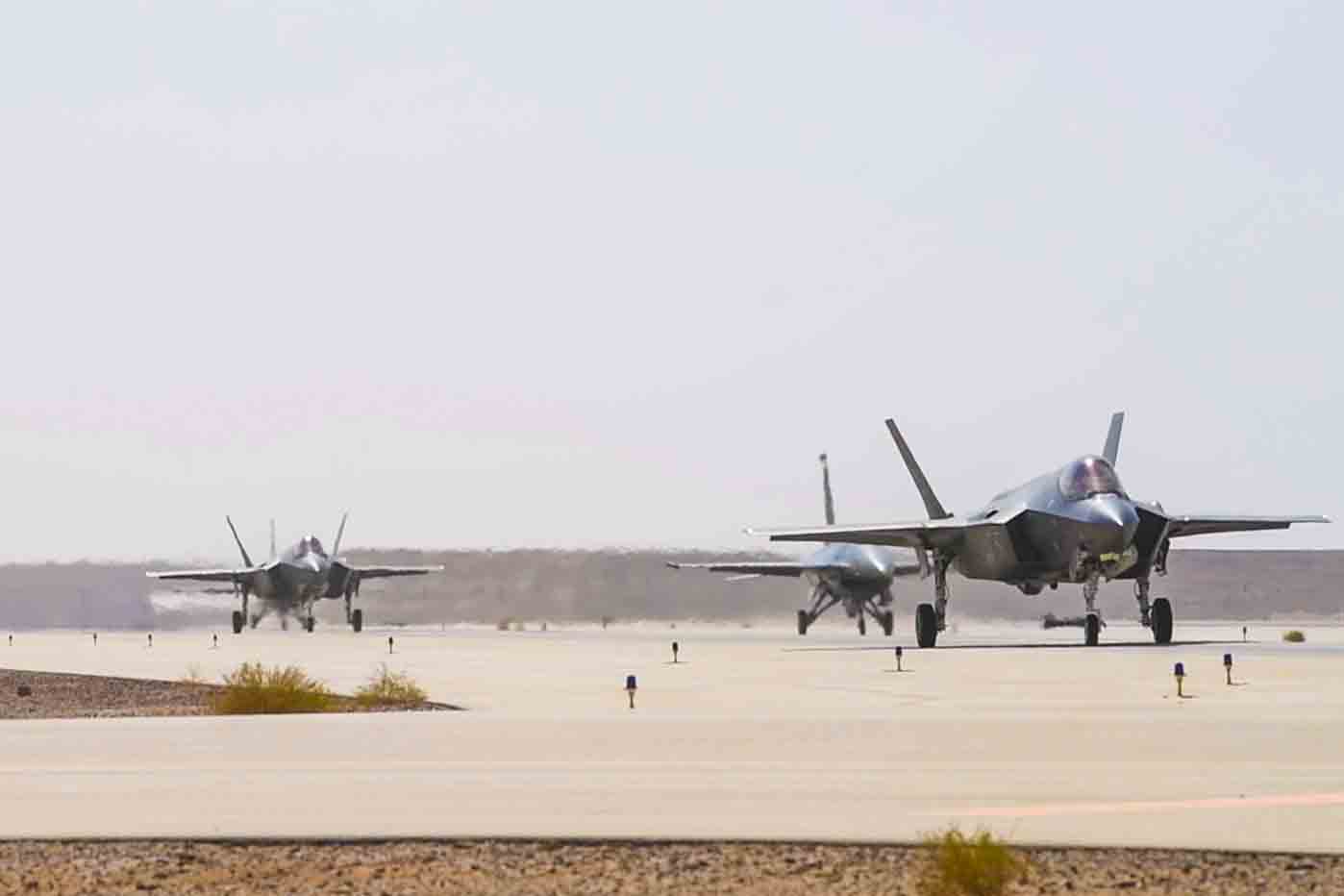
The strike also hit the base’s flight line, where US Air Force aircraft were parked. Preliminary damage assessments indicated that an E-3 Sentry airborne warning and control system aircraft, one of the most valuable surveillance platforms in the US military’s inventory, sustained significant damage. Multiple KC-135 Stratotanker aerial refuelling aircraft were also hit. The Air and Space Forces Magazine reported that photos from the base showed visible damage to the aircraft’s fuselages and sensor arrays.
A separate attack earlier in the week had wounded 14 people at the same installation, though the nationalities of those casualties were not immediately disclosed. Prince Sultan Air Base has been struck repeatedly since the war began, including a 1 March attack that wounded Army Sergeant Benjamin N. Pennington, 26, who died of his injuries several days later. Pennington became one of the first American combat fatalities of the conflict.
Which Aircraft Were Damaged and Why It Matters
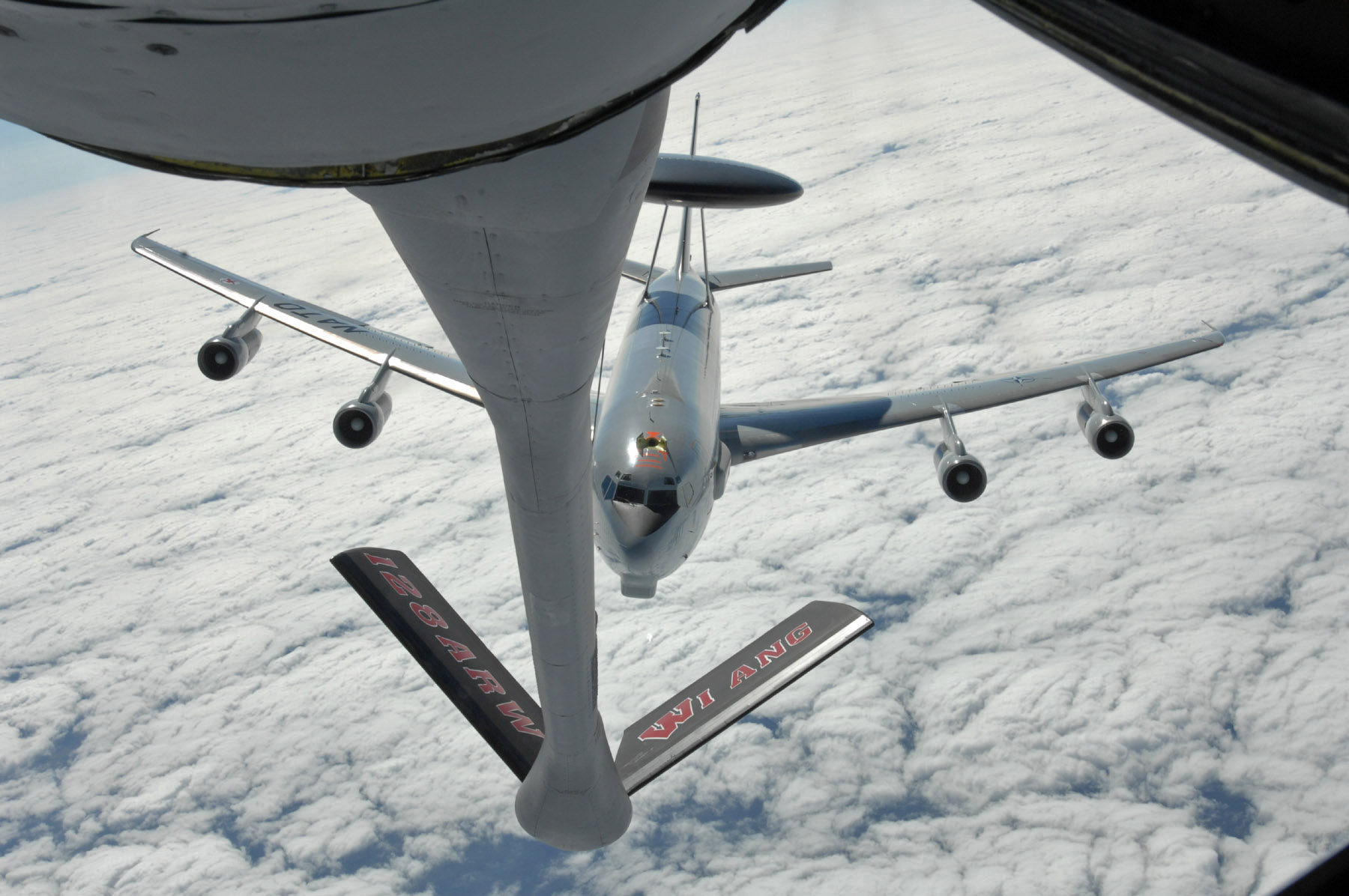
The damage to an E-3 Sentry AWACS aircraft represents one of the most strategically consequential losses of the war so far. The E-3 is a modified Boeing 707 fitted with a 30-foot rotating radar dome that can track aircraft, cruise missiles, and drones across a 250-mile radius. It serves as the aerial command post that coordinates fighter intercepts and directs the air defence war over Saudi Arabia and the wider Gulf.
The US Air Force maintains a fleet of approximately 31 E-3 Sentry aircraft, and the platform has no direct replacement in production. Boeing delivered the last E-3 in 1992, and the aircraft is scheduled for eventual replacement by the E-7A Wedgetail, which will not reach full operational capability until the late 2020s, according to the Congressional Research Service. Every E-3 damaged or destroyed in the Gulf directly reduces the coalition’s ability to detect incoming Iranian threats and coordinate the defensive response.
The KC-135 Stratotanker losses are equally consequential for different reasons. These aircraft refuel the fighter jets, surveillance planes, and bombers that fly continuous sorties over the Gulf. Without sufficient tanker capacity, combat air patrols cannot remain airborne for the extended periods required to maintain a persistent defensive shield. The US Air Force operates roughly 396 KC-135s, but demand across multiple global commitments means the aircraft allocated to CENTCOM’s area of operations cannot be easily replaced without drawing down coverage elsewhere.
According to Admiral Brad Cooper, the commander of US Central Command, the air campaign has relied heavily on tanker support to keep fighters aloft around the clock. A reduction in available tankers could force shorter patrol windows, creating gaps in coverage that Iran’s remaining drone and missile capabilities could exploit.
How Many US Troops Have Been Killed and Wounded in the Iran War
The Prince Sultan attack brought the total number of American casualties in Operation Epic Fury to at least 13 killed and more than 310 wounded since the joint US-Israeli offensive against Iran began on 28 February 2026. The toll has mounted steadily across multiple bases and facilities in the Gulf region, reflecting Iran’s strategy of retaliating against the American military presence in countries it considers complicit in the attack.
| Incident | Location | Date | Killed | Wounded |
|---|---|---|---|---|
| Iranian strike on US facility | Kuwait | Early March | 6 | Multiple |
| Refuelling aircraft crash | Over Iraq | Early March | 6 | 0 |
| Missile strike | Prince Sultan Air Base, Saudi Arabia | 1 March | 1 | Multiple |
| Various attacks across CENTCOM AOR | Multiple locations | Feb-March | 0 | ~280 |
| Missile and drone strike | Prince Sultan Air Base, Saudi Arabia | 27 March | 0 | 10 |
Most of the wounded have recovered and returned to duty, according to CENTCOM, but 30 remained out of action before the latest attack and 10 were classified as seriously wounded. The 27 March strike added another 10 to the serious casualty list, potentially doubling the number of service members requiring prolonged medical treatment.
The casualty figures place the Iran war on a trajectory not seen since the early years of the Iraq insurgency. Between 2003 and 2004, US forces in the Middle East sustained similar casualty rates from improvised explosive devices and mortar attacks, but the current threat profile is qualitatively different. Iranian ballistic missiles and long-range drones strike with far greater precision and destructive force than the insurgent weapons of two decades ago.
Prince Sultan Air Base and Its Role in the Gulf War
Prince Sultan Air Base, named after the late Saudi Crown Prince Sultan bin Abdulaziz Al Saud, is a Royal Saudi Air Force installation that has hosted American military forces intermittently since the 1990s. Located in Al Kharj, roughly 60 miles southeast of Riyadh, the base served as a major hub for US air operations during the 1991 Gulf War and the subsequent enforcement of the no-fly zone over southern Iraq.
The US withdrew from Prince Sultan in 2003 following the invasion of Iraq, relocating its regional air operations centre to Al Udeid Air Base in Qatar. American forces returned to Prince Sultan in 2019 amid rising tensions with Iran, and the base has since grown into one of the largest US military facilities in the Kingdom. The 378th Air Expeditionary Wing, a composite unit that draws personnel from multiple Air Force commands, operates from the installation and coordinates closely with Saudi Royal Air Force units stationed at the facility.
The base’s infrastructure includes hardened aircraft shelters, extensive runway systems, weapons storage facilities, and force protection measures designed to absorb precisely the kind of attack Iran delivered on Friday. Its proximity to Riyadh makes it strategically vital — any successful Iranian strike within 60 miles of the Saudi capital carries both military and psychological significance.
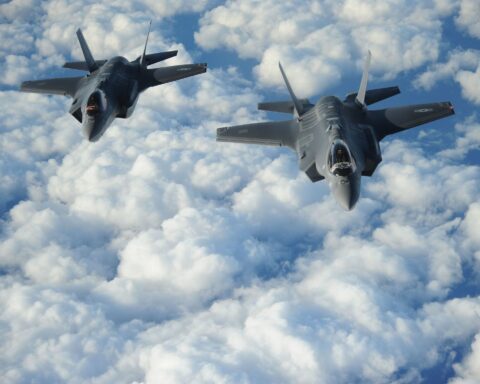
During the current conflict, Prince Sultan has served as a critical node in the air surveillance and defence architecture protecting Saudi Arabia’s central region, including Riyadh. The E-3 Sentry aircraft based there provide the radar coverage that enables Saudi and American air defence batteries to detect and engage incoming Iranian missiles and drones at maximum range. The base also supports combat air patrols by F-15E Strike Eagles, F-35A Lightning IIs, and F-16 Fighting Falcons that intercept airborne threats.
Saudi Arabia separately agreed in late March to open King Fahd Air Base in Taif to American forces, expanding US basing options in the Kingdom for the first time since the war began. Taif was selected partly because it lies farther from Iranian launch sites than any other major Saudi installation, reducing its vulnerability to the kind of attack that struck Prince Sultan.
Why Iran Targeted the Base Now
The timing of the strike raised questions among defence analysts about Iran’s evolving targeting strategy. Admiral Brad Cooper told reporters on 25 March that Iranian missile and drone launches had fallen by more than 90 percent compared to the opening days of the conflict, when Tehran fired hundreds of projectiles at Saudi Arabia, the UAE, Kuwait, Bahrain, and Jordan in rapid succession.
That reduction reflected the cumulative impact of US and Israeli strikes on Iranian missile production facilities, drone assembly plants, and command-and-control infrastructure. According to Reuters, American and Israeli forces have destroyed or severely damaged more than 80 percent of Iran’s known ballistic missile manufacturing capacity since 28 February.
The Prince Sultan strike suggests that rather than exhausting its remaining arsenal on indiscriminate area bombardment, Iran has shifted toward precision attacks on high-value military targets. An E-3 AWACS aircraft costs approximately $270 million to replace and takes years to produce. A KC-135 Stratotanker represents roughly $40 million in airframe value alone, with trained crews that cannot be replaced quickly. By concentrating limited resources against irreplaceable assets, Iran can impose disproportionate costs on the coalition even as its overall launch rate declines.
This approach mirrors the strategy Iran employed during the 1980-88 war with Iraq, when Tehran shifted from mass-wave infantry assaults to targeted strikes against Iraqi economic infrastructure after its conventional military capacity degraded. The April 6 deadline set by President Trump for Iran to reopen the Strait of Hormuz adds urgency to Tehran’s calculations, as Iranian military planners may be accelerating attacks on coalition assets before a potential escalation in US strikes.
Pentagon Orders Reinforcements to the Gulf
In the hours following the Prince Sultan attack, the Pentagon announced a significant reinforcement of US forces in the Middle East. Defence Secretary Pete Hegseth approved the deployment of the 82nd Airborne Division headquarters and a brigade combat team to the region, along with the 31st Marine Expeditionary Unit comprising up to 5,000 Marines aboard warships, the Military Times reported.
The 11th Marine Expeditionary Unit, built around the Boxer Amphibious Ready Group, was also identified as a potential follow-on reinforcement. Combined with the approximately 2,000 paratroopers from the 82nd Airborne already deployed to the Gulf, the new deployments would push the total US military presence in CENTCOM’s area of operations to its highest level since the early stages of the Iraq War.
The reinforcements serve multiple purposes. Additional ground-based air defence units can thicken the protective shield around critical bases. Marine expeditionary units bring their own organic air defence capabilities, as well as attack helicopters and fixed-wing aircraft that can contribute to combat air patrols. The 82nd Airborne’s rapid deployment capability signals to Tehran that Washington is prepared to escalate its military posture in response to continued attacks on American personnel.
However, the deployments also carry political risk. Every additional soldier or Marine sent to the Gulf deepens America’s military commitment to a conflict that began as a limited air campaign against Iranian nuclear and missile infrastructure. Senators from both parties have questioned whether the administration’s initial promise of no ground troops has been overtaken by the scale of force protection requirements.
The scale of the commitment continued to grow. By late March, the Pentagon was weighing the deployment of 10,000 additional ground troops to the region, including forces that could be used for ground operations against Iranian territory.
Is the Gulf Running Out of Interceptors
The attack on Prince Sultan Air Base underscored a growing concern among US and allied commanders: the rate at which air defence interceptors are being consumed far exceeds the rate at which they can be manufactured and delivered. Saudi Arabia alone has intercepted hundreds of drones and dozens of ballistic missiles since the war began, with the Saudi Ministry of Defence reporting successful engagements against more than 600 Iranian drones and 44 ballistic missiles through 27 March.
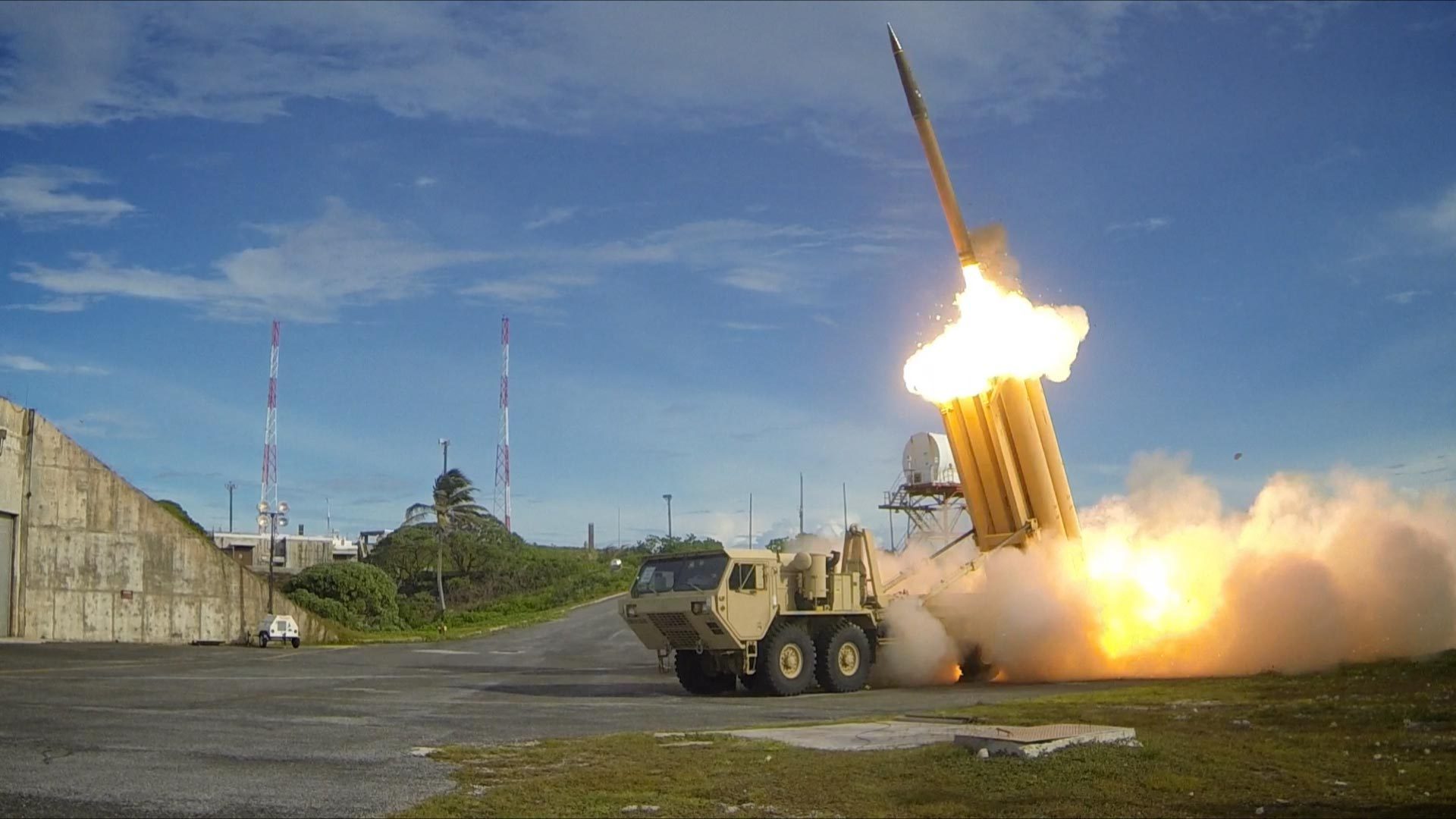
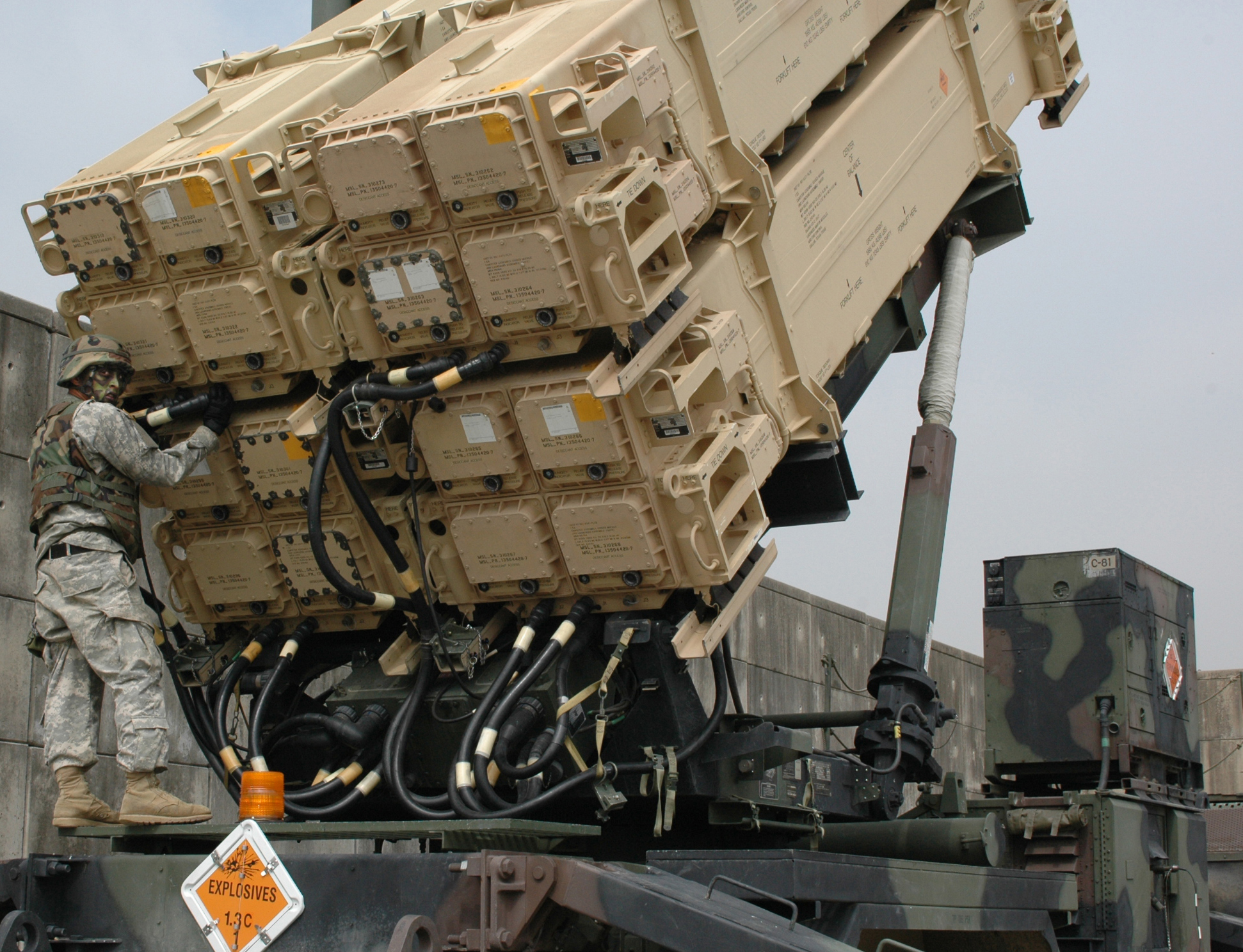
A Patriot PAC-3 interceptor costs approximately $4 million per round. A THAAD interceptor costs roughly $12 million. The Iranian drones they are being used to destroy often cost less than $50,000 each to produce, according to estimates from the International Institute for Strategic Studies. This cost asymmetry means Iran can impose enormous financial and logistical costs on the coalition’s air defence network with relatively cheap weapons.
CBS News reported that US-allied countries in the region have been “forced to choose which objects to blow up and which not to,” an acknowledgement that interceptor stocks are insufficient to engage every incoming threat. The Pentagon has weighed diverting air defence systems originally earmarked for Ukraine to Gulf states, a decision that would have significant implications for Kyiv’s own air defence posture as it continues to face Russian aerial bombardment.
The interceptor shortage partly explains why the Prince Sultan attack succeeded in damaging aircraft on the ground. If base defence systems prioritised incoming ballistic missiles over slower drones, the unmanned vehicles may have penetrated the outer defensive perimeter while interceptors were engaged elsewhere. This triage approach is an inevitable consequence of finite munitions facing a sustained campaign of multi-axis attacks.
Political Fallout in Washington
The wounding of ten Americans at Prince Sultan is expected to intensify congressional scrutiny of the administration’s management of the Iran conflict. Thirteen US service members have now been killed in a war that President Trump initially described as a precision air campaign requiring no American ground forces. The reality of 300-plus wounded and a mounting base protection challenge has complicated that narrative.
Senators Tim Kaine and Rand Paul, who have previously opposed open-ended military authorisations in the Middle East, renewed calls for a formal vote under the War Powers Resolution. “The American people were told this would be over in days, not months,” Kaine said in a statement before the latest attack. The Prince Sultan casualties are likely to accelerate demands for a congressional debate on the war’s scope and duration.
The deployment of additional ground forces — the 82nd Airborne, two Marine expeditionary units — further complicates the administration’s position. Each new unit sent to the Gulf increases the number of American targets Iran can strike and the political cost of each successful attack. Saudi Arabia and the UAE’s incremental steps toward joining the war have not yet translated into direct Gulf state military action against Iran, leaving American forces to absorb the majority of retaliatory strikes.
Crown Prince Mohammed bin Salman has privately urged President Trump to intensify the campaign against Iran, according to the New York Times, describing the conflict as a “historic opportunity” to reshape the Middle East. But each American casualty on Saudi soil raises the question that one senior Pentagon official posed to the Washington Post: whether the United States is paying in blood for a war that primarily serves Saudi strategic interests.
The Kingdom’s decision to admit Ukrainian drone defence experts and sign a defence cooperation agreement with Kyiv on 27 March demonstrated that Riyadh is seeking additional layers of protection beyond the American umbrella. More than 200 Ukrainian specialists have been deployed across the Gulf to advise on countering the Iranian drone threat, an arrangement formalised during President Zelenskyy’s surprise visit to Jeddah. Whether that expertise arrives quickly enough to prevent further attacks on American personnel remains the critical question for commanders at Prince Sultan and bases across the region.
Frequently Asked Questions
Where is Prince Sultan Air Base?
Prince Sultan Air Base is a Royal Saudi Air Force installation located near Al Kharj, approximately 60 miles southeast of Riyadh, Saudi Arabia. It has hosted US Air Force operations intermittently since the 1991 Gulf War and currently serves as the home of the 378th Air Expeditionary Wing, which operates fighter jets, surveillance aircraft, and aerial refuelling tankers supporting the coalition campaign against Iran.
How many US troops have been killed in the Iran war?
As of 27 March 2026, 13 US service members have been killed in action during Operation Epic Fury. Six died in an Iranian strike on a US facility in Kuwait, six were killed when a refuelling aircraft crashed over Iraq, and Army Sergeant Benjamin N. Pennington, 26, died from injuries sustained in a 1 March attack on Prince Sultan Air Base. More than 310 service members have been wounded overall.
What is an E-3 Sentry AWACS?
The E-3 Sentry is a modified Boeing 707 aircraft fitted with a distinctive 30-foot rotating radar dome that provides airborne surveillance across a 250-mile radius. It serves as an aerial command and control platform, detecting incoming missiles and drones and directing fighter jets and air defence batteries to engage threats. The US Air Force operates approximately 31 E-3s with no direct replacement currently in production.
Why are interceptor shortages a problem?
Coalition forces have fired thousands of air defence interceptors since the war began on 28 February, but manufacturing capacity cannot keep pace with consumption. A single Patriot PAC-3 missile costs roughly $4 million, while the Iranian drones it destroys can cost under $50,000 to produce. This cost asymmetry and the sheer volume of Iranian attacks have forced commanders to prioritise which incoming threats to engage and which to let through.