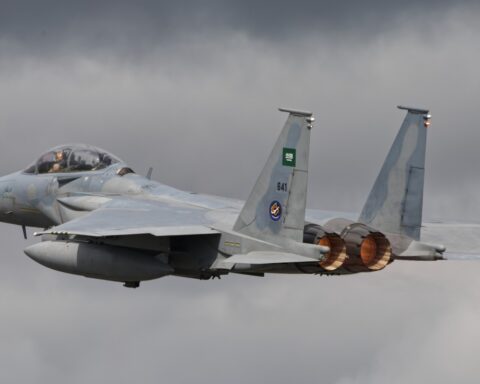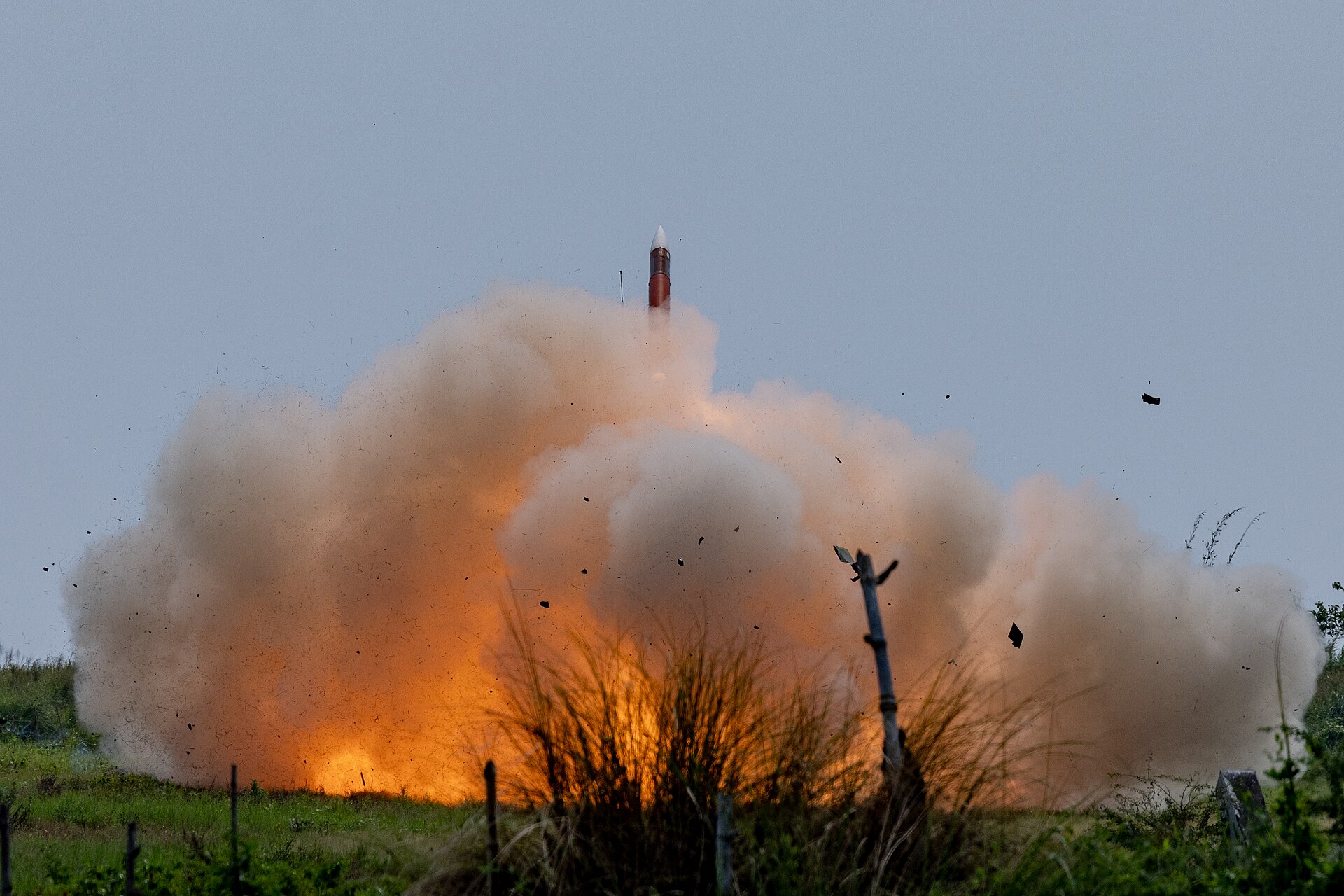

RIYADH — Iran launched a fresh wave of missiles and drones at Saudi Arabia, Kuwait, Bahrain, the United Arab Emirates, and Israel on Tuesday, hours after Iranian officials dismissed President Donald Trump’s claims of “very good” peace talks as fabricated. The strikes, part of what the Islamic Revolutionary Guard Corps designated the 75th wave of its Operation True Promise 4 campaign, marked one of the most geographically dispersed attacks of the 25-day-old war and deepened doubts about whether diplomatic channels can restrain the escalation.
Saudi Arabia’s Ministry of Defence reported intercepting and destroying approximately 20 drones targeting the Eastern Province, the region that houses the majority of the Kingdom’s energy and oil infrastructure. Kuwait’s air defenses activated at least seven times during a single overnight period, with residents reporting loud explosions and smoke rising from areas near the US embassy compound. The UAE said its forces intercepted seven ballistic missiles and 16 unmanned aerial vehicles launched from Iranian territory. Bahrain, already the most heavily struck Gulf state relative to its size, absorbed another round of missile and drone fire.
The attacks came as Trump told reporters in Washington that negotiations with Tehran were progressing and that “Iran means business” about reaching a deal. Iranian Parliament Speaker Mohammad Bagher Ghalibaf responded by calling Trump’s assertions “fake news” and “a big lie,” accusing Washington of manipulating global oil markets and buying time for further military deployments to the region.
Table of Contents
- What Did Iran Strike on Day 25 of the War?
- How Did Saudi Arabia’s Air Defenses Respond?
- Kuwait Endures Its Worst Night of the War
- Why Did Iran Deny Peace Talks While Launching New Attacks?
- Where Do Ceasefire Negotiations Stand?
- The Cumulative Toll on Gulf Air Defenses
- Energy Infrastructure Remains the Primary Target
- Frequently Asked Questions
What Did Iran Strike on Day 25 of the War?
The IRGC’s March 24 attacks targeted military installations and energy infrastructure across at least five countries simultaneously. The operation struck Prince Sultan Air Base in Al-Kharj, Saudi Arabia — a key hub for US military deployments and air operations — using what the IRGC described as “advanced ballistic missiles.” It also targeted positions in Israel, where Iranian missiles created impacts in several areas of Tel Aviv, damaging apartment buildings and injuring at least four people, according to Israeli emergency services.
Across the Gulf, the pattern of attacks reflected Iran’s established strategy of combining ballistic missiles with cheaper drone swarms. Kuwait was hit with both, triggering air defense alarms seven times between dusk and dawn. Air defense shrapnel struck power lines in Kuwait, causing partial electricity outages in residential areas — a reminder that defensive measures themselves carry collateral costs. In Bahrain, Iranian missiles and drones targeted areas near the US Fifth Fleet headquarters in Manama. The UAE’s Ministry of Defense confirmed intercepting 23 incoming projectiles throughout the day.
Since the war began on February 28, when the United States and Israel launched a surprise attack during nuclear negotiations that killed Supreme Leader Ali Khamenei and other senior Iranian officials, Tehran has launched hundreds of missiles and thousands of drones at targets across the region. The IRGC’s own numbering — 75 waves in 25 days — indicates an average of three separate attack waves per day since the conflict began.
How Did Saudi Arabia’s Air Defenses Respond?
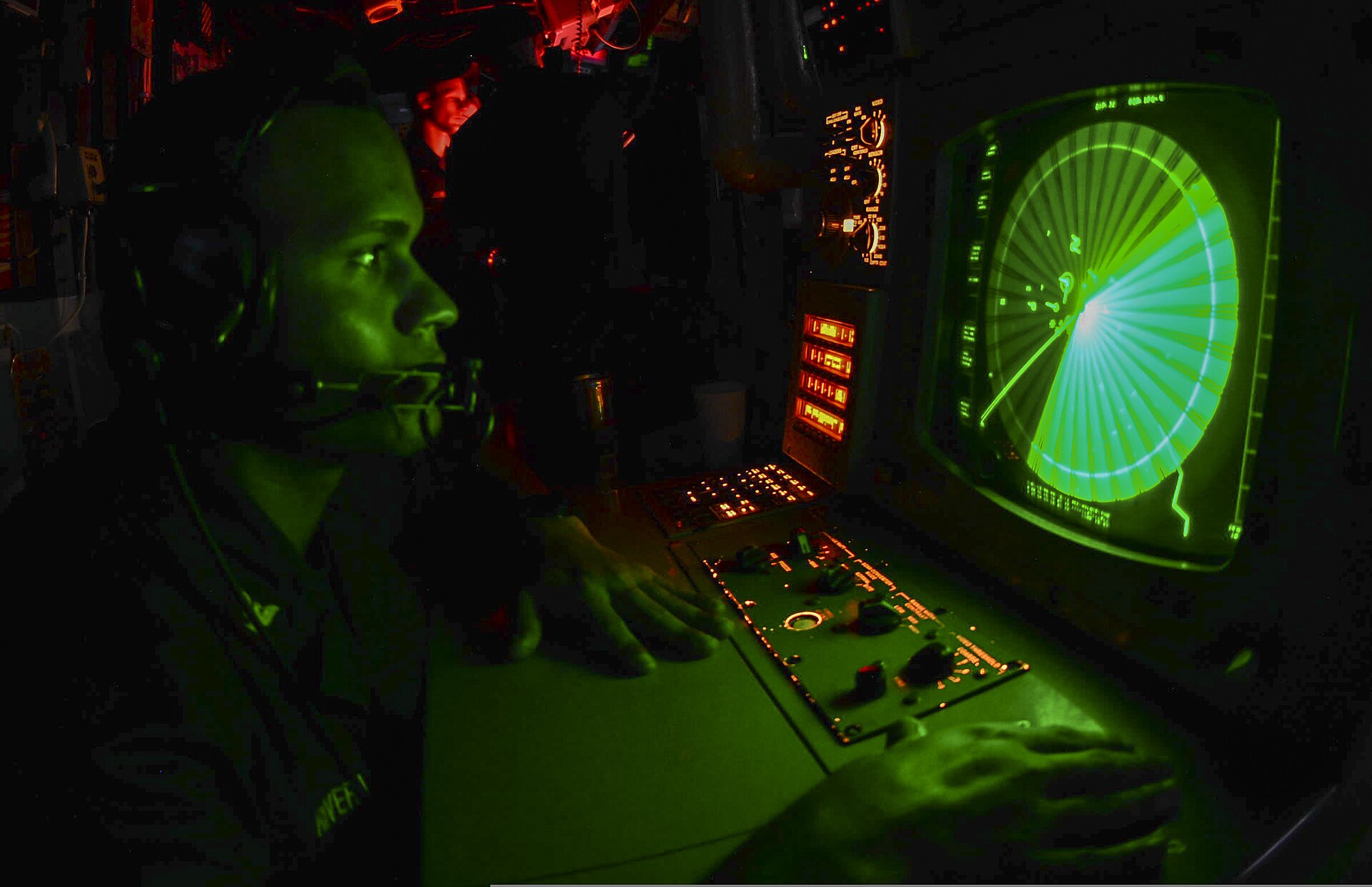
Saudi Arabia’s Royal Saudi Air Defense Forces intercepted and destroyed approximately 20 drones heading toward the Eastern Province on Monday and into Tuesday morning, the Ministry of Defence said in a statement. The drones were on trajectories consistent with targeting Aramco’s sprawling oil processing and export facilities, which stretch from Ras Tanura on the Gulf coast to the Abqaiq processing plant approximately 60 kilometres inland.
The interceptions brought the Kingdom’s cumulative defensive tally to more than 600 drones, 44 ballistic missiles, and seven cruise missiles since the war started, according to data compiled from official Saudi and coalition statements. On March 23, the ministry had also reported detecting two ballistic missiles heading toward the Riyadh region, one of which was intercepted while the other fell in an uninhabited desert area east of the capital.
The sustained rate of Iranian attacks has forced Saudi Arabia to maintain an air defense posture that military analysts describe as unsustainable without regular interceptor resupply. Each Patriot Advanced Capability-3 missile costs approximately $4 million, according to Raytheon’s publicly disclosed pricing, while the Shahed-series drones Iran launches in large numbers cost between $15,000 and $50,000 each, according to estimates by the International Institute for Strategic Studies (IISS). Saudi Arabia has fired more interceptors in 25 days than in any previous conflict in the Kingdom’s history, straining stockpiles that Washington has scrambled to replenish through emergency arms transfers approved by Secretary of State Marco Rubio.
Prince Sultan Air Base in Al-Kharj, approximately 100 kilometres south of Riyadh, has been struck by Iranian missiles multiple times during the war. Five US Air Force refueling aircraft were damaged there in mid-March, according to The Wall Street Journal, and the IRGC’s March 24 statement explicitly named the base as a target of its latest ballistic missile salvo. The base now hosts a significant US military presence after Saudi Arabia granted American forces access to King Fahd Air Base in Taif, expanding the US military footprint in the Kingdom to its largest since the 2003 Iraq War.
Kuwait Endures Its Worst Night of the War
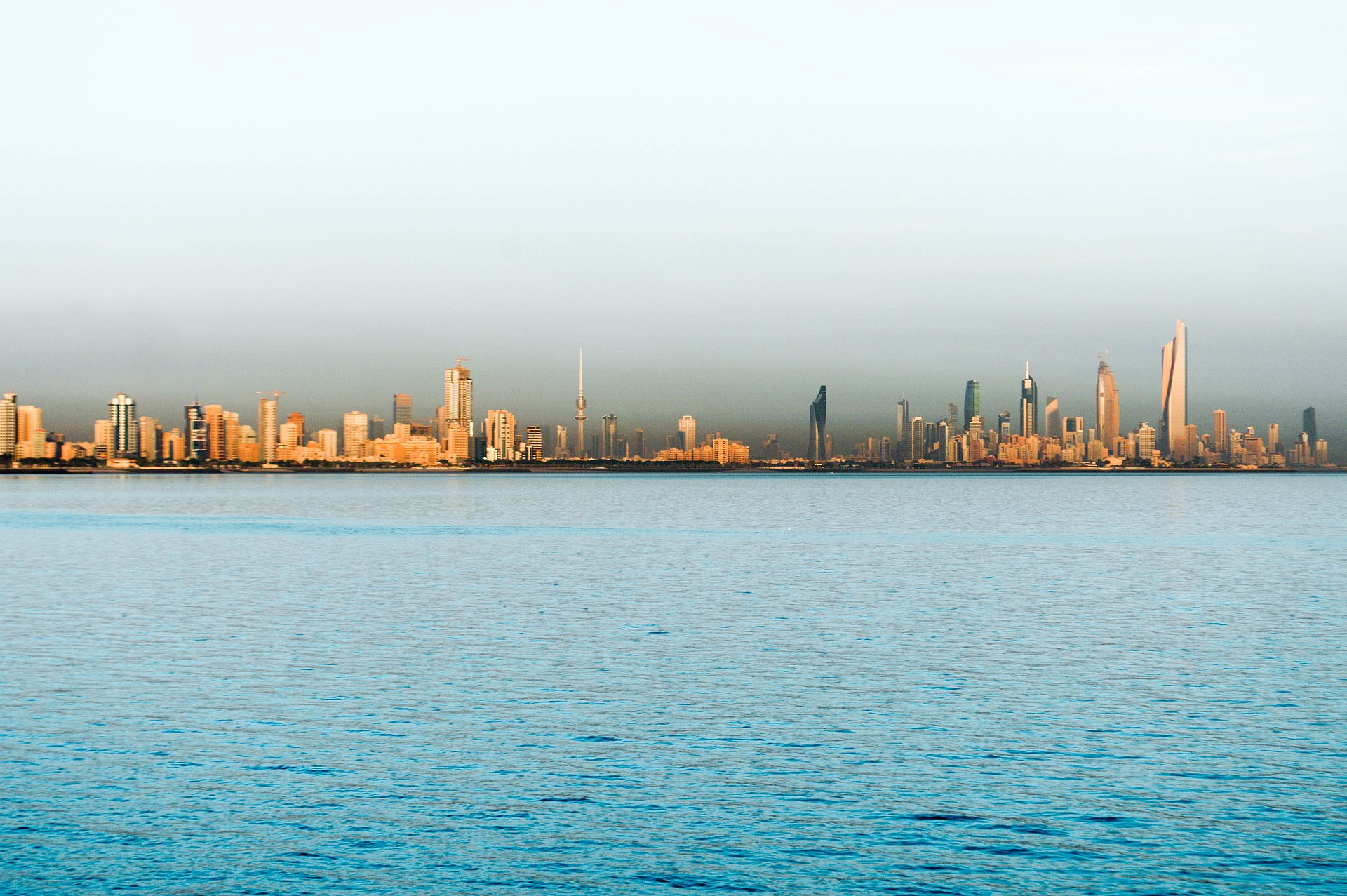
Kuwait experienced what residents described as its most intense night of Iranian attacks since the war began, with air defense sirens activating at least seven times between evening and dawn on March 24. Witnesses quoted by Reuters reported loud bangs and plumes of smoke rising from areas near the US embassy compound in Kuwait City. Air defense shrapnel from intercepted projectiles struck overhead power lines, causing partial electricity outages across several neighbourhoods.
The escalation in Kuwait follows a pattern of intensifying Iranian strikes on the small Gulf state. On March 20, Iranian drones struck Kuwait’s largest oil refinery at Mina al-Ahmadi for the second consecutive day, causing fires across multiple processing units at a facility that handles approximately 730,000 barrels of oil per day, according to the Kuwait National Petroleum Company. A Moroccan contractor assisting the UAE military was killed in a Bahrain attack linked to the same wave of Iranian strikes, Al Jazeera reported.
The first American combat deaths of the war occurred in Kuwait on March 1, when an Iranian drone struck a makeshift operations centre at the civilian port of Shuaiba, killing six US service members. A subsequent investigation by CBS News revealed that military officials had questioned whether the tactical operations centre — described as a “triple-wide trailer” — should have been used to concentrate troops in an indefensible location. The incident underscored the vulnerability of coalition forces operating in forward positions across the Gulf.
Kuwait’s total exposure since February 28 includes attacks on its airport, electrical infrastructure, residential buildings, US military facilities, and the Mina al-Ahmadi refinery complex, according to the Long War Journal’s March 20-23 conflict update. Despite the sustained assault, Kuwait has not formally declared war on Iran and continues to maintain diplomatic back channels, reflecting the strategic dilemma facing smaller Gulf states caught between Iranian missiles and the diplomatic imperative to keep communication lines open.
Why Did Iran Deny Peace Talks While Launching New Attacks?
The diplomatic contradictions of Day 25 exposed a widening gap between Washington’s public messaging and Tehran’s stated position. Trump told reporters on March 23 and 24 that Vice President JD Vance, Secretary of State Marco Rubio, envoy Steve Witkoff, and adviser Jared Kushner were leading negotiations with Iran, expressing optimism that a deal was within reach. Trump also ordered the US military to postpone planned strikes on Iranian power plants and energy infrastructure for five days, a move he described as a “good faith” gesture.
Iran’s response was unequivocal. Parliament Speaker Ghalibaf called the claims “a big lie” and accused the United States of “using the language of peace while preparing for more war.” Iran’s Foreign Ministry Spokesperson said there had been “no direct or indirect negotiations” with Washington. However, an Iranian source told CNN that there had been “outreach between the United States and Iran, initiated by Washington,” with “messages received through various intermediaries to scope out whether an agreement to end the conflict can be reached.”
The gap between Iran’s official denial and the off-the-record acknowledgment of contact suggests that Tehran is willing to explore diplomatic options but unwilling to appear as though it is suing for peace — a distinction that Iranian domestic politics makes critical. Mojtaba Khamenei, who was elected on March 8 to replace his assassinated father as Supreme Leader, faces internal pressure from IRGC hardliners to continue the retaliatory campaign. Publicly accepting talks with the nation that killed his father would be politically fatal in Tehran.
The timing of Iran’s March 24 attacks — launched within hours of Trump’s most optimistic public statements about peace — appeared designed to demonstrate that military operations would continue regardless of diplomatic manoeuvring, according to analysts at the Middle East Council on Global Affairs. Trump’s five-day delay on energy strikes may have been read in Tehran not as a concession but as evidence that the US military was encountering logistical constraints.
Where Do Ceasefire Negotiations Stand?
Pakistan has emerged as the most likely venue for direct US-Iran talks, with Islamabad offering to host a meeting later this week. Pakistan’s Foreign Office spokesperson Tahir Hussain Andrabi told reporters that “if both sides agree, Pakistan is always ready to host talks.” Behind the scenes, Pakistan’s Intelligence Chief, Lieutenant General Asim Malik, has been engaging with Witkoff and Kushner, according to the Irish Times.
Two competing formats for talks have been proposed. The first would bring together Iranian Foreign Minister Abbas Araghchi with Witkoff and Kushner. The second, considered more likely to gain Iranian acceptance, would see Vice President Vance meet Iran’s Parliament Speaker Ghalibaf. Iranian sources have indicated that Tehran would refuse to sit down with Witkoff or Kushner but would accept Vance as an interlocutor, the Jerusalem Post reported.
Turkey, Egypt, and Oman are also involved in mediation efforts, though at different levels. Turkey, which has absorbed three Iranian missiles during the conflict but has refused to take sides, has offered its diplomatic infrastructure. Egypt, the Arab world’s most populous country, has been pressing both sides but has limited leverage over Tehran. Oman, which has historically served as a back channel between Washington and Tehran, has played a quiet role in relaying messages.
Saudi Arabia, notably, remains absent from the peace process despite being one of the most heavily targeted nations. Crown Prince Mohammed bin Salman has reportedly been urging Trump to intensify strikes against Iran rather than pursue a ceasefire, viewing the conflict as a “historic opportunity” to reshape the regional balance of power, according to The New York Times. This places Riyadh in the unusual position of being both a victim of Iranian attacks and a voice against the diplomatic off-ramp that might end them.
The Cumulative Toll on Gulf Air Defenses
Twenty-five days of continuous Iranian attacks have produced a staggering cumulative burden on Gulf air defense systems. The numbers, compiled from official government statements and wire service reporting, illustrate the scale of the campaign.
| Country | Ballistic Missiles | Cruise Missiles | Drones/UAVs | Civilian Deaths |
|---|---|---|---|---|
| Saudi Arabia | 44+ | 7+ | 600+ | 2 |
| UAE | 352 | 15 | 1,789 | Multiple |
| Bahrain | 153 | — | 301 | Multiple |
| Kuwait | Multiple | — | Multiple | 6 (US military) |
| Israel | 90+ attempted | — | Multiple | 15+ |
The UAE has absorbed the heaviest sustained bombardment of any Gulf state, with 352 ballistic missiles, 15 cruise missiles, and 1,789 drones launched at its territory since February 28, according to the UAE Ministry of Defense. Bahrain, with a population of just 1.5 million, has intercepted 153 missiles and 301 drones — a rate of approximately 18 projectiles per day directed at the smallest Gulf Cooperation Council member state.
The financial cost of continuous interception is mounting. A single SM-3 interceptor missile, used by Aegis-equipped warships, costs approximately $12 million, according to the Missile Defense Agency. Terminal High Altitude Area Defense (THAAD) interceptors cost approximately $10 million each, Reuters reported. Saudi Arabia and the UAE have been burning through interceptor stockpiles at a rate that far outpaces production capacity, raising concerns about whether defensive shields can hold if the war extends into a second month.
Secretary of State Rubio has bypassed congressional review to approve $16 billion in emergency arms transfers to Gulf allies, including Patriot missile batteries and THAAD interceptor reloads. Yet delivery timelines for some systems stretch into April and May, according to Bloomberg, leaving a potential gap in defensive coverage if Iran sustains its current rate of fire.
Energy Infrastructure Remains the Primary Target
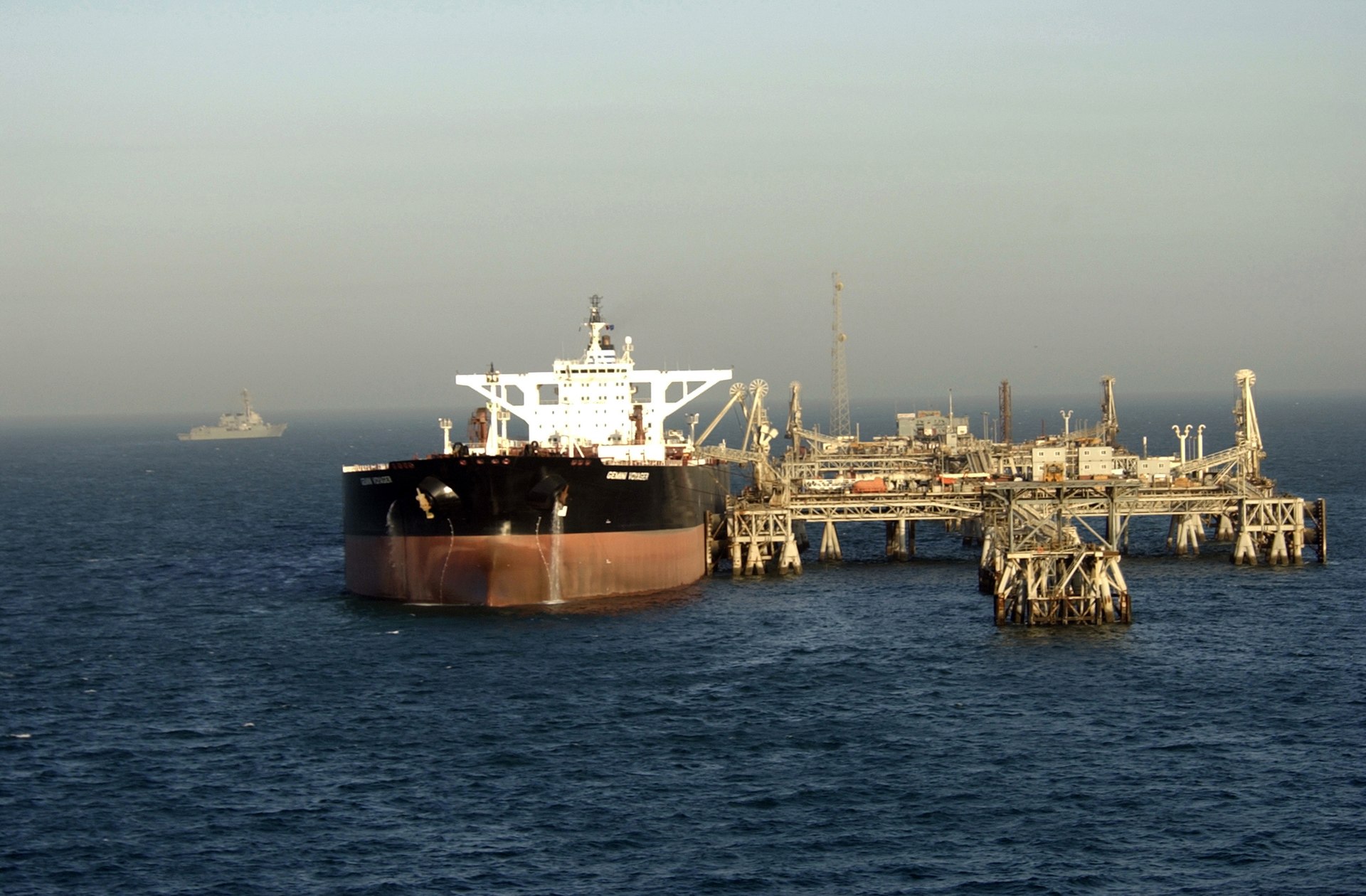
Iran’s targeting priorities on Day 25 reaffirmed that energy infrastructure ranks alongside military installations as the IRGC’s primary objectives. The 20 drones directed at Saudi Arabia’s Eastern Province followed established flight paths toward Aramco facilities that have been targeted repeatedly since the first week of the war.
Saudi Aramco has already shut down the Safaniya, Marjan, Zuluf, and Abu Safa offshore oil fields, cutting an estimated 2 to 2.5 million barrels per day of production, according to Argus Media and The Wall Street Journal. The effective closure of the Strait of Hormuz has eliminated Saudi Arabia’s primary export corridor, forcing the Kingdom to reroute crude through the East-West Pipeline to the Red Sea port of Yanbu, which was itself briefly shut down on March 19 after an Iranian ballistic missile was intercepted over the port area.
Aramco’s production has fallen from approximately 10.9 million barrels per day in February to roughly 8 million barrels per day as of mid-March, according to Bloomberg. The company has so far met most customer commitments by tapping crude stored outside the Gulf and rerouting supplies, estimating that it can still export around 70 percent of its usual crude output. But the margin for error is shrinking. Aramco CEO Amin Nasser cancelled his planned appearance at the CERAWeek energy conference in Houston, the industry’s most important annual gathering, to remain in Saudi Arabia managing the crisis, CNBC reported.
Kuwait’s Mina al-Ahmadi refinery, which processes approximately 730,000 barrels of oil per day, has been hit on multiple occasions. Qatar’s LNG production at Ras Laffan was suspended after an Iranian drone strike in early March. Iraqi production from southern fields has fallen by 70 percent, from approximately 4.3 million barrels per day before the conflict to roughly 1.3 million barrels per day, with exports dropping to around 800,000 barrels per day. The war premium on Gulf oil — the additional cost baked into every barrel by insurance, rerouting, and risk — shows no sign of abating even if a ceasefire is reached.
The broader toll extends far beyond the Gulf. The Philippines declared a national energy emergency on March 24 as Gulf oil shipments dried up. South Korea’s Prime Minister cancelled a diplomatic trip to China to manage domestic economic fallout from the crisis. Japan, which depends on the Strait of Hormuz for nearly 95 percent of its oil imports, faces what its energy minister described as “the most severe supply disruption since the 1973 oil shock.”
Frequently Asked Questions
How many countries has Iran struck during the 2026 war?
Iran has launched missiles and drones at Saudi Arabia, the United Arab Emirates, Bahrain, Kuwait, Qatar, Israel, Iraq, and Oman since the war began on February 28. Turkey and Jordan have also been struck, though Iran has characterized some of those incidents as unintentional. The IRGC’s March 24 salvo targeted five countries simultaneously — Saudi Arabia, the UAE, Kuwait, Bahrain, and Israel.
What is Operation True Promise 4?
Operation True Promise 4 is the IRGC’s designation for its retaliatory campaign following the US-Israeli strikes that killed Supreme Leader Ali Khamenei on February 28. The March 24 attacks were designated the 75th wave of this operation, indicating an average of three separate attack waves per day across the 25-day conflict. The campaign targets military installations, energy infrastructure, and civilian areas across the region.
Are US-Iran peace talks actually happening?
The status of negotiations remains disputed. President Trump has claimed that talks are “very good” and progressing toward a deal, with Vice President Vance, Steve Witkoff, and Jared Kushner leading the US side. Iran officially denies any negotiations are taking place. However, an Iranian source told CNN that Washington initiated “outreach” through intermediaries. Pakistan has offered to host direct talks in Islamabad later this week.
How many drones has Saudi Arabia intercepted during the war?
Saudi Arabia has intercepted and destroyed more than 600 drones, 44 ballistic missiles, and seven cruise missiles since the war began on February 28, according to cumulative data from Saudi Ministry of Defence statements. The Kingdom’s air defense forces have fired more interceptors in 25 days than in any previous conflict in Saudi Arabia’s history, raising concerns about stockpile depletion.
What is the death toll from the Iran war so far?
As of March 24, more than 1,500 people have been killed in Iran, over 1,000 in Lebanon, 15 in Israel, and 13 US military members, according to Al Jazeera’s live tracker. Civilian casualties across Gulf states include at least two dead in Saudi Arabia, multiple fatalities in the UAE and Bahrain, and six US service members killed in Kuwait. The Iranian Red Crescent has confirmed approximately 800 deaths, while human rights organizations estimate the actual toll exceeds 2,400.