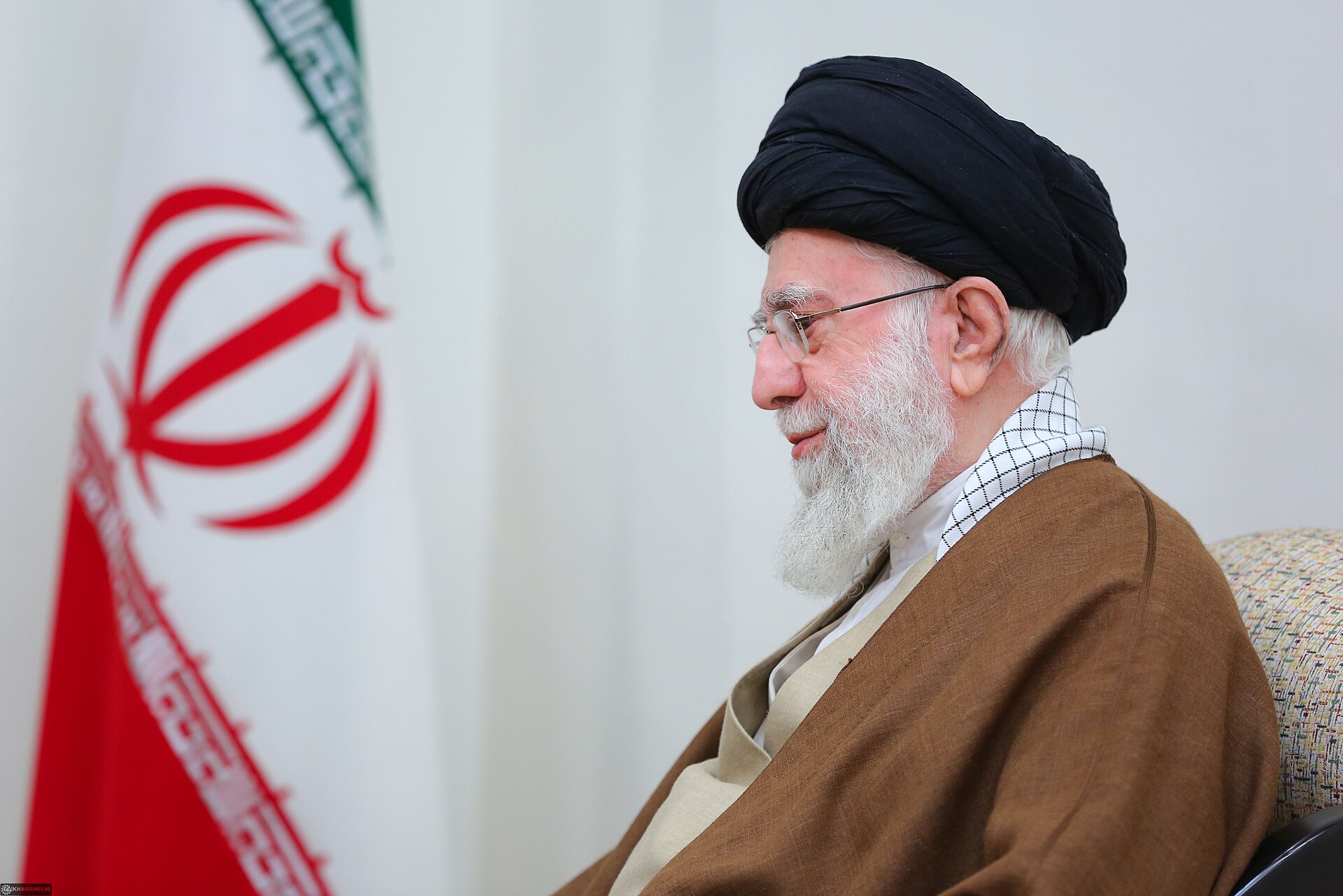

TEHRAN — Iran issued a new statement attributed to Supreme Leader Mojtaba Khamenei on Monday, but the 56-year-old cleric has not appeared in public, spoken on camera, or released an audio recording since the Assembly of Experts appointed him on March 8 — nine days of silence from the most powerful figure in the Islamic Republic while his country fights the largest military conflict in the Middle East since 1991. President Donald Trump told reporters on Sunday that Washington does not know whether Khamenei is alive. “Nobody has seen him, which is unusual,” Trump said. “A lot of people are saying that he’s badly disfigured. Other people are saying he’s dead.” Iran has denied the claims but offered no proof of life, leaving the question of who actually commands Tehran’s war machine unanswered as the conflict enters its third week.
Table of Contents
- What Did Trump Say About Mojtaba Khamenei?
- What Has the Pentagon Said About the Strike That Wounded Him?
- How Has Iran Responded to the Claims?
- What Did the March 16 Statement Say?
- Who Is Running Iran if Mojtaba Khamenei Is Incapacitated?
- Why Does the Supreme Leader’s Status Matter for the War?
- What Does the Leadership Mystery Mean for Saudi Arabia?
- From Assassination to Appointment and Disappearance
- Frequently Asked Questions
What Did Trump Say About Mojtaba Khamenei?
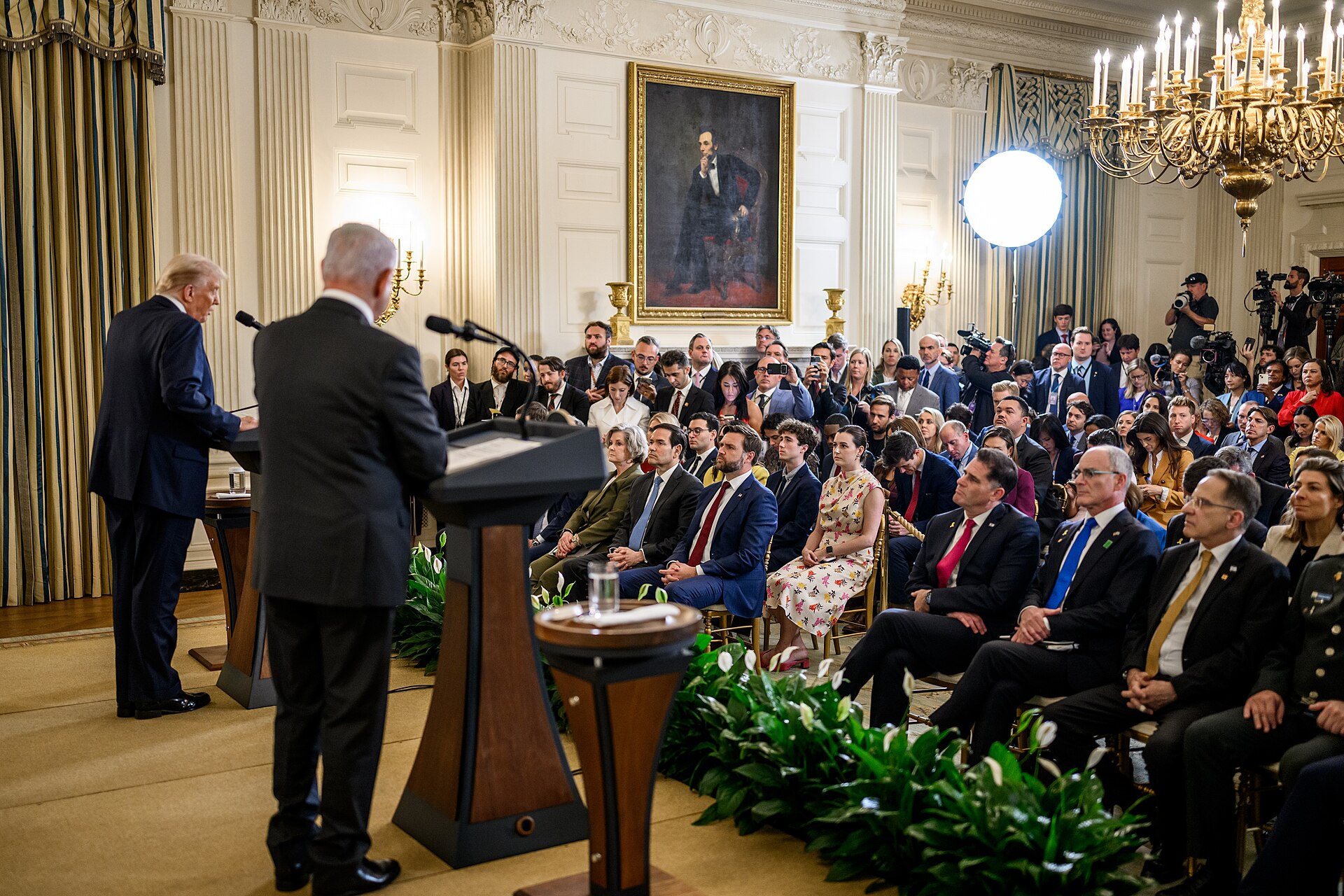
Trump told reporters at the White House on Sunday, March 16, that the United States does not know whether Iran’s new supreme leader is alive. The statement represented a significant escalation from previous administration comments about Khamenei’s health, shifting the narrative from wounded to potentially dead.
“We don’t know if he’s dead or not. I will say that nobody has seen him, which is unusual,” Trump said, according to Reuters. He added that he had heard multiple conflicting reports about Khamenei’s condition. “A lot of people are saying that he’s badly disfigured. They’re saying that he lost his leg, and he’s been hurt very badly. Other people are saying he’s dead.”
Trump described reports of Khamenei’s death as “just a rumour” but did not dismiss them. He noted that the new supreme leader had failed to appear publicly since his appointment, a fact that U.S. officials view as inconsistent with a leader who is physically capable of governing.
The president also referenced Khamenei’s lack of legitimacy. “He’s going to have to get approval from us,” Trump said in comments reported by NBC News. “If he doesn’t get approval from us, he’s not going to last long.” The Israeli military has separately threatened to target any replacement for the elder Khamenei, according to Al Jazeera.
What Has the Pentagon Said About the Strike That Wounded Him?
Secretary of Defense Pete Hegseth provided the most detailed U.S. assessment of Mojtaba Khamenei’s condition during a Pentagon briefing on March 13. Hegseth said Khamenei had been “wounded and likely disfigured” in the February 28 airstrike that killed his father, Ali Khamenei, at the elder leader’s residence in Tehran.
The strike that killed Ayatollah Ali Khamenei was part of the opening salvo of Operation Epic Fury, the joint U.S.-Israeli military campaign that began on February 28, according to Military Times. Mojtaba was reportedly present at his father’s compound when the missiles struck.
“His father dead, he’s scared. He’s injured, he’s on the run, he lacks legitimacy,” Hegseth said, according to Bloomberg. The defense secretary pointed to Khamenei’s first public statement — a written message read aloud by a state television anchor on March 12 while a still photograph was displayed on screen — as evidence of his incapacity. “A weak one,” Hegseth called it, underscoring that the supreme leader did not appear on video or release audio.
Hegseth challenged Khamenei directly. “If he’s fine, show your face,” the defense secretary said, according to Stars and Stripes. The Pentagon has not provided photographic or signals intelligence to substantiate its claims about Khamenei’s injuries, and Iranian officials have contested the assessment.
As of March 17, the war has entered its eighteenth day with no verified sighting of Mojtaba Khamenei.
How Has Iran Responded to the Claims?
Tehran has denied that its supreme leader is incapacitated but has not produced evidence to counter American claims. The Iranian government’s response has relied on written statements and diplomatic channels rather than the definitive proof-of-life gesture — a live televised address — that would resolve the matter immediately.
Iran’s ambassador to Japan offered the most detailed rebuttal on March 15, telling reporters that Mojtaba Khamenei had not been “impaired,” according to Iran International. The ambassador acknowledged that Khamenei “suffers from injuries of the current war” but said these were “not in a way that would prevent him from functioning.”
The admission that Khamenei is injured represents a partial confirmation of Washington’s claims, even as Tehran disputes their severity. Before the ambassador’s statement, Iranian officials had neither confirmed nor denied the injury reports.
Iran’s Foreign Minister Abbas Araghchi has not directly addressed the supreme leader’s health in his public statements, instead focusing on Iran’s military posture. On March 16, Araghchi posted on X that Iran has neither sought a ceasefire nor negotiations with the United States, calling American claims of Iranian peace overtures “delusional,” according to Iran International. “When we say we do not want a ceasefire, it is not because we seek to continue the war,” Araghchi wrote. “It is because this time the war must end in a way that the enemies never think of repeating the attacks.”
The gap between Iran’s aggressive military rhetoric and its inability to produce a live appearance from its supreme leader has drawn attention from analysts and foreign governments tracking the conflict.
What Did the March 16 Statement Say?
A brief statement issued in Mojtaba Khamenei’s name on Monday, March 16, instructed all government officials previously appointed by his father to remain in their posts and “continue to carry on with their work,” according to Iranian state media reported by the Times of Israel. The administrative nature of the statement — maintaining existing appointments rather than making new ones — has been interpreted by Western analysts as either a sign of continuity or an indication that Khamenei lacks the capacity to actively manage his government.
The statement was the second attributed to Khamenei since his appointment. His first statement, on March 12, was more combative. Read aloud by a state television anchor while a still photograph of Khamenei was displayed, it called for national unity and declared that the Strait of Hormuz would remain closed to pressure Iran’s enemies, according to NPR. Khamenei also demanded that all U.S. military bases in the region be “immediately closed or will be attacked.”
Neither statement was delivered in person, by video, or by audio recording. Both were presented as written texts attributed to the supreme leader. Iranian state media has not broadcast any new photographs of Mojtaba Khamenei since a single image from March 8, the day of his appointment.
Who Is Running Iran if Mojtaba Khamenei Is Incapacitated?
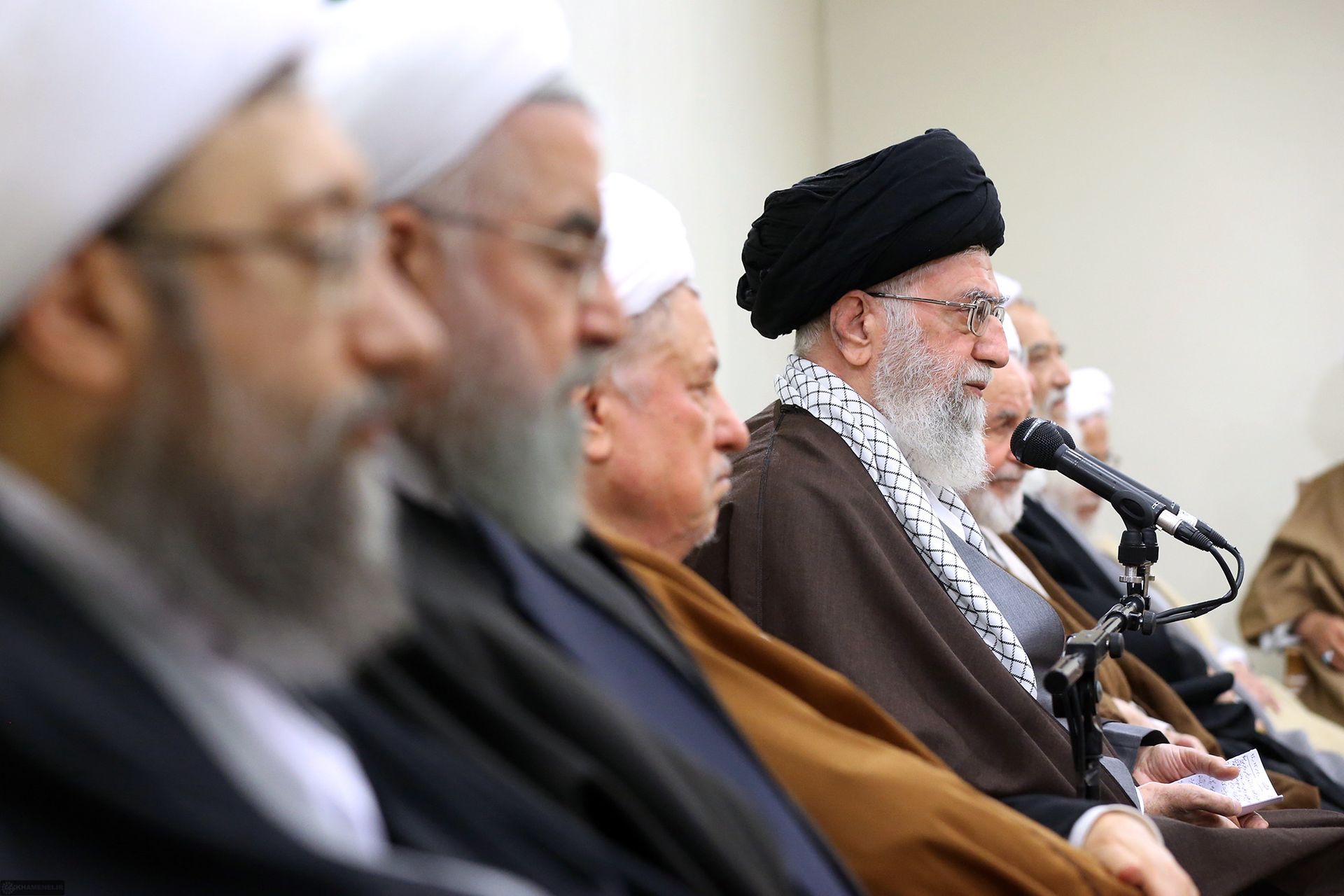
Iran’s constitution vests extraordinary power in the supreme leader — commander-in-chief of all armed forces, final arbiter on foreign policy, and head of the judiciary. If Mojtaba Khamenei is unable to exercise those functions, the Islamic Republic faces a governance vacuum during the most severe military crisis in its 47-year history.
Three power centres are most likely to fill the gap, according to analysts. The Islamic Revolutionary Guard Corps, which pressured the Assembly of Experts into appointing Mojtaba Khamenei in the first place, exercises day-to-day military command. The IRGC attempted to install a supreme leader immediately after the February 28 assassination, bypassing the formal process, according to the Wikipedia account of the succession. When that failed, IRGC commanders applied “repeated contacts and psychological and political pressure” on Assembly members to ensure Mojtaba’s selection during a session held near the shrine of Fatima Masumeh in Qom, chosen to reduce the risk of an airstrike, according to reporting cited by multiple outlets.
The IRGC’s operational independence has deepened during the war. Brigadier-General Ali Mohammad Naini, the IRGC spokesperson, told Iranian media on March 15 that most of the guard’s weapons cache remains intact and that Iran has been firing missiles manufactured “a decade ago,” keeping newer systems in reserve, according to EADaily. The statement suggested that the IRGC is making strategic military decisions independently of civilian or clerical oversight.
President Masoud Pezeshkian, a reformist who won election in 2024, holds the second-highest elected office but wields limited power compared to the supreme leader under Iran’s constitutional structure. Foreign Minister Araghchi, an experienced diplomat with ties to both reformists and the security establishment, has emerged as the public face of Iran’s wartime messaging.
The third power centre is the network Mojtaba himself built over decades as his father’s principal gatekeeper. Born in 1969 in Mashhad, Mojtaba served in the IRGC during the Iran-Iraq War alongside figures who would later command the guard, including Qassem Soleimani, according to Euronews. He took control of the Basij paramilitary militia in 2009 and spent decades cultivating influence across Iran’s security apparatus from within the Office of the Supreme Leader.
WikiLeaks cables described Mojtaba as “the power behind the robes,” an informal centre of power who held no official government position but maintained decisive influence over political and security decision-making through his connections to the IRGC and intelligence institutions, according to NPR.
Why Does the Supreme Leader’s Status Matter for the War?
The question of whether Iran has a functioning supreme leader carries immediate consequences for the conflict. Ceasefire negotiations require a counterpart with the authority to commit Iran to terms. The subsequent killing of SNSC secretary Ali Larijani has removed the figure best positioned to serve that role. Under the Islamic Republic’s constitutional framework, only the supreme leader can authorize a cessation of hostilities or direct the IRGC to stand down.
If Mojtaba Khamenei is dead or so severely injured that he cannot govern, Iran faces several possible scenarios, according to Atlantic Council analysis. The IRGC could continue prosecuting the war under its own authority, operating without political restraint. Alternatively, a collective leadership arrangement could emerge — similar to the temporary arrangement between Khamenei’s assassination on February 28 and Mojtaba’s appointment on March 8 — but with no clear timeline for resolution.
The IRGC’s claim that it retains most of its arsenal, including modern missile systems held in reserve, indicates that Iran’s military capacity to sustain attacks on Gulf states remains significant regardless of the supreme leader’s condition. Approximately 700 missiles and 3,600 drones have been fired at U.S. and Israeli targets since February 28, according to Iranian state media.
| Metric | Figure | Source |
|---|---|---|
| Days since Mojtaba Khamenei last seen | 9 | Multiple sources |
| Written statements issued | 2 | Iranian state media |
| Video/audio appearances | 0 | Multiple sources |
| Missiles fired by Iran since Feb 28 | ~700 | IRGC spokesperson |
| Drones launched by Iran since Feb 28 | ~3,600 | IRGC spokesperson |
| Gulf oil export decline | 61% | Reuters |
| Iranian civilian casualties | 1,444 killed | Iranian government (as of March 16) |
Russia and China have complicated the diplomatic picture. Russian President Vladimir Putin pledged “unwavering” support for Mojtaba Khamenei’s appointment, while China said it opposed any targeting of the new supreme leader, according to Al Jazeera. Neither Moscow nor Beijing has produced independent confirmation of Khamenei’s condition.
What Does the Leadership Mystery Mean for Saudi Arabia?
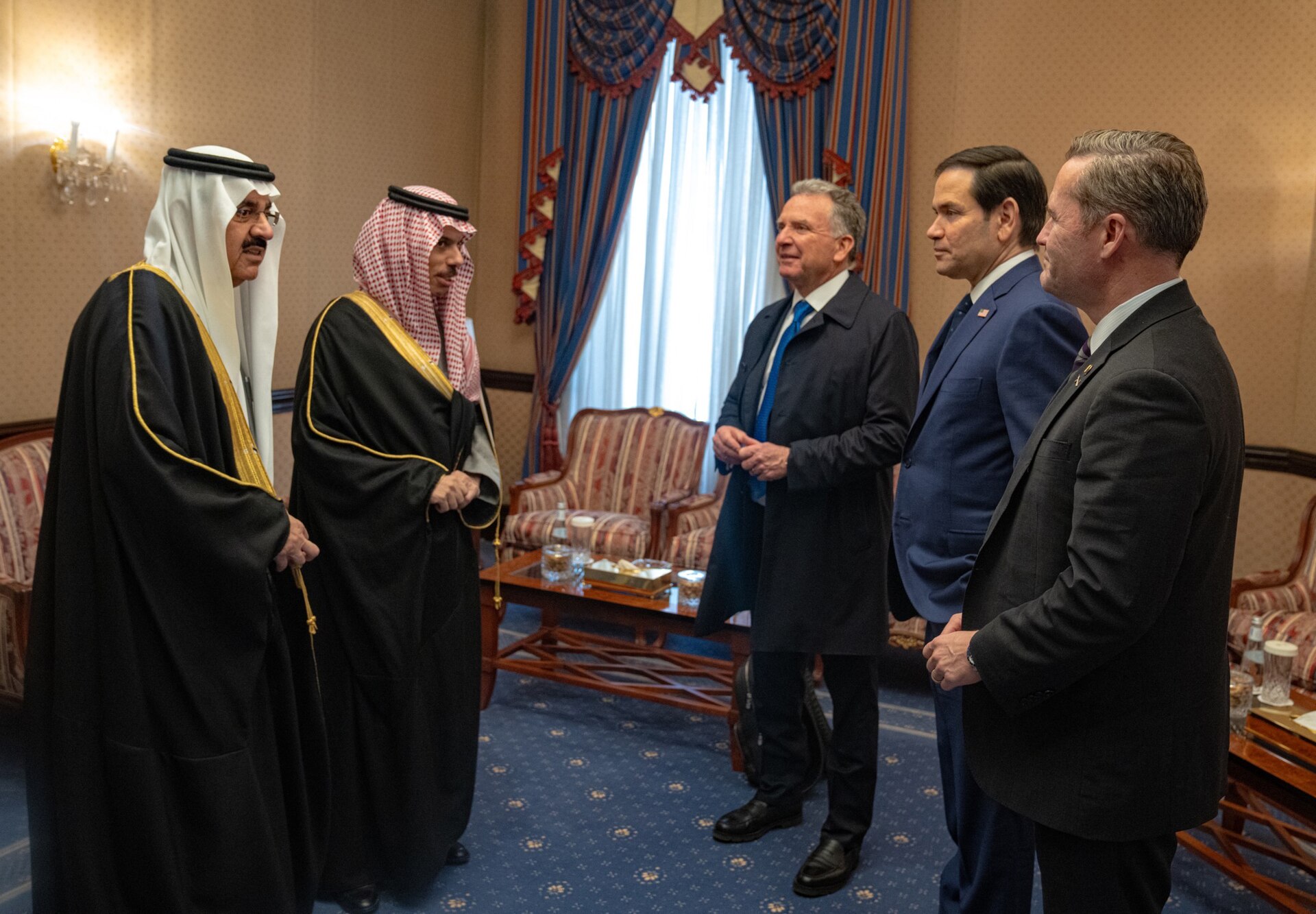
For Saudi Arabia, the uncertainty surrounding Mojtaba Khamenei’s status creates both risks and opportunities. Riyadh has absorbed 18 days of Iranian drone and missile strikes, intercepting dozens of attacks daily while maintaining its position of refusing to directly enter the war against Iran. The question of who holds ultimate authority in Tehran directly affects whether any diplomatic channel can produce a result.
Crown Prince Mohammed bin Salman has spoken regularly with President Trump since the conflict began, urging harsh action against Iran, according to the New York Times. Saudi Arabia’s foreign ministry has warned that if Iran continues its attacks, it would bear “the heaviest diplomatic, economic, and strategic consequences,” according to Reuters.
The leadership vacuum in Tehran complicates the back-channel diplomacy that Riyadh and its allies have pursued. Iran’s envoy has sought a Gulf reset, but without a functioning supreme leader, any diplomatic engagement risks being undercut by the IRGC. Saudi Foreign Minister Prince Faisal bin Farhan has maintained contact with regional counterparts, including Egypt’s President Abdel Fattah el-Sisi, who told MBS on March 17 that Egypt “rejects and condemns” Iranian attacks on the Kingdom, according to the Saudi Press Agency.
Pakistan’s Prime Minister Shehbaz Sharif met Crown Prince Mohammed bin Salman in Jeddah on March 12 to discuss the regional crisis, according to Al Arabiya. Pakistan has deployed air defenses and troops to Saudi Arabia, reinforcing the Kingdom’s defensive posture as Iranian attacks continue.
Saudi Arabia has intercepted and destroyed hundreds of drones since the war began, including 24 drones heading toward the Eastern Province and Shaybah oil field on March 12, according to Al Arabiya, and a further 37 drones in the east on March 16. Two people — of Indian and Bangladeshi nationality — were killed and 12 injured when an Iranian drone struck a residential building in Al-Kharj, according to Al Jazeera.
The longer Mojtaba Khamenei remains invisible, the harder it becomes for any party — including Saudi Arabia’s ally Turkey, which has been running diplomatic channels between Washington and Tehran — to identify an authoritative Iranian interlocutor capable of ending the conflict.
From Assassination to Appointment and Disappearance
The timeline from Ali Khamenei’s death to his son’s appointment and subsequent vanishing from public view illustrates the speed and confusion of wartime succession in the Islamic Republic.
| Date | Event | Source |
|---|---|---|
| Feb 28 | U.S.-Israeli strikes kill Ali Khamenei; Mojtaba reportedly wounded at compound | Military Times, Pentagon |
| Feb 28 | IRGC attempts immediate appointment of new supreme leader, bypassing formal process | Multiple sources |
| Mar 3 | Assembly of Experts holds first online session; IRGC pressures members to vote for Mojtaba | Al Jazeera, Wikipedia |
| Mar 5 | Second session held near Qom shrine to reduce airstrike risk | Multiple sources |
| Mar 8 | Assembly of Experts formally appoints Mojtaba as supreme leader; single photograph released | NBC News, NPR |
| Mar 9 | Appointment announced publicly via Iranian state media | Al Jazeera |
| Mar 12 | First statement: written message read by TV anchor with still photo; vows Hormuz stays closed | NPR, CNBC |
| Mar 13 | Hegseth says Khamenei “wounded and likely disfigured”; challenges him to appear on camera | Military Times, Bloomberg |
| Mar 14 | Trump says he is “hearing” Khamenei “is not alive” | Fox News, WLT Report |
| Mar 15 | Iran’s ambassador to Japan says Khamenei “suffers from injuries” but “not impaired” | Iran International |
| Mar 16 | Second statement: administrative order for officials to remain in posts; no appearance | Times of Israel, Iranian state media |
| Mar 16 | Trump tells reporters: “We don’t know if he’s dead or not. Nobody has seen him.” | Reuters, Euronews |
The nine days since Mojtaba Khamenei’s appointment mark the longest period without a public appearance by an Iranian supreme leader following a major political transition. When Ali Khamenei succeeded Ayatollah Ruhollah Khomeini in 1989, he delivered a televised address within hours. The contrast has fueled speculation across Tehran’s political establishment, Western intelligence agencies, and regional capitals.
A Fox News report on March 13 described a “lethal elite black-clad kill squad” now guarding Mojtaba Khamenei, suggesting he is alive but under extraordinary security protection. The IRGC’s Ansar al-Mahdi protection force — responsible for guarding the supreme leader — reportedly relocated Khamenei to an undisclosed location immediately after the February 28 strike, according to the report.
Until Iran produces a live, verified appearance from its supreme leader, the question of who holds ultimate authority in the Islamic Republic — and whether anyone can end this war — will remain the most consequential unanswered question of the 2026 conflict.
Frequently Asked Questions
Is Mojtaba Khamenei alive?
As of March 17, 2026, Iran has not produced a live appearance, video, or audio recording of its supreme leader since his appointment on March 8. President Trump said on March 16 that the United States does not know whether Khamenei is alive. Iran’s ambassador to Japan acknowledged injuries but denied incapacitation, and two written statements have been issued in his name.
When was Mojtaba Khamenei last seen in public?
The last verified image of Mojtaba Khamenei was released on March 8, 2026, the day the Assembly of Experts formally appointed him as supreme leader. He has not appeared on camera, delivered a televised address, or been photographed since that date. Both statements attributed to him were read aloud by state television anchors.
Who is running Iran during the war?
The IRGC appears to exercise primary military command, making operational decisions about missile strikes and drone attacks independently. President Masoud Pezeshkian holds the second-highest elected office but wields limited power under Iran’s constitution. Foreign Minister Araghchi has served as the public face of Iran’s diplomatic messaging throughout the conflict.
How was Mojtaba Khamenei appointed supreme leader?
The Assembly of Experts, an 88-member body of senior clerics, elected Mojtaba following the assassination of his father Ali Khamenei on February 28. The process took eight days, with sessions held online and in Qom under IRGC pressure. Mojtaba, 56, served in the IRGC during the Iran-Iraq War and spent decades as his father’s principal gatekeeper and informal power broker.
What happens if the supreme leader is dead?
Iran’s constitution provides for a temporary leadership council of the president, head of the judiciary, and a member of the Guardian Council to assume the supreme leader’s functions until the Assembly of Experts can appoint a successor. In practice, with the country at war and under sustained bombardment, convening such processes faces severe logistical and security challenges.