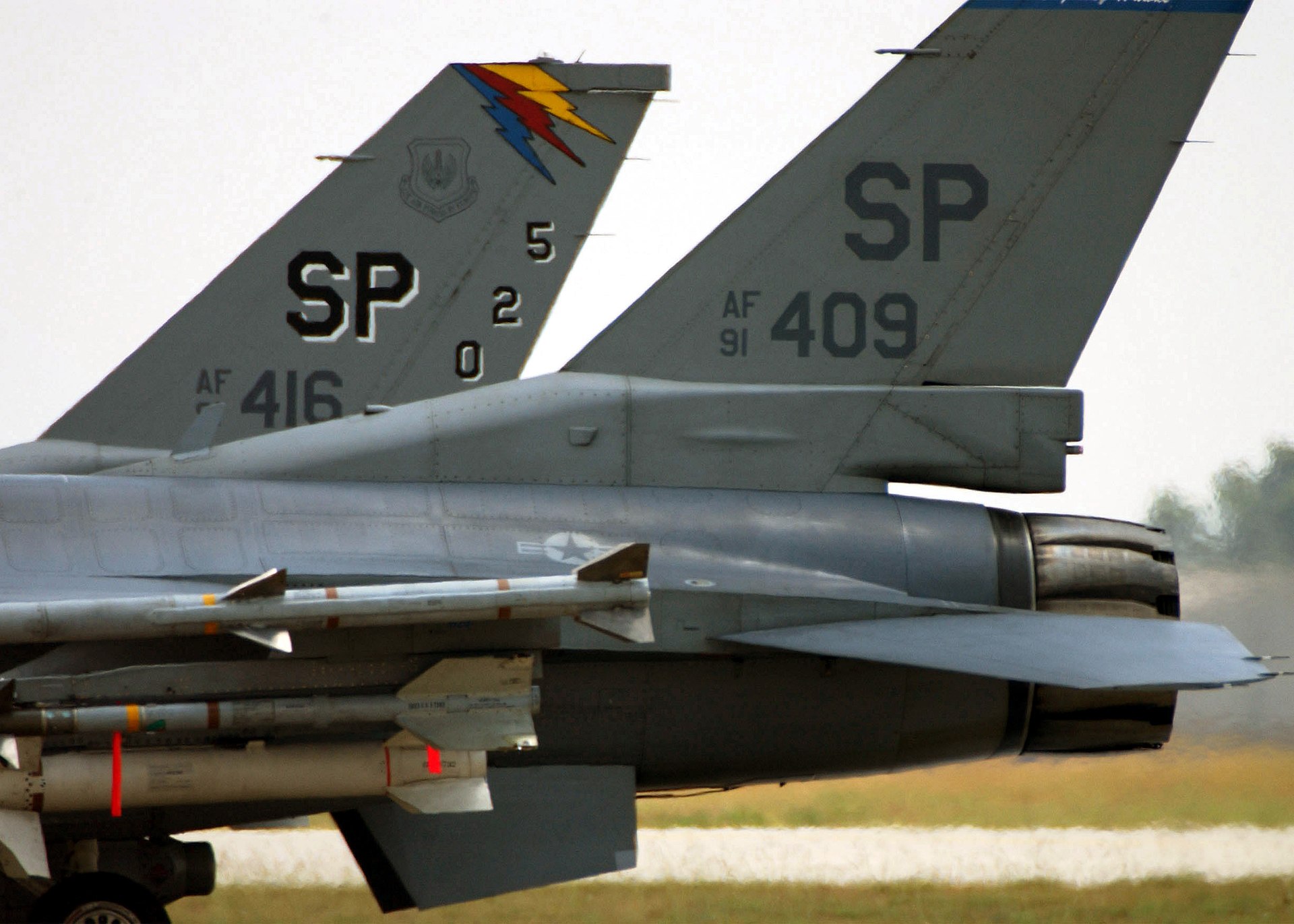

ANKARA — Sirens sounded at Incirlik Air Base in southern Turkey early on Friday, waking residents of the nearby city of Adana and marking the third time in less than two weeks that Iran’s ballistic missile campaign has reached NATO territory. The red alert, triggered at approximately 3:25 a.m. local time on March 13, sent roughly 5,000 American military personnel scrambling for shelter at a facility that houses an estimated 50 B61 nuclear gravity bombs — making it one of the most sensitive military installations on earth. Turkish and NATO authorities have not confirmed whether a third Iranian ballistic missile was intercepted overnight, but mobile phone footage posted on social media showed a glowing object streaking through the sky above Adana, consistent with a missile interception. The incident represents a dramatic escalation of the Iran war beyond the Persian Gulf, drawing a NATO member state deeper into a conflict that has already killed more than 1,200 people in Iran and sent oil prices past $100 a barrel.
The attack on Incirlik raises questions that reach far beyond Turkey’s borders. For Saudi Arabia and the Gulf states — already absorbing daily waves of Iranian drones and missiles — the targeting of a NATO base housing nuclear weapons transforms the conflict’s calculus. If Iran is prepared to strike an installation protected by Article 5 of the North Atlantic Treaty, the deterrence architecture that underpins Saudi Arabia’s wartime alliance network faces its most direct challenge since the war began on February 28.
Table of Contents
- What Happened at Incirlik Air Base on March 13?
- Two Missiles in Two Weeks — The Pattern of Iranian Strikes on Turkey
- Why Does Incirlik House American Nuclear Weapons?
- Will NATO Invoke Article 5 Over the Incirlik Attacks?
- What Does the Incirlik Attack Mean for Saudi Arabia?
- Erdogan’s Balancing Act Between NATO and Tehran
- The Gulf’s Expanding Threat Map
- Frequently Asked Questions
What Happened at Incirlik Air Base on March 13?
A red alert sounded at Incirlik Air Base at approximately 3:25 a.m. local time on Friday, March 13, according to Turkey’s state-run Anadolu Agency. Sirens wailed for roughly five minutes, audible to residents of Adana, a city of more than 2.2 million people situated 10 kilometres from the base perimeter. Several residents posted mobile phone footage to social media showing a bright, glowing object moving through the night sky — imagery consistent with a ballistic missile interception by NATO air defense systems deployed in the region.
Turkish authorities have not officially confirmed whether a third Iranian ballistic missile was intercepted over or near the base. The Turkish Ministry of National Defence issued a brief statement acknowledging that “air defense systems were activated in the Adana area” but provided no further operational details. American military officials at Incirlik declined to comment beyond confirming that base personnel followed standard force protection protocols.
Incirlik Air Base is one of NATO’s most strategically important installations in the Middle East. Built in 1951 during the early Cold War, the base hosts the United States Air Force’s 39th Air Base Wing and serves as a forward operating hub for American and allied air operations across the Middle East and Central Asia. At any given time, the base accommodates approximately 5,000 US military personnel alongside Turkish Air Force units.
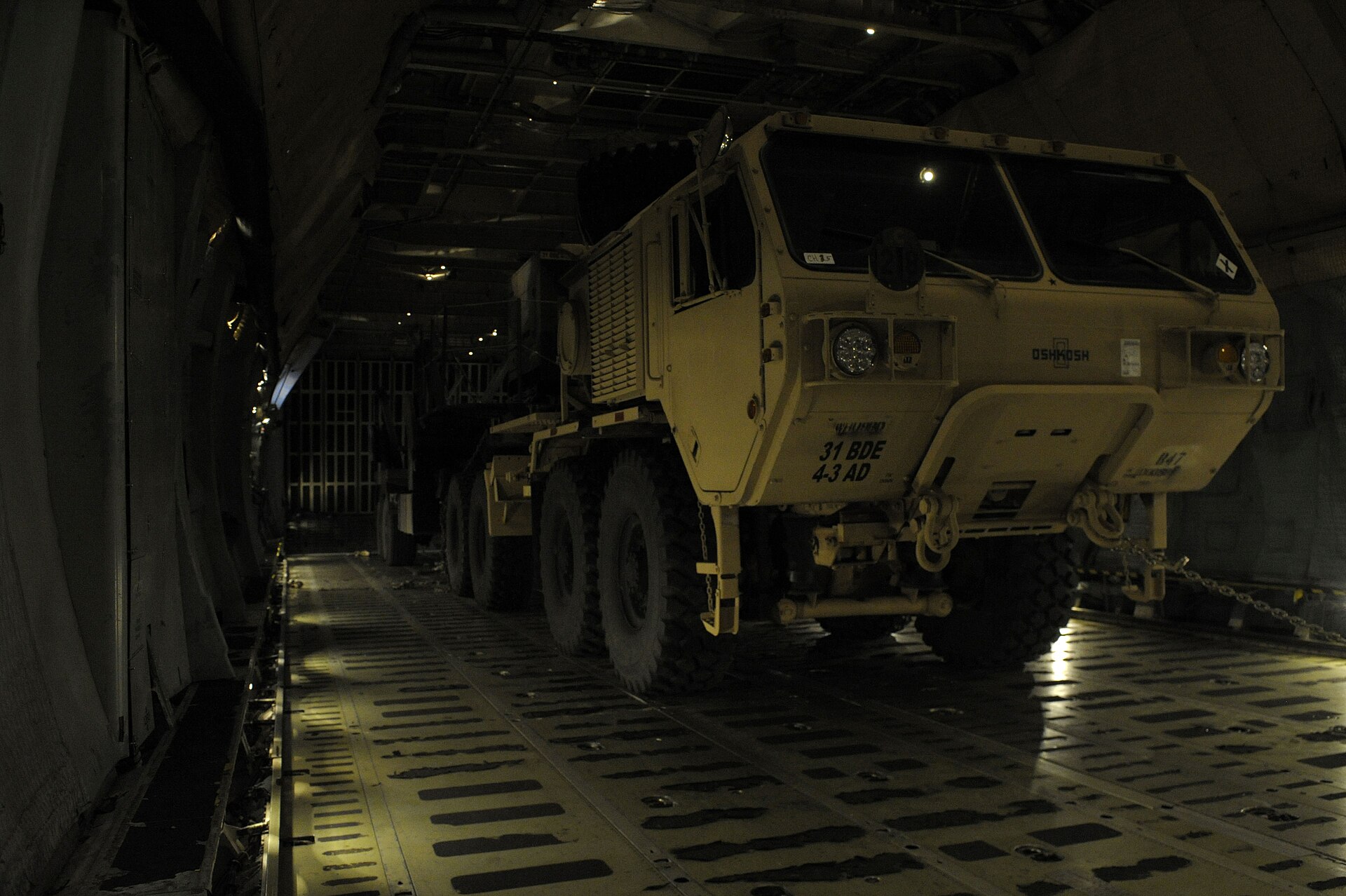
The base’s significance extends beyond conventional military operations. According to the Federation of American Scientists, Incirlik houses an estimated 50 B61 nuclear gravity bombs in underground weapons storage vaults — approximately one-quarter of all American tactical nuclear weapons deployed in Europe. The weapons were originally stationed at the base in 1959 as part of NATO’s nuclear sharing arrangement, and their continued presence has been a subject of intense debate within the alliance for years.
Two Missiles in Two Weeks — The Pattern of Iranian Strikes on Turkey
The March 13 incident follows two confirmed Iranian ballistic missile interceptions over Turkish territory in the preceding nine days. On March 4, NATO air defense assets detected and neutralized an Iranian ballistic missile that had transited through Iraqi and Syrian airspace before entering Turkish territory. Debris from the interception fell in the Dörtyol district of Hatay Province, approximately 130 kilometres south of Incirlik. No casualties were reported, according to the Hatay Governor’s Office.
Five days later, on March 9, Turkey confirmed a second interception. A ballistic munition launched from Iranian territory was engaged by NATO missile defense systems as it entered Turkish airspace, according to a statement from Turkey’s Ministry of National Defence. The debris pattern again fell within Hatay Province, near the Syrian border.
Iran has denied targeting Turkey in either incident. The Iranian Armed Forces General Staff issued a statement asserting that the Islamic Republic “respects the sovereignty of friendly Turkey” and denied firing missiles toward Turkish territory. Tehran has suggested the missiles may have been aimed at US military facilities in Syria and deviated from their intended trajectories, though NATO officials have dismissed this explanation.
| Date | Location | Missile Type | Intercepted By | Debris Site | Casualties |
|---|---|---|---|---|---|
| March 4 | Hatay Province | Ballistic (unspecified) | NATO air defense | Dörtyol district | 0 |
| March 9 | Hatay Province | Ballistic (unspecified) | NATO air defense | Hatay Province | 0 |
| March 13 | Adana / Incirlik | Unconfirmed | Under investigation | Pending | Unknown |
The escalation pattern is unmistakable. The first missile struck near the Syrian border. The second fell in the same province but closer to populated areas. The third — if confirmed — reached the immediate vicinity of NATO’s most sensitive base in the Middle East. Each incident has brought Iranian ordnance deeper into Turkish territory and closer to critical military infrastructure.
Why Does Incirlik House American Nuclear Weapons?
Incirlik’s nuclear arsenal dates to the earliest years of the Cold War. The United States first stationed nuclear weapons at the base in 1959 as part of NATO’s strategy to deter Soviet aggression along the alliance’s southeastern flank. At their peak in the 1960s and 1970s, American nuclear stockpiles in Turkey numbered in the hundreds of warheads. By 2000, the inventory had been reduced to approximately 90 B61 gravity bombs. Current estimates place the number at roughly 50, according to the Federation of American Scientists and the Brookings Institution.
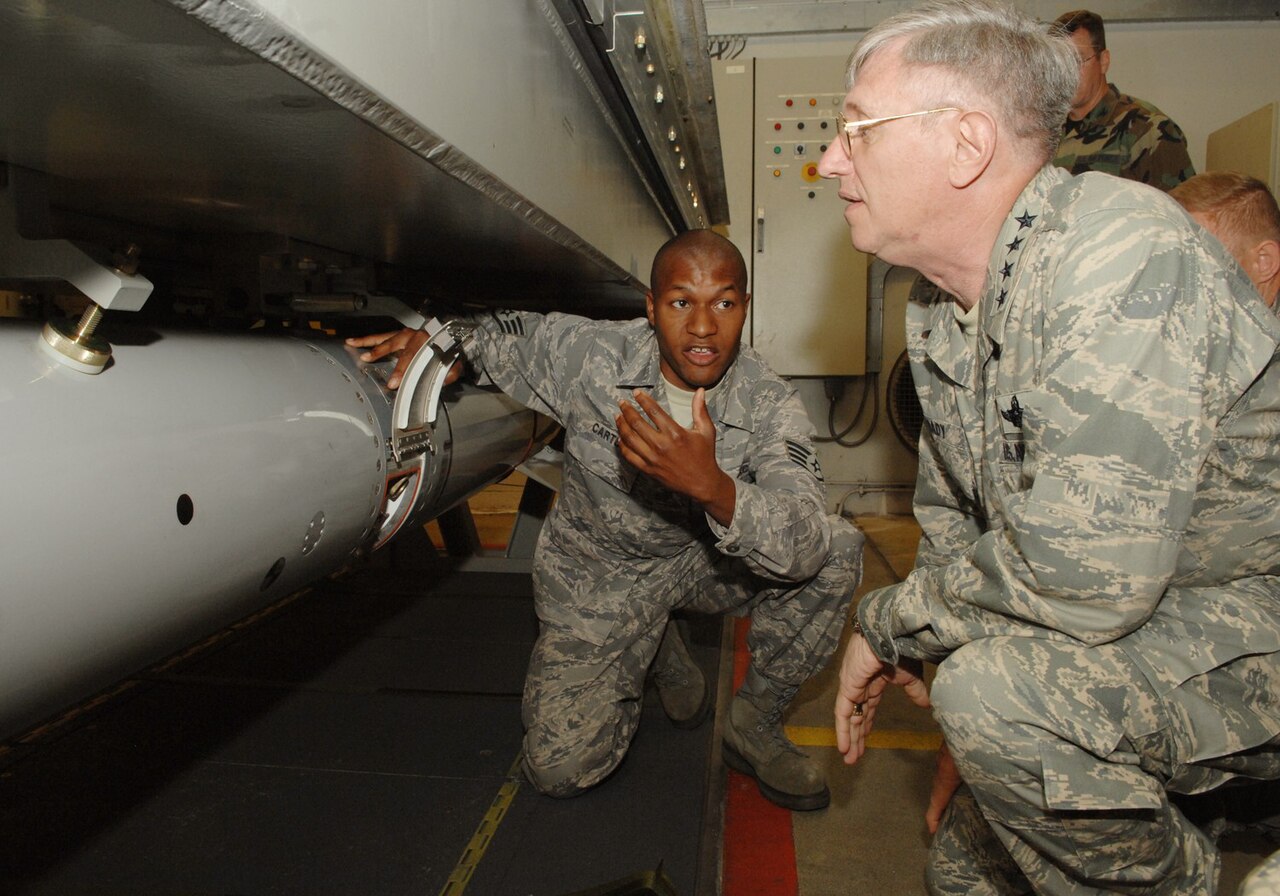
The B61 bombs stored at Incirlik are classified as tactical or non-strategic nuclear weapons. The current inventory includes B61-3 and B61-4 variants, with the US National Nuclear Security Administration in the process of converting these aging warheads into the modernized B61-12 model. Each B61-12 carries a variable yield ranging from 0.3 to 50 kilotons — the Hiroshima bomb produced a yield of roughly 15 kilotons. Production of the B61-12 began in 2020, and the modernization program is expected to conclude in 2026.
Under NATO’s nuclear sharing arrangement, the weapons remain under American custody but can be loaded onto Turkish Air Force F-16 fighter jets for delivery in wartime. Turkish pilots train regularly for the nuclear mission, making Turkey one of only five NATO members — alongside Belgium, Germany, Italy, and the Netherlands — that participate in the nuclear sharing program.
The presence of these weapons at a base now under potential Iranian missile threat has amplified long-standing calls for their removal. The Brookings Institution published an analysis in 2019 titled “It’s Time to Get US Nukes Out of Turkey,” arguing that the weapons’ strategic value had diminished while the security risks of their location had grown. The Iran war has made those risks exponentially more acute. A direct hit on Incirlik would not trigger a nuclear detonation — the weapons are stored in hardened underground vaults with multiple fail-safe mechanisms — but it would represent the most dangerous incident involving deployed nuclear weapons since the Cold War.
Will NATO Invoke Article 5 Over the Incirlik Attacks?
Article 5 of the North Atlantic Treaty — the alliance’s mutual defense clause — states that an armed attack against one member state shall be considered an attack against all. The provision has been invoked only once in NATO’s 77-year history, following the September 11, 2001 attacks on the United States. Despite three Iranian missiles now reaching Turkish territory, NATO has shown no indication it will invoke the clause over the current incidents.
US Secretary of Defense Pete Hegseth dismissed speculation about Article 5 activation after the first interception on March 4, telling reporters that the incident was “unlikely to trigger” the mutual defense provision. NATO Secretary General Mark Rutte echoed that position, stating that the missile incidents “will not prompt NATO to trigger its Article 5 mutual defense clause.” According to CNBC, the bar for Article 5 action against Iran remains “high,” with alliance leaders wary of expanding a conflict that already spans multiple fronts.
The reluctance has a strategic logic. Invoking Article 5 would obligate all 32 NATO member states to treat Iran’s missile campaign as an attack on the entire alliance, potentially transforming a regional war into a global one. Turkey itself has been reluctant to escalate. Ankara has condemned the missile incidents but has stopped short of calling for collective NATO action, reflecting President Erdogan’s desire to maintain diplomatic channels with Tehran even as Iranian ordnance falls on Turkish soil.
For the Gulf states watching from Riyadh and Abu Dhabi, NATO’s refusal to invoke Article 5 carries a pointed lesson. Saudi Arabia, the United Arab Emirates, and other Gulf nations are not NATO members and do not benefit from the treaty’s mutual defense guarantee. If the alliance will not activate its most powerful deterrent clause for a member state hosting nuclear weapons, the Gulf’s bilateral defense agreements with Washington may carry even less weight in a crisis. As one former US official told the Foundation for Defense of Democracies, NATO’s response has been “more diplomatic than military — and the Saudis are watching very closely.”
What Does the Incirlik Attack Mean for Saudi Arabia?
The Iran war has accelerated a defence partnership between Turkey and Saudi Arabia that was already gaining momentum before the first shots were fired. On February 5, President Erdogan announced that Saudi investment in Turkey’s fifth-generation Kaan fighter jet program could come “at any moment.” Negotiations between Turkish Aerospace Industries and Saudi officials had reached an advanced stage, according to TAI General Manager Mehmet Demiroglu, with discussions covering potential acquisition of up to 100 aircraft, technology transfer, and local production.
Crown Prince Mohammed bin Salman spoke with Erdogan on March 7, nine days after the war began, to express solidarity over Iran’s continued attacks on Gulf states and Turkish territory. The call came three days after the first Iranian missile was intercepted over Hatay Province. Saudi Arabia and Turkey — once bitter rivals over the killing of journalist Jamal Khashoggi in 2018 — have found their interests converging under Iranian fire.
The defence relationship extends beyond the Kaan program. Saudi Arabia signed a deal for 60 Baykar Akinci unmanned combat aerial vehicles from Turkey in 2023, with deliveries planned for 2025 and 2026. The Akinci is one of the most capable armed drones outside of the American and Israeli inventories, and its integration into the Royal Saudi Air Force would provide a complement to the Chinese combat drones Saudi Arabia is acquiring for its growing unmanned fleet.
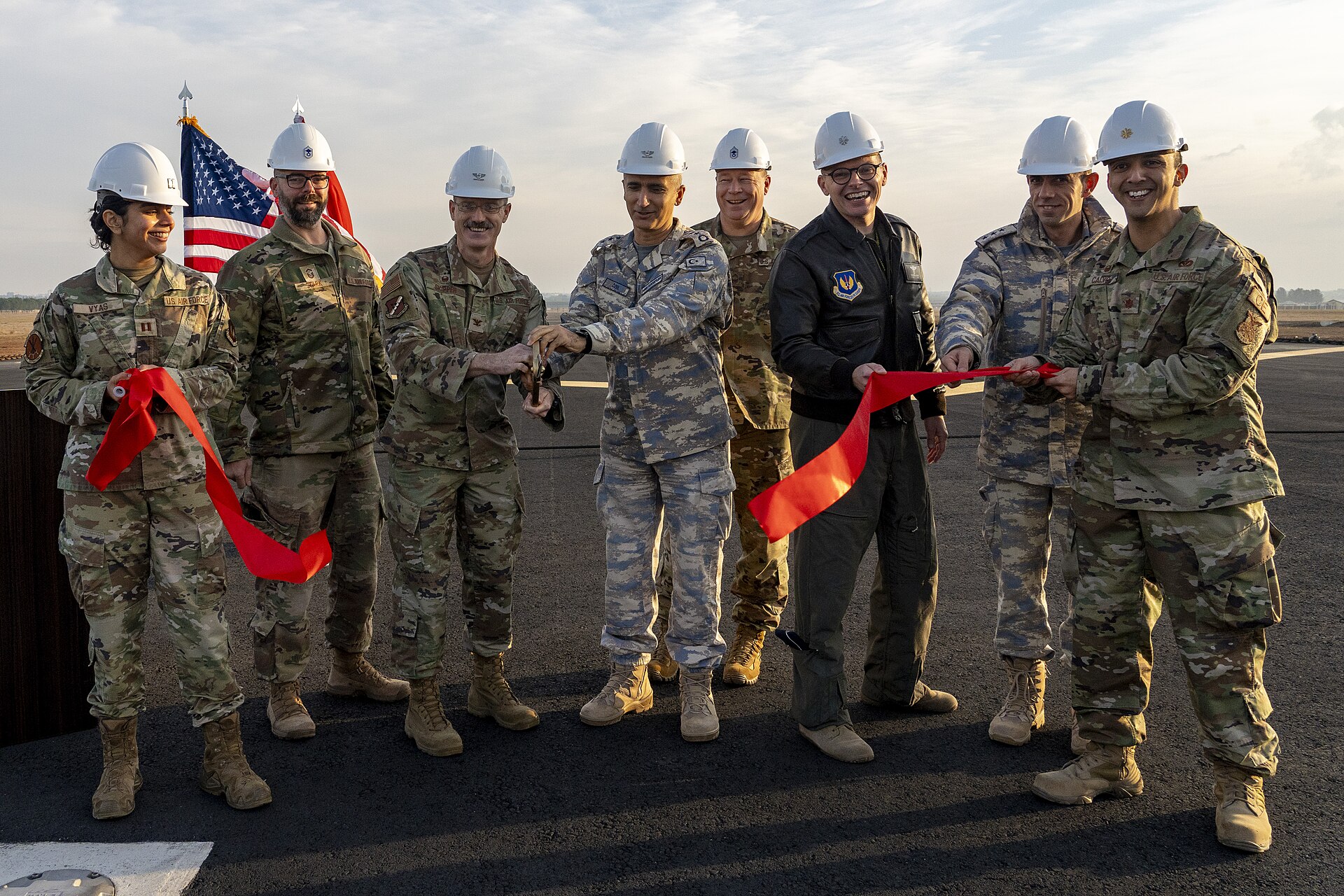
The Incirlik attacks also expose a vulnerability that Saudi Arabia shares with Turkey: both nations host critical US military infrastructure that has become a target. Prince Sultan Air Base south of Riyadh, where American troops are stationed, has been struck by six Iranian ballistic missiles since March 1. The parallel between Incirlik and Prince Sultan — both hosting American forces, both under Iranian fire — underscores how Iran’s war strategy treats all US-allied bases as legitimate targets regardless of the host nation’s stance.
Erdogan’s Balancing Act Between NATO and Tehran
Turkey occupies a unique position in the Iran war. It is the only NATO member state that shares a border with Iran’s sphere of influence through Iraq and Syria, and the only one whose territory has been directly struck by Iranian ordnance. Ankara has condemned the attacks in carefully calibrated language — strong enough to register displeasure, restrained enough to preserve diplomatic ties with Tehran.
President Erdogan’s response reflects Turkey’s geographic and strategic reality. Turkey imports significant quantities of natural gas from Iran and maintains trade relationships that survived years of American sanctions pressure. Ankara also shares Tehran’s opposition to Kurdish armed groups operating in Syria and Iraq, providing a basis for cooperation even amid the current hostilities. Iran’s denial that it targeted Turkey — claiming the missiles were aimed at US facilities in Syria — offers Erdogan a diplomatic off-ramp that he has shown no desire to reject.
The balancing act extends to Turkey’s relationship with the Gulf states. Erdogan has positioned Turkey as a defence partner for Saudi Arabia and the UAE while maintaining his credentials as a leader sympathetic to the broader Muslim world’s concerns about the war’s civilian toll. The World Defense Show in Riyadh on February 8-12 — where Turkey showcased the Kaan fighter and signed defence cooperation agreements — took place just two weeks before the war began. Turkey and Saudi Arabia concluded the event by pledging to deepen military ties, including potential joint investment in fighter aircraft production.
The tension between these competing interests may not hold indefinitely. If Iranian missiles continue to strike Turkish territory — particularly if they cause casualties or damage to the nuclear weapons storage facilities at Incirlik — public pressure on Erdogan to take a harder line could become irresistible. Turkey’s opposition parties have already criticized the government for what they describe as an inadequate response to violations of national sovereignty.
The full scope of Ankara’s wartime positioning — from its $8.8 billion in defence deals with Saudi Arabia to its diplomatic channel with Tehran — reveals a hedging strategy far more complex than simple neutrality. A comprehensive analysis of Turkey’s three-missile calculus and why Erdogan still will not commit maps the competing pressures pulling Ankara in every direction simultaneously.
The Gulf’s Expanding Threat Map
The Incirlik attacks are part of a broader pattern in which Iran’s retaliatory campaign has expanded far beyond the Gulf. Since the war began on February 28, Iranian missiles and drones have struck targets in at least eight countries: Saudi Arabia, the UAE, Bahrain, Kuwait, Oman, Iraq, Israel, and Turkey. Two people were killed in Oman’s Sohar province on March 13 when a drone struck an industrial area, and a residential building in southern Kuwait was hit by a drone on March 12, wounding at least two people.
For Saudi Arabia, the war has meant daily interceptions. On March 12 alone, Saudi air defences shot down 31 drones and three ballistic missiles, including a drone that attempted to approach Riyadh’s Diplomatic Quarter — home to dozens of foreign embassies. Five additional drones were destroyed in the Empty Quarter as they headed toward the Shaybah oil field. Two people were killed in Al-Kharj on March 8 when a projectile struck a residential building, marking the first confirmed civilian casualties in Saudi Arabia from the conflict.
| Country | First Strike | Key Targets | Confirmed Casualties | NATO Member |
|---|---|---|---|---|
| Israel | Feb 28 | Military, civilian | 12 killed | No |
| Iraq | March 1 | US bases, oil tankers | Multiple | No |
| Saudi Arabia | March 1 | Air bases, oil fields, cities | 2 killed | No |
| Bahrain | March 2 | US naval base, fuel depot | Multiple | No |
| UAE | March 3 | Military, infrastructure | Unknown | No |
| Kuwait | March 3 | US base, residential areas | 2+ wounded | No |
| Turkey | March 4 | NATO base vicinity | 0 confirmed | Yes |
| Oman | March 8 | Port, industrial areas | 2 killed | No |
The expansion of Iran’s target set from Gulf military installations to NATO bases in Turkey signals a willingness in Tehran to risk confrontation with the world’s most powerful military alliance. Iran’s new Supreme Leader, Mojtaba Khamenei — who assumed the role after his father was killed in the February 28 US-Israeli strikes — has vowed to hold the Strait of Hormuz closed and continue attacks on nations hosting American military forces until the war ends. His pledge to block “not even a single litre of oil” from reaching US allies has driven Brent crude past $110 a barrel and triggered the largest emergency reserve release in history, with the IEA’s 32 member nations agreeing to release 400 million barrels.
Saudi Arabia and Turkey now face a shared predicament. Both host American military infrastructure that Iran considers a legitimate target. Both are absorbing attacks that their defence systems were not designed to sustain indefinitely. And both are pursuing diplomatic channels with Tehran even as Iranian missiles cross their borders. Crown Prince Mohammed bin Salman has intensified Saudi Arabia’s backchannel diplomacy with Iran through Omani intermediaries, while Erdogan has leveraged Turkey’s existing relationship with Tehran to keep communication lines open. Whether those channels can produce a ceasefire before the next missile reaches Incirlik — or before one penetrates the defences and strikes the base itself — remains the most dangerous open question of the war.
Frequently Asked Questions
How many US nuclear weapons are stored at Incirlik Air Base?
The Federation of American Scientists estimates that approximately 50 B61 nuclear gravity bombs are stored at Incirlik Air Base in southern Turkey. The weapons are kept in hardened underground vaults as part of NATO’s nuclear sharing arrangement. The B61 bombs carry variable yields ranging from 0.3 to 50 kilotons and can be delivered by both American and Turkish Air Force F-16 fighter jets in wartime scenarios.
Has NATO invoked Article 5 because of the Iranian missile attacks on Turkey?
NATO has not invoked Article 5 over the Iranian missile incidents in Turkey. Both US Secretary of Defense Pete Hegseth and NATO Secretary General Mark Rutte have stated that the interceptions are unlikely to trigger the mutual defense clause. NATO has only invoked Article 5 once in its history, after the September 11, 2001 attacks on the United States.
How many Iranian missiles has NATO intercepted over Turkey?
NATO air defense systems have confirmed the interception of two Iranian ballistic missiles over Turkish territory — on March 4 and March 9, 2026. Both missiles entered Turkish airspace after transiting through Iraq and Syria. A third potential interception near Incirlik on March 13 has not been officially confirmed. Debris from the confirmed interceptions fell in Hatay Province near Turkey’s southern border.
What is the connection between the Incirlik attacks and Saudi Arabia?
Saudi Arabia and Turkey share the experience of hosting American military bases that Iran has targeted since the war began. Prince Sultan Air Base in Saudi Arabia has been struck by six Iranian ballistic missiles. The two countries have also deepened defence cooperation, including potential Saudi investment in Turkey’s fifth-generation Kaan fighter jet, and Crown Prince Mohammed bin Salman spoke with President Erdogan on March 7 to coordinate their response to Iranian attacks. The geographic expansion of Iranian strikes also reached coalition forces in Iraq, where a French soldier was killed by an Iranian Shahed drone in Iraqi Kurdistan on March 13, marking the first European military death of the war.
Could an attack on Incirlik cause a nuclear incident?
A direct hit on Incirlik’s weapons storage area would not trigger a nuclear detonation. The B61 bombs are stored in hardened underground vaults with multiple independent fail-safe mechanisms designed to prevent accidental or unauthorized detonation. The greater risk is environmental contamination from scattered nuclear material or the political consequences of an attack on a nuclear weapons site.