
RIYADH — The Iran war has turned the global defence industry into the most profitable sector on the planet. In eleven days of combat, Saudi Arabia has burned through an estimated $600 million to $1 billion in interceptor missiles alone — each Patriot round costing between $3.7 million and $4 million, each THAAD interceptor carrying a price tag of $12 million to $15 million — while the Iranian drones and ballistic missiles they are designed to destroy cost a fraction of that. The asymmetry has sent defence stocks to record highs, defence company backlogs past $250 billion, and arms lobbyists in Washington, London, and Paris scrambling to secure the largest new procurement cycle since the wars in Iraq and Afghanistan. For every missile Iran fires at Riyadh, a defence contractor somewhere gets paid twice: once for the interceptor that destroys it, and again for the replacement that must follow.
The financial windfall is staggering in its scale. RTX Corporation, the parent company of Raytheon, saw its shares jump 4.7 per cent on the first trading day after US and Israeli strikes hit Iran on 28 February 2026 — adding billions of dollars in market capitalisation in a single session. Lockheed Martin climbed 3.1 per cent. Northrop Grumman surged 6 per cent. European defence giants followed: BAE Systems gained as much as 8.3 per cent, Rheinmetall jumped 5 per cent, and Leonardo reported an 18 per cent rise in full-year core profits. The broader S&P 500 was falling; defence was rising. And behind those numbers lies a deeper story — one about the political economy of modern warfare, the structural dependencies that bind Saudi Arabia to American and European weapons makers, and the quiet revolution Mohammed bin Salman is attempting to wage against the foreign arms monopoly that keeps the Kingdom permanently dependent on others for its own survival.
Table of Contents
- How Much Has Saudi Arabia Spent on Interceptors in Eleven Days?
- The $4 Million Missile Versus the $20,000 Drone
- Which Defence Companies Are Profiting Most From the Iran War?
- RTX and the Patriot Monopoly
- Europe’s Defence Windfall
- The Israeli Defence Sector’s Wartime Surge
- The $9 Billion Patriot Deal That Changed Everything
- Why Is Saudi Arabia Buying 730 Patriot Missiles at Once?
- Can the Defence Industry Actually Produce Enough Weapons?
- Saudi Arabia’s Bid to Break the Foreign Arms Dependency
- The War Profit Paradox
- What Does This Mean for the Next Decade of Gulf Defence Spending?
- Frequently Asked Questions
How Much Has Saudi Arabia Spent on Interceptors in Eleven Days?
Saudi Arabia spent an estimated $600 million to $1 billion in interceptor ammunition during the first 96 hours of Iranian missile and drone attacks alone, according to estimates compiled by Defence Express and Military Watch Magazine. Over the full eleven days of war through 10 March 2026, that figure has almost certainly exceeded $1.5 billion, based on the rate of engagements reported by the Saudi Defence Ministry.
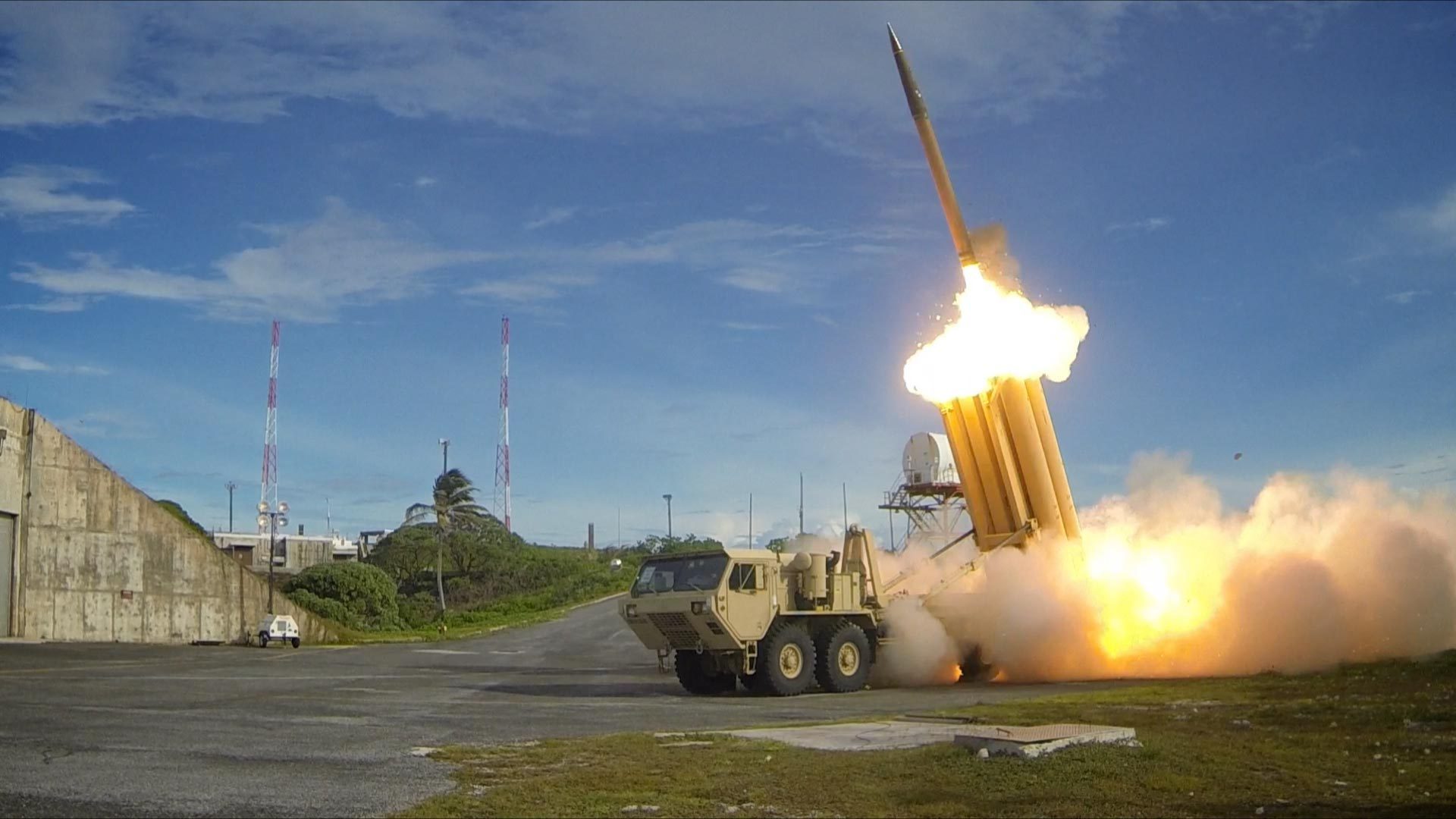
The arithmetic is punishing. Saudi forces fired between 150 and 250 Patriot PAC-3 and THAAD interceptors to engage 75 to 90 ballistic missiles in the first four days — a ratio of approximately 2:1 to 2.8:1, meaning the Kingdom fires two to three interceptors at each incoming threat to ensure a kill. Each PAC-3 MSE interceptor costs approximately $3.7 million according to the Japan Times, citing Pentagon procurement data. Each THAAD interceptor costs between $12.7 million and $15 million, according to the FY2025 Missile Defense Agency budget and Congressional Budget Office estimates.
| System | Interceptors Used (est.) | Unit Cost | Subtotal |
|---|---|---|---|
| Patriot PAC-3 MSE | 300–450 | $3.7M | $1.1B–$1.67B |
| THAAD | 30–50 | $12.7M–$15M | $381M–$750M |
| Short-range (Shahine, Crotale) | 100+ | $50K–$200K | $5M–$20M |
| Total estimated | 430–600+ | — | $1.5B–$2.4B |
These figures represent ammunition expenditure alone. They do not include the cost of the radar systems, fire control units, command posts, or the logistics trains that keep the batteries operating around the clock. The total operational cost of Saudi Arabia’s air defence network under Iranian fire is far higher — and every dollar flows directly to the balance sheets of a small group of American and European defence contractors.
The $4 Million Missile Versus the $20,000 Drone
The most destabilising financial fact of the Iran war is not the price of oil or the cost of reconstruction. It is the cost ratio between what Iran spends to attack and what Saudi Arabia and its allies spend to defend.
An Iranian Shahed-136 one-way attack drone costs between $20,000 and $80,000 to produce, according to WION News and the Japan Times. Iran has hundreds of them and can build more at a rate that dwarfs Western interceptor production. A single Patriot PAC-3 MSE interceptor costs $3.7 million. That is a cost ratio of between 46:1 and 185:1 in Iran’s favour for drone engagements.
For ballistic missiles, the calculus is somewhat more balanced but still favours the attacker. An Iranian Emad or Ghadr ballistic missile costs an estimated $500,000 to $2 million. Defending against it requires at least two interceptors — one PAC-3 and often a THAAD as backup — at a combined cost of $16 million to $19 million. The defender still spends eight to thirty times more than the attacker per engagement.
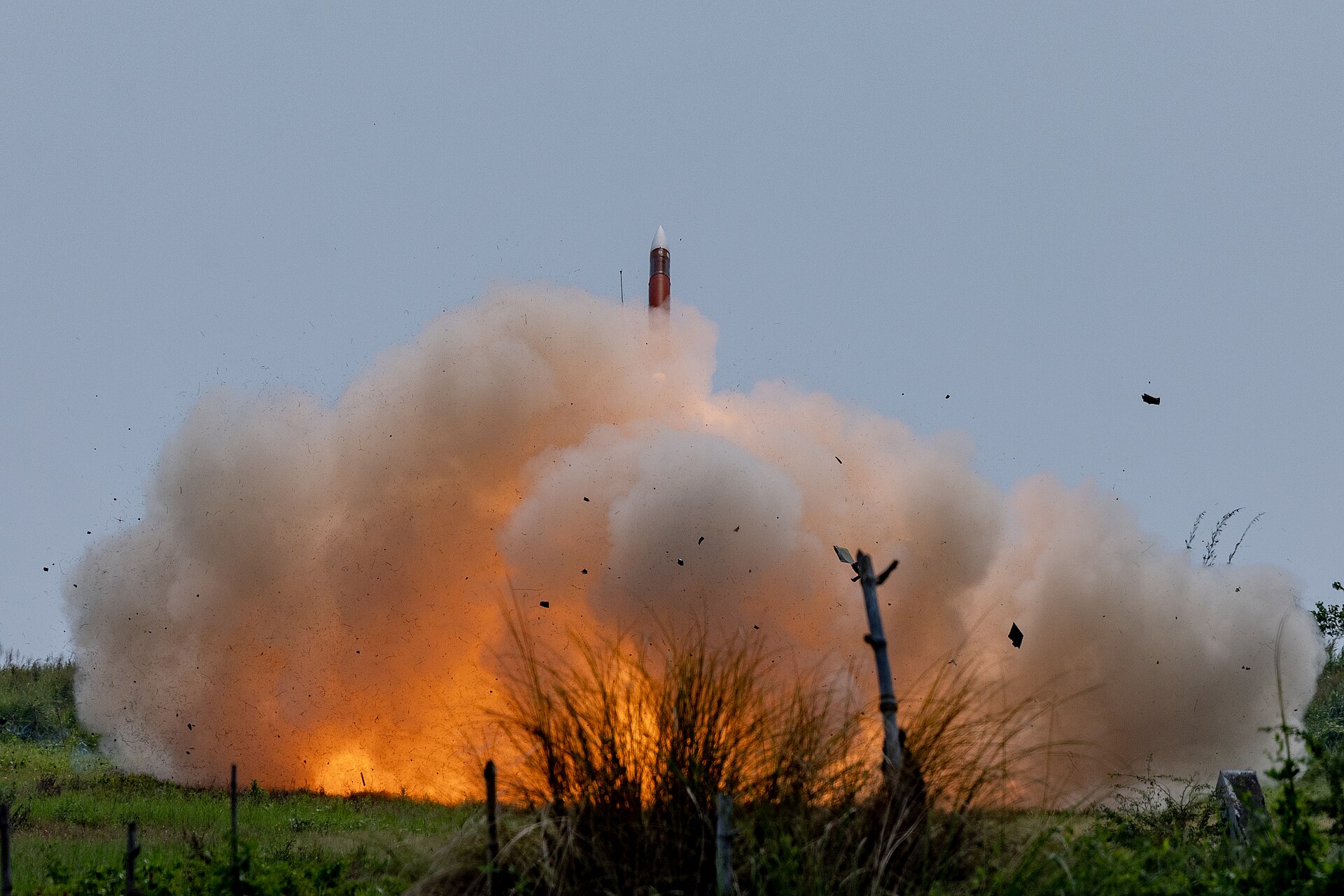
This cost asymmetry is not a bug in the global defence architecture. It is a feature — one that enormously benefits the defence companies that manufacture the interceptors. Iran’s strategy of sustained low-cost harassment using drones and missiles does not need to penetrate Saudi air defences to succeed strategically. It only needs to force the Kingdom to keep firing interceptors at a rate that depletes stockpiles faster than the production line can replace them. Military Watch Magazine reported in early March that the United States alone had burned through over $2.4 billion worth of Patriot interceptors in just five days of operations defending American bases and Saudi critical infrastructure.
The cost disparity between a $20,000 Shahed drone and a $4 million Patriot interceptor is not just a tactical problem — it is the most consequential economic equation of the entire war.
The National, 6 March 2026
For RTX, Lockheed Martin, and their subcontractors, this equation is enormously profitable. Every salvo Iran fires triggers a replacement order. Every replacement order has a multi-year production timeline. And every production timeline comes with a margin that would make most industries envious.
Which Defence Companies Are Profiting Most From the Iran War?
The five companies extracting the largest direct financial benefit from the Iran-Saudi war are RTX Corporation (formerly Raytheon Technologies), Lockheed Martin, Northrop Grumman, BAE Systems, and Elbit Systems. Each occupies a specific niche in the conflict’s weapons supply chain, and each has seen its market valuation, order backlog, or both climb significantly since hostilities began on 28 February 2026.
| Company | Country | Primary Iran War Revenue Driver | Day-1 Stock Gain | YTD Gain (2026) |
|---|---|---|---|---|
| RTX Corporation (RTX) | United States | Patriot PAC-3 MSE interceptors | +4.7% | +110% (3yr) |
| Lockheed Martin (LMT) | United States | THAAD, F-35, PAC-3 | +3.1% | +40% YTD |
| Northrop Grumman (NOC) | United States | Integrated air defence, munitions | +6% | +60% (3yr) |
| BAE Systems (BA.L) | United Kingdom | Eurofighter, F-35 components, munitions | +8.3% | Strong gains |
| Elbit Systems (ESLT) | Israel | Iron Dome, precision munitions, drones | N/A | +45% YTD |
| Rheinmetall (RHM) | Germany | Ammunition, Skyranger air defence | +5% | +22% YTD |
| Leonardo (LDO) | Italy | Helicopters, electronics, naval systems | +2% | +18% profits |
The pattern across all seven companies is identical: broader equity markets fell on the first trading day after the strikes on Iran, while defence stocks rose. This divergence has only widened in the eleven days since. As CNBC reported on 2 March 2026, “the [defence] sector being a rare bright spot amid a broader market sell-off triggered by fears of a wider regional conflict.”
RTX and the Patriot Monopoly
RTX Corporation is the single largest corporate beneficiary of the Iran war. The company manufactures the Patriot missile system — the backbone of Saudi Arabia’s air defence — and is the sole source for the PAC-3 MSE interceptor that has been fired in the hundreds since 28 February. There is no alternative supplier. No other company makes a comparable product. Saudi Arabia cannot switch providers any more than it can switch the calibre of its rifle ammunition mid-battle.
RTX’s financial position entering the war was already formidable. The company reported 2025 revenue of $88.6 billion, a 9.7 per cent increase over 2024, according to its January 2026 earnings announcement. Its total backlog stood at $268 billion, including $107 billion in defence orders. The Raytheon division — the unit that manufactures Patriot — posted $28 billion in adjusted sales and $3.2 billion in adjusted operating profit, with 6 per cent organic growth and record backlog of $75 billion in the fourth quarter alone.
For 2026, RTX projected adjusted sales of $92 billion to $93 billion before the war began. Those projections are almost certainly conservative now. The $9 billion Saudi Patriot deal announced in January, combined with wartime replacement orders and accelerated European procurement driven by fears that the conflict could spread, will push actual revenues well above the guidance.
The company’s structural advantage is difficult to overstate. RTX has invested more than $1 billion in securing raw materials ahead of orders, according to Breaking Defense, and has increased Patriot radar production by 25 per cent. But the production bottleneck remains real: Raytheon currently manufactures roughly 20 PAC-2 GEM-T missiles per month with plans to expand to 35 per month by end of 2027. For the higher-end PAC-3 MSE — the round being fired most heavily over Saudi Arabia — annual US production stands at 550 interceptors per year, and the Department of Defense signed a framework agreement with Lockheed Martin in January 2026 to raise production to 2,000 units per year. That agreement, however, has not yet been funded and will take six to seven years to reach full capacity.
In practical terms, this means Saudi Arabia is consuming PAC-3 MSE interceptors faster than the global production line can replace them — and every round consumed is a round that must be repurchased at full price, with a multi-year delivery timeline.
Europe’s Defence Windfall
The Iran war’s financial benefits extend well beyond American defence primes. European companies have seen some of the sharpest stock gains and order pipeline growth since the conflict began — driven not only by direct involvement in the Gulf theatre but by the cascading geopolitical anxiety the war has generated across NATO and the European Union.
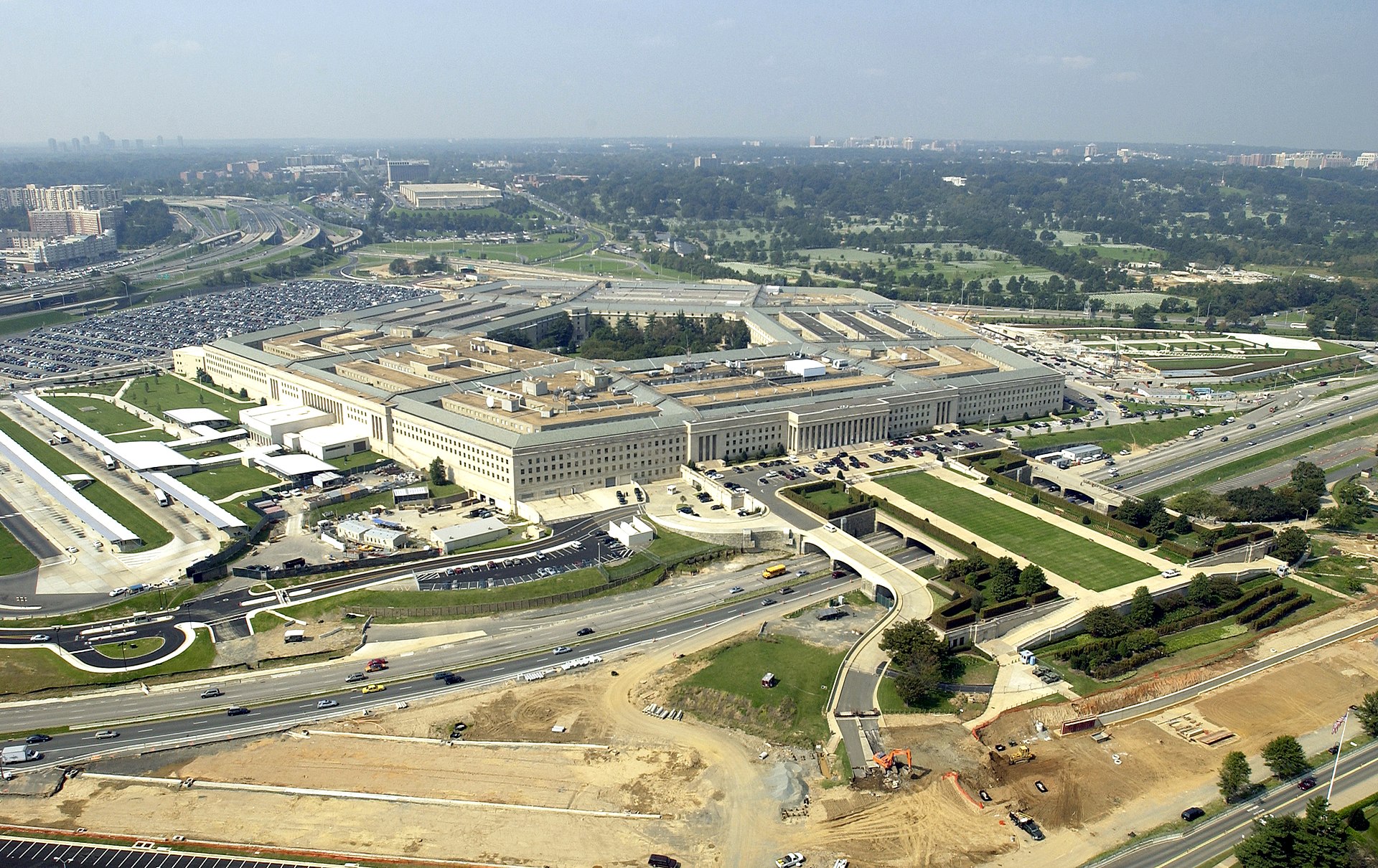
BAE Systems, Britain’s largest defence company, led the European defence sector with an 8.3 per cent surge on the first trading day after strikes on Iran, according to CNBC. The company secured a £10 billion frigate deal with Norway and a £8 billion Eurofighter deal with Turkey in 2025, and is directly involved in F-35 production alongside Lockheed Martin — meaning every F-35 sortie over Iran puts revenue in British balance sheets. BAE raised its full-year outlook multiple times through 2025 and early 2026. The intensifying US-Saudi defence relationship has also opened the door for BAE to compete for new contracts in Riyadh, building on the longstanding Eurofighter Typhoon presence in the Royal Saudi Air Force.
Rheinmetall, Germany’s leading ammunition and land systems manufacturer, has risen 22 per cent in euros since the start of 2026 and close to 200 per cent since January 2025, according to Euronews. Its Skyranger air defence system — designed specifically for counter-drone operations — has become one of the most sought-after products in global procurement as Gulf states and NATO allies scramble to address the drone threat that Iran has so effectively demonstrated.
Leonardo, the Italian aerospace and defence group, reported an 18 per cent surge in full-year core profits in early 2026, with new orders growing 14.5 per cent. The European Business Magazine noted that European defence stocks as a category have surged 83 per cent over two years, driven by what analysts are calling the emergence of a “permanent war economy” — a structural shift in which defence spending is no longer cyclical but permanently elevated.
The European windfall is not accidental. As the war in the Gulf has demonstrated, air defence interceptors are consumed at a rate that far outstrips peacetime procurement assumptions. European nations that depend on Gulf oil and gas — and that fear the conflict could spread to affect their own security — are placing orders at wartime urgency levels. Switzerland, which had ordered Patriot systems, has already been told by the United States that deliveries will be pushed back five years because of Iranian war-related demand, according to Swiss media outlet Le News.
The Israeli Defence Sector’s Wartime Surge
Israel’s defence industry occupies a unique position in the Iran war economy. Unlike American and European companies that profit primarily from arms sales to third parties, Israeli firms are simultaneously supplying their own military’s operational needs and exporting technology that the war has validated in live combat.
Elbit Systems has become the most valuable company listed on the Tel Aviv Stock Exchange, reaching a market capitalisation of approximately $40 billion as of early March 2026. Its shares have soared 45 per cent since the start of the year, according to the Times of Israel, driven by record orders from both the Israel Defense Forces and international customers. Elbit’s order backlog hit $25.2 billion by the end of September 2025, and the company set a revenue target of $7 billion for 2026 with a 10 per cent operating profitability target — up from 8 per cent in 2024. The war has almost certainly pushed actual demand above those forecasts.
Rafael Advanced Defense Systems, the state-owned company behind Iron Dome, reported $4.7 billion in defence revenue in 2024. The Iran war has served as the ultimate advertisement for Israeli-made air defence technology: Iron Dome’s performance against Iranian proxy rockets in earlier conflicts and its integration into the broader US-Israel-Gulf defence architecture have made Rafael a critical supplier that defence ministries across the region are eager to engage.
Israeli defence stocks have outpaced the broader market by 400 per cent, according to Ynet News. The irony is not lost on regional analysts: Saudi Arabia has no formal diplomatic relations with Israel, yet the weapons systems defending both nations against Iranian missiles come from overlapping supply chains. The F-35s flying combat missions over Iran are built by Lockheed Martin with BAE Systems components and maintained with software systems that Elbit has helped develop. The alliance that Iran never meant to build extends into the boardrooms of Tel Aviv’s defence sector as much as it does into the war rooms of Riyadh.
The $9 Billion Patriot Deal That Changed Everything
On 30 January 2026 — exactly 29 days before the first Iranian missile struck Saudi territory — the Trump administration approved a $9 billion arms sale to Saudi Arabia. The package contained 730 PAC-3 MSE Patriot interceptors and associated equipment, making it the single largest Patriot ammunition sale in the history of the Foreign Military Sales programme. The timing was either prescient or predetermined.
The sale was announced by the State Department to America’s allies in the Middle East late on a Friday, according to Military.com — the traditional Washington method for minimising press scrutiny. It came shortly after Saudi Defence Minister Prince Khalid bin Salman met with Secretary of State Marco Rubio and Defence Secretary Pete Hegseth in Washington. The Washington Post reported that the approval was paired with a $6.67 billion arms package for Israel, framing both sales as part of a coordinated regional defence buildup.
The 730-missile quantity is significant. At a rate of 300 to 450 PAC-3 MSE interceptors consumed in the first eleven days of the war, the entire $9 billion package would be depleted in approximately 18 to 27 days of sustained combat at current intensity. The sale was intended to rebuild Saudi Arabia’s peacetime stockpile after years of Houthi drone and missile attacks from Yemen. Instead, it has become a wartime emergency replenishment order — and 730 missiles may not be enough.
Breaking Defense reported that the Saudi deal is for “PATRIOT Advanced Capability-3 Missile Segment Enhancement (PAC-3 MSE) missiles” — the most advanced variant of the Patriot interceptor, capable of engaging both ballistic missiles and cruise missiles. The unit cost works out to approximately $12.3 million per missile when factoring in the associated fire control equipment, radars, and support infrastructure included in the package, though the per-interceptor cost for the missile rounds alone is closer to $3.7 million to $4 million.
Why Is Saudi Arabia Buying 730 Patriot Missiles at Once?
Saudi Arabia ordered 730 Patriot interceptors in a single procurement because the Kingdom has learned — at enormous cost — that missile defence is a consumable, not a capability. Air defence systems do not depreciate gently over decades like an aircraft carrier or a main battle tank. They are consumed in combat at a rate that makes them more analogous to ammunition than to platforms. And in a sustained conflict against an adversary with a deep arsenal of cheap ballistic missiles and drones, running out of interceptors is an existential risk.
The Houthi campaign against Saudi Arabia between 2015 and 2023 provided the first demonstration of this reality. Saudi Patriot batteries intercepted hundreds of Houthi ballistic missiles and drones over eight years, depleting stockpiles that took years to replenish. The 2019 Abqaiq-Khurais attack, in which Iranian-made cruise missiles and drones penetrated Saudi air defences and temporarily knocked out half the Kingdom’s oil production, exposed the limits of the existing inventory.
The Iran war has compressed that lesson into eleven days. The volume of incoming threats — ballistic missiles, cruise missiles, and one-way attack drones arriving in coordinated salvos — far exceeds anything the Saudi military planned for in its peacetime procurement cycles. The Saudi Defence Ministry reported intercepting three ballistic missiles near Prince Sultan Air Base on 6 March, two cruise missiles on 5 March, nine drones heading toward the Shaybah oil field on 9 March, and a drone east of Riyadh on 7 March. These are individual engagement reports in a campaign that involves dozens of engagements per day.
At the current rate of consumption, Saudi Arabia needs a pipeline of interceptor deliveries measured in thousands per year — not hundreds. That pipeline does not exist. And the only companies that can build it sit in offices in Tucson, Arizona (RTX’s Raytheon Missiles & Defense headquarters) and Dallas, Texas (Lockheed Martin Missiles and Fire Control). The Kingdom’s dependency on these companies for its physical survival has never been more absolute — or more expensive.
Can the Defence Industry Actually Produce Enough Weapons?
The Iran war has exposed a fundamental mismatch between the rate at which modern conflicts consume precision munitions and the rate at which the defence industry can manufacture them. The problem is not money — Saudi Arabia, the United States, and their allies have ample budgets. The problem is industrial capacity.
Raytheon currently produces approximately 550 PAC-3 MSE interceptors per year for the entire global customer base. The US Department of Defense signed a framework agreement with Lockheed Martin in January 2026 to raise annual production to 2,000 units per year, but that agreement has not yet been funded and the ramp-up will take six to seven years, according to Euromaidon Press. For PAC-2 GEM-T missiles, Raytheon produces roughly 20 per month — 240 per year — with plans to reach 35 per month (420 per year) by end of 2027.
For THAAD interceptors, the situation is even tighter. The FY2026 Pentagon budget requested $840.1 million for just 37 THAAD interceptors. Lockheed Martin signed a contract in January 2026 to quadruple annual production from 96 to 400 missiles — but that target is years away. With approximately 100 to 150 THAAD interceptors reportedly fired in defence of Israel during the June 2025 war, and additional rounds consumed defending Saudi Arabia and UAE since February 2026, the global THAAD inventory is under severe strain.
| Interceptor Type | Annual Production | Est. Monthly War Consumption | Months of Stock at Current Rate |
|---|---|---|---|
| PAC-3 MSE | 550/year (46/month) | ~150–200 | 3–4x production rate |
| PAC-2 GEM-T | 240/year (20/month) | ~50–80 | 2.5–4x production rate |
| THAAD | 96/year (8/month) | ~15–25 | 2–3x production rate |
The bottlenecks are not just financial. Responsible Statecraft reported that shortages in castings, forgings, and skilled labour continue to limit the rate at which RTX can convert its $268 billion backlog into delivered weapons. The same supply chain constraints that plagued Javelin anti-tank missile production during the Ukraine war — rare earth metals, specialised electronics, precision machining capacity — are now binding on Patriot and THAAD production. RTX has invested more than $1 billion in securing materials ahead of orders, but physical manufacturing capacity cannot be wished into existence. Every day the war continues, the gap between consumption and production widens.
Saudi Arabia’s Bid to Break the Foreign Arms Dependency
The war has given Mohammed bin Salman’s defence localisation programme an urgency it never had in peacetime. Under Vision 2030, Saudi Arabia set a target of localising 50 per cent of military procurement by 2030 through two institutional vehicles: the General Authority for Military Industries (GAMI) and Saudi Arabian Military Industries (SAMI), a PIF-owned company. The target is ambitious. The starting point was abysmal: just 4 per cent localisation in 2018. By the end of 2024, GAMI reported reaching 19.35 per cent — substantial progress, but nowhere near sufficient to shield the Kingdom from the kind of supply chain dependency the war has exposed.
SAMI’s trajectory tells a story of rapid but insufficient growth. Revenue climbed from $20 million in 2020 to $690 million in 2021 and $900 million by 2022, pushing the company into the SIPRI Top 100 global arms producers. SAMI targets 14 billion riyals ($3.7 billion) in economic contribution by 2030, 6 billion riyals ($1.6 billion) in R&D investment, and 40,000 jobs. In 2025, SAMI launched its first domestically developed combat management system for naval platforms — a milestone, but one that remains light-years from producing a Patriot-equivalent interceptor.
The infrastructure is growing. GAMI reports that the number of authorised and licensed military industry facilities in the Kingdom increased from five in 2019 to 296 by the third quarter of 2024. More than 53 industrial cooperation programmes worth approximately 35 billion riyals have been signed with local and international partners. In July 2024, SAMI signed memoranda of understanding with Turkish companies including Baykar (maker of the TB2 drone that transformed the Armenia-Azerbaijan conflict) and Aselsan for defence electronics.
The February 2026 World Defense Show in Riyadh — concluded just days before Iran’s first missiles struck — illustrated both the ambition and the gap. The five-day event produced 60 military and defence contracts worth 33 billion riyals ($8.8 billion), attracted 1,486 exhibitors from 89 countries and 137,000 visitors, according to Arab News. Ahmad Al-Ohali, GAMI’s governor, noted that military spending from within Saudi Arabia rose from 4 per cent in 2018 to 25 per cent by end of 2024. The goal is 50 per cent. The war is the strongest argument MBS has ever had for accelerating that timeline — and for demanding technology transfer agreements that foreign companies have historically resisted granting. That acceleration is already visible in Saudi Arabia’s broader defense supply chain diversification, which now spans deals with Ukraine, China, South Korea, Pakistan, and Turkey — a procurement revolution that is reshaping the Kingdom’s entire defense-industrial base.
The War Profit Paradox
The conventional critique of defence industry profits during wartime is straightforward: companies that manufacture weapons benefit financially from the destruction those weapons cause. The moral hazard is real and well-documented. But the Iran war has produced a more nuanced dynamic — one in which the obscene profitability of the conflict is paradoxically accelerating Saudi Arabia’s strategic autonomy.
The mechanism is leverage. In peacetime, foreign defence companies have every incentive to sell finished weapons systems and consumables to Gulf clients — and every incentive to resist technology transfer, co-production agreements, and the creation of local manufacturing capacity that would reduce future sales. Lockheed Martin does not benefit from Saudi Arabia building its own THAAD equivalent. RTX does not benefit from Riyadh establishing a domestic interceptor production line.
In wartime, the calculus inverts. Saudi Arabia is consuming weapons faster than the global production base can supply them. The Kingdom is simultaneously the largest customer in the room and the most operationally desperate. That combination gives MBS unprecedented bargaining power to attach conditions to procurement contracts that would have been rejected in peacetime: mandatory technology transfer, minimum local content requirements, offset agreements that channel R&D investment into Saudi facilities, and co-production arrangements that give SAMI and GAMI access to manufacturing processes that have historically been classified.
| Company | Iran War Revenue Exposure | Saudi Contract Pipeline | Tech Transfer Obligation | Production Bottleneck Risk |
|---|---|---|---|---|
| RTX (Raytheon) | Very High | $9B+ (Patriot) | Medium-High | Critical |
| Lockheed Martin | High | $5B+ (THAAD, F-35 potential) | Medium | High |
| BAE Systems | Medium-High | $3B+ (Eurofighter, munitions) | Medium | Medium |
| Northrop Grumman | Medium | $1B+ (C4ISR, munitions) | Low-Medium | Medium |
| Rheinmetall | Medium | $500M+ (ammunition, Skyranger) | High | Low-Medium |
| Elbit Systems | Medium | Indirect (via coalition) | Low | Low |
| Leonardo | Low-Medium | $500M+ (helicopters, electronics) | Medium | Low |
The Defence Revenue Exposure Matrix above illustrates the core tension. The companies with the highest war revenue exposure — RTX and Lockheed Martin — are also facing the most acute production bottleneck risks. They need Saudi Arabia’s continued purchases to justify the capital investment required to expand production lines. Saudi Arabia needs their weapons to survive. The result is a forced negotiation in which both sides have existential stakes — and in which the buyer, for perhaps the first time in modern Gulf procurement history, has as much leverage as the seller.
The contrarian conclusion is uncomfortable but defensible: the war’s massive transfer of wealth from Saudi Arabia to Western defence contractors is not purely extractive. It is also creating the conditions under which the Kingdom can — if MBS plays the hand correctly — extract the industrial and technological concessions that will make the next war less dependent on foreign supply chains. The profit motive that makes the war so lucrative for Arlington and London is the same profit motive that gives Riyadh the leverage to demand a seat at the production table.
What Does This Mean for the Next Decade of Gulf Defence Spending?
Global defence spending reached $2.63 trillion in 2025, according to the International Institute for Strategic Studies, up from $2.48 trillion in 2024. The Middle East was one of the primary drivers of that increase. The Iran war will accelerate the trend dramatically.
Saudi Arabia was the sixth-highest spender on defence globally in 2025 at $72.5 billion, according to IISS. SIPRI data shows that Saudi Arabia accounted for 6.8 per cent of global arms imports in 2021–2025, making it the third-largest weapons importer worldwide. The United States is the Kingdom’s dominant supplier, providing 74 per cent of Saudi arms imports in 2020–2024, followed by Spain at 10 per cent and France at 6.2 per cent.
SIPRI noted that global arms flows jumped nearly 10 per cent between the 2016–2020 and 2021–2025 periods, with US exports rising 27 per cent — the largest increase since 2011–2015. The Iran war is poised to push those figures higher still. Every GCC state will increase defence spending in the aftermath. Qatar, already the region’s second-largest arms importer after more than doubling imports between 2016–2020 and 2021–2025, will expand further. The UAE, Kuwait, Bahrain, and Oman face the same calculus Saudi Arabia does: the threat is real, the interceptor stockpiles are finite, and the only way to address the gap is to spend more.
The National Defense Magazine projected global defence spending would top $2.6 trillion in 2026 even before the war began. The actual figure will likely approach $2.8 trillion to $2.9 trillion when supplemental war budgets, emergency procurement packages, and accelerated delivery schedules are factored in. For the defence industry, the Iran war is not a one-quarter event. It is the beginning of a procurement cycle that will sustain elevated revenues for the next decade. South Korean defence firms are among the largest beneficiaries of this shift: Saudi Arabia’s $3.2 billion purchase of the Cheongung-II air defense system — driven by the platform’s 96 percent combat intercept rate in the UAE — has positioned Hanwha Aerospace as a major new competitor to Western defence primes in the Gulf market.
Saudi Arabia’s own trajectory is particularly consequential. The Kingdom’s defence spending has historically been high relative to GDP — consistently above 5 per cent, and sometimes approaching 8 per cent during periods of regional tension. The Iran war will push it higher, potentially past $80 billion to $90 billion annually when supplemental appropriations for interceptor replenishment, infrastructure hardening, and the accelerated MBS-led defence localisation programme are included. And unlike previous spending surges that were primarily driven by arms imports, this cycle will include a significant domestic industrial component — SAMI, GAMI, and the 296 licensed military facilities that the Kingdom is building as fast as it can.
The question is not whether the defence industry will profit from the Iran war. It already has. The question is whether the war’s demonstration of the catastrophic risks of total arms dependency will finally give Saudi Arabia the political will — and the industrial base — to ensure that the next conflict does not leave the Kingdom’s survival in the hands of a production line in Tucson, Arizona.
Frequently Asked Questions
How much has Saudi Arabia spent on air defence interceptors during the Iran war?
Saudi Arabia has spent an estimated $1.5 billion to $2.4 billion on interceptor missiles during the first eleven days of the Iran war (28 February to 10 March 2026), based on firing rates reported by the Saudi Defence Ministry and unit costs published by the Pentagon and Congressional Budget Office. The majority of the expenditure is on Patriot PAC-3 MSE interceptors at $3.7 million each and THAAD interceptors at $12.7 million to $15 million each.
Which defence company has profited most from the Iran war?
RTX Corporation (formerly Raytheon Technologies) has benefited most directly from the Iran war. The company manufactures the Patriot missile system — the primary air defence interceptor being used by Saudi Arabia, the UAE, and US forces in the Gulf. RTX’s shares jumped 4.7 per cent on the first trading day after the war began, and the company holds a $9 billion Saudi Patriot contract signed in January 2026 for 730 PAC-3 MSE interceptors.
Why are defence stocks rising while other markets fall?
Defence stocks rise during military conflicts because war increases demand for weapons, ammunition, and military equipment. The Iran war has driven immediate replacement orders for consumed interceptors, triggered new procurement contracts from Gulf states and European nations, and created expectations of permanently elevated defence budgets across NATO and GCC countries. This demand growth is specific to the defence sector and insulated from the broader economic disruption the war causes.
Can Saudi Arabia produce its own weapons to reduce dependence on foreign companies?
Saudi Arabia is pursuing a defence localisation programme under Vision 2030, targeting 50 per cent local military procurement by 2030. The Kingdom’s localisation rate has risen from 4 per cent in 2018 to 19.35 per cent by end of 2024 through SAMI and GAMI. However, high-end systems such as Patriot and THAAD interceptors require decades of institutional knowledge and classified technology that cannot be rapidly replicated. The war is accelerating technology transfer negotiations but full domestic production of advanced interceptors remains years away.
How many Patriot missiles can the United States produce per year?
The United States currently produces approximately 550 PAC-3 MSE interceptors per year and 240 PAC-2 GEM-T missiles per year (20 per month). The Department of Defense signed a framework agreement with Lockheed Martin in January 2026 to raise PAC-3 MSE production to 2,000 units per year, but full implementation is six to seven years away. For THAAD interceptors, current annual production stands at approximately 96 per year, with plans to quadruple to 400.
What was the $9 billion US-Saudi arms deal announced in January 2026?
The Trump administration approved a $9 billion arms sale to Saudi Arabia on 30 January 2026, consisting of 730 PAC-3 MSE Patriot interceptors and associated equipment. The sale was announced alongside a $6.67 billion arms package for Israel. The Saudi deal was the largest single Patriot ammunition sale in the history of the US Foreign Military Sales programme and was approved after Saudi Defence Minister Khalid bin Salman met with US Secretary of State Marco Rubio and Defence Secretary Pete Hegseth.