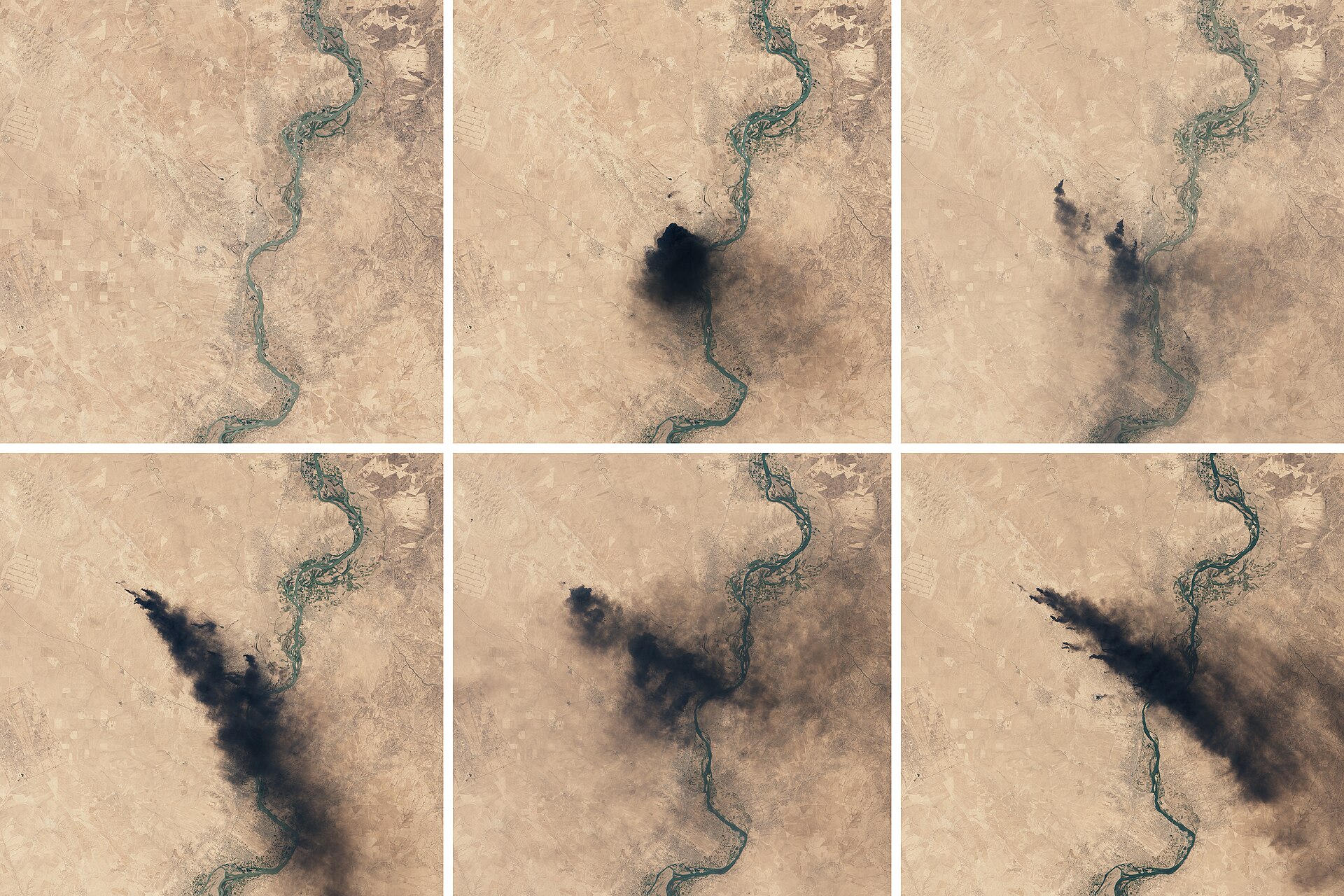

RIYADH — The Iran war has produced over 300 documented environmental incidents across twelve countries in just three weeks, contaminated the Persian Gulf with an estimated 21 billion litres of stranded crude oil aboard 85 trapped tankers, triggered radiation monitoring alerts at Iran’s Natanz nuclear facility, and deposited black rain on a city of nine million people. The environmental toll of the 2026 conflict already exceeds the combined ecological damage of every Gulf war since 1991, and the fighting has not stopped.
While global attention remains fixed on missile trajectories and barrel prices, a quieter catastrophe is unfolding beneath the surface. The Conflict and Environment Observatory has mapped hundreds of attacks on oil infrastructure, nuclear facilities, refineries, and shipping lanes that together constitute the most concentrated burst of environmental destruction the Middle East has experienced in a generation. For Saudi Arabia, which derives more than 60 percent of its drinking water from desalinated seawater drawn from the Persian Gulf, the contamination threat is existential in a way that no missile can match.
Table of Contents
- Three Hundred Environmental Incidents and Counting
- What Do the IAEA Readings at Natanz Mean for the Gulf?
- How Close Did Bushehr Come to a Catastrophe?
- Black Rain Over Tehran and the Toxic Plume Crossing Borders
- Can 85 Stranded Oil Tankers Become the Gulf’s Next Disaster?
- Why Is Contaminated Seawater Saudi Arabia’s Greatest Vulnerability?
- The Persian Gulf Ecosystem Was Already Dying Before the Bombs Fell
- The Gulf Environmental Threat Assessment
- The Contrarian Case Against Clean War
- What Cannot Be Rebuilt After the War Ends?
- How Should Saudi Arabia Respond to the Invisible Front?
- Frequently Asked Questions
Three Hundred Environmental Incidents and Counting
The Conflict and Environment Observatory, a UK-based research organisation that monitors the ecological impact of armed conflict, has documented over 300 distinct environmental incidents across twelve countries since Operation Epic Fury began on 28 February 2026. Of those, 232 have been fully assessed for environmental risk, with the remainder still under analysis. The geographic spread runs from Azerbaijan in the north to Oman in the south, touching Iran, Iraq, Israel, Jordan, Kuwait, Bahrain, Qatar, the UAE, Saudi Arabia, and Cyprus.
The scale of documentation is without precedent for a conflict of this duration. By comparison, the entire 1991 Gulf War produced approximately 50 major environmental incidents over seven months. The 2003 Iraq invasion generated roughly 80 over the first year. The 2026 Iran war has produced more environmental damage incidents in 22 days than either predecessor managed in months, a pace driven by the sheer volume of strikes on energy infrastructure, the use of maritime warfare in an enclosed sea, and the first-ever military strikes on active nuclear enrichment facilities.
CEOBS categorises incidents by severity and type. The most dangerous cluster involves attacks on oil production and refining infrastructure, which account for approximately 40 percent of all documented incidents. The second-largest category involves maritime incidents, including ship strikes, sunken vessels, and oil leaks from damaged tankers. The third, and potentially most consequential, involves nuclear and radiological risks from strikes on Iran’s enrichment facilities at Natanz and Fordow and the near-miss at the Bushehr nuclear power plant.
The distribution of incidents by country reveals the war’s indiscriminate environmental reach. Iran bears the heaviest burden, with over 180 incidents on its territory, primarily from US and Israeli airstrikes on military installations, oil storage facilities, and nuclear sites. But Gulf states that have sought to remain non-belligerents have absorbed significant environmental damage as well. Saudi Arabia has recorded at least 15 environmental incidents from Iranian drone and missile strikes on oil infrastructure, including the hit on the SAMREF refinery in Yanbu. Kuwait, Bahrain, and the UAE have each documented multiple incidents involving attacks on energy installations, desalination facilities, and port infrastructure.
What Do the IAEA Readings at Natanz Mean for the Gulf?
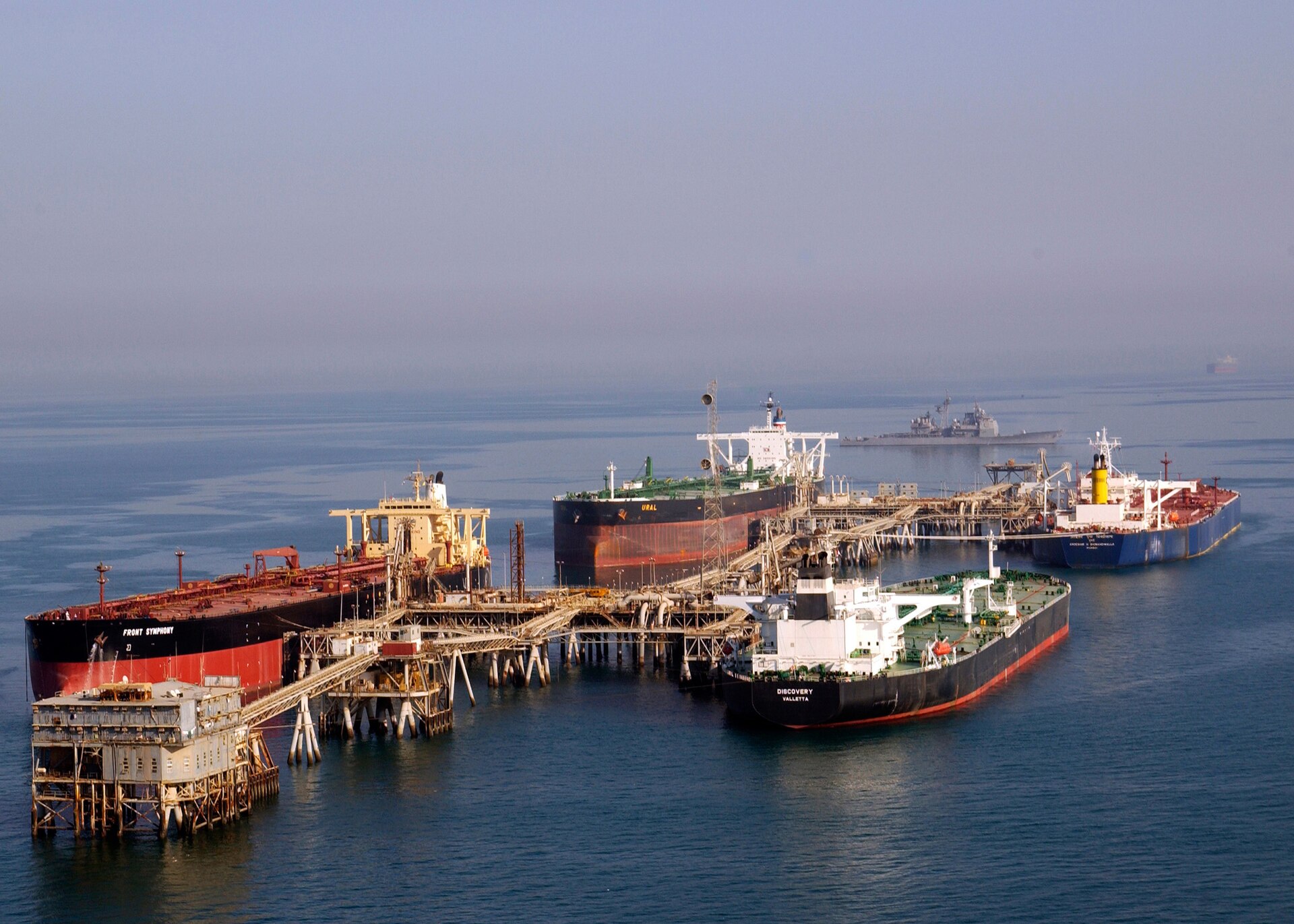
The International Atomic Energy Agency has confirmed that US-Israeli airstrikes have caused structural damage to Iran’s Natanz nuclear enrichment facility, the centrepiece of the country’s uranium enrichment programme. Initial IAEA assessments found damage to entrance buildings at the underground Fuel Enrichment Plant, though the agency initially stated that “no radiological consequence expected and no additional impact detected at FEP itself.” That assessment has since grown more cautious.
On 22 March, the Voice of Emirates reported that the IAEA had revealed concerning radiation readings within the Natanz facility’s boundaries, with initial measurements indicating “limited changes in radiation levels” that warranted continued monitoring. The reading, while described as localised and not yet posing an off-site risk, marked the first time the IAEA had acknowledged any measurable radiological change at a facility targeted during the conflict.
The distinction between on-site and off-site radiation is critical. Natanz stores uranium enriched to various levels, including material enriched to 60 percent, which is just below weapons grade. A direct hit on storage containers holding this material could release uranium hexafluoride gas, which converts to hydrofluoric acid on contact with moisture in the air. The health consequences of such a release would depend on wind direction, atmospheric conditions, and the quantity of material involved, but even a modest release could render surrounding areas uninhabitable for months.
The CSIS analysis of the “fallout factor” in targeting Iran’s nuclear programme notes that the facilities struck during Operation Epic Fury contained varying quantities of enriched uranium. Natanz and Fordow, both of which have been hit, held the bulk of Iran’s enriched uranium stockpile. The IAEA’s pre-war estimates placed Iran’s total enriched uranium holdings at approximately 5,700 kilograms, including 164 kilograms enriched to 60 percent. The dispersal of even a fraction of this material through kinetic strikes would create contamination requiring decades of remediation.
For the Gulf states, the prevailing wind patterns make this a direct concern. Iran’s central plateau, where Natanz is located, sits at a higher elevation than the Persian Gulf coast. Atmospheric modelling by the Bulletin of the Atomic Scientists suggests that contamination from a major release at Natanz would drift south and southwest, potentially reaching the Gulf coast within 48 to 72 hours depending on seasonal wind conditions. The current spring transition, with variable winds, makes prediction particularly difficult.
How Close Did Bushehr Come to a Catastrophe?
The Bushehr nuclear power plant, Iran’s only operational nuclear reactor, sits on the northeastern shore of the Persian Gulf, approximately 270 kilometres from Kuwait and 400 kilometres from Bahrain’s coast. On 17 March 2026, a projectile struck the facility’s grounds, destroying a structure 350 metres from the reactor and hitting the nuclear metrology service building. Russia’s Rosatom CEO confirmed the incident and “categorically condemned” the strike, calling for “every possible effort to de-escalate the situation in the vicinity of the Bushehr NPP.”
The IAEA reported that Iran stated there was no damage to the reactor itself and no release of nuclear material. Radiation levels, according to Iranian authorities, remained normal. But the proximity of the strike, 350 metres from an active nuclear reactor containing spent fuel rods with high inventories of radioactive isotopes, represents the closest any military action has come to triggering a nuclear accident since the 1986 Chernobyl disaster.
The CSIS analysis is unambiguous about what a direct hit on Bushehr would mean. An operational light-water reactor of Bushehr’s type contains spent fuel with “high inventories of radioactive materials,” and a direct strike could release iodine-131 and cesium-137 “likely throughout Iran and to nearby Gulf states, potentially compromising desalination infrastructure in Kuwait, Qatar, and the United Arab Emirates.” Iodine-131 has a half-life of eight days and concentrates in the thyroid gland. Cesium-137 has a half-life of 30 years and persists in soil and water for decades.
Qatar’s prime minister articulated the existential nature of this threat when he warned that any attack on Iran’s nuclear facilities could “entirely contaminate” the region’s waters and threaten life across the Gulf. Qatar, he noted, had assessed that it could run out of potable water after just three days in such a scenario. The assessment reflects the Gulf states’ near-total dependence on desalinated seawater, which draws directly from the Persian Gulf, the same body of water downwind and downstream of Bushehr.
The strikes on Iran’s nuclear facilities have created a slow-burn radiological uncertainty that the IAEA continues to monitor but cannot fully resolve while active combat prevents inspectors from accessing damaged sites. The gap between reassurance and verification is where the environmental risk resides.
Black Rain Over Tehran and the Toxic Plume Crossing Borders
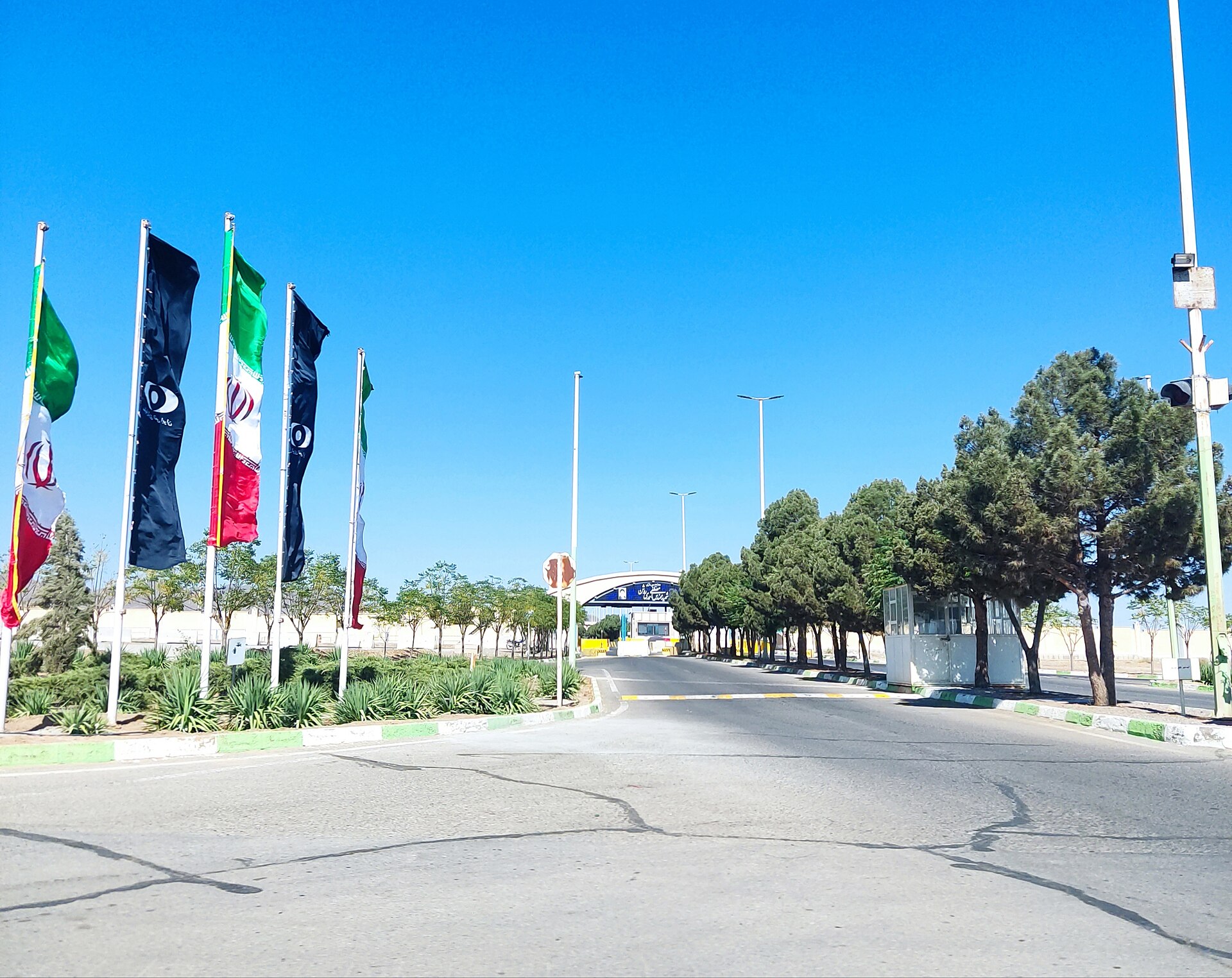
On the weekend of 7-8 March 2026, Israeli airstrikes hit four oil storage and refining facilities in and around Tehran, igniting fires that burned for days and exposed the city’s nine million residents to dangerous pollution levels. CEOBS documented the phenomenon of “black rain” falling on Tehran as soot and particulate matter precipitated from massive smoke clouds. The term, borrowed from the aftermath of the Hiroshima bombing, proved disturbingly apt.
The oil fires released a toxic cocktail of pollutants that atmospheric scientists are still working to fully catalogue. CEOBS identified particulate matter, nitrogen oxides, nitrous acid, carbon monoxide, sulphur dioxide, and volatile organic compounds including formaldehyde, dioxins, furans, hydrocarbons, and polycyclic aromatic hydrocarbons. Several of these compounds are classified carcinogens. Dioxins and furans, in particular, persist in the environment for years and accumulate in the food chain.
The pollution did not respect national boundaries. Air quality alerts were issued in Turkmenistan, Kazakhstan, Uzbekistan, and Tajikistan as the toxic plume drifted eastward across Central Asia. The Japan Times reported that “toxic pollution from the Iran war will spread and last for decades,” citing atmospheric modelling that projected contamination reaching western Afghanistan and Pakistan. Al-Monitor documented the expansion of the environmental cost across the wider region, with oil fires, toxic air, and water contamination risks extending far beyond the immediate conflict zone.
The health consequences of prolonged exposure to oil fire smoke are well documented from the 1991 Kuwait experience. Studies conducted over the subsequent decade found elevated rates of respiratory disease, cancer, and immune system disorders among populations exposed to the Kuwait oil fires. The smoke from those fires, which burned for seven months, contained many of the same compounds now drifting across Iran and Central Asia. The key difference is scale: the Tehran fires, while shorter in duration so far, occurred within a densely populated urban area, exposing far more people to concentrated levels of toxic pollutants.
For Saudi Arabia, the atmospheric threat is indirect but not negligible. Prevailing winds during March carry air masses from Iran’s interior toward the Gulf coast before curving south. Satellite imagery analysed by Greenpeace shows smoke plumes from Iranian oil fires extending over the Persian Gulf on multiple occasions since early March. The long-term health implications for Gulf populations will depend on the duration of the conflict and the cumulative exposure to airborne pollutants carried by these plumes.
Can 85 Stranded Oil Tankers Become the Gulf’s Next Disaster?
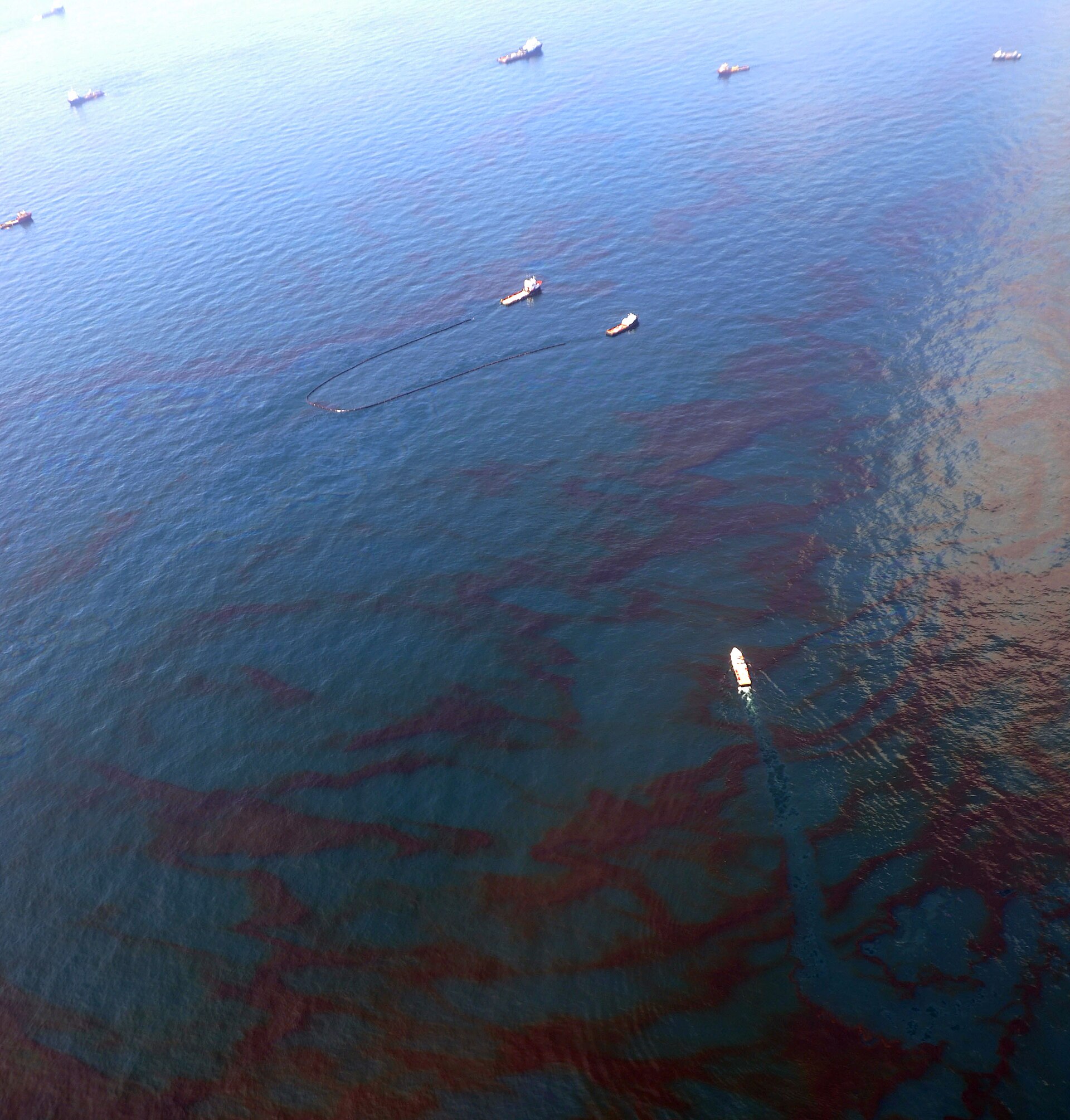
Greenpeace issued a stark warning on 12 March 2026: more than 85 large oil tankers are trapped in the Persian Gulf, carrying at least 21 billion litres of crude oil with nowhere to go. The organisation described the situation as “a disaster waiting to happen,” noting that the stranded fleet represents the largest concentrated accumulation of oil on water in maritime history.
The tankers are trapped by two converging forces. The Strait of Hormuz blockade, declared by Iran’s IRGC on 4 March, has reduced oil tanker traffic through the waterway by more than 90 percent. Simultaneously, Iranian strikes on Gulf ports, oil terminals, and loading facilities have made it impossible for most tankers to safely offload their cargo. The result is a fleet of floating bombs anchored across the Gulf’s shallow waters, each carrying hundreds of thousands of tonnes of crude oil on vessels designed for transit, not indefinite storage.
The environmental risk compounds with each passing day. Tankers at anchor are more vulnerable to attack than tankers in transit, as their stationary positions are easily tracked. The IRGC has already demonstrated its willingness to target merchant shipping, with at least 12 vessels struck since the war began. A direct hit on a fully laden supertanker would release crude oil at a rate that would dwarf the 2010 Deepwater Horizon spill, which discharged approximately 4.9 billion litres into the Gulf of Mexico over 87 days. A single Very Large Crude Carrier carries up to 2 billion litres. Several such vessels are currently anchored in the Persian Gulf.
The Persian Gulf’s physical characteristics make it uniquely vulnerable to oil spills. It is shallow, with an average depth of just 50 metres, and semi-enclosed, with limited water exchange through the narrow Strait of Hormuz. Oil spilled in the Gulf dissipates far more slowly than in open ocean. Studies of the 1991 Gulf War oil spill, which released approximately 6 billion litres into the northern Gulf, found that residual oil contamination persisted in Kuwait’s coastal sediments for more than 20 years. The warm, shallow waters that make the Gulf hospitable to coral reefs and mangroves also make it exceptionally slow to flush contamination.
The sinking of vessels has already introduced oil into Gulf waters. On 6 March, a tugboat dispatched to assist the damaged vessel Safeen Prestige was struck by two missiles and sank, leaving at least three crew members missing and releasing fuel oil into the water. The Iranian frigate Dena, torpedoed near Sri Lanka’s coast, produced a 20-kilometre oil slick threatening ecologically important areas. Each incident, while individually manageable, contributes to a cumulative contamination burden that the Gulf’s limited natural flushing capacity cannot easily process.
Why Is Contaminated Seawater Saudi Arabia’s Greatest Vulnerability?
Saudi Arabia produces approximately 7.3 million cubic metres of desalinated water per day, making it the world’s largest producer of desalinated water. The Kingdom derives more than 60 percent of its potable water supply from desalination plants, with the figure rising above 90 percent in major coastal cities including Jeddah, the Eastern Province cities, and several Riyadh distribution networks that receive desalinated water via pipeline from the Gulf coast. These plants draw directly from the Persian Gulf and the Red Sea, processing seawater through reverse osmosis and multi-stage flash distillation to produce drinking water for 35 million residents.
Oil contamination in seawater intake is the immediate threat. Reverse osmosis membranes, the core technology in modern desalination, are extremely sensitive to hydrocarbons. Even trace amounts of oil in the feed water can foul membranes permanently, requiring costly replacement and taking plants offline for weeks. The 1991 Gulf War oil spill forced the temporary shutdown of desalination plants in Kuwait and Saudi Arabia’s Eastern Province, and the contamination levels in 2026, with 85 tankers carrying 21 billion litres at risk, potentially far exceed 1991 levels.
Radioactive contamination poses a more insidious threat. Desalination processes do not reliably remove all radioactive isotopes from seawater. Cesium-137, which is soluble in water, can pass through reverse osmosis membranes at low concentrations. Iodine-131, while it has a short half-life, concentrates in biological systems and could contaminate water supplies for weeks after a release. A significant radiological event at Bushehr, located directly on the Gulf coast, could render Gulf seawater unsuitable for desalination intake across Kuwait, Bahrain, Qatar, and the UAE’s Gulf-facing plants.
Iran has already demonstrated its willingness to target desalination infrastructure. An Iranian drone attack caused material damage to a water desalination plant in Bahrain, marking the first confirmed strike on such a facility during the conflict. Iran’s subsequent threats against Gulf desalination plants, issued on 22 March after Trump’s ultimatum over Iran’s power grid, raised the spectre of deliberate targeting of water infrastructure as an escalatory weapon.
The vulnerability is starkly asymmetric. Iran receives most of its freshwater from rivers, snowmelt, and groundwater. The Gulf Arab states have almost no natural freshwater resources. Saudi Arabia’s non-renewable groundwater aquifers are being depleted at unsustainable rates and cannot substitute for desalinated water at the scale required. A prolonged disruption to Gulf desalination, whether from oil contamination, radioactive contamination, or direct military attack, would create a humanitarian crisis within days, not weeks.
The Persian Gulf Ecosystem Was Already Dying Before the Bombs Fell
The Persian Gulf is one of the most environmentally stressed marine ecosystems on Earth, and it was under severe pressure long before the first missile launched. Water temperatures in the Gulf regularly exceed 35 degrees Celsius in summer, pushing coral reefs beyond their thermal tolerance. Marine biologists have documented a 70 percent decline in coral coverage across the southern Gulf since the 1990s, driven by thermal stress, coastal development, and pollution from oil operations. The 2026 war is accelerating an ecological collapse that was already underway.
The Gulf hosts ecosystems of disproportionate biological importance. Its coral reefs, while less famous than those of the Indian Ocean or Great Barrier Reef, are among the most heat-adapted in the world and serve as critical reference populations for understanding how reefs might survive climate change. Mangrove forests along the coasts of Saudi Arabia, Iran, and the UAE provide nursery habitat for commercially important fish species and protect shorelines from erosion. Seagrass meadows support populations of dugongs, sea turtles, and migratory shorebirds. All of these habitats are acutely vulnerable to oil contamination.
The Strait of Hormuz itself, now a de facto naval battlefield, serves as the Gulf’s only connection to the open ocean. The strait facilitates the exchange of water and nutrients between the Gulf and the Arabian Sea, and it functions as a migration corridor for whale sharks, sea turtles, and various cetacean species. Naval warfare in this narrow passage, including mine deployment, ship attacks, and the use of anti-ship missiles, disrupts these ecological functions and introduces noise pollution, chemical contamination, and physical hazards into the most biologically productive zone of the Gulf system.
The cumulative effect of 300-plus environmental incidents on this already fragile ecosystem is difficult to model but certain to be severe. Marine ecologists who studied the aftermath of the 1991 Gulf War found that recovery timelines for Gulf ecosystems were measured in decades, not years. Coral reefs in areas affected by the 1991 oil spill showed incomplete recovery 25 years later. Mangroves that were oiled in 1991 had not fully regenerated by 2016. The 2026 conflict threatens to set recovery back further, potentially pushing some Gulf ecosystems past the point of recovery entirely.
The Gulf Environmental Threat Assessment
The environmental threats from the 2026 Iran war fall into five distinct categories, each with different timelines, geographic reach, and severity. The assessment below maps each threat against its probability of occurrence, the geographic area at risk, the remediation timeline, and the direct relevance to Saudi Arabia’s national interests.
| Threat Category | Current Status | Probability of Escalation | Geographic Reach | Remediation Timeline | Saudi Impact |
|---|---|---|---|---|---|
| Oil infrastructure fires (refineries, storage) | Active — 40%+ of 300 incidents | High — continued strikes likely | Iran, Gulf coast, Central Asia (airborne) | Months to years | Direct — SAMREF hit, Eastern Province at risk |
| Nuclear/radiological contamination | Emerging — changed readings at Natanz | Medium — Bushehr near-miss | Iran interior, Gulf coast (airborne/waterborne) | Decades (cesium-137) | Critical — desalination intake |
| Maritime oil spills (tanker strikes, sinkings) | Active — 12+ ships hit, 85 stranded | Very High — tankers remain targets | Persian Gulf, Strait of Hormuz, Arabian Sea | Decades (shallow Gulf) | Critical — coastline, desalination |
| Atmospheric pollution (toxic plumes, black rain) | Active — alerts in 4+ countries | High — oil fires continuing | Iran, Central Asia, potentially Gulf coast | Months (after fires stop) | Moderate — prevailing winds variable |
| Marine ecosystem destruction (coral, mangroves) | Accumulating — cumulative damage | Certain — ongoing with any spill | Persian Gulf basin | Decades to permanent | High — fisheries, coastal infrastructure |
Three features of this assessment warrant emphasis. First, the nuclear contamination threat, while currently at the “emerging” stage, carries by far the longest remediation timeline and the most severe consequences if it escalates. A single significant radiological event at Bushehr would overshadow every other environmental threat combined. Second, the maritime oil spill risk is classified as “very high” probability because the 85 stranded tankers represent an ongoing target set that Iranian forces have already shown willingness to attack. Third, the marine ecosystem damage is classified as “certain” because it is accumulating with every incident regardless of whether any single catastrophic event occurs.
The assessment reveals a structural asymmetry in the war’s environmental consequences. The nations bearing the heaviest environmental costs, the Gulf Arab states, are not the nations that initiated the conflict. Saudi Arabia, Kuwait, Bahrain, Qatar, and the UAE have each absorbed environmental damage from Iranian retaliation for US-Israeli strikes in which Gulf states had no operational role. The environmental cost is being externalised onto nations that sought to avoid the war.
The Contrarian Case Against Clean War
The dominant narrative surrounding Operation Epic Fury emphasises precision. US and Israeli officials have repeatedly characterised the strikes on Iran as surgical, targeting military installations and nuclear facilities while minimising civilian casualties. The implication, sometimes stated and sometimes assumed, is that modern warfare can destroy an adversary’s capabilities without inflicting lasting environmental harm. The evidence from three weeks of conflict comprehensively dismantles this claim.
Every major category of environmental damage in the 2026 war stems directly from so-called precision strikes. The oil fires that deposited black rain on Tehran resulted from targeted strikes on storage facilities, not errant bombs. The radiation risk at Natanz arose from deliberate strikes on a nuclear enrichment facility, not collateral damage. The maritime chaos in the Strait of Hormuz is a direct and foreseeable consequence of attacking a nation with the capability and motivation to close the waterway. Precision in targeting does not produce precision in consequences.
The 1991 precedent should have made this obvious. Saddam Hussein’s deliberate torching of Kuwait’s oil wells was the war’s defining environmental act, but US-led coalition strikes on Iraqi infrastructure also produced significant environmental damage. What the 2026 conflict demonstrates is that striking energy infrastructure in a region defined by energy infrastructure is inherently environmentally catastrophic, regardless of the accuracy of the munitions employed.
The nuclear dimension adds a layer of risk that has no historical parallel. No prior conflict has involved airstrikes on facilities containing thousands of kilograms of enriched uranium. The IAEA’s increasingly cautious language, moving from “no radiological consequence expected” to acknowledging “limited changes in radiation levels,” traces the gap between pre-war assurances and on-the-ground reality. The environmental consequences of striking nuclear facilities were extensively modelled before the war by organisations including CSIS, the Bulletin of the Atomic Scientists, and Greenpeace. The models predicted precisely the risks that are now materialising. The strikes proceeded anyway.
The contrarian conclusion is uncomfortable but evidence-based: the Iran war has demonstrated that modern precision warfare in a region of concentrated energy and nuclear infrastructure is environmentally indistinguishable from the crude warfare of previous decades. The bombs are smarter. The consequences are not.
What Cannot Be Rebuilt After the War Ends?
When the fighting eventually stops, the reconstruction debate will focus on infrastructure: refineries, power plants, pipelines, ports. These are expensive but replaceable. The environmental damage is not. Several categories of harm inflicted during the first three weeks of the 2026 war will persist long after the last missile is fired, and some may prove permanent.
Coral reef destruction is functionally irreversible on human timescales. Persian Gulf corals require decades to recover from severe disturbance events, and the Gulf’s rising baseline temperatures mean that recovery is increasingly unlikely even without additional stressors. The combination of oil contamination, elevated sedimentation from damaged coastal infrastructure, and chemical pollution from sunken vessels creates conditions under which coral cannot re-establish. Marine biologists who studied the 1991 aftermath found patches of reef that showed no recovery after 25 years. The 2026 damage will compound those losses.
Soil contamination from oil fires and potential radiological releases follows similarly long timescales. The polycyclic aromatic hydrocarbons deposited by oil fire fallout persist in soil for years and enter groundwater systems. Dioxins, which CEOBS identified in the Tehran oil fire plume, are among the most persistent organic pollutants known, with environmental half-lives measured in decades. In agricultural regions downwind of the strikes, these contaminants will enter the food chain through soil uptake by crops and bioaccumulation in livestock.
Groundwater contamination is the most consequential long-term risk for Iran itself. Iran’s central plateau relies heavily on groundwater for agriculture and drinking water. Contamination of aquifers by radioactive or chemical pollutants from strikes on nuclear and industrial facilities would reduce water availability for populations already facing water stress. Iran was experiencing a water crisis before the war, with groundwater tables declining across most of the country. Wartime contamination will accelerate that decline.
The Ras Laffan LNG terminal in Qatar, which sustained severe damage from Iranian missile strikes, represents a different category of irreversibility. The facility’s destruction wiped out roughly 17 percent of global LNG supply, according to energy analysts. Full reconstruction is estimated to require three to five years. The environmental implications of this loss extend beyond Qatar: countries that depended on Qatari LNG for power generation will substitute with coal and oil, increasing global carbon emissions during a period when climate scientists have warned that emissions must decline sharply.
How Should Saudi Arabia Respond to the Invisible Front?
Saudi Arabia faces a strategic dilemma that its defence establishment was not designed to address. The Kingdom has invested heavily in missile defence systems, air defence networks, and military hardware capable of intercepting the physical threats from Iranian drones and ballistic missiles. It has no equivalent capability for intercepting the environmental threats that may prove more damaging in the long term.
The immediate priority is protecting desalination infrastructure. Saudi Arabia’s Saline Water Conversion Corporation operates desalination plants along both the Gulf and Red Sea coasts. The Gulf-facing plants, which include major facilities at Jubail, Ras Al-Khair, and Khobar, are the most vulnerable to both oil contamination and potential radiological contamination. Emergency protocols should include enhanced monitoring of seawater intake for hydrocarbons and radioactive isotopes, pre-positioning of alternative water supplies, and contingency plans for shifting desalination load to Red Sea-facing plants if Gulf waters become contaminated.
The Kingdom should also position itself as a leader in post-war environmental remediation. Saudi Arabia has direct experience with oil spill cleanup from the 1991 Gulf War and maintains one of the region’s most capable oil spill response fleets through Saudi Aramco. Deploying this capability proactively, rather than waiting for a catastrophic spill, would serve both Saudi Arabia’s environmental interests and its diplomatic objectives. A Saudi-led Gulf environmental protection initiative would demonstrate the kind of constructive regional leadership that Crown Prince Mohammed bin Salman has pursued through other venues.
The diplomatic dimension cannot be separated from the environmental one. Saudi Arabia has consistently called for restraint and de-escalation throughout the conflict, even as Iranian strikes have hit Saudi territory. The environmental argument strengthens this position. Every day of continued conflict increases the probability of an irreversible environmental catastrophe, whether from a tanker strike, a Bushehr incident, or cumulative contamination that exceeds the Gulf’s capacity to absorb. Environmental protection offers a rare basis for consensus among all parties to the conflict, including Iran, which is suffering the worst environmental damage of any belligerent.
The war that the Kingdom did not want is inflicting damage that the Kingdom cannot defend against with the tools it possesses. The invisible front of contamination, radiation, and ecological destruction demands a response that matches the threat, one measured not in intercepted missiles but in protected water supplies, monitored radiation levels, and preserved ecosystems that a post-war Gulf will need to survive.
| Conflict | Duration at Assessment | Environmental Incidents | Oil Released (Estimated) | Nuclear/Radiological Risk | Countries Affected |
|---|---|---|---|---|---|
| 1991 Gulf War | 7 months | ~50 | 6 billion litres (Kuwait spill) | None | 4 |
| 2003 Iraq War | 12 months | ~80 | Minimal (infrastructure secured early) | None | 2 |
| 2006 Lebanon War | 34 days | ~15 | 15,000 tonnes (Jiyyeh power station) | None | 3 |
| 2026 Iran War | 22 days | 300+ | 21 billion litres at risk (stranded) | Active monitoring at Natanz, Bushehr near-miss | 12 |
Frequently Asked Questions
Has there been a nuclear radiation leak from the Iran war?
The IAEA has confirmed structural damage at Iran’s Natanz enrichment facility and acknowledged “limited changes in radiation levels” within the facility’s boundaries as of 22 March 2026. No significant off-site radiation increases have been detected so far. However, the Bushehr nuclear power plant was struck by a projectile that landed 350 metres from the reactor on 17 March, and the IAEA continues to monitor both sites closely. The situation remains fluid and could deteriorate if further strikes damage nuclear material storage areas.
How many oil tankers are trapped in the Persian Gulf?
Greenpeace reported on 12 March 2026 that more than 85 large oil tankers are trapped in the Persian Gulf, collectively carrying at least 21 billion litres of crude oil. The tankers are stranded by the Strait of Hormuz blockade, which has reduced transit traffic by over 90 percent since Iran declared the strait closed on 4 March. Oil tanker traffic through the world’s most critical shipping chokepoint has effectively collapsed, creating what environmental organisations have described as the largest concentration of oil on water in maritime history.
Could the Iran war contaminate Saudi Arabia’s drinking water?
Saudi Arabia derives more than 60 percent of its potable water from desalination plants that draw seawater from the Persian Gulf and the Red Sea. Both oil contamination from stranded tankers and potential radiological contamination from strikes on Iran’s Bushehr reactor could compromise desalination intake. Qatar’s prime minister has warned that his country could run out of drinkable water within three days of a major contamination event. Saudi Arabia’s larger desalination capacity provides more buffer, but the Gulf-facing plants at Jubail, Ras Al-Khair, and Khobar share the same vulnerability.
What is black rain and has it affected Gulf countries?
Black rain refers to precipitation contaminated with soot and toxic pollutants from burning oil infrastructure. It fell on Tehran after Israeli airstrikes hit four oil facilities on 7-8 March 2026, exposing nine million residents to dangerous pollution levels including carcinogenic compounds such as dioxins and polycyclic aromatic hydrocarbons. The toxic plume from these fires has drifted as far as Turkmenistan, Kazakhstan, and Tajikistan, with air quality alerts issued in all three countries. Gulf states have not reported black rain, but satellite imagery shows smoke plumes from Iranian oil fires extending over the Persian Gulf on multiple occasions.
How long will the environmental damage from the Iran war last?
Different categories of damage operate on vastly different timescales. Atmospheric pollution from oil fires will dissipate within months of the fires being extinguished. Oil spills in the Persian Gulf’s shallow waters will persist for decades based on the 1991 precedent, where contamination was still detectable in Kuwait’s coastal sediments 25 years later. Coral reef destruction is functionally irreversible on human timescales. Potential cesium-137 contamination from nuclear facility strikes has a half-life of 30 years and would persist in soil and water for generations. The Japan Times has reported expert assessments that toxic pollution from the war “will spread and last for decades.”
How many environmental incidents has the Iran war produced?
The Conflict and Environment Observatory has documented over 300 distinct environmental incidents across twelve countries since Operation Epic Fury began on 28 February 2026. These span attacks on oil infrastructure, nuclear facilities, shipping lanes, desalination plants, and industrial facilities. By comparison, the entire seven-month 1991 Gulf War produced approximately 50 major environmental incidents, and the first year of the 2003 Iraq War generated roughly 80. The 2026 conflict has produced more ecological damage in three weeks than either predecessor managed in months.