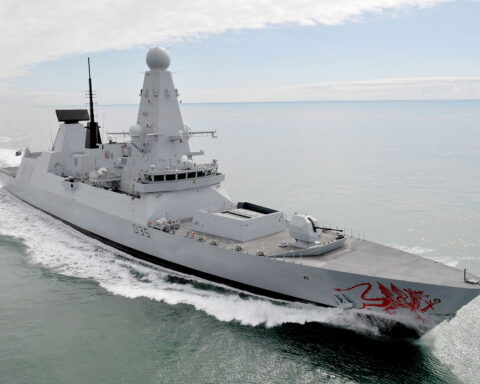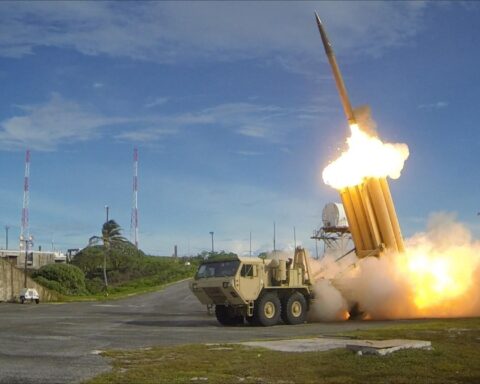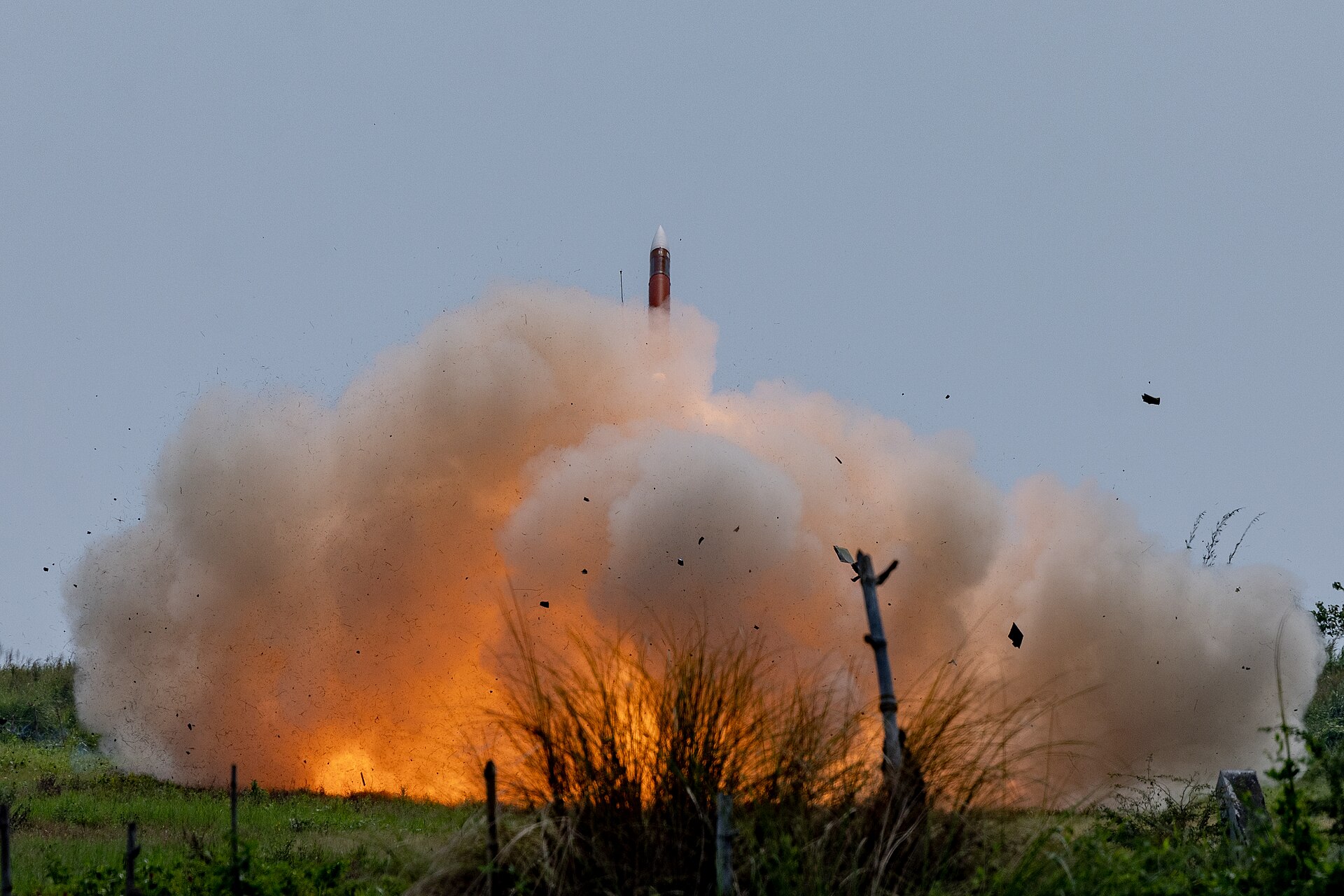

RIYADH — Twenty-six days of war between the United States, Israel, and Iran have triggered the sharpest surge in global defense spending since the collapse of the Soviet Union. From Riyadh to Berlin, Tokyo to Ankara, governments are racing to buy weapons, expand arsenals, and build domestic arms industries at a pace not seen in a generation. Global defense expenditure reached $2.63 trillion in 2025 and is accelerating into 2026, according to the International Institute for Strategic Studies, with the Iran war adding an estimated $200 billion in emergency Pentagon spending alone. Saudi Arabia — the world’s largest arms importer and the country most directly threatened by Iranian missiles and drones — sits at the epicentre of a rearmament wave that is reshaping alliances, enriching defense contractors, and depleting the very stockpiles that were supposed to keep the peace.
Table of Contents
- How Much Has Global Defense Spending Risen Since the Iran War Began?
- What Is Driving the Global Rearmament?
- The Interceptor Famine — Running Out of Missiles in the Middle of a War
- Saudi Arabia’s Transformation From Buyer to Builder
- Can Europe Rearm Fast Enough to Fill the Gap?
- Asia’s Parallel Arms Race
- The Defense Industry’s $200 Billion Windfall
- Why Is the United States Running Out of Weapons?
- The New Arms Suppliers — Ukraine, Turkey, and South Korea
- The Global Rearmament Acceleration Index
- What Does the Arms Race Mean for Saudi Arabia?
- Rearmament May Be the Biggest Threat to the Peace That Follows
- Frequently Asked Questions
How Much Has Global Defense Spending Risen Since the Iran War Began?
Global defense spending has risen by approximately 6 percent in real terms since the start of the Iran war on 28 February 2026, driven by emergency supplemental budgets, accelerated procurement orders, and the largest shift in NATO spending commitments in the alliance’s history. The United States alone has requested an additional $200 billion from Congress to fund operations against Iran, according to Pentagon budget documents submitted in March 2026. That figure dwarfs the cost of the air campaign itself and is designed to replenish munitions stocks, accelerate production lines, and fund what Defense Secretary Pete Hegseth described as a war with “no timeframe” for ending.
The numbers tell the story of a world rearming at speed. Global military expenditure reached $2.63 trillion in 2025, up from $2.48 trillion the previous year — a 2.5 percent real-terms increase that marked the tenth consecutive year of growth, according to IISS data. Europe drove much of that increase, with military budgets surging 13 percent in real terms across the continent, accounting for 21 percent of worldwide defense spending. The Middle East, which was already the fastest-growing defense market before the war began, has accelerated further still.
Saudi Arabia’s defense budget, already among the world’s largest at approximately $80 billion annually, has expanded through emergency procurement channels. The Kingdom secured $9 billion in Patriot missile systems and $3 billion in F-15 sustainment from the United States in January 2026 alone, according to the Defense Security Cooperation Agency. The World Defense Show in Riyadh, held just weeks before the war began, concluded with $8.8 billion in contracts across 60 procurement agreements — a record that now appears modest against the scale of wartime purchasing.
For context, the combined additional defense spending announced or committed by the United States, NATO allies, Gulf states, and Indo-Pacific nations since February 2026 exceeds $400 billion — more than the entire annual military budget of China.
What Is Driving the Global Rearmament?
Three interlocking forces are driving the global defense spending surge, and all three have been amplified by the Iran war. The first is the depletion of existing stockpiles. Twenty-six days of sustained combat in the Middle East have consumed air defense interceptors, precision-guided munitions, and cruise missiles at rates that exceed Cold War planning assumptions. The Heritage Foundation warned in January 2026 that high-end interceptors such as SM-3, SM-6, PAC-3 MSE, and THAAD would likely be “exhausted within days of sustained combat” — a prediction that has proved disturbingly accurate.
The second force is the demonstration effect. The Iran war has shown every government on earth what modern peer-level conflict looks like: cheap drones overwhelming expensive air defenses, ballistic missiles threatening civilian infrastructure hundreds of kilometres from the front line, and maritime chokepoints shutting down global trade. Countries that believed they were adequately armed have been forced to recalibrate. Japan, which watched the economic cost of the Hormuz closure ripple through its energy-dependent economy, has accelerated its five-year defense build-up plan. Taiwan, studying how Iranian drones penetrated Saudi and Emirati air defenses, has pushed its defense budget above 3 percent of GDP for the first time since 2009.
The third force is the collapse of the assumption that American military power would always be available to protect allies. The Iran war has consumed an enormous share of US military capacity — aircraft carriers, air wings, interceptor stocks, intelligence assets — and the deployment of 1,000 soldiers from the 82nd Airborne Division to the Gulf in March 2026 signals a commitment that could last years. Allies in Europe and Asia are drawing the obvious conclusion: if the United States is occupied in the Middle East, they must be prepared to defend themselves.
The Interceptor Famine — Running Out of Missiles in the Middle of a War
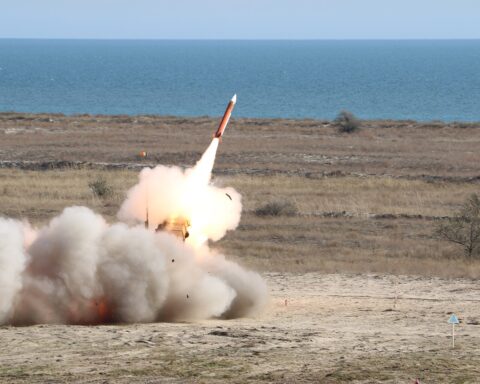
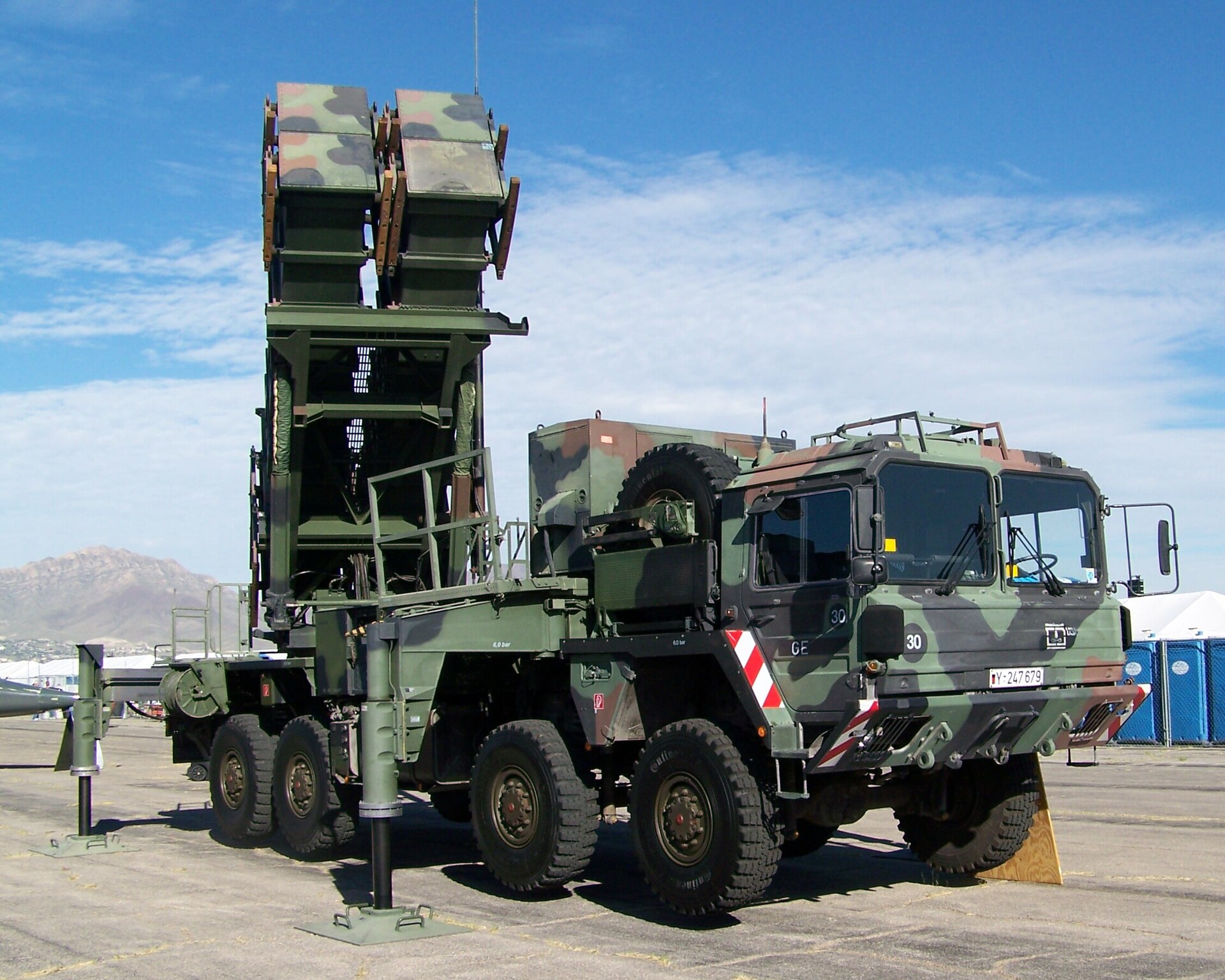
The most immediate crisis in the global rearmament surge is the shortage of air defense interceptors. Saudi Arabia’s air defense war over its Eastern Province and Riyadh has consumed Patriot PAC-3 MSE missiles at an unprecedented rate. Each interceptor costs between $4 million and $12 million. Iran’s Shahed-136 attack drones, which arrive in swarms of dozens, cost an estimated $20,000 to $50,000 each. The mathematics of attrition favour the attacker by a ratio of at least eighty to one.
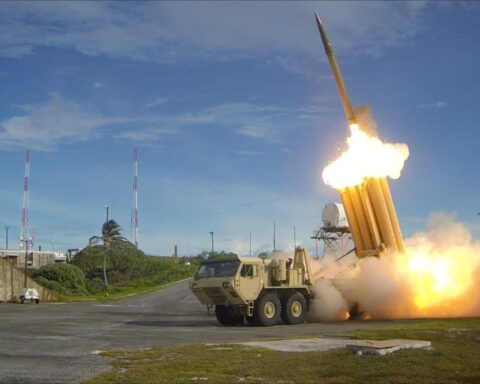
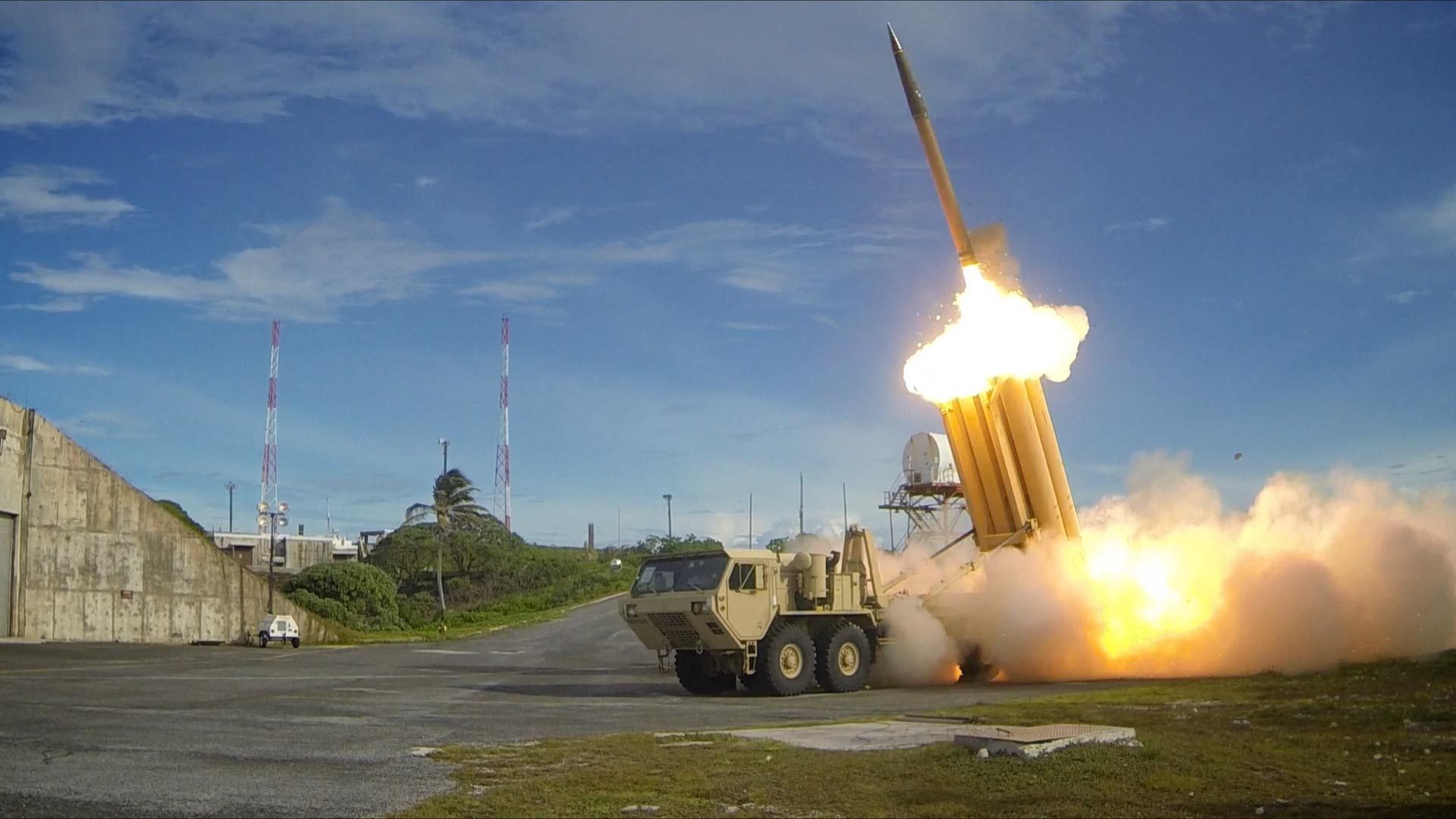
As of December 2025, the Missile Defense Agency’s inventory stood at 414 SM-3 interceptors and 534 THAAD interceptors, according to Congressional Research Service data. Estimates published by the Center for Strategic and International Studies suggest that 20 to 50 percent of the entire US THAAD inventory may have been expended in the first four weeks of the Iran war. A backlog of 100 THAAD missiles — interceptors procured between fiscal years 2021 and 2024 — have not yet been delivered, and no new THAAD deliveries are expected until April 2027, according to Breaking Defense.
| System | Pre-War Inventory (Est.) | Annual Production (2025) | Target Production | Delivery Gap |
|---|---|---|---|---|
| PAC-3 MSE (Patriot) | ~3,500 globally | 620 units | 2,000/year by 2030 | 5-7 years to full rate |
| THAAD | 534 (US only) | ~48 units | Not disclosed | Backlog until April 2027 |
| SM-3 (Aegis) | 414 (US only) | ~36 units | Not disclosed | Multi-year backlog |
| SM-6 | Classified | ~125 units | Not disclosed | Competing demand from Navy |
| Iron Dome (Tamir) | ~10,000 (Israel) | ~2,000 units | Surge production | Israeli domestic priority |
Lockheed Martin, which produces the PAC-3 MSE, manufactured 620 interceptors in 2025 and approximately 500 in 2024. The company signed a seven-year contract with the US government in January 2026 to produce approximately 2,000 PAC-3 missiles per year — but that production rate will not be reached for several years. In the interim, every missile fired over Riyadh or Abu Dhabi is one fewer available for the defence of Seoul, Taipei, or NATO’s eastern flank.
The interceptor shortage has created a secondary crisis: a global queue. Saudi Arabia, the UAE, Japan, South Korea, Taiwan, Poland, Romania, and Germany are all competing for the same limited production slots. Washington’s decision to rush $16 billion in arms to the Gulf, bypassing normal Congressional review, has pushed other allies further down the waiting list and fuelled resentment in European capitals.
Saudi Arabia’s Transformation From Buyer to Builder
The war has accelerated what may prove to be the most consequential shift in Saudi Arabia’s defense posture since the Kingdom began purchasing American weapons in the 1960s: the pivot from arms importer to arms manufacturer. Saudi Arabian Military Industries (SAMI), a subsidiary of the Public Investment Fund established in 2017, has moved from aspiration to urgency in the space of four weeks.
At the World Defense Show 2026 in Riyadh, held from 8 to 12 February, SAMI unveiled a slate of new subsidiaries and industrial projects: SAMI Land Co., SAMI Autonomous Co., the SAMI Land Industrial Complex, and the HEET indigenous armoured vehicle programme. The exhibition generated 220 agreements, including 93 government-to-government deals and 127 corporate partnerships, and attracted 1,486 exhibitors from 89 countries. The total value of contracts signed reached 33 billion riyals — approximately $8.8 billion.
The General Authority for Military Industries (GAMI), which regulates Saudi Arabia’s defense sector, reported that the localisation rate of military spending reached 24.89 percent by the end of 2024. The target is to exceed 50 percent by 2030 — a goal that would channel tens of billions of dollars into domestic manufacturing, research and development, and high-skilled employment. GAMI signed memoranda of understanding with General Electric and Airbus Defence and Space at the World Defense Show, expanding technology transfer arrangements that are designed to build indigenous capability rather than perpetual dependence.
The war has given this ambition a new urgency. The vulnerability exposed by decades of reliance on foreign suppliers — the waiting lists, the Congressional conditions, the diplomatic leverage that comes with dependency — has become intolerable in a shooting war. SAMI’s chief executive has stated publicly that the company aims to rank among the world’s top 25 defence firms by 2030. Before the war, that sounded aspirational. After 26 days of watching American production lines struggle to keep pace with Iranian drone swarms, it sounds like a survival strategy.
Can Europe Rearm Fast Enough to Fill the Gap?
Europe’s defense spending trajectory was already steep before the Iran war began. European military budgets surged 13 percent in real terms in 2025, and defense investment reached a record high of 106 billion euros — up 42 percent from 2023, according to NATO data. But the war has added a new dimension to European rearmament: the fear that American attention and resources are being permanently redirected to the Middle East.
France increased its 2026 defence allocation to 68.5 billion euros, or 2.25 percent of GDP. Germany’s defense budget is projected to reach 117.2 billion euros in 2026. The Netherlands will spend 27 billion euros on defense this year. At the NATO Summit in The Hague, allies agreed on a new benchmark of at least 3.5 percent of GDP for core defense spending, with a commitment to reach 5 percent by 2035 — a target that would push European military spending to approximately 800 billion euros per year by the end of the decade.
The Iran war has specifically accelerated European investment in three areas. First, air and missile defense, where the European Sky Shield Initiative — a consortium led by Germany — is procuring Patriot, IRIS-T, and Arrow systems to defend against the kind of ballistic missile and drone threats that Iran has demonstrated. Second, naval capabilities, where Britain has committed to leading a mine-clearing coalition through the Strait of Hormuz. Third, expeditionary capacity, where France and the United Kingdom have deployed military assets to the Gulf in support of Saudi Arabia and other allies.
The question is whether European industrial capacity can match political ambition. Rheinmetall, MBDA, Leonardo, and BAE Systems are all expanding production, but defense manufacturing requires years of investment in tooling, supply chains, and skilled labour. The same bottlenecks that constrain American producers — shortages of solid rocket motors, specialized electronics, and rare-earth materials — affect European manufacturers as well. Only three NATO allies (Latvia, Lithuania, and Poland) currently meet the 3.5 percent spending target, and most European defense budgets remain heavily committed to personnel costs rather than procurement.
Asia’s Parallel Arms Race
The Iran war is fuelling a rearmament surge in the Indo-Pacific that has little to do with Iran and everything to do with China. Japan, South Korea, and Taiwan have each accelerated defense spending in 2026, driven by the same calculation: if American forces are committed to the Middle East for an extended campaign, the balance of power in the Western Pacific shifts in Beijing’s favour.
Japan’s fiscal 2026 defense budget rose 9.4 percent to approximately $57 billion, the fourth consecutive year of its five-year plan to double annual military spending to 2 percent of GDP. Under this trajectory, Japan is expected to become the world’s third-largest defense spender after the United States and China. Tokyo has specifically accelerated investment in missile defence coverage for the Nansei Islands and plans to spend 100 billion yen ($640 million) on deploying unmanned aerial, surface, and underwater drones for surveillance and coastal defence, according to PBS reporting on the approved budget.
Taiwan has pushed its 2026 defense budget to 3.32 percent of GDP — the first time spending has exceeded 3 percent since 2009, according to The Diplomat. The increase is focused on asymmetric defence capabilities: anti-ship missiles, coastal defense systems, and the kind of drone technologies that Iran has used to devastating effect in the Gulf. South Korea’s defense budget has reached approximately $47 billion (66.3 trillion won), with particular emphasis on layered air defence systems modelled on Israeli architecture.
| Country | 2025 Budget | 2026 Budget | % Change | Key Focus Areas |
|---|---|---|---|---|
| Japan | $52.2 billion | $57.0 billion | +9.4% | Missile defence, drones, long-range strike |
| South Korea | $44.8 billion | $47.0 billion | +4.9% | Layered air defence, naval expansion |
| Taiwan | $19.2 billion | $21.5 billion (est.) | +12% | Anti-ship missiles, drones, coastal defence |
| Australia | $38.3 billion | $41.0 billion (est.) | +7% | AUKUS submarines, long-range missiles |
| India | $72.6 billion | $78.0 billion (est.) | +7.4% | Air defence, naval escorts, domestic production |
The parallel arms race in Asia represents a structural shift rather than a temporary spike. Defence analysts at the Australian Strategic Policy Institute have argued that Japan, South Korea, and Taiwan each need to spend 5 percent of GDP on defence to match China’s growing military capabilities — a level that would double or triple current budgets. The Iran war has made that argument politically viable in ways that peacetime advocacy never could.
The Defense Industry’s $200 Billion Windfall
Since the first Tomahawk cruise missiles struck Iranian targets on 28 February 2026, the combined market capitalisation of America’s five largest defence contractors has surged by more than $200 billion. Wall Street has been the Iran war’s most obvious winner, and the numbers are extraordinary even by the standards of wartime profiteering.
RTX Corporation — formerly Raytheon, the manufacturer of the Patriot missile system that has become the most consumed weapon of the war — reached an all-time high of $214.50 per share on 3 March 2026, giving the company a market capitalisation of approximately $285 billion. That represents a 68 percent gain over the prior twelve months, according to Bloomberg data. Lockheed Martin, which produces the PAC-3 interceptor, the F-35 fighter jet, and the THAAD system, trades at roughly $660 per share — a 35 percent gain year-to-date. General Dynamics has climbed 33 percent to a market cap of $94.75 billion. Even Boeing, which entered 2026 under a cloud of safety scandals, has risen 5 percent on the strength of its defence division alone.
A White House meeting in early March 2026, attended by the chief executives of RTX, Lockheed Martin, Boeing, Northrop Grumman, BAE Systems, L3Harris, and Honeywell Aerospace, resulted in an agreement to “quadruple production” of what officials described as “exquisite class” weaponry, according to multiple reports cited by Air and Space Forces Magazine. The analyst consensus, as reported by Yahoo Finance, is that war-driven demand will sustain elevated revenue for the defence sector through at least 2030.
The Iran war has accomplished in four weeks what two decades of threat briefings and think-tank reports could not: it has made defence spending politically untouchable in every major Western capital and most Asian ones.Defence analyst assessment, IISS Military Balance 2026
European defence stocks have followed the American pattern. Rheinmetall, the German ammunition and armoured vehicle manufacturer, has seen its share price roughly triple since mid-2024. BAE Systems, Leonardo, and Thales have all reached multi-year highs. The Euronext defence index has outperformed every other sector in European equities since the war began.
Why Is the United States Running Out of Weapons?
The United States spends more on defence than the next ten countries combined, yet the Iran war has exposed a paradox at the heart of American military power: the world’s most expensive arsenal is running out of the weapons it needs most. The Pentagon’s $200 billion supplemental budget request is not a sign of strength. It is an admission that three decades of post-Cold War procurement decisions — favouring small numbers of exquisite, expensive weapons over large stockpiles of adequate ones — have left the world’s largest military dangerously short of missiles, interceptors, and precision munitions.
The roots of the crisis predate the Iran war by decades. After the Cold War ended, the United States cut production lines for many conventional weapons systems on the assumption that future conflicts would be short, decisive, and fought against technologically inferior adversaries. The “just-in-time” approach to defence manufacturing — borrowed from commercial supply chains — meant that stockpiles were kept deliberately low. Lockheed Martin’s PAC-3 MSE production line, the most important single weapons production facility for the Iran war, produced just 620 interceptors in 2025. At the rate Saudi Arabia, the UAE, and US forces in the Gulf are consuming Patriot interceptors, that annual production would be exhausted in a matter of weeks.
The problem extends beyond missiles. Tomahawk cruise missiles, which have been the primary strike weapon against Iranian targets, are produced at a rate of approximately 100 per year. Joint Direct Attack Munitions (JDAMs), the GPS-guided bomb kits that transform conventional bombs into precision weapons, are produced at approximately 30,000 per year — a rate that seemed adequate until sustained combat demonstrated otherwise. Solid rocket motors, the propulsion systems that power most American missiles, are manufactured by only two companies in the United States, both of which are operating at capacity.
China is watching. Multiple analysts cited by Asia Times have noted that Beijing’s strategic calculus in the Taiwan Strait is directly affected by the depletion of American munitions stocks in the Gulf. Every SM-3 interceptor fired at an Iranian ballistic missile over the Gulf is one fewer available to defend against Chinese DF-21 anti-ship missiles in the Western Pacific. The Iran war has not created this vulnerability — decades of underinvestment did — but it has made it visible and urgent.
The New Arms Suppliers — Ukraine, Turkey, and South Korea
The global interceptor shortage and the bottlenecks in American and European production have created an opening for new arms suppliers that would have been unthinkable two years ago. Ukraine, Turkey, and South Korea have emerged as the most significant beneficiaries of the rearmament wave, each offering weapons systems that are available faster, cheaper, or in larger quantities than Western alternatives.
Ukraine’s entry into the Gulf arms market is the most dramatic example. A Saudi Arabian arms company signed a deal in March 2026 to purchase Ukrainian-made interceptor missiles, and Kyiv and Riyadh are negotiating a separate “huge deal” for additional weapons, according to the Kyiv Independent. The agreement marks a break in the decades-long Western monopoly on weapons sales to the Gulf. Ukraine’s appeal is straightforward: its defence industry has been battle-tested against Russian drones and missiles for four years, its products are proven in the kind of attrition warfare that characterises the Iran conflict, and it can deliver faster than American manufacturers because it has been on a war footing since 2022.
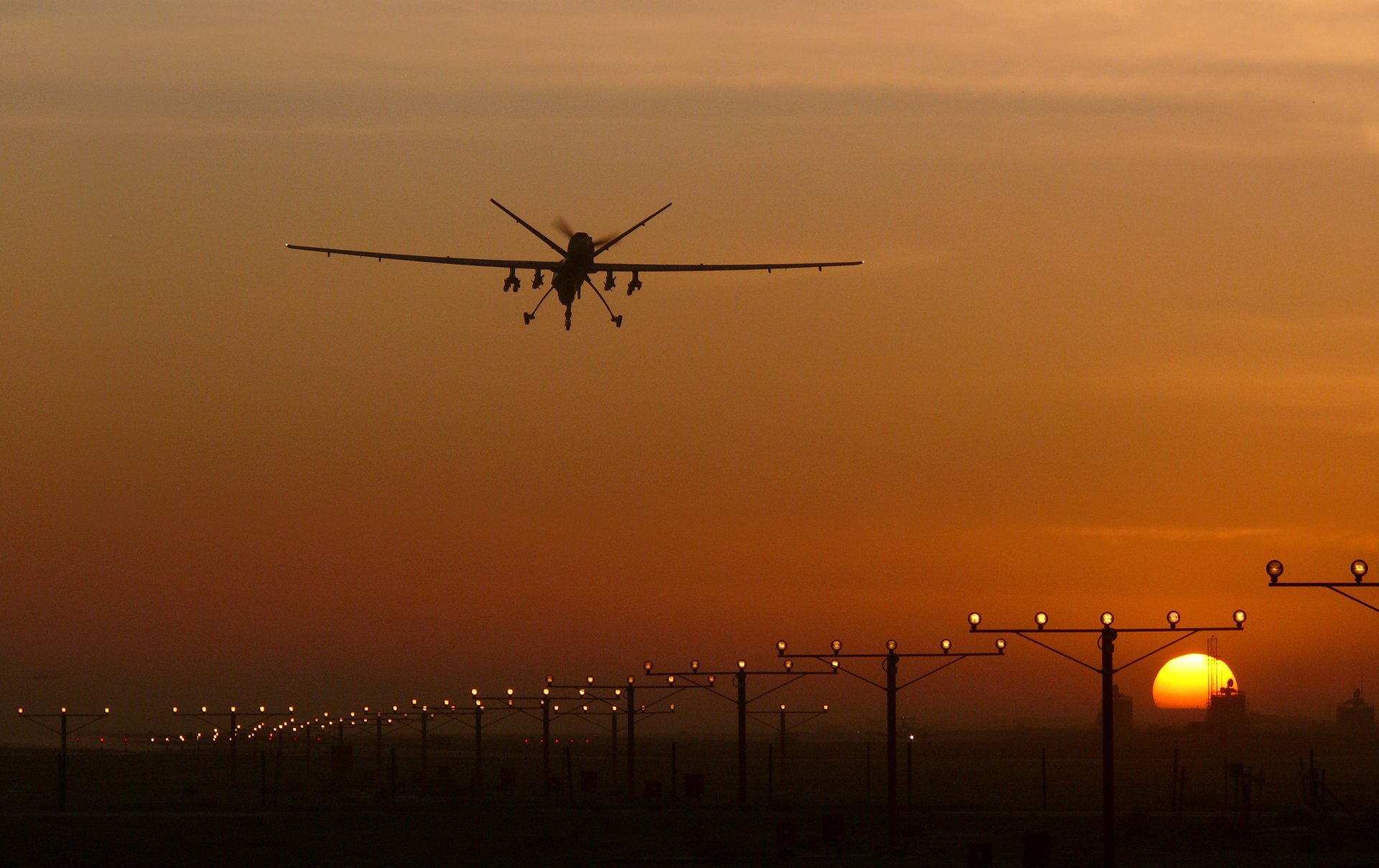
Turkey has positioned itself as a drone superpower. The Bayraktar Akinci, Turkey’s most advanced combat drone, has been marketed aggressively to Gulf buyers, and Saudi Arabia signed an agreement for the system at the World Defense Show 2026. Turkey’s defence exports reached $5.5 billion in 2025, and the Iran war has expanded the market for Turkish unmanned systems across the Middle East, Central Asia, and Africa.
South Korea has emerged as a major conventional arms exporter, selling K2 main battle tanks to Poland, K9 self-propelled howitzers to multiple NATO members, and KF-21 fighter jets to Southeast Asian buyers. The Korean defence industry’s advantage is scale: Hanwha Defense and Korea Aerospace Industries can produce weapons systems at volumes that European manufacturers cannot match, at price points significantly below American equivalents. The Iran war has amplified demand for Korean air defence and artillery systems, particularly in the Gulf and South Asia.
| Country | Key Systems | Gulf Buyers | Competitive Advantage |
|---|---|---|---|
| Ukraine | Interceptor missiles, counter-drone systems, radar | Saudi Arabia | Battle-tested, fast delivery, cost-effective |
| Turkey | Bayraktar Akinci, TB2 drones, naval corvettes | Saudi Arabia, UAE, Qatar | Drone expertise, no political conditions |
| South Korea | K2 tanks, K9 howitzers, KF-21 jets, Cheongung SAM | Saudi Arabia (in negotiation), UAE | Scale production, competitive pricing |
| India | BrahMos missiles, Akash SAM, naval vessels | UAE, Oman | Emerging exporter, regional proximity |
| Brazil | ASTROS rocket launcher systems | Saudi Arabia (existing customer) | Established relationship, no sanctions risk |
The Global Rearmament Acceleration Index
Measuring the speed and depth of the current rearmament requires a framework that goes beyond simple spending figures. Defence budgets reflect political commitments, but they do not capture the full picture of how quickly a country is arming, how diverse its sources are, or how resilient its supply chains have become. The following index scores each major region across four dimensions: spending urgency (the rate of budget increase), procurement diversification (the number of supplier countries), domestic production capability (the share of weapons manufactured locally), and stockpile adequacy (the ratio of reserves to consumption rates).
| Region/Country | Spending Urgency (1-10) | Procurement Diversification (1-10) | Domestic Production (1-10) | Stockpile Adequacy (1-10) | Composite Score |
|---|---|---|---|---|---|
| Gulf States (Saudi, UAE, Kuwait, Bahrain) | 10 | 8 | 4 | 3 | 6.3 |
| United States | 9 | 2 | 9 | 4 | 6.0 |
| Europe (NATO) | 8 | 6 | 7 | 5 | 6.5 |
| Japan | 8 | 5 | 6 | 6 | 6.3 |
| South Korea | 7 | 4 | 8 | 7 | 6.5 |
| Taiwan | 9 | 3 | 5 | 5 | 5.5 |
| India | 7 | 8 | 5 | 6 | 6.5 |
| Israel | 10 | 3 | 9 | 5 | 6.8 |
The index reveals several patterns that raw spending figures obscure. The Gulf states score highest on spending urgency — they are buying weapons faster than any other region — but lowest on stockpile adequacy and domestic production, reflecting the structural vulnerability that the war has exposed. South Korea and Israel score highest overall because they combine high domestic production capacity with adequate reserves and diversified procurement. The United States scores poorly on procurement diversification (it relies almost entirely on domestic production, which is bottlenecked) and stockpile adequacy (reserves are being depleted faster than they can be replenished).
The most critical insight from the index is the gap between spending urgency and stockpile adequacy. Every major actor is spending more, but almost none are replenishing stocks fast enough to keep pace with consumption. Defence manufacturing is not a tap that can be turned on overnight. Production lines require years of investment, skilled workers take time to train, and supply chains for components like solid rocket motors and rare-earth magnets are concentrated in a handful of factories worldwide — some of them in China.
What Does the Arms Race Mean for Saudi Arabia?
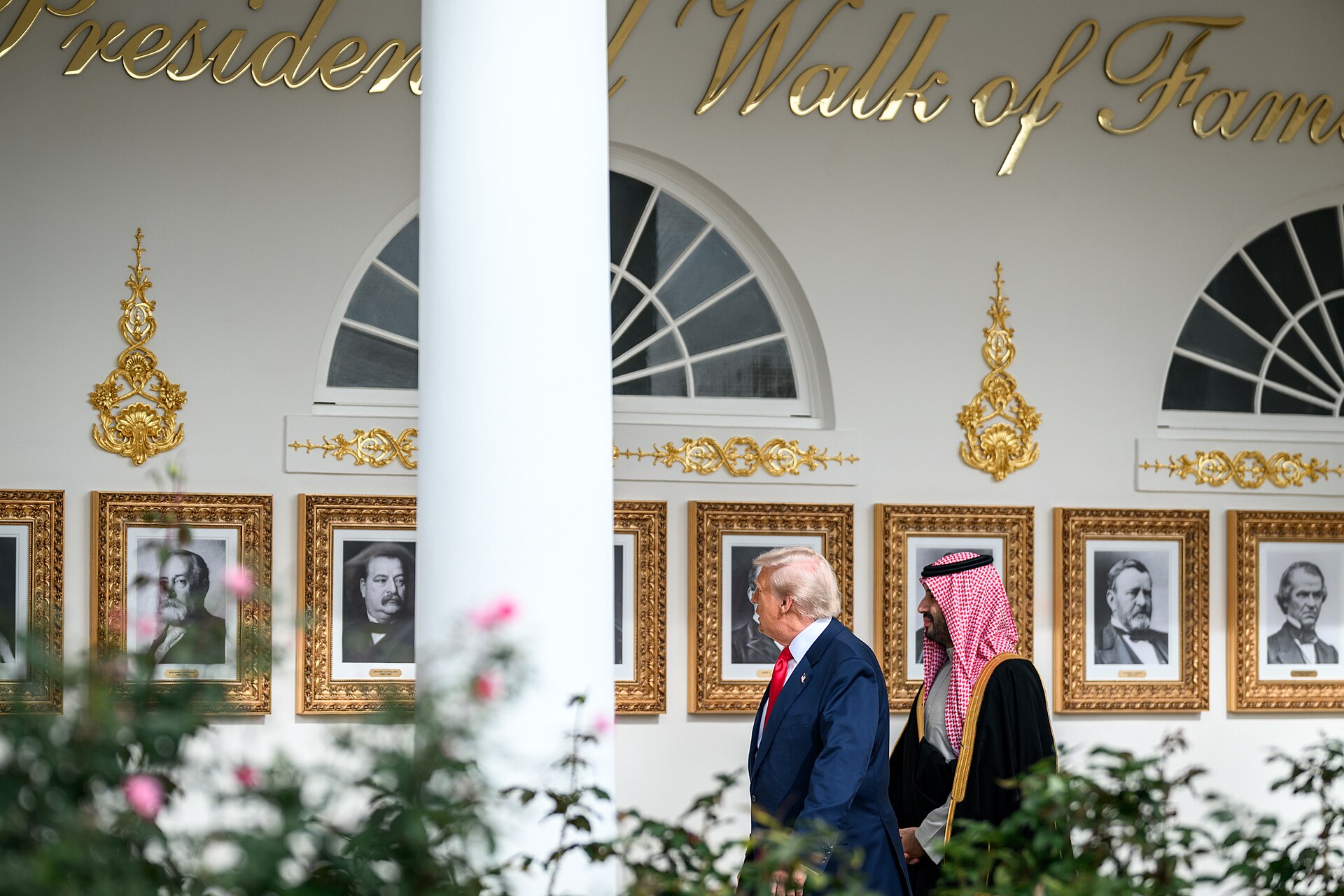
For Crown Prince Mohammed bin Salman, the global rearmament wave represents both Saudi Arabia’s greatest vulnerability and its most significant strategic opportunity. The vulnerability is obvious: as the world’s largest arms importer, Saudi Arabia is dependent on foreign suppliers for virtually every advanced weapon system in its arsenal. The Patriot batteries defending Riyadh were built in the United States. The Eurofighter Typhoons in the Royal Saudi Air Force were built in Europe. The maintenance contracts, spare parts, and ammunition resupply all flow through foreign channels that can be interrupted by politics, logistics, or competing demand.
The opportunity is less obvious but potentially more consequential. The Iran war has demonstrated that the current model of Gulf defence procurement — buying finished weapons from Western manufacturers at premium prices, with strings attached — is broken. The global interceptor shortage means that Saudi Arabia cannot simply buy its way to security. It must build. The Public Investment Fund’s pivot from megaproject investment to strategic procurement reflects this reality. SAMI’s expansion into autonomous systems, land vehicles, and missiles is not a Vision 2030 vanity project. It is a wartime necessity.
Saudi Arabia’s localization target of 50 percent of military spending by 2030 would represent a transformation of the Kingdom’s industrial base. At current spending levels, that target implies approximately $40 billion per year flowing into domestic defence manufacturing — enough to build a defence industrial sector comparable in scale to those of South Korea or Israel. The partnerships signed at the World Defense Show 2026 — with General Electric, Airbus, and dozens of smaller technology transfer agreements — are the foundations of this transformation.
The risk for Saudi Arabia is that the rearmament wave passes before its domestic industry matures. If the Iran war ends quickly and defence spending plateaus, the political and economic pressure to sustain a costly localisation programme will diminish. The window for building a world-class defence industry is measured in years, not decades, and it requires sustained commitment through peacetime as well as war. The financial capacity to sustain this investment depends on SAMA’s $475 billion reserve fortress and the PIF’s wartime portfolio pivot, both of which face unprecedented stress from a conflict that costs $150-250 million per day in interceptor ammunition alone.
Rearmament May Be the Biggest Threat to the Peace That Follows
The conventional wisdom holds that rearmament makes the world safer. More weapons mean more deterrence. Stronger defences mean fewer attacks. A well-armed Middle East, in this view, would be a more stable one. The evidence from the current arms race suggests the opposite.
The Iran war itself is a product of the previous generation’s arms build-up. Iran’s missile and drone programmes, built over two decades of sanctions-era improvisation, gave Tehran the capability to strike every Gulf state simultaneously — a capability that made the current war possible. The US-Saudi arms relationship, which has transferred more than $142 billion in weapons to the Kingdom over the past decade, gave Saudi Arabia a defensive capability that created the illusion of invulnerability — an illusion that Iran’s attack shattered on 28 February.
The rearmament now underway will arm the next generation of adversaries and create the conditions for the next war. Saudi Arabia’s domestic defence industry, once mature, will produce weapons that can be exported to allies — and potentially captured by enemies. Ukraine’s entry into the Gulf arms market, driven by the immediate need to finance its own war, introduces a new supplier with weak export controls and an urgent need for revenue. Turkey’s drone exports have already proliferated across the Middle East and Africa, fuelling conflicts from Libya to Ethiopia.
The deepest risk is the one that receives the least attention: the rearmament wave is eliminating the cost barrier to future conflict. When every Gulf state possesses large stockpiles of interceptors, drones, and precision munitions — when the arsenals are full rather than depleted — the threshold for military action drops. Wars are easier to start when the weapons are already paid for and sitting in magazines. The peace that follows the Iran war will be more heavily armed than the peace that preceded it, and history suggests that is not a recipe for stability.
Saudi Arabia, which sits at the centre of both the rearmament wave and the ongoing conflict, faces this paradox most acutely. The Kingdom must arm itself to survive the current war. But the arms it acquires, and the industrial base it builds, will shape the strategic calculations of every neighbour, rival, and ally for decades to come. The question is not whether Saudi Arabia can afford to rearm. The question is whether it can afford the world that rearmament creates.
Frequently Asked Questions
How much has global defense spending increased since the Iran war started?
Global defense spending reached $2.63 trillion in 2025 and is rising sharply in 2026. The United States alone has requested an additional $200 billion for the Iran war, while European budgets have surged 13 percent in real terms. Gulf states, Japan, South Korea, and Taiwan have all announced emergency increases, pushing combined new commitments above $400 billion since the war began on 28 February 2026.
Why is there a global shortage of air defense interceptors?
Decades of post-Cold War underinvestment in production capacity left stockpiles dangerously low. The Iran war has consumed Patriot, THAAD, and SM-3 interceptors at rates far exceeding annual production. Lockheed Martin produced just 620 PAC-3 missiles in 2025, while THAAD deliveries face a backlog until April 2027. The Heritage Foundation warned that high-end interceptors could be “exhausted within days of sustained combat.”
What is Saudi Arabia doing to build its own defense industry?
Saudi Arabian Military Industries (SAMI) is expanding rapidly, launching new subsidiaries for land systems, autonomous vehicles, and indigenous armoured platforms. The General Authority for Military Industries (GAMI) reported that defense localisation reached 24.89 percent by the end of 2024, with a target of exceeding 50 percent by 2030. The World Defense Show 2026 generated $8.8 billion in contracts and 220 partnership agreements aimed at building domestic manufacturing capability.
Which countries are the biggest new arms suppliers emerging from the Iran war?
Ukraine, Turkey, and South Korea have emerged as the most significant new suppliers. Ukraine has signed deals to sell interceptor missiles to Saudi Arabia, Turkey is marketing its Bayraktar Akinci drones across the Gulf, and South Korea is exporting tanks, howitzers, and air defence systems at volumes Western manufacturers cannot match. These new suppliers are breaking the decades-long Western monopoly on Gulf arms sales.
Is the global arms race making the Middle East more dangerous?
The evidence suggests rearmament may increase rather than decrease the risk of future conflict. By eliminating the cost barrier to military action and proliferating advanced weapons across the region, the current arms race is creating conditions in which the next war becomes easier to start. Iran’s own missile and drone programmes, built during two decades of sanctions, gave Tehran the capability that made the current war possible — a pattern that could repeat with new actors and new weapons.