
RIYADH — The Iran war has sent oil prices past $120 a barrel for the first time since 2022, but the conflict may ultimately do more to end the oil age than any climate policy ever enacted. Fourteen days of Iranian missiles and drones targeting Gulf oil infrastructure have exposed the single greatest vulnerability of a fossil-fuel-dependent world: geography. The 31 percent of global seaborne oil trade now paralysed by the Strait of Hormuz closure dwarfs the 7 percent disrupted during the 1973 Arab oil embargo, and the response from Tokyo to Brussels to New Delhi is identical to every oil shock since 1973 — an urgent, panic-driven pivot toward alternatives.
The difference in 2026 is that the alternatives are already cheaper than oil. Solar photovoltaic power costs 41 percent less than the cheapest fossil fuel alternative, according to the International Renewable Energy Agency. Onshore wind is 53 percent cheaper. Battery storage costs have fallen 93 percent since 2010. For the first time in history, an oil crisis is striking a world where clean energy is not an aspiration but an economic reality. The Kingdom that derives 87 percent of its government revenue from oil faces an existential question that no amount of Vision 2030 planning anticipated: what happens when the war that should have made Saudi oil more valuable instead convinces the world it can no longer afford to depend on it?
Table of Contents
- What Has the Iran War Done to Global Oil Markets?
- The Vulnerability Problem Fossil Fuels Cannot Solve
- How Are Countries Responding to the Oil Shock?
- The 1973 Playbook and Why History Always Rhymes
- Is Renewable Energy Finally Cheaper Than Oil?
- The Nuclear Renaissance Nobody Predicted
- Why Is Saudi Arabia the Biggest Loser From Its Own Oil Windfall?
- The Energy Transition Acceleration Matrix
- Can Vision 2030 Survive Peak Oil Arriving Early?
- The Contrarian Case for Saudi Energy Dominance
- What Does NEOM Green Hydrogen Mean for Saudi Arabia’s Energy Future?
- The Skeptic’s Warning and the Counterarguments That Matter
- Frequently Asked Questions
What Has the Iran War Done to Global Oil Markets?
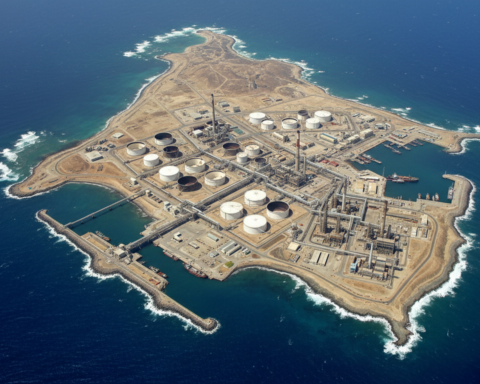
The Iran war triggered the largest oil supply disruption in recorded history. Gulf countries have collectively lost at least 8 million barrels per day of production capacity since the Strait of Hormuz closure on 1 March 2026, according to the International Energy Agency’s March 2026 Oil Market Report. Saudi Arabia alone cut production by approximately 2 million barrels per day, halting operations at the Safaniya and Zuluf offshore fields after Iranian drones struck Eastern Province infrastructure.
The price response was immediate and violent. Brent crude surged past $100 per barrel on 9 March — the first time since Russia’s invasion of Ukraine in 2022 — and briefly touched $119 per barrel during intraday trading before easing to approximately $92 per barrel after President Trump declared the campaign “very complete.” The IEA coordinated a record release of 400 million barrels from emergency strategic petroleum reserves across 32 member countries on 11 March, the largest coordinated reserve release in the agency’s history.
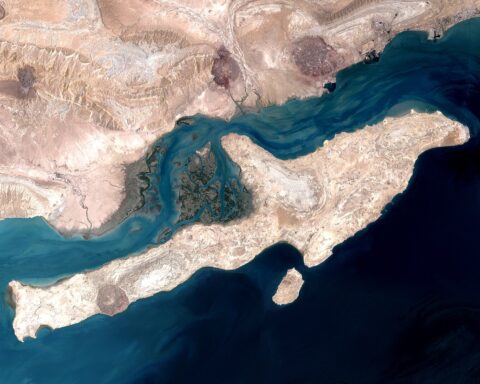
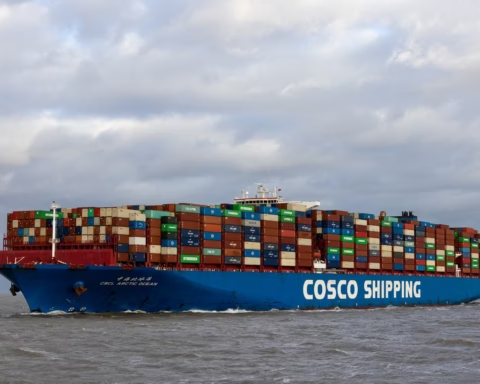
The disruption dwarfs every previous oil shock in both scale and speed. The Strait of Hormuz normally handles more than 16 million barrels of oil daily, according to Rystad Energy — a quarter of global seaborne oil trade and a fifth of the world’s liquefied natural gas supply. While Saudi Arabia and the UAE have diverted some crude through alternative pipelines — the East-West Pipeline to Yanbu on the Red Sea and Abu Dhabi’s pipeline to Fujairah — these routes leave a deficit of approximately 12 million barrels per day against normal Hormuz throughput.
| Crisis | Year | Seaborne Oil Disrupted | Price Spike | Duration |
|---|---|---|---|---|
| Arab Oil Embargo | 1973 | 7% | +300% | 6 months |
| Iranian Revolution | 1979 | ~4% | +150% | 12 months |
| Gulf War (Kuwait) | 1990 | ~9% | +130% | 7 months |
| Russia-Ukraine War | 2022 | ~5% | +65% | 8 months |
| Iran War / Hormuz Closure | 2026 | 31% | +45% (so far) | 14 days (ongoing) |
The IEA has already revised its 2026 global oil demand growth forecast downward by 210,000 barrels per day, projecting total demand growth of just 640,000 barrels per day. March and April consumption is expected to fall by an average of 1 million barrels per day as high prices destroy demand across Asia, Africa, and parts of Europe.
The Vulnerability Problem Fossil Fuels Cannot Solve
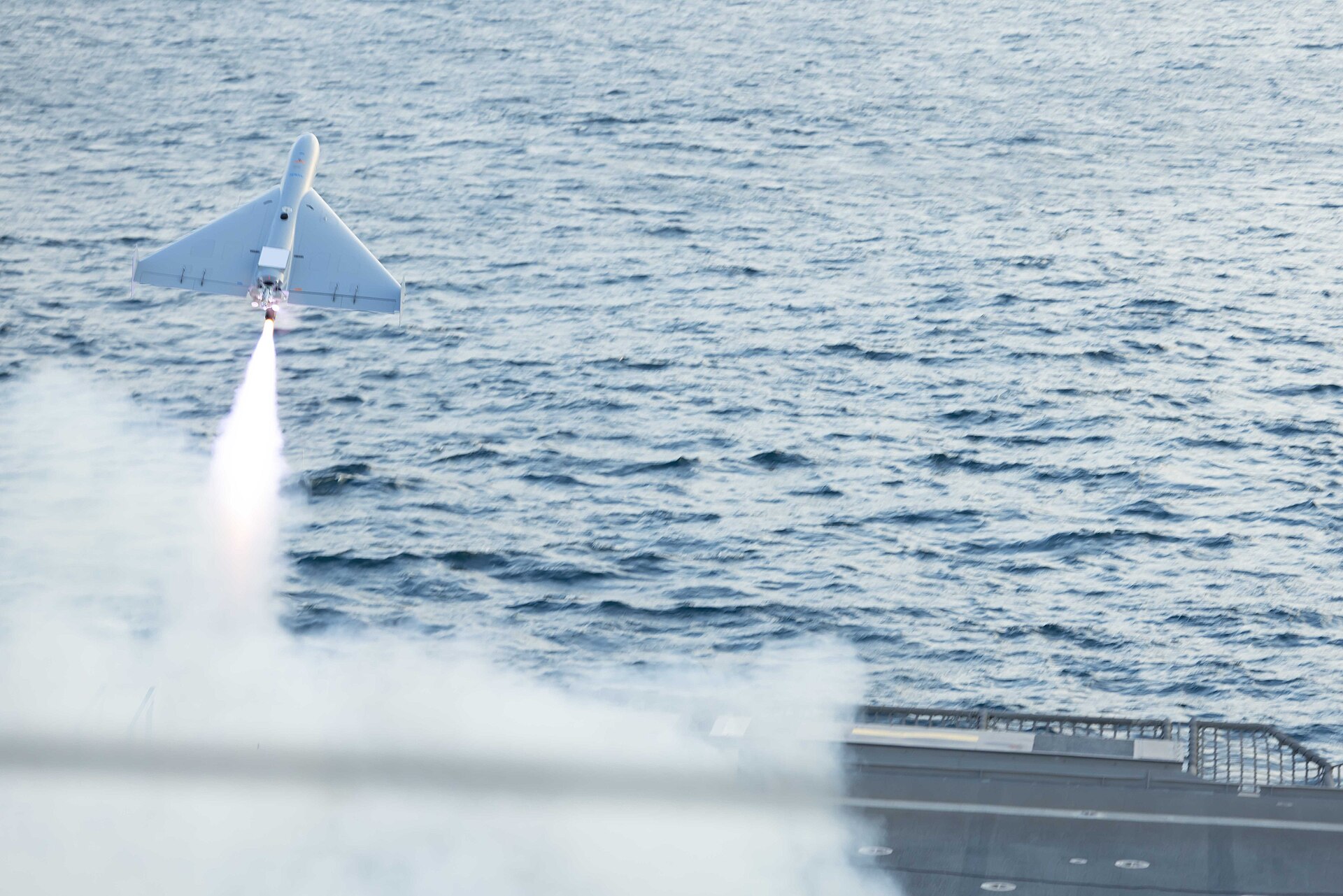
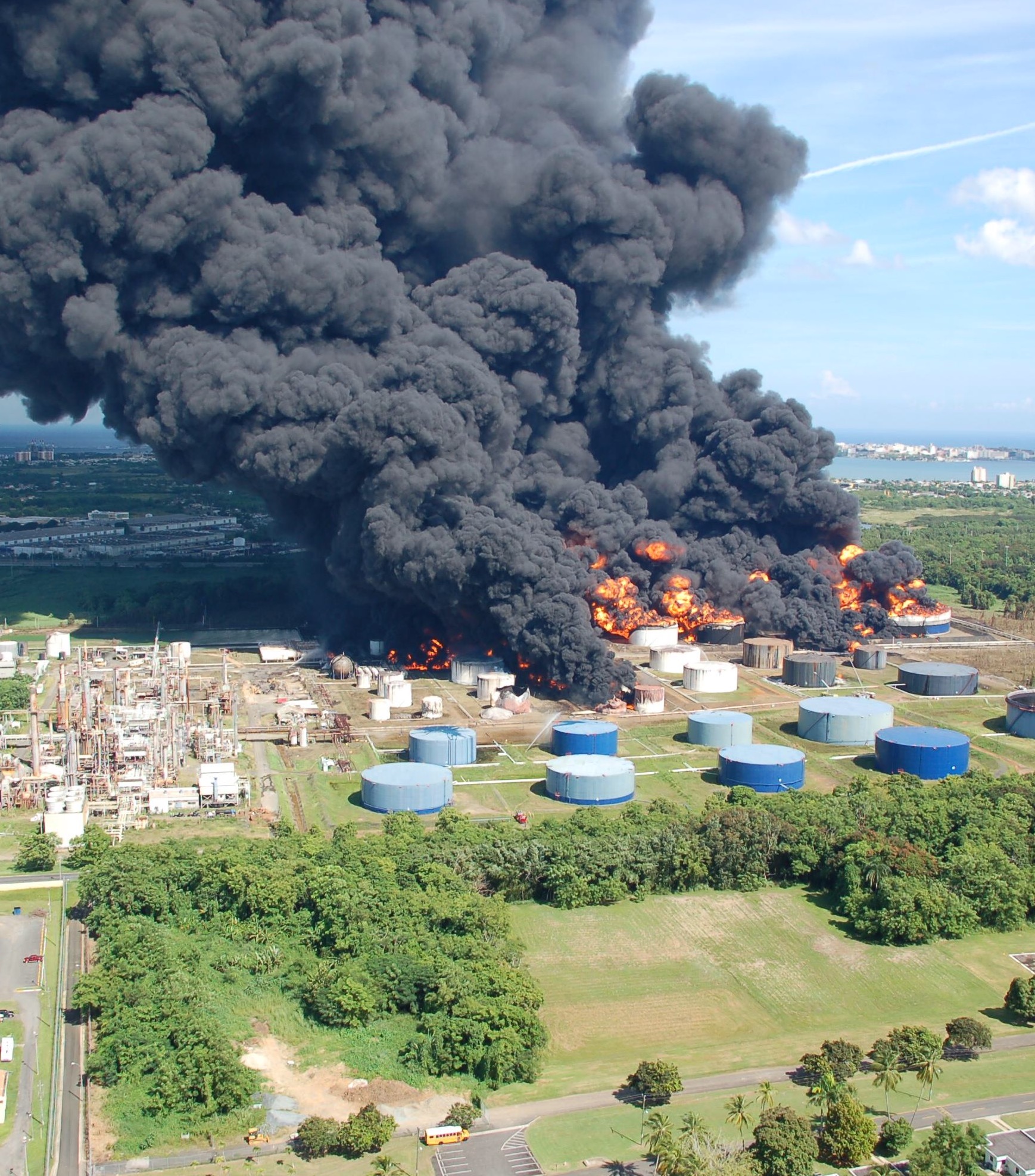
The strategic significance of the Hormuz closure extends far beyond the immediate price shock. It has exposed what energy security analysts have warned about for decades: the entire global fossil fuel supply chain depends on a handful of geographic chokepoints that cannot be defended against a determined adversary with relatively cheap weapons. Iran’s arsenal of Shahed-136 kamikaze drones — costing between $20,000 and $50,000 each — has demonstrated the ability to threaten oil terminals from Fujairah to Ras Tanura at a fraction of the cost of the air defense interceptors required to stop them.
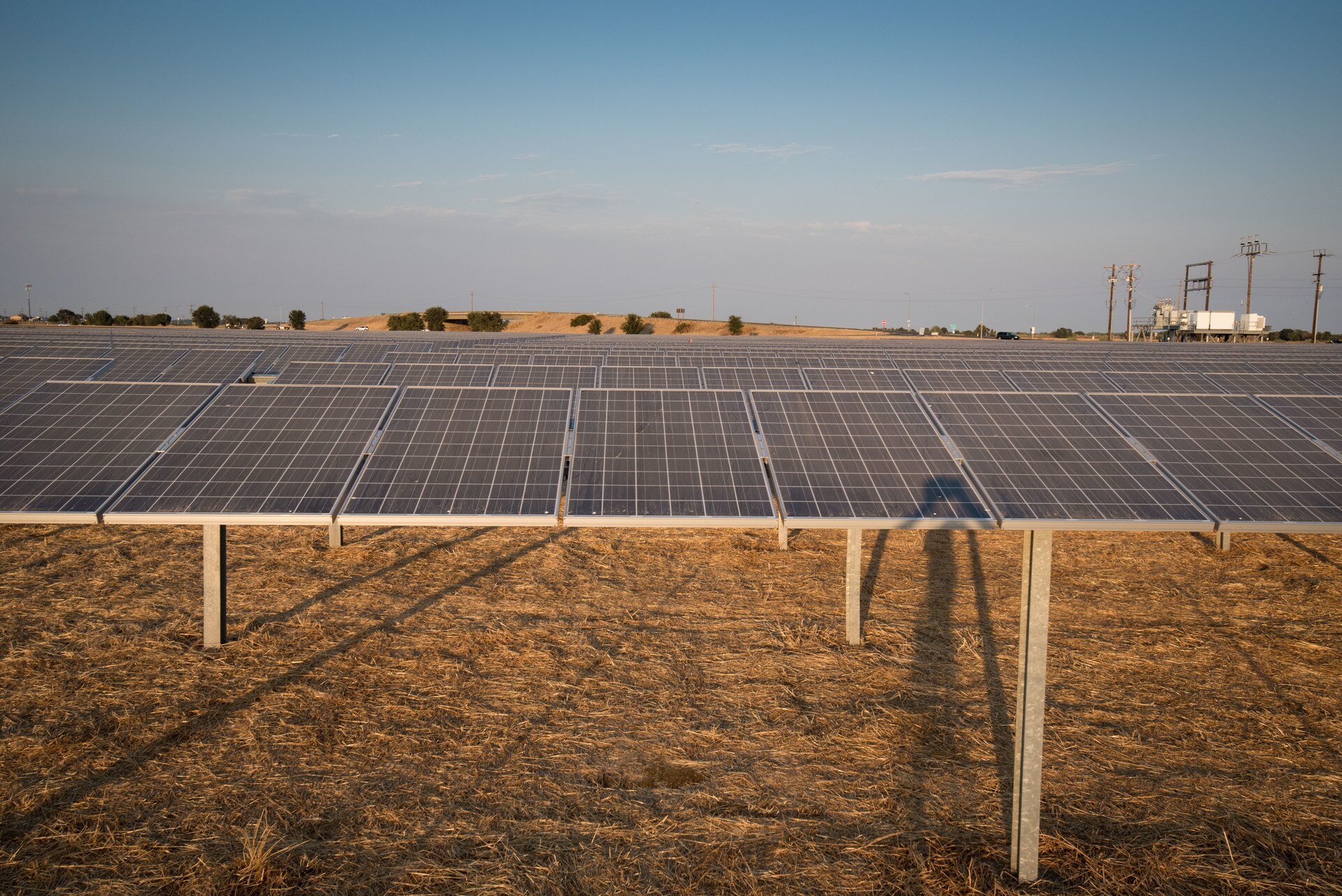
This is the argument that no amount of naval escorts or multinational warship coalitions can fully address. A solar panel on a rooftop in Stuttgart generates electricity regardless of who controls the Strait of Hormuz. A wind turbine off the coast of Jeju Island does not depend on whether Iranian mines are cleared from the Persian Gulf shipping lanes. No embargo on sunlight exists. No drone can close the strait to wind.
UN Secretary-General António Guterres made this point explicitly during a Ramadan solidarity visit to Turkey in March 2026, declaring that there are “no price spikes for sunlight and no embargoes on wind” and that “the fastest path to energy security is clear: speed up the transition away from fossil fuels.” Simon Stiell, the UN’s climate chief, reinforced the message, arguing that “fossil fuel dependence leaves economies, businesses, and markets at the mercy of conflicts” while renewables are “cheaper, safer, and faster-to-market.”
The vulnerability problem is structural, not temporary. Even if the Hormuz crisis resolves within weeks, the precedent is permanent. Every energy minister, every sovereign wealth fund manager, and every industrial planner in Asia and Europe has now watched 31 percent of global seaborne oil trade vanish in 72 hours. That risk premium will embed itself in energy planning decisions for decades, just as the 1973 embargo permanently altered French and Japanese energy policy. Iran’s March 18 strikes against Ras Laffan and Gulf refineries confirmed that the damage extends beyond route disruption to physical infrastructure destruction that will take years to repair.
How Are Countries Responding to the Oil Shock?
The response from energy-importing nations has been swift, varied, and in several cases transformative. South Korean President Lee Jae Myung declared the crisis “a good opportunity to swiftly and extensively transition to renewable energy,” announcing the accelerated restart of six nuclear reactors — two immediately, with four more expected by mid-May. Three 1,400-megawatt APR-1400 reactors under construction will be prioritised, with the Saeul 3 unit expected online by late 2026. Seoul has mobilised a $68.3 billion economic stabilisation fund that will include provisions for accelerated renewable and nuclear investment.
Japan, which depends on the Middle East for approximately 95 percent of its crude oil imports and holds only two to three weeks of LNG feedstock for power generation, has already taken decisive action. The restart of the Kashiwazaki-Kariwa nuclear plant — the world’s largest, shut since the Fukushima disaster in 2011 — on 9 February proved prescient. Its 1,356-megawatt Unit 6 can displace 1.3 million tonnes of LNG annually. Tokyo is now in urgent discussions with Australia about boosting LNG output through alternative non-Hormuz routes.
India, which saw Prime Minister Modi declare that the nation must become “less reliant on imported energy,” has crossed 250 gigawatts of installed renewable capacity — half of the country’s total power generation. New Delhi is accelerating toward its target of 450 gigawatts of renewable capacity by 2030. Egypt is integrating 2.5 gigawatts of new renewable capacity before next summer as what Cairo calls a “core pillar” of government planning.
| Country | Oil/Gas Dependency | Emergency Measures | Transition Acceleration |
|---|---|---|---|
| South Korea | 95% oil from Middle East | $68.3B stabilisation fund; petrol price caps | 6 nuclear reactors restarting; massive renewables push |
| Japan | 95% crude from Middle East | 2-3 weeks LNG reserves; Australian LNG talks | Kashiwazaki-Kariwa restart (1,356 MW) |
| India | 85% crude imported | Modi declares energy self-reliance priority | 250 GW renewables installed; 450 GW target by 2030 |
| EU | Gas prices +45% to €60/MWh | Strategic petroleum reserve drawdown | “Faster electrification, renewables and efficiency” |
| Egypt | LNG via Hormuz transit | Emergency fuel allocation | 2.5 GW new renewables before next summer |
| Philippines | 90%+ oil imported | Four-day work weeks for public offices | Solar rooftop mandates under review |
| Bangladesh | Gas/oil imports critical | University closures; fertiliser factory shutdowns | Limited near-term options |
The European response has been more measured but no less significant. European Commission Executive Vice President Teresa Ribera stated bluntly that “the answer is not new dependencies, but faster electrification, renewables and efficiency,” adding that “the real risk is not moving too fast on clean energy, but too slowly.” European gas prices rose 45 percent to €46 per megawatt-hour on 2 March and subsequently surged 30 percent to €60 per megawatt-hour by 9 March — significant increases, though still far below the €300-plus peak during the 2022 Russian gas crisis. UK household energy bills could reach £2,500 per year when the next price cap adjustment takes effect in July, a 50 percent increase.
The urgency of the European response escalated further on March 16, when EU energy ministers convened an emergency meeting in Brussels as Brent crude surged past $106 per barrel, with the bloc formally declaring an energy supply crisis and debating mandatory consumption reduction measures.
The 1973 Playbook and Why History Always Rhymes
Every major oil crisis in the past half-century has produced a measurable acceleration in alternative energy development. The pattern is so consistent it functions as a historical law. In 1973, oil accounted for more than 70 percent of France’s total primary energy supply, with 71.6 percent of oil imports coming from the Middle East. Within four months of the Arab oil embargo, Prime Minister Pierre Messmer announced the “Messmer Plan,” targeting 44 nuclear plants with 50,000 megawatts of capacity. Between 1975 and 1990, France built 52 new nuclear reactors. By the 1990s, three-quarters of French electricity came from nuclear power — a complete transformation of a G7 economy’s energy infrastructure, driven entirely by the trauma of an oil embargo.
The United States launched “Project Independence” in November 1973, spurring federal investment in wind, solar, nuclear, and early electric vehicle research. Japan, which imported virtually all of its oil, embarked on the most aggressive energy efficiency programme in the developed world, reducing the energy intensity of its GDP by 30 percent within a decade.
The 2022 Russia-Ukraine war produced a more recent and directly comparable parallel. The European Union added almost 80 gigawatts of solar and wind capacity in 2023 — double the pre-crisis 2021 rate, according to the IEA. The EU added 61 gigawatts of solar photovoltaic capacity in 2023 alone, a 45 percent increase over 2022, alongside 15 gigawatts of wind. Solar and wind generated 22 percent of EU electricity in 2022, surpassing fossil gas at 20 percent for the first time. The EU’s REPowerEU Plan, announced in May 2022, raised the bloc’s 2030 renewable target to 45 percent. The IEA upwardly revised EU renewable growth forecasts by 30 percent, led by Germany at 50 percent and Spain at 60 percent above prior projections.
The critical difference in 2026 is scale. The 1973 crisis disrupted 7 percent of seaborne oil trade; the Hormuz closure has disrupted 31 percent. The 2022 crisis primarily affected European gas markets; the 2026 crisis affects the global oil supply chain simultaneously. If the historical pattern holds — and it has held for half a century — the energy transition acceleration triggered by the Iran war should be proportionally larger than anything that followed the Arab embargo or the Russian gas crisis.
Is Renewable Energy Finally Cheaper Than Oil?
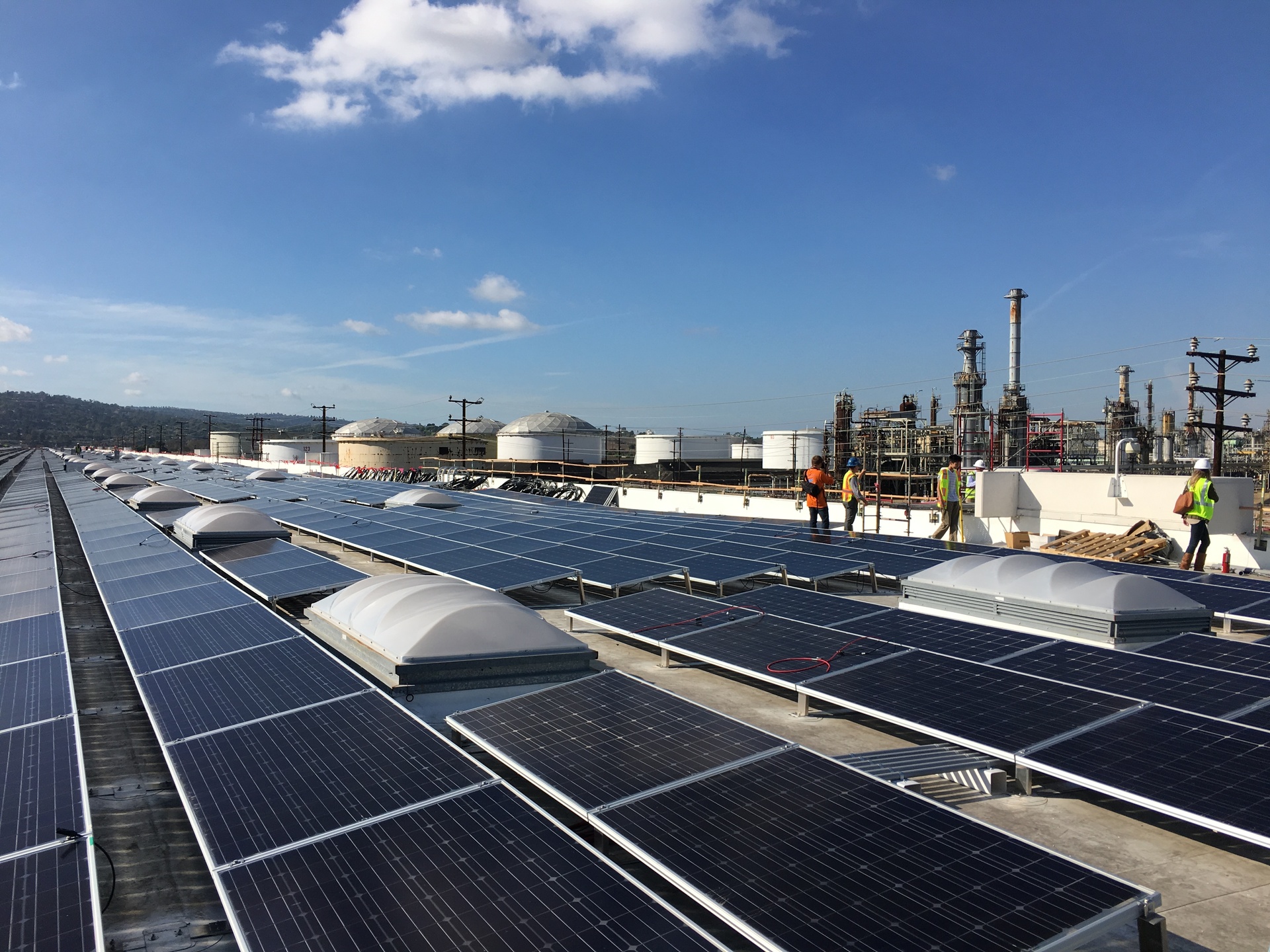
The fundamental difference between 2026 and every previous oil crisis is cost competitiveness. Ninety-one percent of new renewable power projects commissioned in 2024 were cheaper than any new fossil fuel alternative, according to the International Renewable Energy Agency’s most recent analysis. Solar photovoltaic power averaged $0.043 per kilowatt-hour — 41 percent cheaper than the lowest-cost fossil fuel option. Onshore wind reached $0.034 per kilowatt-hour, making it 53 percent cheaper. The 582 gigawatts of renewable capacity added globally in 2024 avoided fossil fuel use valued at approximately $57 billion.
Battery energy storage systems, which address the intermittency problem that has historically limited renewables, have fallen 93 percent in cost since 2010, reaching $192 per kilowatt-hour in 2024. This is the technology that turns solar and wind from “sometimes available” to “always available” — and at those prices, the economic case against renewables has effectively collapsed.
Isaac Levi of the Centre for Research on Energy and Clean Air captured the shift precisely: “This is the first oil crisis where clean alternatives are fully price-competitive. Expect a clean-energy deployment boost.” Jon Gordon of Advanced Energy United reinforced the point, noting that “high fossil fuel prices will accelerate adoption of renewables” because clean energy benefits are “not dependent on fuel prices.”
This is the first oil crisis where clean alternatives are fully price-competitive. Expect a clean-energy deployment boost.
Isaac Levi, Centre for Research on Energy and Clean Air, March 2026
The arithmetic is devastating for oil-exporting economies. When renewables were expensive, oil crises created temporary demand spikes followed by a return to business as usual. When renewables are cheaper, oil crises create permanent demand destruction. Every factory that installs a solar array during an oil price spike never needs to buy diesel for that generator again. Every household that adds a heat pump never returns to an oil boiler. The ratchet turns in one direction only.
The Nuclear Renaissance Nobody Predicted
Perhaps the most paradoxical consequence of the Iran war — fought in part to destroy Iran’s nuclear programme — is the acceleration of nuclear power adoption worldwide. The Bulletin of the Atomic Scientists argued in a 13 March 2026 analysis that “perhaps surprisingly, given that the attacks were undertaken to eliminate Iran’s nuclear program, the conflict will likely hasten the adoption of nuclear power programs globally — even in conflict-prone areas.”
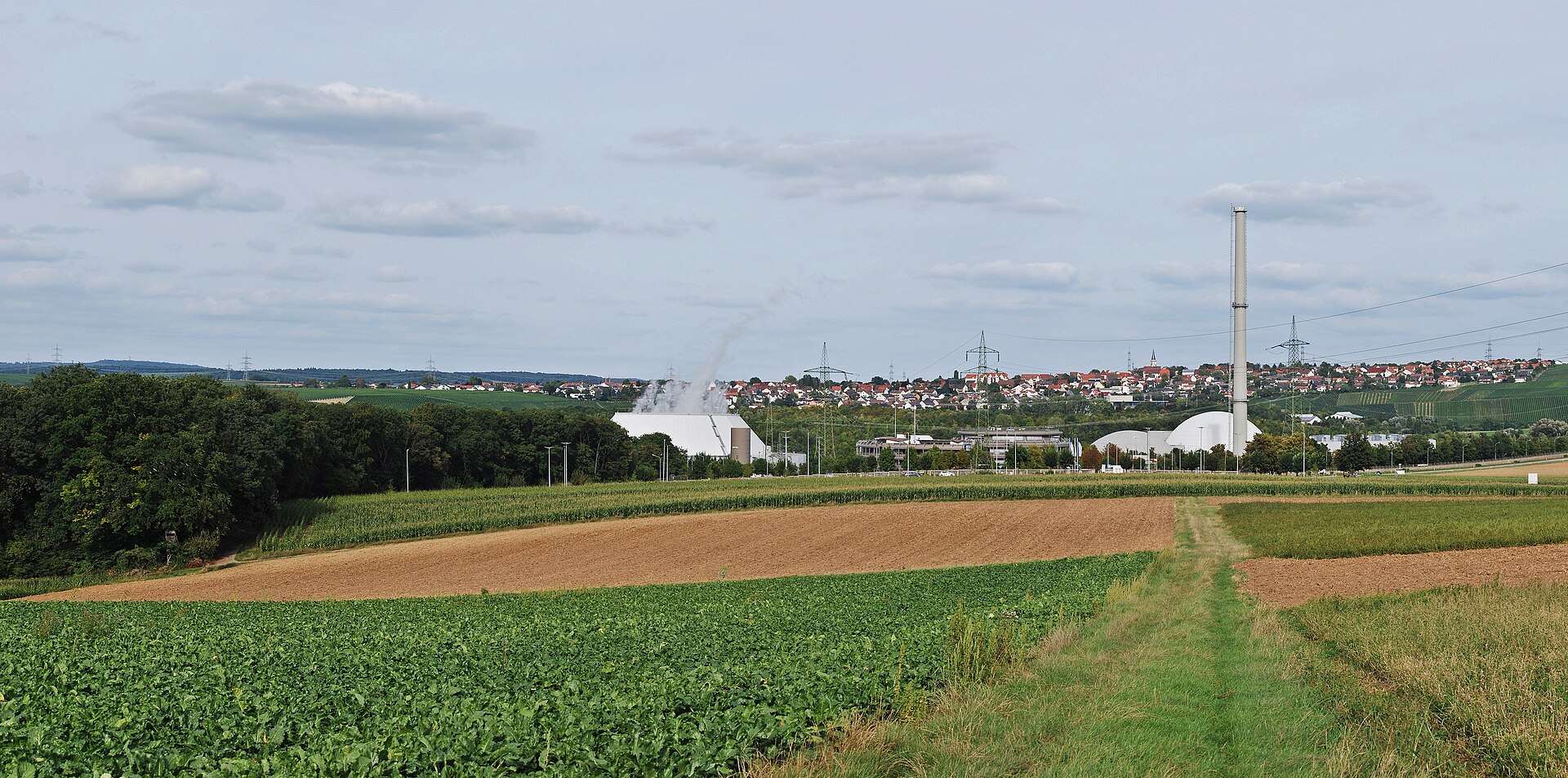
The International Atomic Energy Agency estimates that global nuclear power capacity could more than double by 2050. Even before the current conflict, nuclear power had been experiencing what the industry calls a “global renaissance,” driven by climate concerns and energy security. The war has supercharged that trend. South Korea is restarting six reactors on an emergency basis. Japan brought the Kashiwazaki-Kariwa plant — dormant since the Fukushima disaster — back online just weeks before the crisis. The UK, which has committed to building Sizewell C and is exploring small modular reactors, has cited the Iran war as additional justification for acceleration.
The strategic implications are profound. Nuclear power provides baseload electricity without carbon emissions, without fuel supply chain vulnerability to Middle Eastern chokepoints, and with decades of operational capacity from a single fuel loading. A nation that generates 75 percent of its electricity from nuclear power — as France has done since the 1990s — is essentially immune to oil embargo. Every reactor that comes online is a permanent reduction in oil demand that no future OPEC production cut can reverse.
For Saudi Arabia, the nuclear trend represents a double threat. Nuclear power displaces oil and gas in electricity generation — the sector where fossil fuel demand is most vulnerable to substitution — while simultaneously reducing the geopolitical leverage that comes from controlling the world’s marginal barrel of crude. Prince Abdulaziz bin Salman, the Kingdom’s oil minister, has spent years managing OPEC+ production cuts to maintain price floors. A world with significantly more nuclear capacity needs fewer barrels regardless of price management.
Why Is Saudi Arabia the Biggest Loser From Its Own Oil Windfall?
The central paradox of the Iran war for Saudi Arabia is that the short-term windfall masks a long-term catastrophe. Oil rents constitute approximately 87 percent of the Kingdom’s government budget revenue, 42 percent of GDP, and 90 percent of export earnings. The IMF estimates Saudi Arabia’s fiscal breakeven oil price at $86.6 per barrel for 2026; Bloomberg Economics puts the figure at $94 per barrel, rising to $111 per barrel when including the Public Investment Fund’s domestic spending commitments. At current prices between $90 and $120 per barrel, the Kingdom appears to be in a comfortable fiscal position.
But the IEA had already projected global oil demand reaching a plateau around 102 to 105 million barrels per day by 2030, with a small decline expected thereafter, before the war began. The war-driven demand destruction — 1 million barrels per day of lost demand in March and April 2026 alone — could pull that peak forward. More critically, the war has transformed the energy transition from a climate imperative into a national security imperative. Climate arguments can be dismissed by governments facing short-term economic pressures. National security arguments cannot.
Courtney Federico of the Center for American Progress framed the shift: “Being dependent on oil and gas opens consumers to incredible volatility.” When the argument for renewables is framed as environmental responsibility, voters can choose to ignore it. When the argument is framed as survival — your lights stay on, your factories run, your military operates regardless of who controls the Strait of Hormuz — it becomes irresistible to any government that experienced the shock of March 2026.
The Kingdom has cut production to approximately 9 million barrels per day — the lowest since 2011. The IEA reports a 4.4 percent decline in Saudi oil GDP resulting from OPEC+ cuts that predate the war. Saudi Arabia’s Finance Ministry had projected a 3.3 percent fiscal deficit for 2026; independent analysts estimated it could be nearly double that when oil was forecast at $60 per barrel. Higher prices have temporarily improved the picture, but at the cost of accelerating the structural decline that threatens everything Mohammed bin Salman has built.
| Metric | Current Value | Implication |
|---|---|---|
| Oil as % of budget revenue | 87% | Extreme dependence on a commodity under structural threat |
| Oil as % of GDP | 42% | Entire economy tracks a single export |
| Oil as % of exports | 90% | No significant non-oil export base |
| IMF fiscal breakeven (2026) | $86.6/bbl | Budget balances only with oil above $86 |
| Bloomberg breakeven (incl. PIF) | $111/bbl | Full Vision 2030 spending requires $111+ oil |
| Current oil price | $90-120/bbl | Short-term windfall funding long-term obsolescence |
| IEA peak oil demand estimate | ~2030 | Structural decline begins before Vision 2030 completion |
| Saudi renewables as % of electricity | ~2% | Domestic transition barely started |
The Energy Transition Acceleration Matrix
The question of whether an oil crisis accelerates the energy transition depends on four independent variables, each of which must be assessed separately. In 1973, only one of these factors favoured acceleration; in 2022, two did. In 2026, all four align for the first time in history.
| Factor | 1973 Arab Embargo | 2022 Russia-Ukraine | 2026 Iran War |
|---|---|---|---|
| Supply disruption scale (% seaborne trade) | 7% | ~5% | 31% |
| Alternative cost competitiveness | Alternatives far more expensive | Renewables reaching parity | Renewables 41-53% cheaper than fossil fuels |
| Technology readiness | Nuclear only; solar/wind experimental | Solar/wind mature; storage emerging | Solar, wind, storage, nuclear all deployment-ready |
| Political consensus for transition | Low (energy security framing nascent) | Medium (EU only; US divided) | High (national security framing; G7 consensus) |
| Acceleration score (out of 4) | 1 | 2 | 4 |
The matrix reveals why the 2026 crisis is structurally different from its predecessors. The 1973 embargo produced a nuclear build-out in France and Japan but left the rest of the world largely dependent on oil. The 2022 crisis accelerated European renewables but had limited impact on Asian and American energy policy. The 2026 crisis combines the largest supply disruption in history with the first moment in which alternatives are unambiguously cheaper, technologically mature, and politically palatable — not as climate policy, but as defence policy.
The four factors are also reinforcing. Cheap alternatives make the political consensus easier to achieve. High technology readiness reduces deployment timelines. Large supply disruption creates the urgency that converts policy commitments into actual procurement orders. When all four factors score high simultaneously, the acceleration becomes self-sustaining rather than crisis-dependent. That is the threshold the 2026 Iran war appears to have crossed.
Can Vision 2030 Survive Peak Oil Arriving Early?
Vision 2030 was designed on the assumption that Saudi Arabia had roughly 15 years to diversify before oil revenues began their structural decline. The plan assumed oil would remain the primary funding source through at least 2030, by which point non-oil revenue streams — tourism, entertainment, technology, mining, financial services — would be generating sufficient income to sustain the Kingdom’s modernisation programme. The trillion-dollar Public Investment Fund, which grew from $160 billion in 2016 to $1.15 trillion in 2024, was to serve as both investment vehicle and savings buffer.
The war has compressed that timeline. The IEA’s pre-war projection of peak oil demand around 2030 already posed a challenge; the war-driven acceleration of renewables, nuclear restarts, and energy independence policies across Asia and Europe could pull that peak forward by two to three years. For Saudi Arabia, the difference between peak oil demand arriving in 2030 and arriving in 2027 is the difference between completing Vision 2030 with oil revenue and having to finance the final, most expensive phase — including NEOM, the Red Sea tourism project, and the entertainment sector — with oil revenue that is already declining.
The PIF took an $8 billion writedown on megaprojects in 2025, before the war began. Non-oil GDP growth contributed 2.8 percentage points to overall GDP growth in 2025 compared to oil’s 1.4 percentage points, suggesting that diversification is working — but not fast enough. Saudi Arabia targets $100 billion in annual foreign direct investment by 2030, more than three times the record inflows of $119 billion Saudi riyals from 2024. The war has raised fundamental questions about whether that FDI target remains achievable in a region where Iranian drones have struck civilian infrastructure in eight countries.
The deeper problem is that Vision 2030’s non-oil pillars — tourism, entertainment, sports, conferences — depend on the perception of Saudi Arabia as a stable, attractive destination. The 2034 World Cup, the Formula 1 Grand Prix (already cancelled for 2026), the $38 billion gaming push, and the NEOM entertainment ecosystem all require a security environment that the Iran war has fundamentally disrupted. Even if the war ends within weeks, the risk perception has permanently shifted.
The Contrarian Case for Saudi Energy Dominance
The argument that the Iran war destroys Saudi Arabia’s long-term energy position, however, ignores several countervailing dynamics that could strengthen the Kingdom’s hand rather than weaken it.
First, the transition itself will require decades, not years. The IEA’s most optimistic scenarios still show oil demand above 80 million barrels per day in 2040 — well above Saudi Arabia’s maximum production capacity. The world needs less oil in 2040, but it still needs an enormous amount. Saudi Arabia, as the lowest-cost producer with the largest reserves, is the last producer standing when high-cost competitors become uneconomic. The transition kills Canadian oil sands, deep-water Brazilian pre-salt, and US shale before it kills Saudi conventional crude.
Second, Saudi Arabia is simultaneously the world’s largest oil exporter and one of the most aggressive investors in renewable energy. The Kingdom’s National Renewable Energy Programme targets 50 percent of electricity from renewables by 2030, including 58.7 gigawatts of solar and 40 gigawatts of wind. Only 12 gigawatts of solar was installed by end of 2025, making the target ambitious, but the underlying resource — Saudi Arabia receives more solar irradiation per square metre than almost any country on Earth — is world-class.
Third, the Kingdom has the financial reserves to weather a transition that would bankrupt less wealthy petrostates. The PIF’s $1.15 trillion in assets, combined with Saudi Arabia’s foreign exchange reserves and its ability to issue sovereign debt at investment-grade rates, provides a financial cushion that Nigeria, Angola, Iraq, and Venezuela cannot match. If the oil age ends in 2045, Saudi Arabia can afford to manage the decline. Most OPEC members cannot.
Finally, the war has demonstrated that energy security requires diversification of supply — not just diversification away from fossil fuels. Countries will seek “friendly” oil suppliers alongside renewable deployment. Saudi Arabia, which has positioned itself as a neutral, non-combatant party despite being under direct Iranian attack, may emerge as the preferred oil supplier for nations that want Middle Eastern crude without Iranian risk — precisely because the Kingdom was targeted but did not escalate.
What Does NEOM Green Hydrogen Mean for Saudi Arabia’s Energy Future?
The NEOM Green Hydrogen Company represents Saudi Arabia’s most significant bet on the post-oil energy economy. The $8.4 billion joint venture between ACWA Power, Air Products, and NEOM is building 4 gigawatts of renewable generation capacity — 2.2 gigawatts from 5.6 million solar panels and 1.6 gigawatts from more than 250 wind turbines — to produce 600 tonnes of green hydrogen per day. That hydrogen will be converted into 1.2 million tonnes of green ammonia annually for export, primarily to Asian and European markets seeking to decarbonise heavy industry and shipping.
The project was 80 percent complete as of early 2025 and is expected to be operational by late 2026 — timing that now intersects directly with the energy crisis the war has created. A world desperate for non-fossil-fuel energy imports may find Saudi green ammonia significantly more attractive than it would have been in a stable energy market. The project is projected to save 5 million tonnes of CO2 annually.
Green hydrogen represents the ultimate hedge for an oil exporter. It allows Saudi Arabia to monetise its primary natural advantage — abundant desert land with exceptional solar and wind resources — in a post-oil world. The Kingdom is not merely producing hydrogen; it is positioning itself to become the Saudi Arabia of the clean energy age, exporting molecules instead of hydrocarbons through the same shipping infrastructure that currently carries crude.
RWE CEO Dr. Markus Krebber articulated the logic: “The more we electrify, the less we import fossil fuels. The less we import, the more resilient we become.” If that logic drives European and Asian energy policy, the question for Saudi Arabia becomes whether it can replace declining oil export revenue with green hydrogen and ammonia export revenue quickly enough to maintain economic stability. The NEOM project is the proof of concept. Scaling it to national significance will require investment on the order of $200 billion to $300 billion over the next two decades — investment that is only feasible if oil revenues remain strong enough to fund it in the near term.
The Skeptic’s Warning and the Counterarguments That Matter
Not all analysts accept the thesis that the Iran war will meaningfully accelerate the energy transition. Rob Jackson, a Stanford University climate scientist, called the idea “just wishful thinking” in an interview with PBS, arguing that past oil crises have consistently failed to produce the permanent shifts their advocates predicted. Professor Jan Rosenow of the University of Oxford noted that even after the 2022 Russia-Ukraine crisis, “the dependency rate of Europe hasn’t really gone down. We diversified but haven’t scaled alternatives fast enough.”
The skeptics make three substantive arguments that merit serious consideration.
First, the inflation caused by oil shocks raises interest rates, which in turn raises capital costs for renewable energy projects. Renewables are capital-intensive — the fuel is free, but the upfront investment in panels, turbines, and storage is substantial. If central banks respond to oil-driven inflation by keeping interest rates elevated, the financing cost of a solar farm rises at precisely the moment when the political case for building one is strongest. This is the “bad for clean energy” paradox identified by E&E News and Politico.
Second, the IMF has warned that trade disruption of critical minerals — lithium, cobalt, nickel, rare earth elements — could cut renewables and electric vehicle investment by 30 percent. If the Iran war expands or triggers secondary supply chain disruptions, the physical materials needed to build the renewable infrastructure that should replace oil may become scarce and expensive.
Third, past oil crises have frequently produced a “rebound effect” in which high prices initially drive efficiency and substitution, but falling prices after the crisis ends eliminate the urgency for structural change. If the Iran war ends quickly and oil prices collapse back toward $60 per barrel, the political momentum behind renewables could dissipate as rapidly as it formed. Neta Crawford of the University of St. Andrews added a further complication, arguing that “the consequences of war on emissions will far exceed any incremental offset” — meaning the carbon released by military operations and burning infrastructure may outweigh any transition benefits in the medium term.
The skeptics raise legitimate concerns, but they underestimate the structural difference of 2026. In 1973 and 1979, returning to oil after the crisis was the cheapest option. In 2026, renewable energy is cheaper than oil even without the crisis. The crisis provides the political catalyst, but the economics provide the lock-in. Once a factory installs a solar array, it does not remove it when oil prices fall. Once a government restarts a nuclear reactor, it does not shut it down because crude drops below $60. The ratchet effect of 2026 may prove more durable than its skeptics expect.
The real risk is not moving too fast on clean energy, but too slowly.
Teresa Ribera, European Commission Executive Vice President, March 2026
Frequently Asked Questions
How has the Iran war affected global oil supply?
The Iran war has caused the largest oil supply disruption in history, removing approximately 8 million barrels per day from the global market through the Strait of Hormuz closure. This represents 31 percent of global seaborne oil trade, compared to just 7 percent disrupted during the 1973 Arab oil embargo. The IEA coordinated a record release of 400 million barrels from emergency reserves in response.
Will the Iran war accelerate the shift to renewable energy?
Evidence strongly suggests it will. Countries across Asia and Europe have announced accelerated renewable energy and nuclear power programmes in direct response to the oil supply shock. The critical difference from previous oil crises is that renewable energy is now 41 to 53 percent cheaper than fossil fuel alternatives, according to the International Renewable Energy Agency. South Korea is restarting six nuclear reactors, and Japan reactivated its largest nuclear plant.
How dependent is Saudi Arabia on oil revenue?
Oil constitutes approximately 87 percent of Saudi Arabia’s government budget revenue, 42 percent of GDP, and 90 percent of export earnings. The IMF estimates the Kingdom’s fiscal breakeven oil price at $86.6 per barrel for 2026, while Bloomberg Economics places it at $111 per barrel when including Public Investment Fund domestic spending. Saudi Arabia derives almost its entire national income from a commodity whose long-term demand is now declining.
What is the NEOM Green Hydrogen Project?
The NEOM Green Hydrogen Company is an $8.4 billion joint venture building 4 gigawatts of solar and wind capacity to produce 600 tonnes of green hydrogen daily. The project, 80 percent complete as of early 2025, will export 1.2 million tonnes of green ammonia annually, potentially positioning Saudi Arabia as a major clean energy exporter. It represents the Kingdom’s most significant bet on a post-oil economy.
When does the IEA predict peak oil demand?
The IEA’s World Energy Outlook 2025 projected global oil demand levelling off around 102 million barrels per day circa 2030, with a small decline thereafter. The Iran war has already reduced the 2026 demand growth forecast by 210,000 barrels per day, and analysts suggest the war-driven acceleration of renewable deployment across Asia and Europe could pull the peak forward by two to three years, potentially to 2027 or 2028.
Could high oil prices actually help Saudi Arabia’s transition?
In the short term, $100-plus oil prices improve Saudi Arabia’s fiscal position and provide more revenue to fund Vision 2030 diversification projects. However, high prices simultaneously accelerate the energy transition in importing countries, destroying long-term demand. The NEOM green hydrogen project, Saudi Arabia’s solar expansion, and the PIF’s diversification strategy all depend on oil revenue remaining strong enough to fund the transition before oil demand permanently declines.