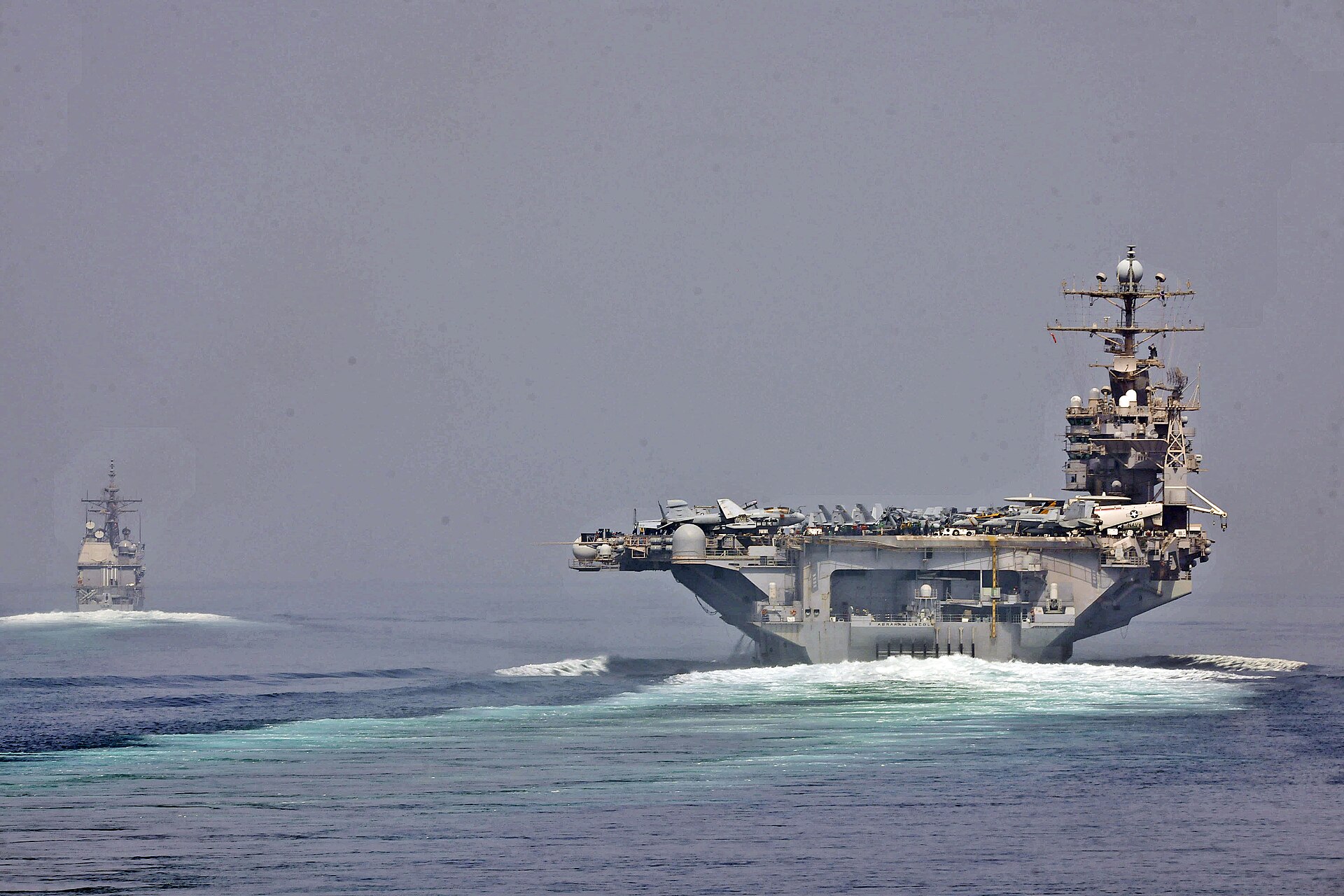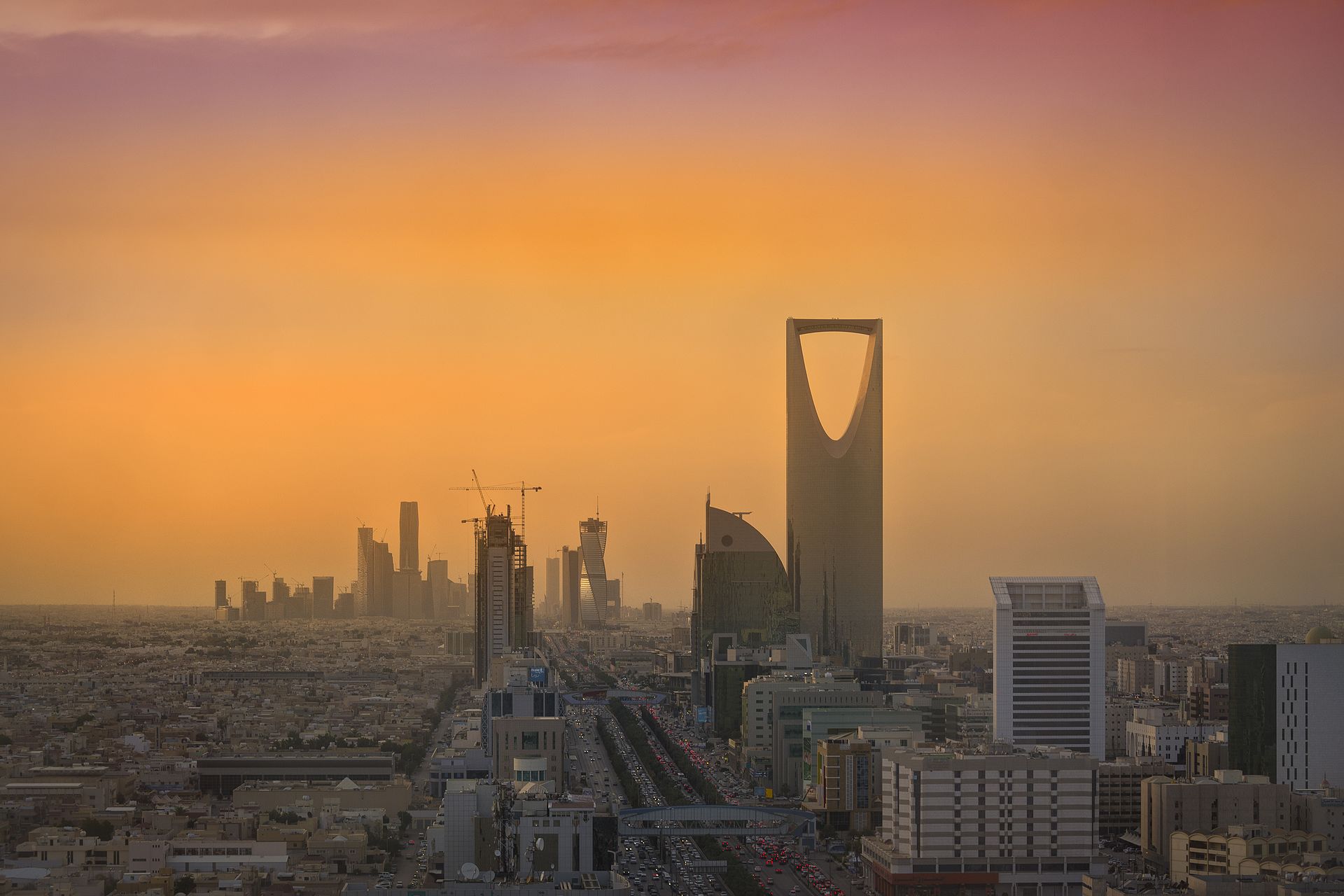

RIYADH — Saudi Arabia’s Public Investment Fund, the $1.15 trillion sovereign wealth vehicle at the centre of Mohammed bin Salman’s economic transformation, is haemorrhaging cash on two fronts simultaneously. The Iran war that erupted on 28 February 2026 has forced the Kingdom to divert tens of billions of dollars toward air defence replenishment, infrastructure repair, and emergency military procurement — money that was earmarked for NEOM, Qiddiya, and the constellation of giga-projects that define Vision 2030. With oil prices whipsawing between $91 and $120 per barrel, Aramco dividends uncertain beyond the current quarter, and the PIF’s own governor acknowledging the need for a 15 percent capital-spending cut, the world’s fifth-largest sovereign wealth fund faces the most consequential stress test in its history.
The arithmetic is unforgiving. Bloomberg Economics estimates that Saudi Arabia needs oil at $111 per barrel when PIF spending is included just to balance the national books. The fiscal strain feeds directly into mounting pressure on the Saudi riyal’s dollar peg, where SAMA’s $448 billion reserve buffer faces estimated monthly drains of $12-18 billion. The IMF’s baseline fiscal breakeven sits at $86.60. Every dollar that flows toward Patriot missile reloads and drone-defence batteries is a dollar that does not flow toward the electric-vehicle plants, data centres, and tourism resorts that are supposed to employ the next generation of Saudi citizens. Understanding how the PIF navigates this tension is essential to understanding whether Vision 2030 survives the war — or emerges from it permanently diminished.
Table of Contents
- What Is the Public Investment Fund and Why Does It Matter?
- How Large Is the PIF’s Global Portfolio?
- The Aramco Dividend Machine
- Can Saudi Arabia Fund Vision 2030 and a War at the Same Time?
- The Defence Drain
- The Wartime Fiscal Squeeze
- Why Is the PIF Cutting Spending on Giga-Projects?
- The Sports Portfolio Nobody Is Talking About
- What Happens to PIF’s Global Tech Investments During a Gulf War?
- The Contrarian Case for War
- Three Scenarios for the PIF After the War
- Frequently Asked Questions
What Is the Public Investment Fund and Why Does It Matter?
The Public Investment Fund is Saudi Arabia’s sovereign wealth fund and the primary financial engine of Vision 2030, the Crown Prince’s programme to diversify the Kingdom’s economy away from petroleum dependency. Established in 1971 as a modest vehicle for domestic industrial investment, the PIF was transformed after 2015 into one of the most aggressive sovereign investors on Earth, with a mandate to build entire industries from scratch — tourism, entertainment, technology, defence manufacturing, and renewable energy — while simultaneously managing a global portfolio of equities, real estate, and alternative assets.
The fund now manages approximately $1.15 trillion in assets, according to the Sovereign Wealth Fund Institute, making it the fifth-largest sovereign wealth fund globally behind Norway’s Government Pension Fund ($2.04 trillion), China’s SAFE ($1.69 trillion), China Investment Corporation ($1.56 trillion), and the Abu Dhabi Investment Authority ($1.18 trillion). Its stated ambition is to reach $2 trillion by the end of the decade — a target that predates the war by several years.
What makes the PIF different from its peers is the sheer breadth of its domestic mandate. Norway’s fund invests exclusively overseas. Abu Dhabi’s ADIA focuses on financial returns. The PIF, by contrast, is simultaneously a venture capital fund, a national development bank, a real-estate developer, a sports-entertainment conglomerate, and the primary funder of Saudi Arabia’s most ambitious megaprojects. It owns more than 90 portfolio companies, employs hundreds of thousands of Saudis through its subsidiaries, and is responsible for creating roughly half of the new private-sector jobs that Vision 2030 has promised. The fund’s wartime transformation — from giga-project builder to defense and food security financier — represents the most dramatic pivot in sovereign wealth fund history.
Governor Yasir Al Rumayyan, who also chairs the boards of Aramco, Newcastle United, and several PIF portfolio companies, sits at the nexus of Saudi economic and strategic power. His fund’s performance is, in a very direct sense, a referendum on whether MBS’s wager on economic diversification will pay off. The Iran war has made that referendum considerably more urgent.
How Large Is the PIF’s Global Portfolio?
The PIF’s portfolio spans five continents and touches nearly every major asset class. At $1.15 trillion, its holdings rival the GDP of the Netherlands. Understanding where that money sits — and how exposed it is to geopolitical risk — is critical to assessing the fund’s wartime resilience.
Domestically, the PIF controls stakes in more than 90 companies across sectors that did not exist in Saudi Arabia a decade ago. Its development subsidiaries include NEOM, the $500 billion megacity in Tabuk Province; Qiddiya, the entertainment-city project south of Riyadh; Roshn, the national housing developer; AMAALA, the luxury Red Sea resort; and the Red Sea Global tourism venture. Through ACWA Power, in which it is the largest shareholder, the PIF is developing 15,000 megawatts of renewable-energy capacity across the Kingdom, backed by $8.3 billion in committed investment signed in 2025.
Internationally, the fund’s footprint is equally expansive. Major holdings include a majority stake in Lucid Motors, the American electric-vehicle manufacturer; a cornerstone position in SoftBank’s Vision Fund, which launched in 2016 with $45 billion in committed Saudi capital; equity in Jio Platforms (India’s largest telecom operator), Reliance Retail, Uber, and AccorInvest. The PIF holds stakes in publicly listed companies across the United States, Europe, and Asia, with positions in gaming companies such as Nintendo and Capcom, entertainment firms, and financial-technology platforms.
| Category | Key Holdings | Estimated Value | Risk Exposure |
|---|---|---|---|
| Domestic Giga-Projects | NEOM, Qiddiya, Roshn, AMAALA, Red Sea Global | $350-400B committed | Construction delays, wartime supply chain |
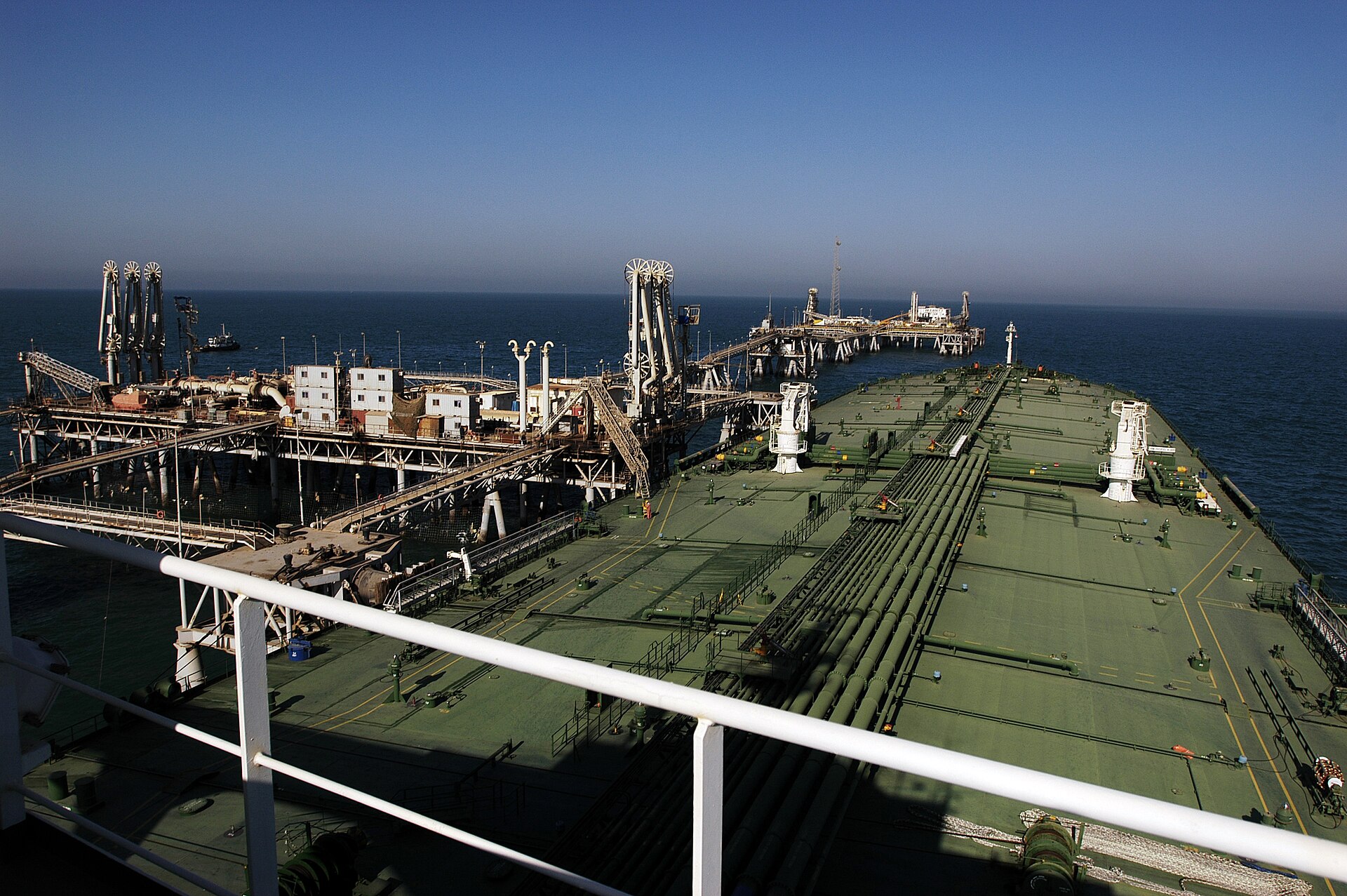
| Oil & Energy | Aramco (direct + indirect), ACWA Power | $450B+ | Oil price volatility, Hormuz disruption |
| Global Tech | Lucid, SoftBank Vision Fund, Jio, Uber | $80-100B | Market sentiment, Gulf risk perception |
| Sports & Entertainment | Newcastle United, LIV Golf, 346+ sponsorships | $15-25B | Reputational risk, attendance drops |
| Real Estate & Hospitality | AccorInvest, Roshn housing, tourism resorts | $60-80B | Tourism collapse, expat exodus |
| Financial Holdings | Public equities, bonds, alternative assets | $100-150B | Global market volatility |
The concentration risk is significant. An estimated 40 percent of the fund’s total asset value is tied directly or indirectly to Aramco and petroleum revenue. Another 30-35 percent sits in domestic projects whose timelines and budgets depend on continued government spending. Only roughly a quarter of the portfolio consists of genuinely diversified international assets — and even those have been marked down by the global market sell-off triggered by the war.
The Aramco Dividend Machine
Understanding the PIF’s wartime challenge requires understanding where its money comes from. The answer, overwhelmingly, is Saudi Aramco.
The Saudi government and the PIF collectively own 97.62 percent of Aramco’s shares. In 2025, the oil giant paid $85.5 billion in total dividends — with the Q4 2025 base dividend alone reaching $21.89 billion, a 3.5 percent increase from the previous quarter. In March 2026, Aramco announced a $2-3 billion share buyback programme, signalling confidence in its cash-generation capacity even as missiles fell on the Eastern Province.
Aramco’s market capitalisation stood at approximately $1.74 trillion in early March, with shares gaining 14 percent year-to-date by 9 March — driven by the war-induced oil-price spike. For a brief moment, the conflict appeared to be a windfall: Brent crude surged toward $120 per barrel in the first week of March, far above the IMF’s estimated fiscal breakeven of $86.60.
The windfall proved illusory. By 11 March, Brent had crashed back to $90.96 following diplomatic signals from Tehran and Washington. The price swing — nearly $30 per barrel in less than a week — exposed the fundamental fragility of a funding model that depends on a commodity whose price can move by a third in days. If oil settles at $90, the government is comfortably above the IMF breakeven. If it drops to $75 — entirely plausible if a ceasefire materialises and the market overcorrects — Saudi Arabia is running a deficit that Bloomberg estimates at 3.3 percent of GDP, or roughly 165 billion riyals ($44 billion).
The deeper problem is the gap between what Aramco pays and what PIF spends. The fund’s domestic capital expenditure has run at approximately $40-50 billion annually in recent years — money that flows into construction sites, salary bills at portfolio companies, and infrastructure for projects like NEOM. That spending does not pause when missiles fly. Contractors still need paying. Workers still need housing. The concrete still needs pouring — or, if construction halts, the contracts still carry cancellation penalties.
Can Saudi Arabia Fund Vision 2030 and a War at the Same Time?
The short answer is: not at the pace Mohammed bin Salman originally envisioned. The longer answer involves a cascade of fiscal pressures that predate the war but have been dramatically accelerated by it.
Saudi Arabia’s 2026 defence budget was already $74.76 billion before a single Iranian missile crossed the border — roughly 21 percent of total government spending and 7.2 percent of GDP, according to the Saudi budget statement released in December 2025. That figure reflected peacetime procurement and standing-force costs. It did not account for the emergency expenditures of a hot war: replacing hundreds of Patriot interceptor missiles at roughly $4 million apiece, purchasing new air-defence batteries from South Korea and Ukraine, repairing damage to oil infrastructure, and funding the deployment of Pakistani military personnel under the bilateral defence pact invoked in early March.
Estimates of the war’s additional defence cost vary widely. The asymmetric nature of the threat — Iran’s drones cost as little as $1,000 each, while the interceptors cost thousands of times more — means that even a war of attrition fought entirely through air defence is extraordinarily expensive for the defending side. The Centre for Strategic and International Studies (CSIS) has estimated that Saudi Arabia’s air-defence costs alone could reach $500 million per week during periods of sustained Iranian bombardment.
| Metric | Pre-War Estimate | Wartime Estimate | Source |
|---|---|---|---|
| Defence budget | $74.76B | $90-100B+ | Saudi Budget Statement / author estimate |
| Fiscal breakeven (oil) | $86.60/bbl | $111/bbl (incl. PIF) | IMF / Bloomberg Economics |
| Budget deficit | 165B SAR (3.3% GDP) | 200-250B SAR | Saudi MoF / author estimate |
| Aramco base dividend (annual) | ~$87B | $85-90B | Aramco investor relations |
| PIF capital expenditure | ~$45B | $35-40B (post cuts) | AGBI / PIF sources |
| Brent crude price | $72/bbl (budget assumption) | $91/bbl (11 March) | Fortune / market data |
The fiscal maths produces a paradox. Higher oil prices — driven by the war’s disruption to Gulf shipping — generate more revenue. But the war also generates more expenditure, both directly (military costs) and indirectly (economic disruption, capital flight, tourism collapse, construction delays). Whether the revenue gain outpaces the cost gain depends on variables that no sovereign wealth fund can control: how long the war lasts, whether the Strait of Hormuz reopens fully, and whether Iran escalates further against Saudi oil infrastructure.
The Defence Drain
Saudi Arabia’s defence expenditure has been climbing steadily for five years, rising from $53.9 billion in 2021 to $72.5 billion in 2025 — a compound annual growth rate of 7.7 percent, according to a January 2026 report by ResearchAndMarkets. The Kingdom ranks seventh globally in military spending, just $1.5 billion behind the United Kingdom at $80.3 billion.
The war has accelerated this trajectory dramatically. In the eleven days since hostilities began, Saudi Arabia has intercepted dozens of ballistic missiles, cruise missiles, and drone swarms. The Saudi Defence Ministry reported destroying five drones heading toward the Shaybah oilfield on 11 March alone. Three ballistic missiles were intercepted near Prince Sultan Air Base on 6 March. Nine drones were neutralised over the Empty Quarter on 9 March. Each interception depletes a finite stock of missiles that take months to manufacture and ship.
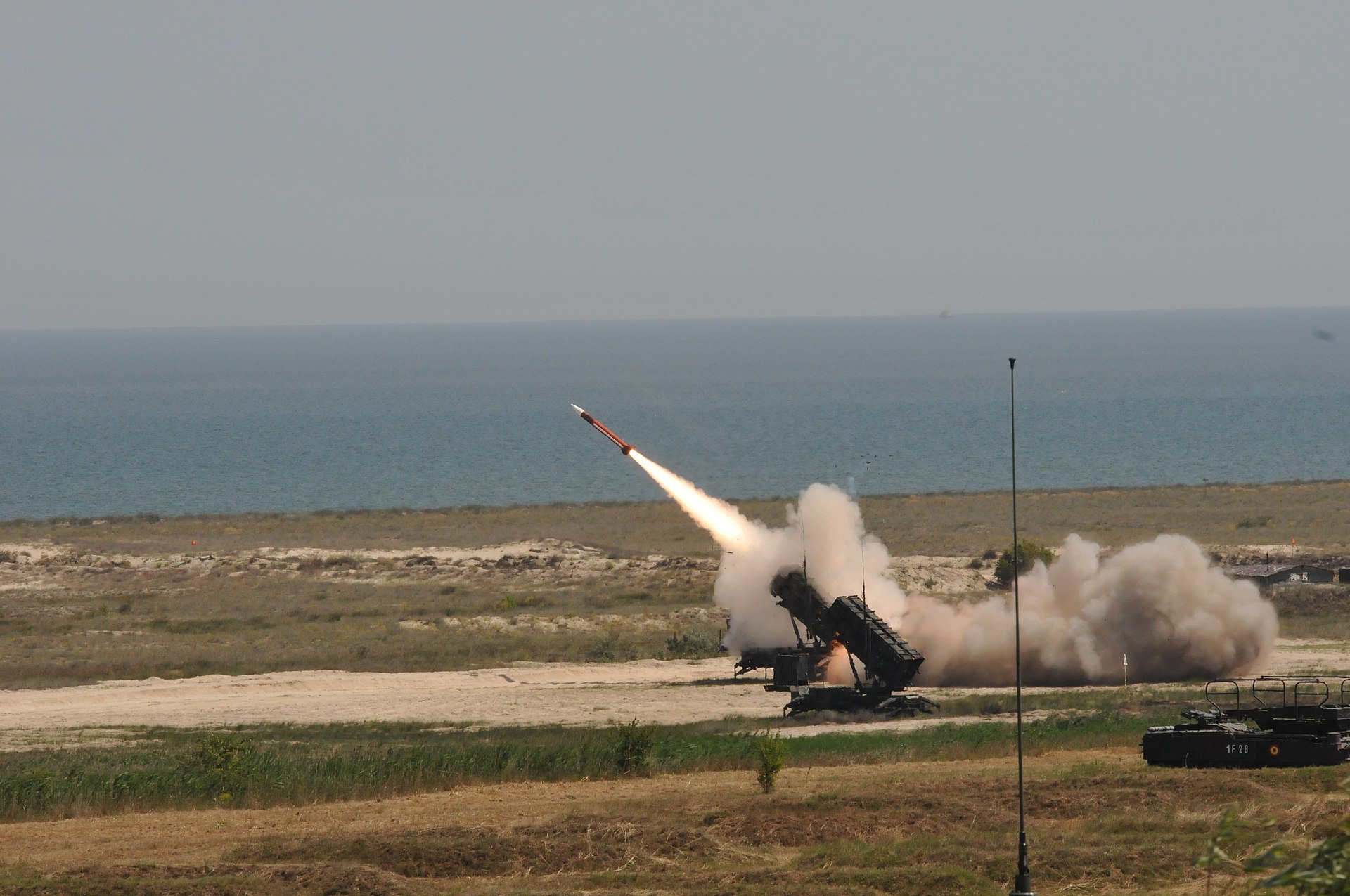
The replenishment cost is staggering. A single Patriot Advanced Capability-3 (PAC-3) interceptor costs approximately $4 million. The THAAD system, which protects against ballistic missiles, fires interceptors priced at $12-15 million each. Saudi Arabia has already signed contracts for South Korean Cheongung-II medium-range systems and is negotiating emergency deliveries of Ukrainian-designed drone-defence equipment. None of these come cheaply, and all compete for the same pool of government revenue that funds PIF’s domestic spending.
The defence drain extends beyond hardware. The Kingdom is now paying for the deployment of Pakistani military personnel under a bilateral pact that carries its own cost-sharing arrangements. Damage to civilian infrastructure — including two deaths in Al-Kharj from an Iranian projectile strike — requires immediate repair funding. And the opportunity cost of diverting military resources to home defence means that ongoing operations in other theatres receive less attention and less money.
For the PIF, the defence drain operates through two channels. Directly, any increase in the defence budget reduces the fiscal space available for Vision 2030 spending. Indirectly, the war creates an environment in which the Crown Prince’s political capital is consumed by security concerns, reducing the bandwidth available for the kind of aggressive economic reform that the PIF’s mandate requires.
The Wartime Fiscal Squeeze
The tension between guns and butter is not new for Saudi Arabia. What is new is the scale. The 2026 budget, announced in December 2025, assumed an oil price of approximately $72 per barrel and projected a deficit of 165 billion riyals. The war has blown those assumptions apart in both directions — higher revenue from elevated oil prices, but also higher expenditure from military costs and economic disruption.
The structural challenge is best understood through what might be called the PIF Pressure Matrix — a framework for mapping how different oil-price and war-duration scenarios interact to determine the fund’s available capital.
| Scenario | Oil Price | War Duration | Defence Cost (annual) | PIF Available Capital | Outcome |
|---|---|---|---|---|---|
| Best case | $100+/bbl | 30 days | $80B | $45-50B | Near pre-war levels; giga-projects continue with minor delays |
| Central case | $85-95/bbl | 60-90 days | $95B | $30-38B | 15% spending cuts; NEOM slowed; international deals delayed |
| Worst case | $70-80/bbl | 6+ months | $110B+ | $20-25B | Severe retrenchment; multiple projects suspended; layoffs |
| Catastrophic | Below $70/bbl | 12+ months | $120B+ | Below $15B | Existential fiscal crisis; Vision 2030 effectively frozen |
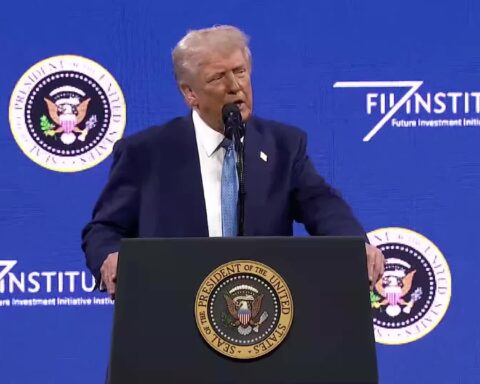
The matrix reveals the knife-edge nature of PIF’s position. In the central scenario — which most closely matches current conditions as of 11 March, with Brent at $91 and no ceasefire in sight — the fund’s available capital drops by roughly 20-30 percent from pre-war levels. That is sufficient to maintain core operations but requires the kind of spending discipline that PIF governor Al Rumayyan signalled in October 2025, when he told the Future Investment Initiative conference that the fund was finalising a revised 2026-2030 strategy with capital expenditure cuts of up to 15 percent.
The war did not create the need for those cuts — lower oil prices and execution challenges at NEOM and other projects had already forced a reassessment. The full scope of that reassessment became clear in early 2026, when MBS broke up NEOM into five separate entities and redirected the PIF toward AI, mining, and manufacturing. But the war has removed the possibility that the cuts would be modest or temporary. The revised strategy, expected in spring 2026, will now be written in the shadow of the most significant military conflict in the Gulf since the Iran-Iraq War of the 1980s.
The PIF’s real challenge is not the war itself but the duration of uncertainty. Markets can price a short conflict. They cannot price a permanent state of low-intensity warfare that turns the Gulf into the world’s most expensive neighbourhood to do business in.
Senior Gulf-based sovereign wealth fund analyst, speaking to Bloomberg, March 2026
Why Is the PIF Cutting Spending on Giga-Projects?
The cuts predated the war, but the war has deepened them. In March 2025, the PIF mandated a minimum 20 percent reduction in spending across its portfolio of more than 50 development companies, according to AGBI, which cited sources familiar with the fund’s finances. Jobs growth linked to PIF projects was expected to halve as a result. NEOM, the most visible of the giga-projects, underwent a radical restructuring in January 2026: construction on The Line was suspended, the population target for 2030 was slashed from 1.5 million to under 300,000, and control of major assets was transferred to other state-backed entities.
The restructuring reflects a pragmatic reassessment of what is achievable. Only 2.4 kilometres of foundation work on The Line has been completed. The 170-kilometre vision has been deferred to a multi-decade timeline, with 2045 now cited as a possible completion date. The Asian Winter Games at Trojena — NEOM’s mountain tourism component — were postponed indefinitely in January 2026. The overall headcount at NEOM has been directed to fall to roughly a third of previous levels.
The bright spot is the green hydrogen plant at Oxagon, which is 80 percent complete and on track for production by 2027, backed by $8.4 billion in committed investment. This project survives because it generates exportable revenue — a quality that the PIF is now prioritising over prestige.
The war accelerates the shift in two ways. First, construction supply chains have been disrupted by the conflict: shipping delays through the Strait of Hormuz, evacuation of foreign workers, and diversion of heavy-equipment manufacturers toward military contracts all slow progress on civilian projects. Second, the political logic has changed. Before the war, giga-projects were MBS’s signature initiative — the visible proof that Saudi Arabia was building a post-oil future. During the war, the Crown Prince’s attention has shifted to security, diplomacy, and the management of a coalition of Gulf states under Iranian fire. The bandwidth for construction-site visits and investor roadshows has contracted sharply.
Investment Minister Khalid Al Falih captured the new mood in early 2026 when he said publicly that the PIF should scale back spending and make room for private capital. The subtext was clear: the state cannot fund everything simultaneously, and the war has made the sequencing question — what gets built first and what waits — considerably more urgent.
The Sports Portfolio Nobody Is Talking About
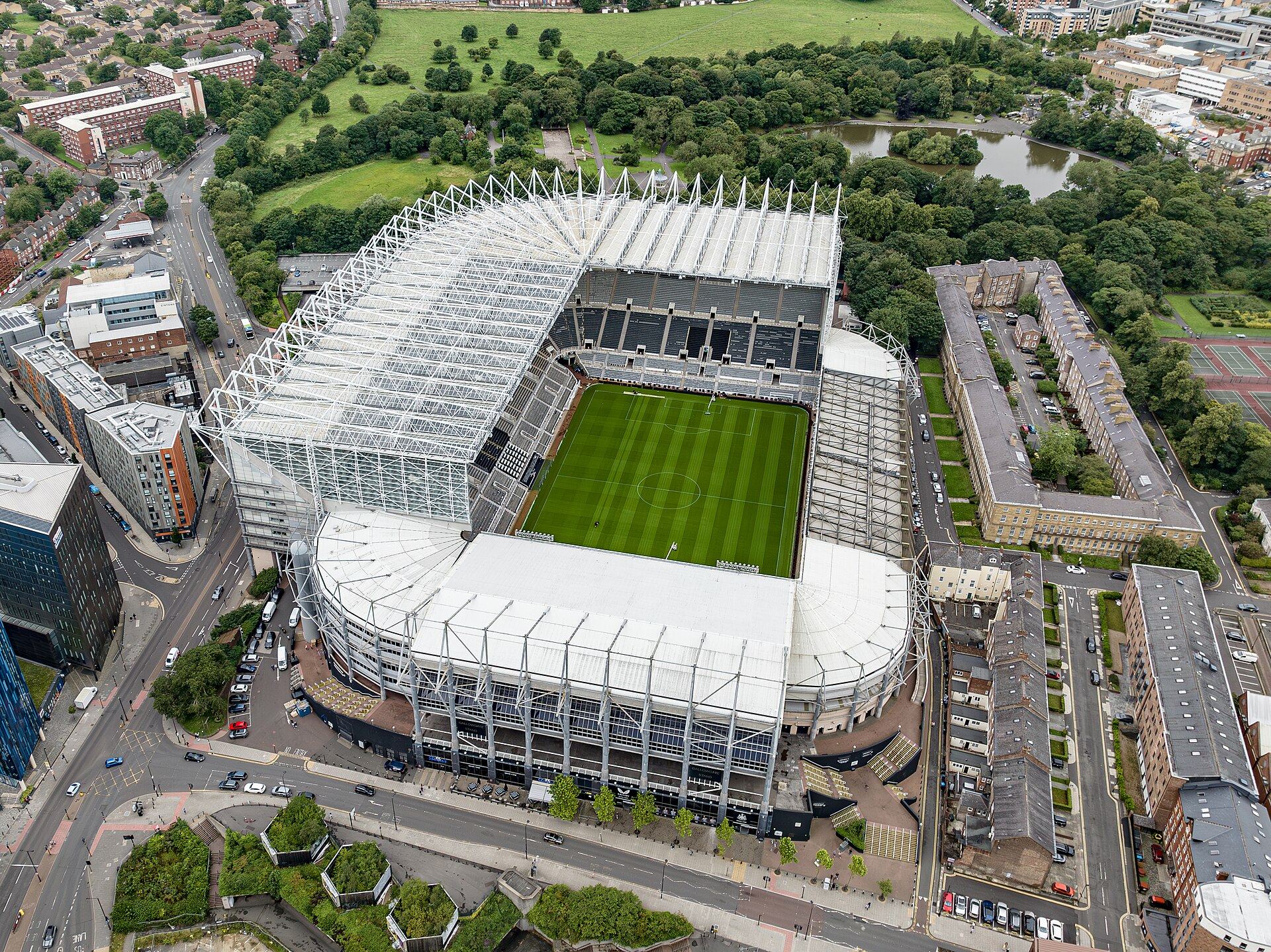
The PIF’s sports empire is vast and growing. Newcastle United, acquired in October 2021 and expanded to an 85 percent PIF stake by July 2024, is the most visible piece. LIV Golf, launched in 2022 with PIF backing through its Golf Saudi subsidiary, attracted top-tier professional players with contracts reportedly worth hundreds of millions of dollars. Across the global sports landscape, the PIF and its affiliates have secured at least 346 sponsorships, according to research by Play the Game, the Danish sports-governance institute.
These investments were conceived as instruments of soft power — a way to reshape global perceptions of Saudi Arabia through sports diplomacy. The strategy has been effective on its own terms: Saudi Arabia now hosts Formula 1, Formula E, boxing world-title fights, the Saudi Cup horse race, and a growing portfolio of international football friendlies and esports tournaments. The conflict’s reach extends well beyond traditional sports: Saudi Arabia’s $38 billion gaming push, built around the Savvy Games Group and the Esports World Cup, faces the same wartime squeeze as every other PIF-backed entertainment venture. The most consequential sports asset of all — the 2034 FIFA World Cup hosting rights — now confronts the reality that every proposed stadium sits within Iranian missile range.
The war complicates the calculation. Sports investments are discretionary: they generate intangible reputational returns rather than the hard economic returns that wartime fiscal discipline demands. Newcastle United’s value to PIF is primarily strategic (global brand exposure) rather than financial (the club has not generated significant profits under Saudi ownership, and some analyses suggest the fund could sell for considerably less than its total investment).
The question for Al Rumayyan is whether wartime austerity will force a reappraisal. Divesting from Newcastle or reducing LIV Golf commitments would generate cash but would also signal retreat — a message the Crown Prince is unlikely to welcome at a moment when Saudi Arabia is projecting strength on multiple fronts. The more likely scenario is a freeze on new sports acquisitions while existing commitments are honoured, with the 2034 World Cup — hosted by Saudi Arabia — becoming the non-negotiable anchor around which the rest of the sports portfolio is prioritised.
The World Cup commitment alone is estimated to require $100 billion or more in infrastructure spending over the next eight years: stadium construction, transport networks, hotel capacity, and entertainment venues. That spending will proceed regardless of the war because the reputational cost of failing to deliver the tournament would dwarf the financial cost of funding it during a conflict.
What Happens to PIF’s Global Tech Investments During a Gulf War?
The PIF’s international technology portfolio — anchored by its positions in Lucid Motors, SoftBank’s Vision Fund, Jio Platforms, and a constellation of smaller stakes — faces a different kind of risk. These are liquid or semi-liquid assets whose valuations move with global markets. The Iran war has erased trillions of dollars from global equities, and Gulf-linked investments have been disproportionately affected.
Lucid Motors, in which PIF holds a majority stake, is particularly exposed. The California-based electric-vehicle company depends on Saudi investment for its survival and has plans to build a manufacturing facility in the Kingdom. A prolonged war raises questions about whether the Saudi plant will proceed on schedule, whether supply chains for components can function when Gulf shipping is disrupted, and whether international investors will continue to support a company so closely tied to a country at war.
The SoftBank Vision Fund, which launched in 2016 with a $45 billion Saudi commitment, has already generated mixed returns. The fund’s value has fluctuated wildly with the technology cycle, and its exposure to companies in sectors ranging from ride-hailing to artificial intelligence means that macro shocks ripple through the portfolio quickly. A global recession triggered by oil-price shocks — which multiple forecasters now consider a material risk — would further compress valuations.
The countervailing force is that the PIF’s tech investments are fundamentally long-term positions. Al Rumayyan has signalled that the fund intends to reduce its international exposure in the revised 2026-2030 strategy, pivoting toward domestic deployment. If that pivot was already planned, the war merely accelerates it — freeing up international capital for domestic priorities while reducing exposure to the very global markets that the conflict has destabilised.
| Investment | Estimated PIF Stake | Pre-War Status | Wartime Risk |
|---|---|---|---|
| Lucid Motors | Majority (60%+) | Revenue growing, Saudi plant planned | Plant delays, supply chain, investor confidence |
| SoftBank Vision Fund | $45B committed | Mixed returns, tech recovery underway | Global recession risk, tech sell-off |
| Jio Platforms (India) | $1.5B+ | Strong growth, India’s digital boom | Low direct risk; India is a net beneficiary of cheap Gulf oil |
| Uber | ~$3.5B | Profitable, global expansion | Oil-price-driven cost inflation for ride-hailing |
| Gaming (Nintendo, Capcom, etc.) | $8-10B | Stable; gaming sector resilient | Minimal direct exposure; reputational optics |
The Contrarian Case for War
The conventional narrative — that the war is a fiscal disaster for Saudi Arabia’s economic ambitions — misses an important counter-argument. Wars, for all their destruction, have historically accelerated the very kind of structural transformation that the PIF was created to deliver.
Consider the evidence. Oil revenue has surged. In the first eleven days of the conflict, Brent crude averaged roughly $105 per barrel — well above the pre-war budget assumption of $72 and significantly above the IMF fiscal breakeven of $86.60. If the elevated prices persist for even a quarter, the additional revenue could amount to $15-20 billion above plan, partially offsetting the defence cost increase.
The war has also created political cover for reforms that would have been difficult in peacetime. The giga-project cuts that the PIF was forced to make in 2025 — slowing NEOM, reducing headcount, restructuring spending — were politically sensitive decisions that risked embarrassing MBS. The war provides a convenient external explanation: projects are being “reprioritised for national security” rather than “scaled back because they were too expensive.” The narrative value of wartime discipline should not be underestimated in a political system where perceptions of royal competence matter enormously.
Furthermore, the war is accelerating defence-industry localisation — one of Vision 2030’s core objectives. The $5 billion deal to build Chinese combat drones in Jeddah, signed on 11 March, would have taken years of peacetime negotiation. The emergency procurement of South Korean air-defence systems is creating technology-transfer relationships that will benefit Saudi Arabia’s domestic defence sector for decades. The General Authority for Military Industries (GAMI) target of localising 50 percent of military spending by 2030 suddenly looks more achievable, not less, because the war has created both the urgency and the budget to make it happen.
The contrarian case has limits. Defence-industry jobs are not a substitute for the tourism, entertainment, and technology employment that Vision 2030 promised. Higher oil revenue is contingent on prices staying elevated — and the $30-per-barrel swing between 5 and 11 March demonstrates how quickly those gains can evaporate. But the argument that the war is purely destructive to Saudi Arabia’s economic programme ignores the ways in which conflict creates opportunities for restructuring that peacetime politics would have made impossible.
Three Scenarios for the PIF After the War
The fund’s trajectory will be determined by the interaction of three variables: the war’s duration, the oil price at its conclusion, and the degree to which MBS uses the crisis to restructure the PIF’s mandate. Three scenarios bracket the range of outcomes.
In the first scenario — a short war followed by a sustained oil-price premium — the PIF emerges stronger. A ceasefire within 60 days, combined with Brent settling at $85-95 per barrel, would leave the fund with modestly reduced capital but enhanced political cover for the spending cuts already underway. Giga-projects would resume on revised, more realistic timelines. The defence-industry relationships forged during the war would become PIF portfolio companies in their own right. The $2 trillion target by 2030 would be delayed by a year or two but not abandoned.
The second scenario — a protracted conflict with volatile oil prices — is the most challenging. If the war drags on for six months or more, the compounding effect of defence spending, economic disruption, and investor uncertainty would force a fundamental reassessment of the PIF’s domestic mandate. NEOM would be reduced to its revenue-generating components (the green hydrogen plant, the industrial port). Qiddiya and AMAALA would be deferred. International assets would be selectively divested to fund domestic priorities. The fund would survive but as a smaller, more conservative institution — closer to Abu Dhabi’s ADIA model than the nation-building vehicle MBS originally envisioned.
The third scenario — a post-war economic boom — is the most optimistic and, paradoxically, the most historically grounded. The reconstruction economies that follow major conflicts often generate GDP growth rates that exceed pre-war levels, as delayed investment, rebuilt infrastructure, and released consumer demand combine to create a surge. If the war ends by mid-2026 and oil prices stabilise above $80, the PIF could channel accumulated reserves and Aramco’s still-generous dividends into a rapid catch-up phase. The 2034 World Cup would serve as the anchor for a renewed construction boom, and the forced reforms of the war period would have trimmed the fat from a portfolio that had become overextended.
Each scenario carries a different implication for the broader question of whether Saudi Arabia’s post-oil economic model can survive a major geopolitical shock. The PIF was designed for a world of managed transition — a gradual, funded shift from hydrocarbons to diversified industries. The war has introduced the possibility that the transition will be neither gradual nor funded. The fund’s response to that possibility will shape the Saudi economy for a generation.
Frequently Asked Questions
How much money does the Saudi Public Investment Fund manage?
The PIF manages approximately $1.15 trillion in assets as of late 2025, making it the world’s fifth-largest sovereign wealth fund. The fund’s assets grew by $226 billion during 2024 alone, rising from $925 billion at the end of 2023. Its stated target is to reach $2 trillion by 2030, though the Iran war and associated fiscal pressures may delay that goal by one to three years depending on the conflict’s duration.
Who runs the Public Investment Fund?
Governor Yasir Al Rumayyan has led the PIF since 2015, overseeing its transformation from a modest domestic investment vehicle into one of the world’s most aggressive sovereign wealth funds. Al Rumayyan also serves as chairman of Saudi Aramco, Newcastle United Football Club, and several PIF portfolio companies. He reports directly to Crown Prince Mohammed bin Salman, who chairs the PIF’s board of directors.
How does the Iran war affect the PIF’s budget?
The war affects the PIF through two channels. Directly, increased defence spending reduces the government revenue available for PIF disbursements: Saudi defence costs could rise from $74.76 billion to over $100 billion annually during active conflict. Indirectly, war-related disruption slows construction on PIF-funded giga-projects, depresses tourism revenue at PIF-owned resorts, and increases risk premiums on new investment. Bloomberg Economics estimates that Saudi Arabia’s fiscal breakeven oil price rises to $111 per barrel when PIF spending is included.
Will NEOM still be built?
NEOM will continue in a significantly scaled-back form. Construction on The Line has been suspended since September 2025, with only 2.4 kilometres of foundation completed. The population target for 2030 has been reduced from 1.5 million to under 300,000, and the 170-kilometre vision has been pushed to a 2045 timeline. The green hydrogen plant at Oxagon — the project’s most commercially viable component — remains on track for production by 2027.
Is the PIF selling its international investments?
Not yet, but a strategic pivot is underway. Governor Al Rumayyan signalled in late 2025 that the PIF intends to reduce international investments and focus more capital on domestic deployment in the 2026-2030 strategy period. The war has reinforced this direction: domestic defence-industry investments, renewable-energy projects, and infrastructure spending are higher priorities than overseas equity positions in a wartime economy. Major holdings such as Lucid Motors and the SoftBank Vision Fund are likely to be retained but may receive less incremental capital.
What is Saudi Arabia’s fiscal breakeven oil price?
The IMF estimates Saudi Arabia’s fiscal breakeven at $86.60 per barrel for 2026 — the oil price needed to balance the government budget. However, Bloomberg Economics calculates a higher effective breakeven of $111 per barrel when PIF domestic spending is included. With Brent crude at approximately $91 as of 11 March, the Kingdom is above the IMF threshold but below the Bloomberg estimate, implying that PIF spending must be curtailed to avoid an unsustainable deficit. Meanwhile, the Crown Prince is leveraging Saudi Arabia’s $1.12 billion media empire to control the wartime narrative and maintain investor confidence despite the fiscal strain.
Not every dimension of Vision 2030 faces an unqualified setback, however. Saudi Arabia’s financial sector ambitions may paradoxically benefit from the war, as Goldman Sachs, Citibank, and other international banks fleeing Dubai and Qatar face pressure to consolidate their Gulf operations in Riyadh’s King Abdullah Financial District — the one major Gulf financial centre with both geographic distance from Iranian missiles and sovereign reserves to backstop the banking system.