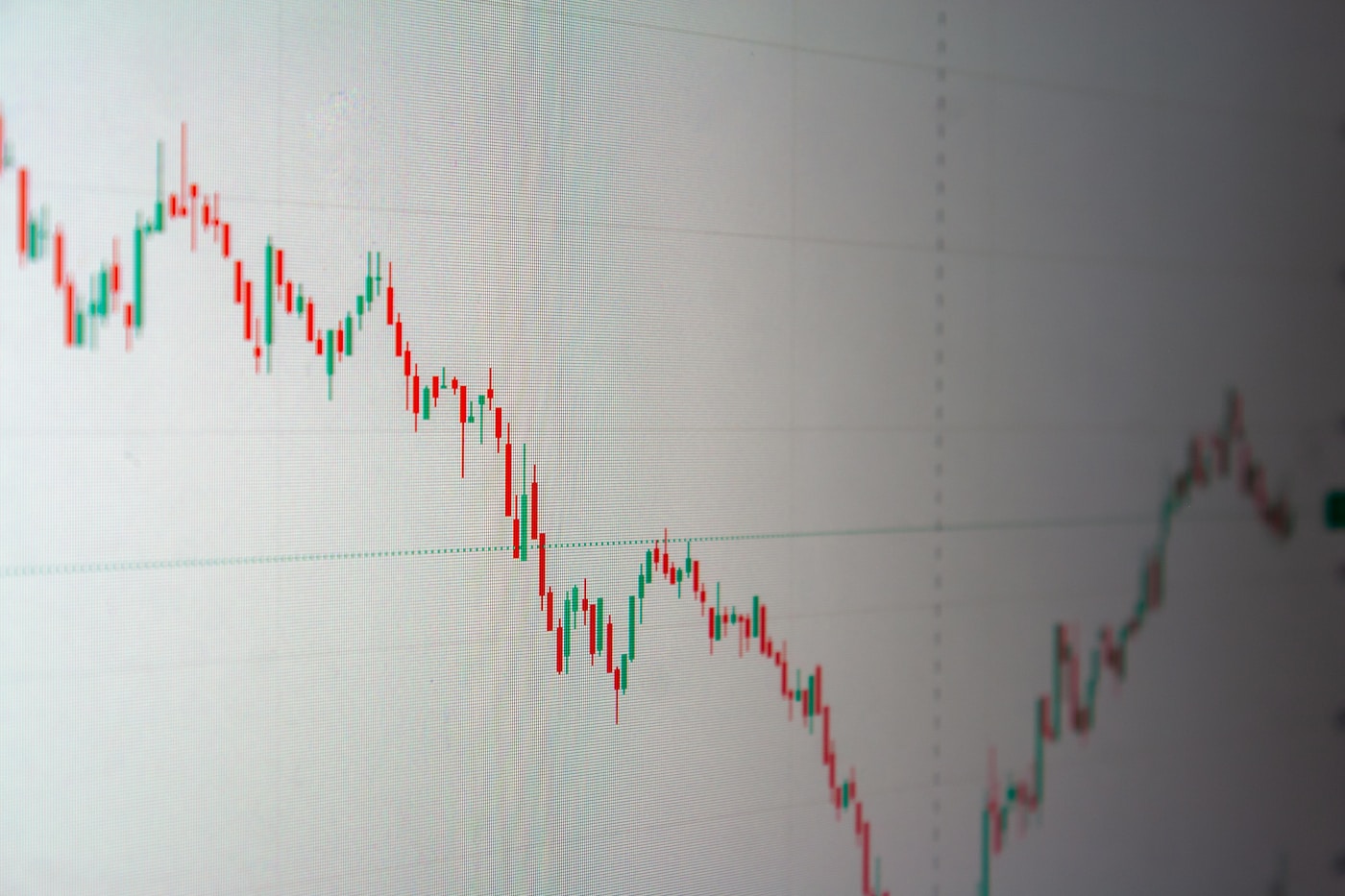

RIYADH — Global equity markets shed more than $6 trillion in value during the first full trading week of the Iran war, according to Bloomberg data, as surging crude oil prices, collapsing shipping lanes, and a deepening conflict between the United States and Tehran sent investors stampeding toward safe-haven assets. On Monday, Japan’s Nikkei 225 plunged more than 7 percent in early trading before closing 5.2 percent lower, South Korea’s Kospi sank 6 percent, and European benchmarks from London to Frankfurt fell between 2 and 3 percent, while the Dow Jones Industrial Average dropped nearly 900 points before staging a partial recovery. The volatility intensified further when Trump declared the Iran war very complete, triggering a $35 intraday swing in crude prices.
The rout marks the worst stretch for global equities since the early days of Russia’s invasion of Ukraine in 2022, and veteran Wall Street strategist Ed Yardeni raised the probability of a full-blown market meltdown to 35 percent on Monday, up from 20 percent a week earlier. For Saudi Arabia, the picture is unusually complex: Aramco shares climbed to their highest level since 2022 on elevated crude prices, yet the Kingdom’s broader Tadawul All Share Index has fallen nearly 6 percent over the past month, and the Public Investment Fund’s $12.9 billion in U.S. equity holdings faces direct exposure to Wall Street’s mounting losses.
Table of Contents
- The Monday Rout That Shook Every Major Market
- What Triggered the $6 Trillion Sell-Off?
- Oil Becomes the Engine of Global Chaos
- Why Are Economists Warning About 1970s-Style Stagflation?
- Saudi Arabia’s Market Paradox
- How Exposed Is Saudi Arabia’s Public Investment Fund?
- The Bond Market Signals an Ugly Future
- What Comes Next for Global Markets?
- Frequently Asked Questions
The Monday Rout That Shook Every Major Market
Monday, March 9 opened with carnage across Asia. Japan’s Nikkei 225, the region’s most closely watched benchmark, plunged as much as 7 percent in the first ninety minutes of trading before settling at a loss of 5.2 percent, closing at 52,728.72, according to Bloomberg data. The selloff wiped approximately $300 billion from the value of Japanese equities in a single session.
South Korea’s Kospi was hit harder in percentage terms, sinking 6 percent to 5,251.87 as Samsung Electronics, SK Hynix, and Hyundai Motor all fell sharply. Both countries depend heavily on Gulf oil imports transiting the Strait of Hormuz, and the effective closure of the waterway since the war began on February 28 has raised the specter of energy rationing in two of the world’s most energy-dependent industrial economies.
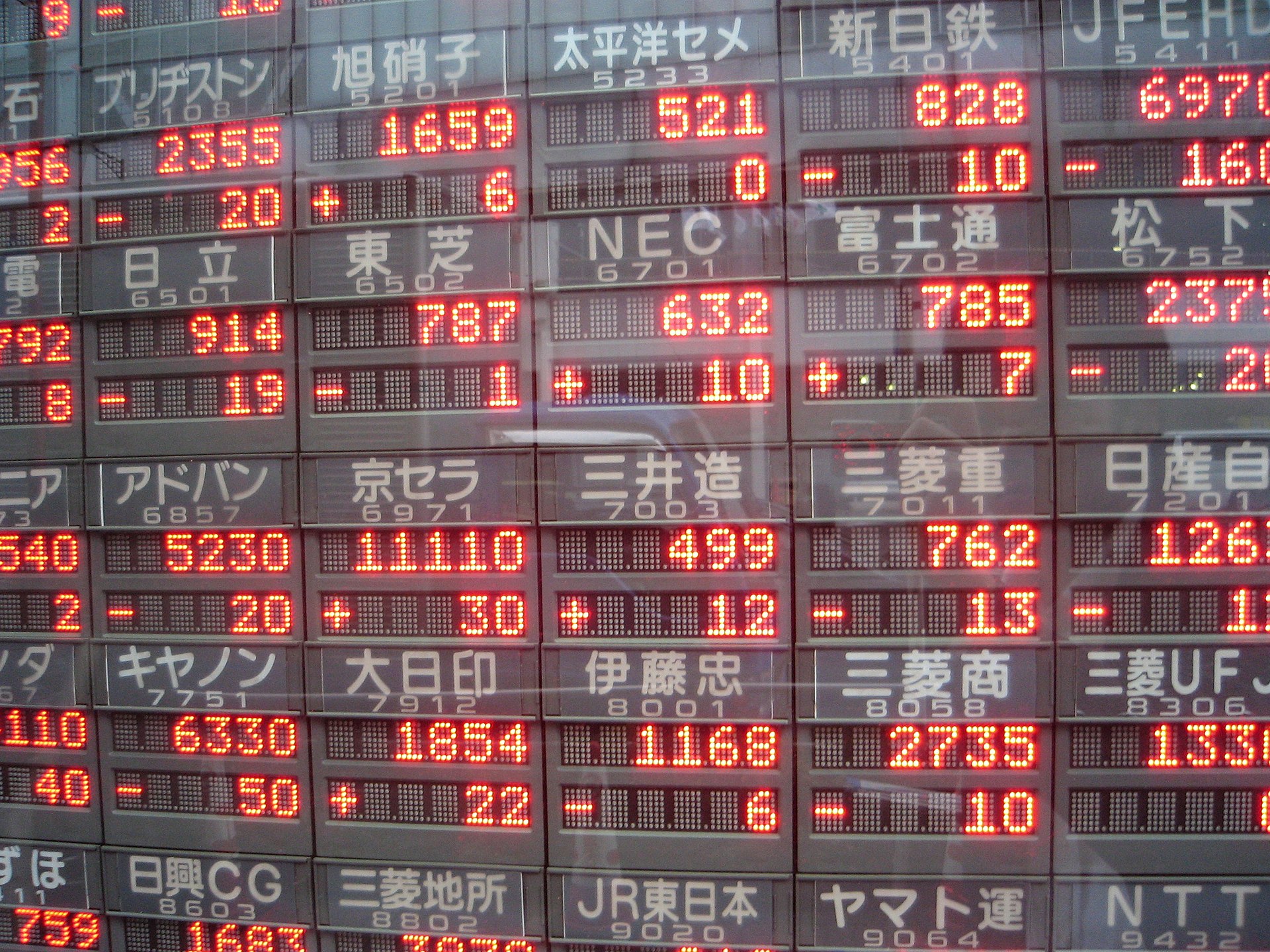
European markets opened lower hours later. Germany’s DAX dropped 2.6 percent to 22,983.67, while France’s CAC 40 lost 2.7 percent to 7,779.46. London’s FTSE 100 fell roughly 2 percent, dragged down by travel, hospitality, and consumer discretionary stocks, though energy majors BP and Shell both rose on the crude price spike.
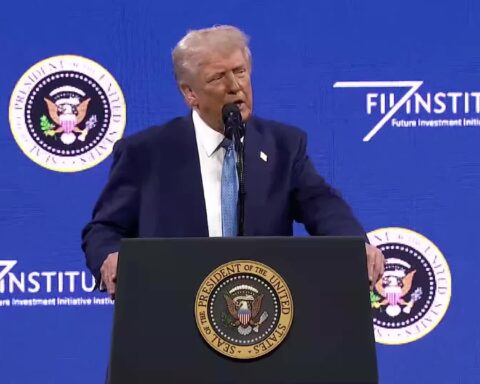
In the United States, futures on the Dow Jones Industrial Average, S&P 500, and Nasdaq Composite all plunged more than 2 percent in overnight trading. By late morning, the Dow was down nearly 945 points, or about 2 percent. A partial recovery followed after President Donald Trump told reporters the Iran campaign was “very complete” and could end soon, according to CBS News. The Dow ultimately closed down 453 points, or 0.9 percent, while the Nasdaq Composite sank 1.6 percent.
| Index | Country | Session Low | Close | Change |
|---|---|---|---|---|
| Nikkei 225 | Japan | -7.0% | 52,728.72 | -5.2% |
| Kospi | South Korea | -8.0% | 5,251.87 | -6.0% |
| DAX | Germany | -3.1% | 22,983.67 | -2.6% |
| CAC 40 | France | -3.3% | 7,779.46 | -2.7% |
| FTSE 100 | UK | -2.5% | — | -2.0% |
| Dow Jones | US | -945 pts | 47,740.80 | -0.9% |
| Nasdaq | US | -1.5% | 22,695.95 | -1.6% |
| TASI (Tadawul) | Saudi Arabia | — | 10,830.73 | -0.97% |
What Triggered the $6 Trillion Sell-Off?
The immediate catalyst was an overnight oil price spike that sent Brent crude past $119 a barrel and West Texas Intermediate above $113 before both benchmarks pulled back to settle around $107, according to CNBC. Three interlinked developments on Sunday evening and early Monday converged to produce the shock.
First, Iran’s foreign ministry spokesperson Esmaeil Baghaei said on Sunday that there was “no room to discuss a ceasefire” while military attacks continued, according to Iran International. The rejection extinguished a brief flicker of hope that had emerged after Saudi Arabia’s backchannel diplomatic contact with Tehran, reported by Bloomberg on March 6, and after Beijing dispatched a peace envoy to Riyadh with a five-point ceasefire proposal.
Second, multiple Gulf oil producers — including Saudi Arabia, the United Arab Emirates, Kuwait, and Iraq — began cutting oil production, according to Bloomberg, as onshore storage capacity filled with crude that could not be exported through the Strait of Hormuz. Aramco cut output at two major oilfields, a move that signaled the physical constraints of the conflict were now directly throttling global supply.
Third, the U.S. State Department ordered non-emergency embassy staff to leave Saudi Arabia on Saturday, citing “safety risks” from the war, according to the U.S. Embassy in Riyadh. The ordered departure signal — a step below full evacuation — underlined that Washington considered the conflict likely to intensify rather than wind down.
Oil Becomes the Engine of Global Chaos
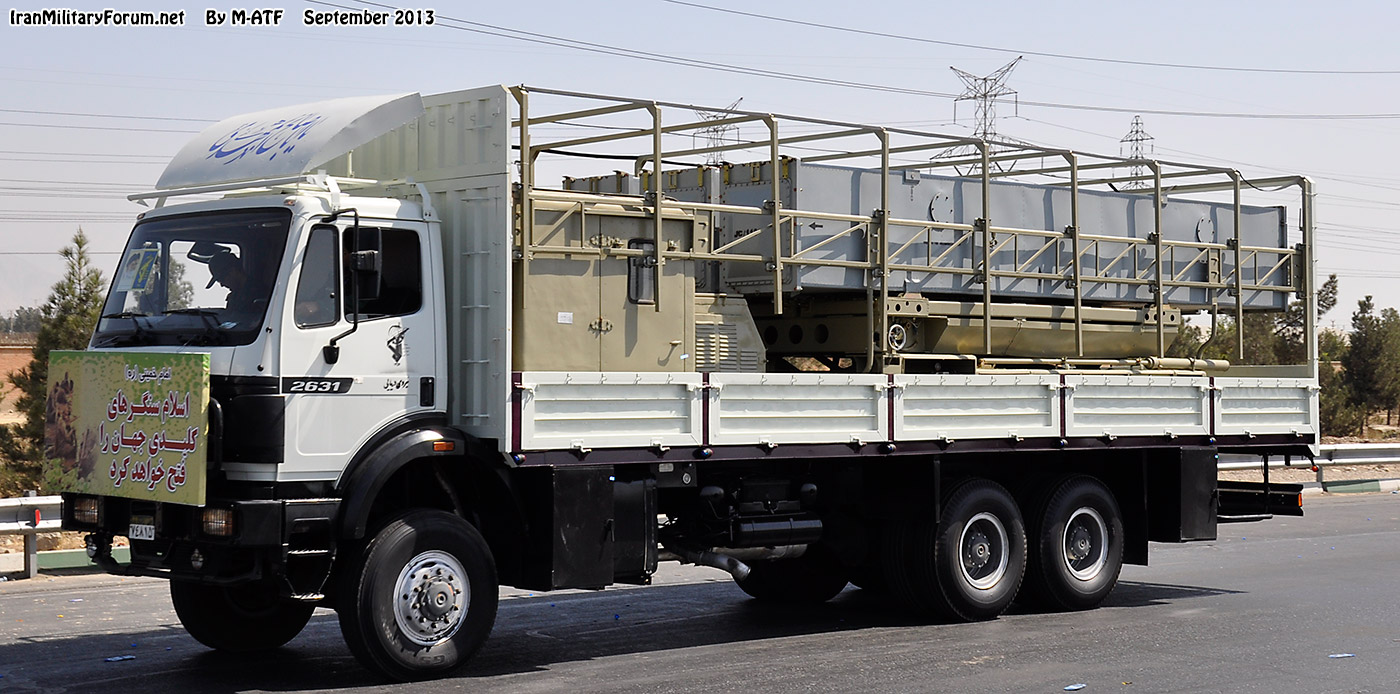
Crude oil has risen more than 60 percent since the war began on February 28, when the United States and Israel launched joint airstrikes that killed Iran’s Supreme Leader Ali Khamenei and destroyed key military installations, according to multiple wire service reports. Iran retaliated with missile and drone strikes across the Gulf, targeting U.S. bases and allied military infrastructure in Saudi Arabia, the UAE, Bahrain, Kuwait, Qatar, and Iraq.
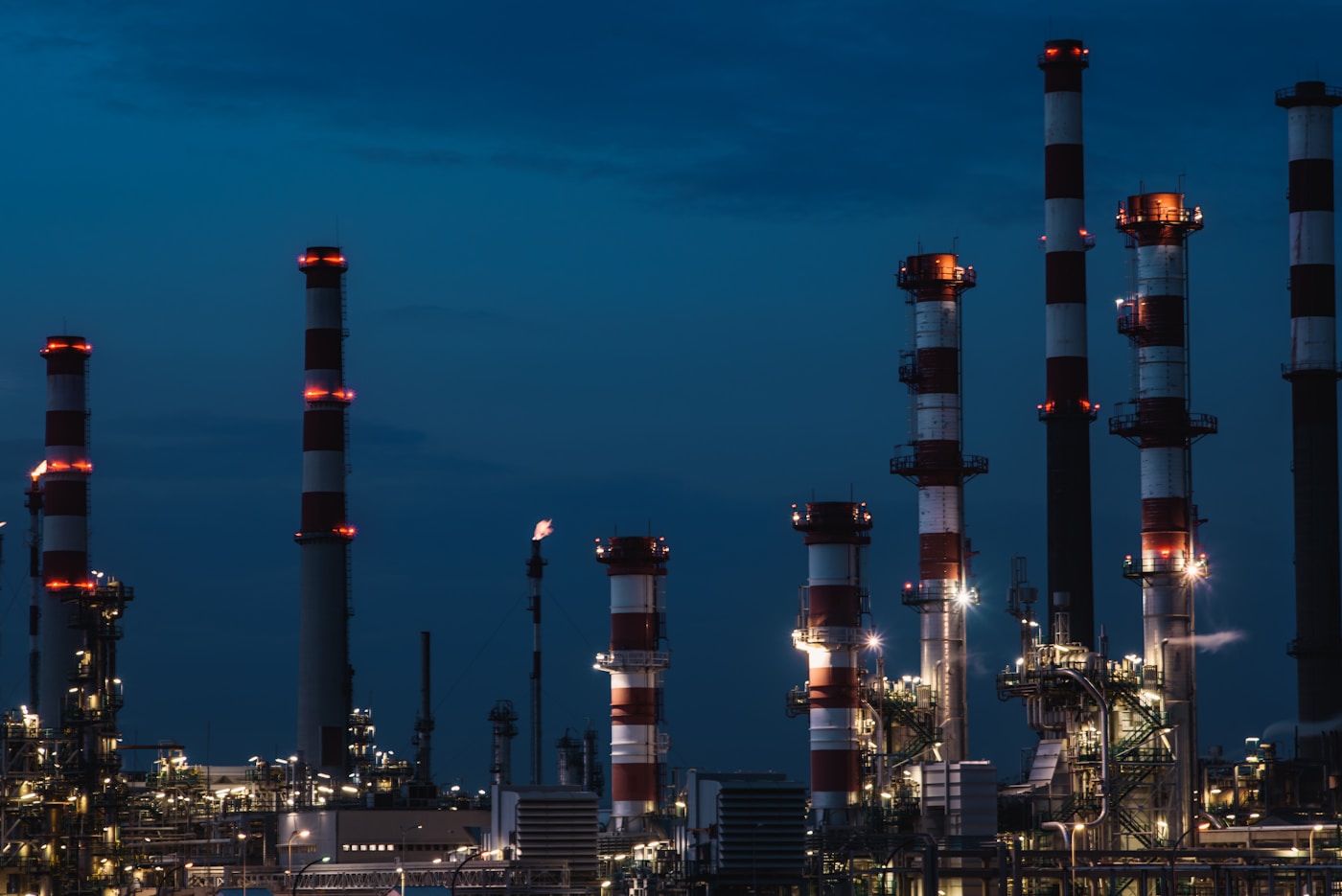
The critical mechanism driving the price surge is the near-total shutdown of the Strait of Hormuz, through which roughly 21 percent of global oil supply — about 20.5 million barrels per day — normally transits, according to the U.S. Energy Information Administration. Commercial shipowners have halted voyages after receiving warnings that the waterway was effectively closed, as Iranian mines, coastal missiles, and patrol boats made passage untenable. The withdrawal of war risk insurance by major P&I clubs compounded the physical threat, making commercial transit financially impossible.
Saudi Arabia produces approximately 10 million barrels per day and normally exports around 7 million, with the bulk of shipments moving eastward through Hormuz. The Kingdom’s East-West Pipeline, which connects the Eastern Province oil fields to the Red Sea port of Yanbu, can carry roughly 5 million barrels per day — not enough to fully replace Hormuz-bound exports, as Bloomberg reported. The revenue windfall from triple-digit oil prices is real, but it comes with an operational bottleneck that Saudi planners had hoped to avoid.
OPEC+ members agreed in early March to increase production by 206,000 barrels per day starting in April, but analysts from JPMorgan Chase and Goldman Sachs both described the move as a “signal, not a solution,” since physical delivery through the Gulf remains constrained. The International Energy Agency estimated that the Hormuz disruption has removed between 5 and 7 million barrels per day of effective supply from the global market.
| Date | Event | Brent Crude ($/bbl) | Change |
|---|---|---|---|
| Feb 27 | Pre-war baseline | $73.20 | — |
| Feb 28 | US-Israel strikes on Iran begin | $84.50 | +15.4% |
| Mar 1 | Iran retaliates across Gulf | $91.00 | +7.7% |
| Mar 3 | Hormuz shipping halts | $97.80 | +7.5% |
| Mar 7 | Gulf producers begin oil cuts | $104.00 | +6.3% |
| Mar 9 (intraday) | Iran rejects ceasefire | $119.48 | +14.9% |
| Mar 9 (close) | Markets settle | $106.61 | — |
Why Are Economists Warning About 1970s-Style Stagflation?
Stagflation — the toxic combination of rising inflation, slowing economic growth, and rising unemployment — has not afflicted the global economy since the oil shocks of 1973 and 1979. Monday’s events prompted some of Wall Street’s most-followed strategists to warn that the scenario is no longer hypothetical.
Ed Yardeni, the veteran strategist who coined the term “bond vigilantes” in the 1980s, raised his probability of a full market meltdown to 35 percent from 20 percent, according to Bloomberg. He simultaneously slashed his odds of a “meltup” rally to just 5 percent from 20 percent. “If ship traffic through the Strait of Hormuz doesn’t resume by early April, then farmers will have to switch to a different fertilizer or use less of it,” Yardeni wrote in a client note, warning that disrupted ammonia and potash shipments could trigger a secondary “food price shock” by late 2026. A growing Gulf fertilizer crisis threatens to make that prediction reality.
The stagflation mechanism is straightforward. Oil above $100 per barrel raises input costs across the entire economy — from transportation and manufacturing to heating and agriculture. Those costs pass through to consumer prices, pushing inflation higher. At the same time, higher energy prices function as a tax on consumers and businesses, slowing spending and investment, which drags growth toward or below zero.
CNBC reported that the Polymarket prediction platform now shows a 37 percent probability of a U.S. recession in 2026, up from just 12 percent before the war began. The Federal Reserve faces a particularly acute dilemma: cutting interest rates to support growth would risk fueling inflation further, while maintaining rates could deepen the economic slowdown.
“This is a classic stagflationary shock. Higher inflation, lower growth, and a reduced probability of rate cuts. Central banks have no good options.”
James Athey, bond portfolio manager, quoted by Bloomberg, March 9, 2026
The comparison to the 1970s, while imperfect, is instructive. In 1973, the Arab oil embargo quadrupled crude prices and triggered a global recession. In 1979, the Iranian Revolution removed Iran’s output from the market and doubled prices again. Both shocks produced years of stagflation. The key difference today, as Yardeni noted, is that the United States is now the world’s largest oil producer, which cushions the domestic impact. The problem is that the physical disruption — closed shipping lanes, not just an embargo — affects the entire global trading system, not just oil-importing nations.
Saudi Arabia’s Market Paradox
Saudi Arabia occupies an unusual position in this crisis: simultaneously a beneficiary and a victim. Aramco shares rose to 27.40 Saudi riyals during Monday’s session, their highest since the company’s initial public offering in late 2019, implying a market capitalization of 6.3 trillion riyals ($1.68 trillion), according to Investing.com. The stock is up 13 percent year-to-date, driven entirely by the crude price surge.

The broader Saudi market tells a different story. The Tadawul All Share Index (TASI) fell 0.97 percent on Monday to close at 10,830.73, extending a month-long decline of nearly 6 percent, according to Trading Economics. Banking stocks, construction firms, and consumer-facing companies have all suffered as investors weigh the disruption to domestic economic activity, the suspension of flights to multiple Gulf destinations, and the risk that the conflict damages Vision 2030’s investment timeline.
In early March, TASI fell as much as 5 percent to 10,214 — its lowest level since March 2023 — before recovering. The gap between Aramco’s performance and the rest of the exchange reflects a structural divergence: what is good for the oil giant is not necessarily good for the diversified economy Mohammed bin Salman has spent a decade building.
| Metric | Value | Change (since Feb 27) |
|---|---|---|
| TASI Index | 10,830.73 | -5.91% (4 weeks) |
| Aramco (2222) | 27.12 SAR | +13% YTD |
| Aramco Market Cap | $1.68 trillion | — |
| Saudi Oil Output | ~10 mbpd (cutting) | Declining |
| Saudi Oil Exports | ~7.3 mbpd (pre-war) | Constrained by Hormuz |
How Exposed Is Saudi Arabia’s Public Investment Fund?
The Public Investment Fund, Saudi Arabia’s $930 billion sovereign wealth fund, holds $12.9 billion in U.S.-listed equities as of the end of December 2025, according to Arab News, citing regulatory filings. That figure represents a significant reduction from $19.4 billion at the close of the third quarter of 2025 — a decline that now looks prescient.
PIF’s U.S. portfolio is concentrated in five companies: Lucid Group, Electronic Arts, Uber Technologies, Allurion Technologies, and Claritev Corp. The fund divested its entire stake in Take-Two Interactive, transferring it to Savvy Games Group, a PIF subsidiary focused on the gaming sector. With U.S. markets down roughly 4 percent since the war began, PIF’s $12.9 billion American portfolio has likely absorbed losses in the range of $400 to $500 million — a manageable figure given the fund’s scale but a drag on returns at a moment when capital preservation matters.
The more significant risk for PIF is indirect. Crown Prince Mohammed bin Salman pledged in January to invest $600 billion in the United States during President Trump’s second term, according to the White House. That commitment assumed a stable market environment. A prolonged war-driven downturn would complicate the timeline for deploying that capital and could force a renegotiation of investment terms for planned acquisitions and joint ventures.
Domestically, PIF has been preparing for a wave of initial public offerings in 2026, according to Semafor, including subsidiaries in the entertainment, sports, and real estate sectors. A weakened Tadawul makes those listings harder to price and potentially less lucrative. Every percentage point that TASI falls reduces the valuation benchmarks for PIF’s planned IPO candidates. Aramco’s Q4 2025 earnings reveal how this fiscal dynamic plays out at the company level, with dividends and PIF funding hanging in the balance.
The Bond Market Signals an Ugly Future
The global bond market, often a more reliable indicator of systemic stress than equities, is flashing red. UK government bond yields have risen approximately 40 basis points in a single week — the largest one-week increase since August 2024, according to Bloomberg. Two-year gilt yields climbed to 4.129 percent, up from 3.52 percent before the conflict, their highest since April 2025.
The mechanism is straightforward: traders expect higher inflation from the oil shock, which means central banks are less likely to cut interest rates. Before the Iran war, the Bank of England had been widely expected to cut rates at its March 19 meeting, with an 80 percent probability priced in by markets, according to Morningstar. That probability has now collapsed to near zero, with rate cuts for the rest of 2026 also being priced out.
The European Central Bank faces a similar bind. While European inflation had been cooling toward the 2 percent target, oil above $100 threatens to reverse that progress. The ECB must now choose between supporting growth in an economy already weakened by the Ukraine conflict’s lingering effects and containing inflation that the oil shock is reigniting.
Turkey’s bond market has been hit particularly hard, with yields nearly doubling since the conflict began, according to Bloomberg. Ankara’s geographic proximity to the conflict zone, its dependence on Gulf energy imports, and its complex relationships with both the United States and Iran have made Turkish assets a lightning rod for regional risk, a dynamic explored in detail in analysis of the G7’s emergency response to the Hormuz crisis.
| Country | Instrument | Pre-War Yield | Current Yield | Change (bps) |
|---|---|---|---|---|
| United Kingdom | 2-Year Gilt | 3.52% | 4.13% | +61 |
| United States | 10-Year Treasury | 4.25% | 4.48% | +23 |
| Germany | 10-Year Bund | 2.45% | 2.81% | +36 |
| Turkey | 10-Year Bond | ~27% | ~50%+ | ~2,300+ |
What Comes Next for Global Markets?
Three scenarios dominate the thinking of strategists surveyed by Bloomberg and Reuters.
In the most optimistic scenario, the conflict ends quickly — within one to two weeks — after the United States achieves its stated military objectives and agrees to a cessation of hostilities. Under this scenario, oil would retreat below $80 within weeks, equity markets would recover most of their losses, and the stagflation narrative would fade. Trump’s comments on Monday that the war was “very complete” fed this narrative and helped U.S. markets stage an afternoon recovery.
In the baseline scenario, the conflict grinds on for four to six weeks, with the Strait of Hormuz remaining partially or fully disrupted. Oil would stabilize between $90 and $110, according to Goldman Sachs projections cited by Fortune. Equities would remain volatile with a downward bias, and central banks would hold rates steady, choosing neither to cut nor raise. This scenario carries a moderate recession risk for Europe and Japan and a slowdown, but not recession, for the United States.
In the worst-case scenario, the conflict escalates further — potentially involving a U.S. ground operation in Iran, Hezbollah entering the war in force, or Iranian retaliation against critical infrastructure beyond the Gulf. Under this scenario, oil could test $130 to $150 per barrel, equity markets could fall an additional 15 to 20 percent, and a global recession would become the base case. Yardeni’s 35 percent meltdown probability reflects this tail risk.
For Saudi Arabia, the outcome hinges on duration. A short war delivers a revenue windfall with minimal structural damage to the Kingdom’s long-term economic plans. A long war risks undermining the very diversification that Vision 2030 was designed to achieve — driving foreign investors away from Tadawul, delaying PIF’s IPO pipeline, and turning the Riyadh financial district from a symbol of ambition into a monument to postponed dreams.
For Saudi Arabia specifically, the damage runs deeper than global market indices suggest. A detailed accounting of the full war bill the Kingdom is accumulating across military spending, foregone oil revenue, and capital flight paints a picture of fiscal strain that elevated crude prices cannot offset.
In an effort to arrest the economic damage, the International Energy Agency on March 11 authorized the release of a record 400 million barrels from emergency reserves, the largest coordinated intervention in the agency’s fifty-year history, aimed at bringing crude prices down from crisis levels and alleviating the stagflationary pressures building across the global economy.
Frequently Asked Questions
How much value have global stock markets lost since the Iran war began?
Global equity markets have lost approximately $6 trillion in value since the Iran war began on February 28, 2026, according to Bloomberg data. The losses span every major market, with Asian equities hit hardest due to the region’s dependence on Gulf oil imports transiting the Strait of Hormuz.
What is stagflation and why is it a risk now?
Stagflation is the simultaneous occurrence of high inflation, slow economic growth, and rising unemployment. The Iran war’s oil price shock — with Brent crude surging above $110 per barrel — threatens to push consumer prices higher while dragging growth lower, replicating the dynamics of the 1973 and 1979 oil crises.
How has the Saudi stock market performed during the Iran war?
Saudi Arabia’s Tadawul All Share Index has fallen approximately 6 percent over the past month, closing at 10,830.73 on March 9. Aramco shares have bucked the trend, rising 13 percent year-to-date on elevated crude prices to a market capitalization of $1.68 trillion.
How exposed is Saudi Arabia’s sovereign wealth fund to the global sell-off?
The Public Investment Fund holds $12.9 billion in U.S.-listed equities, down from $19.4 billion in September 2025. The reduction limits direct losses, but a sustained market downturn could delay PIF’s planned domestic IPO program and complicate the $600 billion U.S. investment pledge made in January 2026.
When could markets recover?
Recovery depends on the duration of the conflict and the reopening of the Strait of Hormuz. Strategists surveyed by Bloomberg and Reuters identify three scenarios: a quick resolution within two weeks could see oil below $80 and markets recovering rapidly; a four-to-six-week conflict would keep oil between $90 and $110 with prolonged volatility; a further escalation could send oil to $130-$150 and trigger a global recession.