
RIYADH — As of April 2, 2026, the conflict involving the United States, Israel, and the Islamic Republic of Iran has entered a phase of intensive strategic degradation. Following a series of major aerial operations and conflicting reports regarding a potential ceasefire, the situation remains highly volatile. Military activity has consolidated around the targeting of Iran’s energy and command infrastructure, while the global economy continues to grapple with the indefinite closure of the Strait of Hormuz.
Day 34 began with a significant escalation in rhetoric and kinetic activity. Following a televised address by U.S. President Donald Trump, in which he vowed to strike Iran “extremely hard” over the next two to three weeks, oil markets reacted with sharp volatility. This period is now defined by a disconnect between Washington’s claims of mission near-completion and Tehran’s continued operational resistance on the ground and in the maritime domain.
Military Operations and Aerial Campaign
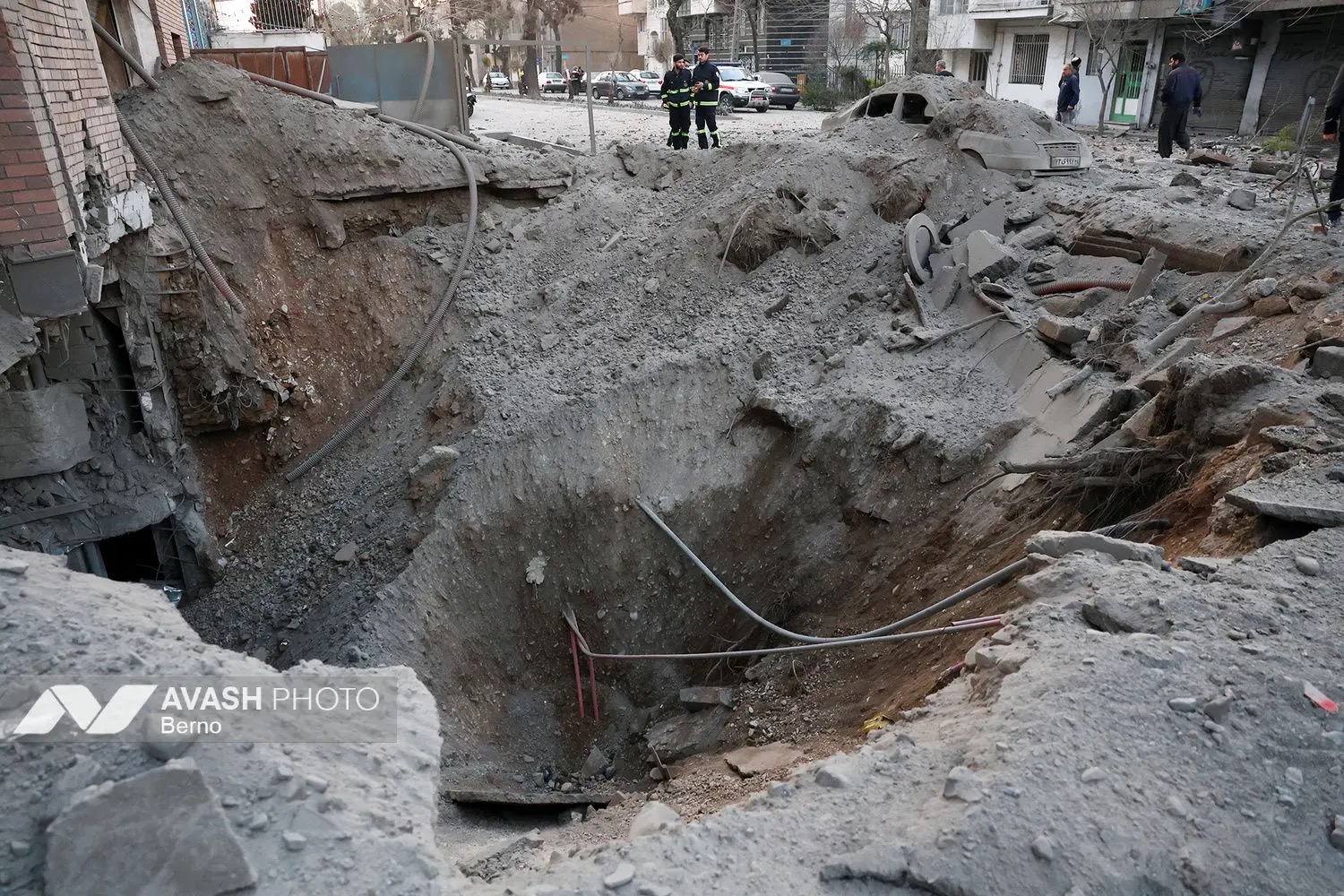
The Israeli Defense Forces (IDF) and U.S. Central Command (CENTCOM) have intensified “Operation Roaring Lion,” reporting over 800 strike sorties in the last 48 hours alone. Since the start of the conflict, the coalition has utilized approximately 16,000 munitions against over 12,000 targets across 26 of Iran’s 31 provinces. The focus of the last several hours has been the systematic destruction of electric generating plants and hardened missile silos in the provinces of Tehran, Isfahan, and Alborz.
In retaliation, Iran launched a significant barrage of ballistic missiles toward central and northern Israel. The IDF confirmed that while the majority of these threats were neutralized by the Arrow and David’s Sling defense systems, at least one missile utilized a cluster-submunition warhead, marking a tactical shift intended to saturate local defenses. Simultaneously, Iranian-aligned groups, including Hezbollah and the Houthi movement, have maintained pressure on regional fronts, with the Houthis claiming their third successful missile launch toward Eilat in three days.
Political Succession and Leadership Status
Internal Iranian governance remains opaque following the death of former Supreme Leader Ali Khamenei earlier in the conflict. Mojtaba Khamenei has reportedly assumed command duties, though his physical status has been the subject of intense speculation. While the Iranian Ambassador to Italy recently stated that Mojtaba is “alive and governing” from within the country, he has not appeared in a live video broadcast since March 8. Intelligence assessments suggest the regime is currently operating under a “Wartime Military Council” comprised of senior Islamic Revolutionary Guard Corps (IRGC) commanders, which may be limiting the influence of the civilian government under President Masoud Pezeshkian.
The Ceasefire Controversy and Diplomatic Friction
A major diplomatic rift emerged after President Trump claimed on social media that President Pezeshkian had “just asked” for a ceasefire. Trump indicated the U.S. would consider a cessation of hostilities only if the Strait of Hormuz were reopened and cleared of naval mines. The Iranian Foreign Ministry immediately issued a rebuttal, categorizing these claims as “false and baseless.”
In a direct address to the American public, President Pezeshkian released a letter via social media stating that Iran would “endure any aggression” and accused Israel of manipulating the United States into a proxy conflict. This suggests a deepening divide between the pragmatic elements of the Iranian presidency, which appear to be signaling for an exit strategy, and the IRGC leadership, which remains committed to a strategy of “maximum resistance.”
Maritime Blockade and Economic Consequences
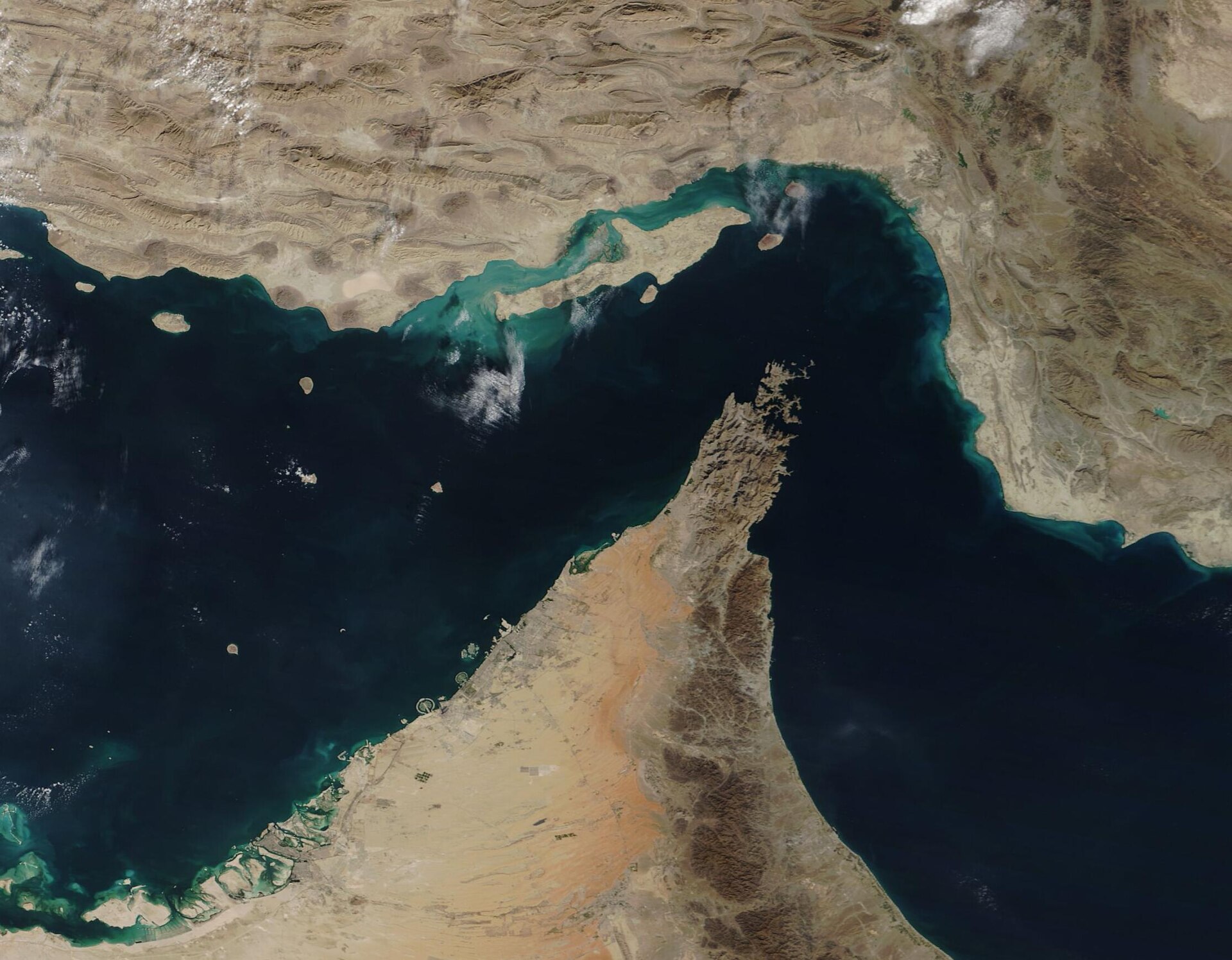
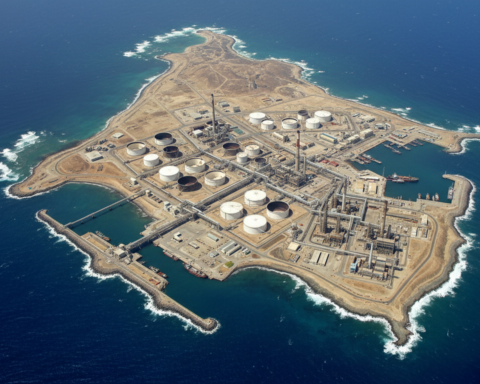
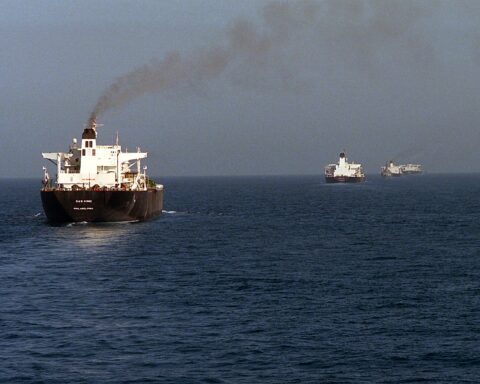
The Strait of Hormuz remains the conflict’s most critical strategic chokepoint. Iranian officials have hinted at a “new regime” for the waterway post-war, suggesting that they may attempt to permanently restrict transit for Western-aligned vessels. In response, President Trump has set a deadline of April 6 for the reopening of the strait, threatening total destruction of Iran’s energy sector if the blockade persists.
The economic impact of the closure is severe. Brent crude prices surged nearly 5% this morning to $106.16 per barrel. In the United States, the national average for gasoline has officially crossed $4.06 per gallon, the highest level since 2022. Analysts warn that if the blockade is not broken, global oil prices could reach $150 to $200 per barrel, potentially triggering a global recession.
Consolidated Conflict Metrics
| Category | Estimated Data |
|---|---|
| Total Iranian Fatalities | 3,500+ |
| Coalition Sorties Conducted | 13,500+ |
| Israeli Fatalities | 29 (19 Civilian, 10 Military) |
| U.S. Fatalities | 15 |
| Brent Crude Price | $106.16 / barrel |
| Strait of Hormuz Status | Closed / Blockaded |
The conflict remains at a stalemate. While the coalition maintains total air superiority and continues to degrade Iran’s fixed assets, the IRGC’s mobile missile units and maritime denial capabilities remain functional. The next 96 hours, leading up to the April 6 deadline, will likely determine whether the war expands into a full-scale regional conflagration or moves toward a fragile, negotiated de-escalation.