
Saudi Arabia and the wider Gulf entered Sunday, March 8, still absorbing the aftershocks of another intense 24 hours in the expanding Iran crisis, with fresh drone interceptions over Riyadh, repeated attempted strikes on the Shaybah oil field, renewed disruption around Dubai International Airport, and mounting concern over how quickly the conflict is spilling from the battlefield into the region’s transport and energy systems.
The immediate picture is one of containment rather than calm. Saudi and Emirati air defenses have continued to shoot down incoming threats, and officials in both countries have stressed that critical systems remain operational. But the latest cycle of attacks has underlined an uncomfortable reality for Gulf states: even when most drones and missiles are intercepted, the economic consequences can spread quickly through airports, oil infrastructure, shipping lanes, insurance markets, and public confidence.
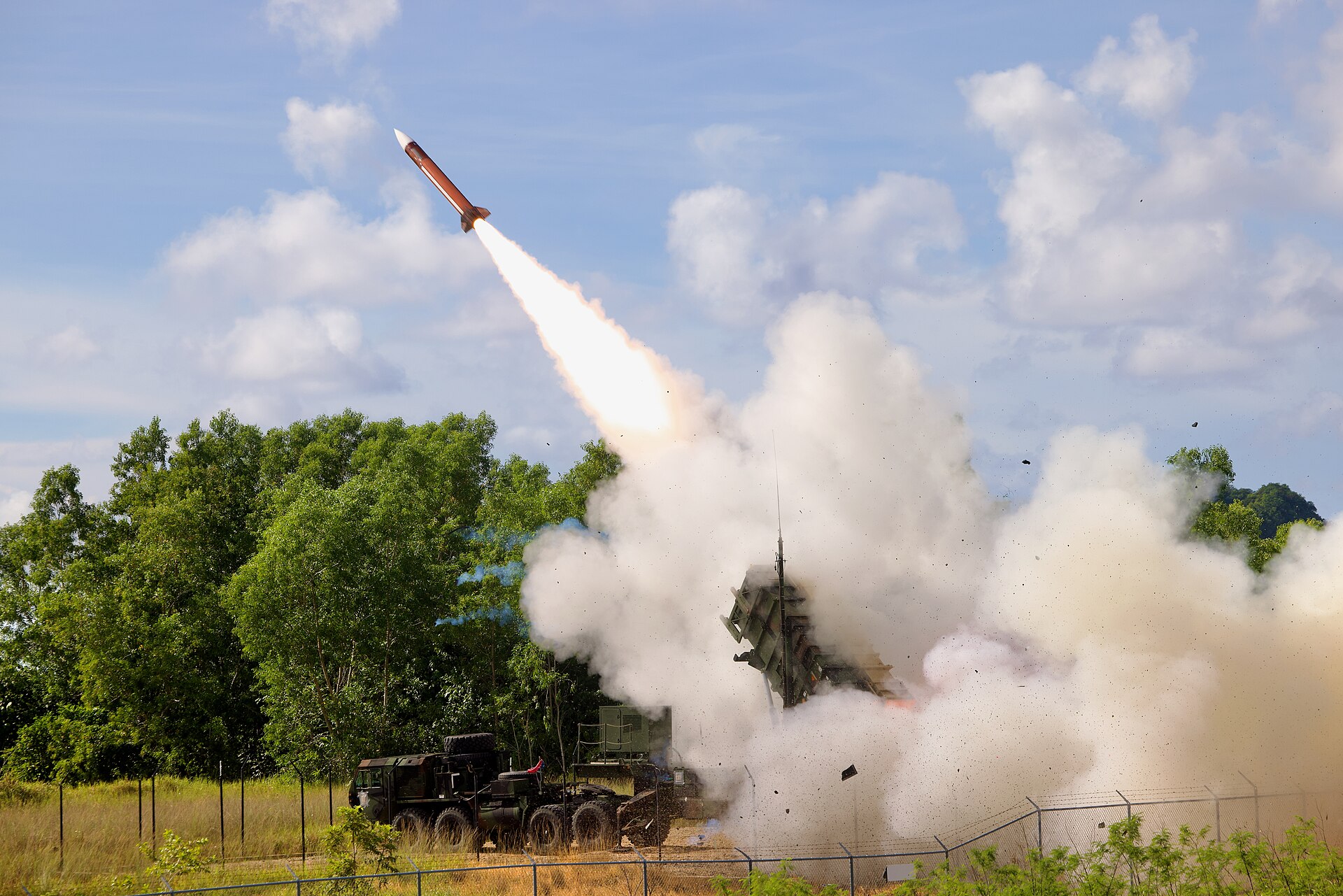
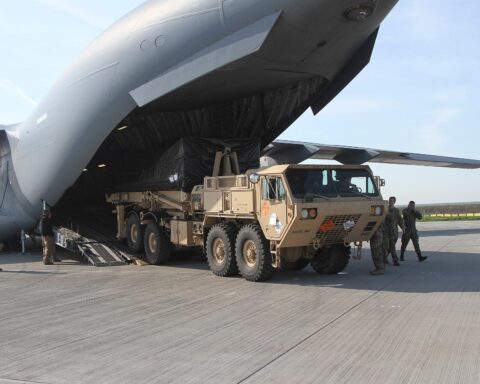
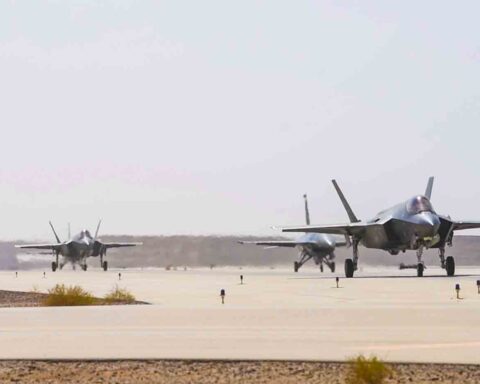
In Saudi Arabia, the most visible military developments over the last 24 hours centered on Riyadh and the Kingdom’s eastern energy belt. Saudi Gazette, citing the Ministry of Defense, reported early Sunday that air defenses intercepted multiple drones over the capital, including an attempted strike on Riyadh’s Diplomatic Quarter. The same report said three drones were destroyed over the city, four more east of Riyadh, and another drone in the Empty Quarter while heading toward the Shaybah oil field. No civilian injuries or material damage were reported.
Those interceptions followed Saturday’s heavier wave against Shaybah, one of Saudi Aramco’s most strategically important fields near the UAE border. Saudi official reporting said air defenses destroyed 21 drones targeting the field on Saturday, along with three ballistic missiles aimed at Prince Sultan Air Base. Shaybah is not just another remote energy site. It is one of the Kingdom’s major crude and natural gas liquids assets, and any repeated attempt to strike it carries weight far beyond the desert where it sits. It speaks directly to Tehran’s ability, or at least its intention, to keep Saudi energy infrastructure under pressure even when it fails to land a decisive blow.
The Saudi response has become sharper. Reuters reported on Sunday that Riyadh had warned Tehran not to launch further attacks on Saudi territory or energy infrastructure, with Saudi officials signaling that another major strike could force retaliation. That warning is significant because it captures the Kingdom’s increasingly difficult balancing act: deter Iran strongly enough to protect its territory and oil assets, while still trying to avoid being pulled into a broader direct war that could damage its own economic agenda.
Elsewhere in the Gulf, attention remained fixed on Dubai after Saturday morning’s disruption around the region’s most important aviation hub. There was widespread online speculation that Dubai International Airport had been directly attacked, but Dubai authorities later said that was not the case. The Dubai Media Office said operations at DXB had been temporarily suspended for safety during an interception operation and that a minor debris-related incident had been contained with no injuries reported. Officials also explicitly denied social media reports claiming an incident at Dubai International Airport itself.
Even with that clarification, the operational impact was real. Dubai Airports later said flights had partially resumed, while Emirates restarted some services and urged passengers not to travel unless their flights had been confirmed. AFP and regional reporting described a brief suspension followed by a partial reopening, with aircraft put into holding patterns and schedules left vulnerable to last-minute changes. In practical terms, that means the biggest international aviation hub in the Gulf was once again reminded that this conflict can disrupt commercial traffic even without a direct hit on airport infrastructure.
That matters well beyond the UAE. Dubai is not only a national transport node but one of the central switching points in global long-haul travel between Europe, Asia, Africa, and Australia. Every interruption there has knock-on effects for the rest of the Gulf, including Saudi Arabia. For travelers, airlines, and logistics planners, the issue is no longer whether the conflict is geographically contained. The issue is whether the region’s most important civilian transport platforms can operate with enough predictability to keep global business moving.
Iran, for its part, tried to send a more conciliatory message on Saturday even as attacks continued. President Masoud Pezeshkian said in a televised address that Iran would refrain from launching further attacks on neighboring countries unless attacks on Iran originated from their territory. He also apologized to Gulf neighbors that had been hit in previous rounds of strikes. But the timing undercut the message. As Reuters and regional outlets noted, his remarks came after repeated attacks on Saudi Arabia, the UAE, Bahrain and Qatar, and they did little to reassure governments that had already spent the morning intercepting missiles and drones.
The contradiction is now one of the defining features of the crisis. Tehran is attempting to signal that it does not want a total rupture with Gulf Arab states, while forces aligned with or operating under Iran continue to generate real security shocks across the region. For Saudi Arabia, that means apologies are of limited value if drones continue to head toward Riyadh and strategic oil sites. For the UAE, it means official calm is necessary, but so is a recognition that each interception carries commercial consequences even when the physical damage is limited.
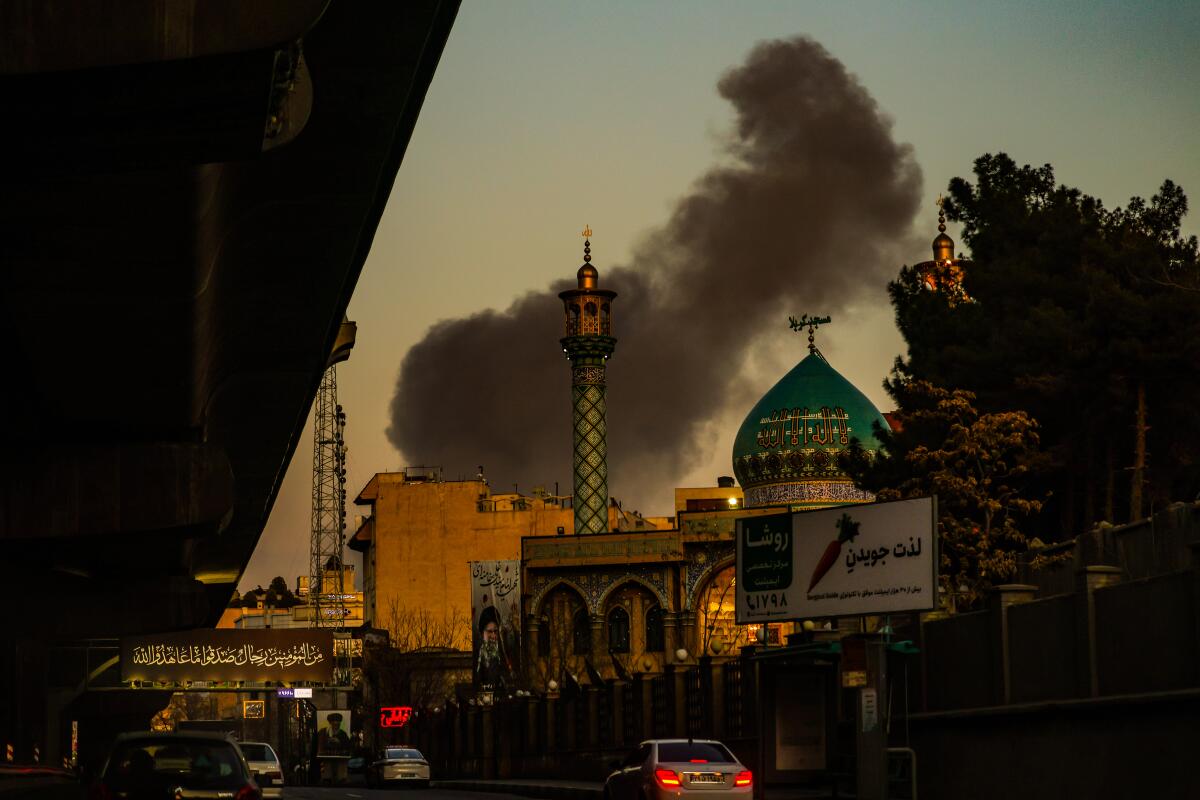
The wider regional backdrop has also darkened. AP’s Sunday live coverage said the conflict’s toll was rising across multiple fronts, including Lebanon, Iraq, Bahrain, Kuwait, the UAE and Saudi Arabia, while Israeli operations in Lebanon intensified and Washington signaled that further strikes on Iran remained possible. The result is a Gulf security environment that no longer feels episodic. Instead, it now resembles a rolling regional crisis in which civilian infrastructure, energy assets, and transport corridors are all exposed to varying degrees of disruption.
That is why the attacks on Shaybah and the disruption around DXB belong in the same story. One is an attempted strike on Saudi oil infrastructure. The other is a reminder that Gulf aviation remains vulnerable to the spillover of regional war, even when air defenses work. Together they show that the cost of this conflict is no longer measured only in missiles launched or intercepted. It is also measured in suspended flights, altered route maps, higher insurance premiums, slower cargo movement, jittery markets, and the sense that the Gulf’s premium economic platforms are operating under pressure.
For Saudi Arabia, Sunday’s update is therefore bigger than a military tally. Yes, the Kingdom can point to successful interceptions and the prevention of visible damage over Riyadh and at Shaybah. But it must also contend with a regional environment in which every attempted strike can affect transport confidence, investor psychology, and the pricing of risk. That is especially true when the conflict touches neighboring hubs like Dubai, whose stability is intertwined with the Gulf’s wider commercial ecosystem.
What happens next will depend on whether the current round of Iranian signaling translates into an actual reduction in attacks on Gulf states, or whether Saturday’s apology proves to be only a tactical message overshadowed by continued launches. For now, the last 24 hours suggest the latter. Gulf defenses are holding, but the pressure is still very much on.