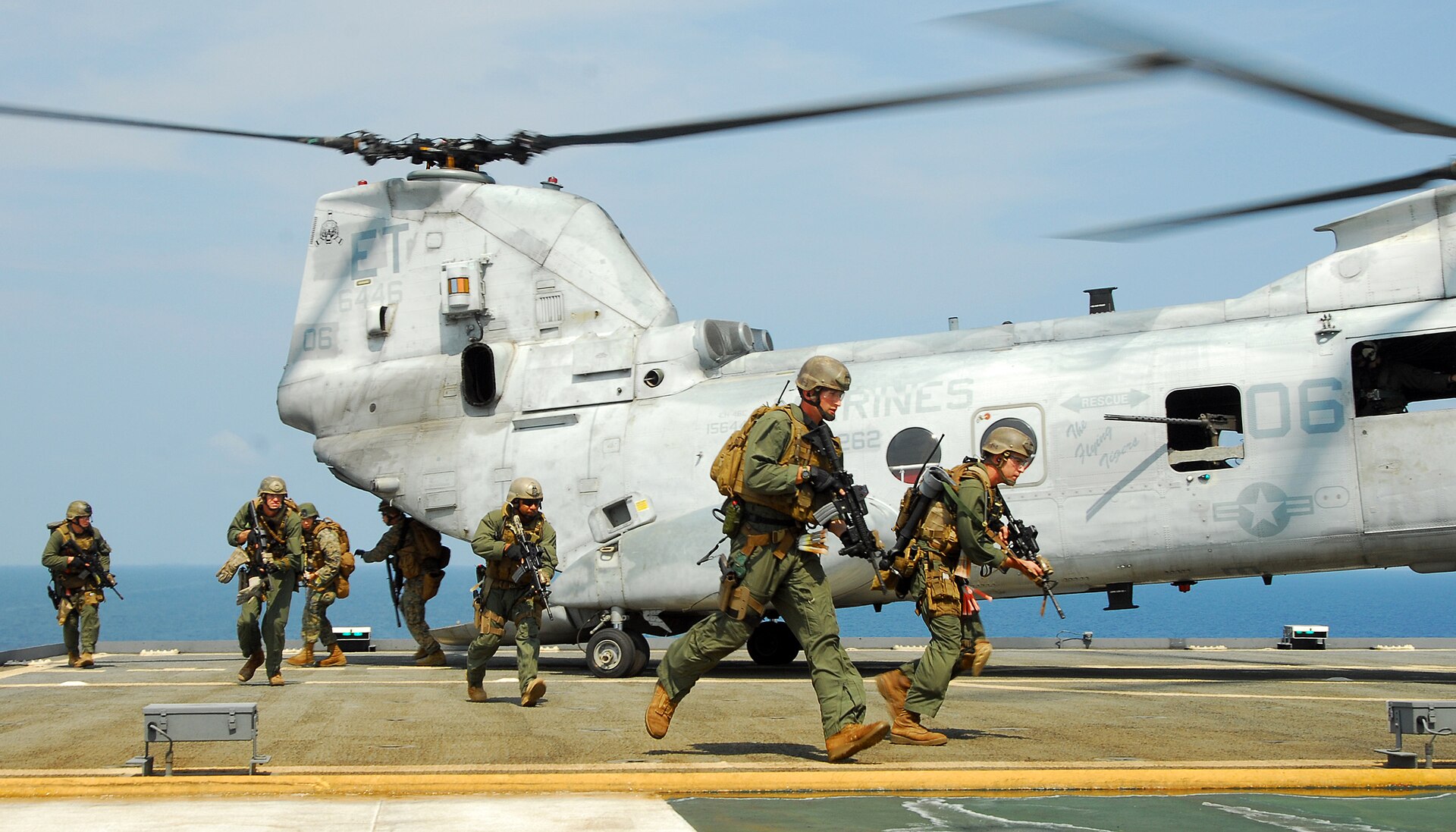

The conflict in the Persian Gulf entered its sixteenth day on Sunday with a series of significant military escalations and a hardening of diplomatic positions. As the “combined force” of the United States and Israel intensifies its campaign to degrade the Islamic Republic’s military and internal security apparatus, the regional fallout has reached a critical inflection point, threatening to permanently reshape both the map of the Middle East and the global energy market.
The Front Lines: A War of Attrition and Air Power
In the early hours of Sunday, Israeli and U.S. air assets launched a massive wave of precision strikes across Iran’s industrial heartland. The primary focus of the morning raids was Isfahan, a strategic hub for Iran’s aerospace and nuclear programs.
-
Casualties in Isfahan: At least 15 fatalities were reported following strikes on military and industrial sites, including the Iran Space Research Centre. Local reports suggest the facility, long suspected of housing long-range ballistic missile technology, suffered “catastrophic” structural damage.
-
The “Sixth Salvo”: Tehran’s response was immediate and multi-pronged. By midday Sunday, the Israel Defense Forces (IDF) reported the sixth major salvo of ballistic missiles launched from Iranian soil since midnight. While most were intercepted by the Arrow and David’s Sling systems, debris caused fires in Holon and triggered sirens as far north as Jerusalem.
-
The Crisis of Interceptors: A leaked report from U.S. officials indicates that Israel is running “critically low” on ballistic missile interceptors. This depletion of the “Iron Dome” and its sister systems presents a looming strategic vulnerability should the war extend into April.
The Second Front: Southern Lebanon
While the skies over Tehran and Isfahan are the primary theatre, the war in Lebanon has transformed into a brutal ground and air campaign.
The IDF confirmed it is planning to “significantly expand” its ground operations south of the Litani River. On Sunday, Israeli strikes targeted a residential apartment in Sidon, killing one person, while three others died in raids on Al-Qatrani. Hezbollah, led by Naim Qassem, has characterized the conflict as an “existential battle,” launching 29 attacks in a single 24-hour window—the highest daily volume since the war began on February 28.
The Successor’s Shadow: Mojtaba Khamenei
The transition of power in Tehran remains shrouded in opacity. Following the death of Supreme Leader Ali Khamenei in the opening salvos of the war, his son, Mojtaba Khamenei, was appointed by the Assembly of Experts on March 8.
On Sunday, state media released a written message attributed to the new Leader, his first since taking power. Notably, Mojtaba has not appeared on camera, fueling intelligence assessments that he may have been wounded in the same strikes that killed his father. His message, however, was defiant:
-
He reaffirmed the “indefinite” closure of the Strait of Hormuz.
-
He vowed “regret-inducing” revenge for every Iranian martyr.
-
He warned regional GCC states that hosting U.S. bases makes them “legitimate targets,” despite claiming Iran does not seek war with its neighbors.
Economics of Conflict: The $150 Barrel
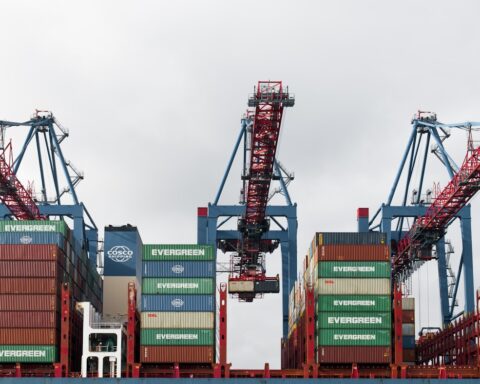
The strategic closure of the Strait of Hormuz—the conduit for 20% of the world’s oil and LNG—has moved from a theoretical threat to a functional reality.
-
Supply Shock: An estimated 15 million barrels of oil have been “erased” from the daily market. While U.S. President Donald Trump has called for an international naval coalition to break the blockade, the presence of Iranian sea mines (dozens of minelayers were reportedly destroyed by CENTCOM this week) makes commercial insurance impossible.
-
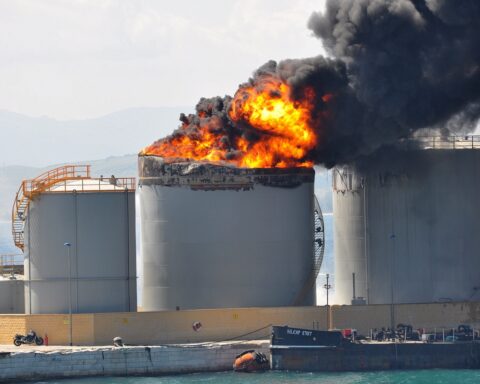
The Safaniya Factor: Reports emerged on Sunday that major Gulf oilfields, including Saudi Arabia’s massive Safaniya offshore field, are being forced to shut down. With tankers unable to move and storage tanks reaching capacity, producers are “turning off the taps,” a move that analysts warn could push oil prices past the 2008 record of $147.50 a barrel this week.
Diplomatic Deadlock
Mediation efforts led by Oman and Egypt have hit a brick wall.
“I’m not interested in a deal right now,” President Trump stated on Sunday, rebuffing calls for a ceasefire. “We’re going to continue with the mission unabated.”
Tehran has matched this intransigence, with Foreign Minister Abbas Araghchi insisting that no negotiations can occur until “unauthorized” U.S. and Israeli strikes cease entirely. At the UN, the Security Council remains paralyzed; while Resolution 2817 condemned Iran’s attacks on its neighbors, a Russian-led call for an immediate ceasefire failed to gain Western support.
Conflict Metrics (As of March 15, 2026)
| Metric | Status / Data Point |
| Duration | Day 16 |
| Confirmed Deaths (Est.) | 2,000+ (Iran/Lebanon); 8 (U.S. Service Members) |
| Civilian Impact | 43,000+ units damaged; 1,450+ civilian deaths in Iran |
| Market Impact | Brent Crude testing $140/bbl; Hormuz impassable |
| Military Assets | 15,000+ Iranian targets struck; 6,000+ precision munitions used |