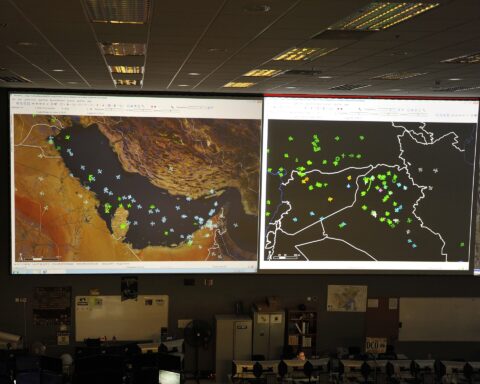

DUBAI — Iran’s highest military command warned the United Arab Emirates on Friday that its armed forces would deliver “heavy and crushing strikes” on the city of Ras al-Khaimah if any further attacks were launched from UAE territory against the disputed islands of Abu Musa and Greater Tunb. The Islamic Revolutionary Guard Corps followed with an evacuation notice to the city’s roughly 400,000 residents, publishing annotated maps with marked exit routes and urging civilians to leave immediately. The threats, issued by Iran’s Khatam al-Anbiya Central Headquarters and confirmed by Iran’s Tasnim news agency on March 20, 2026, represent a significant escalation in the three-week-old conflict and have transformed a decades-old territorial dispute into an active military flashpoint at the mouth of the Strait of Hormuz.
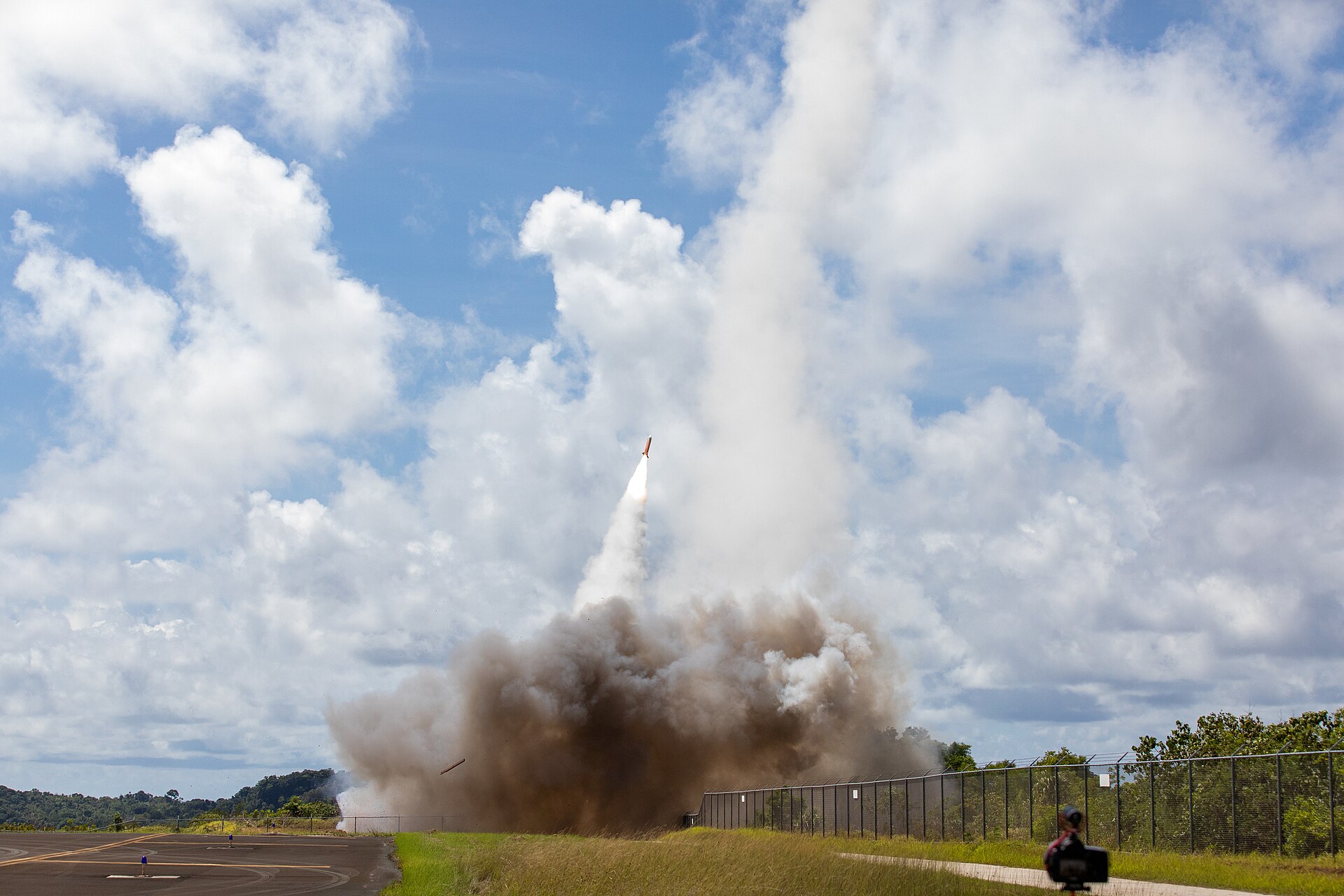
The warning followed allegations by Iran’s Foreign Minister Abbas Araghchi that the United States had launched HIMARS rocket strikes on Abu Musa island from positions inside the UAE, including from locations in and near Ras al-Khaimah. US Central Command declined to comment on the claims. The UAE has maintained throughout the conflict that it is “not a party to this war” and has not permitted its territory to be used for offensive operations against Iran.
Table of Contents
- What Did Iran’s Military Command Tell the UAE?
- Why Is Iran Targeting Ras al-Khaimah?
- What Are the Abu Musa and Tunb Islands?
- Iran’s Military Arsenal on the Disputed Islands
- The UAE’s Response and Diplomatic Position
- How Has the Iran War Affected the UAE?
- GCC Solidarity and Saudi Arabia’s Stance on the Islands
- Frequently Asked Questions
What Did Iran’s Military Command Tell the UAE?
Iran’s Khatam al-Anbiya Central Headquarters, the country’s highest operational military command that coordinates operations between the regular Army and the Islamic Revolutionary Guard Corps, issued a formal warning on March 20, 2026. The statement, released through the Tasnim news agency, said: “We warn the United Arab Emirates that if any further aggression originates from its territory against the Iranian islands of Abu Musa and Greater Tunb in the Persian Gulf, Iran’s powerful armed forces will subject Ras al-Khaimah in the UAE to heavy and crushing strikes.”
A separate IRGC statement used similar language, warning that Iran’s forces would “put Ras al-Khaimah under their crushing blows.” The IRGC’s message, issued on March 21, went further than the initial command statement. It included an ultimatum to residents of Ras al-Khaimah, warning of “imminent strikes” and publishing an annotated evacuation map with specific routes marked for civilians to follow. The corps instructed residents to evacuate immediately via the designated routes.
The timing was notable. The threats arrived just hours after Iranian President Masoud Pezeshkian posted an Eid al-Fitr greeting calling Gulf nations “brothers” and stating that Iran was “not engaged in any dispute” with its neighbours, according to reporting by WION. The contradiction between the civilian government’s conciliatory tone and the IRGC’s battlefield rhetoric exposed a widening fracture between Tehran’s political and military leadership that has complicated ceasefire efforts throughout the conflict.
The Khatam al-Anbiya headquarters described the potential strikes as a “legitimate right to target the locations from which US missiles were launched,” framing any action against Ras al-Khaimah as a defensive response rather than an act of aggression against a neighbouring state.
Why Is Iran Targeting Ras al-Khaimah?
Iran’s specific focus on Ras al-Khaimah stems from two factors: the emirate’s proximity to the disputed islands and allegations that US forces used the emirate as a staging ground for strikes against Iranian positions on those islands.
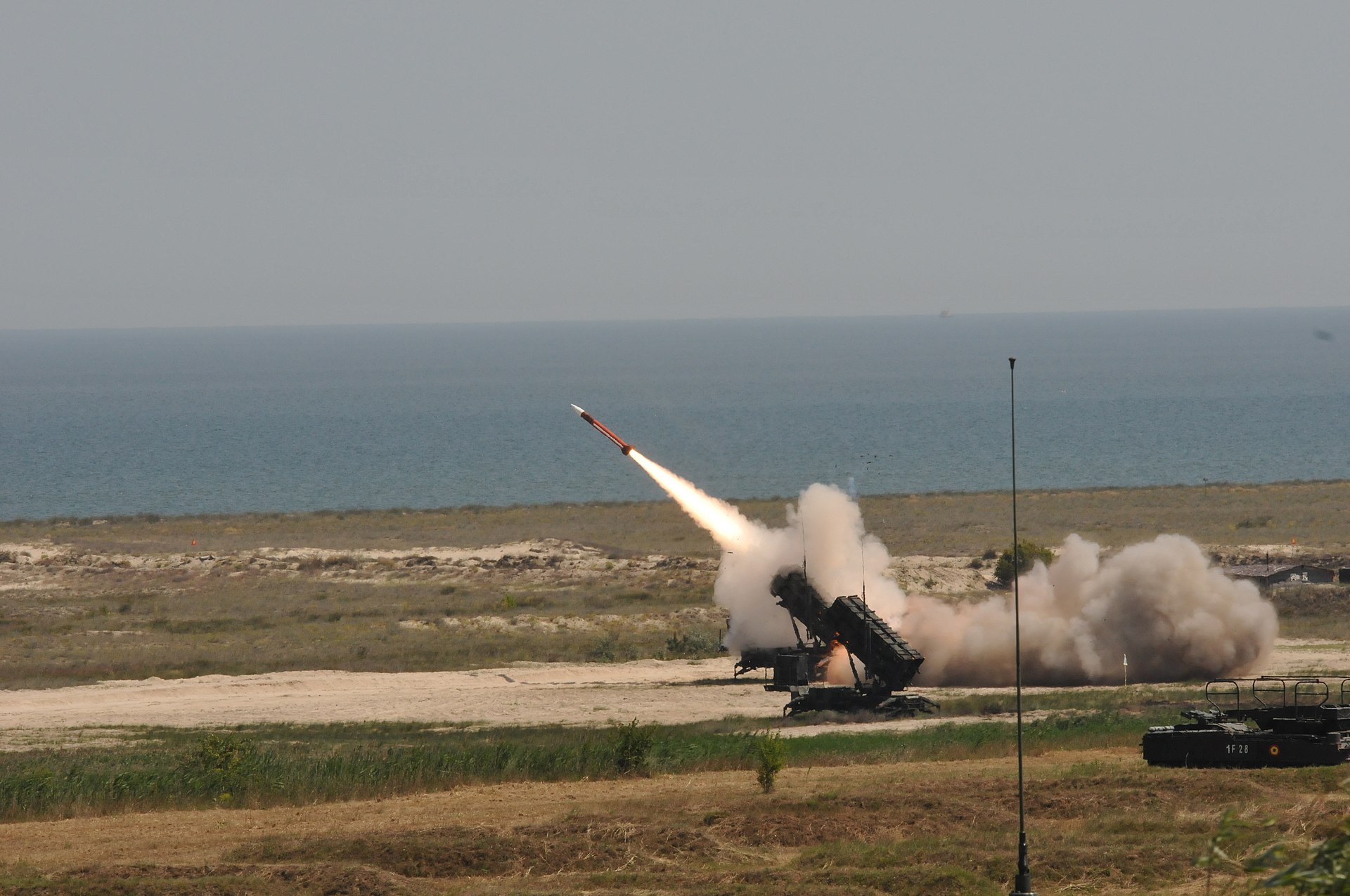
On March 14, 2026, Iran’s Foreign Minister Abbas Araghchi alleged that the United States had launched HIMARS strikes on both Kharg Island, Iran’s principal oil export terminal, and Abu Musa island from locations within the UAE. Araghchi specifically named Ras al-Khaimah as one launch site and referenced “an area very close to Dubai” as another, according to PBS NewsHour reporting. “They are using our neighbours’ territory to attack us, and this is absolutely unacceptable,” Araghchi told reporters.
Ras al-Khaimah is the northernmost emirate, sitting closest to the disputed islands and the Strait of Hormuz. The emirate hosts the Ras al-Khaimah Airfield, which US military sources have described as a base used for tactical aviation and reconnaissance operations. Iran has alleged that HIMARS mobile rocket launchers were positioned at or near the facility to conduct strikes on Abu Musa, though no independent verification of these claims has been published.
The city of Ras al-Khaimah has a population of approximately 192,000, with the broader emirate home to some 400,000 residents. It is the sixth most populous city in the UAE. The emirate’s GDP stands at approximately $12 billion, according to government data, and it serves as headquarters for RAK Ceramics, the world’s largest ceramic tile manufacturer with operations spanning 12 plants globally and exports to 135 countries. The Ras Al Khaimah Economic Zone houses more than 14,000 multinational companies from over 100 countries.
The threat against Ras al-Khaimah was not the first time Iran targeted UAE civilian infrastructure. On March 14, Iran had issued evacuation warnings for three major UAE ports — Jebel Ali, Khalifa, and Fujairah — marking what Fortune described as “the first time it openly threatened a neighbour’s non-US assets.”
What Are the Abu Musa and Tunb Islands?
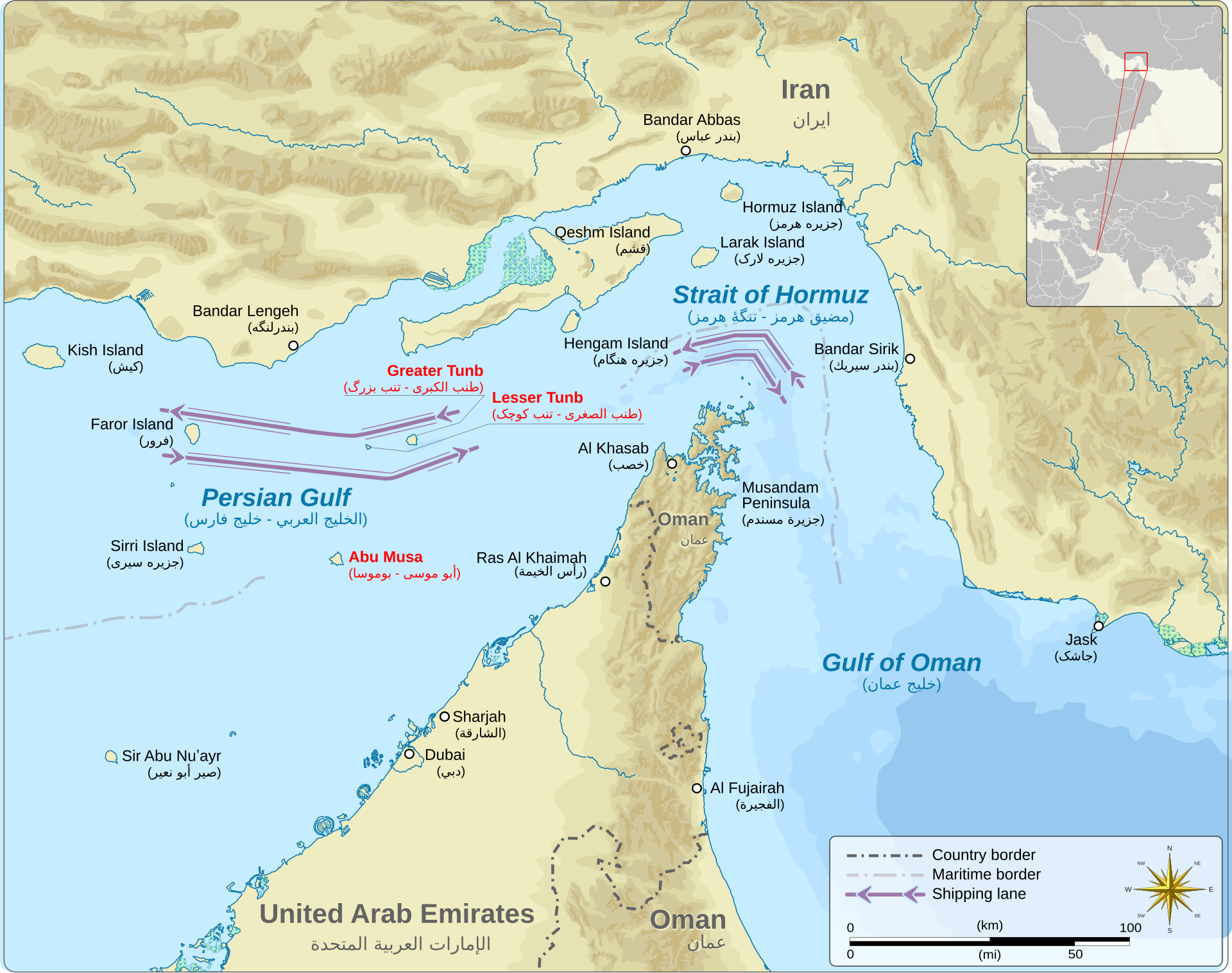
The three islands at the centre of the dispute — Abu Musa, Greater Tunb, and Lesser Tunb — are small landmasses in the eastern Persian Gulf near the entrance to the Strait of Hormuz. Abu Musa covers approximately 12.8 square kilometres. Their strategic importance far exceeds their physical size: whoever controls them holds positions overlooking both the shipping lanes through which roughly 20 percent of the world’s oil transits and the military chokepoint that Iran has used to impose a selective blockade since the war began on February 28, 2026.
Before 1971, the Emirate of Sharjah claimed sovereignty over Abu Musa, and the Emirate of Ras al-Khaimah claimed the Greater and Lesser Tunbs. Iran’s Imperial government under Shah Mohammad Reza Pahlavi also claimed all three. The first recorded dispute dates to 1904, when Iranians lowered a Trucial States flag on Abu Musa and replaced it with an Iranian standard.
On November 30, 1971 — two days before the formal establishment of the UAE and shortly after British forces withdrew from the region — Iranian forces landed on all three islands. On Abu Musa, Iran and Sharjah had signed a British-negotiated Memorandum of Understanding that allowed Iran to station troops on a predetermined portion of the island while Sharjah maintained civil administration over the remainder. Energy resources were divided between the two.
The Greater and Lesser Tunbs saw a different outcome. The ruler of Ras al-Khaimah, Sheikh Saqr bin Mohammed Al Qasimi, had no agreement with Iran and refused to accept the occupation. His six-man police force on Greater Tunb opened fire on the 30-man Iranian landing force, according to the Washington Institute for Near East Policy. Three Iranians and four Ras al-Khaimans were killed in the exchange. Two British warships, HMS Eagle and HMS Albion, stood idle during the operation.
The crisis deepened in March 1992, when Iran expelled foreign workers from Abu Musa, barred entry of non-UAE nationals to the Sharjah-administered zone, and effectively took full control of the entire island in violation of the 1971 MoU. The UAE attempted to bring the dispute before the International Court of Justice, but Iran refused to submit to the court’s jurisdiction.
Iran’s Military Arsenal on the Disputed Islands
Over the past three decades, Iran has built substantial military capabilities on the disputed islands, transforming them from minor territorial outposts into forward operating bases capable of threatening Gulf shipping and projecting power across the Strait of Hormuz.
According to GlobalSecurity.org and the Federation of American Scientists, Iran’s forces on the islands include over 1,000 troops, predominantly IRGC soldiers, up from several hundred first deployed in 1994. The garrisons are equipped with Chinese-built HY-2 “Silkworm” anti-ship missiles, C-801 anti-ship missiles with a range of 130 kilometres, and C-802 missiles in fixed launch positions. Abu Musa hosts an airport and upgraded port facilities, along with underground fortifications and deep cuttings for vehicle and missile storage.
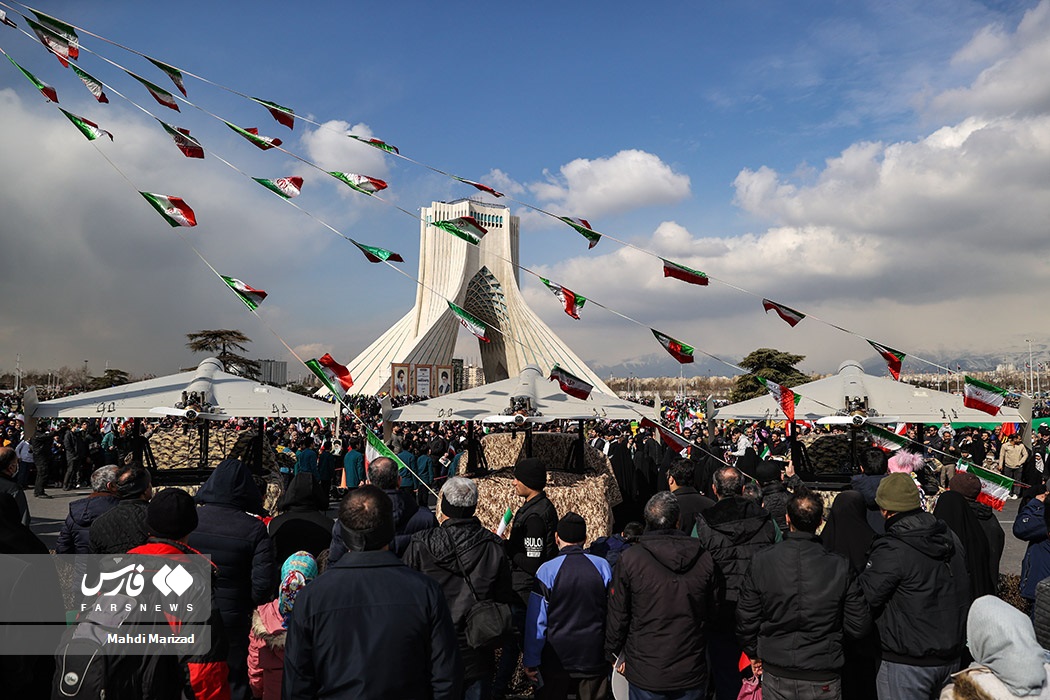
In March 2025, Iran raised the military stakes by deploying its indigenous 15th Khordad air defence system on all three islands, according to Army Recognition. The system has a detection range of 150 kilometres and an engagement range of 200 kilometres using Sayyad-3 missiles. It can engage stealth targets at 45 kilometres and simultaneously track six incoming threats. IRGC Navy Commander Rear Admiral Alireza Tangsiri warned at the time: “If the enemies make a mistake, we will send them to the depths of hell.”
US intelligence assessments, cited by former Defence Secretary William Perry in 1995, indicated that Iran had positioned 155mm artillery shells containing chemical agents on Abu Musa, though this claim was never independently confirmed. More recently, US officials have reported that Iran placed GPS jammers on Abu Musa that have interfered with civilian aircraft and ship navigation systems in the area.
| Asset | Platform | Capability |
|---|---|---|
| Anti-ship missiles | C-801, C-802, HY-2 Silkworm | Up to 130 km range, fixed launch positions |
| Air defence | 15th Khordad system (Sayyad-3) | 200 km engagement range, anti-stealth capable |
| Garrison | IRGC ground forces | 1,000+ troops with underground fortifications |
| Infrastructure | Airport, port facilities | Forward basing for naval and air operations |
| Electronic warfare | GPS jammers | Disruption of civilian and military navigation |
The UAE’s Response and Diplomatic Position
The UAE has walked a careful line since the war began, insisting it is not a combatant while defending itself against sustained Iranian attacks. In response to the Ras al-Khaimah threat, Anwar Gargash, diplomatic adviser to UAE President Sheikh Mohammed bin Zayed, stated that while the country retains its “legitimate right to self-defence,” it “still prioritises reason and logic, and continues exercising restraint.”
The UAE has consistently stated that it is “not a party to this war and has not permitted the use of its territory, territorial waters, or airspace for any attack against Iran.” However, the country’s position has grown increasingly difficult to maintain. The UAE hosts Al Dhafra Air Base near Abu Dhabi, which accommodates more than 3,500 US military personnel, as well as the Ras al-Khaimah Airfield and other military installations. Iran has cited these bases as justification for its attacks on the UAE.
The diplomatic trajectory has shifted markedly since the war’s opening days. On March 1, 2026, the UAE closed its embassy in Tehran and revoked licences for five Iranian schools operating in the country. UAE President Sheikh Mohammed bin Zayed subsequently stated that the country is “prepared to confront threats,” in remarks reported by Al Jazeera. Yet the UAE has not joined any offensive operations against Iran, maintaining its position as a non-belligerent even as it absorbs hundreds of drone and missile strikes.
Iran’s position has been internally contradictory. While President Pezeshkian apologised to Gulf neighbours for the strikes and at one point ordered the armed forces to stop attacking neighbouring countries, the IRGC continued operations regardless. Foreign Minister Araghchi warned: “Our response employed a fraction of our power. There will be ZERO restraint if our infrastructures are struck again.”
At the United Nations, Iran demanded compensation from the UAE, characterising Gulf-based American military installations as “legitimate military targets,” according to Pakistani media reporting. The UAE government has arrested more than 100 people for filming Iranian attacks, in what Time magazine described as a crackdown on the dissemination of combat footage.
How Has the Iran War Affected the UAE?
The UAE has absorbed more Iranian strikes than any other Gulf state since the war began on February 28, 2026. By March 17, Iran had fired 314 ballistic missiles, 15 cruise missiles, and 1,672 drones at the UAE, according to compiled data reported by multiple outlets. The UAE claims to have intercepted over 90 percent of incoming threats, but the volume of fire has still produced significant damage across the federation.
Dubai International Airport, the world’s busiest for international passengers, has been struck at least three times. A fuel tank fire caused by a drone forced a temporary suspension of flights and the evacuation of a terminal. Four airport staff were injured. The Ruwais Industrial Complex in Abu Dhabi, which houses the country’s largest oil refinery, was struck by an Iranian drone, causing a fire. The Shah Gas Field, which accounts for approximately 20 percent of the UAE’s total gas supply and 5 percent of the world’s granulated sulphur according to OilPrice.com, was hit by a separate drone strike and suspended operations for damage assessment.
In Dubai, a Shahed-type drone struck the Fairmont The Palm hotel on Palm Jumeirah, causing an explosion and injuring four people from debris and blast effects. Jebel Ali Port, the Middle East’s busiest container facility, was also targeted. The Fujairah Oil Industry Zone has been hit repeatedly, with fires reported at multiple storage facilities.
The UAE Ministry of Defence has reported six deaths since February 28: four civilians and two military personnel killed in a helicopter crash. A Pakistani national died in Abu Dhabi from falling debris after a missile interception. A Palestinian man was killed when a rocket struck a residential area. Human Rights Watch stated in a March 17 report that Iranian strikes “unlawfully targeted civilian objects such as financial centres.”
In Ras al-Khaimah specifically, debris from an intercepted Iranian drone fell in the Al Hamra Village area on March 2, according to the Khaleej Times. No injuries were reported, but the incident demonstrated the emirate’s exposure to Iranian fire from the opening hours of the war. The emirate’s position as the UAE territory closest to the contested Strait of Hormuz makes it particularly vulnerable.
| Target | Type | Damage | Source |
|---|---|---|---|
| Dubai International Airport | Drone | Fuel tank fire, 4 injured, flights suspended | Al Jazeera |
| Shah Gas Field, Abu Dhabi | Drone | Fire, operations suspended; 20% of UAE gas supply | OilPrice.com |
| Ruwais Industrial Complex | Drone | Fire at largest UAE oil refinery | Al Jazeera |
| Fairmont The Palm, Dubai | Shahed drone | Explosion, 4 injured | Al Jazeera |
| Fujairah Oil Zone | Multiple drones | Fires at storage facilities | Reuters |
| Al Dhafra Air Base | Ballistic missiles/drones | Targeted in opening salvo | CNBC |
| Al Hamra Village, RAK | Intercepted drone debris | No injuries | Khaleej Times |
GCC Solidarity and Saudi Arabia’s Stance on the Islands
The Gulf Cooperation Council has unanimously supported UAE sovereignty over all three disputed islands for decades. The GCC Ministerial Council has repeatedly affirmed that Abu Musa, Greater Tunb, and Lesser Tunb are “an indivisible part of UAE territory” and has called any Iranian decisions, practices, or actions on the islands “null and void.” In 2025, the GCC condemned Iran’s “continued construction of residential facilities to settle Iranians on the three Emirati islands,” according to the Saudi Press Agency.
Saudi Arabia’s position as the GCC’s largest member and de facto leader of the Arab Gulf states gives its stance on the islands particular weight. Riyadh has endorsed every GCC ministerial statement calling for Iran to either negotiate directly with the UAE or submit the dispute to the International Court of Justice. The islands issue features as a standing agenda item at GCC ministerial meetings and in joint statements with partners including the EU, the United States, and China.
The 2026 war has placed unprecedented stress on GCC collective defence. All six member states were targeted by Iranian missiles and drones within 24 hours of the war’s outbreak on February 28 — described by Breaking Defense as the GCC’s “long-standing nightmare scenario.” Saudi Arabia has intercepted hundreds of drones across its Eastern Province, with the Saudi Defence Ministry reporting 92 drone intercepts in a single 24-hour period on March 21-22. Bahrain has shot down 143 missiles and 242 drones. Kuwait intercepted 97 ballistic missiles and 283 drones, according to compiled reporting.
A joint statement issued on March 2 by the United States, Saudi Arabia, the UAE, Kuwait, Bahrain, Qatar, Jordan, and other regional partners condemned Iran’s “reckless attacks” and pledged collective self-defence. GCC air forces collectively operate more than 700 combat aircraft. Yet analysts at the Carnegie Endowment for International Peace noted that “coordination between national air defence systems remains the critical weakness in Gulf collective defence” and that operational cooperation is “limited at best and operationally non-existent beyond public statements.”
The Iran threat against Ras al-Khaimah carries specific implications for GCC solidarity. The GCC’s longstanding position that the islands belong to the UAE creates a collective defence obligation: an attack on Ras al-Khaimah connected to the islands dispute could be framed as aggression against recognised UAE territory, potentially triggering broader Gulf military response. Qatar’s former Prime Minister Hamad bin Jassim Al Thani called on March 13 for “the creation of a NATO-style military and security alliance” for the Gulf, though previous collective security attempts have consistently failed due to reluctance to pool resources and differing threat perceptions among member states.
Saudi Arabia’s own diplomatic escalation has paralleled the UAE’s trajectory. On March 21, Riyadh declared the Iranian military attache, assistant military attache, and three embassy staff personae non gratae, ordering their departure within 24 hours. Qatar had taken the same step against Iranian military attaches the previous week after a missile struck the Ras Laffan gas facility. The coordinated diplomatic expulsions signal a GCC consensus that the islands dispute and the broader Iranian campaign against Gulf states have moved beyond any remaining diplomatic framework.
Frequently Asked Questions
Where are Abu Musa and the Tunb islands?
Abu Musa, Greater Tunb, and Lesser Tunb are three small islands in the eastern Persian Gulf near the entrance to the Strait of Hormuz. They sit between the Iranian coast and the UAE coastline, roughly equidistant from both. Their location gives whoever controls them strategic oversight of the shipping lanes through which approximately 20 percent of the world’s oil supply transits.
When did Iran take control of the islands?
Iran seized all three islands on November 30, 1971, two days before the formal establishment of the United Arab Emirates and shortly after British forces withdrew from the region. The takeover of Abu Musa followed a negotiated agreement between Iran and Sharjah, but the occupation of Greater and Lesser Tunb was met with armed resistance from Ras al-Khaimah’s small police force, resulting in seven deaths.
Has Iran attacked Ras al-Khaimah during the 2026 war?
As of March 22, 2026, Iran has not launched a direct strike on the city of Ras al-Khaimah. However, debris from an intercepted Iranian drone fell in the Al Hamra Village area of the emirate on March 2, according to the Khaleej Times. The IRGC’s threat to deliver “crushing strikes” on the city and the publication of evacuation maps represent the most direct warning to date that Ras al-Khaimah could become a target.
What is the UAE’s military capability to defend Ras al-Khaimah?
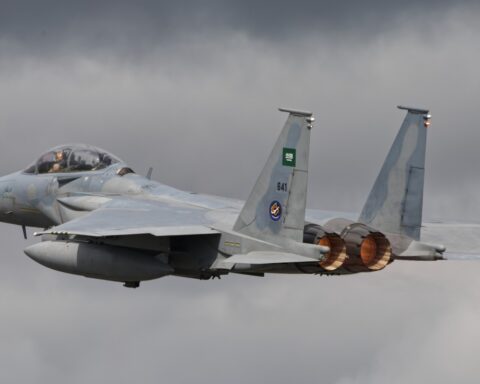
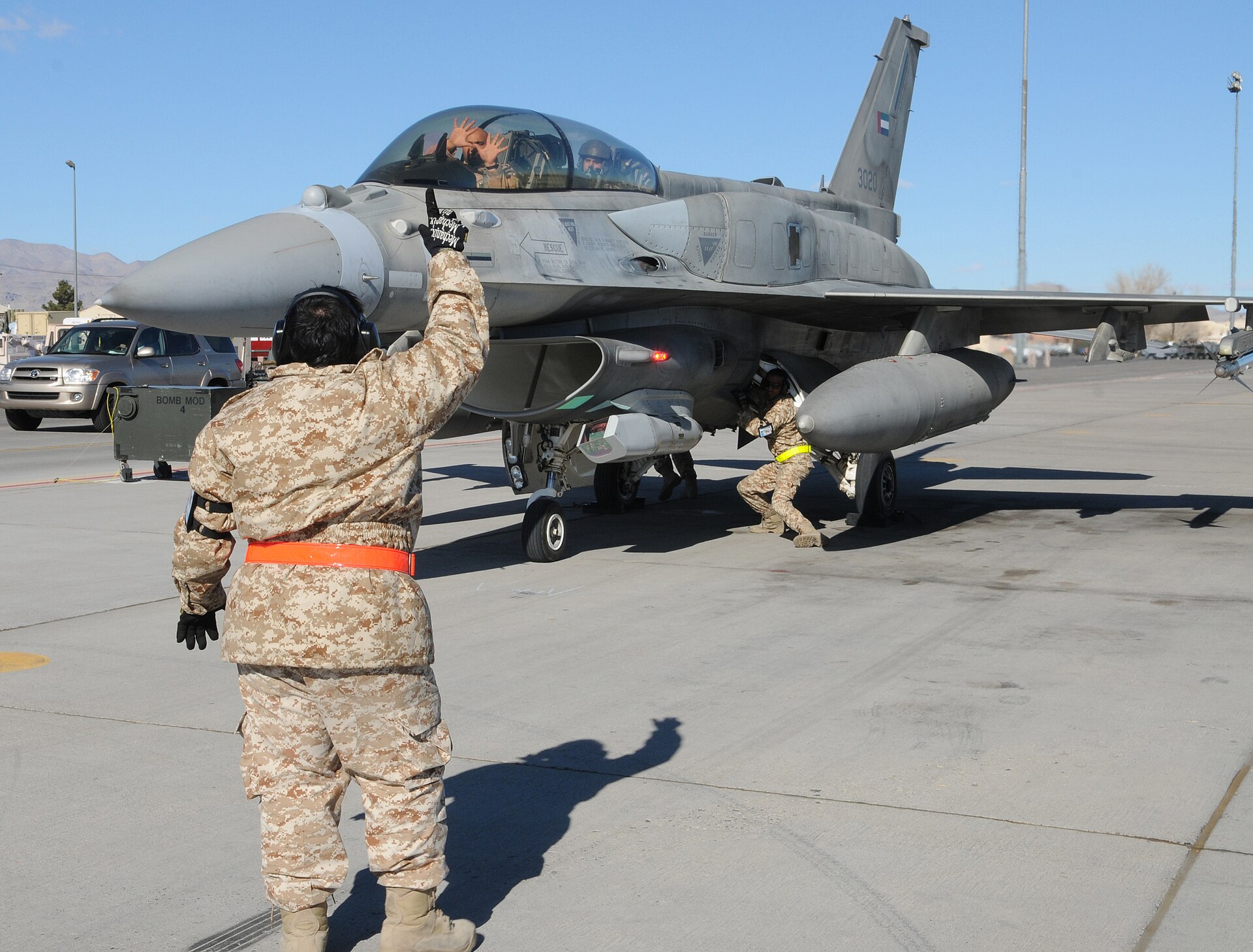
The UAE operates Patriot and THAAD air defence systems, along with a fleet of F-16E/F Block 60 Desert Falcon fighter jets. The UAE claims to have intercepted over 90 percent of incoming Iranian threats since the war began. GCC air forces collectively operate more than 700 combat aircraft, and the United States has more than 3,500 military personnel stationed at Al Dhafra Air Base.
Does any international body recognise Iran’s claim to the islands?
No international court or body has adjudicated the dispute. The UAE has repeatedly offered to submit the case to the International Court of Justice, but Iran has refused. The GCC, the Arab League, and the Organisation of Islamic Cooperation have all endorsed the UAE’s sovereignty claims. Iran maintains that the islands are “an inseparable part of Iran’s territorial integrity” and considers any territorial claim “groundless and invalid.”