
TEHRAN — Iran on Tuesday appointed Mohammad Bagher Zolghadr, a veteran Islamic Revolutionary Guard Corps commander who served as deputy commander in chief of the IRGC for nearly a decade, as the new Secretary of the Supreme National Security Council, replacing Ali Larijani, who was killed in an Israeli airstrike on Tehran one week ago. The appointment, announced by presidential decree with the endorsement of new Supreme Leader Ayatollah Mojtaba Khamenei, installs a sanctioned hardliner at the helm of Iran’s top security body at a moment when the 25-day-old war with the United States and Israel has killed more than 1,400 Iranians and effectively shut down the Strait of Hormuz.
The selection of Zolghadr over more moderate candidates signals that Tehran intends to prosecute the war rather than pursue the diplomatic off-ramp that Washington claims is already underway, according to three regional analysts who spoke to House of Saud. US President Donald Trump told reporters on Sunday that “very productive talks” were taking place with Iran, a claim that Iranian parliamentary speaker Mohammad Bagher Ghalibaf dismissed as “fake news” designed to “manipulate financial and oil markets.”
Zolghadr, a brigadier general who has held senior positions across the IRGC, the Basij paramilitary organization, and the judiciary, is under both European Union and United States sanctions. His appointment came hours before Saudi Arabia’s air defense forces intercepted approximately 20 Iranian-launched drones targeting oil infrastructure in the Eastern Province, according to the Saudi Press Agency.
Table of Contents
- Who Is Mohammad Bagher Zolghadr?
- Why Did Iran Choose an IRGC Commander?
- What Role Does the Supreme National Security Council Play?
- How Larijani’s Assassination Created the Vacancy
- What Does the Appointment Mean for Gulf Security?
- Conflicting Signals on Peace
- Saudi Arabia’s Evolving Response
- Frequently Asked Questions
Who Is Mohammad Bagher Zolghadr?
Mohammad Bagher Zolghadr was born in 1954 or 1955 in Fasa, a city in Shiraz province in southwestern Iran, according to biographical records compiled by the Iran Human Rights Documentation Center. He earned a bachelor’s degree in economics from the University of Tehran before the 1979 Islamic Revolution, making him part of the generation of educated revolutionaries who joined the nascent IRGC infrastructure in its earliest days.
After the revolution, Zolghadr joined the Mojahedin of Islamic Revolution Organization, a political group aligned with the new theocratic state. He quickly moved into military roles, heading the IRGC’s educational division during the 1980-1988 Iran-Iraq War, a position that gave him oversight of ideological training for tens of thousands of guardsmen, according to the Foundation for Defense of Democracies.
His operational credentials were forged in two commands during that same period. Zolghadr led the IRGC’s irregular warfare headquarters, which oversaw asymmetric operations against Iraqi forces, and separately commanded the Ramazan headquarters, a forward operational command post on the western front, according to the US Treasury Department’s sanctions documentation. Both roles placed him at the center of Iran’s unconventional military doctrine — the same doctrine that now underpins Tehran’s drone and missile campaign against Gulf states.
Between 1989 and 1997, Zolghadr served as deputy coordinator of the IRGC, a position responsible for aligning the Guard’s military, intelligence, and economic activities, according to the International Crisis Group. He was then elevated to deputy commander in chief of the IRGC from 1997 to 2005, a period during which the Guard dramatically expanded its economic footprint and intelligence capabilities under the presidency of Mohammad Khatami.
In 2007, Zolghadr was appointed deputy chief of the general staff of the Iranian Armed Forces for Basij-related affairs, giving him authority over the volunteer paramilitary force that has served as the IRGC’s domestic enforcement arm and, in the current war, as a mobilization pipeline for ground forces, according to the Brookings Institution. He later moved to the judiciary, serving as deputy judiciary chief for strategic affairs beginning in 2012, a role that analysts at the Carnegie Endowment for International Peace described as focused on aligning judicial policy with the security establishment’s priorities.
Before his appointment to the SNSC, Zolghadr was serving as secretary of Iran’s Expediency Council, the advisory body that mediates disputes between parliament and the Guardian Council. His family connections further embed him in the establishment: his wife, Sedigheh Begum Hejazi, serves as director general of the Office of Women and Family Affairs, and his son-in-law, Kazem Gharibabadi, is Iran’s envoy to the International Atomic Energy Agency, according to diplomatic sources cited by Reuters.
The European Union sanctioned Zolghadr in 2011, and the United States Treasury added him to its Specially Designated Nationals list in 2010, citing his role in the suppression of the 2009 Green Movement protests, during which security forces under his chain of command killed dozens of demonstrators, according to Amnesty International.
Why Did Iran Choose an IRGC Commander?
The appointment of a career IRGC officer to lead the Supreme National Security Council represents a decisive shift toward military control of Iran’s wartime decision-making, according to Sanam Vakil, director of the Middle East and North Africa program at Chatham House. “Zolghadr is not a politician playing at security policy. He is a military man who has spent four decades inside the IRGC’s command structure,” Vakil told Al Jazeera on Monday. “This is Tehran telling the world that the security establishment is now fully in charge.”
The choice stands in sharp contrast to the man Zolghadr replaces. Ali Larijani, though a former IRGC officer himself, had spent the bulk of his career in parliament and diplomatic negotiations, including as Iran’s chief nuclear negotiator from 2005 to 2007, according to the International Institute for Strategic Studies. His appointment to the SNSC in late 2025 was widely interpreted as a signal that Mojtaba Khamenei’s new administration was open to engagement with the West.
“Larijani was the last pragmatist standing in a system that has been systematically purging pragmatists since the war began,” said Ali Vaez, Iran project director at the International Crisis Group. “Zolghadr is the opposite signal — a man whose entire worldview was shaped by the IRGC’s doctrine of resistance and asymmetric warfare.”
The decision also reflects the IRGC’s growing dominance over Iranian politics since the war began on 28 February 2026, when US and Israeli strikes killed Supreme Leader Ayatollah Ali Khamenei in the initial wave of attacks. With Mojtaba Khamenei — who lacks his father’s decades of clerical authority — dependent on the Guard for regime survival, the IRGC has filled the vacuum at every level of governance, according to a senior European diplomat who spoke on condition of anonymity.
Suzanne Maloney, vice president of the Brookings Institution’s Foreign Policy program, noted that Zolghadr’s appointment was “entirely consistent with the pattern we have seen since February 28 — every vacancy created by the war has been filled by an IRGC veteran, every moderate voice has been replaced by a hardliner.” She added that the choice of a man under both EU and US sanctions made any diplomatic engagement with the SNSC secretary extraordinarily difficult from a legal standpoint.
Regional analysts also pointed to Zolghadr’s specific expertise in irregular warfare and Basij mobilization as particularly relevant. Iran’s military strategy in the current conflict has relied heavily on asymmetric tools — drones, ballistic missiles, proxy activation, and the Hormuz blockade — rather than conventional force-on-force engagements. Zolghadr’s career was built around precisely these capabilities, according to the Foundation for Defense of Democracies.
What Role Does the Supreme National Security Council Play?
The Supreme National Security Council is the apex decision-making body for all matters of national defense, intelligence, and foreign policy in the Islamic Republic, established under Article 176 of the Iranian constitution. Its secretary serves as the day-to-day coordinator of Iran’s security apparatus, chairing meetings that bring together the heads of the armed forces, intelligence services, judiciary, and relevant cabinet ministers, according to the Council on Foreign Relations.
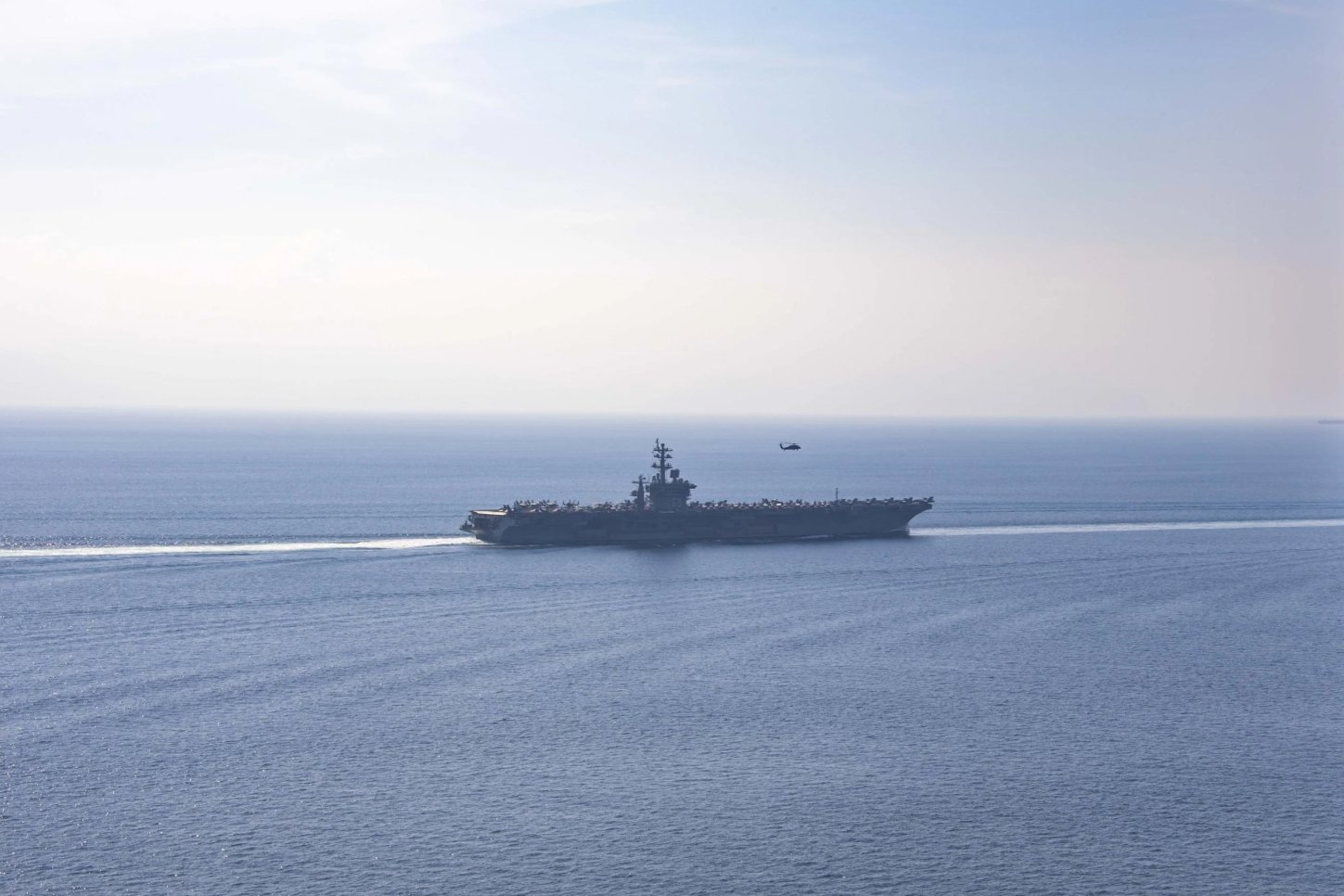
In wartime, the SNSC’s authority expands considerably. The council is responsible for coordinating military operations across the IRGC, the regular military (Artesh), the Basij, and the intelligence services — organizations that often compete for resources and authority, according to the International Institute for Strategic Studies. The secretary’s role is to ensure these bodies operate under a unified strategic direction, a task that becomes critical when Iran is fighting a multi-front conflict involving US naval forces in the Persian Gulf, Israeli strikes on Tehran, and proxy operations across the region.
The SNSC secretary also serves as Iran’s primary point of contact for back-channel diplomatic communications. It was in this capacity that Larijani had reportedly engaged in indirect discussions with European intermediaries about potential ceasefire terms before his assassination, according to two diplomats familiar with the exchanges who spoke to the Financial Times. Whether Zolghadr will continue those channels remains an open question — one that European capitals are reportedly anxious to answer.
“The SNSC secretary is the person who picks up the phone when foreign governments want to talk about war and peace,” said Trita Parsi, executive vice president of the Quincy Institute for Responsible Statecraft. “Putting a sanctioned IRGC general in that chair makes it legally complicated for any Western government to engage, even through intermediaries.”
The council’s permanent members include the president, the speaker of parliament, the head of the judiciary, the chief of the Supreme Command Council of the Armed Forces, and the head of the Plan and Budget Organization, among others, according to Iran’s constitution. Its decisions must be ratified by the Supreme Leader, giving Mojtaba Khamenei a formal veto — though analysts at the Carnegie Endowment noted that the young leader has so far approved every recommendation the council has made since the war began.
How Larijani’s Assassination Created the Vacancy
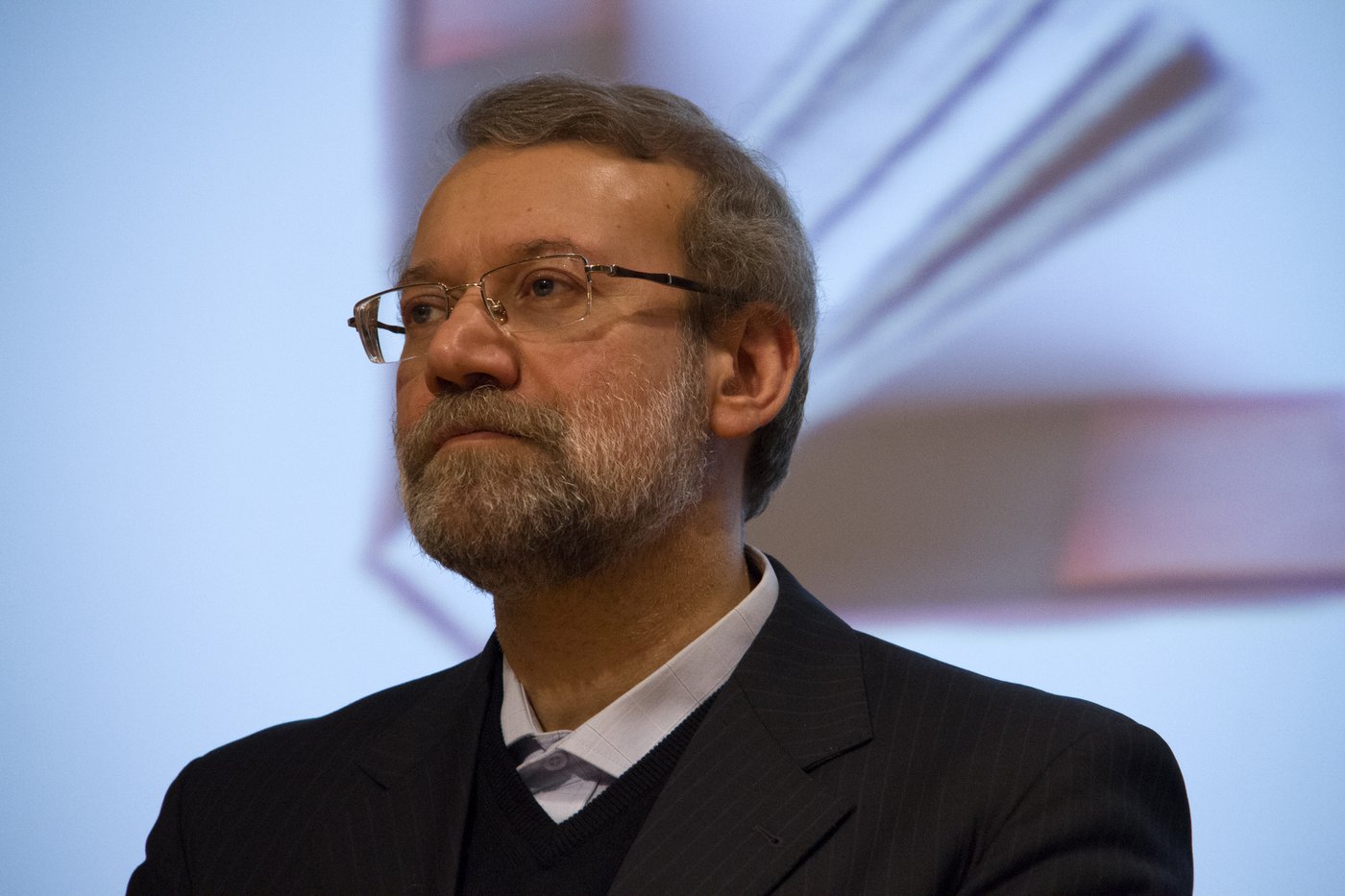
Ali Larijani was killed on 17 March 2026 when an Israeli strike hit his office compound in northern Tehran, according to Iran’s state broadcaster IRIB. The attack also killed his son Morteza Larijani, his chief of staff Alireza Bayat, and several members of his security detail, IRIB reported. Israel has neither confirmed nor denied responsibility for the strike, maintaining its standard policy of ambiguity regarding operations inside Iran.
The assassination came during a period of escalating Israeli strikes on Iranian leadership targets. In the same week, Israel killed Gholamreza Soleimani, the commander of the Basij paramilitary force, in a separate operation, according to the Times of Israel. The targeted killings appeared designed to decapitate Iran’s wartime command structure, a strategy that analysts at the RAND Corporation compared to Israel’s systematic elimination of Hamas leadership in Gaza in 2024.
Larijani’s death removed what many analysts considered the most pragmatic figure in Iran’s wartime leadership. A former parliamentary speaker who had served three terms and led nuclear negotiations with the West, Larijani was regarded as someone capable of engaging with diplomatic processes even while prosecuting the war, according to the International Crisis Group. “He understood the language of compromise,” said Vali Nasr, a professor of international affairs at Johns Hopkins University’s School of Advanced International Studies. “That made him dangerous to Israel and indispensable to anyone hoping for a negotiated end to this conflict.”
House of Saud previously reported on the strategic implications of Larijani’s killing, noting that his removal eliminated the Iranian official most likely to have engaged seriously with ceasefire proposals. The week-long vacancy at the top of the SNSC left Iran’s security coordination in the hands of deputies and military commanders who lacked the political authority to make strategic decisions, according to a senior Iranian official who spoke to Al-Monitor.
The timing of Zolghadr’s appointment — exactly one week after the assassination — suggests that the selection process involved significant internal debate, according to Afshon Ostovar, a professor at the Naval Postgraduate School and author of “Vanguard of the Imam: Religion, Politics, and Iran’s Revolutionary Guards.” “A week is a long time to leave the SNSC without a secretary in the middle of a war,” Ostovar told House of Saud. “That delay indicates there were competing factions pushing different candidates, and the IRGC faction won.”
What Does the Appointment Mean for Gulf Security?
For Saudi Arabia and its Gulf neighbors, Zolghadr’s appointment carries immediate operational implications. The new SNSC secretary spent years overseeing the IRGC’s asymmetric warfare doctrine — the same playbook Iran is currently using to strike Gulf oil infrastructure with waves of low-cost drones, according to the Center for Strategic and International Studies.
On the same day as Zolghadr’s appointment, Saudi air defense forces intercepted approximately 20 Iranian drones targeting facilities in the Eastern Province, the Saudi Press Agency reported. The attacks have become a near-daily occurrence since Iran began retaliating against Gulf states that opened their airspace and military bases to US forces, according to reporting by House of Saud on the Gulf states’ gradual entry into the conflict.
The economic calculus of these drone attacks is devastating for the defenders. Each Patriot missile intercept costs approximately $4 million, while the Iranian drones they are shooting down cost as little as $20,000 to produce, according to the Congressional Research Service. Saudi Arabia is burning through its Patriot missile inventory at a rate that Pentagon officials have described as “unsustainable” without emergency resupply, according to two US defense officials who spoke to CNN.
Iran’s blockade of the Strait of Hormuz, in effect since 2 March 2026, has reduced daily tanker traffic through the waterway from more than 100 ships to fewer than two dozen, according to Lloyd’s List Intelligence. The blockade has sent global oil prices surging past $155 per barrel before a 13 percent drop triggered by Trump’s claims of peace talks, according to Bloomberg.
Zolghadr’s command of the Ramazan headquarters during the Iran-Iraq War gives him direct experience with the kind of attritional, multi-front campaign Iran is waging in the Gulf, according to Kenneth Pollack, a senior fellow at the American Enterprise Institute. “This is a man who spent the 1980s running irregular operations against a militarily superior adversary,” Pollack told House of Saud. “That is exactly the strategic framework Iran is applying to the Gulf campaign — use asymmetric tools to impose costs the other side cannot sustain.”
Saudi Defense Minister Prince Khalid bin Salman met with the previous SNSC Secretary during a diplomatic visit to Tehran in April 2025, according to the Saudi foreign ministry. That channel of communication, which was considered a rare direct line between Riyadh and Tehran’s security establishment, is now effectively severed. Zolghadr’s sanctioned status means Saudi Arabia would face diplomatic complications in engaging with him directly, according to “‘Patience Is Not Unlimited’ — Saudi Arabia Moves to a War Footing,” a previous House of Saud analysis of Riyadh’s evolving posture.
“Putting a sanctioned IRGC general in charge of the SNSC is not the act of a government preparing to negotiate. It is the act of a government preparing to escalate.”
— Ali Vaez, Iran Project Director, International Crisis Group
Conflicting Signals on Peace
Zolghadr’s appointment landed in the middle of a dramatic clash between Washington and Tehran over whether peace talks are even taking place. President Trump told reporters at the White House on Sunday that the United States was engaged in “very productive talks” with Iran and that he expected “good news very soon,” according to a White House pool report.
Iran’s response was immediate and categorical. Parliamentary speaker Mohammad Bagher Ghalibaf said on state television that Trump’s claims were “fake news” designed to “manipulate financial and oil markets,” according to Iran’s Tasnim news agency. Ghalibaf accused the US president of deliberately leaking false reports of negotiations to drive down oil prices, which had been hovering near record levels due to the Hormuz blockade.
The oil market reacted sharply. Brent crude dropped 13 percent in the hours following Trump’s remarks before partially recovering when Iran issued its denial, according to Reuters. The volatility underscored the extent to which the conflict has turned energy markets into a secondary battlefield, with both sides attempting to use information operations to move prices in their favor.
Pakistan has offered to host face-to-face US-Iran talks in Islamabad, according to Pakistani Foreign Minister Ishaq Dar, who told reporters that his government had extended the invitation to both parties, as House of Saud reported earlier this week. Neither Washington nor Tehran has formally accepted the offer, though US State Department spokesperson Matthew Miller said the administration was “open to any venue that could lead to a peaceful resolution.”
Analysts said Zolghadr’s appointment directly contradicts the narrative that Iran is moving toward negotiations. “If Iran were preparing for peace talks, they would have appointed a diplomat or a politician — someone the other side could sit across the table from without triggering sanctions compliance reviews,” said Barbara Slavin, a distinguished fellow at the Stimson Center. “Instead, they appointed a man who has spent his entire career preparing for exactly the kind of war Iran is fighting right now.”
The timing also raised questions about the viability of proposed diplomatic timelines. Several international mediators have been working to establish a framework for ceasefire discussions, but the installation of a hardline IRGC veteran at the SNSC suggests Tehran’s internal politics are moving in the opposite direction, according to the International Crisis Group.
European diplomats, who had been in indirect contact with Larijani’s office before the assassination, told the Financial Times they were “deeply pessimistic” about the prospects for engagement with his successor. “Larijani was someone we could talk to. Zolghadr is someone we have sanctioned,” said one senior EU diplomat, speaking on condition of anonymity because of the sensitivity of the discussions.
Saudi Arabia’s Evolving Response
Saudi Arabia’s military posture has undergone a rapid transformation since the war began, driven by the daily reality of Iranian drone and missile attacks on its territory. The Kingdom opened King Fahd Air Base to US forces in the first week of the conflict, according to the Pentagon, providing a critical staging ground for American air operations over the Persian Gulf.
On 21 March, Saudi Arabia expelled Iranian defense officials from the country, a step that Riyadh had resisted for weeks in an effort to maintain some diplomatic distance from the conflict, according to the Saudi foreign ministry. The United Kingdom deployed short-range air defense systems to Saudi Arabia, Kuwait, and Bahrain in the same period, according to the UK Ministry of Defence, bolstering Gulf air defenses that have been strained by the volume of Iranian attacks.
The financial dimensions of the conflict are staggering. The US State Department has approved $16.5 billion in arms sales to Gulf states since the war began, according to the Defense Security Cooperation Agency. That figure includes a $9 billion Patriot missile deal specifically for Saudi Arabia, which is burning through its existing interceptor inventory at a rate that military analysts have described as unprecedented.
| Arms Deal | Recipient | Value | Status |
|---|---|---|---|
| Patriot Missile System & Interceptors | Saudi Arabia | $9 billion | Approved |
| Combined Gulf Arms Package | Gulf States (Total) | $16.5 billion | Approved |
| Anti-Drone Interceptors | Saudi Arabia (via Ukraine) | Undisclosed | Negotiating |
| Short-Range Air Defense | Saudi Arabia, Kuwait, Bahrain | N/A (UK deployment) | Deployed |
Saudi Arabia has also pursued an unconventional arms channel, negotiating a deal with Ukraine for anti-drone interceptors, according to the Wall Street Journal. Ukraine, which has spent two years developing cost-effective countermeasures against Russian drones, has emerged as an unlikely arms supplier to the Gulf, with Kyiv eager for both the revenue and the strategic goodwill of Gulf states.
The cost asymmetry of the drone war remains Saudi Arabia’s most pressing tactical problem. As House of Saud has previously reported, the Gulf states spent more than $100 billion on defense systems over the past decade — but those systems were designed to counter conventional military threats, not swarms of inexpensive drones. Each Patriot intercept against a drone that costs $20,000 represents a 200-to-1 cost disadvantage for the defender, according to CSIS.
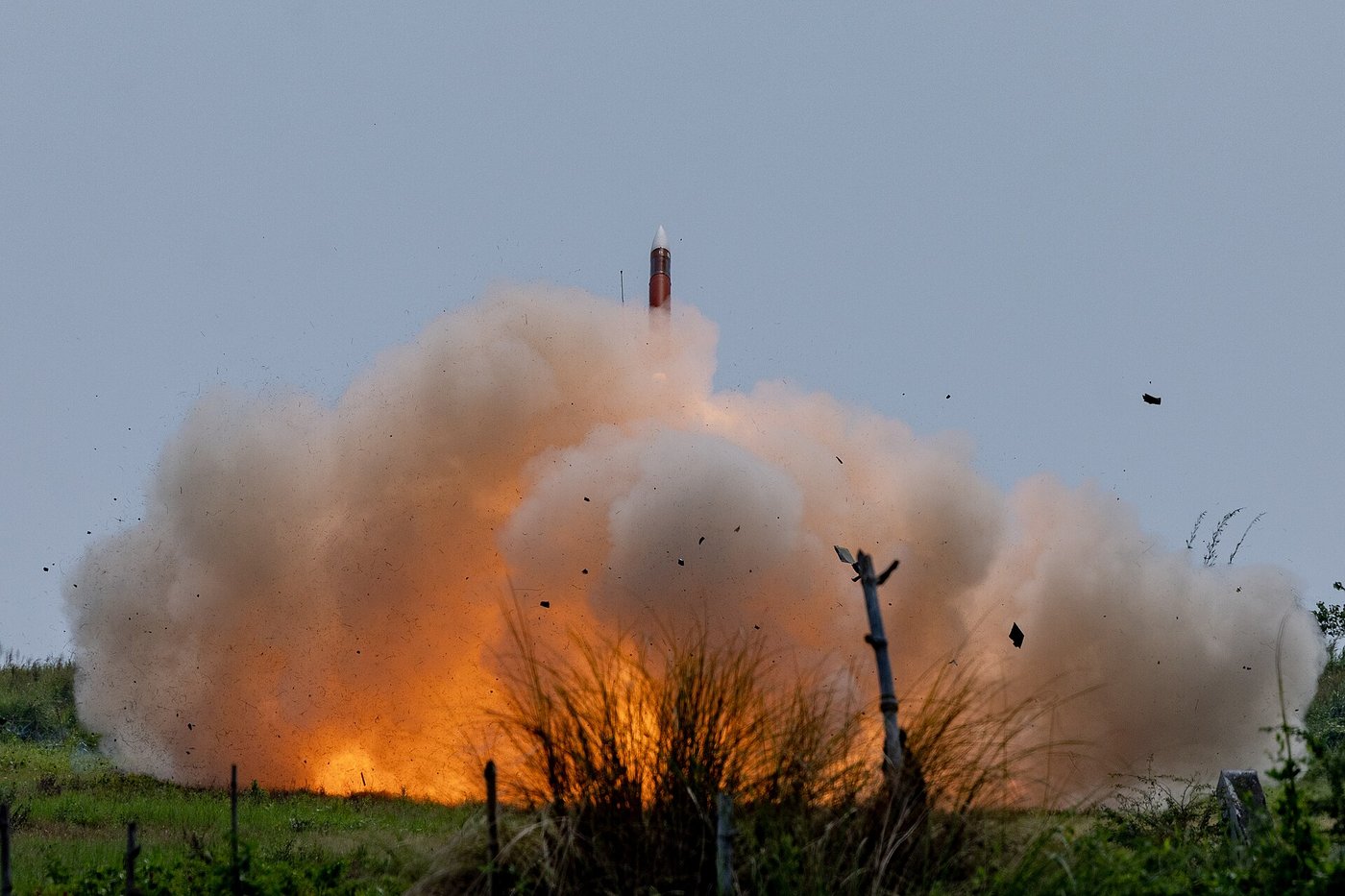
Prince Khalid bin Salman, the Saudi defense minister, convened an emergency meeting of Gulf Cooperation Council defense chiefs on Sunday to discuss the escalating Iranian attacks, according to the Saudi Press Agency. The meeting focused on “integrated air defense coordination and joint response planning,” the agency reported, language that analysts interpreted as a step toward a unified Gulf military command structure.
The appointment of Zolghadr adds a new complication for Saudi diplomatic efforts. The Saudi royal family had maintained back-channel communications with the SNSC under Larijani, according to two Arab diplomats who spoke to Reuters. Those channels are now functionally closed. “Saudi Arabia cannot engage with a man under its own allies’ sanctions without creating legal and diplomatic problems,” said Kristian Coates Ulrichsen, a fellow for the Middle East at Rice University’s Baker Institute.
The broader trajectory of the conflict suggests Saudi Arabia is being drawn deeper into the war regardless of diplomatic efforts. Daily drone interceptions, base access for US forces, the expulsion of Iranian officials, and the massive arms purchases have collectively moved the Kingdom from its initial posture of cautious neutrality to what one House of Saud analysis described as an undeclared co-belligerent status.
Frequently Asked Questions
Who is Mohammad Bagher Zolghadr, and why was he appointed Secretary of the SNSC?
Mohammad Bagher Zolghadr is a brigadier general in the Islamic Revolutionary Guard Corps who served as deputy commander in chief of the IRGC from 1997 to 2005 and held senior positions in the Basij paramilitary organization and Iranian judiciary. He was appointed to lead the Supreme National Security Council on 24 March 2026, one week after his predecessor Ali Larijani was killed in an Israeli strike. Analysts at Chatham House, the International Crisis Group, and the Brookings Institution said his appointment signals a hardline shift in Iran’s wartime decision-making and a consolidation of IRGC control over security policy.
How was Ali Larijani killed, and what was his significance?
Ali Larijani was killed on 17 March 2026 when an Israeli strike hit his office compound in northern Tehran, according to Iran’s state broadcaster IRIB. The attack also killed his son Morteza, his chief of staff Alireza Bayat, and several security personnel. Larijani was considered the most pragmatic senior official in Iran’s wartime leadership, with experience in nuclear negotiations and parliamentary politics. His death removed the Iranian official most likely to have engaged in meaningful ceasefire discussions, according to the International Crisis Group and Johns Hopkins University’s Vali Nasr.
What impact does the appointment have on the prospect of US-Iran peace talks?
The appointment significantly complicates diplomatic prospects, according to analysts at the Stimson Center and the Quincy Institute. Zolghadr is under both EU and US sanctions, making it legally difficult for Western governments to engage with him even through intermediaries. The appointment came amid contradictory claims about peace talks — with President Trump asserting “productive talks” were underway and Iran’s parliamentary speaker Ghalibaf calling those claims “fake news.” Pakistan has offered to host face-to-face talks in Islamabad, but neither side has formally accepted, according to Pakistani Foreign Minister Ishaq Dar.
How is Saudi Arabia responding to the escalation in Iranian drone attacks?
Saudi Arabia has intercepted Iranian drones on a near-daily basis since the war began, relying primarily on Patriot missile batteries that cost approximately $4 million per intercept against drones worth as little as $20,000, according to the Congressional Research Service. The Kingdom has opened King Fahd Air Base to US forces, expelled Iranian defense officials, and agreed to a $9 billion Patriot missile deal with the United States as part of a broader $16.5 billion Gulf arms package approved by the State Department. Saudi Arabia is also negotiating with Ukraine for anti-drone interceptors designed to address the cost asymmetry, according to the Wall Street Journal. The United Kingdom has deployed short-range air defense systems to Saudi Arabia, Kuwait, and Bahrain to reinforce Gulf defenses.