
BAGHDAD — Iraq authorized its Popular Mobilization Forces to retaliate against the United States after two days of American airstrikes killed at least 22 Iraqi military personnel in Anbar Province, the deadliest series of attacks on Iraqi soil since the Iran war began on February 28. The strikes targeted a PMF command headquarters on March 24, killing 15 fighters including the forces’ Anbar operations commander, and a military clinic at Camp Habbaniyah on March 25, killing seven more and wounding 13, according to the Iraqi Defense Ministry. Baghdad summoned the American chargé d’affaires, announced it would file a formal complaint with the United Nations Security Council, and granted the PMF authorization to exercise self-defense against future attacks — a decision that threatens to fracture the already strained American military position across the Gulf.
The escalation carries immediate consequences for Saudi Arabia. The Kingdom opened King Fahd Air Base to US forces just days earlier, and American operations over Iraq’s western desert form a critical corridor for air defense missions shielding Saudi Arabia’s Eastern Province from Iranian missiles and drones. If Iraq revokes overflight rights or the PMF begins targeting coalition assets near the Saudi border, Riyadh’s air defense shield loses a pillar it has relied upon since the war began.
Table of Contents
- The Anbar Strikes That Killed 22 Iraqi Soldiers in 48 Hours
- What Happened at the Habbaniyah Military Clinic?
- Baghdad Summons Washington and Threatens the United Nations
- What Does Iraq’s PMF Authorization Mean?
- Washington Denies Targeting a Clinic as Evidence Mounts
- How Does This Affect the US Military Position in Iraq?
- The Saudi Border Is Only 250 Kilometres From Anbar
- Six Arab Capitals Already Gave Baghdad an Ultimatum
- Frequently Asked Questions
The Anbar Strikes That Killed 22 Iraqi Soldiers in 48 Hours
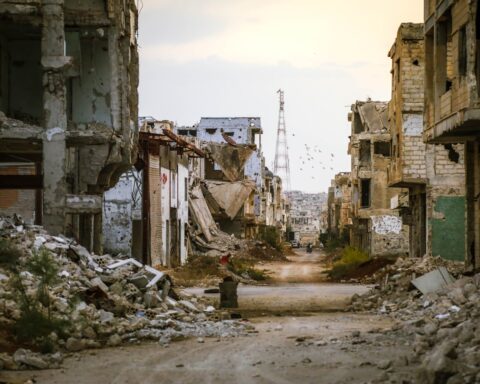
The first strike hit on the afternoon of March 24, targeting a PMF command headquarters in western Anbar Province while a security meeting was in progress. The PMF confirmed in a statement that the attack killed its Anbar operations commander, Saad al-Baiji, along with 14 of his companions, according to Al-Monitor. An additional 30 fighters were wounded, some critically, raising the likelihood that the final death toll would climb further. Health sources at nearby facilities described overwhelmed emergency rooms receiving casualties throughout the evening, Reuters reported.
The targeted headquarters served as a coordination centre for PMF operations across Anbar, a vast desert province that shares a 368-kilometre border with Saudi Arabia to the south and an equally long frontier with Jordan to the west. Saad al-Baiji had commanded PMF units in the province since 2017, overseeing operations that once fought alongside American forces against the Islamic State. His death removed the most senior PMF commander in western Iraq at a moment when Iranian-backed factions across the country were escalating rocket and drone attacks on US positions.
Less than 24 hours later, a second wave of strikes hit Camp Habbaniyah, a sprawling military installation approximately 80 kilometres west of Baghdad. Unlike the first attack, which targeted a PMF-specific facility, the March 25 strikes hit a military healthcare clinic on the base — a site shared by PMF personnel and members of Iraq’s regular armed forces. The Iraqi Defense Ministry reported seven killed and 13 wounded in what it called “a heinous crime in violation of all international laws and norms.”
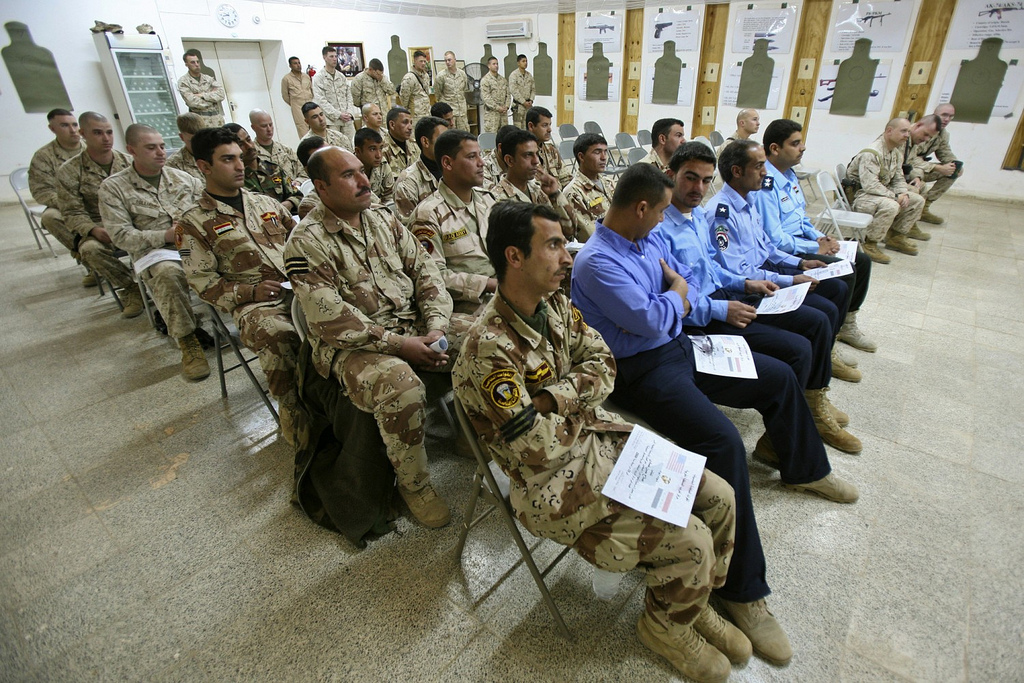
Camp Habbaniyah holds particular symbolic weight in the US-Iraq military relationship. During the height of the Iraq War, the base hosted the Advanced Infantry Training Center run by US Marines, where thousands of Iraqi soldiers and police officers received combat instruction. The base was handed back to Iraqi control in 2009 but retained its role as a centre for joint security coordination. Striking a shared facility on a base with deep historical ties to the bilateral relationship sent shockwaves through Baghdad’s political establishment.
Taken together, the two strikes killed at least 22 Iraqi military personnel and wounded more than 43 in fewer than 48 hours. The People’s Dispatch, citing Iraqi military sources, described the sequence as the deadliest targeting of Iraqi forces since the US-Israeli campaign against Iran began on February 28. The PMF itself labelled the attacks “blatant aggression” constituting “a grave violation of national sovereignty and an unacceptable transgression” against Iraq’s security forces.
What Happened at the Habbaniyah Military Clinic?
The March 25 strike on the Habbaniyah military clinic represented a qualitative escalation. The facility operated as a healthcare centre servicing military personnel from multiple branches. An Iraqi police source told Al Jazeera that the clinic treated both PMF fighters and regular army soldiers, meaning the strike could not be described as targeting only Iran-aligned paramilitaries. Seven of the dead held positions within Iraq’s formal military chain of command, a distinction Baghdad was quick to emphasise in its diplomatic response.
The Washington Post reported that the clinic was located within a larger military compound in the town of Habbaniyah, situated between the Euphrates River and Lake Habbaniyah. The base houses elements of Iraq’s 8th Division alongside PMF units assigned to the Anbar Operations Command. Survivors told Iraqi media that the strike occurred during morning hours when medical staff were conducting routine treatments.
The Iraqi government’s statement drew an explicit legal distinction between targeting armed combatants and striking a healthcare facility. The Defense Ministry’s communiqué called the attack “a fully fledged crime in violation of international law,” adding that it “undermines the relationship between the peoples of Iraq and the United States.” International humanitarian law — specifically Article 12 of the First Geneva Convention — provides protection for military medical establishments against deliberate attack, a framework Baghdad invoked in announcing its intention to file a complaint with the UN Security Council.
The targeting of a medical facility on a base that had once hosted American trainers added a layer of irony that Iraqi politicians were quick to exploit. Several members of parliament from the Coordination Framework, the Shia-dominated parliamentary bloc that includes parties aligned with Iran, demanded the immediate expulsion of remaining American forces from Iraq. The Sadrist movement, which commands significant street power, issued a statement calling for nationwide protests against the American military presence.
Baghdad Summons Washington and Threatens the United Nations
Iraqi Prime Minister Mohammed Shia al-Sudani convened an emergency session of the Ministerial Council for National Security on March 25, hours after the Habbaniyah strike. The council issued three decisions that collectively marked the sharpest deterioration in US-Iraq relations since the January 2020 assassination of Iranian commander Qasem Soleimani and PMF leader Abu Mahdi al-Muhandis at Baghdad International Airport.
The first decision directed the Ministry of Foreign Affairs to summon the American chargé d’affaires in Baghdad and deliver a “strongly worded official note of protest.” Iraq has been without a permanent American ambassador since early 2025, making the chargé d’affaires the most senior US diplomatic presence in the country. The Voice of Emirates reported that Baghdad warned the American diplomat that Iraq “maintains the right to respond under the United Nations Charter” — language that stops short of a declaration of hostility but establishes a legal predicate for future military action.
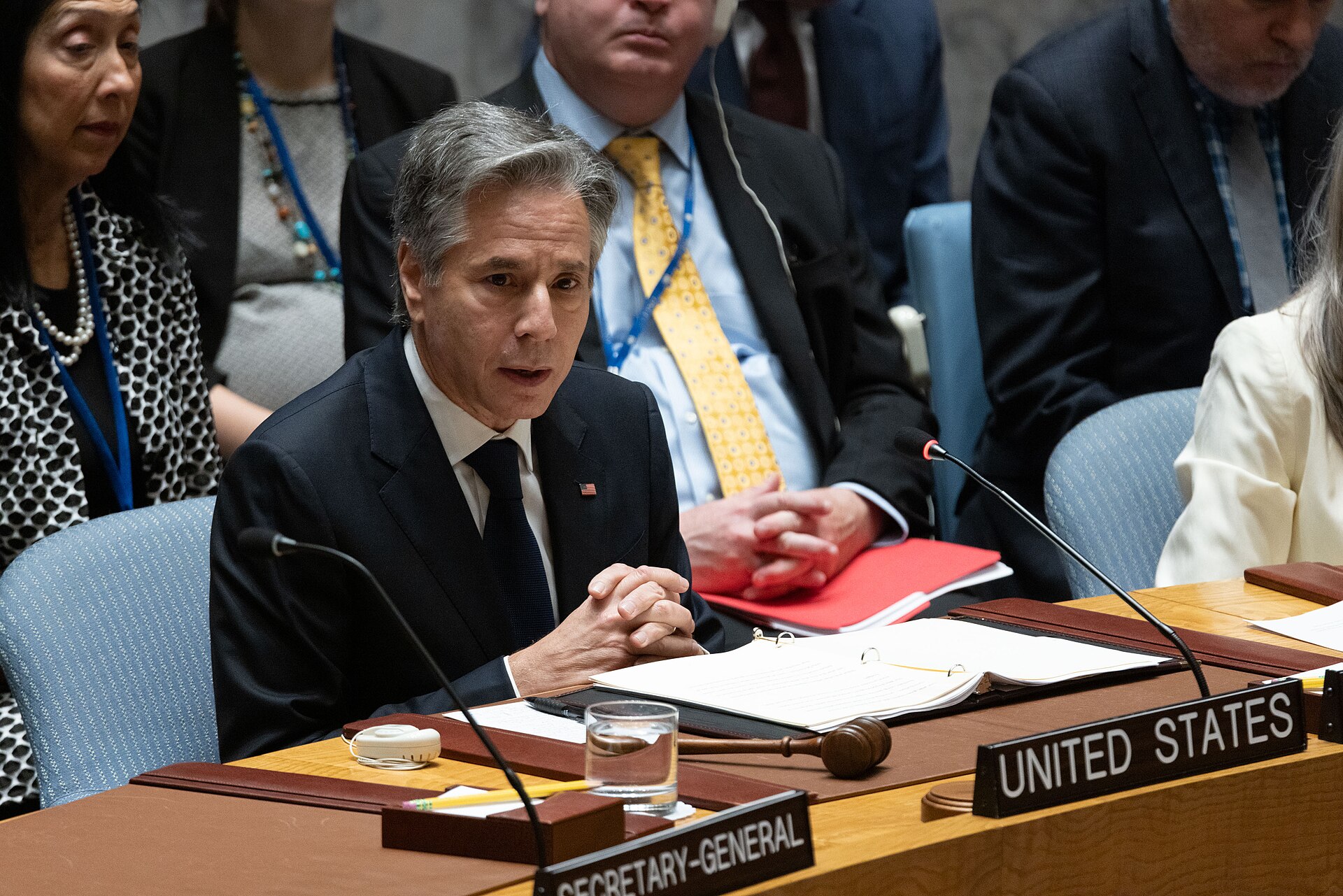
The second decision ordered the filing of a formal complaint with the UN Security Council and “other international bodies,” supported by what Baghdad described as “evidence and detailed documentation” of the strikes. Xinhua reported that the complaint would invoke Iraq’s sovereign right to self-defense under Article 51 of the UN Charter. The diplomatic escalation positions Iraq alongside Iran as a complainant against the United States at the Security Council, a significant shift for a government that Washington has counted among its partners in the broader Iran war.
The third and most consequential decision authorized the Popular Mobilization Forces and other Iraqi security agencies to “exercise self-defense and respond to any attacks targeting their personnel or facilities.” The National reported that this language effectively gave the PMF a governmental mandate to retaliate — a decision that moved the question of PMF attacks on American assets from the category of unsanctioned militia violence into the realm of state-authorized military action.
What Does Iraq’s PMF Authorization Mean?
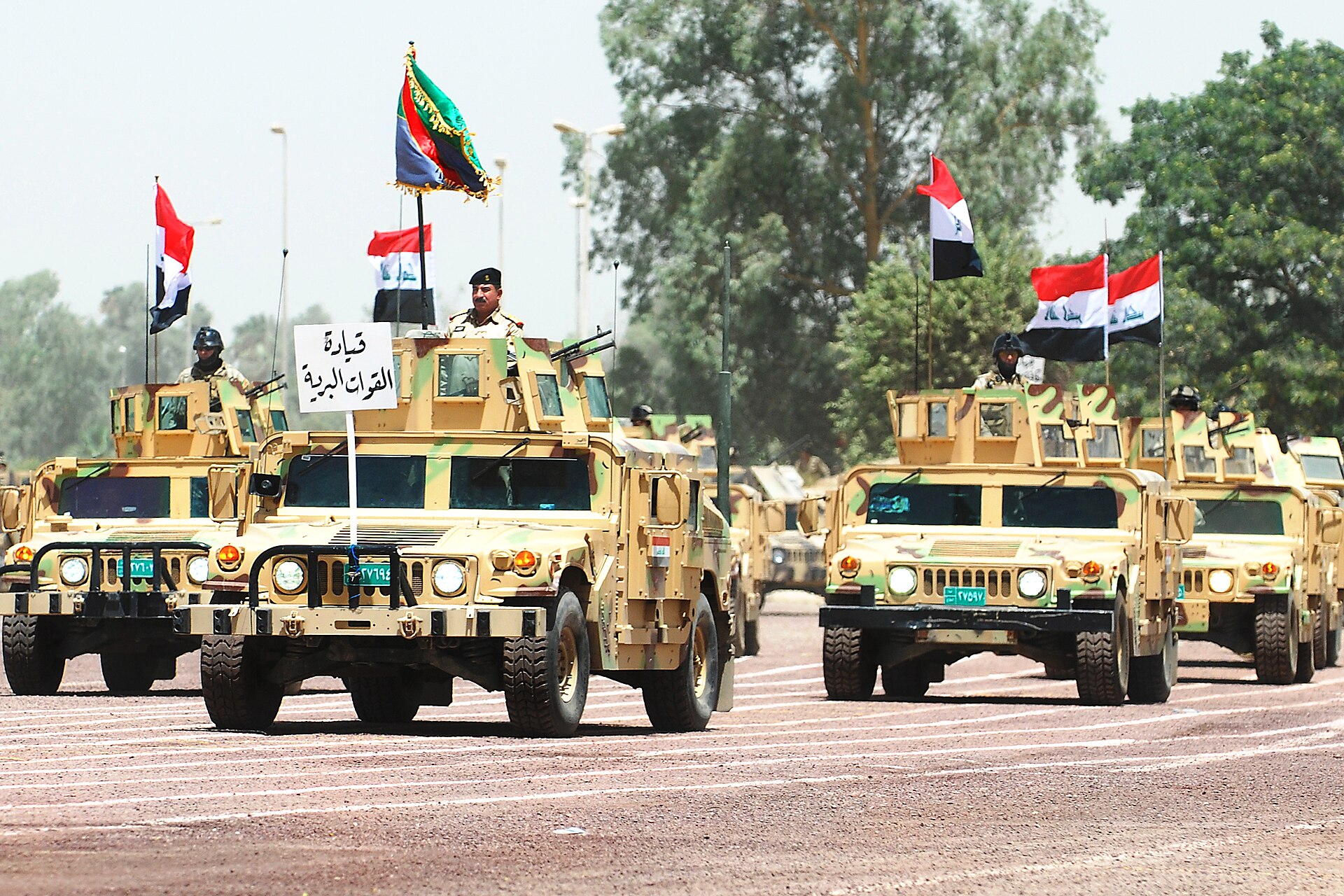
The authorization carries weight that extends beyond rhetoric. The PMF was formally incorporated into Iraq’s security architecture through Law 40, passed by the Iraqi parliament in November 2016. The law designates the PMF as an independent military formation under the authority of the prime minister and commander-in-chief. Unlike independent militia groups, the PMF holds a legal status that makes its operations a function of the Iraqi state — meaning that a government authorization to retaliate transforms any future strike on American positions into an act of the Iraqi government itself.
The distinction matters enormously for the legal and diplomatic framework of the conflict. Prior to the authorization, PMF rocket and drone attacks on American positions in Iraq — which reached 21 incidents in a single 24-hour period earlier in March, according to a tally compiled from US Central Command data — could be characterised as the actions of Iran-aligned splinter factions operating without Baghdad’s blessing. The March 25 authorization collapses that distinction. Any future PMF strike on American forces now carries the imprimatur of the Iraqi state.
The practical implications are significant. The PMF fields an estimated 100,000 to 150,000 fighters organized into roughly 50 brigades, according to the International Institute for Strategic Studies. Not all are aligned with Tehran — some brigades, including those affiliated with Grand Ayatollah Ali al-Sistani’s fatwa-based mobilization, maintain independence from Iranian influence. But the most capable and best-armed brigades, including Kataib Hezbollah, Asaib Ahl al-Haq, and the Badr Organization, receive weapons, training, and strategic direction from Iran’s Islamic Revolutionary Guard Corps Quds Force.
These brigades possess significant arsenals. Open-source tracking by the Critical Threats Project at the American Enterprise Institute documented PMF factions using Iranian-supplied Fajr-5 rockets, Ababil drones, and man-portable air-defense systems in attacks on US positions since March 1. The authorization to retaliate does not create capabilities the PMF lacked — it removes the political constraint that had, at least nominally, kept the Iraqi government at arm’s length from attacks its own security forces were conducting.
Washington Denies Targeting a Clinic as Evidence Mounts
The Pentagon did not issue a formal statement attributing the March 25 strike to American forces, and US officials told the Washington Post that the military did not intentionally target a healthcare facility. The ambiguity echoed a pattern that has characterised American operations in Iraq since the Iran war began: Washington has carried out dozens of strikes on PMF positions across Iraq without publicly acknowledging many of them, citing operational security and the ongoing nature of the conflict.
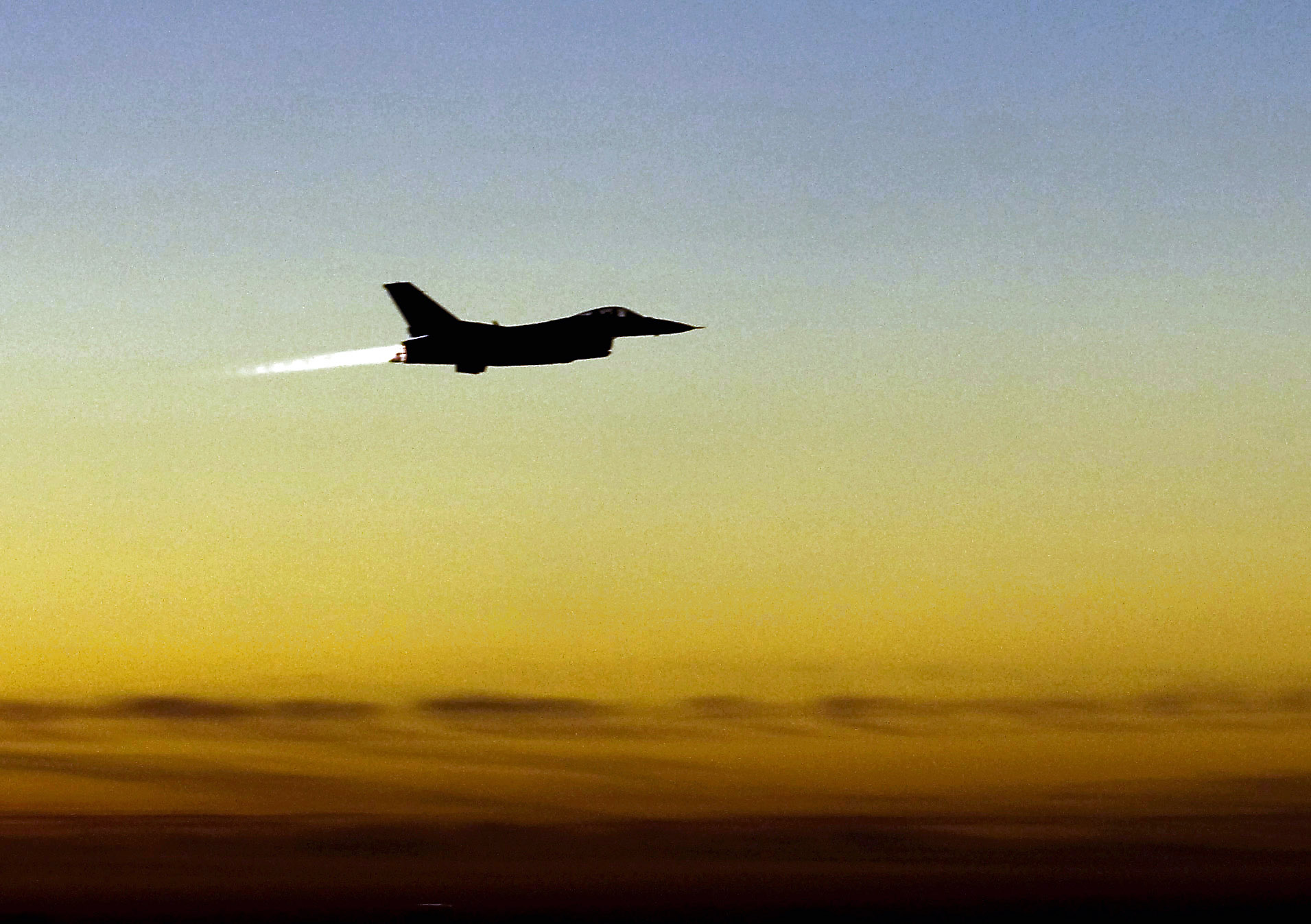
The March 24 strike on the PMF headquarters, by contrast, attracted wider reporting. The Jerusalem Post cited US military sources confirming that coalition aircraft targeted the facility based on intelligence linking it to PMF operations directing rocket attacks on the US military compound at Baghdad International Airport. Al Arabiya reported that the strike occurred while senior commanders, including al-Baiji, were holding a security coordination meeting — suggesting the attack was based on real-time intelligence about the gathering.
Iraq, however, has challenged the American account. The Defense Ministry’s statement made no distinction between the two strikes, characterising both as attacks on Iraqi military personnel. The PMF’s own communications office released a statement on March 25 that identified every victim by name, rank, and unit assignment, emphasising their status as members of Iraq’s formally constituted armed forces rather than as members of an Iranian proxy group. Al Bawaba reported that Iraq had begun compiling forensic and medical evidence from both strike sites for inclusion in its UN complaint.
The disagreement over the characterisation of the targets reflects a fundamental tension in Iraq’s security architecture. The PMF’s dual identity — as both a legally constituted arm of the Iraqi military and a collection of brigades with deep ties to Iran — has allowed Washington and Baghdad to maintain productive relations for years by selectively emphasising whichever aspect suited the moment. The Anbar strikes shattered that ambiguity. Baghdad was forced to choose whether the PMF were Iraqi soldiers deserving state protection or Iranian proxies whose losses could be quietly accepted. It chose the former.
How Does This Affect the US Military Position in Iraq?
The American military footprint in Iraq had already shrunk dramatically before the Iran war began. US forces completed their withdrawal from Ain al-Assad Air Base — once the largest American installation in western Iraq — in January 2026, handing the sprawling facility to Iraqi control. The Long War Journal reported that the withdrawal was part of a broader transition agreement negotiated between Washington and Baghdad in 2025, under which American combat forces would redeploy to the Kurdistan Region while maintaining advisory roles elsewhere.
As of late March 2026, approximately 2,500 US military personnel remain in Iraq, concentrated at the military compound adjacent to Baghdad International Airport and at the air base in Erbil in the Kurdistan Region, according to CENTCOM figures. The Iran war created immediate pressure to expand this footprint: the United States deployed additional Patriot batteries and THAAD systems to protect its remaining positions, and American aircraft began conducting combat operations from Iraqi airspace against Iranian targets and PMF launch sites.
The Anbar strikes and Iraq’s response now threaten to unravel the residual military relationship entirely. Iraq’s parliament, which passed a non-binding resolution demanding the expulsion of foreign forces after the Soleimani assassination in 2020, has signalled that a binding expulsion vote could follow the latest incidents. The Coordination Framework, which holds a parliamentary majority, released a statement on March 25 describing the continued American presence as “incompatible with Iraqi sovereignty,” Al Jazeera reported.
A forced withdrawal from Iraq would carry cascading consequences for the broader Iran war. American warplanes operating from Iraqi airspace provide early warning coverage of Iranian missile and drone launches directed at Saudi Arabia, Kuwait, and the UAE. The loss of Iraqi overflight rights would force coalition aircraft onto longer routes through Jordanian or Turkish airspace, reducing response times for the air defense networks protecting Gulf states. CENTCOM’s ability to strike Iranian supply lines running through Iraq into Syria and Lebanon would also be severely degraded.
The Saudi Border Is Only 250 Kilometres From Anbar
Anbar Province shares its entire southern boundary with Saudi Arabia’s Northern Border Region, a 368-kilometre frontier that runs from Jordan in the west to Iraq’s Muthanna Province in the east. The proximity has made Iraq’s western desert a persistent concern for Saudi strategic planners since the Iran war began. When Iranian-aligned PMF brigades repositioned forces into Anbar in the first week of the conflict, Riyadh quietly reinforced its Northern Border defences with additional Patriot batteries and ground-based radar systems, Reuters reported on March 5.
Saudi Arabia’s decision to open King Fahd Air Base to US forces on March 21 was, in part, a response to the growing instability on its northern frontier. American F-15E Strike Eagles operating from the base in Saudi Arabia’s Eastern Province have conducted missions over southern Iraq as part of the integrated air defense posture protecting Aramco’s oil facilities from Iranian drone swarms. If Iraq restricts coalition overflight rights in response to the Anbar strikes, these missions would be severely curtailed.
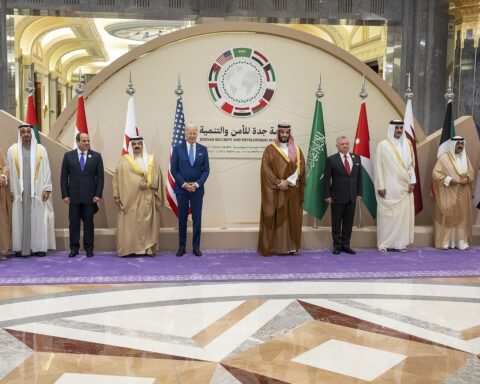
The six Arab nations that delivered an ultimatum to Baghdad earlier in the week demanding it rein in militia attacks had already signalled the depth of Gulf concern about Iraq’s trajectory. Saudi Arabia, the UAE, Kuwait, Bahrain, Qatar, and Jordan jointly condemned “attacks carried out by Iran-backed armed factions from Iraq targeting countries in the region and their infrastructure,” according to a statement released on March 26. The Anbar crisis now places Saudi Arabia in an impossible diplomatic position: supporting Washington’s military operations in Iraq risks further alienating Baghdad, while distancing itself from the strikes risks weakening the coalition air defense umbrella that shields its oil infrastructure.
Iran has exploited Iraq’s geographic position throughout the conflict. The network of proxy forces Iran maintains across Iraq provides a launching platform for attacks on Gulf states that does not require Iranian missiles to cross Saudi airspace from Iranian territory. PMF-launched drones from Anbar can reach Aramco’s Abqaiq processing facility in approximately 90 minutes, a route that bypasses the Patriot and THAAD batteries optimised to intercept projectiles arriving from the east. Any deepening of PMF autonomy in Anbar directly increases the threat to Saudi Arabia’s most valuable economic asset. Iraq’s 814-kilometre border with Saudi Arabia represents the single longest unshielded frontier Riyadh must now defend.
Six Arab Capitals Already Gave Baghdad an Ultimatum
The timing of the Anbar strikes compounded an already deteriorating relationship between Iraq and its Arab neighbours. On March 26, the same day Iraq was processing the aftermath of the Habbaniyah clinic attack, the six-nation Gulf and Jordanian coalition released its joint statement condemning militia attacks originating from Iraqi territory. The statement did not name the PMF directly, but its reference to “Iran-backed armed factions from Iraq” left little doubt about the intended target.
Saudi Arabia’s Foreign Minister Faisal bin Farhan led the diplomatic effort, warning that tolerance for attacks launched from Iraqi soil was “limited” and that regional neighbours possessed “significant capabilities” for response, the Saudi Gazette reported. The warning carried particular weight given Riyadh’s simultaneous hosting of Ukrainian President Volodymyr Zelenskyy, who arrived in Saudi Arabia on March 26 offering drone defense expertise to counter the Iranian aerial threat.
Iraq’s position between the American-led coalition and Iran’s proxy network has grown increasingly untenable. Baghdad expelled five Iranian defense officials on March 21, including the military attaché, giving them 24 hours to leave the country. But the government has simultaneously condemned American strikes on its own forces and authorized those same forces to retaliate. The contradictions reflect Prime Minister al-Sudani’s impossible balancing act: governing a country whose security forces include brigades that take orders from Tehran while maintaining a relationship with Washington that Iraq’s economy and military depend upon.
The economic dimension reinforces the pressure. Iraq exports approximately 3.4 million barrels of oil per day, with the majority flowing through the southern port of Basra. The country’s 2026 budget assumed an oil price of $70 per barrel — a figure that the war has pushed well above, temporarily boosting government revenue. But Iraq’s dependence on imported refined petroleum products, electricity from Iran, and transit routes through the Gulf means that any further escalation could choke the same economy that oil revenues sustain. The International Monetary Fund warned in its March 2026 Iraq assessment that “prolonged regional instability” posed the single greatest risk to Baghdad’s fiscal position.
Iran, for its part, stands to gain from the fracture. Every American soldier expelled from Iraq, every overflight right revoked, and every diplomatic rupture between Baghdad and Washington weakens the coalition structure that Tehran is fighting to survive. The fragmentation of Iran’s proxy network across the region — with Hezbollah under pressure in Lebanon, the Houthis contained in Yemen, and Iraqi militias facing Arab ultimatums — makes Iraq’s continued ambiguity all the more valuable to Tehran. A formally hostile Iraq would be a strategic windfall that no number of Iranian missiles could purchase.
Frequently Asked Questions
How many Iraqi soldiers were killed in the US airstrikes in Anbar?
At least 22 Iraqi military personnel were killed across two strikes in 48 hours. The March 24 strike on a PMF command headquarters killed 15 fighters including Anbar operations commander Saad al-Baiji, according to Al-Monitor. The March 25 strike on a military clinic at Camp Habbaniyah killed seven more and wounded 13, the Iraqi Defense Ministry reported.
What did Iraq authorize the PMF to do?
Iraq’s Ministerial Council for National Security authorized the Popular Mobilization Forces and other security agencies to “exercise self-defense and respond to any attacks targeting their personnel or facilities,” according to The National. This grants the PMF a formal governmental mandate to retaliate against future strikes, transforming potential attacks on American positions from unsanctioned militia violence into state-authorized military action under Iraqi law.
Does this affect Saudi Arabia’s air defense?
If Iraq revokes coalition overflight rights or the PMF begins targeting US assets near the Saudi border, it could weaken the air defense umbrella protecting Saudi Arabia’s Eastern Province. American aircraft operating from Iraqi airspace provide early warning coverage of Iranian missile and drone launches. Anbar Province shares a 368-kilometre border with Saudi Arabia, and PMF-launched drones from the province can reach Aramco’s Abqaiq facility in approximately 90 minutes.
Has the United States confirmed the airstrikes?
The Pentagon did not issue a formal statement attributing the March 25 clinic strike to American forces, and US officials told the Washington Post that the military did not intentionally target a healthcare facility. The March 24 strike on the PMF headquarters was more widely reported, with the Jerusalem Post citing US military sources confirming coalition aircraft targeted the facility based on intelligence linking it to rocket attacks on US positions.
What is Iraq’s next diplomatic step?
Baghdad announced it would file a formal complaint with the UN Security Council, supported by forensic and medical evidence from both strike sites. Iraq has also summoned the US chargé d’affaires and warned that it reserves the right to respond under the UN Charter. Several parliamentary blocs have called for a binding vote to expel remaining US forces from Iraq, though no vote has been scheduled as of March 27.