DOHA — Iran’s Islamic Revolutionary Guard Corps on Sunday declared all American and Israeli university campuses across the Gulf region “legitimate targets,” setting a deadline of noon Monday Tehran time for Washington to condemn the bombing of Iranian academic institutions or face retaliatory strikes. The ultimatum, carried by Iran’s Tasnim News Agency on March 29, places thousands of students, faculty, and staff at U.S.-affiliated campuses in Qatar, the UAE, Saudi Arabia, and Bahrain on a 17-hour countdown clock that expires at 0830 UTC on March 30.
The threat marks a deliberate escalation from military and energy infrastructure to civilian academic targets. Since the war began on February 28, IRGC strikes in the Gulf have hit military installations, oil facilities, and ports. Universities have never been on the target list until now.
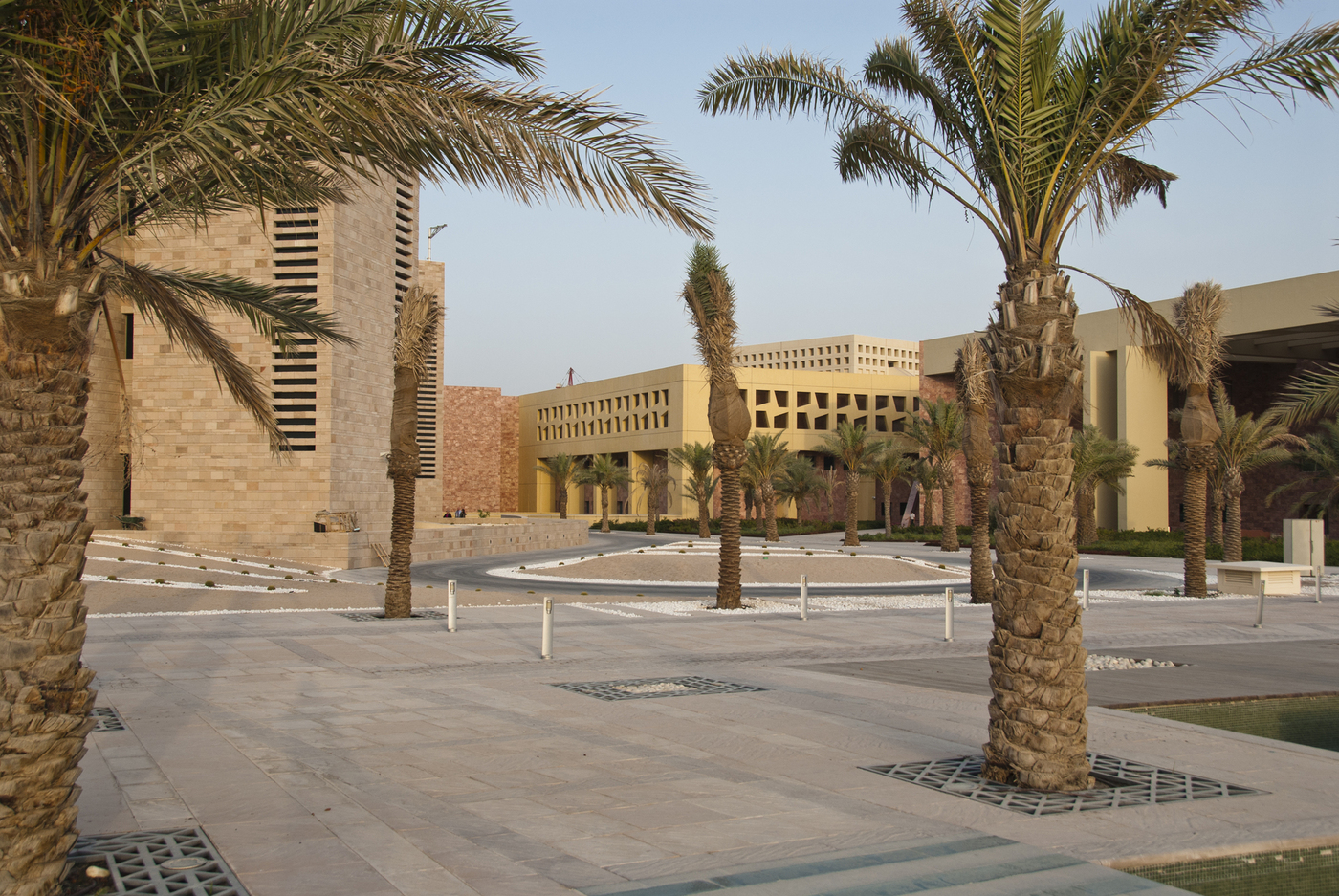
Six American universities operate branch campuses inside Qatar’s Education City alone, a 12-square-kilometre complex on the outskirts of Doha that hosts approximately 3,500 students and hundreds of faculty members. Across the wider Gulf, the at-risk population at U.S.-affiliated institutions likely exceeds 15,000.
Contents
What Did the IRGC Demand?
The IRGC’s statement, broadcast on Sunday via the Islamic Republic of Iran Broadcasting’s Telegram channel and carried by Tasnim News Agency, made three explicit demands. First, it required the United States government to issue an official statement condemning the bombing of Iranian universities by 12:00 noon Tehran time (0830 GMT) on Monday, March 30. Second, it demanded Washington restrain allied forces from further attacks on universities and research centres. Third, it warned that failure to meet these conditions would result in strikes on “all universities of the occupying regime and American universities in the West Asia region.”
“The American-Zionist aggressor forces, by bombing Tehran’s University of Science and Technology, have once again targeted Iranian universities,” the IRGC statement read, according to Press TV. “All Israeli and American universities in the region are legitimate targets for us until two universities are struck in retaliation for the Iranian universities that have been destroyed.”
The statement included a specific safety directive: it advised “all employees, professors, and students of American universities in the region” to maintain a distance of at least one kilometre from campus facilities “for their own safety.” That instruction mirrors the language the IRGC used before its March 14 strikes on U.S.-linked industrial plants across the Gulf, when it issued similar evacuation advisories to civilian workers near oil refineries and ports, according to Iran International.
The IRGC also framed an escalation clause. “If it [the U.S.] also wants to prevent further strikes on its universities in the region, it must restrain its allied forces from attacking universities and research centres; otherwise, the threat remains valid and will be carried out,” the statement said, according to the Jerusalem Post. The phrasing suggested that any additional strikes on Iranian academic sites would widen the retaliation beyond two campuses.
The Trigger: Strikes on Iranian Universities
The IRGC’s ultimatum followed overnight strikes on Friday-Saturday, March 28-29, that hit the Iran University of Science and Technology in northeastern Tehran. Iranian state media reported damage to campus buildings but no casualties. The strike came as part of what the Israeli military described as “a wide-scale wave of strikes targeting dozens of infrastructure belonging to the Iranian terror regime across Tehran,” according to the Times of Israel.
Tehran’s University of Science and Technology was not the first Iranian academic facility hit during the war. The Isfahan University of Technology was struck on March 6, with one building damaged and no casualties, according to Iran’s Students’ News Agency, as reported by Yeni Safak. The IDF separately confirmed striking Malek Ashtar University of Technology in Tehran, which it described as “a strategic nuclear weapons development and research site” subordinate to Iran’s defence ministry and under Western sanctions, according to the Times of Israel.
The dual-use nature of these institutions is the core of the dispute. Western intelligence services have long identified several Iranian universities as fronts for ballistic missile development and nuclear weapons research. Malek Ashtar University has been sanctioned by the United States, the European Union, and the United Nations Security Council for its ties to Iran’s defence establishment. The IRGC, however, treats any strike on an institution labelled a “university” as an attack on civilian academic infrastructure, creating the legal and rhetorical framework for reciprocity against unambiguously civilian American campuses abroad.
Which American University Campuses Are at Risk?
At least 15 American or Western-affiliated university campuses operate within IRGC missile and drone range across the six Gulf Cooperation Council states. The highest concentration sits in Qatar’s Education City, a Qatar Foundation complex roughly 12 kilometres from central Doha that functions as the Gulf’s most prominent hub of American higher education.
| University | Location | U.S. Parent Institution | Programs |
|---|---|---|---|
| Texas A&M at Qatar | Education City, Doha | Texas A&M University | Engineering |
| Northwestern Qatar | Education City, Doha | Northwestern University | Journalism, Communication |
| Carnegie Mellon Qatar | Education City, Doha | Carnegie Mellon University | Computer Science, Business |
| Georgetown Qatar | Education City, Doha | Georgetown University | Foreign Service |
| VCUarts Qatar | Education City, Doha | Virginia Commonwealth University | Art, Design |
| Weill Cornell Medicine Qatar | Education City, Doha | Cornell University | Medicine |
| NYU Abu Dhabi | Saadiyat Island, Abu Dhabi | New York University | Liberal Arts, Sciences, Engineering |
| Rochester Institute of Technology Dubai | Dubai Silicon Oasis | Rochester Institute of Technology | Engineering, IT, Business |
| KAUST | Thuwal, Saudi Arabia | Multiple U.S. partnerships | STEM, Graduate Research |
Education City’s six American branch campuses collectively enrol approximately 3,500 students across undergraduate and graduate programmes, according to Qatar Foundation. About half are Qatari nationals; the remainder include American citizens, permanent residents, and international students from more than 80 countries. The campus complex also employs several hundred faculty and administrative staff, many of whom hold American or dual nationality.
In the UAE, NYU Abu Dhabi had already shifted to remote learning after Iranian retaliatory strikes hit within five miles of its Saadiyat Island campus in early March. NYU President Linda Mills said the university was assisting “all community members not required to be on campus” with travel arrangements, according to Washington Square News. Nearly all 300 high school candidates visiting for an undergraduate selection process were sent home.
In Saudi Arabia, King Abdullah University of Science and Technology (KAUST) in Thuwal maintains deep partnerships with American research institutions and employs American faculty. The campus hosts approximately 400 graduate students and researchers from over 100 nationalities. While not formally a U.S. branch campus, KAUST’s American institutional ties and its Red Sea coastal location within range of Houthi as well as IRGC weapons systems place it in the threat envelope.
How Have Universities Responded?
Multiple Gulf-based American universities had already moved to remote operations before Sunday’s IRGC statement. The new threat, with its explicit deadline, escalated an already tense situation into an active countdown.
Texas A&M’s interim president issued a campus update stating that “the safety and well-being of every member of the Texas A&M community across all its campuses remains the top priority,” adding that the university was “closely tracking developments through official government sources, including the U.S. Embassy in Qatar,” and remained in communication with Qatar Foundation and Education City partners, according to The Eagle. Employees and students in Qatar were sheltering in place and continuing remote learning, with preparations for evacuation “as soon as it becomes possible in line with Embassy recommendations.”
The broader Education City community had already experienced one emergency evacuation this month. On March 3, student housing across the complex was evacuated at approximately 2 a.m. following warnings of incoming Iranian strikes. Francisco Marmolejo, president of higher education at Qatar Foundation, confirmed that 282 students living in dormitories were relocated to hotels and other housing for one night before being cleared to return the following day, according to Inside Higher Education. Carnegie Mellon Qatar dean Michael Trick confirmed in a separate update that CMU students had evacuated from Education City dorms early that Saturday morning.
NYU Abu Dhabi placed its campus on what it called an “extended spring break” before formally shifting all instruction online “for the foreseeable future,” according to Washington Square News. Weill Cornell Medicine in Qatar also moved to remote operations, according to the Cornell Daily Sun.
No formal response to the IRGC’s specific Monday deadline had been issued by Georgetown Qatar, Northwestern Qatar, or VCUarts Qatar as of Sunday evening Doha time.
From Military Bases to Lecture Halls
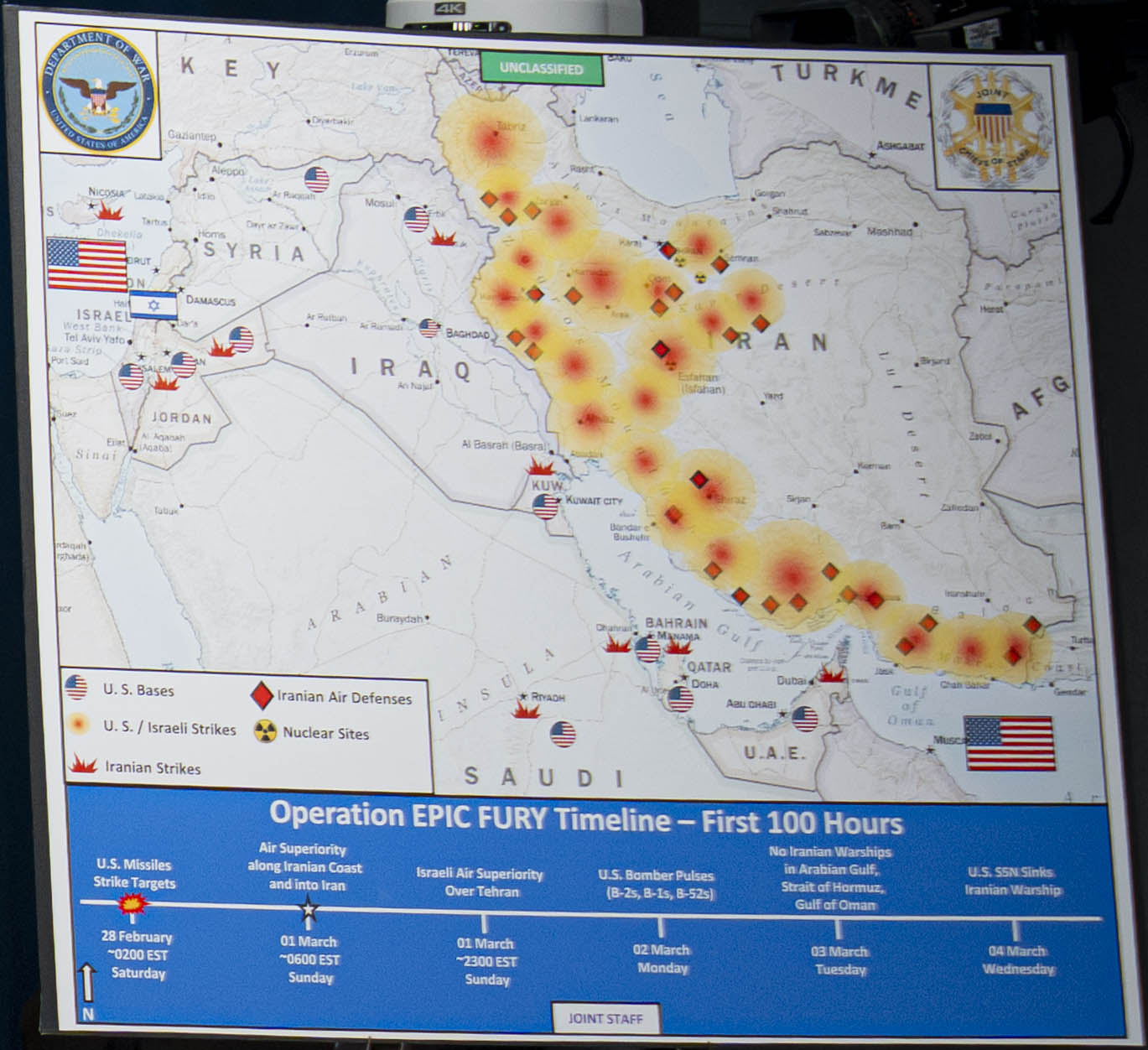
The IRGC’s threat against universities fits a documented pattern of widening target categories. In the first week of the war, which began on February 28 with U.S. and Israeli strikes on Iran, IRGC retaliation focused on military assets: Prince Sultan Air Base in Saudi Arabia and Al Udeid Air Base in Qatar absorbed repeated missile and drone barrages. The March 28 attack on Prince Sultan Air Base alone involved six ballistic missiles and 29 drones, wounding at least 15 U.S. service members and damaging an E-3 AWACS aircraft and multiple KC-135 tankers, according to Al Jazeera.
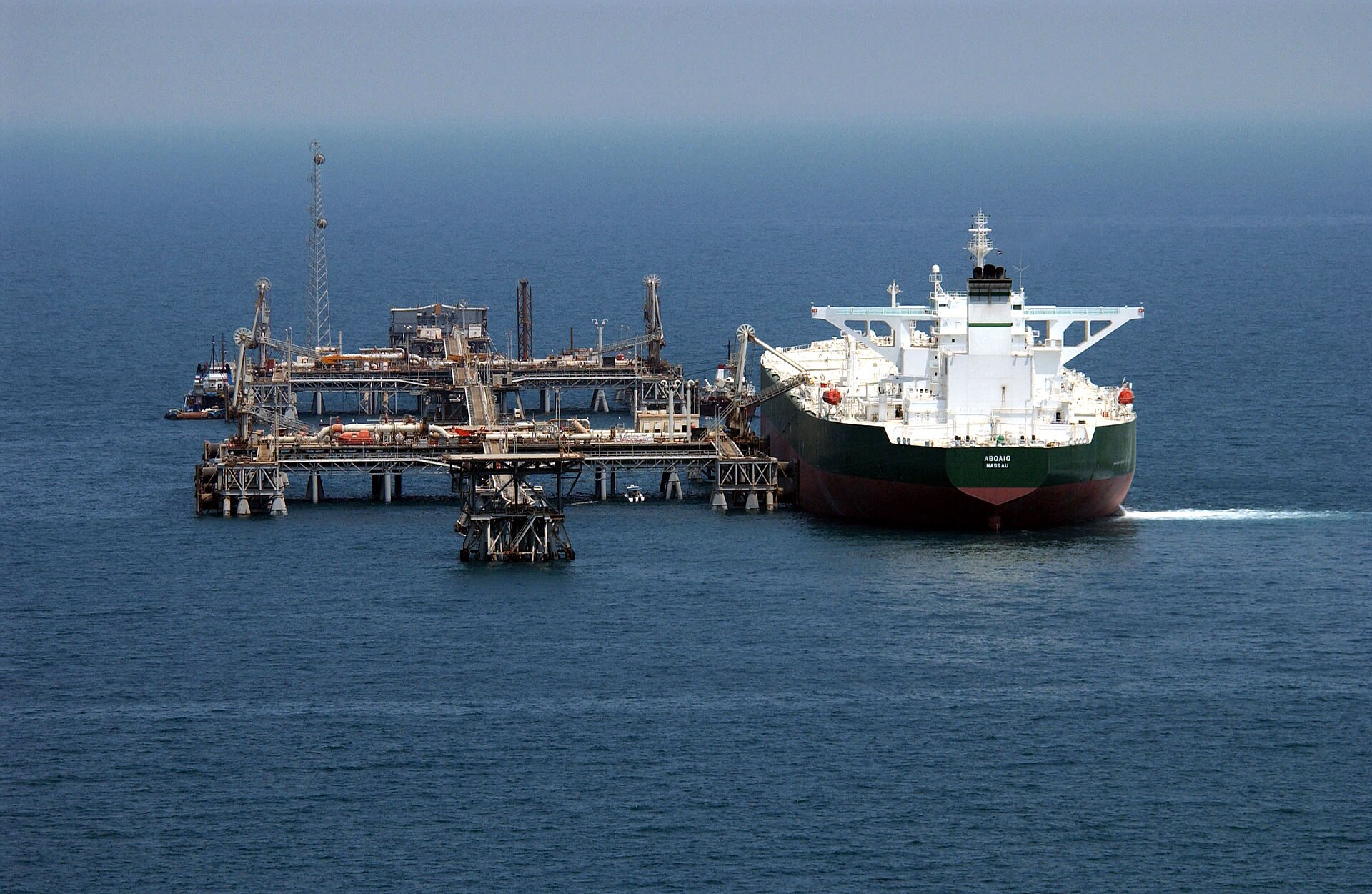
By mid-March, the IRGC expanded to economic targets. It issued evacuation warnings for Gulf oil facilities and its navy chief Alireza Tangsiri threatened retaliation against U.S.-linked infrastructure, according to the Jerusalem Post. Aramco installations, the Ras Tanura terminal, and oil export infrastructure came under fire. The Saudi East-West Pipeline was pushed to its maximum 7 million barrels per day capacity as eastern export routes became unreliable. Salalah port in Oman was hit. Brent crude rose above $112 per barrel.
On March 11, Iran declared that U.S. and Israeli economic and banking interests across the region were legitimate targets, according to Al Jazeera. That same week, Qatar announced it had arrested 10 suspects linked to the IRGC, including three allegedly trained in drone sabotage, according to reporting cited in the Wikipedia timeline of Iranian strikes on Qatar.
Universities represent a new category altogether: unambiguously civilian, staffed by non-combatants, attended by students from dozens of nationalities including Qatari, Emirati, and Saudi citizens alongside Americans. Striking a campus in Education City would risk killing nationals of the very Gulf states the IRGC has been trying to separate from the U.S.-led coalition.
The Reciprocity Trap: International Law and the Dual-Use Argument
The IRGC’s framing rests on a calculated equivalence: “you struck our universities, we will strike yours.” This argument contains a legal asymmetry that both sides are exploiting.
The U.S. and Israeli strikes on Iranian academic institutions targeted facilities with documented ties to weapons development. As detailed above, Malek Ashtar University of Technology is under U.S., EU, and UN Security Council sanctions for its role in Iran’s defence establishment, and the IDF described it as a nuclear weapons development site.
Under international humanitarian law, facilities that make an “effective contribution to military action” can lose protected civilian status regardless of their nominal designation. A university building housing ballistic missile research is a legitimate military target under the principle of distinction, provided the expected military advantage outweighs anticipated civilian harm.
The American branch campuses in the Gulf, by contrast, conduct no military research. Texas A&M Qatar offers undergraduate engineering degrees. Georgetown Qatar runs a School of Foreign Service focused on international relations. Weill Cornell Medicine Qatar trains doctors. None are sanctioned. None have been identified by any government or international body as contributors to military capabilities.
The IRGC’s threat bypasses this distinction entirely. By treating the word “university” as a category rather than evaluating each institution’s function, it establishes a principle of collective retaliation against civilian targets — a framework that Human Rights Watch has already warned constitutes a violation of the laws of armed conflict. HRW’s March 17 report on unlawful Iranian strikes across the Gulf documented a pattern of attacks endangering civilians, noting that “under the laws of war, parties must distinguish between military targets and civilian objects.”
Washington faces its own rhetorical trap. Condemning the bombing of Iranian universities, as the IRGC demands, would implicitly concede that those strikes were unlawful — undermining the dual-use rationale that justified them. Refusing to issue such a condemnation, however, calls the IRGC’s bluff on a threat that puts thousands of U.S. citizens and allied nationals in the crosshairs.
What Happens When the Deadline Expires?
The most likely scenario is that the United States does not issue the demanded condemnation. The Biden-era pattern of public statements was retired with the current administration. Vice President Vance said this week that the war would continue “a little while longer” to “neuter” Iran’s military capacity, a framing that leaves no room for conceding the legitimacy of Iranian university infrastructure while military targets on campus are still being struck.
Whether the IRGC follows through is the defining question. Three factors constrain execution. First, Qatar hosts the IRGC’s primary diplomatic back-channel with the United States — striking Education City would eliminate the most productive intermediary Iran has. Qatar arrested suspected IRGC operatives on March 4 but has maintained its mediating role.
Second, a strike on Education City would kill Qatari citizens alongside Americans, potentially pushing GCC states closer to active belligerency rather than the neutrality Iran prefers. Third, the global optics of striking a medical school or journalism campus would collapse whatever remains of international sympathy for Iran’s position.
The IRGC has, however, demonstrated willingness to follow through on graduated threats. Its March 14 evacuation warnings for oil facilities preceded actual strikes on petrochemical infrastructure. Its warning to civilians near Prince Sultan Air Base preceded the March 28 attack that wounded U.S. troops. The pattern is: warn, wait, strike.
The 17-hour window between the IRGC’s Sunday statement and the Monday noon deadline allows just enough time for the U.S. to respond — or for Gulf-based institutions to execute emergency evacuations. Several universities, already operating remotely, may have no physical presence on campus when the deadline passes. The IRGC’s one-kilometre evacuation advisory suggests it anticipates non-compliance and wants to create a paper trail of warning before any potential attack.
For the estimated 15,000-plus students, faculty, and staff connected to American university operations across the Gulf, Monday morning is no longer an academic question. The Houthis entered the war on March 28 with their first missile strike on Israel. The IRGC hit a U.S. air base the same day. The war is expanding, not contracting — and the next set of targets may wear backpacks, not body armour.
Background: One Month of War
The conflict began on February 28 when the United States and Israel launched joint strikes on Iranian nuclear and military facilities. In the 30 days since, the war has expanded across multiple fronts. Iran has fired hundreds of missiles and drones at Gulf states hosting U.S. forces. Total U.S. casualties stand at over 300 wounded and 13 killed. Saudi Arabia has absorbed more than 600 strikes on its territory while maintaining a non-belligerent posture, as detailed in House of Saud’s reporting on MBS’s threshold for entering the war.
Iran has imposed a de facto toll regime on the Strait of Hormuz, demanding $2 million per vessel for transit. Brent crude has climbed to the $105-112 range. The Houthis launched their first missile at Israel on March 28, opening a new front from Yemen. And President Trump, speaking at the Future Investment Initiative summit in Miami, made remarks about Crown Prince Mohammed bin Salman that publicly humiliated the Saudi leadership while demanding continued access to Saudi basing rights.
Frequently Asked Questions
Has the IRGC ever struck a university campus outside Iran?
No. While the IRGC and its proxies have struck military bases, oil infrastructure, ports, and shipping vessels across the Gulf during the 2026 conflict, the March 29 statement is the first time universities have been explicitly identified as retaliatory targets. The IRGC’s proxy Hezbollah struck civilian infrastructure in Israel during the 2006 Lebanon war, including a railway station in Haifa, but purpose-built academic campuses have not previously appeared on any publicly stated IRGC target list.
Can Gulf air defence systems protect Education City?
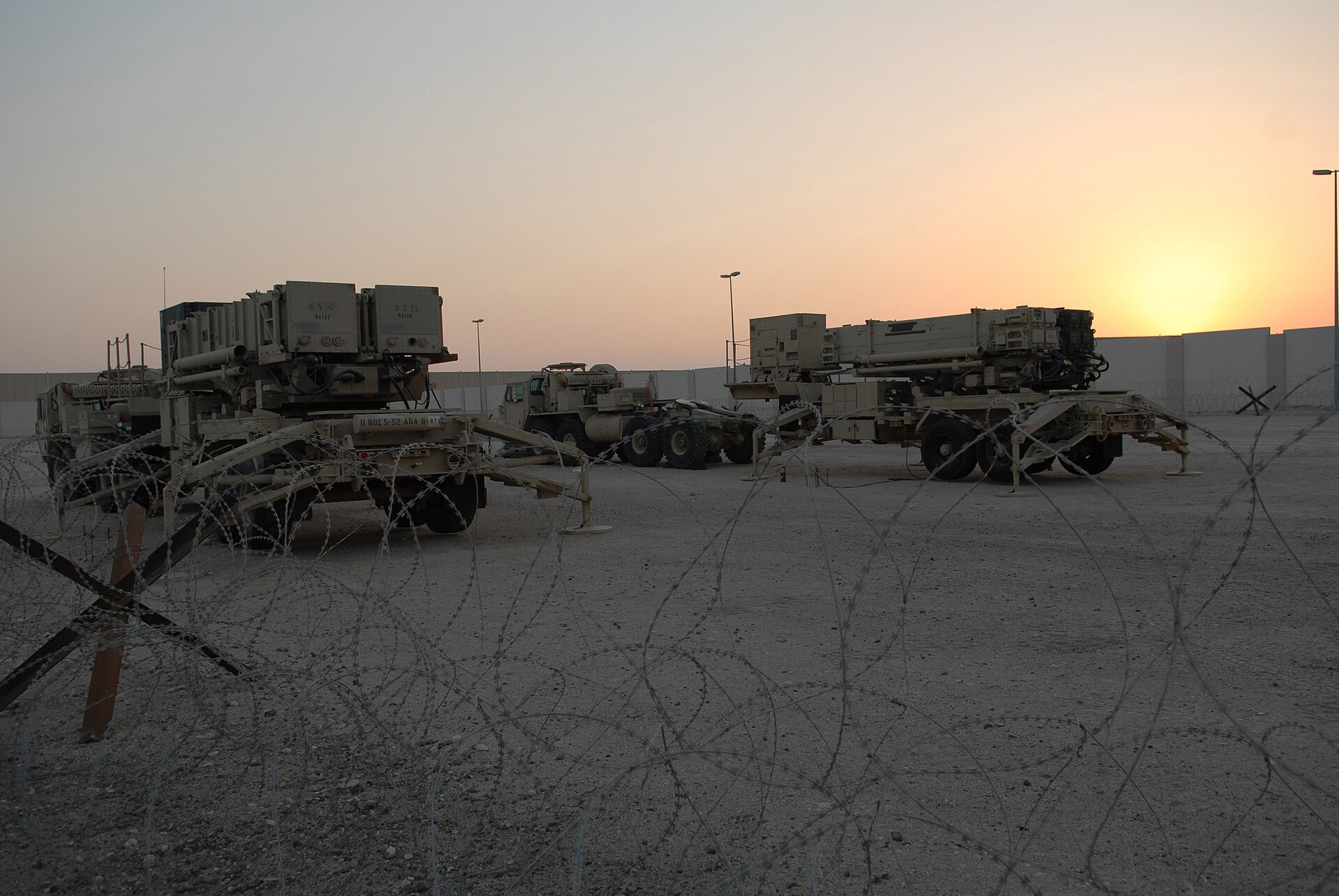
Qatar operates Patriot PAC-3 batteries and has ordered the THAAD system from the United States. Education City sits approximately 25 kilometres from Al Udeid Air Base, which hosts the region’s most concentrated air defence umbrella. However, the March 28 attack on Prince Sultan Air Base demonstrated that IRGC salvoes combining ballistic missiles and drones can overwhelm layered defences: six ballistic missiles and 29 drones penetrated deep enough to damage parked aircraft and wound 15 service members. A dedicated strike on a soft target like a university campus would not face the same hardened defences as a military airfield.
What is the legal status of foreign university campuses under international law?
International humanitarian law protects educational institutions as civilian objects under the Fourth Geneva Convention and Additional Protocol I. They lose that protection only if they make an “effective contribution to military action” — for example, if used to store weapons or house combatants. American branch campuses in the Gulf are unambiguously civilian. A deliberate strike on one would constitute a war crime under the Rome Statute of the International Criminal Court, regardless of what happened to Iranian academic facilities that the attacking state argues had dual-use military functions.
How many American citizens are currently at Gulf university campuses?
Precise figures are unavailable because many institutions have shifted to remote operations and some students have left the region. Before the war, Qatar Foundation reported that about 50% of Education City’s approximately 3,500 students were Qatari nationals, with the remainder drawn from the expatriate community and international applicants. Faculty rosters at institutions such as Texas A&M Qatar, Georgetown Qatar, and NYU Abu Dhabi include a significant proportion of American passport holders, though several universities have assisted with voluntary departures since early March.
Are there precedents for the U.S. issuing condemnations demanded by adversaries under deadline threats?
The United States has historically refused to issue statements under coercion from adversary states or non-state actors, treating compliance as a concession that invites further demands. During the 1979 Iran hostage crisis, the Carter administration declined Iranian demands for a public apology as a precondition for releasing embassy staff. The Trump administration withdrew from the Iran nuclear deal in 2018 partly to reject the principle of concessions under pressure. The current administration’s posture — Vice President Vance’s statement that the campaign will continue until Iran is “neutered” — suggests no condemnation is forthcoming by Monday’s deadline.