
TEHRAN — Israeli warplanes struck Iran’s oil infrastructure for the first time since the war began on February 28, hitting 30 fuel depots across Tehran and its surrounding province on Saturday, killing at least four people and sending toxic black smoke billowing over a capital of nearly 10 million people. The strikes, which Israel said targeted Islamic Revolutionary Guard Corps fuel storage complexes, triggered fires that burned for hours and produced an extraordinary environmental consequence: black, oil-tainted rain falling on residential neighbourhoods dozens of kilometres from the blast sites, according to witnesses and Iranian state media.
The escalation marked a significant new phase in the nine-day-old conflict. It also opened the first substantive disagreement between Washington and Jerusalem since Operation Epic Fury commenced, with senior Trump administration officials expressing dismay at the scope of the Israeli bombardment, according to Axios. For Saudi Arabia, whose own oil infrastructure has absorbed Iranian drone attacks on the Shaybah oilfield and whose Ras Tanura refinery has been forced offline, the destruction of a rival producer’s energy capacity carries profound strategic implications at a moment when Brent crude has already breached $110 per barrel.
Table of Contents
- What Did Israel Strike in Tehran?
- How Did Black Rain Fall on Iran’s Capital?
- The First US-Israel Rift of the War
- What Does the Strike Mean for Iran’s Oil Exports?
- Saudi Arabia Watches Its Biggest Rival’s Oil Infrastructure Burn
- How Will Oil Markets Respond?
- The Environmental and Humanitarian Toll
- Frequently Asked Questions
What Did Israel Strike in Tehran?
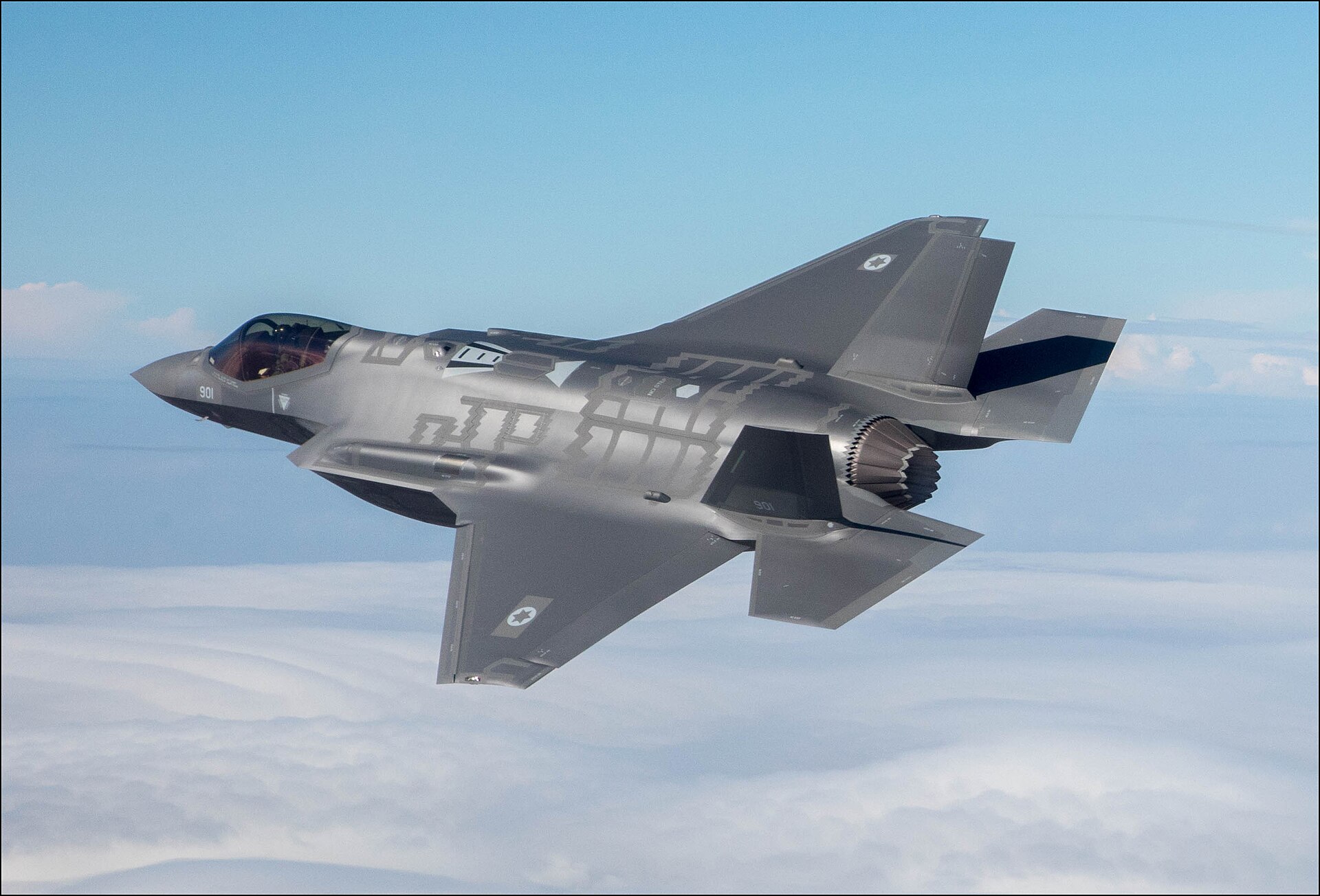
The Israeli Air Force struck four primary oil storage and distribution facilities in and around Tehran on Saturday, March 8, according to the Israel Defense Forces and Iranian government statements. The targets included the Aghdasieh oil warehouse in northeast Tehran, the Tehran refinery complex in the southern part of the capital, the Shahran oil depot in western Tehran, and a fuel storage facility in the satellite city of Karaj in neighbouring Alborz province.
The IDF said in a statement that it targeted “several fuel storage complexes belonging to the Islamic Revolutionary Guard Corps in Tehran” that were used to “distribute fuel to multiple military entities in Iran.” The military framing positioned the strikes as targeting the IRGC’s logistics network rather than civilian energy infrastructure, though the distinction was immediately challenged by Iranian officials and independent analysts.
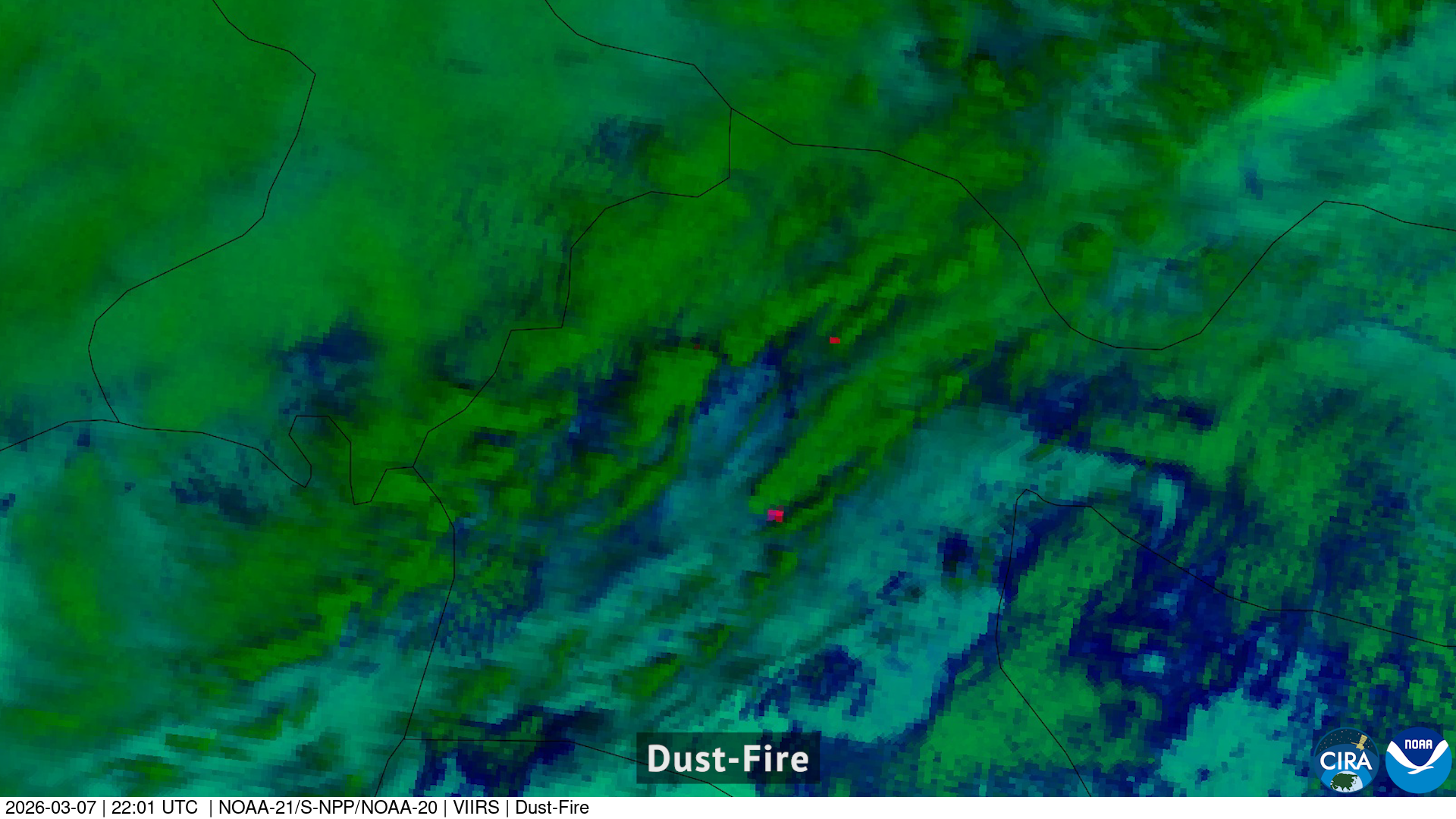
In total, the Israeli air force struck 30 fuel depots across the Tehran metropolitan area in a single night of operations, according to Axios, citing U.S. and Israeli officials. The scale of the bombardment far exceeded what Washington had anticipated when the IDF provided advance notification. The strikes killed at least four people and wounded an unspecified number of others, according to Iran’s Health Ministry, though the toll was expected to rise as emergency crews gained access to the burning facilities.
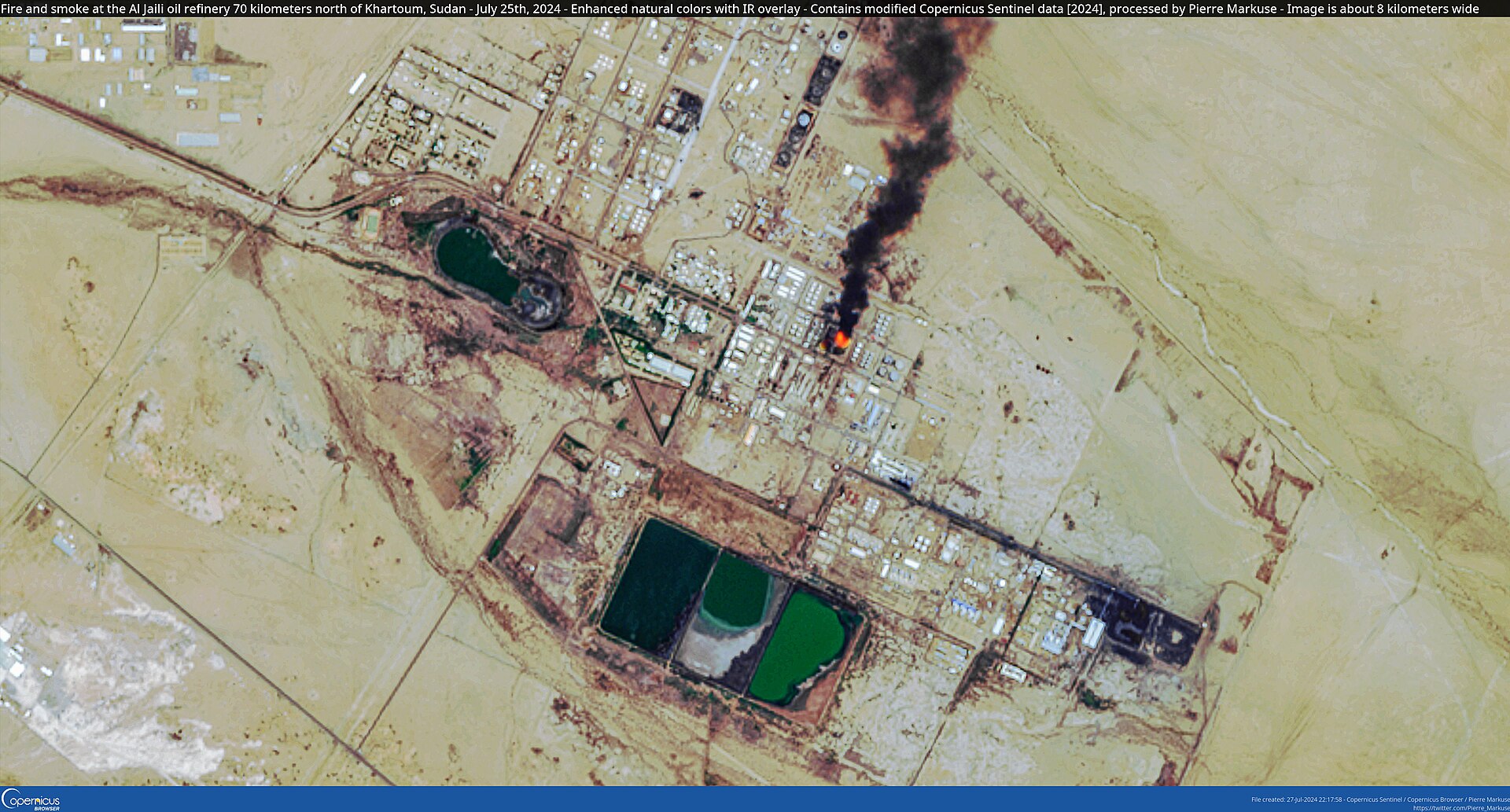
Al Jazeera reported that the fires at the Aghdasieh warehouse and the Tehran refinery burned for more than eight hours before firefighters brought them under control. Satellite imagery from NOAA’s VIIRS instrument, processed by Colorado State University’s CIRA, showed multiple thermal hotspots across the Tehran area corresponding to the struck facilities. The imagery confirmed the scale and geographic spread of the fires across the capital.
Iran’s state media described the strikes as targeting “civilian fuel infrastructure” and accused Israel of deliberately attempting to create a humanitarian crisis by disrupting fuel distribution to the Iranian population. The Tehran refinery processes approximately 250,000 barrels of crude oil per day and supplies a significant portion of the capital’s refined fuel, including gasoline, diesel, and heating fuel.
How Did Black Rain Fall on Iran’s Capital?
The most dramatic and visible consequence of the strikes was the thick blanket of toxic black smoke that enveloped Tehran for most of Sunday, followed by what residents described as black, oily rain. The phenomenon, documented extensively on social media and confirmed by Iranian meteorological authorities, resulted from the combustion of hundreds of thousands of barrels of stored petroleum products at the struck facilities.
TIME Magazine reported that Iran’s capital was “shrouded in toxic smoke” after the overnight strikes, with visibility in parts of southern and eastern Tehran reduced to less than 200 metres. The Times of Israel, citing Iranian media, reported that “black clouds over Tehran rained down oil drops” on residential areas, with residents in districts as far as 40 kilometres from the blast sites reporting dark, foul-smelling precipitation on their cars, balconies, and clothing.
Iranian environmental authorities issued emergency health warnings instructing residents to remain indoors, close windows, and avoid outdoor exercise. Tehran’s municipal government reported a spike in respiratory-related emergency room visits, particularly among children and elderly residents, though specific numbers were not immediately available. Schools in three Tehran districts suspended in-person classes on Sunday, according to the Iranian Students News Agency.
The environmental impact of burning petroleum storage facilities is well documented. When large quantities of crude oil, gasoline, and diesel burn in open-air conditions, the combustion produces a toxic mixture of particulate matter, volatile organic compounds, sulphur dioxide, and polycyclic aromatic hydrocarbons. The black rain occurs when these combustion particles become embedded in atmospheric moisture and fall back to the surface. During the 1991 Gulf War, the burning of Kuwaiti oil wells produced similar “black rain” events across the region, with long-term health consequences documented in studies published by the World Health Organization.
The environmental organisation Greenpeace Middle East condemned the strikes, calling them “an ecological catastrophe” that would affect soil and water quality across the Tehran basin for years. Independent air quality monitoring stations operated by Tehran University recorded particulate matter levels at more than 15 times the WHO safe exposure limit in the hours following the strikes.
The First US-Israel Rift of the War
The fuel depot strikes produced the first significant policy disagreement between Washington and Jerusalem since the two governments launched their joint military campaign against Iran on February 28. The rift exposed a fundamental tension that had been building beneath the surface of the alliance: the United States and Israel share the objective of degrading Iran’s military capabilities, but they disagree on whether destroying Iran’s civilian economic infrastructure serves that goal.
Axios reported that the IDF notified the U.S. military ahead of the strikes, but that the U.S. was “surprised by how wide-ranging they were.” A senior U.S. official told the publication: “We don’t think it was a good idea.” The report quoted an Israeli official describing the American message to Israel as simply: “WTF.”
A Trump adviser told Axios that the president “doesn’t like the attack,” and explained the reasoning in economic terms: “He wants to save the oil. He doesn’t want to burn it. And it reminds people of higher gas prices.” The concern reflects the Trump administration’s dual priorities in the conflict: degrading Iran’s military capacity while preserving the country’s energy infrastructure for post-war economic leverage, a strategy that Trump and Crown Prince Mohammed bin Salman have aligned on throughout the conflict’s planning phase. The gas price concern has now prompted G7 energy ministers to consider releasing up to 400 million barrels from strategic petroleum reserves in an emergency meeting scheduled for Tuesday.
The disagreement carries particular weight because the oil price spike triggered by the conflict has already produced political consequences in Washington. Brent crude closed above $110 per barrel on Friday, and the fuel depot strikes risk pushing prices higher still. American gasoline prices, which typically lag crude oil movements by two to three weeks, are projected to reach $4.50 per gallon by late March if current trends continue, according to GasBuddy. For a president who campaigned on economic prosperity, the optics of burning oil while voters pay more at the pump are problematic.
Israeli Prime Minister Benjamin Netanyahu defended the strikes in a statement on Sunday, saying that “every arm of the Iranian war machine will be targeted” and that fuel supplies to the IRGC were “a legitimate military target.” Netanyahu, who has pursued a more aggressive escalation strategy than either Washington or Riyadh, appeared unmoved by the American criticism. “We told our allies what we intended to do,” he said. “We will not ask permission to defend ourselves.”
What Does the Strike Mean for Iran’s Oil Exports?
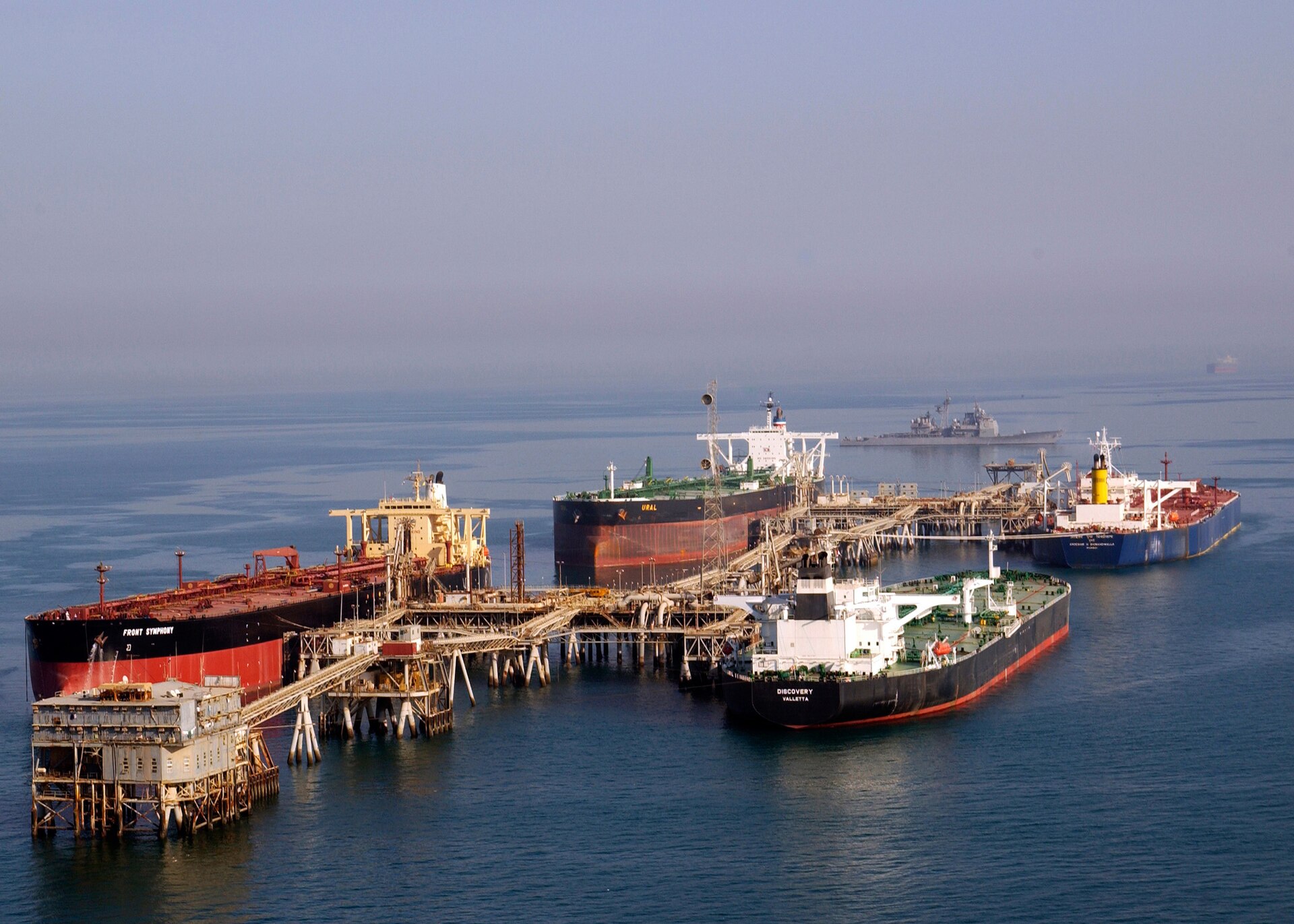
The immediate impact on Iran’s crude oil export capacity is limited but symbolically significant. The struck facilities were domestic fuel storage and distribution points, not the upstream production or export infrastructure that generates the majority of Iran’s oil revenue. Iran’s primary export terminal at Kharg Island in the Persian Gulf, which handles approximately 90 percent of the country’s crude oil exports, was not targeted.
Iran’s crude oil production stands at approximately 3.1 million barrels per day, according to CEIC Data. Before the war, Iran had been exporting between 1.3 and 1.6 million barrels per day through Kharg Island, with the majority of shipments destined for Chinese refiners at steep discounts to benchmark prices. In the weeks before the February 28 strikes, Iran accelerated its export pace dramatically, loading approximately 20.1 million barrels between February 15 and 20 alone, equivalent to more than 3 million barrels per day, far above its usual rate, according to Bloomberg tanker-tracking data.
As of March 9, nine days into the war, Iran was still loading supertankers at Kharg Island. The export terminal’s physical infrastructure has not been struck, though analysts at the Institute for Energy Research noted that the pattern of escalation suggested it could become a target. “If Israel is willing to strike fuel depots in downtown Tehran, the restraint on Kharg Island is political, not operational,” Robert McNally, president of Rapidan Energy Group, told Fortune.
The domestic disruption is more significant than the export impact. The Tehran refinery processes roughly 250,000 barrels per day of crude and is a critical source of refined fuel for the capital’s population. Extended damage to the facility would force Iran to redirect crude from other refineries, potentially reducing either domestic fuel supply or export volumes. Iran’s refining capacity was already operating near maximum before the war, according to the U.S. Energy Information Administration, leaving limited slack in the system.
| Facility | Type | Capacity | Status (March 9) |
|---|---|---|---|
| Kharg Island | Export terminal | ~5 million bpd capacity | Operational, loading tankers |
| Tehran Refinery | Refinery | ~250,000 bpd | Struck, fires extinguished |
| Aghdasieh Warehouse | Storage | Unknown | Struck, severe damage |
| Shahran Depot | Storage | Unknown | Struck, damage assessed |
| Karaj Depot | Storage | Unknown | Struck, fires burned 8+ hours |
| Abadan Refinery | Refinery | ~400,000 bpd | Not targeted |
| Isfahan Refinery | Refinery | ~375,000 bpd | Not targeted |
Saudi Arabia Watches Its Biggest Rival’s Oil Infrastructure Burn
Riyadh has not issued a public statement specifically addressing the Israeli strikes on Iranian oil facilities, maintaining the careful diplomatic posture it has held throughout the conflict. But the implications for Saudi Arabia and Aramco are substantial. Iran and Saudi Arabia are the two largest oil producers in the Middle East, and the destruction or degradation of Iranian energy infrastructure has direct consequences for the global oil market balance that Saudi Arabia dominates.
Saudi Aramco controls approximately 12 percent of global oil production, with a maximum sustained capacity exceeding 12 million barrels per day. The company’s shares have surged 4.1 percent since the conflict began, reaching 26.94 Saudi riyals, as investors price in the likelihood that Saudi Arabia will capture market share from Iranian production losses, according to reporting by Swik Blog and Hokanews. Aramco increased its flagship Arab Light crude pricing to Asian customers by $2.50 per barrel for April delivery, compared to a pre-war forecast of an 80-cent increase, Bloomberg reported on March 5.
Crown Prince Mohammed bin Salman has maintained a consistent position: Saudi Arabia did not seek this war, Saudi territory has been victimized by Iranian retaliatory strikes, and Saudi oil infrastructure must be protected rather than used as a pawn in a conflict between the United States, Israel, and Iran. The Kingdom’s own air defense network has intercepted dozens of Iranian drones and missiles targeting critical infrastructure including the Shaybah oilfield, Prince Sultan Air Base, and the Ras Tanura refinery complex.
Saudi Arabia’s position is complicated by the fact that Iranian crude competes directly with Saudi production in key Asian markets, particularly China. Before the war, Iranian crude was selling to Chinese refineries at discounts of $5 to $10 per barrel below equivalent Saudi grades, according to Reuters. The destruction of Iranian refining capacity and the disruption of its export logistics could remove a significant competitor from the market, potentially worth billions of dollars in additional revenue for Aramco over the medium term.
The Kingdom has already signalled its willingness to fill the supply gap. Saudi Energy Minister Prince Abdulaziz bin Salman told reporters at an emergency OPEC+ consultation on March 2 that Saudi Arabia had “the capacity and the willingness to ensure global energy security,” according to Al Arabiya. The statement was interpreted by market analysts as a signal that Riyadh would increase production if Iranian supply was permanently reduced.
Saudi Arabia has also warned that it would retaliate against Iranian oil facilities if Iran mounted a sustained attack on Aramco infrastructure. The Israeli strikes on Tehran’s fuel depots have, in effect, accomplished what Riyadh threatened but did not carry out, damaging an adversary’s energy capacity without Saudi Arabia bearing the diplomatic cost of doing so.
How Will Oil Markets Respond?
Oil markets entered the second week of the conflict already in crisis. Brent crude closed above $110 per barrel on Friday, March 7, representing a gain of more than 35 percent since the war began on February 28. West Texas Intermediate followed a similar trajectory. The fuel depot strikes are expected to add further upward pressure when markets open on Monday, though the precise impact will depend on whether the escalation expands to include Iran’s export infrastructure.
Fortune reported that energy analysts are warning of a “nightmare scenario” in which the conflict produces the largest sustained oil supply disruption in history. The closure of the Strait of Hormuz, through which approximately 20 percent of global crude oil and liquefied natural gas flows, has already removed an estimated 17 to 20 million barrels per day of transit capacity from the market. The four largest Gulf producers — Saudi Arabia, the United Arab Emirates, Iraq, and Kuwait — have had to suspend shipments totalling approximately 140 million barrels, according to Al Jazeera.
OPEC+ members moved quickly after the war began. On March 1, member states announced that producers with spare capacity would increase output, with Saudi Arabia leading the effort, Axios reported. But spare capacity is finite. Saudi Aramco can sustain approximately 12 million barrels per day, compared to its pre-war output of roughly 9 million barrels per day, giving it approximately 3 million barrels per day of spare capacity — significant, but insufficient to replace both the Hormuz transit losses and any permanent reduction in Iranian production.
| Indicator | Pre-War (Feb 27) | Current (March 9) | Change |
|---|---|---|---|
| Brent Crude ($/barrel) | $74.50 | $110+ | +48% |
| Aramco Share Price (SAR) | 25.85 | 26.94 | +4.1% |
| Arab Light Premium (Asian customers) | +$0.80/bbl forecast | +$2.50/bbl | +$1.70 |
| Strait of Hormuz Transit | ~20 million bpd | Effectively closed | -100% |
| Gulf Oil Shipments Suspended | 0 | ~140 million barrels | N/A |
The Saudi financial markets have absorbed the shock unevenly. While Aramco and energy-related stocks have surged, the broader Tadawul index has been volatile, reflecting the dual reality of higher oil revenues and the direct security threat to Saudi territory. Banks, retail, and tourism stocks have declined on concerns about the war’s impact on domestic consumption and international investor confidence.
Goldman Sachs raised its Brent crude price forecast to $130 per barrel in a research note on March 7, citing the “unprecedented simultaneity” of supply disruptions — Hormuz closure, Iranian production under threat, Gulf infrastructure damage, and insurance premiums rendering many Gulf-origin cargoes commercially unviable.
The Environmental and Humanitarian Toll
The broader conflict has now killed more than 1,850 people since it began on February 28, according to the ACLED conflict data project. At least 1,330 Iranian civilians have been killed in U.S. and Israeli strikes, with the Iranian Health Ministry reporting that 200 children and approximately 200 women are among the dead. More than 100,000 Iranians have been displaced.
The environmental dimension of the oil infrastructure strikes adds a layer of concern that transcends the immediate military conflict. Tehran, a city of 9.5 million people in an enclosed basin ringed by mountains, is particularly vulnerable to air quality events. The black smoke plume from the burning fuel depots was trapped by a temperature inversion layer, according to Iran’s Meteorological Organisation, preventing the particulate matter from dispersing and concentrating it over residential areas.
International environmental law, specifically Protocol I Additional to the Geneva Conventions, prohibits attacks on the natural environment that cause “widespread, long-term and severe damage.” Legal scholars contacted by Al Jazeera said the fuel depot strikes could fall within this prohibition if the environmental consequences proved sustained, though enforcement mechanisms for environmental war crimes remain weak.
Inside Saudi Arabia, the environmental impact of the war has also been felt. The projectile strike on Al-Kharj that killed two residents on Saturday underscored that the Kingdom’s population is directly in harm’s way. Iranian drones have targeted not only military installations and oil facilities but also the diplomatic quarter in Riyadh, prompting the U.S. embassy to order the departure of non-emergency personnel — the first such evacuation order for Saudi Arabia since the war began.
The humanitarian consequences are compounding across the region. The U.S. State Department reported that 32,000 American citizens have left the Middle East since February 28. Saudi Arabia’s own expatriate population of approximately 13 million faces disrupted air travel, with Saudia Airlines cancelling all flights to Gulf destinations until at least March 10 and suspending routes to Amman, Peshawar, and Moscow until March 15, according to the carrier’s operations centre.
Frequently Asked Questions
Did Israel strike Iran’s main oil export terminal at Kharg Island?
No. The March 8 strikes targeted domestic fuel storage and distribution facilities in and around Tehran, not Iran’s primary export infrastructure. Kharg Island, which handles approximately 90 percent of Iran’s crude oil exports, was not targeted and continues to load supertankers as of March 9, according to tanker-tracking data. Analysts have noted that the restraint on Kharg Island appears to be a political decision rather than an operational limitation.
Why is the United States unhappy with Israel’s oil strikes?
The Trump administration is concerned that destroying civilian fuel infrastructure rallies Iranian public support behind the regime rather than undermining it, and that the strikes will push global oil prices higher. President Trump’s position, according to an adviser quoted by Axios, is that he “wants to save the oil, not burn it” — reflecting a preference for preserving Iran’s energy assets for post-war leverage rather than destroying them. The fuel depot strikes were the first significant policy disagreement between Washington and Jerusalem since Operation Epic Fury began.
How do the strikes affect Saudi Arabia’s oil market position?
The damage to Iranian refining and storage capacity could benefit Saudi Arabia’s competitive position, particularly in Asian markets where Iranian crude sold at steep discounts of $5 to $10 per barrel below Saudi grades. Saudi Aramco has already raised its Arab Light crude pricing by $2.50 per barrel for April delivery. If Iranian production is permanently reduced, Aramco stands to capture additional market share, though the broader disruption from the Hormuz closure complicates the picture.
What is “black rain” and is it dangerous?
Black rain occurs when combustion byproducts from burning petroleum — including particulate matter, volatile organic compounds, and polycyclic aromatic hydrocarbons — become embedded in atmospheric moisture and fall as contaminated precipitation. Tehran University air quality monitors recorded particulate matter levels at 15 times WHO safe exposure limits in the hours after the strikes. Iranian health authorities advised residents to stay indoors, and schools in three Tehran districts suspended classes. Similar phenomena were documented during the 1991 Gulf War when Kuwaiti oil wells burned.