
AMMAN — Jordan declares itself neutral. Its F-16s are shooting down Iranian drones. Its largest air base has been hit by 119 missiles and drones in two weeks. A $300 million American radar system on its soil has been reduced to scrap metal. A girl in Azraq is in hospital after drone debris struck her home. And King Abdullah II stands before his parliament insisting that Jordan is not a party to any war. The contradiction between what Amman says and what Amman does is the most consequential fault line in the Middle East today — because Jordan’s stability is the single thread holding together the entire Western security architecture between Israel, Iraq, and Saudi Arabia.
The Hashemite Kingdom of 11.6 million people borders five conflict zones simultaneously: Iraq to the east, Syria to the north, Israel and the West Bank to the west, Saudi Arabia to the south, and the Red Sea approaches to the southwest. Every one of those borders has become more dangerous since the United States and Israel struck Iran on February 28. Iran has responded not merely with attacks on Israeli and American targets, but with a region-wide campaign of drone and missile strikes that has turned Jordan from a diplomatic buffer state into an active battlefield — one whose government cannot afford to admit what is happening within its own airspace.
Table of Contents
- How Did Jordan Get Dragged Into a War It Vowed to Avoid?
- The Numbers Amman Cannot Hide
- What Did Iran Actually Destroy at Muwaffaq Salti?
- Why Does King Abdullah Keep Saying Jordan Is Not at War?
- The Five-Border Problem
- Who Is Paying for Jordan’s War?
- Jordan’s F-16s Against Iran’s Drones
- Can a Nation of 11 Million Absorb Another Refugee Crisis?
- The Trade Corridor That Was Supposed to Save Jordan’s Economy
- Why Does Jordan Matter More Than Any Other US Ally in This War?
- Jordan’s Non-War Is Its Greatest Strategic Asset
- The Hashemite Vulnerability Matrix
- Frequently Asked Questions
How Did Jordan Get Dragged Into a War It Vowed to Avoid?
Jordan never chose this war. The Hashemite Kingdom spent years building precisely the kind of diplomatic architecture designed to keep it out of regional conflicts — a peace treaty with Israel since 1994, a deep military partnership with the United States worth $1.5 billion annually, quiet intelligence cooperation with Saudi Arabia, and a carefully maintained channel to Tehran through Amman’s embassy. When Foreign Minister Ayman Safadi told his Iranian counterpart on February 2 that Jordan would not become a battlefield for any conflict, he meant it. Three weeks later, Iranian missiles were falling on Jordanian territory.
The trigger was not anything Jordan did. On February 28, 2026, the United States and Israel launched coordinated airstrikes against Iran that killed Supreme Leader Ali Khamenei and destroyed nuclear facilities, missile production sites, and air defense networks across the country. Iran’s response — predictable to anyone who studied Tehran’s doctrine of asymmetric retaliation — targeted not just Israel and American bases in the Gulf, but every state hosting American military assets. Jordan, with its sprawling Muwaffaq Salti Air Base in Azraq serving as a primary staging area for US Air Force operations, became a target within hours.
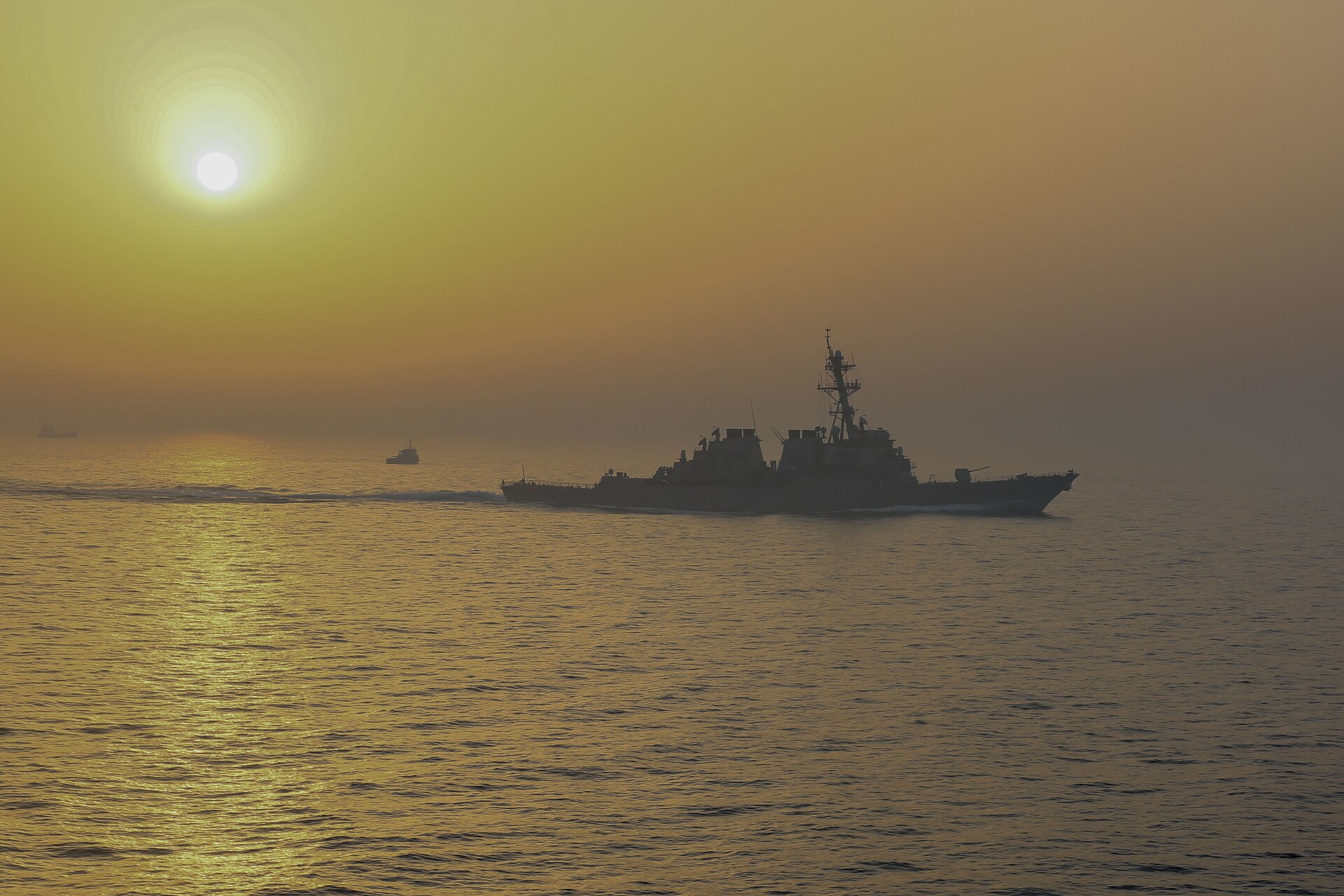
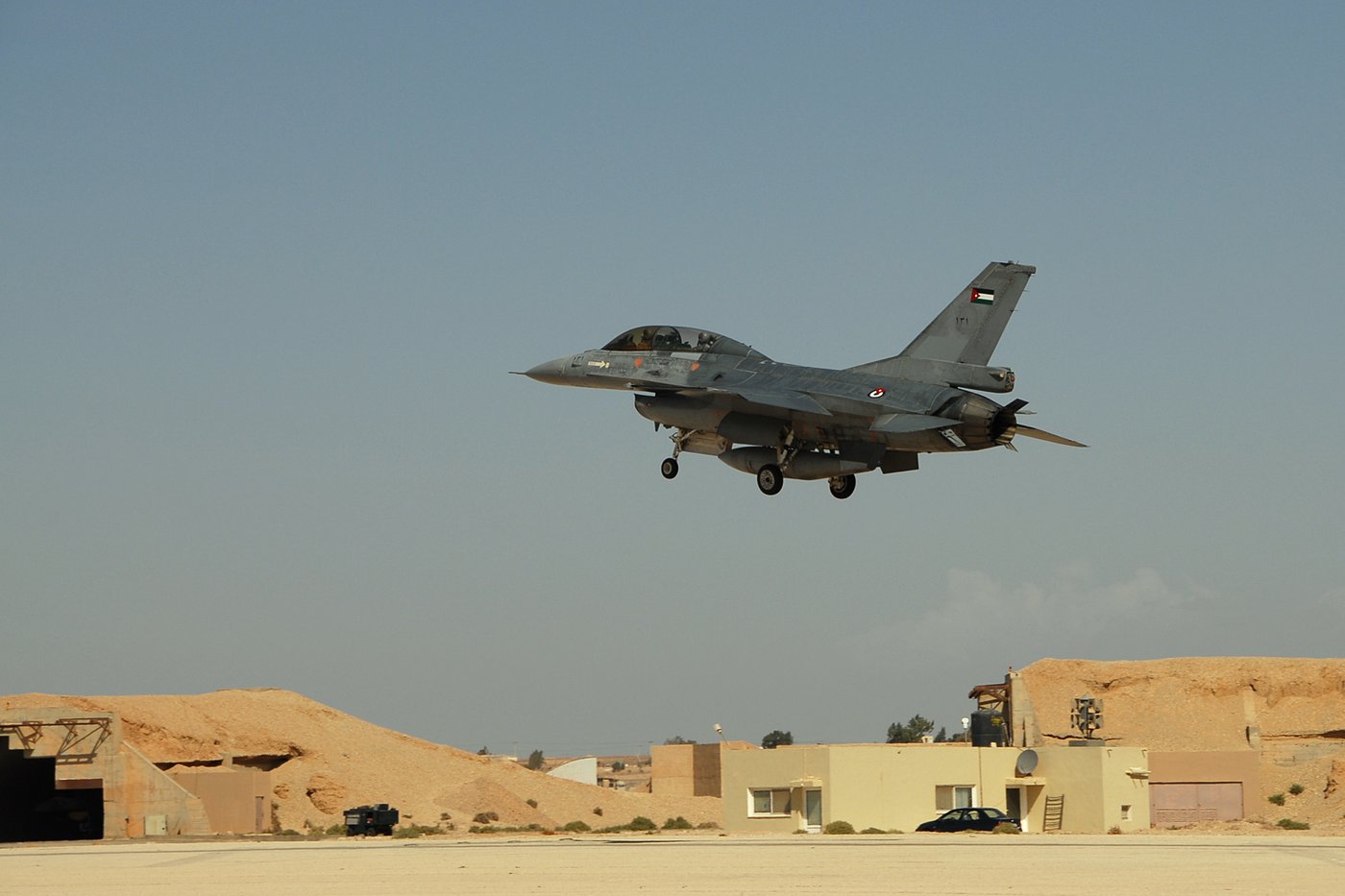
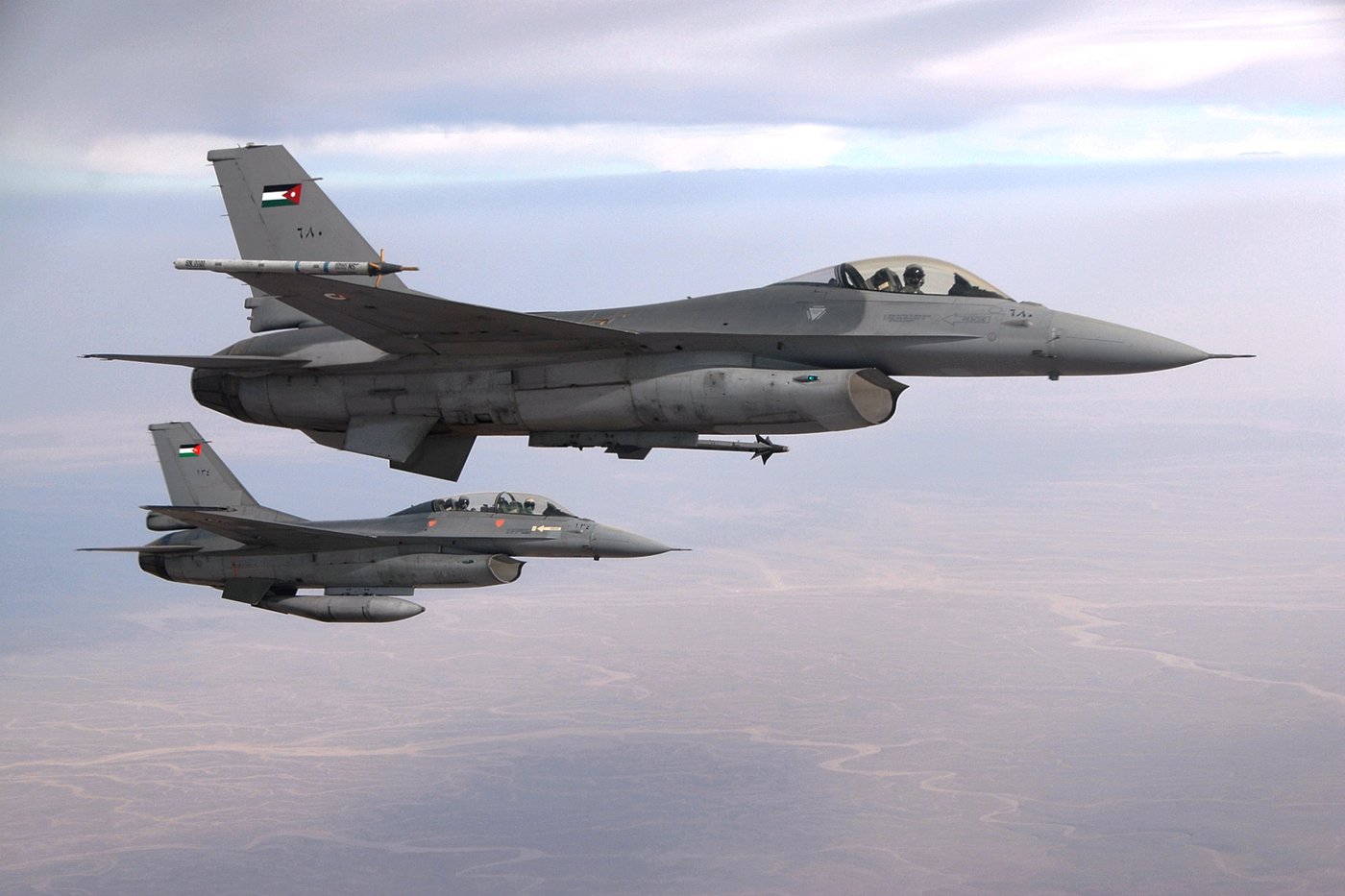
The Royal Jordanian Air Force scrambled F-16A/B fighter jets armed with AIM-120C AMRAAM and AIM-9M Sidewinder air-to-air missiles on March 2 to intercept the first wave of Iranian drones crossing Jordanian airspace, according to Jordanian military officials. RAF F-35B jets operating from bases in the region scored their first combat kills over Jordanian skies, shooting down Iranian unmanned aerial systems in what the British Ministry of Defence described as “defensive operations to protect coalition partners.” Yet Amman’s official position remained unchanged: Jordan was not at war with Iran, its airspace was closed to all foreign military operations, and it would take no part in offensive strikes.
The gap between declaration and reality is not new. During Iran’s April 2024 drone and missile attack against Israel, Jordan quietly intercepted dozens of projectiles crossing its airspace while state media largely avoided reporting that Israeli aircraft had transited Jordanian territory. The difference in 2026 is one of scale: April 2024 was a single night’s barrage. The current conflict has produced two weeks of continuous aerial attacks, with Jordan’s air defenses engaged on a near-daily basis.
The Numbers Amman Cannot Hide
The scale of Iranian attacks on Jordan renders the Kingdom’s claim of non-belligerence increasingly difficult to sustain. Jordanian military officials confirmed to reporters that Iran launched 119 missiles and drones directly targeting sites in Jordan over the first week of the conflict alone — 60 missiles and 59 drones. Of those, Jordanian air defenses intercepted 108 projectiles, according to the Jordanian Armed Forces. The interception rate of approximately 91 percent is impressive by regional standards, but the 11 projectiles that got through caused real damage and real casualties.
Two drones crashed in Jordanian territory. One struck near residential areas in Azraq, wounding a girl and damaging homes. Debris from intercepted missiles fell across eastern Jordan’s desert, and the military established temporary exclusion zones in areas where unexploded ordnance landed. These are not the characteristics of a neutral country observing a distant war. These are the characteristics of a nation under active aerial bombardment.
| Category | Count | Details |
|---|---|---|
| Missiles launched at Jordan | 60 | Including 13 ballistic missiles |
| Drones launched at Jordan | 59 | Shahed-136 and Shahed-131 variants |
| Total projectiles | 119 | First week only; attacks continued into second week |
| Intercepted | 108 | 91% interception rate |
| Penetrated defenses | 11 | Including strikes on Muwaffaq Salti Air Base |
| Civilian casualties | 1+ | Girl wounded by drone debris in Azraq |
| Military infrastructure damaged | 1 major | AN/TPY-2 THAAD radar destroyed ($300M) |
The US Department of State ordered non-emergency government employees to leave Saudi Arabia on March 8, but the security alert explicitly cited “sustained missile and drone threats targeting American and diplomatic interests” across the region — language that applied equally to Jordan. FedEx suspended all flights to and from Jordan. CMA CGM, one of the world’s largest shipping companies, halted passage through Jordanian ports. The Kingdom’s air defenses have been engaged in continuous operations for 14 days, burning through interceptor stocks at rates that peacetime procurement cycles never anticipated.
What Did Iran Actually Destroy at Muwaffaq Salti?
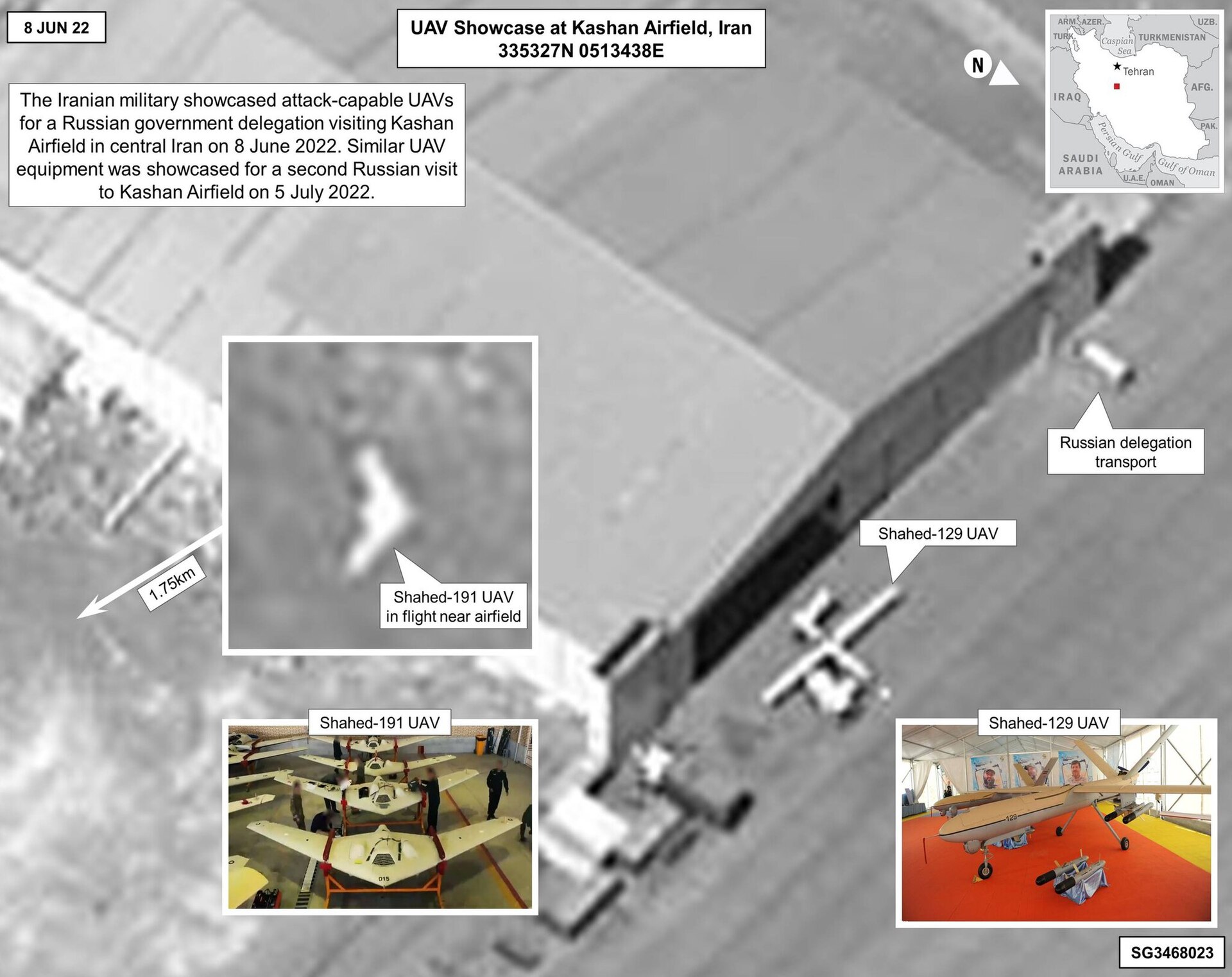
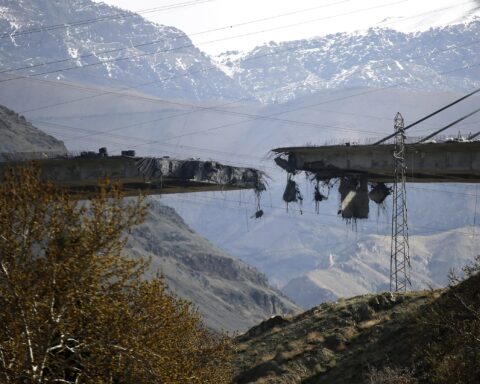
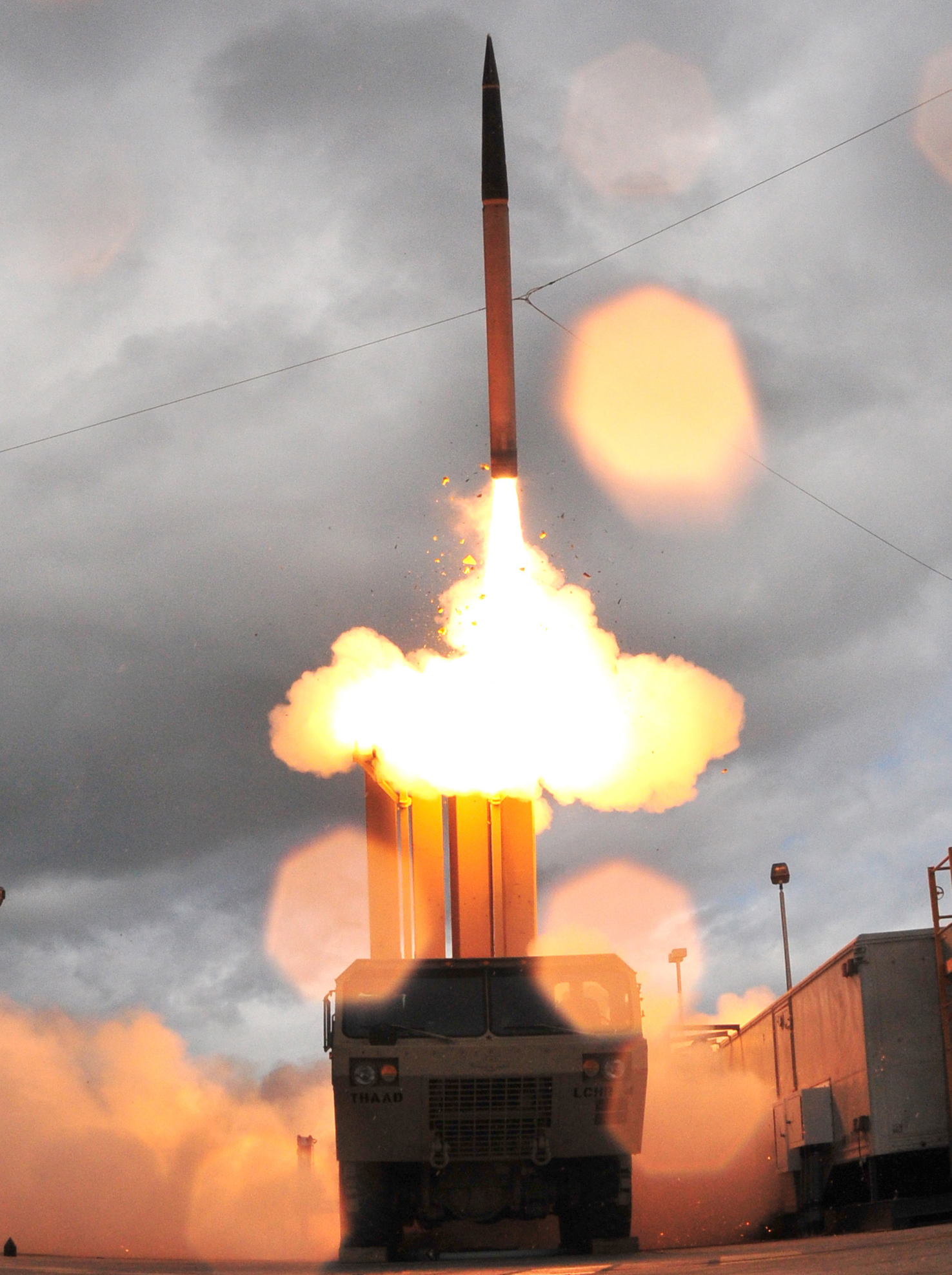
The most strategically significant strike on Jordan was not the one that wounded a civilian in Azraq. It was the one that destroyed a $300 million AN/TPY-2 Forward Based X-band Transportable Radar operated by the US Army at Muwaffaq Salti Air Base. Satellite imagery published by CNN on March 5 showed debris surrounding a blackened THAAD radar installation, with the damage consistent with a direct hit by an Iranian ballistic missile or cruise missile on March 1 or 2.
The AN/TPY-2 is the eyes of the Terminal High Altitude Area Defense system — without it, the THAAD battery deployed at Muwaffaq Salti is effectively blind. The radar can detect and track ballistic missiles at ranges exceeding 1,000 kilometers, providing early warning data that feeds into the broader US missile defense architecture across the Middle East. Its destruction represents what defense analysts at The War Zone described as “a significant gap in high-altitude surveillance coverage for US air defense capabilities in the region.”
Muwaffaq Salti Air Base had become one of the most important American military installations in the Middle East in the weeks before the war. The US deployed 24 F-15E Strike Eagles, 30 F-35A Lightning IIs, and multiple A-10 Thunderbolt II close air support aircraft to the base, according to Defence Security Asia, making it a hub for US air power projection against Iran. The base sits 80 kilometers east of Amman in the desert near Azraq, close enough to the Jordanian capital that its destruction would register as a domestic security crisis, distant enough that the Jordanian government can maintain the fiction that military operations at Muwaffaq Salti are an American affair.
But the Iranian strikes made no such distinction. The missiles that destroyed the THAAD radar hit the section of the base used by German and American personnel, according to European sources cited by CNN. Germany’s Bundeswehr had deployed personnel and equipment to the base as part of coalition operations. The strike on Muwaffaq Salti was, in legal and practical terms, an armed attack on Jordanian sovereign territory — regardless of whether the target was American equipment or Jordanian airfield infrastructure.
Why Does King Abdullah Keep Saying Jordan Is Not at War?
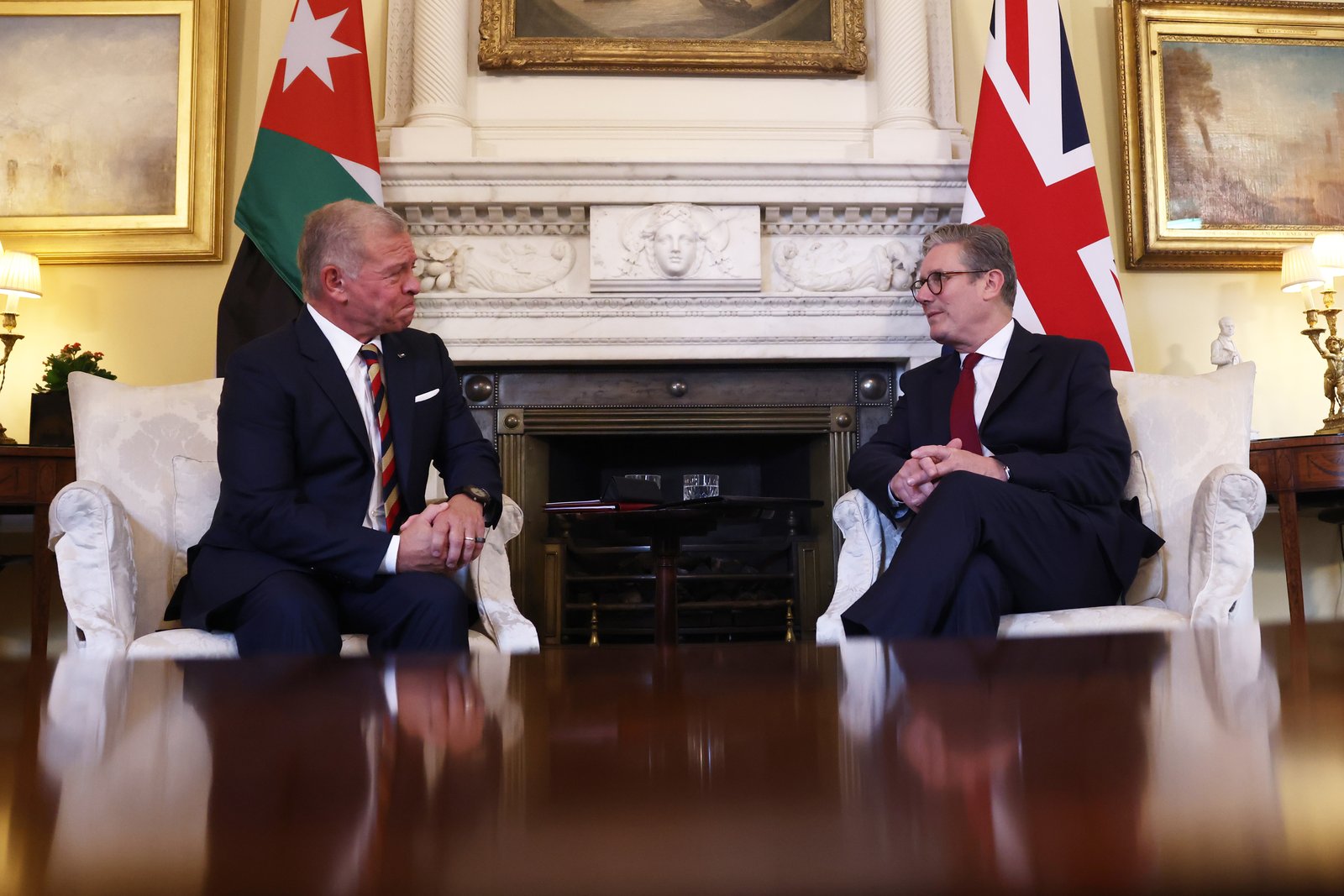
King Abdullah II’s insistence on Jordan’s non-belligerent status is not delusion — it is survival strategy. The Hashemite monarchy governs a country where an estimated 60-70 percent of the population is of Palestinian origin, according to demographic analyses by the Carnegie Endowment for International Peace. Public sentiment toward Iran is complex: while Sunni Jordanians broadly oppose Iranian regional expansion, the war’s association with Israeli and American military objectives makes open alignment with the coalition deeply unpopular on the street.
Jordan’s unemployment rate reached 21.4 percent in the third quarter of 2025, according to Trading Economics — among the highest in the Middle East. Youth unemployment exceeds 40 percent. The economic foundation beneath the monarchy is brittle. Fuel prices have surged across the country as global oil markets react to the closure of the Strait of Hormuz, where approximately 20 percent of the world’s daily oil supply and 22 percent of global LNG exports normally transit. Jordan imports virtually all of its energy: the Kingdom has negligible domestic oil or gas production and depends entirely on imported fuel to generate electricity, run its transport network, and heat its homes.
In this environment, King Abdullah’s neutrality declaration serves three purposes. Domestically, it insulates the monarchy from accusations of complicity in an American-Israeli war against a Muslim country — a charge that could inflame the Palestinian-origin majority and Islamist movements that have historically challenged Hashemite legitimacy. Regionally, it preserves Jordan’s role as a diplomatic interlocutor, maintaining channels to all sides of the conflict that would be severed by formal belligerency. And internationally, it provides legal cover for the continued operation of US military facilities on Jordanian soil without triggering the constitutional requirement for parliamentary approval of war.
Jordan is secure and will remain so, thanks to the efforts of our armed forces and security agencies that protect the country’s skies and borders. Jordan is fully prepared to take all necessary measures to safeguard its security, stability, and the safety of its citizens.
King Abdullah II, March 2026
The tension in that statement is unmistakable. A country that needs its armed forces to “protect the country’s skies” from incoming missiles is a country at war. A country that is “fully prepared to take all necessary measures” is a country acknowledging threats that demand military response. The language of neutrality and the language of self-defense occupied the same sentence — a rhetorical contortion that reflects the impossible position Abdullah occupies.
The Five-Border Problem
No country in the Middle East has a worse geographic hand than Jordan in 2026. The Kingdom shares active or contested borders with five separate conflict zones, each generating distinct security threats that compound into a single overwhelming challenge.
To the east, Iraq has suspended all oil exports after Iranian drone strikes near Basra damaged critical pipeline infrastructure. The Iraqi-Jordanian border has become a corridor for Iranian weapons transfers and militia movements, with Jordanian border guards reporting increased smuggling activity since the war began. The January 2024 Tower 22 drone attack that killed three US soldiers occurred at a small Jordanian military outpost near the Iraqi and Syrian borders — a reminder that the eastern frontier has been dangerous long before the current conflict.
To the north, Syria’s fragile post-civil-war stabilization has been disrupted by the regional escalation. Turkey had been preparing to reopen a land trade corridor through Syria to Jordan and the Gulf states — a project that was expected to become fully operational in 2026 and generate hundreds of millions of dollars in transit revenue for Jordan. That corridor is now frozen indefinitely.
To the west, Israel is conducting its most intensive military operations since 1973, simultaneously striking Iran, engaging Hezbollah in Lebanon, and maintaining operations in Gaza. Israeli aircraft transit Jordanian airspace for strikes against Iranian targets despite Amman’s declared prohibition on foreign military use of its skies — a fact that Jordanian media systematically avoids reporting, according to analysis by the Foundation for Defense of Democracies.
To the south, Saudi Arabia is absorbing daily drone and missile attacks from Iran while building the largest coalition of Muslim-majority states since the 1991 Gulf War. Jordan’s 744-kilometer border with Saudi Arabia runs through remote desert territory that is difficult to patrol and easy to exploit for smuggling and infiltration.
To the southwest, the Red Sea approaches are increasingly contested. Houthi forces in Yemen — Iran’s most effective proxy — have the capability to threaten shipping in the Gulf of Aqaba, Jordan’s only maritime outlet. The port of Aqaba handles approximately 80 percent of Jordan’s import-export trade. Any disruption to Red Sea shipping directly threatens Jordan’s economic lifeline.
| Border | Neighbor | Length (km) | Primary Threat | Severity |
|---|---|---|---|---|
| East | Iraq | 179 | Militia infiltration, weapons smuggling, drone transit corridor | High |
| North | Syria | 375 | Refugee flows, ISIS remnants, trade corridor disruption | Medium |
| West | Israel / West Bank | 335 | Airspace violations, Palestinian unrest, spillover strikes | High |
| South | Saudi Arabia | 744 | Drone debris fallout, smuggling, economic dependency | Medium |
| Southwest | Red Sea / Gulf of Aqaba | 26 (coastline) | Houthi maritime threats, shipping disruption | High |
Who Is Paying for Jordan’s War?
Jordan’s defense budget for 2025 was approximately $2.5 billion, representing roughly 4.8 percent of GDP — one of the highest ratios in the world for a non-oil state, according to World Bank data. The wartime surge in operations is burning through that budget at an accelerated rate. Every AIM-120C AMRAAM missile fired by a Jordanian F-16 at an incoming Iranian drone costs approximately $1.1 million. Every hour of F-16 flight time for interception missions costs roughly $25,000 in fuel, maintenance, and crew expenses. The Kingdom has been running interception operations for 14 consecutive days.
The financial burden falls disproportionately on a country that can barely afford its peacetime military obligations. Jordan’s GDP in 2025 was approximately $52 billion — less than what Saudi Arabia’s Public Investment Fund spent on a single sports acquisition strategy. The IMF forecasts growth of just 2.7 percent for 2026, a figure calculated before the war and almost certainly too optimistic given the disruption to trade, tourism, and investment.
Three external financial lifelines keep Jordan’s military operational. The United States provides approximately $1.5 billion annually under a memorandum of understanding covering 2023-2029, including budgetary support, project financing, and military assistance. The State Department approved a $4.21 billion foreign military sale to Jordan for F-16 Block 70 aircraft and associated equipment — jets that are still years from delivery and offer no help in the current crisis. Saudi Arabia has historically provided Jordan with direct financial support, subsidized oil supplies, and investment, though the specific amounts fluctuate with the political relationship between Amman and Riyadh. Gulf Cooperation Council states collectively pledged $2.5 billion in aid to Jordan in 2018, though disbursement has been uneven.
The wartime economic costs extend beyond direct military expenditure. Tourism, which contributed roughly $6.8 billion to Jordan’s economy in 2025 according to the World Travel and Tourism Council, has collapsed since the outbreak of hostilities. Airlines have suspended flights. Hotel occupancy in Amman and Petra has fallen to single digits. The ancient city of Petra — one of the New Seven Wonders of the World and Jordan’s most important tourism asset — is effectively deserted.
Jordan’s F-16s Against Iran’s Drones
The Royal Jordanian Air Force operates a fleet of 64 F-16A/B Fighting Falcons — a substantial force for a country of Jordan’s size, but one designed for conventional air combat rather than the drone defense mission that has consumed its operations since February 28. Each Jordanian F-16 sortie against a swarm of Iranian Shahed drones represents one of the most extreme cost asymmetries in modern warfare.
An Iranian Shahed-136 drone costs an estimated $20,000-$50,000 to manufacture. The AIM-120C AMRAAM missile used to shoot it down costs approximately $1.1 million. The F-16 sortie required to deliver that missile costs an additional $25,000-$50,000 in operating expenses. The mathematics are punishing: Jordan is spending roughly $1.15 million to destroy a weapon that cost Iran less than $50,000 to build. Over 108 interceptions, the ammunition cost alone approaches $120 million — nearly 5 percent of the entire annual defense budget expended in two weeks on interceptor missiles.
The Royal Jordanian Air Force flew alongside American aircraft in coordinated campaigns against ISIS targets in December 2025 and January 2026, maintaining combat readiness and interoperability with US forces. That training proved invaluable when Iranian drones began transiting Jordanian airspace en route to Israeli and American targets. But the RJAF’s F-16 fleet was never designed for sustained air defense operations at this tempo. The Block 15 and Block 20 variants that form the backbone of Jordan’s air force are 1980s-era airframes with limited radar capability compared to the newer F-16 Block 70/72 aircraft Jordan has ordered but not yet received.
British RAF F-35B jets have supplemented Jordanian air defenses, scoring their first operational kills over Jordanian airspace — a fact that underscores both the strain on Jordan’s own capabilities and the deepening multinational involvement in what Amman still calls a non-war. Ukraine dispatched drone interceptor specialists and equipment to Jordan, according to President Volodymyr Zelenskyy, adding another layer to the increasingly complex web of military cooperation operating from Jordanian territory.
The question of interceptor stockpiles is acute. Jordan does not manufacture its own air-to-air missiles. Every AMRAAM fired must be replaced from American inventory, subject to US government approval, production timelines, and competing demand from other coalition partners — including Saudi Arabia, which is intercepting far larger numbers of incoming threats daily. A $3.5 billion US missile sale to Saudi Arabia announced in early 2026 included 1,000 AIM-120C-8 missiles — a procurement that will inevitably compete with Jordan for limited production capacity from Raytheon.
Can a Nation of 11 Million Absorb Another Refugee Crisis?
Jordan is the world’s second-largest refugee host per capita. The Kingdom shelters approximately 628,000 registered Syrian refugees, according to UNHCR, though Jordanian authorities estimate the true number including unregistered arrivals exceeds 1.3 million. An estimated 750,000 to one million Iraqis reside in Jordan, many having arrived in waves following the 2003 invasion, the ISIS insurgency, and subsequent instability. And approximately 2.2 million Palestinian refugees registered with UNRWA live in Jordan, many holding Jordanian citizenship but retaining refugee status — a unique demographic reality that shapes every aspect of Jordanian politics.
The total displaced and refugee population of approximately 2.9 million represents roughly 25 percent of Jordan’s entire population of 11.6 million. Public services — schools, hospitals, water systems, waste management — are stretched to their limits. Jordan is one of the world’s most water-scarce countries, with per capita freshwater availability among the lowest on Earth. Every additional person in the country adds pressure to a resource base that is already critically strained.
The Iran war creates three potential new refugee flows that could overwhelm Jordan’s capacity entirely. First, Iraqi displacement: with Iraq suspending all oil exports and Iranian drone strikes hitting infrastructure near Basra, Iraq’s already fragile stability is deteriorating. Any significant internal displacement in Iraq will push people toward Jordan’s eastern border. Second, Lebanese displacement: Hezbollah’s coordinated rocket attacks on Israel risk triggering an Israeli ground invasion of southern Lebanon, which would displace hundreds of thousands of Lebanese civilians — some of whom would seek transit through Syria to Jordan. Third, Gulf expat displacement: the 13 million expatriate workers in Saudi Arabia and the Gulf states include significant Jordanian communities. Approximately 800,000 Jordanians work in Gulf countries, according to Jordan’s Ministry of Labour. Any disruption to Gulf economies that triggers mass layoffs would send hundreds of thousands of Jordanians home to a country with no jobs waiting for them.
The Carnegie Endowment for International Peace has documented Jordan’s firm redline against admitting large numbers of additional Palestinian refugees — a position rooted in the existential demographic threat that a Palestinian majority population would pose to Hashemite legitimacy. But the Iran war’s refugee pressures are not limited to Palestinians. They span the entire spectrum of Middle Eastern displacement, and Jordan’s geographic position makes it the default destination for populations fleeing conflict in every direction.
The Trade Corridor That Was Supposed to Save Jordan’s Economy
In October 2025, Turkey announced plans to reopen a land trade corridor through Syria to Jordan and the Gulf states — a route that had been closed for over a decade by the Syrian civil war. The corridor was expected to become fully operational in 2026, routing Turkish manufactured goods through Aleppo and Damascus to Jordan and onward to Saudi Arabia and the GCC states. For Jordan, the transit fees alone were projected to generate significant new revenue, while the cheaper overland transport would reduce import costs for Jordanian consumers.
The early results were promising. Jordan’s exports to Syria recorded a 355 percent jump in value to 252 million Jordanian dinars in 2025, according to official trade data, reflecting the revival of cross-border commerce as Syria’s reconstruction created new demand for Jordanian industrial goods. The Jordan-Syria-Turkey corridor was positioned as a transformative infrastructure project that could reduce Jordan’s dependency on Gulf financial support and create thousands of logistics jobs.
The Iran war killed that corridor overnight. Iranian drone strikes on Iraqi territory have disrupted overland routes across the region. The security environment in eastern Syria — never fully stable — has deteriorated as Iranian-backed militias redeploy and rearm. Insurance companies have withdrawn coverage for commercial shipments through conflict zones. FedEx suspended operations. Container shipping lines halted service to Jordanian ports. The trade corridor that was supposed to save Jordan’s economy has become another casualty of a war Amman never wanted.
The port of Aqaba, Jordan’s sole maritime outlet, handles approximately 80 percent of the Kingdom’s international trade. Aqaba depends on access to the Red Sea and the Suez Canal for connectivity to European and Asian markets. Houthi attacks on commercial shipping in the Red Sea — predating the current war but intensified since February 28 — have forced major shipping lines to reroute around the Cape of Good Hope, adding days and significant cost to every container bound for or departing from Aqaba. Jordan’s import bill, already strained by high energy costs, is rising at exactly the moment when export revenues are falling.
Why Does Jordan Matter More Than Any Other US Ally in This War?
Jordan’s strategic value to the United States in the current conflict exceeds its military capability by orders of magnitude. The Kingdom occupies the geographic center of the US-led coalition’s operational theater, providing irreplaceable assets that no other ally can replicate.
Muwaffaq Salti Air Base is not merely a convenient facility — it is the primary forward operating base for US combat aircraft conducting strikes against Iranian targets and providing air defense coverage for Israel, Iraq, and northern Saudi Arabia. The US deployed 24 F-15E Strike Eagles, 30 F-35A Lightning IIs, and A-10 Thunderbolt II close air support aircraft to the base before the war began, according to Defence Security Asia. That concentration of air power at a single Jordanian base exceeds what the US has deployed to any other facility in the region, including Al Udeid in Qatar and Prince Sultan Air Base in Saudi Arabia.
Jordan’s intelligence services — the General Intelligence Directorate (GID) — are widely regarded as among the most capable in the Middle East. The GID maintains networks across Iraq, Syria, the Palestinian territories, and the wider Levant that provide human intelligence (HUMINT) capabilities the US cannot replicate with satellites and signals intercepts. In the current conflict, Jordanian intelligence on Iranian proxy movements in Iraq and Syria is feeding directly into coalition targeting decisions.
The Jordanian Armed Forces maintain a 100,000-strong army that is among the best-trained in the Arab world, with decades of counterterrorism experience, joint exercise history with US and British forces, and a professional officer corps educated at Sandhurst, West Point, and other Western military academies. King Abdullah II himself is a former special forces commander — the only head of state in the current conflict with direct special operations experience.
Geographically, Jordan provides the only land bridge between Israel and Iraq that does not pass through Syria. Coalition logistics, intelligence sharing, and military coordination depend on Jordanian territory and Jordanian cooperation. If Jordan withdrew its consent for US military operations — as public opinion would demand in the event of significant Jordanian casualties from Iranian strikes — the entire coalition air campaign against Iran would need to be reconfigured. The loss of Muwaffaq Salti as a combat base would be comparable to losing an aircraft carrier.
Jordan’s Non-War Is Its Greatest Strategic Asset
The conventional analysis of Jordan’s position treats Amman’s refusal to declare war as a weakness — a failure of nerve, a capitulation to domestic pressure, an abdication of alliance responsibility. Senator Lindsey Graham’s threat to condition the US-Saudi defense pact on more aggressive action against Iran echoes a broader frustration in Washington with allies who accept American protection while refusing to share the political risk of confrontation.
But Jordan’s non-war is, paradoxically, its most valuable contribution to the coalition effort. A Jordan formally at war with Iran would trigger consequences that damage the Western position far more than Amman’s quiet cooperation strengthens it.
Formal Jordanian belligerency would immediately terminate Amman’s diplomatic relationships with Iran and its proxies — channels that the US needs open for ceasefire negotiations. Jordan’s back channel to Tehran, maintained through its embassy and through intermediaries in Iraq, is one of the few remaining communication pathways between the Western coalition and the Iranian leadership. Pakistan’s Prime Minister Shehbaz Sharif chose to fly to Riyadh for emergency consultations partly because Amman’s diplomatic infrastructure provides a neutral space for the kind of shuttle diplomacy that formal combatant status would destroy.
A declared war would also trigger constitutional requirements for parliamentary approval in Jordan — a vote that the government could not guarantee winning, and which would expose the depth of public opposition to the conflict. The Jordanian parliament includes a significant bloc of Islamist deputies and Palestinian-origin representatives who would use a war vote to challenge the monarchy’s authority. The domestic political cost of formal belligerency could destabilize the Hashemite regime more effectively than Iranian missiles.
Most critically, Jordan at war would become Jordan as a legitimate military target under international law — not merely a country whose airspace is incidentally traversed by Iranian munitions aimed at American bases, but a combatant state whose infrastructure, government facilities, and population centers become lawful targets. The distinction matters enormously. Iran’s current attacks on Jordan are legally categorized as attacks on American military assets located on Jordanian territory. If Jordan declared war, every government building in Amman would become a potential target. The escalation ladder has many rungs, and King Abdullah is determined to remain as low as possible.
The parallel with Oman’s position is instructive but inexact. Oman maintained strict neutrality for decades under Sultan Qaboos, serving as a quiet intermediary between Iran and the Gulf states. But Oman lacks US military bases on its soil, has no significant Palestinian population, and faces no existential demographic challenge from its refugee communities. Jordan’s non-war is a far more complex and precarious balancing act than Oman’s traditional neutrality.
The Hashemite Vulnerability Matrix
Seven variables determine whether Jordan’s balancing act survives the Iran war. Each represents a distinct pressure point that, if it crosses a critical threshold, could trigger cascading instability across the Kingdom’s political, economic, and security architecture.
| Variable | Current Status | Critical Threshold | Risk Level | Trajectory |
|---|---|---|---|---|
| Military credibility | High — 91% interception rate, no major defense failures | Single mass-casualty event from missile penetration | Medium | Stable but degrading as interceptor stocks deplete |
| Economic resilience | Fragile — 21.4% unemployment, tourism collapsed, trade disrupted | Fuel shortages, food price spikes exceeding 30% | High | Deteriorating — every week of war adds economic pressure |
| Public opinion | Contained — protests small, media self-censoring | Jordanian military casualties or viral footage of coalition strikes from Jordanian bases | Medium-High | Volatile — one incident could shift consensus |
| Refugee pressure | Maximum capacity — 2.9M displaced persons already in country | Any new wave exceeding 100,000 arrivals | High | Worsening — Iraq and Lebanon both destabilizing |
| Alliance cohesion | Strong — US, UK, France all providing support | US pressure to take offensive action or loss of US financial support | Medium | Stable but sensitive to Washington’s political dynamics |
| Interceptor stockpiles | Depleting — est. 108+ AMRAAMs fired in 14 days | Exhaustion of stockpiles before resupply arrives | High | Critical — resupply competing with Saudi and Israeli demand |
| Border security | Stressed — eastern and northern borders seeing increased activity | Militia infiltration or major smuggling incident | Medium | Deteriorating as regional security degrades |
The matrix reveals a Kingdom that is managing each variable independently but faces compounding risk from the interaction between them. Economic deterioration feeds public discontent. Public discontent constrains military options. Constrained military options limit alliance value. Reduced alliance value threatens financial support. Reduced financial support accelerates economic deterioration. The feedback loops are tightening with each day the war continues.
Three of seven variables — economic resilience, refugee pressure, and interceptor stockpiles — are already at or near critical thresholds. Two more — public opinion and border security — are deteriorating on trajectories that could reach critical levels within weeks rather than months. The margin for error is vanishing.
Jordan’s position is often compared to the metaphor of a country “caught between” competing forces. The Hashemite Vulnerability Matrix suggests a more precise diagnosis: Jordan is not caught between anything. Jordan is the fulcrum on which the entire regional balance rests. If the fulcrum breaks, everything falls.
Frequently Asked Questions
Is Jordan officially at war with Iran?
No. King Abdullah II has repeatedly declared that Jordan is not a party to the conflict and that its airspace is closed to all foreign military operations. In practice, Jordanian air defenses have intercepted more than 108 Iranian missiles and drones, and Royal Jordanian Air Force F-16s have scrambled to shoot down incoming threats. The gap between Jordan’s declared neutrality and its active military engagement is the defining contradiction of the Kingdom’s wartime posture.
How many Iranian missiles and drones has Jordan intercepted?
Jordanian military officials confirmed that Iran launched 119 missiles and drones at targets in Jordan during the first week of the war, including 60 missiles and 59 drones. Jordan’s air defenses intercepted 108 of those projectiles — a 91 percent interception rate. Additional attacks have continued into the second week of the conflict, though updated totals have not been officially released.
What was destroyed at Muwaffaq Salti Air Base?
An Iranian strike destroyed an AN/TPY-2 Forward Based X-band radar operated by the US Army as part of a Terminal High Altitude Area Defense (THAAD) battery. The radar, valued at approximately $300 million, is the sensor component of the THAAD system and provides high-altitude surveillance coverage for missile defense across the region. Satellite imagery confirmed the radar’s destruction on March 1 or 2, 2026. The loss represents a significant gap in US missile defense architecture in the Middle East.
Why is Jordan important to the US military in the Iran war?
Muwaffaq Salti Air Base hosts the largest concentration of US combat aircraft in the region, including 24 F-15E Strike Eagles and 30 F-35A Lightning IIs. Jordan’s General Intelligence Directorate provides irreplaceable human intelligence on Iranian proxy networks in Iraq and Syria. Geographically, Jordan is the only land bridge between Israel and Iraq that does not pass through Syria, making it essential for coalition logistics and coordination.
What is the economic impact of the war on Jordan?
Jordan faces collapsing tourism revenues (approximately $6.8 billion annually before the war), suspended shipping and airline services, rising fuel and food costs from the Strait of Hormuz closure, and the freezing of a planned Turkey-Syria-Jordan trade corridor that was expected to generate significant new revenue in 2026. Unemployment was already at 21.4 percent before the conflict began, and the IMF’s pre-war growth forecast of 2.7 percent for 2026 is now considered too optimistic by most analysts.
Could Jordan face a new refugee crisis from the Iran war?
Jordan already hosts approximately 2.9 million displaced persons, including 1.3 million Syrians, up to one million Iraqis, and 2.2 million registered Palestinian refugees. The Iran war creates three potential new displacement flows: Iraqi civilians fleeing drone strikes and economic collapse, Lebanese displaced by a potential Israeli ground invasion, and Jordanian expatriate workers returning from disrupted Gulf economies. Jordan’s public services are already at capacity, and the Kingdom has limited ability to absorb additional arrivals.