
most trusted family member in charge. Behind the scenes, however, it was MBS himself who was privately urging Trump to deploy ground forces into Iran for regime change, according to NYT reporting that emerged in the war’s fourth week. The appointment placed Khalid
RIYADH — On April 17, 2025, Prince Khalid bin Salman bin Abdulaziz Al Saud walked into a Tehran reception hall and delivered a handwritten letter from his father, King Salman, to Supreme Leader Ali Khamenei. It was the first time in nearly two decades that Iran’s supreme leader had received a senior Saudi official. The meeting lasted ninety minutes. Both sides described it as historic. Ten months later, Khamenei was dead — killed in the very American-Israeli strikes that Khalid, according to Axios and the Washington Post, had privately urged President Trump to launch. The thirty-seven-year-old defense minister now commands a $78 billion military apparatus under daily Iranian fire, managing the consequences of a war he helped bring about while simultaneously running the largest arms diversification programme in Saudi history. His performance over the next several weeks will shape not just the outcome of the conflict but the trajectory of the House of Saud itself.
Table of Contents
- Who Is Khalid bin Salman?
- The Tehran Letter That Changed Nothing
- How Did Saudi Arabia’s Defense Minister End Up Advocating for War?
- What Did Khalid bin Salman Inherit?
- Can Saudi Arabia’s Missile Shield Survive Iran’s Full Arsenal?
- The Defense Diversification Matrix
- Why Is Saudi Arabia Buying Chinese Drones While American Missiles Fly Over Riyadh?
- The Full Brother Factor
- The Paradox Conventional Wisdom Gets Wrong
- What Does This War Prove About Saudi Arabia’s Military Future?
- Frequently Asked Questions
Who Is Khalid bin Salman?
Prince Khalid bin Salman is the youngest defense minister of any major military power, a former F-15 combat pilot, a former Saudi ambassador to Washington, and — most significantly — the full brother of Crown Prince Mohammed bin Salman. Born in 1988, Khalid is the tenth child and ninth son of King Salman bin Abdulaziz, and he shares the same mother — Fahda bint Falah Al Hithlain — as MBS. In Saudi royal politics, that biological detail carries enormous weight.
His military credentials are genuine, not ceremonial. Khalid earned his wings at the King Faisal Air Academy in Riyadh, then completed primary pilot training at Columbus Air Force Base in Mississippi in 2009, where he qualified to fly F-15 Eagles alongside American pilots. By 2014 he was flying Royal Saudi Air Force combat missions against ISIS targets and, later, in the Yemen conflict. He holds a certificate from Harvard’s programme for senior executives in national and international security and studied advanced electronic warfare in Paris before enrolling in Georgetown University’s master’s programme in security studies.
The diplomatic career came next. In April 2017, at the age of twenty-eight, Khalid became the tenth Saudi ambassador to the United States since 1945. During his two-year tenure he navigated the Khashoggi crisis, defended the Yemen campaign before Congress, and built relationships across Washington’s defence establishment that would prove critical in January 2026. In February 2019 he was appointed deputy defense minister, and on September 27, 2022, he became defense minister — the youngest person to hold the post since King Abdulaziz founded the modern Saudi military in the 1930s.
The appointment was widely interpreted as MBS placing his most trusted family member in charge of the Kingdom’s most critical institution. Previous defense ministers had held the post for decades — Prince Sultan bin Abdulaziz served for forty-eight years. Khalid arrived with a mandate to modernise, and he has pursued it with the same velocity that characterises his brother’s approach to governance.
Within months of assuming the role, Khalid initiated a comprehensive review of Saudi military readiness that, according to regional defence analysts, concluded with a sobering assessment: the armed forces were equipped for deterrence but not for sustained combat against a near-peer adversary. Procurement pipelines were slow. Maintenance dependency on foreign contractors was dangerously high. The officer corps had combat experience from Yemen but limited exposure to the kind of integrated air defence operations that a conflict with Iran would demand. Khalid’s response was a three-pronged reform agenda — accelerate procurement, diversify suppliers, and localise maintenance — that would become the defining programme of his tenure.
The Tehran Letter That Changed Nothing
The April 2025 Tehran visit was the culmination of two years of diplomatic thawing that began with the Chinese-brokered Saudi-Iranian agreement of March 2023. Khalid arrived in the Iranian capital as the most senior Saudi official to visit since Foreign Minister Prince Saud al-Faisal in 2006. The symbolism was deliberate: dispatching the defense minister, not the foreign minister, signalled that Riyadh wanted to address security concerns directly.
During the ninety-minute meeting with Khamenei, Khalid delivered a personal letter from King Salman — reported by Al Arabiya and Asharq Al-Awsat as containing assurances of Saudi Arabia’s commitment to regional stability and an invitation for deeper bilateral security cooperation. He then met Iranian President Masoud Pezeshkian, Supreme National Security Council secretary Ali Akbar Ahmadian, and armed forces chief of staff Mohammad Bagheri. Discussions covered Palestine, Yemen, and what both sides described as “bilateral security matters of mutual interest.”
The Sana’a Center for Strategic Studies called it “strategic hedging” — Riyadh signalling to Washington that it had alternatives while simultaneously probing Tehran’s willingness to constrain its proxy network. The Bahrain Institute for Rights and Democracy described it as a “pivotal moment” in the Saudi-Iranian relationship, suggesting that Khalid’s military background made the conversation qualitatively different from previous diplomatic exchanges.
Arab News reported that Khalid’s delegation included senior military intelligence officials — an unusual composition for a diplomatic visit that underscored the security dimensions of the conversation. The Iranian side reciprocated by including armed forces chief Bagheri, making it a defence-to-defence dialogue wrapped in diplomatic protocol. Sources close to the Saudi delegation later told Bloomberg that Khalid left Tehran with what he described as “respectful but inconclusive” assurances — Iran acknowledged Saudi concerns about Houthi operations but offered no concrete mechanism for restraint.
Within the Saudi foreign policy establishment, the visit was understood as one track of a dual-channel strategy. While Khalid was shaking hands in Tehran, Saudi intelligence was maintaining its own backchannel to Iran through intermediaries in Oman and Iraq. The question was never whether to engage Iran — it was whether engagement alone could contain Iran’s nuclear ambitions and proxy operations. By late 2025, the Saudi assessment had shifted decisively: engagement had bought time, but not security.
How Did Saudi Arabia’s Defense Minister End Up Advocating for War?
The shift from diplomat to advocate for military strikes unfolded over approximately eight months, between the Tehran visit in April 2025 and the Axios scoop of January 31, 2026. Khalid bin Salman did not arrive at his January position overnight, according to three regional analysts who track Saudi defence policy. The trajectory followed a pattern of escalating Iranian provocations that progressively undermined the case for diplomacy.
According to Axios, on January 29, 2026, Khalid visited Washington alongside Israeli officials for discussions about potential US strikes on Iran. Two days later, the Axios scoop reported that in a private briefing with approximately fifteen think tank experts on the Middle East and representatives from five Jewish organisations, Khalid said that if President Trump did not follow through on his threats against Iran, “the regime will end up stronger.” He was reportedly less restrained in this setting than in official diplomatic channels, telling the gathering that he believed Trump would “have to take military action” after threatening it for weeks, while acknowledging the need to mitigate regional escalation risks.
Khalid’s role as intermediary between Washington and Riyadh has only deepened since, particularly as the Pentagon prepares for potential ground troops in Iran from Saudi bases.
The Washington Post subsequently reported on February 28 — the day the strikes began — that Trump launched the attack “after weeks-long lobbying by an unusual pair of U.S. allies in the Middle East: Israel and Saudi Arabia.” MBS had placed “multiple private calls to Donald Trump over the past month urging military action,” the Post reported, despite publicly advocating for diplomatic solutions. The Saudi Embassy in Washington denied the claim, and MBS himself told Iranian President Pezeshkian during a January 26 phone call that the Kingdom “would not allow its airspace or territory to be used for any military attack on Iran.”
Khalid bin Salman’s defence strategy extends beyond bilateral arrangements. On March 19, Saudi Arabia joined Turkey, Egypt, and Pakistan in discussing a quadrilateral defence cooperation framework that could reshape the Kingdom’s security partnerships for a generation.
Whether this constitutes duplicity or diplomatic sophistication depends on the audience. Within the Saudi defence establishment, the private lobbying and public restraint are understood as complementary, not contradictory. Khalid’s argument, according to those briefed on his thinking, was not that Saudi Arabia should participate in strikes but that American credibility in the Gulf depended on willingness to act. If Washington threatened and then retreated, every Gulf state’s security calculations would shift — and not in America’s favour.
What Did Khalid bin Salman Inherit?
When Khalid assumed the defense ministry in September 2022, he took control of the world’s fifth-largest military budget — $75.8 billion in 2024, rising to $78 billion in 2025 — and a force structure that had been shaped by decades of American strategic partnerships and three years of intensive post-Abqaiq security upgrades. Saudi Arabia’s defense spending constitutes approximately 7.1 percent of GDP and 21 percent of total government expenditure, according to Breaking Defense. The Kingdom spends more on defense than France, Germany, or Japan. How that budget translated into actual combat capability — from F-15SA strike fighters to the secretive Royal Saudi Strategic Missile Force — is assessed in a separate analysis of Saudi Arabia’s military capabilities and strike options.
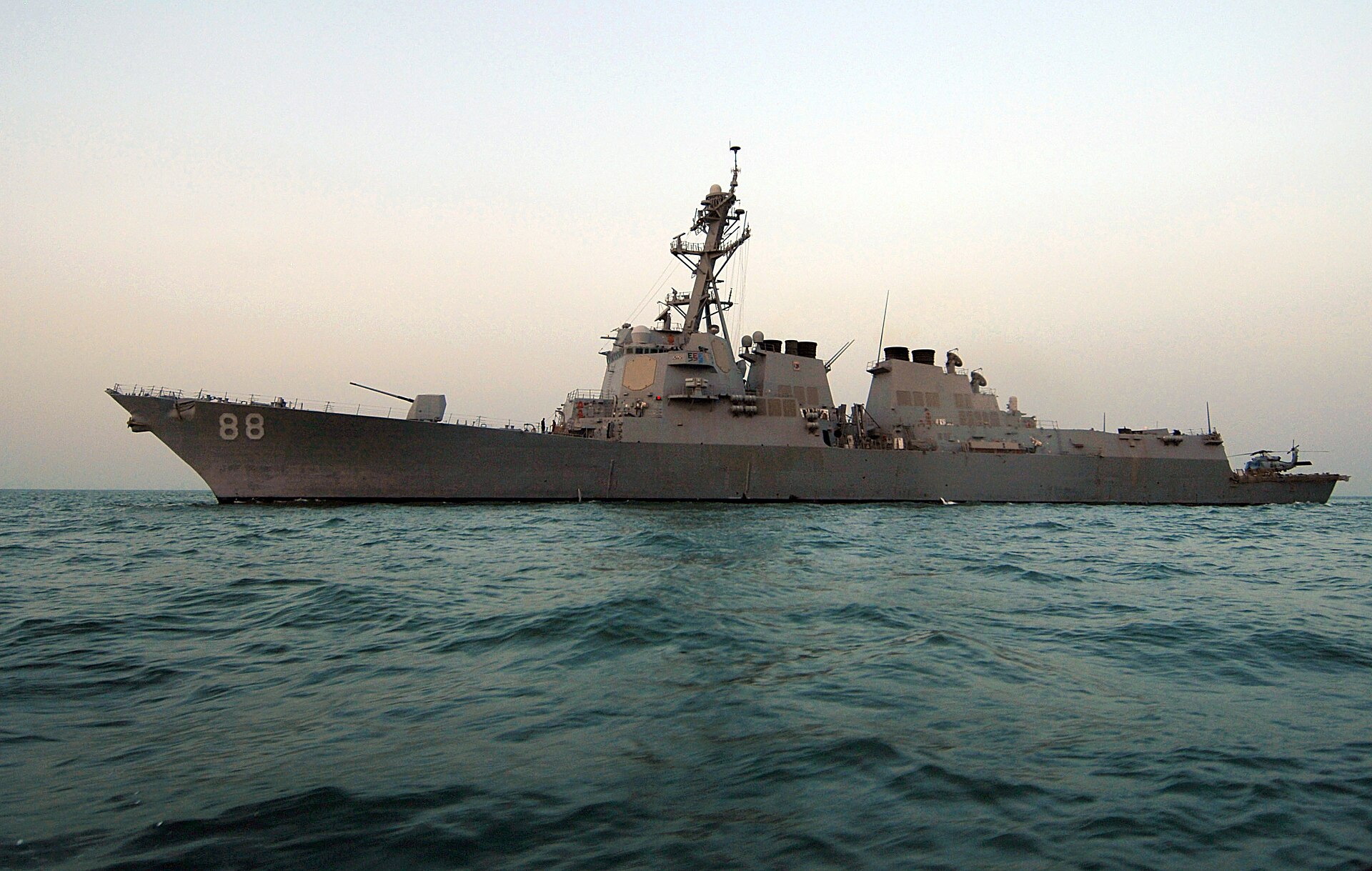
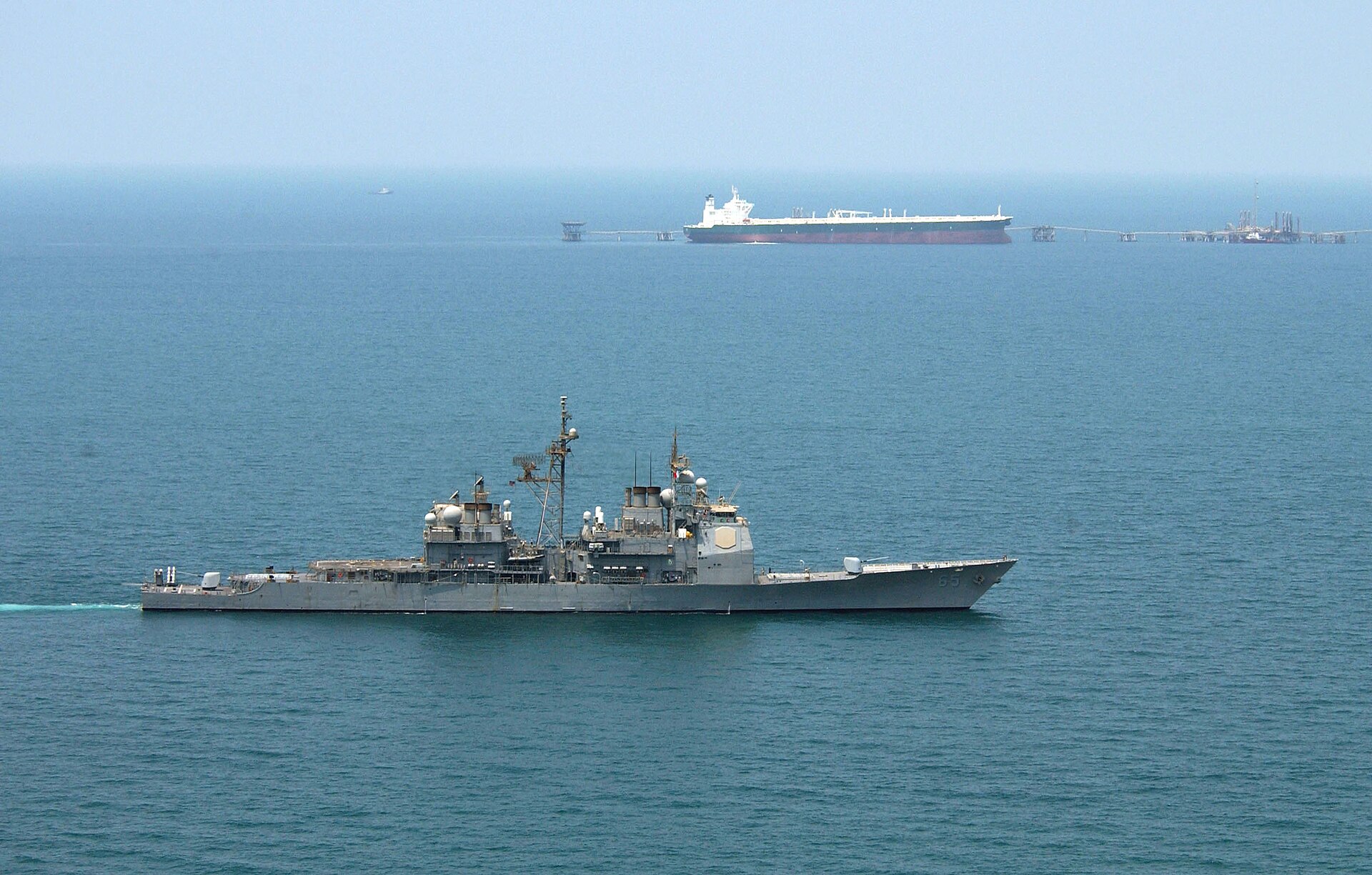
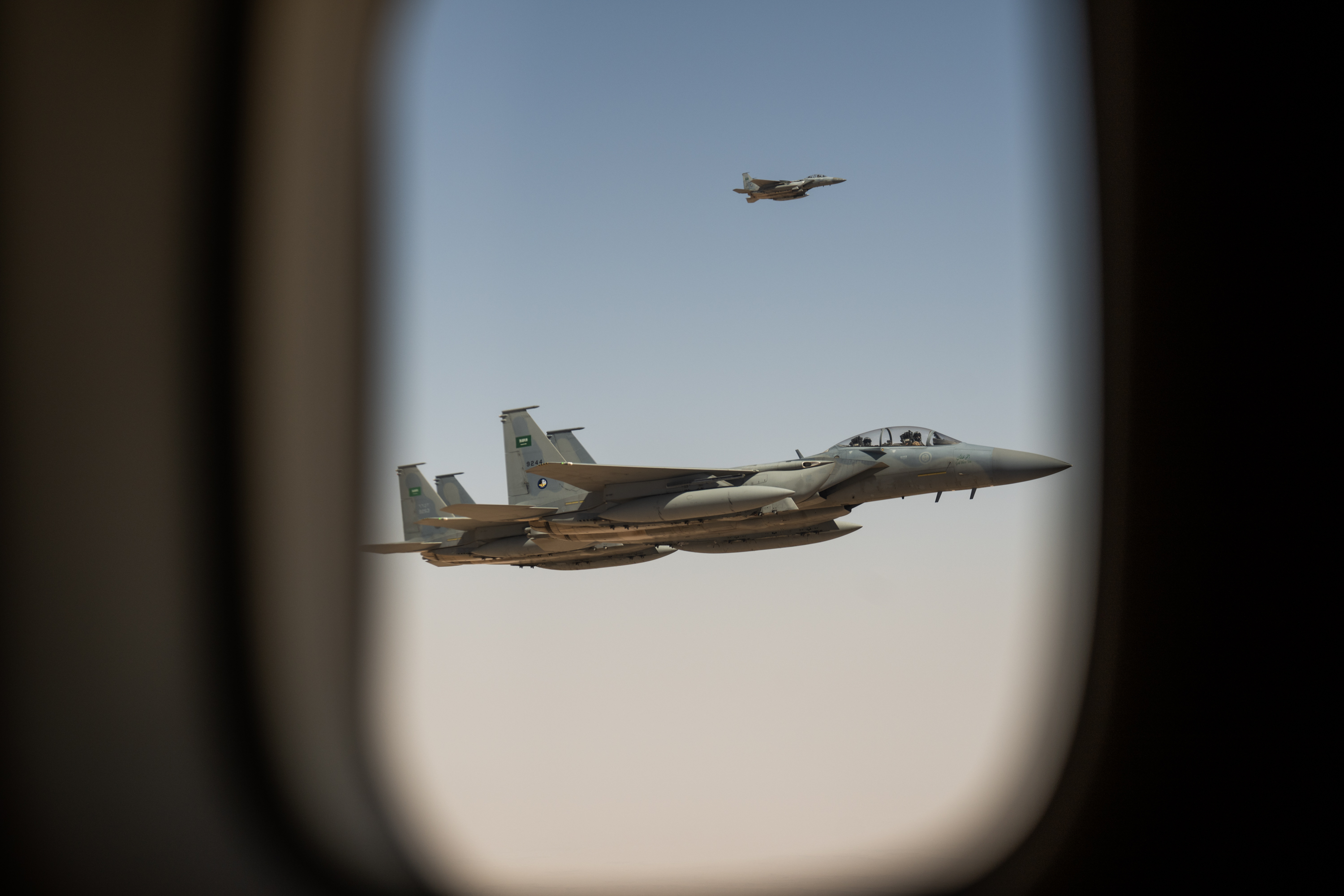
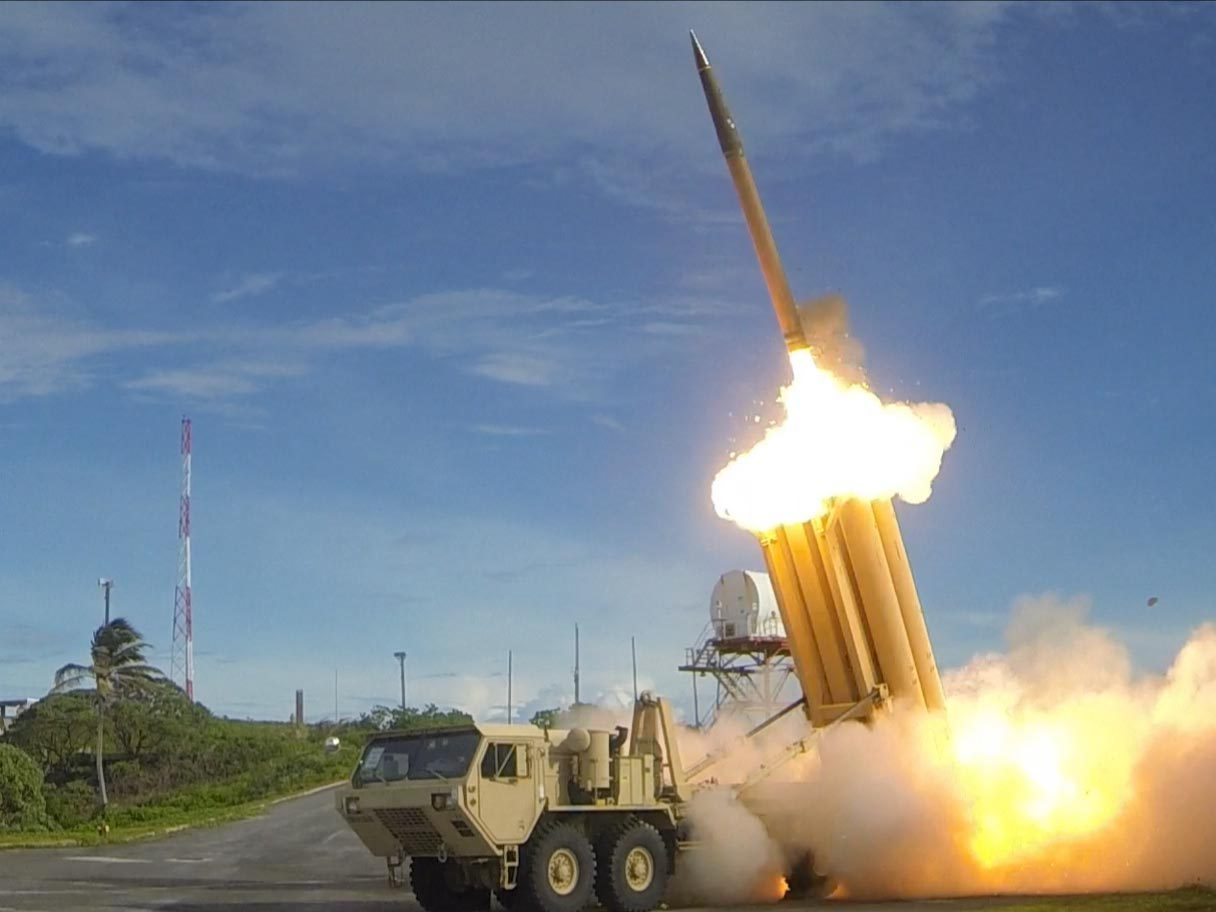
The force he commands is substantial on paper. The Royal Saudi Air Force operates over 350 combat aircraft, including 84 of the advanced F-15SA variant — the most capable export version of the Eagle. The Royal Saudi Air Defense Forces operate a multi-layered shield comprising Patriot PAC-2 and PAC-3 batteries, THAAD systems, Shahine short-range systems, and, since late 2025, South Korean Cheongung-II medium-range batteries. The Royal Saudi Land Forces field approximately 75,000 active personnel, and the Royal Saudi Naval Forces operate a fleet of frigates and corvettes across two coastlines.
The reality beneath those numbers is more complicated. The 2019 Abqaiq-Khurais attacks — when Houthi drones and cruise missiles disabled half of Saudi Arabia’s oil processing capacity in a single strike — exposed fundamental gaps in low-altitude air defence coverage that became Khalid’s primary preoccupation upon taking office. According to SIPRI’s most recent arms transfer database, Saudi Arabia’s subsequent procurement focused heavily on filling these gaps: additional Patriot batteries, upgraded radar systems, and the landmark $3.2 billion acquisition of ten Cheongung-II batteries from South Korea.
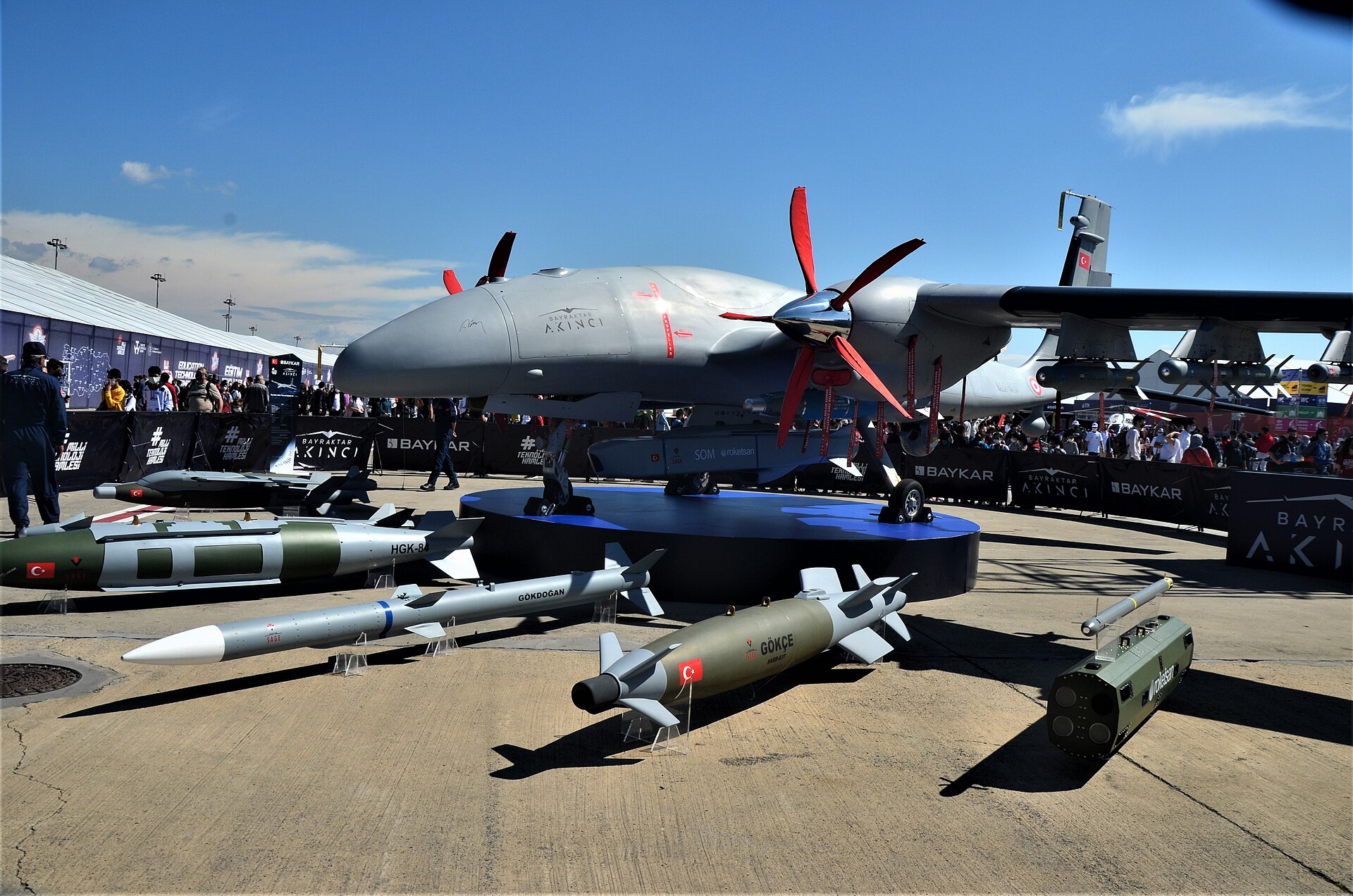
Turkey has emerged as another critical supplier. Ankara and Riyadh signed $8.8 billion in defence agreements in February 2026, including Bayraktar Akinci combat drones and a joint fifth-generation fighter programme — part of a broader Turkish hedging strategy that keeps arms flowing to Saudi Arabia while maintaining diplomatic ties with Tehran.
The air defence upgrades, however, concentrated almost exclusively on protecting oil infrastructure. Aramco’s facilities received additional Patriot coverage, hardened perimeters, and redundant processing capacity. Military installations received enhanced protection. Civilian population centres — home to thirty-five million people — received comparatively little. When Iranian missiles and drones began falling on residential areas of al-Kharj on March 9, killing two civilians and injuring twelve, the gap between infrastructure protection and population protection became painfully apparent.
| System | Type | Range | Batteries | Supplier | Status |
|---|---|---|---|---|---|
| Patriot PAC-3 | High-altitude BMD | 70+ km | 16 | United States | Active / 100% intercept rate vs ballistic missiles |
| THAAD | Terminal high-altitude | 200+ km | 7 | United States | Active / deployed at critical infrastructure |
| Cheongung-II (KM-SAM) | Medium-range | 40 km | 10 | South Korea | Combat debut March 3, 2026 (UAE) |
| Shahine / Crotale | Short-range point defence | 12 km | 24+ | France | Active / aging platform |
| Skyguard/Oerlikon | Short-range gun/missile | 8 km | Various | Switzerland | Active / limited anti-drone capability |
Can Saudi Arabia’s Missile Shield Survive Iran’s Full Arsenal?
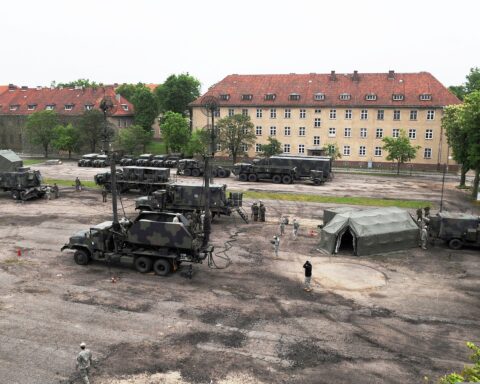
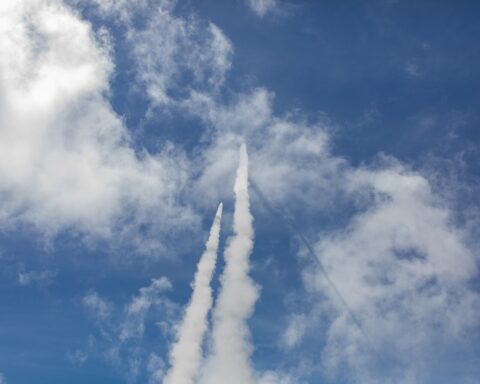
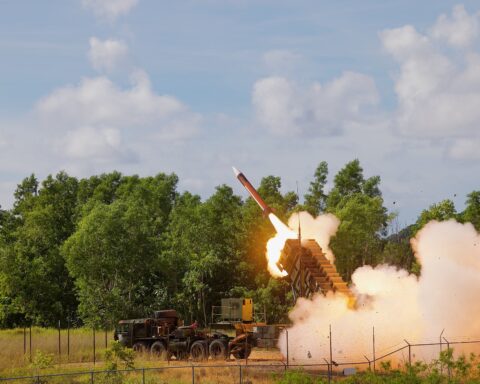
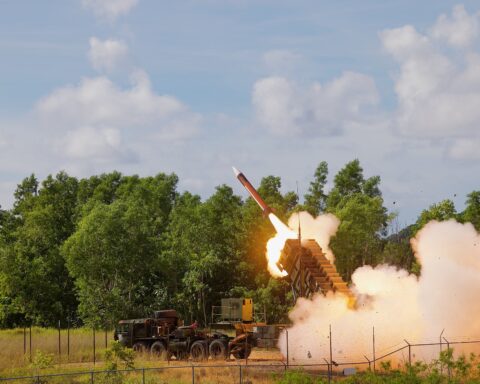
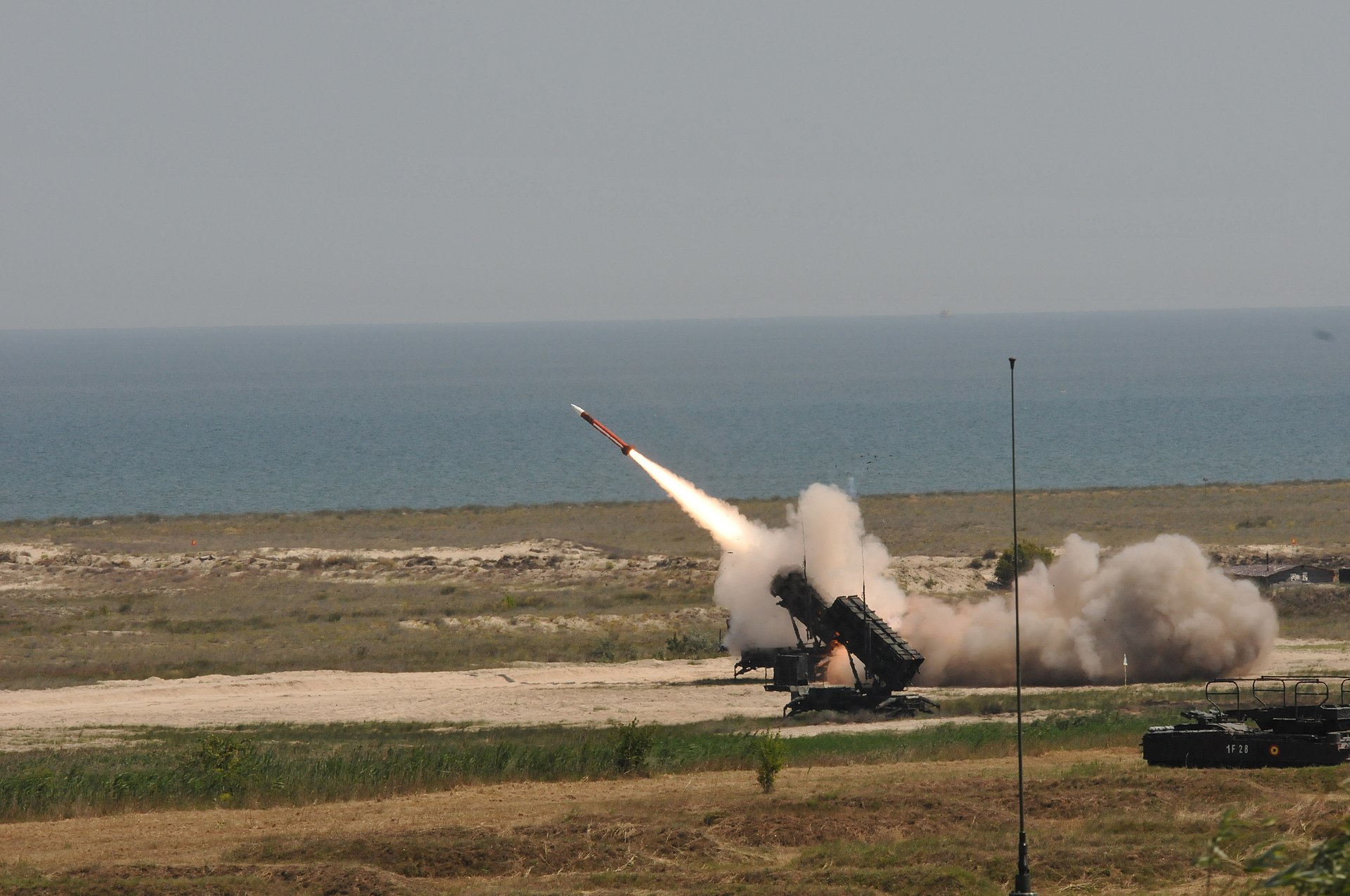
Seventeen days into the conflict, Saudi Arabia’s air defence network has performed at a level that even sceptics acknowledge as impressive. According to the Saudi Ministry of Defence, the Royal Saudi Air Defense Forces have intercepted twenty-five incoming ballistic missiles and one hundred and fifty-one drones since Iranian attacks began on March 1, 2026. THAAD and Patriot batteries have intercepted every confirmed incoming ballistic missile — a 100 percent success rate that validates the billions spent on American-made systems since the Abqaiq embarrassment.
The March 13 barrage tested the system at its theoretical limits. Iranian forces launched fifty-one drones at Saudi targets across multiple regions, including Riyadh, in the largest single-day aerial attack targeting the Kingdom since the war began. Saudi forces destroyed all fifty-one. Three days earlier, on March 10, six ballistic missiles targeting the al-Kharj governorate — home to Prince Sultan Air Base, one of the primary American operating locations — were intercepted and destroyed, along with an additional two drones in the Eastern Province.
Gulf-wide, the interception statistics are staggering. According to Aviation A2Z, air defense systems across Saudi Arabia, the UAE, Kuwait, Qatar, Bahrain, and Oman have intercepted more than 3,133 Iranian missiles and drones targeting civilian areas and strategic infrastructure. The cooperative air defence picture — with American, British, and Gulf systems sharing radar data and fire-control solutions — has performed well beyond peacetime training scenarios.
The weakness lies not in the interception rate but in the economics. Each Patriot PAC-3 interceptor costs between $4 million and $6 million. Each THAAD interceptor costs approximately $11 million. The Iranian drones they are shooting down cost between $20,000 and $50,000 apiece. The cost asymmetry is devastating: Saudi Arabia is spending roughly $150 for every $1 Iran spends on offence. At current rates of expenditure, the Kingdom is burning through approximately $200 million per week in interceptor missiles alone. The interceptor supply chain — Lockheed Martin’s production capacity for PAC-3 missiles is approximately 500 per year globally — cannot sustain this rate of consumption indefinitely.
Khalid’s immediate challenge is not whether the shield works. It does. The challenge is whether the shield can continue working at this tempo for months rather than weeks — and whether the low-altitude drone threat, which existing systems struggle to address efficiently, will force an entirely new procurement paradigm.
The Defense Diversification Matrix
The most consequential decision Khalid bin Salman has made as defense minister may not involve a single missile fired in combat. It is the systematic dismantling of Saudi Arabia’s near-total dependence on American weapons systems — a dependency that, until 2024, ran at approximately 73 percent of all Saudi arms imports, according to SIPRI.
The diversification accelerated dramatically under Khalid. Four of the six major procurement actions in early 2026 involve non-American suppliers — a ratio that would have been inconceivable as recently as 2023. The programme follows a clear strategic logic: multiple suppliers mean no single country can hold Saudi defence policy hostage through export restrictions, congressional holds, or end-user agreements.
| Supplier | System | Value | Delivery | Combat Status | Strategic Rationale |
|---|---|---|---|---|---|
| United States | $142B comprehensive package (F-15SA upgrades, Patriot, THAAD, maritime, border security, comms) | $142B | 2025-2035 | Core systems active in combat | Maintain backbone of conventional deterrence |
| South Korea | Cheongung-II (KM-SAM Block-2) medium-range air defence — 10 batteries | $3.2B | 2025-2026 | Combat debut March 3, 2026 (UAE) | Fill medium-altitude gap; lower cost per intercept than Patriot |
| Turkey | Bayraktar Akinci UCAV — 60 units + local production line | $2B+ | 2025-2027 | Delivery in progress | Strike capability without US end-user restrictions |
| China | Wing Loong III combat drones — licensed production in Jeddah | $5B | 2026-2030 | Production facility under construction | Indigenous drone manufacturing capability |
| Ukraine | Drone defence teams — electronic warfare + counter-UAS | Classified | 2026 | Teams deploying to Gulf | Combat-proven counter-drone expertise from Ukraine conflict |
| South Africa | Denel Dynamics missile components and maintenance | $800M+ | Ongoing | Active support role | Reduce reliance on single-source maintenance contracts |
The matrix reveals several things about Khalid’s strategic thinking. The American partnership remains foundational — the $142 billion package signed during Trump’s May 2025 visit to Riyadh, the largest arms deal in history, ensures American systems will form the backbone of Saudi conventional deterrence for a generation. The magnitude of the American commitment was underscored further when the Pentagon requested $200 billion in supplemental war funding from Congress — a figure that reflects the cost of waging an air campaign from the very Saudi installations that Khalid oversees. But the supporting architecture is now deliberately multinational. South Korean air defence systems fill a critical middle tier at roughly 40 percent of Patriot’s per-unit cost. Turkish drones provide strike capability free from American congressional oversight. Chinese drone manufacturing in Jeddah represents the first step toward sovereign production capability. Ukrainian counter-drone expertise imports the most current battlefield knowledge from the world’s most intense drone war.
The strategic rationale is not anti-American. It is anti-dependency. A defence minister who has personally experienced the frustrations of Congressional holds on weapons transfers — during his tenure as ambassador, multiple Saudi arms packages were delayed or modified by Congressional objections to the Yemen campaign — is building a system designed to function even if any single supplier withdraws.
Why Is Saudi Arabia Buying Chinese Drones While American Missiles Fly Over Riyadh?
The $5 billion agreement to manufacture Chinese Wing Loong III combat drones at a new facility in Jeddah, signed in late 2025, generated alarm in Washington and raised uncomfortable questions about MBS’s strategic alignment. The deal includes technology transfer, a local production line, and Saudi ownership of the manufacturing IP — provisions the United States has historically refused to include in its own drone export agreements.
The American kill switch problem is well understood in Riyadh. US-manufactured weapons systems come with end-user certificates, maintenance dependencies, and, in some cases, software that can be remotely disabled. During the Yemen war, Congressional restrictions on precision munitions and maintenance support directly degraded Saudi operational capability. For a country that has experienced these restrictions firsthand, building alternatives is not provocation — it is prudence.
The Chinese drone deal also addresses the war’s most urgent operational lesson: the drone gap. Iran’s Shahed-series attack drones cost a fraction of the interceptors used to destroy them. The only cost-effective counter to mass drone attacks is mass drone defence — and eventually, mass drone offence. Khalid’s calculus, according to defence industry analysts in the Gulf, is that Saudi Arabia needs the ability to manufacture thousands of drones domestically, at costs comparable to what Iran produces. China is willing to enable that capability. The United States is not.
The Turkish Bayraktar acquisition follows complementary logic. The sixty Akinci UCAVs on order, with deliveries spanning 2025 to 2027 and a provision for local production, give Saudi Arabia a proven combat platform that has demonstrated effectiveness in Libya, Syria, and the Nagorno-Karabakh conflict. Turkey imposes no end-user restrictions remotely comparable to those in US Foreign Military Sales contracts. For a defence minister managing an active war, the ability to deploy weapons without seeking Congressional approval carries obvious appeal.
The South Korean Cheongung-II acquisition demonstrates the model at its most elegant. The system made its combat debut on March 3, 2026, when UAE forces used it to successfully intercept several Iranian missiles — the first time a Korean-made air defence system has been tested in live combat. At approximately $320 million per battery compared to Patriot’s estimated $1 billion, the Cheongung offers a viable path to expanding air defence coverage without American-level costs. For Khalid, the Korean deal validates the entire diversification thesis: competitive systems exist outside the American ecosystem, and some of them work.
The Full Brother Factor
In Saudi royal politics, the distinction between full brothers and half-brothers shapes alliance structures, trust networks, and succession dynamics. Khalid and Mohammed bin Salman are full brothers — sons of King Salman and Fahda bint Falah Al Hithlain — and their partnership mirrors historical pairings that defined entire eras of Saudi governance.
Prince Sultan bin Abdulaziz served as defense minister for forty-eight years while his full brother Prince Nayef ran the interior ministry. King Fahd governed while his full brother Sultan controlled the military establishment. These partnerships functioned because full brothers shared both bloodline and maternal political networks — the “Sudairi Seven” being the most famous example of a full-brother bloc dominating Saudi politics for decades.
Khalid and MBS represent a new iteration of this model. MBS holds the crown prince position, the prime ministership, and effective control over economic policy, foreign policy, and intelligence. Khalid holds the defense ministry — the institution that, in wartime, becomes the most operationally important organ of the state. Together, they control both the strategic direction and the military instrument of Saudi power.
The succession question is unavoidable. At thirty-seven, Khalid is young enough to serve for decades. No deputy crown prince has been named, and while MBS shows no indication of sharing the throne’s trajectory, Khalid’s profile — combat veteran, diplomat, defence technocrat, and now wartime commander — reads like an understudy’s resume. The war has made MBS indispensable, but it has simultaneously raised Khalid’s international profile to a level that few Saudi princes outside the direct line of succession have ever achieved.
The dynamic also operates internationally. When Pakistani Prime Minister Shehbaz Sharif visited Jeddah on March 12, it was Khalid who managed the military dimension of the bilateral discussions — the deployment of Pakistani air defence units and troops to Saudi territory under the countries’ mutual defence pact. When Ukrainian President Zelenskyy offered drone defence teams for the Gulf, the negotiations ran through Khalid’s ministry. The defence minister has become, in effect, Saudi Arabia’s primary point of contact for the military coalition that is forming around the Kingdom’s defence — a role that elevates him well beyond the traditional scope of the Saudi defence portfolio.
The conspicuous absence from Khalid’s coalition-building remains Egypt, which commands the Arab world’s largest military — 438,500 active troops and four battalions of S-300VM air defence systems that could supplement Saudi Arabia’s own Patriot network. Cairo has offered condemnation and mediation but no hardware.
Whether this creates tension or reinforcement depends on the brothers’ relationship, which all available evidence suggests remains extremely close. Khalid has shown no public indication of independent political ambition, and his Washington advocacy for strikes was conducted entirely within the framework of MBS’s broader strategy. In the Saudi system, a full brother who controls the defence ministry is an asset, not a threat — provided the relationship holds.
The Paradox Conventional Wisdom Gets Wrong
The prevailing narrative in Western media portrays Khalid bin Salman as a hawk who got the war he wanted and is now struggling with the consequences. The reality is more nuanced, and getting it right matters for predicting what happens next.
The evidence suggests that Khalid’s position was not “start a war with Iran” but rather “demonstrate credible willingness to use force as a prerequisite for any diplomatic settlement.” The distinction is not semantic. In his January 2026 Washington briefings, according to those present, Khalid consistently framed the argument in deterrence terms: if Trump threatened and then retreated, Iran would interpret it as licence to accelerate its nuclear programme and expand proxy operations. The goal was to make the threat credible, not necessarily to execute it.
The Tehran visit ten months earlier supports this interpretation. A defense minister who genuinely wanted war would not invest diplomatic capital in a historic meeting with the opposing supreme leader. The visit was a genuine attempt to test whether Iran was willing to constrain its behaviour through engagement alone. The Saudi assessment, developed over the following months, was that it was not — and that the window for diplomatic constraint was closing faster than the window for military action.
This reading reframes Khalid’s wartime role. He is not a vindicated hawk celebrating the destruction of an adversary. He is a pragmatist managing a conflict that his analysis deemed less dangerous than the alternative — an unconstrained Iran with advancing nuclear capabilities. The distinction matters because pragmatists seek off-ramps that hawks do not. Khalid’s back channels to Tehran, maintained even as missiles fall on Riyadh, suggest he is already positioning for the post-conflict relationship that will eventually emerge. The assassination of Ali Larijani, the SNSC secretary who was Khalid’s most credible counterpart on the Iranian side, has complicated that positioning considerably.
The contrarian implication is significant: the man Western analysts describe as the primary Saudi advocate for war may ultimately become the primary Saudi advocate for peace — not because his position has changed, but because the military action he supported was always intended as a means to create negotiating leverage, not as an end in itself.
What Does This War Prove About Saudi Arabia’s Military Future?
Three operational lessons from the first seventeen days of combat will shape Saudi defence policy for a generation, and all three carry Khalid bin Salman’s fingerprints.
Those lessons took on immediate operational significance on March 19, when Saudi Foreign Minister Prince Faisal bin Farhan announced that the Kingdom reserves the right to take military action against Iran — a declaration that could transform Khalid bin Salman’s defensive mandate into an offensive one.
The first lesson is that layered air defence works — but costs a fortune. The combination of THAAD for high-altitude ballistic threats, Patriot PAC-3 for medium-altitude interceptions, and Cheongung-II for the middle tier has produced a near-perfect interception record against ballistic missiles. That performance validates a procurement strategy that Khalid championed against internal resistance from officers who preferred offensive capabilities. The problem is sustainability: at $150 or more in interceptor cost for every $1 of Iranian drone expenditure, the economics favour the attacker. The Kingdom needs either dramatically cheaper interceptors — directed energy weapons, electronic warfare systems, or counter-drone drones — or the ability to destroy Iranian launch sites. Neither capability is mature enough for the current conflict.
The second lesson is that arms diversification is no longer optional. The single-supplier model that served Saudi Arabia for decades contains a vulnerability that wartime stress exposes ruthlessly: supply chain concentration. When Lockheed Martin’s annual PAC-3 production serves the entire US alliance network, Saudi Arabia competes with Japan, South Korea, Poland, and every other Patriot customer for finite interceptor stocks. The Korean and Turkish acquisitions are not hedges against American withdrawal — they are hedges against American production bottlenecks. Khalid grasped this before most Gulf defence ministers, and the Cheongung-II’s combat debut on March 3 vindicated the bet.
The third lesson is that the Vision 2030 defence localization target — 50 percent of military spending to be sourced domestically by 2030 — has shifted from aspiration to existential requirement. Saudi Arabian Military Industries (SAMI) and the General Authority for Military Industries (GAMI) have made progress: SAMI showcased more than sixty national products at the most recent defence exhibition, and the Jeddah drone manufacturing facility represents genuine production capability. But the gap between assembling foreign-designed systems under licence and designing indigenous ones remains vast. The war is compressing the timeline.
| Metric | 2022 (KBS Appointment) | 2025 (Pre-War) | 2026 (Wartime Target) | 2030 Goal |
|---|---|---|---|---|
| Defence spending localised | 18% | 28% | 32% | 50% |
| SAMI products in service | 12 | 60+ | 80+ | 150+ |
| Licensed production facilities | 2 | 5 | 7 | 15+ |
| Defence sector Saudi employees | ~18,000 | ~35,000 | ~40,000 | 100,000 |
| Arms import suppliers (major) | 2 | 4 | 6 | 8+ |
Khalid bin Salman’s wartime record will ultimately be judged not by the missiles intercepted — that credit belongs to the operators — but by whether the institutional architecture he has built proves resilient enough to sustain a prolonged conflict while simultaneously transforming for the next one. The early returns are cautiously positive. The shield has held. The diversification is producing results. The localization programme is accelerating under the urgency that only combat can generate.
The larger question — whether Saudi Arabia can absorb the economic costs of war while maintaining the transformation agenda that Khalid and MBS have staked their legitimacy on — remains open. At thirty-seven, the defense minister has time. Whether the war gives him that time is another matter entirely.
Frequently Asked Questions
How old is Khalid bin Salman and what is his relationship to MBS?
Khalid bin Salman was born in 1988, making him thirty-seven years old as of March 2026. He is the full brother of Crown Prince Mohammed bin Salman — they share both their father, King Salman bin Abdulaziz, and their mother, Fahda bint Falah Al Hithlain. He is the tenth child and ninth son of King Salman, and has been Saudi Arabia’s defense minister since September 2022.
Did Khalid bin Salman really meet Khamenei and then lobby for strikes against Iran?
Both events are documented. On April 17, 2025, Khalid met Supreme Leader Ali Khamenei in Tehran and delivered a letter from King Salman — the first such meeting in nearly two decades. According to Axios and the Washington Post, by January 2026 Khalid was privately briefing Washington think tanks that Trump needed to follow through on military threats against Iran or risk emboldening the regime. Saudi Arabia has denied the lobbying reports.
How large is Saudi Arabia’s defense budget under Khalid bin Salman?
Saudi Arabia’s defense budget reached $78 billion in 2025, making it the world’s fifth-largest military spender. This constitutes approximately 7.1 percent of GDP and 21 percent of total government expenditure, according to Breaking Defense. Under Khalid’s leadership, the Kingdom has signed the largest arms deal in history — a $142 billion comprehensive package with the United States — while simultaneously diversifying to Korean, Turkish, Chinese, and Ukrainian suppliers.
How has Saudi Arabia’s air defense performed against Iranian attacks?
As of mid-March 2026, Saudi Arabia’s air defense forces have intercepted twenty-five ballistic missiles and over one hundred and fifty drones since Iranian attacks began on March 1. THAAD and Patriot systems have achieved a 100 percent interception rate against ballistic missiles. On March 13, Saudi forces destroyed fifty-one Iranian drones in a single day — the largest aerial barrage targeting the Kingdom since the war began. Gulf-wide, over 3,133 Iranian missiles and drones have been intercepted.
What is Khalid bin Salman’s military background?
Unlike many Saudi princes who hold military titles ceremonially, Khalid has genuine combat experience. He trained as a fighter pilot at the King Faisal Air Academy and completed US Air Force pilot training at Columbus Air Force Base in Mississippi in 2009, qualifying on F-15 Eagles. He flew combat missions against ISIS in 2014 and in the Yemen conflict. He also studied advanced electronic warfare in Paris and holds a Harvard certificate in national and international security.
Is Khalid bin Salman being groomed as a successor to MBS?
No deputy crown prince has been named, and MBS shows no indication of sharing the succession trajectory. However, Khalid’s profile — combat veteran, former ambassador to Washington, defense minister, and now wartime commander — has raised his international visibility to an unprecedented level. As a full brother of MBS sharing the same maternal line, historical Saudi precedent suggests he holds a privileged position within the royal family’s trust structure, though whether this translates to formal succession planning remains speculative. Khalid’s war has also reshaped the Gulf’s collective posture: by mid-March, the defence minister was part of a unified Gulf front pressing Washington to finish degrading Iran’s military capacity.