
Half Moon Bay is the Eastern Province’s most visited stretch of Arabian Gulf coastline — a naturally sheltered, crescent-shaped bay roughly 50 kilometres south of Al Khobar that draws families, water sports enthusiasts and weekend campers from across the region. This guide covers everything you need before you go: exact location and directions, the beach zones open to visitors, camp and resort options, water sports and what they cost, packing lists, and the best months to visit. For broader coverage of the region, start with the Dammam & Khobar Travel Guide, which sets Half Moon Bay in context alongside the rest of Saudi Arabia’s Eastern Province.
Best Time to Visit: October to April (peak season: November to February)
Getting There: 45–60 minute drive south of Al Khobar via King Fahd Road (Route 617); Uber and Careem available from the city centre
Visa Required: Yes — tourist e-visa (available online before travel)
Budget: USD 30–80 per person per day for public beach visits with water sports; USD 90–250+ for resort accommodation
Must-See: Sunset from the public beach; jet skiing and kayaking in the sheltered bay; overnight camping under the stars
Avoid: Arriving in July or August — midday temperatures exceed 42°C and the beach is nearly empty; also avoid Friday afternoons in peak season without arriving early, as parking fills quickly
What is Half Moon Bay?
Half Moon Bay — known locally in Arabic as “Khaleej Nisf Al Qamar” — takes its name from the distinctive arc of its coastline as it curves around a protected inlet of the Arabian Gulf. In the early twentieth century this stretch of coast was called Doha Dhalum by Arab traders who stopped here to shelter dhows from Gulf storms and to draw fresh water from artesian wells along the shore. The bay sits at approximately 26°10’N, 50°02’E, placing it south of Dhahran and Al Khobar in Saudi Arabia’s Eastern Province.
The bay’s sheltered geometry is its defining practical advantage. Because the crescent shape breaks the prevailing Gulf swell, the water inside the bay is noticeably calmer than on open Gulf beaches to the north. Visibility in the shallows is good, and the sea floor grades gently from a wide sandy shoreline into deeper water — conditions that make the bay suitable for swimmers of all abilities and for beginners learning water sports. The combination of calm water, long beach and dune landscapes behind the shore has made Half Moon Bay the default weekend beach destination for the Eastern Province’s large expatriate and Saudi population.
The bay area encompasses several distinct zones. The largest and most prominent is the public beach accessible to all visitors. Running alongside it is the Saudi Aramco Half Moon Beach, a private facility reserved exclusively for Saudi Aramco employees and their families, with a coastline of just over three kilometres on the eastern arm of the inlet. King Faisal University and King Fahd University of Petroleum and Minerals also maintain institutional beach sections in the area. Visitors without Aramco affiliation use the public sections, which have their own separate facilities and access road.
Getting to Half Moon Bay
Half Moon Bay sits approximately 50 kilometres south of Al Khobar city centre. The standard approach is via King Fahd Road (also signed as Route 617), heading south from Dhahran through the industrial zone and continuing to the bay entrance. The drive from Al Khobar Corniche typically takes 45 to 60 minutes depending on traffic; Friday afternoons and public holidays add 20 to 30 minutes. From Dammam city centre allow an extra 15 minutes. The address referenced on navigation apps is around the Dhahran 34754 postcode area — searching “Half Moon Beach Saudi Arabia” in Google Maps or Waze brings up the correct pinned location.
For visitors without a car, ride-hailing services are the practical option. Both Uber and Careem operate across the Eastern Province and will take you directly to the beach from Al Khobar or Dammam city for approximately 20–35 SAR one way, depending on time of day and demand. The return journey can be booked through the apps; mobile signal at the beach is generally adequate for app use. Note that shared taxis (bajajs) and standard city buses do not extend reliably to Half Moon Bay, so a private ride or rental car is strongly recommended for anyone relying on public transport.
King Fahd International Airport (DMM) in Dammam is approximately 50 kilometres from the bay. Visitors arriving by air and travelling directly to Half Moon Bay can arrange an airport taxi or ride-share for around 60–80 SAR, though most visitors base themselves in Al Khobar and make the bay a day trip. For context on getting around the Eastern Province more broadly, the Dammam & Khobar Travel Guide covers transport options and neighbourhood logistics.
Parking at the public beach is free and substantial, with a large unpaved lot at the main entrance. On busy Friday mornings in winter, the car park fills early — arriving before 9 am secures a good spot close to the water.
The Public Beach: What to Expect
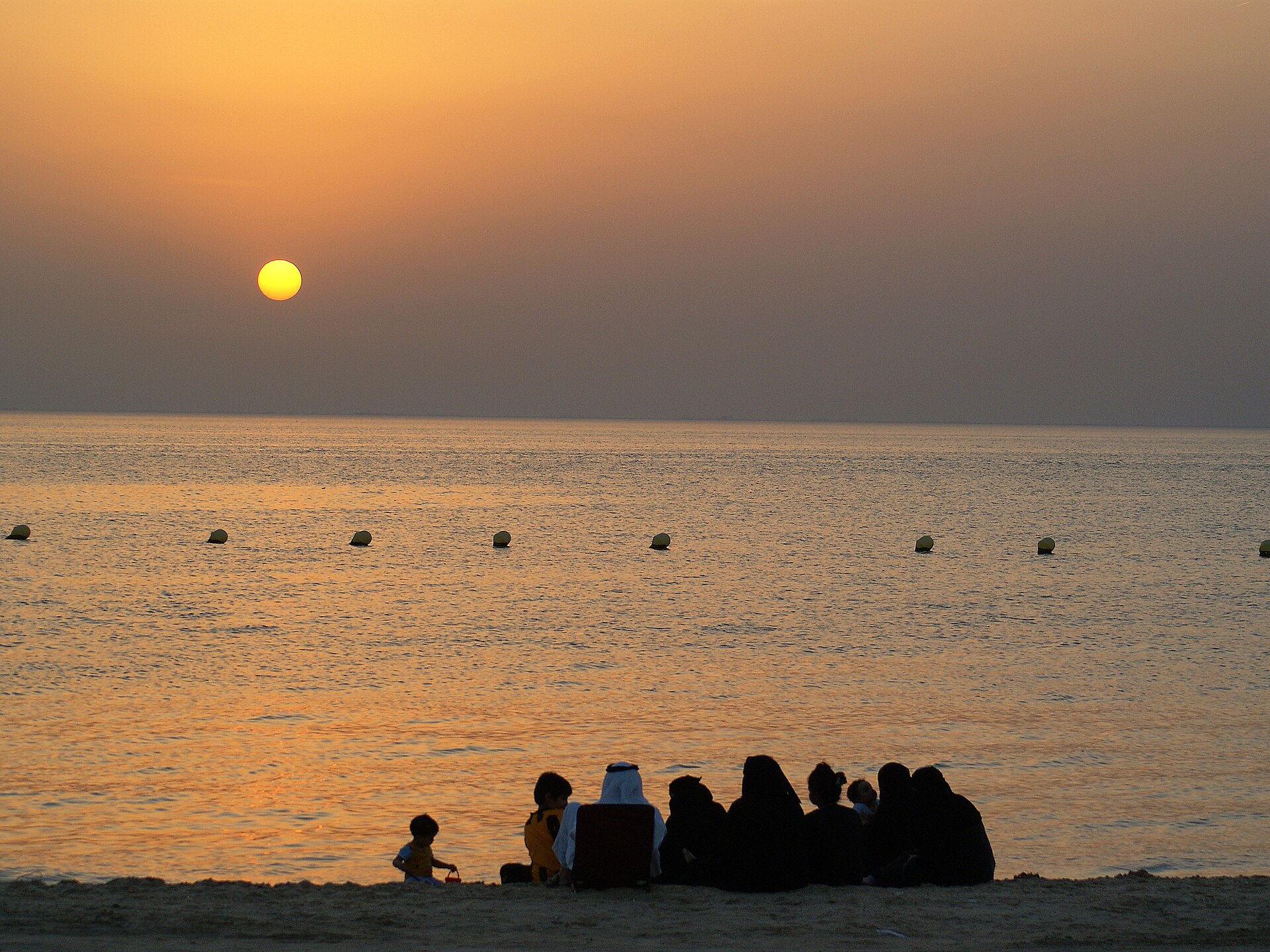
The public beach at Half Moon Bay is open daily from sunrise to around sunset, with no formal entry fee for the main beach area. The beach itself is a wide strip of fine sand backed by low dunes. Facilities at the public area include basic washroom blocks, scattered picnic tables, and food vendor stalls that operate on busy days, selling snacks, cold drinks and grilled items. There are designated swimming zones marked by buoys, which help keep jet skis and boats clear of the shallower paddling and swimming areas.
The beach is managed as a family destination. Mixed groups of families and couples are welcome; solo visitors and groups are also common, particularly on weekday mornings when it is quieter. The environment is relaxed by regional standards — the Eastern Province has the largest expatriate population in Saudi Arabia, and Half Moon Bay reflects that cosmopolitan character. Dress codes are informal by Saudi beach standards: swimwear is acceptable in the water, though visitors are expected to dress modestly when away from the waterline. Conservative swimwear covering the shoulders and extending to the knees is appropriate for women at the public beach; private resort beaches may allow more standard international swimwear at their discretion.
The beach was historically somewhat underdeveloped relative to its visitor numbers, but investment in facilities has increased as part of Saudi Vision 2030’s push to develop domestic tourism infrastructure. For the broader story of tourism development across the Kingdom, see our Saudi Arabia Travel Guide 2026.
Beach Camps and Overnight Stays
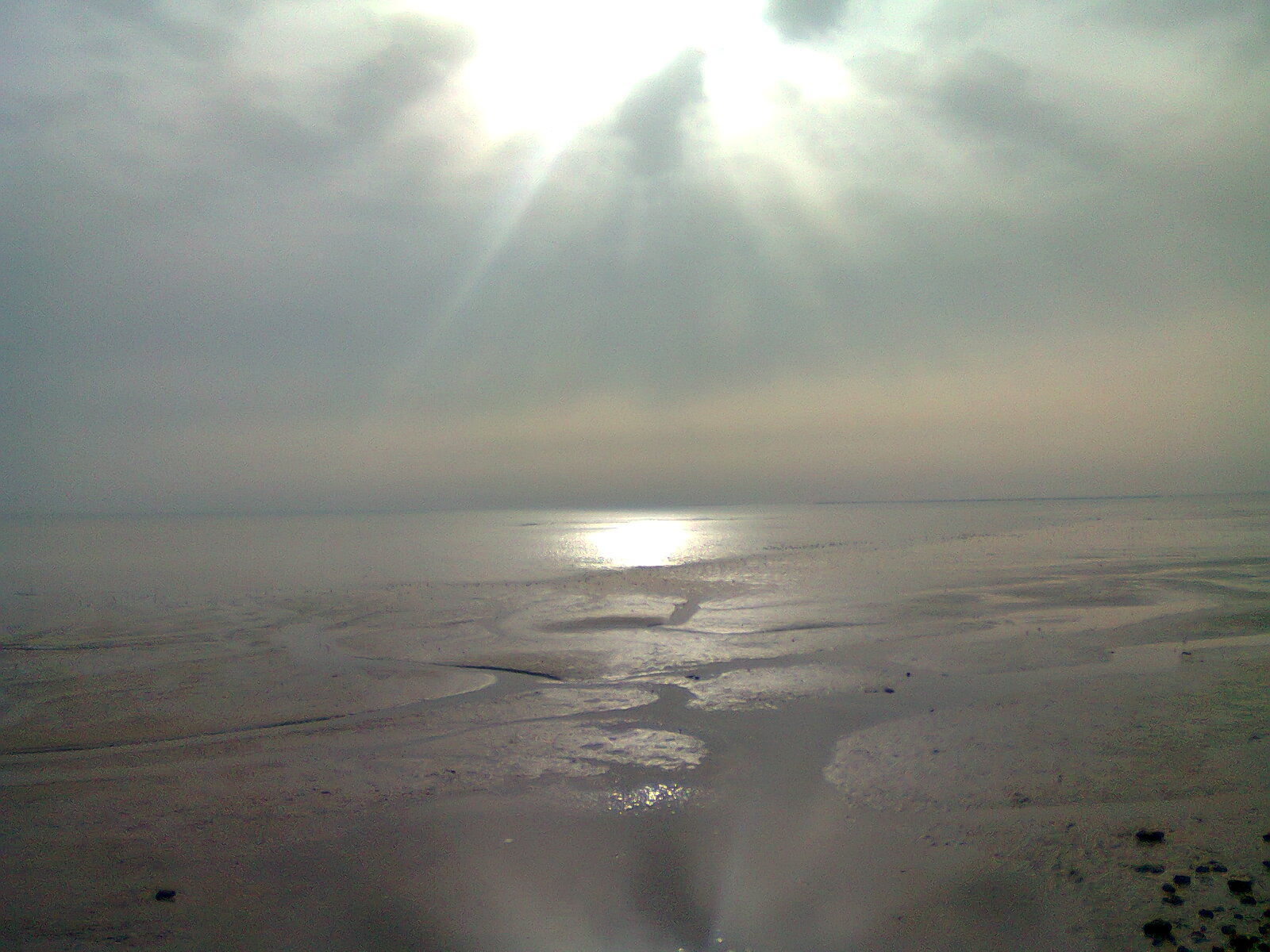
Camping at Half Moon Bay is one of its main draws, and the soft dunes behind the public beach are used informally by families who bring their own tents and barbecue equipment for overnight stays. There are no formal campsite booking systems for the public dune area — visitors simply arrive and set up. Facilities are basic at the public section: there are washrooms, but no electrical hook-ups, showers or camp kitchens in the dune zone. Bringing your own water, food, charcoal and camping gear is essential.
For those who prefer a more structured stay, several resorts operate along the Half Moon Bay shoreline:
Radisson Blu Resort, Al Khobar Half Moon Bay is the most prominent hotel property in the area. It sits on the western shore of the bay with 137 rooms, suites, chalets and villas. The resort has a private beach, outdoor swimming pool, men’s gym, separate male and female spa facilities, and a children’s pool and recreation area. Rates on booking platforms typically start at around USD 86–107 per night, varying by season. Reviews highlight the private beach and family amenities; some guests note that the resort would benefit from maintenance investment to match its setting.
Tamara Beach Resort (families only) is located approximately 10 kilometres from the public beach area and operates as an exclusive families and couples property. It includes a pool, garden, kids’ club and entertainment activities, with rates from around USD 245 per night in peak season.
Mena Holiday Beach Resort Half Moon (formerly Holiday Inn Resort) is another established option in the bay area, operating as a four-star property with free parking and various leisure facilities. Rates vary by season on Booking.com and similar platforms.
Amwaj Resort is a well-reviewed families-only property (rated Excellent on Booking.com) with rates from approximately USD 380 per night — it targets the premium end of the market and is popular for longer holiday stays.
Booking in advance is strongly recommended for resort stays between November and February, when demand from domestic Saudi and Gulf travellers peaks.
Water Sports at Half Moon Bay
The sheltered bay conditions make Half Moon Bay one of the best practical locations for water sports in the Eastern Province. The calm inshore water is forgiving for beginners while still offering enough space for higher-speed activities further out. The following activities are available from operators working the beach and from resort facilities:
Jet skiing is the most popular motorised activity. Operators on the public beach rent jet skis by the session. Published rates from Ootlah (a regional activities booking platform) list approximately 173 SAR for 15 minutes and 288 SAR for 30 minutes, with a refundable cash deposit of 500 SAR per jet ski taken at the start of the session. These figures reflect late 2025 operator pricing and are subject to seasonal variation; it is worth confirming rates directly on arrival or through booking apps like Ootlah before visiting.
Kayaking and stand-up paddleboarding (SUP) are available for rent from beach operators. The sheltered bay is excellent for both activities — the lack of strong swell and moderate wind makes paddling straightforward even for first-timers. Kayaks are typically rented by the hour.
Snorkelling is possible in the bay’s clearer sections. While the Eastern Province does not rival the Red Sea for coral visibility, the bay’s sheltered conditions allow for comfortable snorkelling in calm water. For those wanting serious diving, the Saudi Arabia Diving Guide covers the best dive sites across the Kingdom, including Red Sea options that offer significantly richer marine environments.
Boat trips and cruises operate from the bay. Fishing trips and sightseeing cruises are bookable through operators on the beach or via platforms like Ootlah. Sea cruise prices from published listings range from approximately 250 to 1,000 SAR per person depending on duration and type of boat. Sunset cruises are particularly popular in the October to April season.
Banana boats, parasailing and boat rentals are also available from beach operators during peak season, though availability varies and not all activities operate year-round.
Scuba diving sessions are offered by some operators at the bay. For a more comprehensive diving experience in the Eastern Province and beyond, the Saudi Arabia Diving Guide provides full details on certified dive centres and site conditions across the country.
Best Time to Visit Half Moon Bay
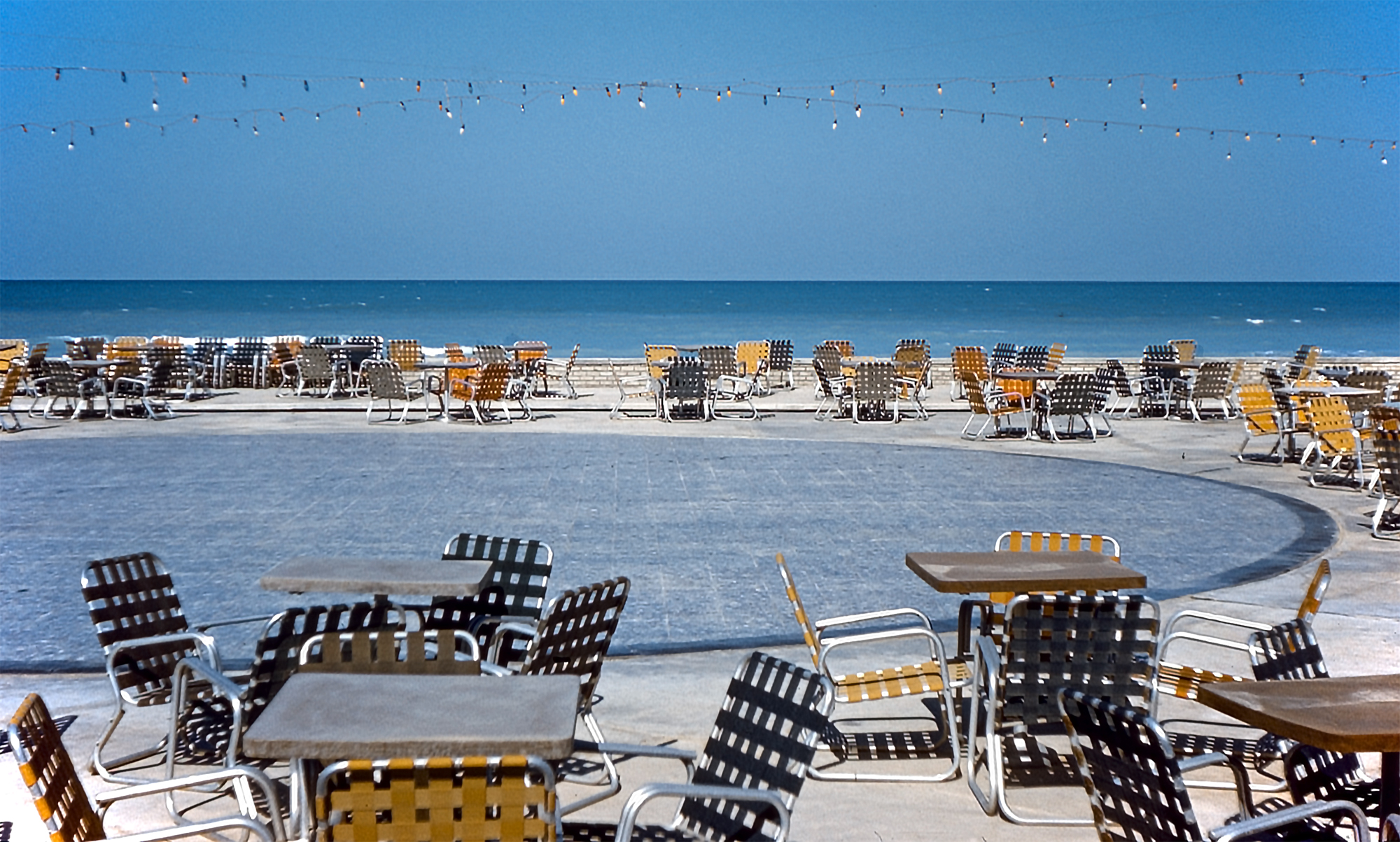
The Eastern Province has a hot desert climate with a single viable beach season running from October through April. Within that window, the peak months are November to February, when daytime temperatures range from 15°C to 25°C (59°F to 77°F) — comfortable for swimming, camping and outdoor activities. March and April are still pleasant, with temperatures rising towards 30°C, and the beach is less crowded than in the heart of winter.
Summer — May through September — is technically possible to visit but effectively impractical for outdoor activity during daylight hours. July and August regularly see temperatures above 42°C with high humidity from Gulf sea air, making beach activity between 10 am and 5 pm genuinely dangerous for sun exposure. The beach is not closed in summer but is nearly deserted during those hours; local residents who do visit go at dawn or dusk.
Saudi national holidays and school holidays significantly affect crowd levels. The Eid al-Fitr and Eid al-Adha breaks — the exact dates shift each year with the Islamic calendar — bring large numbers of domestic tourists to the bay. Saudi National Day (23 September) also sees elevated visitor numbers. During these periods, arriving early in the morning and having a resort booking rather than relying on public facilities makes the visit considerably more comfortable.
The Dammam Khobar Corniche Walk in the city centre makes a good complement to a Half Moon Bay visit, particularly if you are spending multiple days in the Eastern Province — the Corniche is accessible year-round and particularly pleasant in the evening.
What to Bring
Public beach facilities at Half Moon Bay are functional but minimal. Packing well is the difference between a comfortable visit and a frustrating one. The following list reflects what experienced visitors to the bay recommend:
- Water — bring more than you think you need. Even in winter, direct Gulf sun and outdoor activity dehydrate quickly. Bottled water from vendors is available but expensive relative to what you can bring yourself; 2–3 litres per person per day is a sensible minimum.
- Sun protection. Sunscreen (SPF 50+), a hat with a brim, and UV-protective rash guards for swimming. The sun reflects off the bay surface and intensifies UV exposure.
- Footwear for sand and water. Reef sandals or water shoes protect against hot sand in summer and against any rocks or shells in the shallows.
- Cash in Saudi riyals. Many water sports operators and beach vendors work on a cash-only basis. ATMs are not available at the beach itself — withdraw cash in Al Khobar or Dammam before leaving.
- Towels and a change of clothes. Shower facilities at the public beach are limited; pack dry clothes for the drive back.
- Food and snacks for day trips. Vendor stalls operate on busy days but are not guaranteed. For camping, bring all food and a portable barbecue or camp stove.
- A portable charger. Navigation apps and ride-hailing services require a charged phone, and there are no charging points at the public beach.
- Modest cover-up clothing. For walking to and from facilities, a sarong or light trousers and a top are appropriate and culturally considerate at the public beach.
- Dammam & Khobar Travel Guide — Everything you need to know about Saudi Arabia’s Eastern Province
- Dammam Khobar Corniche Walk — The complete walking guide along the Eastern Province waterfront
- Saudi Arabia Diving Guide — Best dive sites and snorkelling spots in the Kingdom
- Saudi Arabia Travel Guide 2026 — The complete guide to visiting the Kingdom
- Saudi Arabia Visa Guide — Every visa type explained
Practical Tips
Visa and entry: Most international visitors to Saudi Arabia require a tourist e-visa, obtainable online through the Saudi Ministry of Tourism’s official portal before travel. The process is straightforward and approval is typically granted within minutes. Full details on visa types, eligibility, costs and the application process are in the Saudi Arabia Visa Guide 2026.
Getting around: A rental car provides the most flexibility for exploring Half Moon Bay and the broader Eastern Province. International car hire companies operate at King Fahd International Airport and in Al Khobar city. If you are based in Al Khobar, ride-sharing is a practical alternative for the bay itself, but a car is useful for exploring the coastline in both directions.
The Aramco beach is private: The Saudi Aramco Half Moon Beach on the eastern arm of the bay is accessible only to Aramco employees (grade level 11 and above) and their families. It is a significantly better-equipped facility than the public beach, but it is not open to the general public regardless of payment. Do not attempt to access it as a visitor — it is securely gated and checked.
Camping etiquette: The dunes behind the public beach are used informally for camping and there is no official permit process for day visits or overnight stays in the public zone. However, lighting fires directly on the beach is discouraged and fire pans or contained grills are expected. Take all rubbish with you — the bay’s informal dune camping areas suffer from litter and the quality of the visit is better preserved by responsible behaviour.
Photography: The beach and bay are freely photographable. Respect the privacy of other visitors — particularly families — and avoid photographing individuals without consent. Photographing the Saudi Aramco facilities or security infrastructure in the area is prohibited.
Hiking in the region: If you are interested in combining a beach visit with outdoor activities further afield, the Saudi Arabia Hiking Guide covers the best trekking routes across the Kingdom, including in the Eastern Province escarpment country inland from the coast.