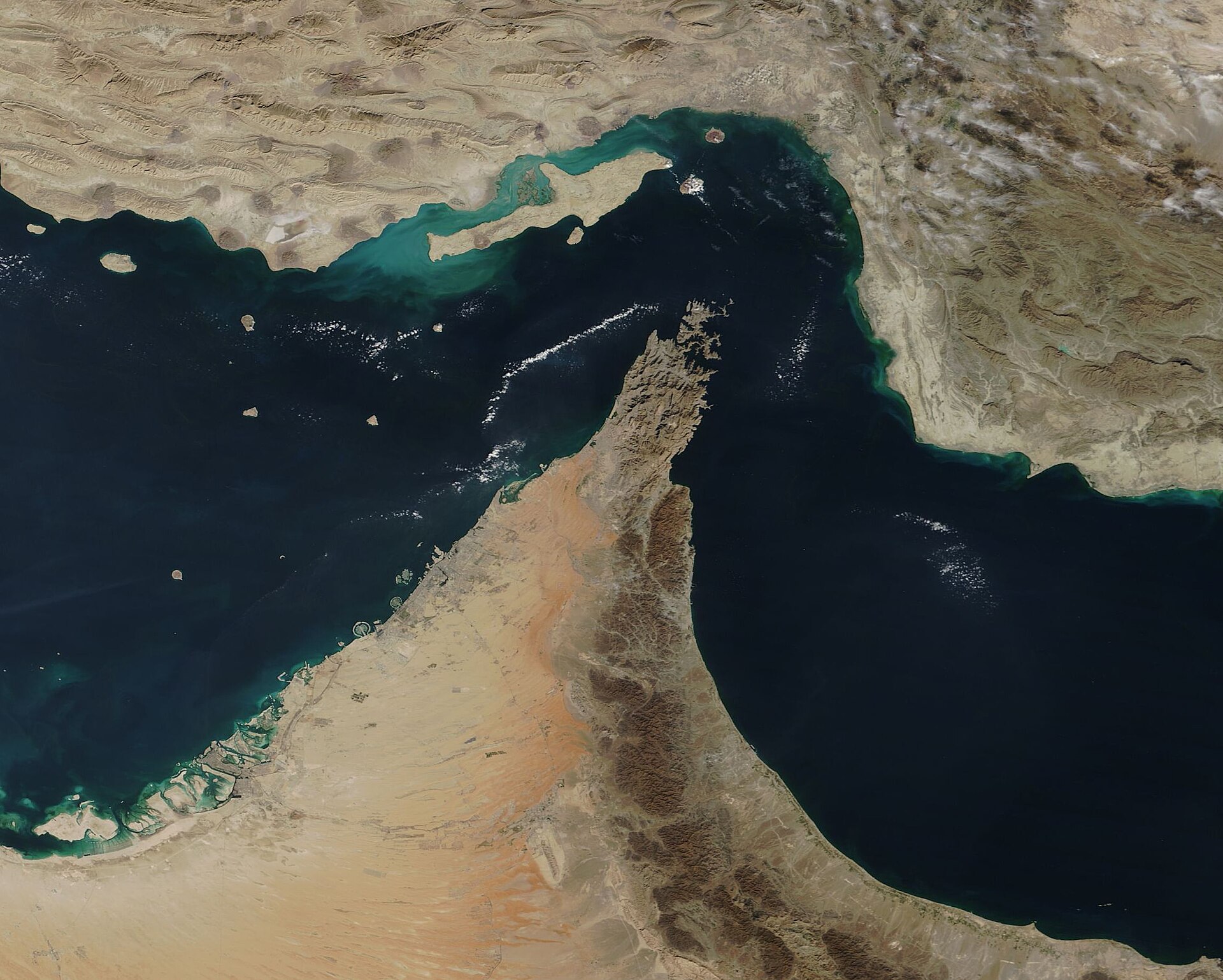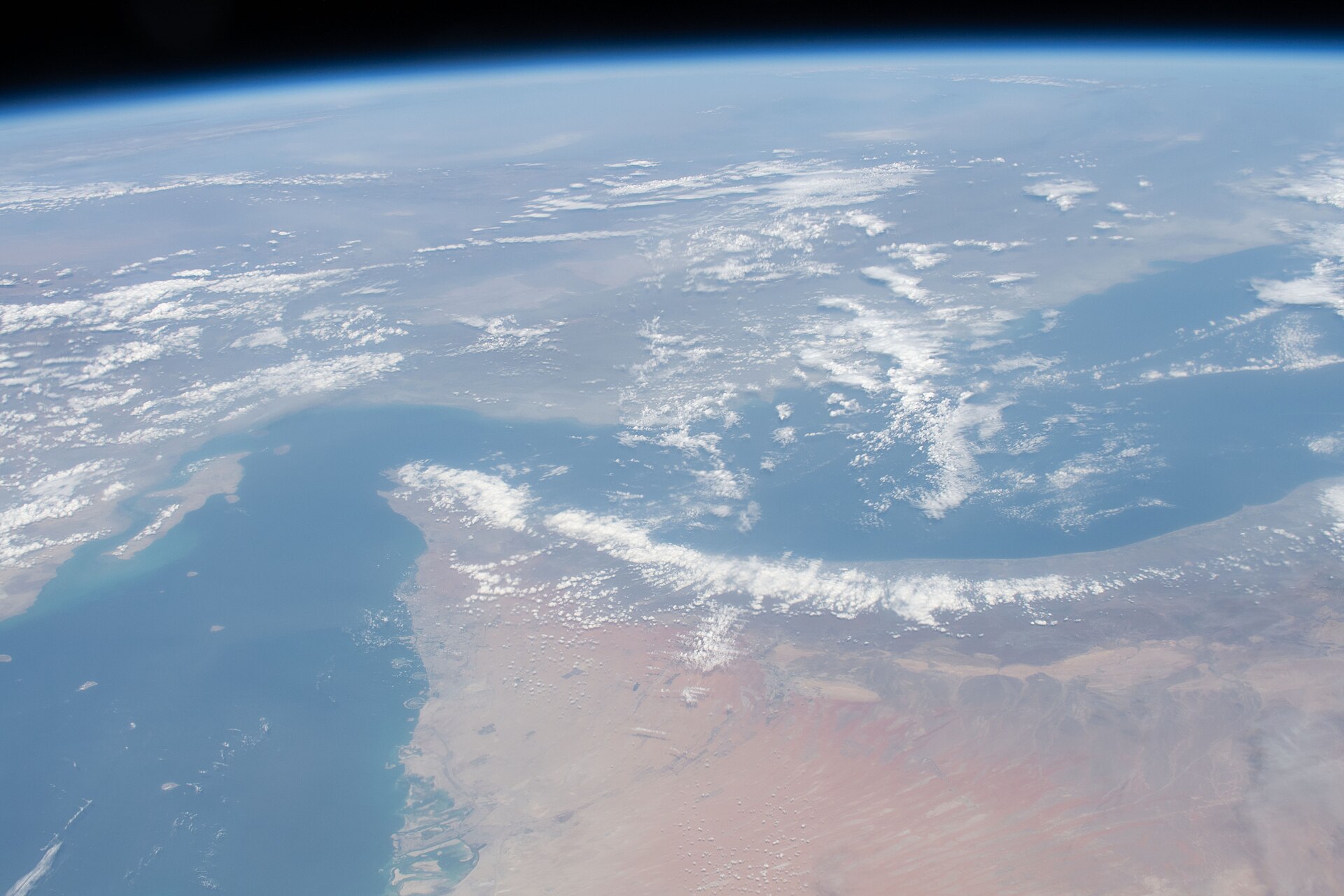

RIYADH — Iran shut the Strait of Hormuz for the second time in twelve hours on April 8, and the trigger was not American — it was Israeli. Fifty IDF fighter jets hit 100 targets across Lebanon with 160 munitions in roughly ten minutes, the largest concentrated Israeli strike wave since Operation Beeper, and within hours Tehran closed the waterway that carries 15.8 million barrels of oil per day. The ceasefire that was supposed to reopen global energy markets lasted long enough for exactly two tankers to transit before the gates slammed shut again. The mechanism now governing Saudi Arabia’s fiscal future is brutally simple: every IDF sortie over Lebanon generates an Iranian response at Hormuz, and every Hormuz closure day costs the Gulf states and Iraq a combined $1.1 billion in stranded revenue. Riyadh has no diplomatic channel to Jerusalem capable of influencing Israeli targeting decisions, no seat at the bilateral table where Washington and Tehran are negotiating the terms, and no military option that would not make the problem catastrophically worse. Saudi Arabia is absorbing the fiscal consequences of a war it did not start, between adversaries it cannot reach, through a chokepoint it does not control.
Table of Contents
- The Lebanon Carve-Out That Nobody Told Riyadh About
- How an IDF Sortie Over Beirut Becomes a Saudi Budget Crisis
- Why Can Saudi Arabia Not Publicly Object to the Lebanon Strikes?
- Does Israel Now Hold a De Facto Veto Over Saudi June OSP Repricing?
- The East-West Pipeline Is Already at Maximum — What Happens Next?
- Asian Buyer Defection and the Term-Contract Trap
- Who Speaks for Saudi Fiscal Interests in This War?
- The Air Defense Drain That Compounds Every Closure
- The Structural Impossibility at the Heart of Saudi Foreign Policy
- Frequently Asked Questions
The Lebanon Carve-Out That Nobody Told Riyadh About
Pakistan’s Prime Minister Shehbaz Sharif announced on April 8 that the ceasefire applied “everywhere, including Lebanon.” Benjamin Netanyahu said it did not. Both statements were technically accurate — they were describing different realities. A senior US official confirmed to Axios that Trump and Netanyahu had agreed during a pre-announcement phone call that Israeli operations in Lebanon could continue unimpeded, a side deal that the ceasefire’s lead mediator apparently did not know about when he made his announcement. Saudi Arabia learned of the carve-out at the same time as the international press corps — not through prior consultation, not through a diplomatic cable, but through the same live television feeds watched by everyone else.
The White House made no attempt to disguise the arrangement. Press Secretary Karoline Leavitt stated flatly that “Lebanon is not part of the ceasefire,” even as she called the Iranian Hormuz re-closure “unacceptable” and demanded Tehran reopen it “immediately, quickly and safely.” The contradiction is not rhetorical — it is structural. Washington is simultaneously insisting that Iran honor a ceasefire whose terms exclude the precise theatre that Iran identified as its trigger for closing Hormuz. Iran’s Foreign Minister Abbas Araghchi made the linkage explicit within hours of the re-closure, stating that “the Iran-U.S. ceasefire terms are clear and explicit: the U.S. must choose — ceasefire or continued war via Israel. It cannot have both.”
The IRGC escalated the framing further. Gen. Seyed Majid Mousavi, the Aerospace Commander, declared that “aggression towards Lebanon is aggression towards Iran,” a formulation that collapses Lebanon into Iran’s own territorial defense perimeter. Through state media, the IRGC threatened a “regret-inducing response” if Israeli strikes did not immediately end. Iran’s semi-official Tasnim News Agency published its own interpretation of the ceasefire text, claiming Tehran had “forced the criminal America to accept its 10-point plan…stopping the war on all fronts, including against the heroic Lebanese Islamic resistance.” Whether or not that reading of the Islamabad framework is legally sound — and the text itself is ambiguous enough to support multiple interpretations — Iran has now operationalized it as policy.
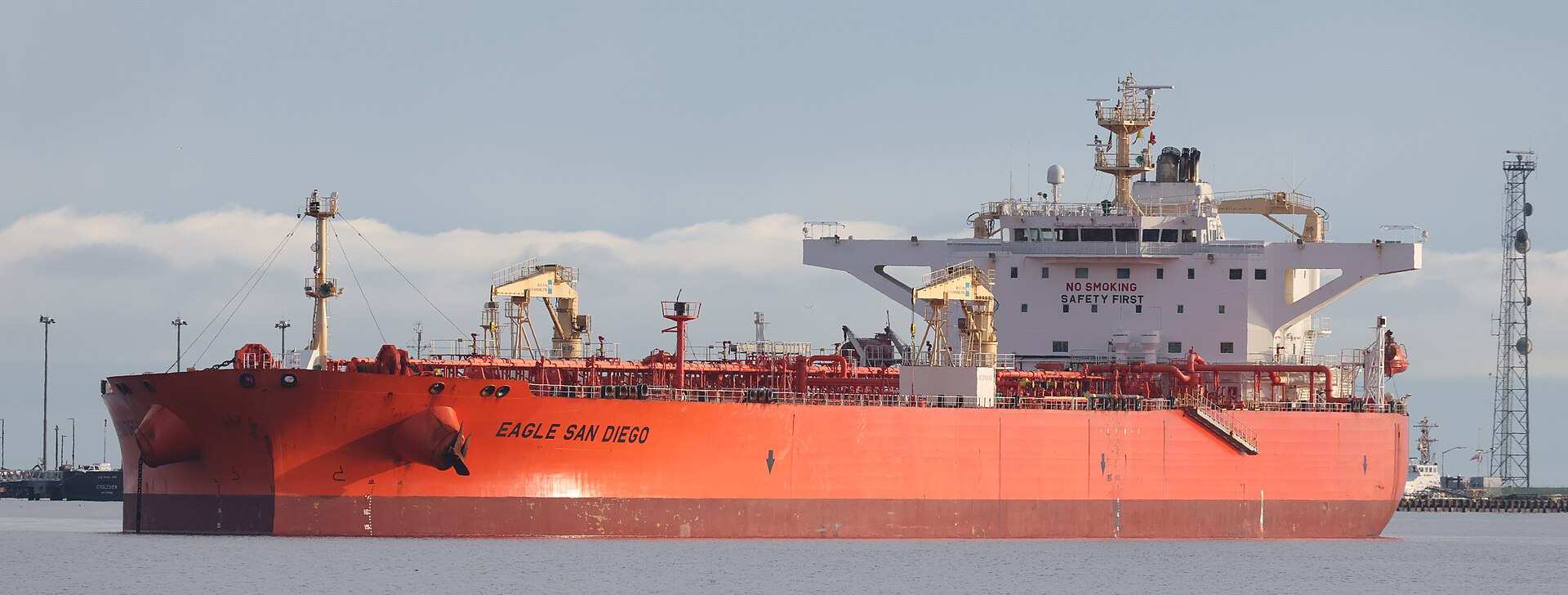
The practical result was visible within hours. Fars News Agency reported that “two oil tankers were allowed to pass through the strait this morning after obtaining permission from Iran, but the passage of further tankers was halted because of Israel’s fresh strikes on Lebanon.” Two tankers out of a pre-war daily throughput of 138. The ceasefire’s promise of reopened shipping lanes survived for less time than it takes a VLCC to transit from Fujairah to Muscat. For Saudi Arabia, the implications are not about Lebanon’s sovereignty or Hezbollah’s fate — they are about who, precisely, now controls the on-off switch for the Kingdom’s primary revenue stream, and the answer is a government in Jerusalem with which Riyadh has no formal diplomatic relations.
How an IDF Sortie Over Beirut Becomes a Saudi Budget Crisis
The fiscal transmission chain runs through five links, each of which is now demonstrably live rather than theoretical. Link one: the IDF launches strikes on Lebanon. Link two: Iran declares the ceasefire violated and closes or restricts Hormuz. Link three: oil markets reverse whatever relief rally the ceasefire had produced — Brent fell 13.8% to $94.16 on the ceasefire announcement, then the Lebanon-triggered re-closure reversed part of that decline within hours. Link four: Aramco’s May OSP, set at +$19.50 per barrel above Oman/Dubai when Brent was trading near $109, becomes even more inverted against spot prices. Link five: Asian buyers sitting on term contracts priced $11-14 per barrel above available spot alternatives begin calculating the cost of defection versus the cost of compliance. Each link amplifies the one before it, and Saudi Arabia has no ability to intervene at any point in the chain.
The Middle East briefing 3,000+ readers start their day with.
One email. Every weekday morning. Free.
The numbers make the scale concrete. The combined Gulf states and Iraq lose $1.1 billion per day when Hormuz is fully closed, according to SolAbility analysis. Saudi oil exports already fell 50% in March — from roughly 6.66 million barrels per day to 3.33 million — as the initial Hormuz closure forced rerouting through the East-West Pipeline to Yanbu. Despite that 50% volume decline, Saudi oil income had risen approximately $558 million due to elevated war-era prices, according to Bloomberg. That arithmetic has now reversed. At $94 Brent with the OSP still inverted, Saudi Arabia faces lower prices and constrained volumes simultaneously, a combination that the Kingdom’s budget was not built to absorb.
Saudi Arabia’s fiscal breakeven sits at $86.60 per barrel according to the IMF’s central government calculation, but that number excludes the Public Investment Fund’s spending. Bloomberg’s PIF-inclusive estimate is $94 per barrel — precisely where Brent was trading on April 8. The full PIF capital expenditure breakeven is $111 per barrel, and Goldman Sachs estimates the actual 2026 deficit at $80-90 billion against the official projection of $44 billion. At current prices, the Kingdom is operating exactly at its PIF-inclusive breakeven with zero buffer, and every subsequent Hormuz re-closure event pushes prices in both directions — higher on supply fear, then lower on demand destruction — while keeping Saudi volumes locked below their pre-war ceiling.
The Dallas Fed modeled this scenario in March 2026: a 20% global oil supply removal through Hormuz closure raises WTI to $98 and cuts global GDP growth by 2.9 percentage points annualized in Q2. The demand destruction embedded in that GDP haircut eventually drags prices back down, but the volume constraint persists for as long as Hormuz remains restricted. Saudi Arabia gets squeezed from both ends — the price spike is too short to capture at full volume, and the subsequent price decline arrives while export capacity is still bottlenecked through the Red Sea.
Why Can Saudi Arabia Not Publicly Object to the Lebanon Strikes?
Saudi Arabia cannot publicly criticize Israeli operations in Lebanon because doing so would place Riyadh in rhetorical alignment with Iran and Hezbollah — the same actors whose regional network the Kingdom has spent decades and hundreds of billions of dollars attempting to contain. Any Saudi statement condemning IDF strikes would be immediately instrumentalized by Tehran as evidence that the Gulf’s largest Sunni power endorses the “axis of resistance” narrative, a propaganda gift that would undermine Saudi Arabia’s positioning across every active diplomatic file from the Abraham Accords framework to its bilateral relationship with Washington. The diplomatic trap is airtight: silence costs money, but speech costs standing.
The INSS 2026 assessment confirmed that Saudi-Israeli normalization is “off the table,” and 99% of Saudi respondents in an August 2025 INSS survey opposed normal relations with Israel. Saudi FM Faisal bin Farhan has stated publicly that normalization “is not on the table so long as a Palestinian state has not been established.” These positions are not decorative — they represent genuine constraints on Saudi diplomatic maneuver. Any statement that could be interpreted as concern for Israeli operational decisions would be read domestically as backdoor normalization, a political risk that no Saudi official is willing to absorb while the Kingdom is simultaneously managing a war economy, depleted air defenses, and popular anger over Palestinian casualties in Gaza.
“The Iran-U.S. ceasefire terms are clear and explicit: the U.S. must choose — ceasefire or continued war via Israel. It cannot have both.”
— Abbas Araghchi, Iranian Foreign Minister, April 8, 2026
The result is a policy of compulsory silence on the issue that most directly affects Saudi Arabia’s near-term fiscal trajectory. Riyadh can object to Hormuz closure — and has, through GCC channels and bilateral messaging to Washington. But objecting to Hormuz closure without addressing the trigger for that closure is like complaining about smoke while insisting you have no opinion on fire. Iran’s Araghchi framed this with deliberate precision: “The world sees the massacres in Lebanon. The ball is in the U.S. court.” The statement was aimed at Washington, but its fiscal shrapnel lands in Riyadh.
Does Israel Now Hold a De Facto Veto Over Saudi June OSP Repricing?
Aramco’s June OSP repricing window opens around May 5, and the decision will be made against a backdrop of price volatility that is now structurally coupled to Israeli military operations in Lebanon. The May OSP was set at +$19.50 per barrel above the Oman/Dubai average when Brent was trading near $109. Bloomberg’s survey of Asian refiners had expected a correction toward $40 per barrel — a gap of $20.50 that Aramco chose not to close, as detailed in earlier coverage of Aramco’s pricing restraint. With Brent now at approximately $94, the May OSP sits $11-14 per barrel above spot, and every Asian buyer is aware of the inversion.
The June OSP decision cannot be made in isolation from the Lebanon-Hormuz feedback loop. If Aramco cuts aggressively to close the gap with spot, it signals panic and invites further buyer renegotiation of existing term contracts. If Aramco holds the line, it risks accelerating the defection of price-sensitive Asian refiners toward spot alternatives that are already trading $6-6.50 per barrel cheaper than Saudi term prices. The optimal repricing strategy depends entirely on where Brent is trading in late April and early May — and that, in turn, depends on whether Iran re-closes Hormuz again, which depends on whether Israel continues striking Lebanon, which depends on operational decisions made in Tel Aviv over which Riyadh has precisely zero influence.
The structural dynamic inverts the normal understanding of the Saudi-Israeli relationship. In conventional analysis, the two countries share an interest in containing Iran, and normalization — however politically distant — remains a long-term aspiration for parts of both governments. The Lebanon-Hormuz mechanism turns that framework inside out. Israeli military escalation in Lebanon now directly damages Saudi fiscal interests through a chain that runs through Iran’s Hormuz response, and Saudi Arabia has no channel through which to communicate operational requests to the IDF. There is no hotline, no liaison office, no military-to-military deconfliction protocol. The Kingdom’s June pricing decision is hostage to a targeting cycle it cannot see, influence, or predict.
The East-West Pipeline Is Already at Maximum — What Happens Next?
The East-West Pipeline, Saudi Arabia’s only bypass for Hormuz-dependent exports, runs from Abqaiq in the Eastern Province to Yanbu on the Red Sea coast with a throughput capacity of 7 million barrels per day and an effective Yanbu export ceiling of approximately 5 million barrels per day. That pipeline is already operating at maximum capacity following the initial Hormuz closure in early March, and the IRGC demonstrated on ceasefire day itself that it considers the pipeline a legitimate target — striking a pumping station on April 8 in what the IRGC’s Zolfaqari described as an action taken when “all restraint was removed.” The bypass that was supposed to insulate Saudi exports from Hormuz risk is both maxed out and under direct military threat.
Before the war, Saudi Arabia exported approximately 6.66 million barrels per day through both Hormuz and Yanbu. With Hormuz closed, the Yanbu route can handle 5 million barrels per day at best, leaving a structural gap of 1.66 million barrels per day that simply cannot reach the market regardless of price. Every subsequent Hormuz re-closure event — triggered by Lebanon, by ceasefire violations, by any of the dozen friction points embedded in the Islamabad framework — forces Saudi exports back to this ceiling. The gap between pre-war capacity and pipeline-only capacity represents roughly $156 million per day in lost revenue at $94 Brent, money that vanishes not because of Saudi production decisions but because of Israeli targeting decisions filtered through Iranian Hormuz policy.
The pipeline’s vulnerability compounds the problem. The IRGC struck the same infrastructure corridor in May 2019, and the April 8 pumping station attack confirmed that the pipeline remains within Iran’s targeting envelope even under ceasefire conditions. Saudi air defenses — with PAC-3 MSE stockpiles depleted to approximately 400 rounds from a pre-war inventory of roughly 2,800 — cannot guarantee the pipeline’s protection indefinitely. The arithmetic is unforgiving: 400 remaining interceptors defending the pipeline, Ras Tanura, Abqaiq, Yanbu, and every other critical node in the Saudi energy network, against an Iranian arsenal that multiple assessments judge to be 50% intact.
Asian Buyer Defection and the Term-Contract Trap
India’s three state-owned refiners — Indian Oil Corporation, Bharat Petroleum, and Hindustan Petroleum — already have access to spot crude alternatives priced $6 to $6.50 per barrel below Saudi term contract prices. That discount existed before the Lebanon-triggered Hormuz re-closure; the re-closure widens it further by increasing uncertainty about Saudi delivery reliability while spot cargoes from non-Hormuz-dependent producers remain available. Every week that Hormuz stays restricted and the OSP stays inverted, the economic case for Asian buyer defection from Saudi term contracts strengthens by a calculable margin.
Term contracts are the foundation of Aramco’s pricing power and Saudi Arabia’s fiscal predictability. Unlike spot sales, term contracts lock in volume commitments months in advance, allowing both Aramco and its customers to plan production, refining, and shipping schedules. But term contracts depend on two implicit promises: that the seller can deliver reliably, and that the contracted price will not diverge too far from spot market alternatives. The Lebanon-Hormuz mechanism breaks both promises simultaneously. Delivery reliability is now contingent on Israeli-Lebanese military dynamics that neither Aramco nor its customers can forecast, and the price divergence — already $11-14 per barrel — grows with every Hormuz disruption event that pushes spot prices further from the level at which the OSP was set.
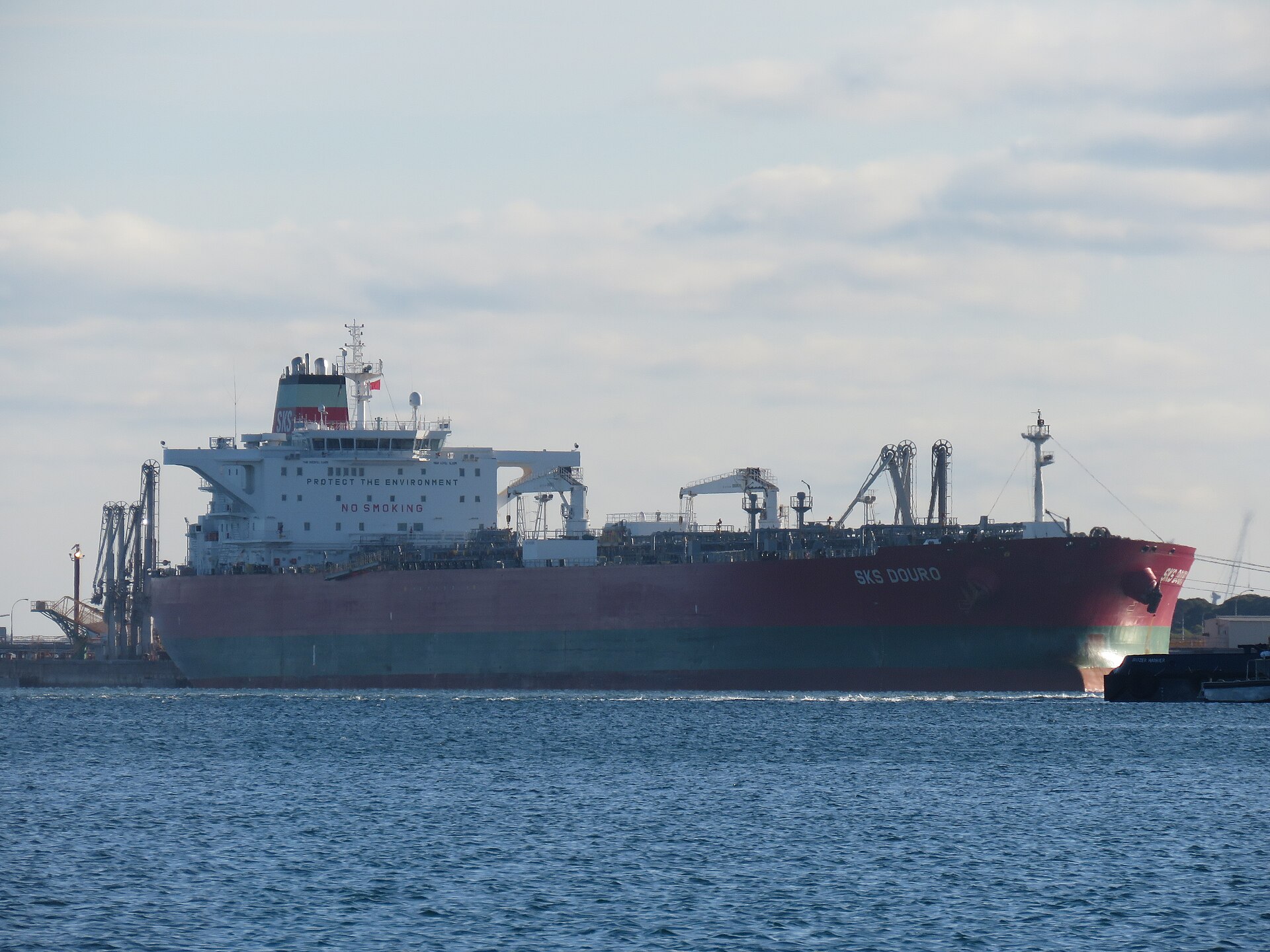
The defection math runs on a per-cargo basis. A standard VLCC carries approximately 2 million barrels. At a $6.50 per barrel discount to spot alternatives, each VLCC-load of Saudi term crude costs the buyer $13 million more than the available alternative. For a major Indian refiner importing 15-20 VLCCs per month on Saudi term contracts, the opportunity cost exceeds $200 million monthly. No procurement department can ignore that spread indefinitely, and the pressure intensifies as the inversion persists. Trump’s proposal for a US-Iran Hormuz “joint venture” does nothing to resolve this — it addresses governance of the strait, not the pricing inversion that the strait’s closure created.
Who Speaks for Saudi Fiscal Interests in This War?
The answer, as of April 8, is no one. Saudi Arabia was excluded from the April 10 Islamabad bilateral between the United States and Iran, a downgrade from the March 29-30 talks where the Saudi FM had held a co-guarantor seat. That seat is gone. The bilateral format means the two issues most relevant to Saudi fiscal survival — Hormuz reopening and Lebanon ceasefire enforcement — will be negotiated without a Saudi representative in the room. The exclusion is structural, not accidental: the US and Iran are moving toward a principal-level dialogue (Vance-Ghalibaf) that has no mechanism for third-party fiscal concerns. Ghalibaf named the Lebanon strikes as the first of three ceasefire violations he cited in declaring the truce “unreasonable” — the same Lebanon strikes that triggered the Hormuz re-closure documented above.
Michael Ratney, a CSIS fellow and former US Ambassador to Saudi Arabia, captured the Kingdom’s dilemma in a March 18 assessment: Saudi Arabia has “little confidence” the current war will eliminate the Iranian threat, and must “live in the region” long after American involvement ends. That framing, while diplomatically careful, understates the immediacy of the problem. Saudi Arabia does not merely need to live in the region after the war — it needs to survive the war’s fiscal impact in real time, and the decisions being made in Tel Aviv, Tehran, and Washington over the next seventy-two hours will determine whether the Kingdom’s June OSP can be set at a competitive level or whether it will be forced into a fire-sale correction that signals structural weakness to every buyer in Asia.
“Aggression towards Lebanon is aggression towards Iran.”
— Gen. Seyed Majid Mousavi, IRGC Aerospace Commander, April 8, 2026
No GCC collective mechanism exists that would allow Gulf states to enforce Lebanon ceasefire terms on Israel or transmit Gulf fiscal concerns to Israeli operational planners. The GCC is a consultative body, not a security alliance with enforcement capacity, and its member states are themselves divided on the Iran question — Qatar and Oman have maintained channels to Tehran throughout the war, while the UAE, Kuwait, and Bahrain have absorbed direct Iranian strikes. The idea that the GCC could present a unified position on Lebanon to Israel, a country with which most of its members have no diplomatic relations, belongs to a diplomatic fantasy that the April 8 events have definitively retired.
The US channel, which is the only theoretical path from Riyadh to Israeli decision-makers, does not function as a brake on IDF operations. Trump personally pre-agreed the Lebanon carve-out with Netanyahu before announcing the ceasefire, making Washington a co-architect of the arrangement rather than a potential mediator of it. When Saudi Arabia’s interests and Israel’s operational tempo collide, Washington has chosen — visibly, repeatedly, and without consultation — to accommodate the latter. The fiscal cost of that accommodation lands on the Saudi balance sheet.
The Air Defense Drain That Compounds Every Closure
Every Hormuz re-closure event does not merely restrict Saudi oil exports — it reactivates the threat environment that draws down Saudi Arabia’s dwindling air defense inventory. Post-ceasefire intercepts across the GCC continued in the hours after the ceasefire announcement, including 28 drones intercepted by Kuwait and 31 drones plus 6 missiles intercepted by Bahrain. Each interception consumes PAC-3 MSE rounds from a stockpile that began the war at approximately 2,800 and now sits at roughly 400 — an 86% depletion rate, according to estimates based on manufacturer pricing at $3.9 million per round. Camden, Arkansas produces approximately 620 PAC-3 MSE rounds per year, a rate that cannot replenish the Gulf’s inventory before the existing stock is exhausted.
The Lebanon-Hormuz feedback loop makes this depletion problem worse in a specific and measurable way. When Hormuz re-closes in response to IDF Lebanon strikes, the IRGC’s posture shifts from ceasefire compliance back to active confrontation, and that shift manifests as renewed drone and missile launches against Gulf infrastructure — the same infrastructure that Saudi Arabia needs to keep operational in order to export through the Yanbu bypass. The pipeline, the refineries, the loading terminals at Yanbu and Ras Tanura all require air defense coverage, and every round expended defending them is a round that will not be available for the next wave. Poland refused a Patriot battery transfer on March 31, and the $16.5 billion in emergency US arms sales went to the UAE, Kuwait, and Jordan — not Saudi Arabia.
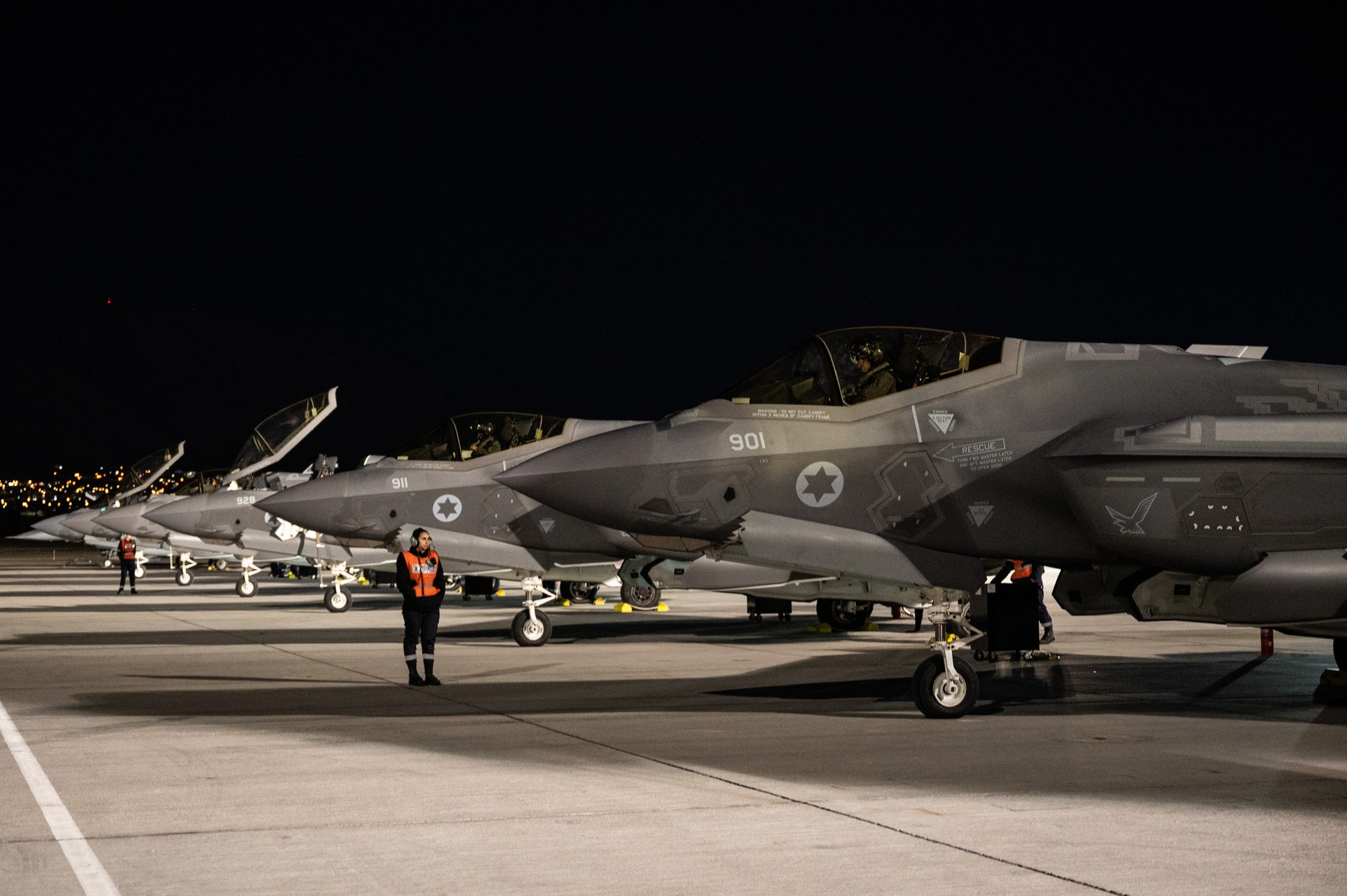
Saudi Arabia is burning through a finite and irreplaceable defensive resource at a rate set by Israeli targeting decisions in a country 1,500 kilometers away. The brief window of partial Hormuz reopening — 15 ships in the first post-ceasefire period, versus 138 per day before the war — demonstrated that even optimistic scenarios involve a fraction of normal throughput, and that fraction shrinks with every re-closure cycle.
The Structural Impossibility at the Heart of Saudi Foreign Policy
Saudi Arabia’s position as of April 8 contains a contradiction that no diplomatic maneuver can resolve. The Kingdom needs Hormuz open to export oil. Iran closes Hormuz when Israel strikes Lebanon. Saudi Arabia cannot ask Israel to stop striking Lebanon — doing so would imply alignment with Hezbollah, damage any residual normalization prospects, and antagonize Washington. Saudi Arabia cannot ask the United States to restrain Israel — Washington pre-agreed the Lebanon carve-out with Netanyahu and has defined it as outside the ceasefire’s scope. Saudi Arabia cannot ask Iran to keep Hormuz open while Lebanon burns — Tehran has explicitly linked the two, and the IRGC’s Mousavi has declared Lebanon strikes equivalent to attacks on Iran itself. Every door is closed, and behind each closed door sits a different power with interests that do not include Saudi fiscal stability.
The conventional framing of Saudi foreign policy positions the Kingdom as a swing state balancing between Washington and Beijing, between Iran containment and regional accommodation, between normalization with Israel and solidarity with Palestine. The Lebanon-Hormuz mechanism collapses that framing into a single uncomfortable reality: Saudi Arabia is not a swing state in this crisis. It is a price-taker, absorbing costs generated by decisions made in three capitals where it has diminishing influence. The Trump administration has demonstrated that Saudi concerns will not constrain Israeli operations. Tehran has demonstrated that Hormuz policy is now indexed to Lebanese casualties, not to bilateral Saudi-Iranian relations. And the Islamabad process has demonstrated that Saudi Arabia’s seat at the negotiating table is not guaranteed — it was present at the March 29-30 talks and absent from the April 10 bilateral.
The fiscal arithmetic over the next thirty days will make the structural impossibility tangible. Aramco must set its June OSP around May 5 against a Brent price that is now hostage to Lebanese military developments. Every IDF sortie between now and that date carries a direct and uncontrollable fiscal cost for Riyadh — not through any Saudi action or inaction, but through a transmission chain that runs from Tel Aviv to Beirut to Tehran to Hormuz to the Brent benchmark to the Aramco pricing desk. The Kingdom has survived worse crises, but it has rarely faced one in which the most consequential variable affecting its national income is a military targeting decision made by a government with which it has no diplomatic relations, communicated through a mediator that has already chosen not to mediate, and enforced by an adversary that has linked Saudi oil exports to a conflict in which Saudi Arabia has no standing, no role, and no voice.
| Metric | Pre-War / Pre-Ceasefire | Post-Ceasefire (April 8) | Source |
|---|---|---|---|
| Hormuz daily tanker transits | 138/day | 2 (before re-closure) | Multiple / Fars News |
| Brent crude ($/bbl) | ~$109 (late March) | $94.16 (April 8) | Fortune / Euronews |
| Aramco May OSP vs spot | +$19.50/bbl (set at $109) | $11-14/bbl above spot | Bloomberg / HOS |
| Saudi oil exports | ~6.66M bpd | ~3.33M bpd (March) | Bloomberg |
| East-West Pipeline utilization | Partial | Maximum (7M bpd throughput) | Aramco / HOS |
| PAC-3 MSE stockpile | ~2,800 rounds | ~400 rounds (86% depleted) | HOS estimates |
| Gulf + Iraq daily revenue loss (Hormuz closed) | N/A | $1.1 billion/day | SolAbility |
| Saudi fiscal breakeven (PIF-inclusive) | $94/bbl | $94/bbl (Brent at breakeven, zero buffer) | Bloomberg |
Frequently Asked Questions
Why did Iran close Hormuz after the ceasefire was announced?
Iran’s position, articulated through both diplomatic and military channels on April 8, is that the ceasefire it negotiated with the United States covered “all fronts” — including Lebanon. The IDF’s 50-jet, 160-munition strike on Lebanon, which killed 254 people and wounded 1,165 according to Lebanon Civil Defence figures, constituted a ceasefire violation in Tehran’s interpretation. Iran’s Tasnim News Agency published text claiming the Islamabad framework required “stopping the war on all fronts, including against the heroic Lebanese Islamic resistance.” Regardless of whether that interpretation survives legal scrutiny, Iran has operationalized it as the trigger condition for Hormuz access — making Lebanese casualties a direct input to global oil supply.
Could Saudi Arabia use its OPEC+ position to pressure Israel indirectly?
In theory, Saudi Arabia could threaten to flood the market with additional production to crash oil prices, making the war more expensive for all parties. In practice, this option is foreclosed by the Hormuz closure itself — Saudi Arabia cannot increase exports beyond the Yanbu pipeline ceiling of approximately 5 million barrels per day while Hormuz is restricted. OPEC+ added 206,000 barrels per day to its May production target, but that incremental supply enters a market already distorted by the Hormuz bottleneck. The production weapon is only effective when the producer can deliver the barrels, and Saudi Arabia’s delivery capacity is currently set by Iranian Hormuz policy, not by Aramco’s wells. An additional constraint is that crashing prices would push Brent below Saudi Arabia’s own $86.60-$94 fiscal breakeven range, inflicting more damage on Riyadh than on Tel Aviv.
What would need to happen for the Lebanon-Hormuz link to be broken?
Three conditions would need to be met, any one of which appears unlikely in the near term. First, a ceasefire framework that explicitly includes Lebanon and is accepted by both Israel and Iran — the current framework excludes Lebanon by design, with US-Israeli agreement. Second, an Iranian strategic decision to decouple Hormuz policy from Lebanese military developments — contradicting the IRGC Aerospace Commander’s April 8 declaration that “aggression towards Lebanon is aggression towards Iran.” Third, a Hormuz enforcement mechanism that operates independently of Iranian military command — such as the multinational framework proposed in Trump’s “joint venture” concept, though that proposal addresses governance rather than the Lebanon trigger specifically. Until one of these conditions is met, every IDF operation in Lebanon carries an embedded and automatic cost for Saudi Arabia’s oil export capacity.
How does this affect the average Saudi citizen?
The PIF-inclusive fiscal breakeven of $94 per barrel — precisely where Brent traded on April 8 — means that Saudi Arabia has no surplus revenue to fund the non-oil economic diversification programs that employ hundreds of thousands of Saudi nationals. The PIF’s 2026-2030 strategy already slashed construction commitments from $71 billion to $30 billion and formally suspended The Line megaproject, and those cuts were made before the Lebanon-Hormuz mechanism added a new layer of fiscal unpredictability. Goldman Sachs estimates the actual 2026 budget deficit at $80-90 billion versus the government’s $44 billion projection, and that gap must be financed through sovereign debt issuance or drawdowns from reserves — either of which constrains the government’s ability to maintain the subsidies, public-sector hiring, and social spending programs that underpin domestic stability. The war’s cost is not abstract; it flows directly into hiring freezes, project delays, and tightened household budgets.
Is there a historical precedent for this kind of indirect fiscal exposure?
The closest parallel is the 1984-1988 Tanker War, during which Iran and Iraq attacked oil tankers in the Persian Gulf, disrupting Saudi and Kuwaiti exports without either belligerent directly targeting Saudi territory for most of the conflict. Saudi Arabia eventually requested US naval escorts — the “reflagging” operation — to protect Kuwaiti tankers transiting the Gulf. But the current situation differs in a critical respect: the Tanker War involved two regional belligerents whose actions Saudi Arabia could at least attempt to influence through GCC diplomacy and backchannel communications. The Lebanon-Hormuz mechanism introduces a third-party trigger — Israel — with which Saudi Arabia has no diplomatic relations and no communication infrastructure capable of transmitting operational concerns. The 1857 Copenhagen Treaty, which abolished Denmark’s Sound Dues on international shipping through the Danish straits, required a multilateral agreement among all affected parties. No equivalent multilateral framework exists for Hormuz, and the parties whose agreement would be required — the US, Iran, Israel, and the GCC states — are not collectively present at any negotiating table.