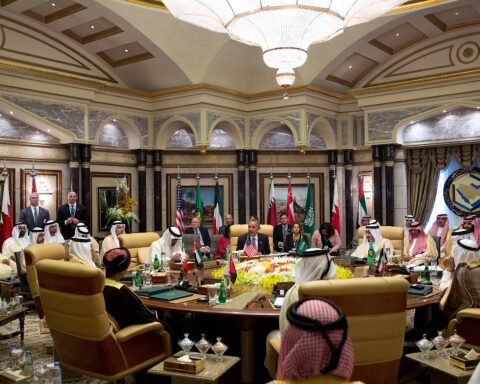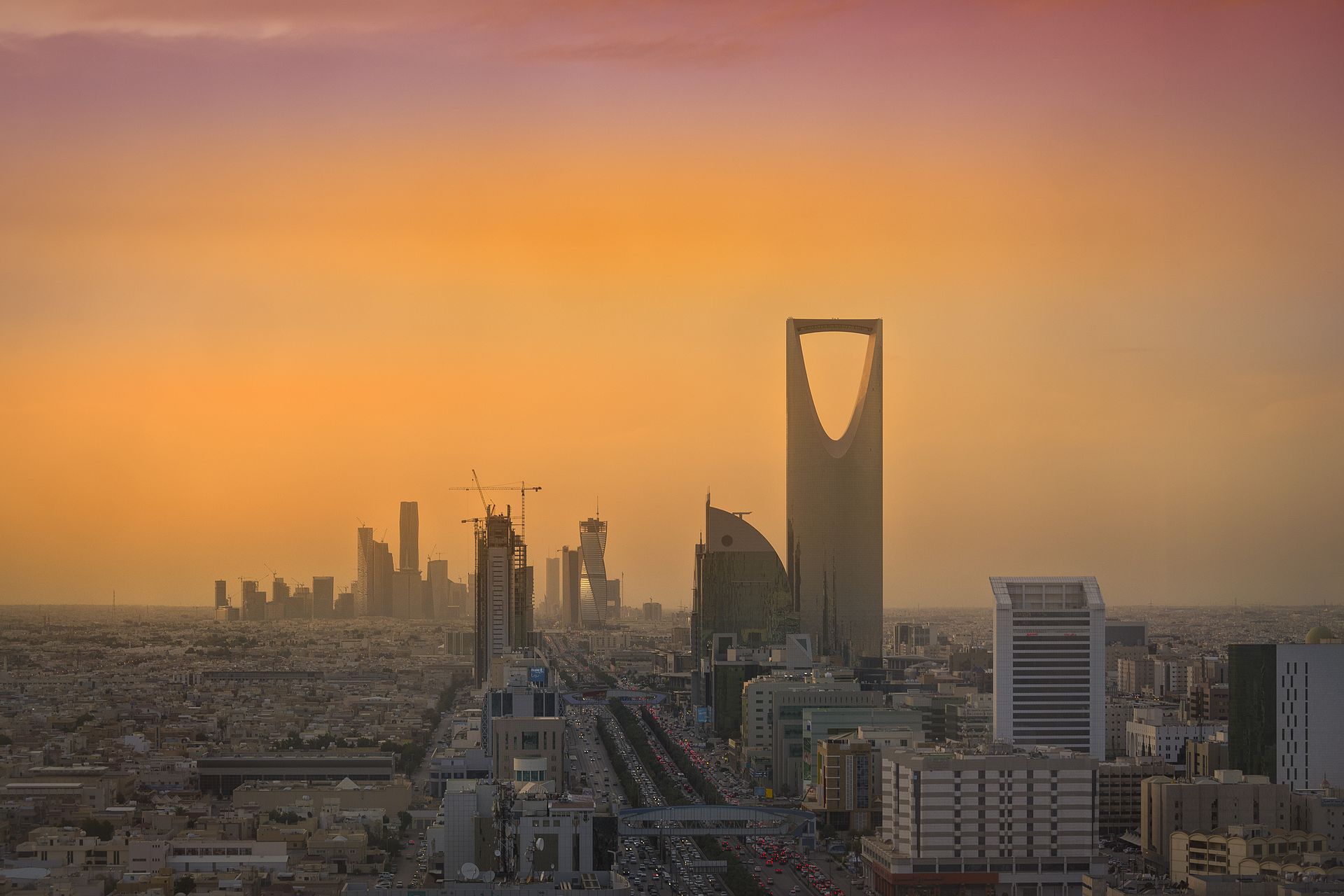

RIYADH — The conventional reading of the Iran war places Saudi Arabia among its victims. Houthi-launched ballistic missiles struck Riyadh and Jeddah. Foreign direct investment froze. Tourism revenues, the crown jewel of Vision 2030’s diversification agenda, collapsed by tens of billions of dollars. Tanker traffic through the Strait of Hormuz dropped 70 percent. And yet, when the shooting stops — whether in weeks or months — Crown Prince Mohammed bin Salman will emerge holding a hand that no amount of peacetime diplomacy could have dealt him. A binding US defense pact. A nuclear cooperation agreement with enrichment rights. A permanently weakened Iran whose supreme leader is dead and whose nuclear program lies in rubble. OPEC pricing power restored at over $100 per barrel. And a regional order in which every Gulf capital, from Kuwait City to Muscat, defers to Riyadh. The war has been costly. MBS has made sure it will be worth it.
This is not optimism. It is arithmetic. Across six dimensions of national power — military, economic, diplomatic, energy, nuclear, and regional — Saudi Arabia’s projected post-war position exceeds its pre-war baseline on every single metric. The damage is real but recoverable. The gains are structural and, in several cases, irreversible. What follows is an assessment of how the crown prince turned a crisis into a generational strategic windfall.
Table of Contents
- The War’s Costs Are Real but Finite
- The Strategic Logic of Controlled Suffering
- Why Is Washington Offering a Binding Defense Pact Now?
- The Nuclear Prize MBS Has Sought for a Decade
- What Does a Decapitated Iran Mean for Riyadh?
- OPEC Pricing Power, Restored by War
- Has the War Settled the Gulf Hierarchy?
- The Reconstruction Play Saudi Arabia Will Not Repeat
- Is Vision 2030 Damaged or Merely Delayed?
- The Post-War Leverage Matrix
- The China and Russia Card MBS Keeps in Reserve
- What Could Still Go Wrong?
- How MBS Will Shape the Peace
- Frequently Asked Questions
The War’s Costs Are Real but Finite
Dismissing the damage Saudi Arabia has absorbed would be dishonest. The Iran war has imposed material costs on the Kingdom that will take years to fully remediate. Physical infrastructure repair — struck sites in Riyadh, Jeddah, and the Eastern Province — runs into the low single-digit billions of dollars, a significant but manageable sum for a sovereign wealth fund with assets exceeding $900 billion.
The intangible costs cut deeper. Foreign direct investment, which had been flowing into NEOM, the Red Sea tourism corridor, and Riyadh’s emerging financial district, froze within days of the first missile strikes. Estimates place lost FDI commitments in the tens of billions. Tourism revenue losses over two to three years will likely reach $15 to $30 billion, erasing gains that took the General Entertainment Authority half a decade to build.
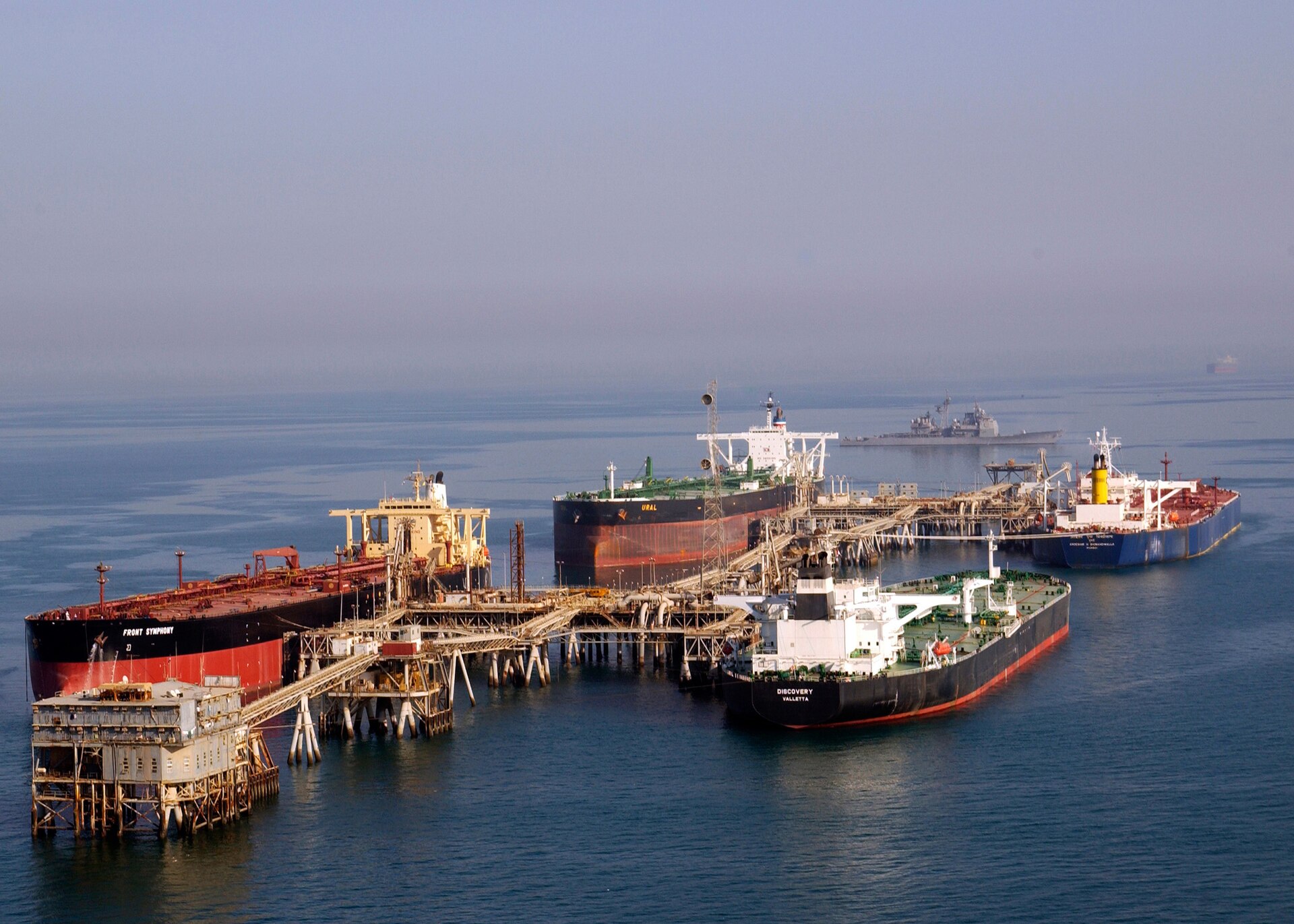
Maritime commerce has suffered acutely. War risk insurance premiums for vessels transiting the Strait of Hormuz surged from 0.125 percent to between 0.2 and 0.4 percent per transit. VLCC freight rates hit an all-time high of $423,736 per day — a figure that, while enriching tanker owners, raises the delivered cost of every barrel Saudi Arabia exports. Brent crude peaked at $126 per barrel before settling around $101, a price that generates enormous revenue but also signals a market in distress.
These numbers are not trivial. But they are bounded. Infrastructure can be rebuilt. Insurance premiums will normalize. Tourists will return — they returned to Dubai after the 2020 pandemic, to Egypt after the 2011 revolution, to Bali after the 2002 bombings. The question is not whether Saudi Arabia will recover from the war’s costs. It is whether the strategic assets MBS is extracting from the crisis exceed those costs. The evidence suggests they do, by a wide margin.
The Strategic Logic of Controlled Suffering
There is a pattern in MBS’s wartime behavior that only makes sense if you accept a premise most Western analysts resist: he wanted the United States to hit Iran, and hit it hard. The New York Times reported on March 16 that MBS was urging President Trump to “keep hitting Iran hard.” This was not the plea of a leader desperate to end the conflict. It was the counsel of a strategist who understood that every additional day of American strikes against Iranian military and nuclear infrastructure permanently degraded Riyadh’s most dangerous rival.
The crown prince’s calculus is cold but coherent. Saudi Arabia’s physical losses from the war are recoverable in three to five years. Iran’s losses — Supreme Leader Khamenei killed, its nuclear centrifuge cascades destroyed, its ballistic missile production facilities cratered, its proxy networks disrupted — will take a generation to reconstitute, if reconstitution is even possible under Mojtaba Khamenei’s untested leadership.
This asymmetry is the heart of MBS’s strategy. He absorbed short-term pain to inflict — through American military power — long-term structural damage on the one state that could threaten Saudi Arabia’s regional primacy. And he extracted a price from Washington for the privilege of using Saudi bases and airspace to do it.
The decision to open King Fahd Air Base to US forces was not an act of passive compliance. It was a transaction. American aircraft flying from Saudi soil meant American dependence on Saudi cooperation, which meant American willingness to pay in currency MBS actually values: security guarantees, nuclear technology, and arms deliveries that had been stalled or conditioned for years.
Every war produces winners who did not fire a shot. In this war, the winner who fired no shots is also the one writing the terms of the peace.
Senior Gulf diplomatic source, speaking on condition of anonymity
Why Is Washington Offering a Binding Defense Pact Now?
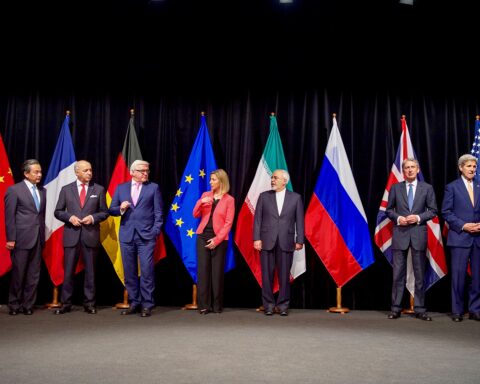
For decades, the US-Saudi security relationship rested on an implicit bargain: oil for protection. The arrangement was never codified in a mutual defense treaty. Saudi Arabia was not a NATO ally, not a Major Non-NATO Ally in the formal sense that mattered, not covered by anything resembling the Article 5 guarantee that underpins European security. American presidents could — and did — recalibrate the relationship at will. Barack Obama pivoted to Iran with the JCPOA. Joe Biden called Saudi Arabia a “pariah.” The implicit bargain was, by definition, unreliable.
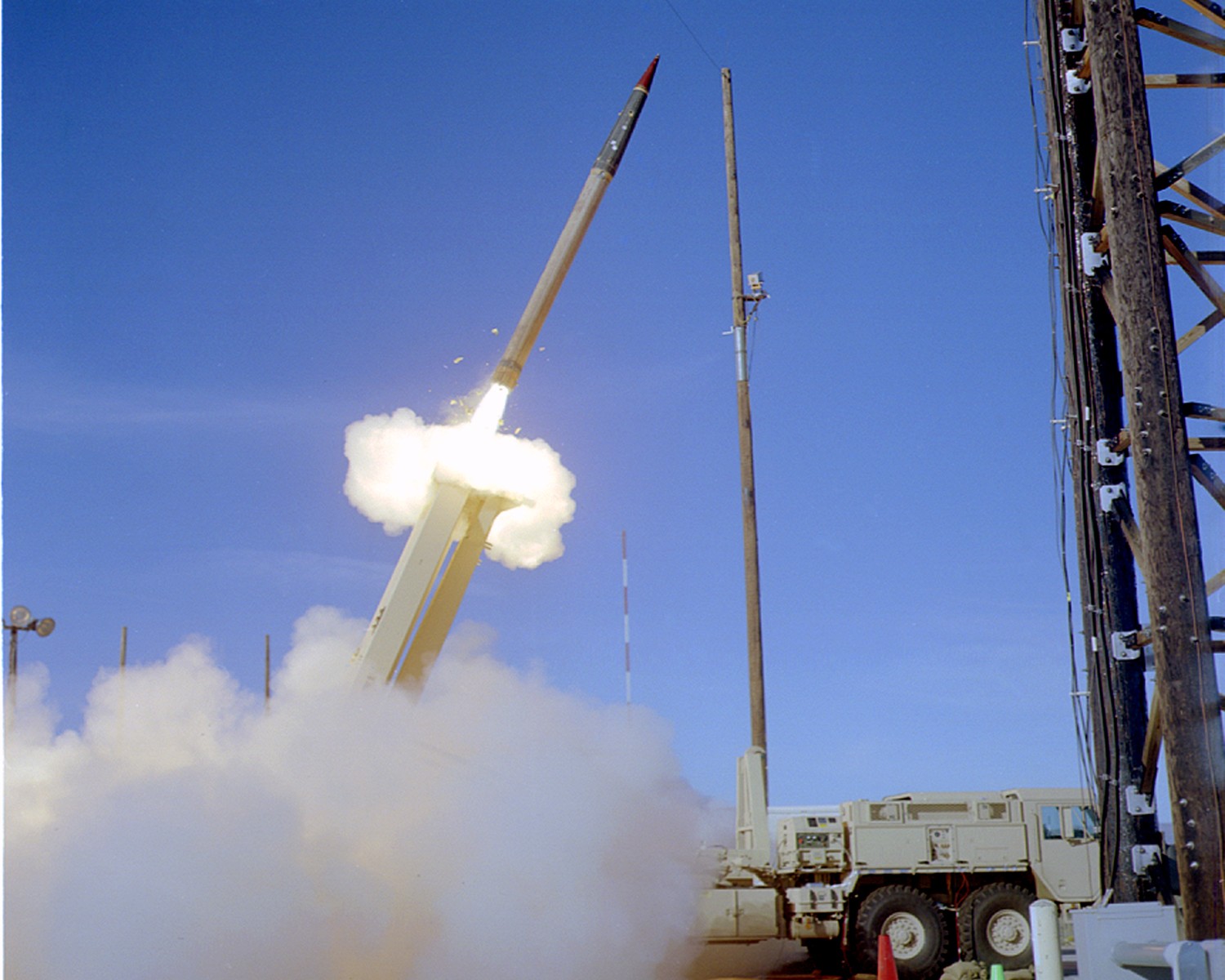
The war changed the equation. With American jets flying from Saudi bases, American Patriot and THAAD batteries defending Saudi cities, and American naval assets operating from Saudi ports, the de facto alliance became impossible to deny. And MBS, understanding that wartime dependencies create diplomatic openings that peacetime never offers, pushed for what Riyadh had sought for a generation: a binding, treaty-level defense commitment.
The Stimson Center’s analysis of Saudi nuclear ambitions identifies the core driver as eroding US security guarantees — not merely Iran’s nuclear program. This framing is critical. MBS has always understood that a formal defense pact would do more to secure Saudi Arabia’s long-term position than any weapons purchase. Weapons can be embargoed, delayed, conditioned. A treaty obligation, ratified by the US Senate, creates a structural commitment that survives changes in administration.
Washington’s willingness to discuss such a pact now — after years of deflection — reflects a simple reality. The United States needs Saudi cooperation to sustain its Iran campaign, to stabilize oil markets, and to prevent Riyadh from deepening its relationships with Beijing and Moscow. MBS has made clear, through actions rather than words, that cooperation has a price. The defense pact is that price.
The Nuclear Prize MBS Has Sought for a Decade
The proposed Section 123 agreement between the United States and Saudi Arabia would permit uranium enrichment on Saudi soil. In the taxonomy of nuclear diplomacy, this is not a minor concession. It is the single most sensitive capability that a nuclear cooperation agreement can authorize. The so-called “gold standard” template — used with the UAE in 2009 — explicitly prohibits enrichment and reprocessing. What MBS is negotiating goes beyond the gold standard. It matches the terms extended to no other Middle Eastern state except Israel, which operates outside the Non-Proliferation Treaty entirely.
Senator Ed Markey and several colleagues have publicly demanded that the Trump administration deny enrichment access to Saudi Arabia. Their objections are technically sound: enrichment capability is the threshold technology for a weapons program. But their political position is weak, for a reason the war has made self-evident. Iran’s nuclear program is in ruins. The argument that Saudi enrichment would trigger a regional arms race has lost its most compelling case study.
MBS laid the groundwork for this moment years ago. In 2018, he told CBS News that Saudi Arabia would develop nuclear weapons if Iran did. He repeated the position in 2023. These were not idle threats. They were calibrated signals designed to establish a credible baseline: deny us the civilian path, and we will pursue the military one. The destruction of Iran’s nuclear infrastructure during the war has not eliminated this logic. It has refined it. MBS can now argue that Saudi enrichment, under IAEA safeguards, fills a vacuum — it does not create a competition.
The domestic rationale is equally compelling. Saudi Arabia’s non-oil economy now represents 55 percent of real GDP. Sustaining that diversification requires massive baseload electricity generation — for desalination, for industrial cities, for data centers serving the AI ambitions that MBS has placed at the center of Vision 2030’s next phase. Nuclear power, with domestic fuel-cycle capability, addresses an energy security imperative that solar and gas alone cannot meet.
If the 123 agreement proceeds with enrichment rights, it will represent the single most consequential nuclear diplomacy outcome in the Middle East since the JCPOA. And unlike the JCPOA, it will benefit a US ally rather than constrain an adversary. MBS understood before the war that this deal was possible. The war made it inevitable.
What Does a Decapitated Iran Mean for Riyadh?
The killing of Supreme Leader Ali Khamenei and the subsequent elevation of his son Mojtaba to the supreme leadership represent the most significant disruption to the Iranian state since the 1979 revolution. Mojtaba Khamenei inherits a country whose nuclear program has been physically destroyed, whose conventional military has been degraded by weeks of American strikes, and whose proxy networks — Hezbollah, the Houthis, Iraqi militias — are operating without the coordinated command structure that the Quds Force provided under Qasem Soleimani’s successors.
For Saudi Arabia, the implications are structural, not merely tactical. The Iranian threat matrix that drove Saudi defense spending, shaped its diplomatic calculations, and constrained its regional ambitions has been fundamentally altered. Iran will remain a large, proud, historically significant state. But the Iran that MBS will face after the war is not the Iran that threatened Abqaiq in 2019, armed the Houthis with precision-guided munitions, and maintained a latent nuclear breakout capability measured in weeks.
The new Iran is led by an untested figure with questionable legitimacy among the IRGC rank and file. Its nuclear timeline has been reset by years, possibly a decade. Its ability to project power through proxies depends on reconstituting supply lines that American and Israeli strikes have severed. Its economy, already crippled by sanctions, faces reconstruction costs that dwarf Saudi Arabia’s.
This degradation creates strategic space that Saudi Arabia has not enjoyed since before the Islamic Revolution. Riyadh can now engage with Baghdad, Beirut, Damascus, and Sana’a from a position of relative strength rather than competitive vulnerability. The regional balance of power has shifted, and it has shifted toward the Gulf Arab states — with Saudi Arabia at their center.
MBS expelled the Iranian military attache and four staff members from the Kingdom on March 21. The timing was not accidental. It was a signal — to Tehran, to Washington, to the region — that Riyadh intends to consolidate its gains, not return to the pre-war status quo of cautious engagement.
OPEC Pricing Power, Restored by War
Before the war, OPEC+ was engaged in a delicate balancing act. Production cuts were necessary to support prices, but compliance was uneven, and the threat of US shale production capping any sustained rally limited the cartel’s pricing power. Brent crude traded in the $70 to $85 range for most of 2025 — above Saudi Arabia’s fiscal breakeven of approximately $80 per barrel, but without margin for the ambitious spending programs that Vision 2030 demands.
The war reset the energy market in Riyadh’s favor. Brent peaked at $126 and has settled around $101 — a price that generates roughly $20 per barrel above fiscal breakeven, translating to tens of billions of dollars in additional annual revenue. OPEC+ boosted output by 206,000 barrels per day for April 2026, and Aramco raised Asian crude prices to their highest level in over a year. Saudi Arabia is simultaneously producing more oil and selling it at higher prices — the combination that every petro-state dreams of but rarely achieves.
The 70 percent drop in tanker traffic through the Strait of Hormuz has created a structural supply constraint that will persist well beyond any ceasefire. Rebuilding shipping confidence, resetting insurance premiums, and restoring port logistics will take months. During that period, every barrel that does reach market commands a premium, and Saudi Arabia — with pipeline access to the Red Sea via the East-West Pipeline and to the Gulf via its Eastern Province terminals — has more routing flexibility than any other producer.

The deeper shift is geopolitical. The war demonstrated, with painful clarity, what happens when Gulf oil supply is disrupted. VLCC freight rates at $423,736 per day are not an abstraction. They are a tax on every economy that imports oil by sea — which is to say, every major economy on earth. This demonstration effect strengthens OPEC’s hand in every future negotiation with consuming nations, international energy agencies, and climate policymakers who had been counting on a managed decline in fossil fuel demand to marginalize the cartel.
MBS has always argued that the energy transition will take longer than Western optimists believe, and that oil will remain strategically vital through mid-century. The war has provided the most compelling evidence for that position since the 1973 embargo. It has also reminded every world leader that Saudi Arabia’s cooperation is not optional — it is essential to global economic stability.
Has the War Settled the Gulf Hierarchy?
The phone logs tell the story. Kuwait’s Crown Prince called MBS on March 6 — the same day that UK Prime Minister Keir Starmer called MBS, pledging fighters, helicopters, and a destroyer to Gulf defense. Pakistan’s Prime Minister Shehbaz Sharif flew to Jeddah on March 12 for a personal audience. The pattern is unmistakable: in a crisis, the region’s leaders call Riyadh first.
The pre-war Gulf was characterized by a degree of multipolarity that, while modest by global standards, created space for alternative power centers. The UAE positioned itself as a commercial and diplomatic hub independent of Saudi preferences. Qatar maintained its own foreign policy through Al Jazeera, its mediation portfolio, and its relationship with Turkey and Iran. Oman played the quiet intermediary. Bahrain and Kuwait deferred to Riyadh but retained residual autonomy on specific issues.
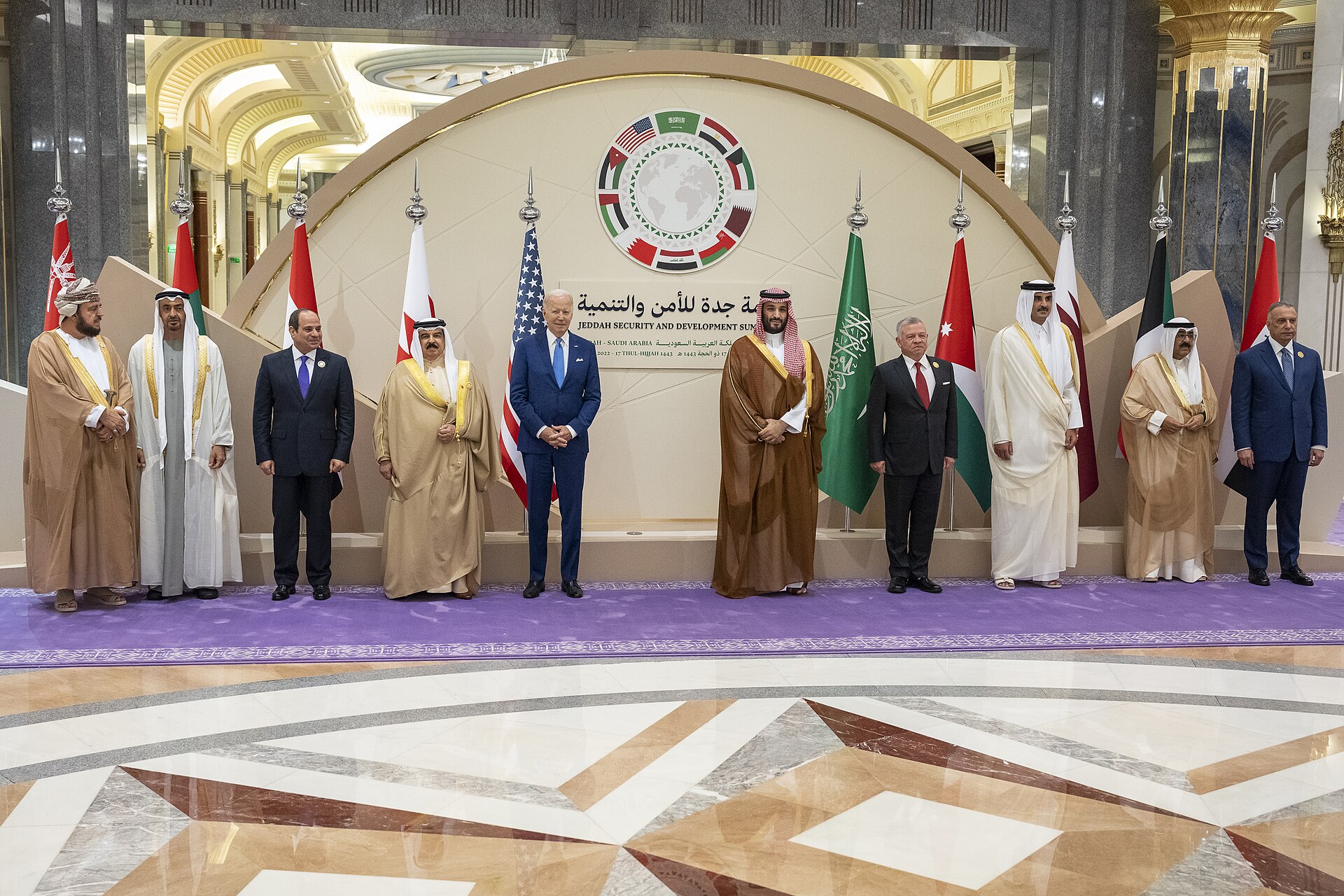
The war has compressed this hierarchy. When missiles are incoming, commercial branding and diplomatic independence become secondary to collective defense. The GCC’s smaller members have discovered — or been reminded — that Saudi Arabia’s military infrastructure, its THAAD and Patriot batteries, its air force, and its ability to host American forces are not interchangeable assets. No other Gulf state can provide the defense architecture that the war demanded. And that military centrality translates directly into political centrality in the post-war order.
The UAE will remain a significant player. But Abu Dhabi’s wartime role was supplementary to Riyadh’s, not equivalent. Qatar’s mediation ambitions, while valuable, depend on access and relationships that the war has complicated. Oman’s neutrality, a peacetime asset, became a wartime liability. The post-war Gulf Cooperation Council will be more hierarchical than the pre-war version, and the hierarchy runs through the crown prince’s office in Riyadh.
The Reconstruction Play Saudi Arabia Will Not Repeat
The 1991 parallel is instructive — as a cautionary tale. Kuwait’s post-liberation reconstruction cost between $30 and $50 billion in 1991 dollars, equivalent to roughly $116 billion adjusted for inflation. Oil field restoration alone consumed $8 to $10 billion. Firefighting — extinguishing the 700 wells that Iraqi forces set ablaze — cost $1.5 billion. Kuwait followed a structured five-year recovery plan and, by most measures, succeeded in restoring its physical infrastructure.
But Kuwait missed the larger opportunity. The reconstruction period could have been used to restructure the Kuwaiti economy — to diversify away from oil dependence, to modernize governance, to build the institutions that would sustain growth beyond hydrocarbons. Instead, Kuwait rebuilt what it had before. Three decades later, the country remains almost entirely dependent on oil revenue, with a bloated public sector and a private economy that has never achieved the dynamism of the UAE or, increasingly, Saudi Arabia.
MBS has studied this history. The Saudi reconstruction strategy, as it emerges from wartime planning documents and ministerial statements, is not about restoration. It is about acceleration. Infrastructure that was damaged will be rebuilt to higher specifications, incorporating technologies and designs that were in the Vision 2030 pipeline but had not yet been funded or prioritized. The war provides political cover for spending decisions that might otherwise face bureaucratic resistance.
Consider the defense industrial base. Saudi Arabia’s war experience — relying on American-made Patriot interceptors that cost $4 million per shot to defend against missiles that cost $100,000 to produce — has created an unanswerable argument for domestic missile defense production. SAMI, the Saudi Arabian Military Industries conglomerate, and GAMI, the General Authority for Military Industries, will receive accelerated investment. The crown prince can point to wartime dependency on foreign suppliers as justification for the military-industrial transformation he had already planned.
The same logic applies to energy infrastructure hardening, cybersecurity, supply chain resilience, and strategic reserves. Each of these investments was already part of the Vision 2030 framework. The war has made them urgent rather than aspirational, politically unassailable rather than debatable.
Is Vision 2030 Damaged or Merely Delayed?
The pessimistic reading is straightforward. Vision 2030’s most visible pillars — tourism, entertainment, foreign investment, and megaproject construction — have all been disrupted by the war. NEOM’s timeline, already subject to skepticism, faces further delays. The Red Sea tourism corridor, which depends on perceptions of safety and stability, will need to rebuild its brand. Riyadh Season and Jeddah Season, the entertainment festivals that had become global events, were suspended during hostilities.
The optimistic reading requires looking at what the war has not damaged. The regulatory reforms — the new companies law, the investment law, the bankruptcy law, the capital markets reforms — remain in place. The institutional infrastructure — the Public Investment Fund, the National Development Fund, the Tourism Development Fund — is intact. The human capital investments — scholarships, training programs, the growing Saudi tech workforce — have not been reversed.
Most importantly, the revenue base is stronger. Oil at $101 per barrel generates substantially more fiscal capacity than oil at $78. And the non-oil economy, which reached 55 percent of real GDP before the war, demonstrated unexpected resilience during the conflict. E-commerce continued. Digital services grew. The financial sector remained stable. Vision 2030 was always designed as a 15-year transformation. A war that delays certain components by 18 to 24 months while simultaneously strengthening the fiscal position and strategic environment is, on balance, a disruption that the program can absorb.
The critical variable is FDI recovery. Foreign investors are rational actors who price risk. If the post-war settlement includes a binding US defense pact, a degraded Iranian threat, and stable oil prices above $90, the risk premium on Saudi investment will decline — potentially to levels below the pre-war baseline. A Saudi Arabia that is formally allied with the United States, nuclear-capable in the civilian sphere, and facing a weakened Iran is, by any rational assessment, a safer investment destination than a Saudi Arabia navigating an informal security relationship, a nuclear-armed Iran, and an unpredictable regional balance of power.
The Post-War Leverage Matrix
Saudi Arabia’s strategic position can be measured across six dimensions of national power, comparing the pre-war baseline in early 2026 with the projected post-war position. The results are unambiguous. On every dimension, MBS is positioned to exit the war stronger than he entered it.
| Dimension | Pre-War Baseline (Jan 2026) | Projected Post-War Position | Net Change |
|---|---|---|---|
| Military Security | Informal US protection; no treaty obligation; THAAD/Patriot deployed but conditional | Binding defense pact under negotiation; proven interoperability with US forces; expanded basing rights formalized | +3 |
| Economic Resilience | FDI growing but fragile; non-oil GDP at 55%; megaprojects on schedule | FDI paused but recoverable; oil revenue surge ($101/bbl vs $78 pre-war); reconstruction stimulus; stronger fiscal position | +1 |
| Diplomatic Weight | Significant but contested by UAE/Qatar; US relationship strained under Biden; China courtship ongoing | Undisputed Gulf leader; Washington dependent on Saudi cooperation; Beijing and Moscow seeking post-war access; UK/Pakistan/Kuwait deferring publicly | +3 |
| Energy & OPEC | OPEC+ managing cuts; Brent at $78-85; shale competition capping upside; Hormuz risk theoretical | Brent at $101; OPEC+ output rising; Aramco pricing power at multi-year high; Hormuz disruption demonstrated Saudi routing flexibility | +2 |
| Nuclear Capability | No 123 agreement; gold-standard restrictions assumed; enrichment off the table | 123 agreement with enrichment rights under active negotiation; Iran’s nuclear destruction removes political objection; civilian nuclear program accelerated | +4 |
| Regional Primacy | Iran as peer competitor; Hezbollah/Houthi proxies threatening Saudi borders; Iraq and Lebanon contested theaters | Iran decapitated and degraded; proxies disrupted; regional states aligning with Riyadh; Saudi defense centrality in GCC proven | +4 |
The scoring uses a -5 to +5 scale, where 0 represents no change from pre-war baseline. The aggregate shift of +17 across six dimensions is historically unusual. Comparable post-war gains — where a belligerent or aligned state exits a conflict significantly stronger across multiple domains — occurred for the United States after 1991 (Gulf War), for Israel after 1967, and for Saudi Arabia itself after 1973 when the oil embargo permanently elevated the Kingdom’s geopolitical weight.
The dimension registering the largest gain is nuclear capability, at +4. Before the war, a 123 agreement with enrichment rights was a Saudi aspiration that faced bipartisan opposition in the US Congress, skepticism from nonproliferation advocates, and the political obstacle of Iran’s existing nuclear program. The war eliminated the Iranian obstacle, created US dependence on Saudi cooperation that weakened Congressional opposition, and generated a security environment in which Saudi nuclear capability appears stabilizing rather than destabilizing.
Regional primacy, also at +4, reflects the comprehensive degradation of Iran’s ability to project power. This is not merely a military judgment. Iran’s economic weakness, leadership transition, and loss of nuclear infrastructure collectively reduce its capacity to compete with Saudi Arabia for regional influence in a way that no single factor could achieve in isolation.
The China and Russia Card MBS Keeps in Reserve
One of MBS’s most effective negotiating tools is one he has never fully played. Saudi Arabia’s relationships with China and Russia — deepened through OPEC+ coordination with Moscow and expanding economic ties with Beijing — serve as a permanent reminder to Washington that the US-Saudi relationship is not the only option available to Riyadh.
The Chatham House assessment that Saudi Arabia’s strategic goals rest on managing multipolarity captures MBS’s approach precisely. He is not seeking to replace the American alliance with a Chinese one. He is maintaining optionality that ensures Washington can never take Saudi cooperation for granted. This is the logic of transactional realism — the foreign policy framework that has replaced the Kingdom’s Cold War-era mono-alignment with the United States.
During the war, MBS cooperated with Washington fully. He opened bases, shared intelligence, tolerated the presence of tens of thousands of additional American military personnel, and absorbed missile strikes without escalating unilaterally. This cooperation was genuine. But it was also expensive, and MBS will present the bill.
If Washington fails to deliver on the defense pact, the nuclear agreement, or accelerated arms transfers, the China card remains available. Beijing has already indicated willingness to participate in Gulf reconstruction. Chinese infrastructure firms, telecommunications companies, and weapons manufacturers stand ready to fill gaps that American suppliers leave open. Russia, weakened by its own Ukraine entanglement, is less significant as an alternative partner — but Russian weapons systems, particularly the S-400 air defense platform, remain a credible procurement option that Washington does not want deployed alongside American systems.
MBS does not need to execute the China pivot. He merely needs Washington to believe it is possible. The war has strengthened this position by demonstrating that Saudi Arabia is willing to bear real costs for the American alliance — which, paradoxically, makes the threat to seek alternatives more credible, not less. A partner who has sacrificed deserves compensation. A partner who is denied compensation has justification for looking elsewhere.
What Could Still Go Wrong?
The preceding analysis is not a prediction of inevitable success. It is an assessment of positioning, and positions can be squandered. Several risks could prevent MBS from converting wartime advantages into lasting strategic gains.
The Defense Pact Stalls in the Senate
A binding US-Saudi defense treaty requires a two-thirds Senate vote for ratification. The same Congressional dynamics that blocked arms sales during the Yemen war — a coalition of progressive Democrats and libertarian Republicans — could obstruct ratification. Senator Markey’s opposition to the nuclear agreement signals that the nonproliferation caucus will fight. If the defense pact is reduced to an executive agreement rather than a treaty, its durability across administrations diminishes significantly.
Iran’s Successor Regime Proves More Dangerous
The assumption that Mojtaba Khamenei’s Iran will be weaker than his father’s may prove incorrect. Historically, wounded states sometimes become more aggressive, not less. A cornered IRGC leadership with nothing to lose could pursue asymmetric escalation — terrorism, cyberattacks, proxy activation — that imposes costs disproportionate to Iran’s conventional weakness. The 1979 hostage crisis and the 1983 Beirut barracks bombing both demonstrated Iran’s capacity for strategic surprises.
Oil Prices Collapse Before Reconstruction Completes
If the war ends quickly and Hormuz shipping normalizes faster than expected, Brent could retreat to the $70s within months. At those prices, Saudi Arabia’s fiscal position tightens, reconstruction spending competes with Vision 2030 commitments, and the revenue surge that currently underwrites MBS’s strategic ambitions evaporates.
FDI Never Fully Recovers
War damage to Saudi Arabia’s investment brand may prove stickier than the physical damage to its infrastructure. International investors have alternatives — the UAE, India, Southeast Asia — that did not experience missile strikes. If the risk premium on Saudi investment fails to normalize within two to three years, the long-term economic diversification project suffers a setback that oil revenue alone cannot compensate.
The April 9 Deadline Passes Without Resolution
If ceasefire negotiations collapse and the war escalates or becomes protracted, the cost-benefit analysis shifts. Extended conflict raises physical damage, deepens FDI flight, and risks the kind of strategic exhaustion that transforms temporary setbacks into permanent losses. MBS’s calculus depends on the war ending in a timeframe that preserves the gains without compounding the costs. A war that drags into summer changes the math.
The difference between a strategist and a gambler is that the strategist knows when to stop. MBS has positioned Saudi Arabia to win. The remaining question is whether he knows when to collect.
Former senior US intelligence official with Gulf portfolio
How MBS Will Shape the Peace
The endgame is already visible in outline. Saudi Arabia’s peace deal positioning follows a template familiar from the Kingdom’s diplomatic history: work through Washington, extract bilateral concessions, and present the result as regional statesmanship.
MBS will insist on several conditions for any ceasefire or peace settlement. The nuclear agreement must proceed with enrichment rights intact. The defense pact must be formalized before Saudi Arabia endorses a cessation of hostilities — not after, when American urgency to finalize the arrangement will diminish. Arms deliveries, including advanced F-35 discussions that were previously blocked, must be accelerated. And the post-war regional security architecture must recognize Saudi Arabia’s central role, formalized through an expanded GCC defense framework with Riyadh as the hub.
On Iran itself, MBS’s position is likely to be harder than Washington’s. The crown prince has no interest in a rehabilitated Iran that re-enters the regional competition within a few years. He will push for sustained sanctions pressure, restrictions on Iranian missile development, and conditions on nuclear reconstruction that effectively prevent Iran from rebuilding what the war destroyed. This puts Riyadh somewhat at odds with a Trump administration that may prefer a quick deal over a comprehensive one — but MBS has accumulated enough wartime credit to push back.
The reconstruction of Saudi Arabia’s own damaged infrastructure will be structured not as a recovery program but as a stimulus package — the wartime equivalent of a New Deal. Contracts will be directed toward Saudi firms and preferred international partners, deepening economic relationships that serve diplomatic purposes. Countries that supported Saudi Arabia during the war — the UK, Pakistan, Kuwait, South Korea — will receive preferential access. Countries that hedged will not.
The House of Saud has survived regional wars before — in 1973, in 1991, in the long proxy conflicts of the 2010s and 2020s. But no previous conflict has offered a Saudi leader the combination of strategic advantages that this war has created for MBS. A weakened Iran. A dependent America. A unified Gulf. An energy market that validates the Kingdom’s central economic asset. And a nuclear pathway that was politically impossible six months ago.
The crown prince did not start this war. He may not have wanted it. But he recognized, faster than any other leader in the region, that a war you cannot prevent is a war you must win — not on the battlefield, where others are fighting, but at the negotiating table, where the real prizes are distributed. The costs are real. The gains are larger. And the peace, when it comes, will bear MBS’s fingerprints on every page.
The war has not yet ended. The costs are still accumulating. The Pentagon has already spent $16.5 billion by day 12 and requested an additional $200 billion. But in Riyadh, the accounting looks different. MBS is not counting what the war has cost Saudi Arabia. He is counting what the war will deliver. And by that measure — the only one that matters to a leader playing a generational game — the crown prince has already won.
Frequently Asked Questions
How has the Iran war affected Saudi Arabia’s economy?
The war has imposed real but manageable costs. Physical infrastructure damage runs in the low single-digit billions. Lost FDI is estimated in the tens of billions, and tourism revenue losses may reach $15 to $30 billion over two to three years. However, oil prices surging from around $78 to $101 per barrel have generated additional tens of billions in revenue, more than offsetting direct war costs in fiscal terms.
What is the proposed US-Saudi nuclear deal?
The United States and Saudi Arabia are negotiating a Section 123 nuclear cooperation agreement that would permit uranium enrichment on Saudi soil — a capability previously denied to all Middle Eastern US partners except Israel. The deal would enable Saudi Arabia to build a civilian nuclear power program with domestic fuel-cycle capability, supporting Vision 2030’s energy diversification goals while establishing a latent nuclear capability that deters future threats.
Why is a binding US-Saudi defense pact significant?
For decades, US-Saudi security cooperation rested on informal understandings rather than treaty obligations. A binding defense pact, ratified by the Senate, would commit the United States to Saudi Arabia’s defense in a manner comparable to NATO’s Article 5. This would give Riyadh the security guarantee it has sought for a generation — one that survives changes in presidential administration and cannot be revoked unilaterally.
How does Iran’s leadership change affect the regional balance?
The killing of Supreme Leader Ali Khamenei and the elevation of his son Mojtaba to the supreme leadership represents the most significant disruption to the Iranian state since 1979. Mojtaba inherits a degraded military, destroyed nuclear facilities, disrupted proxy networks, and a sanctioned economy. This reduces Iran’s capacity to compete with Saudi Arabia for regional influence by years, possibly a decade.
Will Vision 2030 survive the war?
Vision 2030’s institutional and regulatory infrastructure remains intact. While tourism, entertainment, and certain megaprojects face 18 to 24 months of delay, the program’s fiscal position is stronger due to elevated oil prices. If the post-war settlement includes a US defense pact and a degraded Iranian threat, the risk premium on Saudi investment may actually decline below pre-war levels, accelerating FDI recovery.
What is Saudi Arabia’s oil fiscal breakeven price?
Saudi Arabia requires oil prices of approximately $80 per barrel to balance its government budget. With Brent crude currently trading around $101 per barrel, the Kingdom is generating roughly $20 per barrel above breakeven — translating to substantial additional annual revenue that funds both wartime costs and continued Vision 2030 investment.
How does MBS’s wartime strategy compare to Kuwait after 1991?
Kuwait’s post-liberation reconstruction cost $30 to $50 billion in 1991 dollars but failed to use the crisis as a catalyst for economic restructuring. MBS appears determined to avoid this mistake, using wartime damage as justification for accelerated defense industrialization, infrastructure modernization, and economic reforms that were already planned but lacked political urgency. The Saudi approach treats reconstruction as stimulus, not restoration.