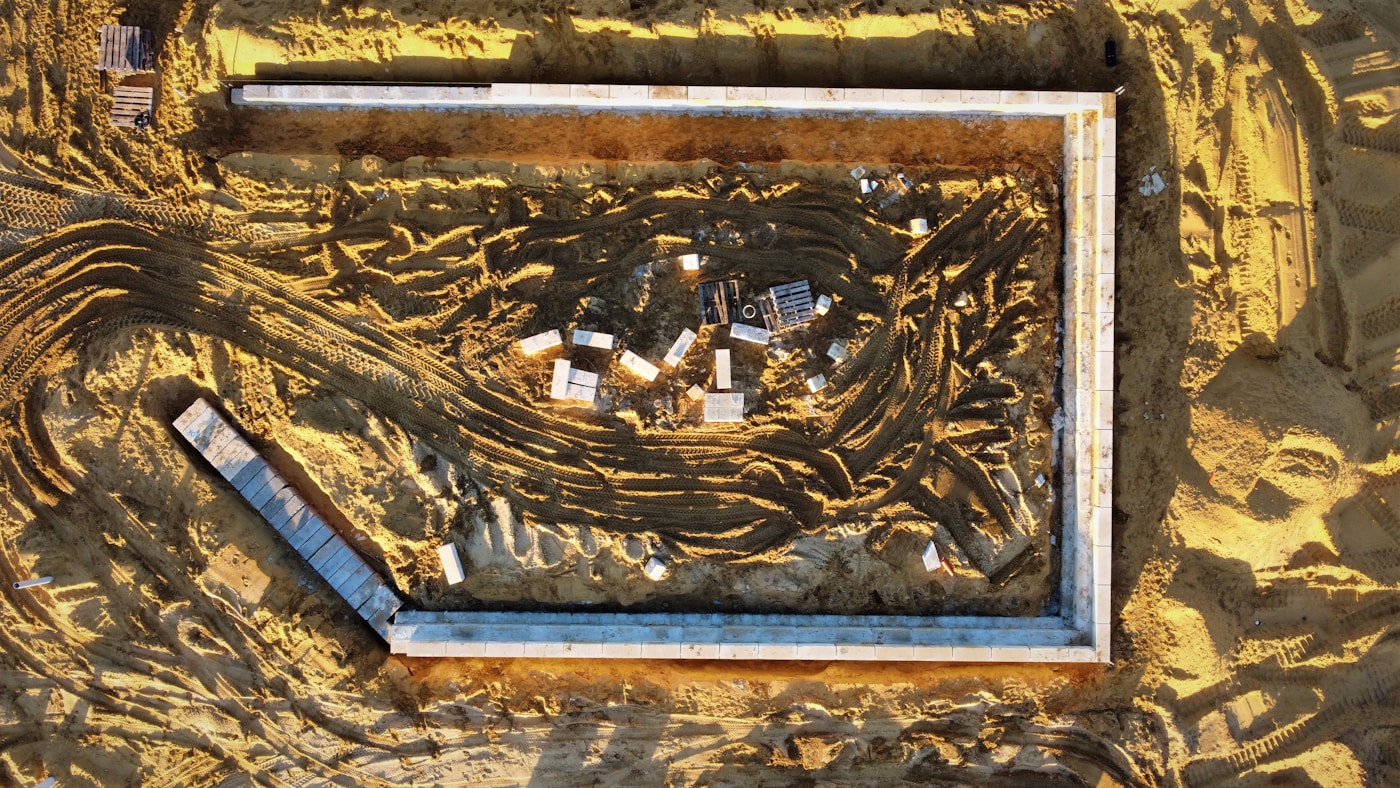

RIYADH — Saudi Arabia has quietly dismantled its most ambitious megaproject, breaking NEOM into at least five separate entities managed by different state bodies, cancelling a $1 billion tunnel contract at the heart of The Line, and redirecting the Public Investment Fund toward artificial intelligence, mining, and advanced manufacturing. The restructuring, which accelerated through January and March 2026, marks the most significant recalibration of Crown Prince Mohammed bin Salman‘s Vision 2030 since its launch a decade ago. Far from a retreat, the moves reveal a Saudi leadership that learned to distinguish between ambition and delusion — and chose discipline over spectacle at the precise moment when a regional war made the cost of fantasy impossible to ignore.
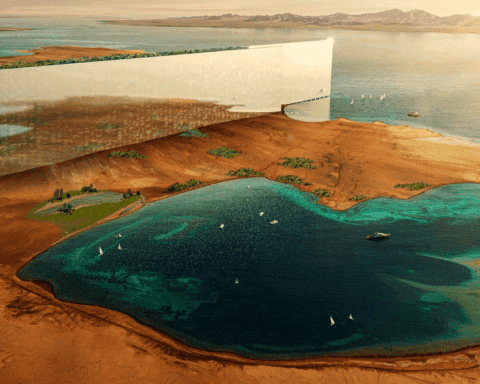
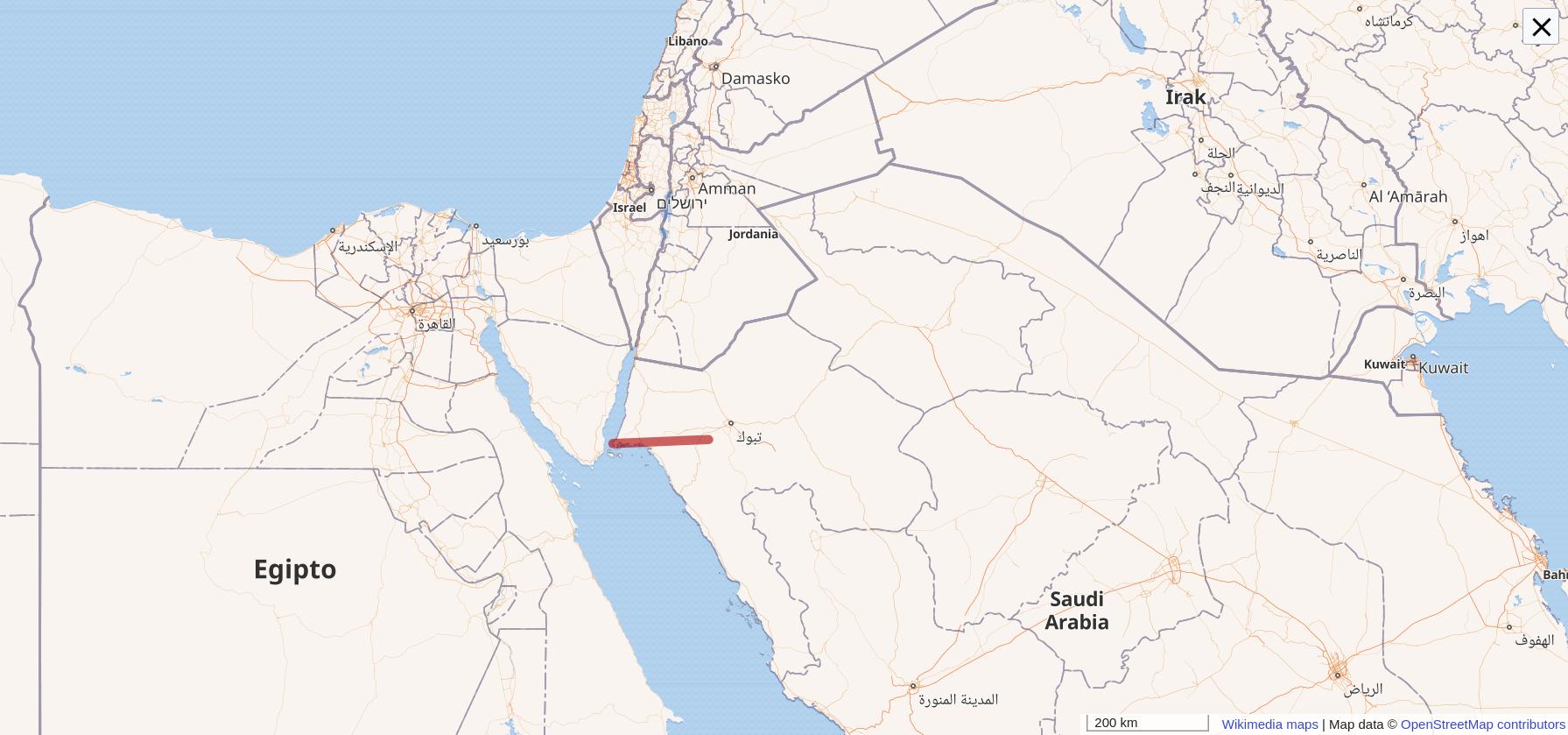
The conventional narrative holds that NEOM failed. The reality is more interesting. NEOM was never a single project — it was a branding exercise stretched across radically different ventures, from a 170-kilometre mirror-clad city to a floating industrial port to a mountain ski resort. What Crown Prince Mohammed bin Salman has done is not kill NEOM but rather free its viable components from the deadweight of its impossible ones. The question is whether the restructured Vision 2030 can deliver what the original could not: actual returns on invested capital.
Table of Contents
- What Happened to NEOM?
- Why Did Saudi Arabia Cancel The Line’s $1 Billion Tunnel?
- The Great Unbundling: Where Each NEOM Component Landed
- Did the Iran War Kill Vision 2030?
- How Much Has the PIF Cut From Megaproject Budgets?
- The Megaproject Survival Matrix
- What Is Replacing NEOM as Saudi Arabia’s Growth Engine?
- The Projects That Survived and What They Reveal
- Riyadh’s Rise as the Real Vision 2030 Success
- Who Wins and Who Loses From the Restructuring?
- The Contrarian Case: Breaking Up NEOM Was Always the Right Decision
- Frequently Asked Questions
What Happened to NEOM?
NEOM, the $500 billion futuristic megacity announced in 2017, has been fundamentally restructured. Saudi Arabia is transferring its component projects to specialised state entities, cancelling construction contracts, cutting budgets by up to 60 percent, and redefining the project from a unified megacity into a distributed portfolio of independent ventures. Only 2.4 kilometres of The Line — originally planned at 170 kilometres — will be completed by 2030, and construction was formally paused in late 2025 while Riyadh sought a less capital-intensive approach.
The restructuring is not a sudden reaction to the Iran war that erupted on 28 February 2026. It began in earnest at a PIF board meeting in December 2024, where the fund approved spending reductions of at least 20 percent — and in some cases 60 percent — across more than 100 portfolio companies. An internal audit that surfaced in the Wall Street Journal projected NEOM’s total costs at $8.8 trillion with a completion timeline stretching to 2080. Those numbers made the project, as originally conceived, an impossibility regardless of war or peace.
Khalid Al Falih, Saudi Arabia’s former investment minister, confirmed in early 2026 that NEOM and The Line had been pushed down the PIF’s priority hierarchy. The state is diverting capital toward projects with clearer returns: construction for the 2034 World Cup, preparations for Expo 2030 in Riyadh, and infrastructure investments in artificial intelligence, mining, logistics, and advanced manufacturing. The PIF recorded an $8 billion write-down on its giga-projects — a financial acknowledgment that the original Vision 2030 megaproject pipeline was mispriced from inception.
Why Did Saudi Arabia Cancel The Line’s $1 Billion Tunnel?
On 12 March 2026, South Korea-listed Hyundai Engineering & Construction disclosed that NEOM had formally terminated a June 2022 contract for a 12.5-kilometre underground tunnel beneath The Line. The tunnel, worth approximately $1 billion, was awarded to a consortium of Samsung C&T, Hyundai E&C, and Greek firm Archirodon. It was designed to carry critical transportation infrastructure — highways, a metro system, and freight rail — beneath the mirrored facades of the world’s most expensive construction project. Hyundai’s share alone was valued at approximately $540 million.
The Middle East briefing 3,000+ readers start their day with.
One email. Every weekday morning. Free.
“The contract termination is due to the client’s business restructuring,” Hyundai said in its stock exchange filing. Settlement for work already completed had been finalised. The company did not disclose the financial terms of the settlement.
The tunnel cancellation was not an isolated event. It followed the termination of multiple contracts across NEOM’s sub-projects throughout 2025 and early 2026, as the PIF moved from aspirational spending toward capital discipline. International contractors who had built entire Middle East divisions around NEOM-related work found themselves exposed to cancellation risk. According to MEED, the project tracker, at least seven major contracts were either terminated, renegotiated, or placed on indefinite hold between September 2025 and March 2026.
The tunnel was particularly significant because it represented the core infrastructure that made The Line function as an urban concept. Without underground logistics, the 170-kilometre structure had no mechanism for moving people, goods, or services along its length. The cancellation confirmed what industry analysts had suspected: The Line as a residential and commercial city is effectively dead. What remains is a far smaller demonstration project — a technology showcase rather than a functional metropolis.
The Great Unbundling: Where Each NEOM Component Landed
NEOM was never a single project with a single purpose. It was an umbrella brand covering at least six distinct ventures, each with different economics, different construction timelines, and different viability profiles. The restructuring, first reported by AGBI in January 2026, assigned each component to a state entity with relevant domain expertise — a tacit admission that a single management structure could not execute projects spanning artificial intelligence, maritime logistics, luxury tourism, and winter sports simultaneously.
| Component | Description | New Owner | Rationale | Status (March 2026) |
|---|---|---|---|---|
| Oxagon | Floating industrial port and manufacturing zone | Saudi Aramco | Aramco has deep-water engineering and industrial expertise | Partially built; operational target revised |
| Trojena | Mountain ski resort and outdoor tourism | Ministry of Sport / Qiddiya Investment Co. | Sports and entertainment mandate aligns with Qiddiya’s existing portfolio | 2029 Asian Winter Games postponed; standalone winter sports events planned |
| Sindalah | Island resort and yachting centre | Red Sea Global | Red Sea Global already operates adjacent luxury resort infrastructure | Most construction-complete of all NEOM sub-projects |
| The Line | 170 km linear city with mirrored facades | NEOM (retained, but dramatically scaled) | Showcase/demonstration only; residential function abandoned | Construction paused; 2.4 km segment targeted by 2030 |
| NEOM Bay | Airport, administrative zone | NEOM (retained) | Required for any continued NEOM operations | Airport operational; terminal expansions delayed |
| NEOM Industrial City | Green hydrogen and renewable manufacturing | Saudi Aramco / ACWA Power | Energy transition aligns with Aramco’s mandate | Hydrogen facilities advancing; tied to NEOM Green Hydrogen Company JV |
The logic behind each transfer reveals what the Saudi leadership now believes about the role of the state: specialise, don’t centralise. Aramco has the engineering bench to manage a deep-water industrial port; Qiddiya knows how to build entertainment venues; Red Sea Global already runs luxury island resorts. NEOM’s original management team, led by CEO Nadhmi Al-Nasr, had attempted to do all of these things at once — and was, by every measurable standard, failing to deliver on timeline, on budget, or on scope.
According to a detailed status assessment conducted in February 2026, Oxagon was the only NEOM component with significant physical construction progress. Sindalah was largely built. The Line existed primarily as excavation and foundation work. Trojena had barely broken ground. NEOM Bay’s airport was functional but undersized for the traffic NEOM had originally projected.
Did the Iran War Kill Vision 2030?
The Iran war did not kill Vision 2030. The restructuring that transformed NEOM began months before the first Iranian missile struck Saudi territory on 1 March 2026. What the war did was eliminate the political space for denial. Before the conflict, NEOM’s defenders could still argue that the project merely needed more time, more money, more patience. After Iranian drones began striking Gulf energy infrastructure daily — costing the Gulf economies more in seventeen days than the entire Covid pandemic — the argument for pouring hundreds of billions into a showcase city in the desert became impossible to sustain publicly.
The war’s real contribution to Vision 2030’s evolution was fiscal. With Brent crude spiking above $126 per barrel after Iran closed the Strait of Hormuz, Saudi Arabia found itself simultaneously richer in spot revenue and poorer in long-term planning confidence. Insurance premiums for Gulf construction projects surged. International contractors pulled expatriate workers. FDI commitments that had been slow before the war froze entirely. The Middle East Insider reported that $840 billion in Vision 2030-linked investments were at risk as of 10 March 2026. The restructuring comes as Iran threatens to target tourist destinations worldwide, compounding the pressure on Saudi Arabia’s tourism-dependent diversification strategy.
The war also validated a concern that planners in Riyadh had harboured privately: concentration risk. NEOM placed an enormous share of the Kingdom’s development ambitions in a single geographic location in Tabuk province, near the Jordanian border. That location was never under direct Iranian missile threat — it sits far from the Gulf coast and the Eastern Province refineries that Iran has targeted. But the broader principle held: a nation under aerial bombardment cannot afford to have its economic future depend on a single megaproject. The war made MBS indispensable to Washington, but it also made the case for distributing Vision 2030’s bets across multiple sectors, multiple geographies, and multiple management structures.
How Much Has the PIF Cut From Megaproject Budgets?
The Public Investment Fund cut megaproject spending by between 20 and 60 percent across its portfolio of more than 100 companies at a board meeting in December 2024. The cuts affected over 50 development entities linked to giga-projects, triggering layoffs, contract renegotiations, and in several cases outright project cancellations. The PIF simultaneously recorded an $8 billion write-down on giga-project valuations — a rare public acknowledgment of impairment from a sovereign wealth fund that typically discloses little about its internal accounting.
| Project / Entity | Original Budget (est.) | Cut Range | Impact |
|---|---|---|---|
| NEOM (consolidated) | $500 billion (lifetime) | 40-60% | The Line paused; tunnel cancelled; components transferred |
| The Mukaab / New Murabba | $50 billion | Shelved | Entire project placed on indefinite hold |
| Qiddiya | $8 billion (Phase 1) | 20-30% | Timeline extended; phased delivery |
| Red Sea Global | $4.5 billion (Phase 1) | Minimal | Near completion; largely protected |
| Diriyah Gate | $20 billion | 20-25% | Scope narrowed; cultural core protected |
| King Salman Park | $23 billion | 15-20% | Core park protected; peripheral elements delayed |
| Jeddah Tower | $1.4 billion | Resumed | Construction restarted mid-2025 after multi-year freeze |
The cuts were not uniform. Projects nearing completion — Red Sea Global’s Shura Island resort, Sindalah, and the Riyadh Metro — received protection. Projects in early conceptual stages — The Mukaab cube, much of The Line, and several secondary NEOM ventures — bore the heaviest reductions. The pattern was rational: finish what you started, cut what you hadn’t begun, and redirect capital toward investments with shorter payback periods.
PIF Governor Yasir Al-Rumayyan articulated the new philosophy in a February 2026 briefing: the fund would pursue annualised returns of 7.5 to 8 percent, effectively repositioning a development-focused sovereign wealth fund as an institutional investor demanding commercial discipline. That target, modest by private equity standards but radical for a fund that had spent years writing blank cheques for architectural fantasies, signalled the end of the giga-project era as Saudi Arabia had known it.
The Megaproject Survival Matrix
Not all Vision 2030 projects were created equal. A framework for assessing which projects survive the restructuring and which do not emerges from four variables: construction completion percentage, revenue generation timeline, strategic alignment with the PIF’s new six-sector focus, and vulnerability to wartime disruption. Each variable scores from one to five, with five indicating the highest survival probability.
| Project | Completion % | Revenue Timeline | Strategic Alignment | War Resilience | Survival Score (/20) | Verdict |
|---|---|---|---|---|---|---|
| Red Sea Global (Phase 1) | 4 | 5 | 5 | 4 | 18 | Thriving |
| Riyadh Metro | 5 | 5 | 4 | 3 | 17 | Thriving |
| Diriyah Gate | 3 | 4 | 5 | 3 | 15 | Stable |
| King Salman Park | 3 | 3 | 4 | 3 | 13 | Stable |
| Oxagon (under Aramco) | 3 | 3 | 5 | 2 | 13 | Stable |
| Sindalah | 4 | 4 | 3 | 3 | 14 | Stable |
| Qiddiya | 2 | 3 | 4 | 3 | 12 | At Risk |
| Jeddah Tower | 2 | 2 | 2 | 4 | 10 | At Risk |
| Trojena | 1 | 2 | 3 | 4 | 10 | At Risk |
| The Line (full scale) | 1 | 1 | 2 | 3 | 7 | Terminal |
| The Mukaab | 1 | 1 | 2 | 2 | 6 | Terminal |
The matrix produces a clear tripartite hierarchy. Projects scoring above 14 — Red Sea Global, Riyadh Metro, Diriyah Gate, and Sindalah — are effectively protected. They are near completion, aligned with the PIF’s refreshed strategy, and generating (or about to generate) revenue. Projects scoring 10 to 14 — King Salman Park, Oxagon, Qiddiya, Jeddah Tower, and Trojena — are alive but reshaped, with reduced scope and extended timelines. Projects below 10 — The Line at full scale and The Mukaab — are functionally dead, even if no official cancellation announcement has been made.
The most consequential factor in the matrix is not completion percentage or budget size but strategic alignment. The PIF’s new six-sector framework — urban development, tourism, industrial and logistics, advanced manufacturing, clean energy, and renewables — acts as a filter. Projects that fit neatly into one of these categories retain access to capital. Projects that exist primarily as architectural statements without a clear sector alignment do not. The Line, a residential and commercial city in the desert, fits none of the six categories cleanly. Oxagon, an industrial port, fits two. That difference determines their fates.
What Is Replacing NEOM as Saudi Arabia’s Growth Engine?
Three sectors are absorbing the capital and institutional attention that NEOM has lost: artificial intelligence, mining, and advanced manufacturing. Together, they represent a fundamental shift in Saudi Arabia’s diversification strategy — from building things the world has never seen to building things the world urgently needs.
The AI pivot is the most visible. Saudi Arabia’s Cabinet designated 2026 the Year of Artificial Intelligence, formalising a push that had been accelerating for two years. Investment data compiled by the Saudi Data and AI Authority shows $9.1 billion flowing into 664 AI-sector companies through 70 investment deals in 2025. The Kingdom inaugurated Hexagon, the world’s largest government data centre, with a capacity of 480 megawatts — enough to power a mid-sized European city. The Shaheen III supercomputer, hosted at the King Abdullah University of Science and Technology, gives Saudi researchers processing power that places them among the global top twenty. Saudi Arabia now ranks first globally in public-sector AI adoption and fourteenth in the 2025 Global AI Index published by Tortoise Intelligence.
Mining represents the second pillar. Saudi Arabia sits atop an estimated $1.3 trillion in untapped mineral wealth, including phosphate, gold, copper, zinc, and rare earth elements that are critical to the global energy transition. The PIF’s “Mining the Future” initiative aims to position the Kingdom as a supplier of the raw materials that electric vehicles, solar panels, and battery storage systems require. Mining revenues are projected to reach $75 billion annually by 2035, according to the Ministry of Industry and Mineral Resources — a figure that would make Saudi Arabia one of the world’s top five mining economies, rivalling Australia and Canada in specific mineral categories.
The mining pivot carries a geopolitical dimension that NEOM never did. China currently controls approximately 60 percent of global rare earth processing, and Beijing’s broader Gulf strategy — once built on BRI investment and diplomatic mediation — is being reshaped by the war. The United States and European Union have declared supply chain diversification for critical minerals a national security priority. Saudi Arabia, with its mineral deposits, its existing deep-earth extraction expertise from decades of petroleum engineering, and its strategic location between Asian manufacturers and European consumers, is positioning itself as the alternative supplier that Western governments need. Ma’aden, the Saudi mining company in which the PIF holds a 65 percent stake, has already committed $8 billion to phosphate and aluminium expansion projects that were underway before the NEOM restructuring and will continue regardless of it.
Advanced manufacturing is the third. Saudi Arabia’s General Authority for Military Industries targets 50 percent localisation of military spending by 2030, up from 19.35 percent in 2024 and just 4 percent in 2018. The Iran war has turbocharged demand for domestic defence production, with the Kingdom signing $8.8 billion in military and defence contracts at the World Defense Show in February 2026. The broader PIF target is 60 percent local content across all portfolio companies by 2030, turning Saudi Arabia from a nation that imports finished goods into one that manufactures them.
The Projects That Survived and What They Reveal
The restructuring left a revealing pattern. Projects that survived the PIF’s December 2024 review share three characteristics: they were already under construction, they had a credible revenue model within five years, and they served a function that Saudi Arabia needed regardless of economic diversification ambitions.
The Riyadh Metro, a $23 billion transit system with six lines spanning 176 kilometres, is the clearest example. Riyadh’s population has grown from 5.7 million in 2015 to an estimated 8.4 million in 2026, driven by the government’s deliberate strategy of concentrating corporate headquarters, diplomatic missions, and entertainment venues in the capital. The metro — which entered partial service in late 2025 — is not a luxury. It is a necessity for a city that was drowning in traffic before it became the target of Iranian missiles.
Red Sea Global’s Phase 1 resort complex on Shura Island, which welcomed its first guests in 2024, represents another category of survivor: the project that proves the model. With occupancy rates exceeding 70 percent in its first operating year and room rates averaging $1,200 per night, Shura Island demonstrated that Saudi Arabia’s luxury tourism ambition was commercially viable — not merely aspirational. The project’s success provided the PIF with a template for future tourism investments that NEOM’s hotels, had they been built, would have struggled to match from an isolated desert location far from established transit routes.
Diriyah Gate, the $20 billion cultural and heritage development on the outskirts of Riyadh, survived because it serves a dual strategic purpose. As the ancestral home of the Saudi royal family, Diriyah carries political significance that no budget review can override. But it also anchors the Kingdom’s religious and cultural tourism strategy — drawing visitors who come for Hajj and Umrah, then extending their stays to experience Saudi heritage. With over 60 million religious tourism visits projected annually by 2030, Diriyah’s economics need little subsidy.
Riyadh’s Rise as the Real Vision 2030 Success
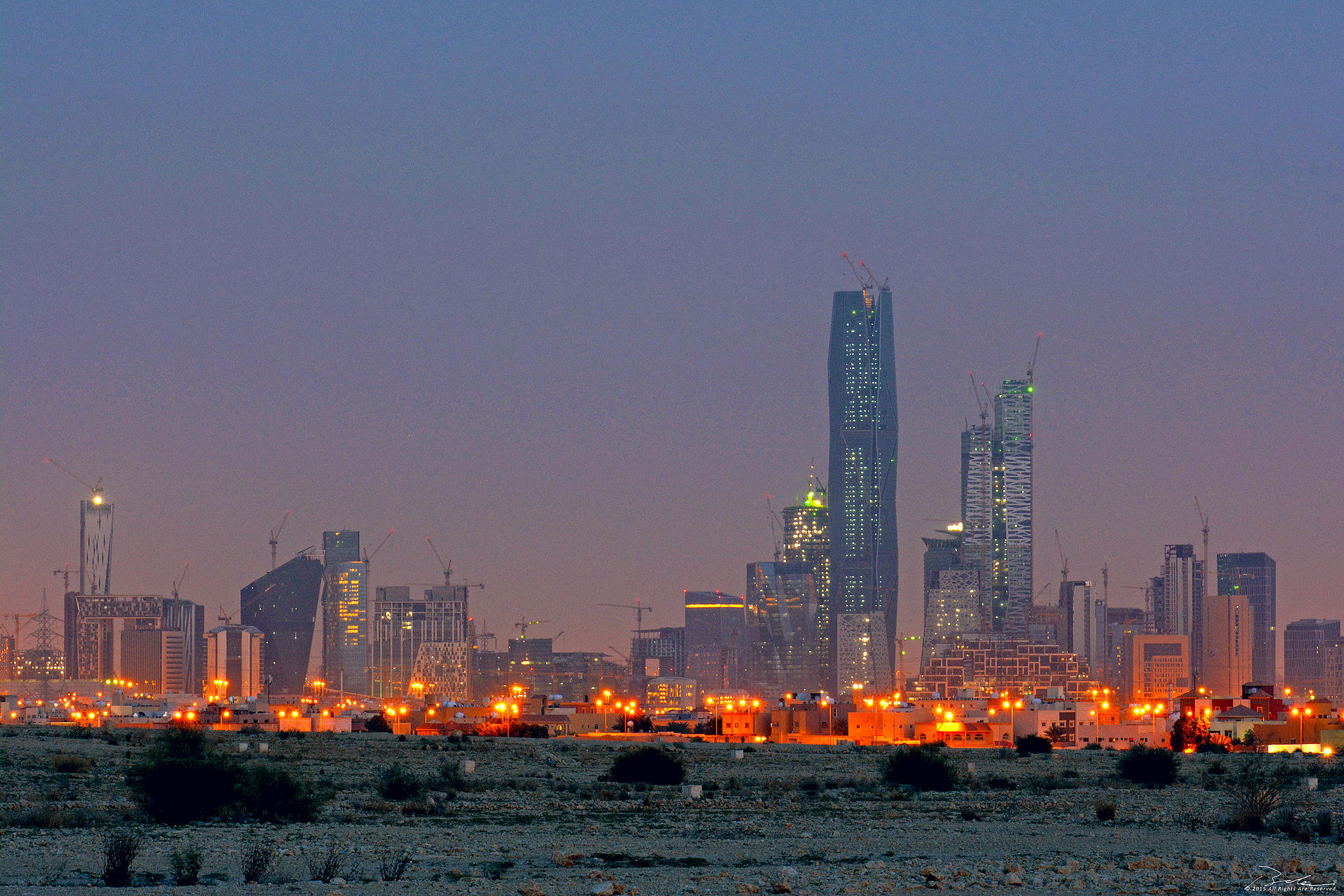
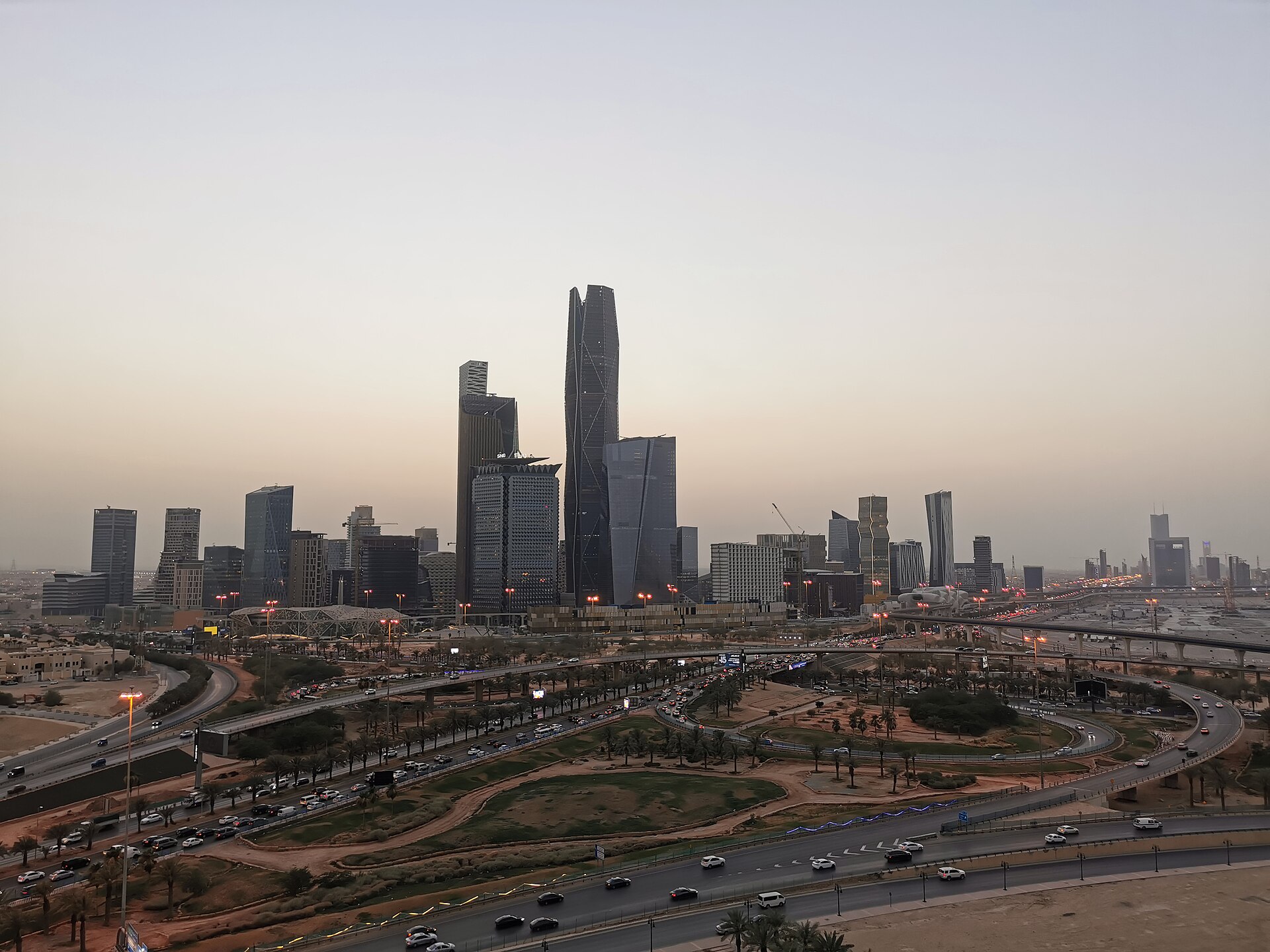
The irony of NEOM’s decline is that Vision 2030’s most tangible success was never in Tabuk province. It was always in Riyadh. The capital has undergone a transformation over the past decade that would qualify as a megaproject in any other country — it simply lacked the branding.
The King Abdullah Financial District, a $10 billion mixed-use development in north Riyadh, now hosts over 40 multinational corporate headquarters. Saudi Arabia’s 2021 ultimatum — requiring companies to establish regional headquarters in Riyadh to qualify for government contracts — has drawn more than 500 international firms to the city, according to the Royal Commission for Riyadh City. The Tadawul stock exchange, with a market capitalisation exceeding $2.7 trillion, operates from KAFD’s gleaming towers. The financial infrastructure that NEOM promised to build from scratch already exists in Riyadh.
Entertainment — another pillar of Vision 2030 — has similarly concentrated in Riyadh. Riyadh Season, the annual entertainment festival, drew over 15 million visitors in 2024 and generated an estimated $5.3 billion in economic activity. The city hosted its first Formula E race, its first heavyweight boxing championship (Tyson Fury vs. Oleksandr Usyk), and expanded its concert calendar to include over 200 international acts annually. None of this required building a city from nothing in the desert. It required investing in a city that already had people, infrastructure, and a reason to exist.
The population data reinforces the trend. Riyadh’s population growth rate of 4.7 percent annually between 2020 and 2025 outpaced every major Middle Eastern city except Dubai. The government’s target of 15 million residents by 2030 — once dismissed as fantasy — now appears achievable based on current trajectory. NEOM, by contrast, had struggled to attract permanent residents. As of late 2025, the NEOM zone housed approximately 15,000 workers, the vast majority of whom were construction labourers with no intention of staying.
The contrast between Riyadh’s organic growth and NEOM’s artificial ambition illuminates a broader lesson about economic development. Cities succeed when they concentrate talent, capital, and institutions in a self-reinforcing cycle. Riyadh had all three before Vision 2030 was announced. NEOM had none of them and proposed to create all three simultaneously in a location with no existing economic rationale. The restructuring implicitly acknowledges that Vision 2030’s most effective tool was never a new city — it was the transformation of the city that already existed.
Who Wins and Who Loses From the Restructuring?
The restructuring creates distinct categories of winners and losers across the Saudi economy and the international contracting industry that had built business models around NEOM-scale spending.
The clearest losers are international construction firms. Samsung C&T and Hyundai E&C absorbed the $1 billion tunnel cancellation. Bechtel, which held multiple NEOM contracts, has seen its Saudi pipeline shrink. In late March 2026, NEOM terminated an additional $5.7 billion in Trojena construction contracts, including Webuild’s $4.7 billion dam project and Eversendai’s structural steel contract for the ski village. A consortium led by Italy’s Webuild had been in advanced negotiations for tunnelling work on later phases of The Line — negotiations that are now moot. AGBI reported that NEOM-related restructuring left a $10 billion joint venture in limbo as of February 2026. For contractors, the lesson is stark: Saudi megaproject contracts carry sovereign credit risk that no amount of state backing can fully eliminate.
Expatriate workers in the construction sector are the second group of losers. The PIF’s budget cuts triggered layoffs across more than 50 portfolio companies. NEOM itself reduced its workforce from a peak of approximately 35,000 in mid-2024 to an estimated 18,000 by early 2026. Many of those departing were South Asian and Southeast Asian construction workers whose remittances supported families across Pakistan, India, Bangladesh, and the Philippines.
| Category | Winners | Losers |
|---|---|---|
| State entities | Aramco (gains Oxagon), Red Sea Global (gains Sindalah), Qiddiya (gains Trojena) | NEOM management team (loses scope and budget) |
| Sectors | AI, mining, defence manufacturing, religious tourism | Luxury hospitality in remote locations, speculative real estate |
| Contractors | Firms focused on Riyadh, World Cup, Expo 2030 infrastructure | Samsung C&T, Hyundai E&C, firms with NEOM-concentrated portfolios |
| Workers | Saudi nationals in AI, tech, manufacturing (localisation push) | Expatriate construction labourers (layoffs) |
| Investors | PIF (improved return discipline), tourism-linked funds | Foreign direct investors with NEOM-specific commitments |
| Cities | Riyadh (concentration of corporate HQs and events) | Tabuk province (NEOM was its primary development catalyst) |
The winners are concentrated in sectors that the PIF’s new strategy prioritises. Saudi companies in AI attracted $9.1 billion in funding in 2025. Defence manufacturers saw $8.8 billion in contracts at the World Defense Show. Mining companies are positioning for a $1.3 trillion mineral extraction opportunity. And Riyadh — already the Kingdom’s economic centre — is consolidating its position as the only Saudi city that international businesses take seriously as a permanent base.
Perhaps the most consequential winner is the Saudi citizen who was never going to live in NEOM. Vision 2030’s employment targets — creating 6 million private-sector jobs for Saudi nationals by 2030 — were always more achievable through distributed economic development than through a single megacity in the desert. The restructuring channels investment toward sectors (AI, manufacturing, mining, logistics) that generate middle-class employment at scale. NEOM, for all its ambition, was never designed to be an employer of ordinary Saudis. Its target demographic was global elites, visiting scientists, and technology workers. The restructured Vision 2030 targets Saudi Arabia’s own population.
The Contrarian Case: Breaking Up NEOM Was Always the Right Decision
The mainstream narrative — repeated in the Financial Times, Bloomberg, and the Economist — frames the NEOM restructuring as a failure, a retreat, an admission that Mohammed bin Salman‘s ambition outstripped reality. That framing is wrong in almost every particular.
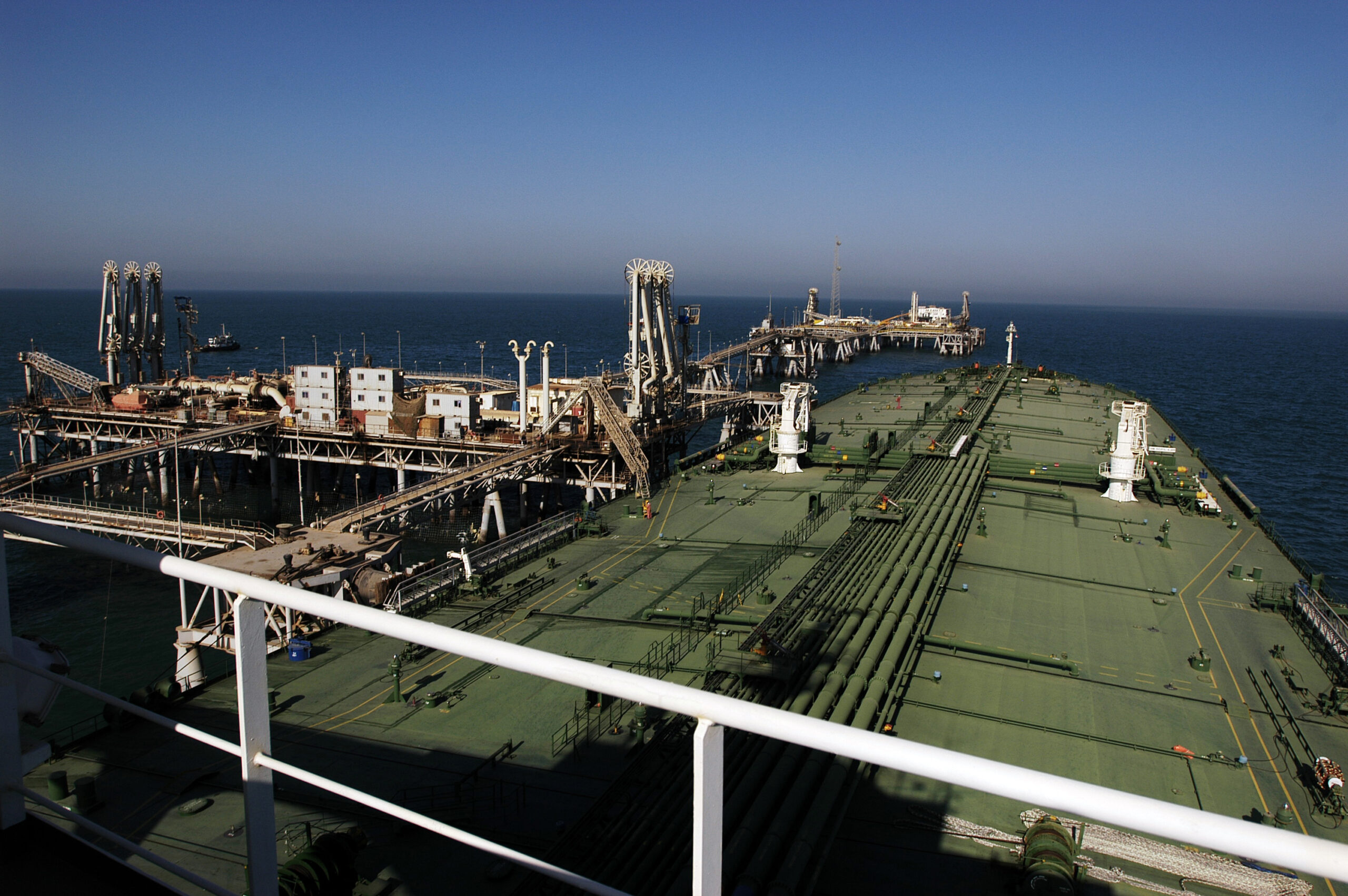
NEOM’s components, individually, were mostly viable. A deep-water industrial port on the Red Sea coast (Oxagon) makes commercial sense for a country trying to reduce dependence on Gulf shipping routes now imperiled by Iran. A luxury island resort (Sindalah) had near-complete infrastructure and was always the closest thing to a finished product in the NEOM portfolio. A mountain sports venue (Trojena) served a legitimate entertainment diversification goal, even if the Asian Winter Games timeline was unrealistic. Green hydrogen production, led by the NEOM Green Hydrogen Company joint venture between ACWA Power, Air Products, and NEOM, had already secured $8.4 billion in financing and had more commercial credibility than any other NEOM venture.
What was not viable was the idea that these radically different projects should share a single management structure, a single brand, and a single budget controlled by a single CEO. The unbundling returned each component to an entity that understood its specific operational requirements. Aramco knows how to run industrial ports. Red Sea Global knows how to run luxury resorts. Qiddiya knows how to run entertainment venues. NEOM, as an organisation, knew how to produce architectural renderings.
The restructuring of NEOM is not an admission of failure. It is an admission that centralised management of a $500 billion portfolio spanning six unrelated industries was organisational hubris — and that the individual components are worth more apart than they were together.
Analytical assessment, March 2026
The $8 billion write-down, painful as it appears, is trivially small relative to the alternative. Had Saudi Arabia continued funding The Line at its projected cost trajectory — $8.8 trillion by the audit’s estimate — the fiscal consequences would have been existential. The December 2024 restructuring, followed by the March 2026 contract cancellations, represents the kind of capital discipline that sovereign wealth funds are supposed to exercise but rarely do when political prestige is at stake. MBS, in effect, chose financial survival over architectural vanity — a decision that history will likely judge more favorably than the original ambition it replaced.
The Iran war added urgency but did not change the underlying calculus. Saudi Arabia’s fiscal position was already under pressure from lower oil prices (Brent averaged $62 per barrel through most of 2025), weaker-than-projected foreign investment inflows, and a construction cost environment that had escalated by 30 to 40 percent since NEOM’s original budgets were set. The war merely removed the political cover for continued spending on projects that internal data showed were failing.
Vision 2030’s real legacy will not be measured by the number of glass towers rising from the desert. It will be measured by whether Saudi Arabia successfully diversified its economy away from hydrocarbon dependence. On that metric, the restructured strategy — AI, mining, manufacturing, tourism, and the continued urbanisation of Riyadh — has a better chance of success than a linear city in Tabuk ever did.
Frequently Asked Questions
Is NEOM cancelled?
NEOM is not formally cancelled but has been fundamentally restructured. Its major components — Oxagon, Trojena, and Sindalah — have been transferred to specialised state entities including Saudi Aramco, the Ministry of Sport, and Red Sea Global. The Line has been scaled from 170 kilometres to approximately 2.4 kilometres by 2030, and construction was paused in late 2025. NEOM as a unified megacity no longer exists in any meaningful operational sense.
Why did Saudi Arabia cancel The Line’s tunnel contract?
The $1 billion tunnel contract, held by a Samsung C&T and Hyundai E&C consortium, was terminated on 12 March 2026 due to what Hyundai described as “the client’s business restructuring.” The tunnel was essential infrastructure for The Line’s transportation system. Its cancellation confirmed that The Line’s full-scale urban concept has been abandoned in favour of a smaller demonstration segment.
How much did the PIF cut from NEOM’s budget?
The Public Investment Fund approved spending cuts of 20 to 60 percent across more than 100 portfolio companies at a December 2024 board meeting. NEOM-related entities were among the most heavily affected, with the fund recording an $8 billion write-down on giga-project valuations. Some individual NEOM budgets were reduced by as much as 60 percent.
What is replacing NEOM in Saudi Arabia’s economic strategy?
Saudi Arabia is redirecting capital toward artificial intelligence ($9.1 billion invested across 664 companies), mining ($1.3 trillion in untapped mineral wealth), advanced manufacturing (targeting 50 percent defence localisation by 2030), and religious and cultural tourism. The PIF’s refreshed strategy centres on six core sectors: urban development, tourism, industrial and logistics, advanced manufacturing, clean energy, and renewables.
Will the 2029 Asian Winter Games still be held at Trojena?
Saudi Arabia has postponed the 2029 Asian Winter Games at Trojena, the NEOM mountain resort. The Kingdom will instead host standalone winter sports events. Trojena’s oversight has been transferred from NEOM to the Ministry of Sport and Qiddiya Investment Company, which will manage the venue alongside their existing entertainment and sports portfolio.
How has the Iran war affected Vision 2030?
The Iran war, which began on 28 February 2026, accelerated restructuring decisions that were already underway. The war froze foreign direct investment, disrupted construction supply chains, and forced the PIF to prioritise projects with military or strategic value over vanity developments. Yet the conflict has also accelerated other Vision 2030 objectives — defense localization, financial hub consolidation, and Red Sea infrastructure — far faster than peacetime planning anticipated. However, the core restructuring — including budget cuts and component transfers — was initiated before the war at a PIF board meeting in December 2024.