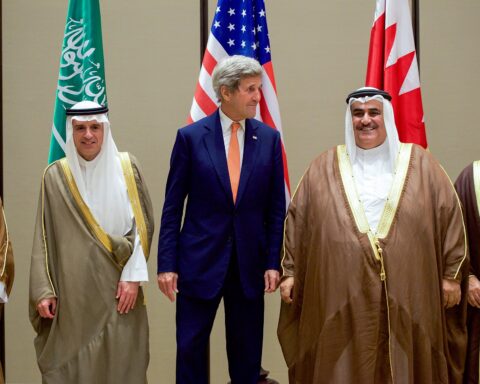
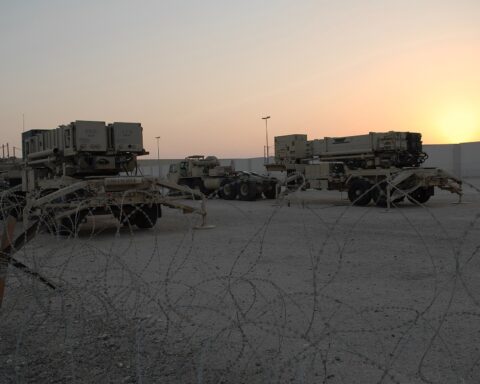
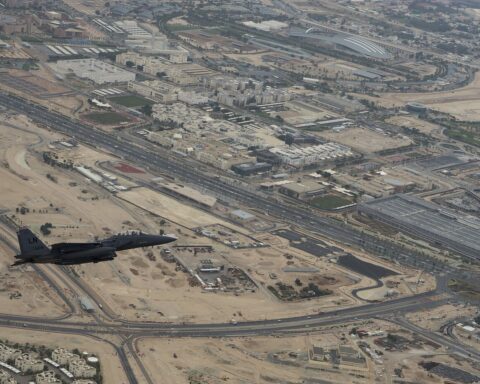
RIYADH — Mohammed bin Salman is trapped between the war he wanted and the war he got. The Saudi crown prince privately pushed President Donald Trump to escalate military operations against Iran, framing the conflict as a “historic opportunity” to permanently degrade Tehran’s conventional military capacity, according to reporting by The New York Times. But every week of continued fighting erodes the Saudi economic model MBS spent a decade constructing, and the very escalation he advocates — a ground invasion, the seizure of Kharg Island — risks triggering the oil price chaos and Iranian retaliation that could break Saudi Arabia before it breaks Iran.
This is not a strategic miscalculation. It is a structural trap. Goldman Sachs projects a 3% GDP contraction for Saudi Arabia if the war persists through April. Bloomberg Economics estimates the kingdom’s fiscal breakeven oil price has climbed to $111 per barrel when including PIF spending requirements. Brent crude trades above $116 — technically above breakeven — but Iranian drone strikes on Saudi infrastructure are consuming the surplus faster than revenue can accumulate. The crown prince needs the war to end in weeks, not months, with a decisive American victory that leaves Iran unable to retaliate. The problem is that the fastest path to that outcome runs through scenarios that make Saudi Arabia’s situation worse.
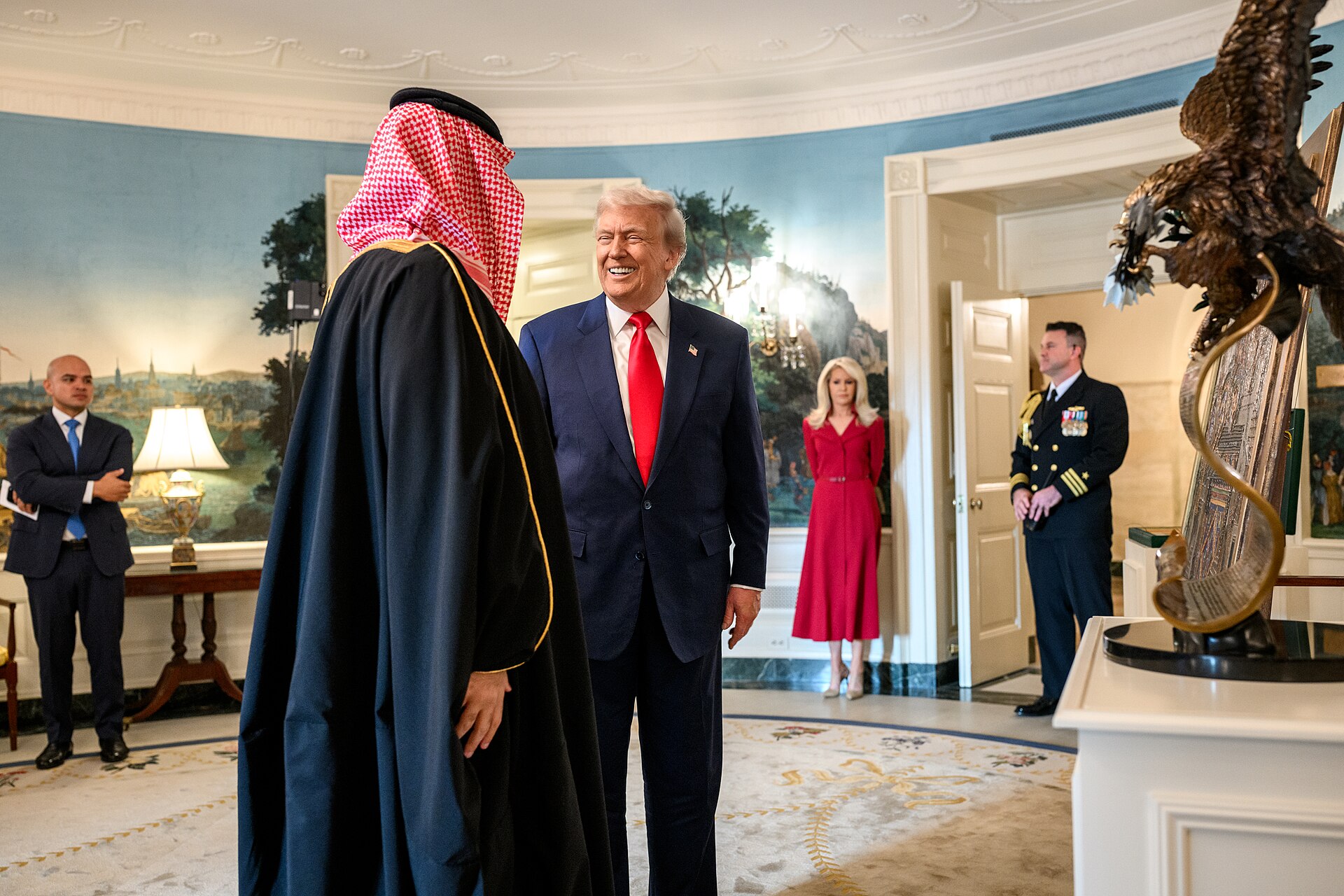
Table of Contents
- What Does MBS Actually Want From the Iran War?
- The Escalation Push and Its Evidence Trail
- Why Can’t MBS Respond to Trump’s Public Humiliation?
- The Economic Clock Ticking Against Riyadh
- Four Scenarios and the Narrow Corridor
- Would a Ground Invasion Solve or Destroy MBS’s Problem?
- Tehran’s Pressure on the Saudi Position
- The Diplomatic Offensive That Produced Nothing
- What Is the Least-Bad Outcome for Saudi Arabia?
- Frequently Asked Questions
What Does MBS Actually Want From the Iran War?
Mohammed bin Salman wants the permanent destruction of Iran’s conventional military capacity — its missile arsenals, drone production, and force-projection ability — achieved quickly enough that Saudi Arabia’s economy survives the process. This requires a narrow corridor: enough American escalation to collapse Iran within weeks, but not so much that oil markets spike beyond control or Iranian retaliation destroys Saudi infrastructure first.
Multiple sources briefed on conversations between MBS and the Trump administration told The New York Times that the crown prince views the conflict as a “historic opportunity” to reshape the Middle East. The New Republic reported on March 24 that MBS has argued the United States should consider putting troops in Iran to seize energy infrastructure and force regime collapse. Saudi officials have denied these characterizations, but Riyadh’s actions — opening King Fahd Air Base in Taif to American strike aircraft, expelling Iran’s military attache, and holding five bilateral meetings at the G7 pushing for coalition support — tell a different story.
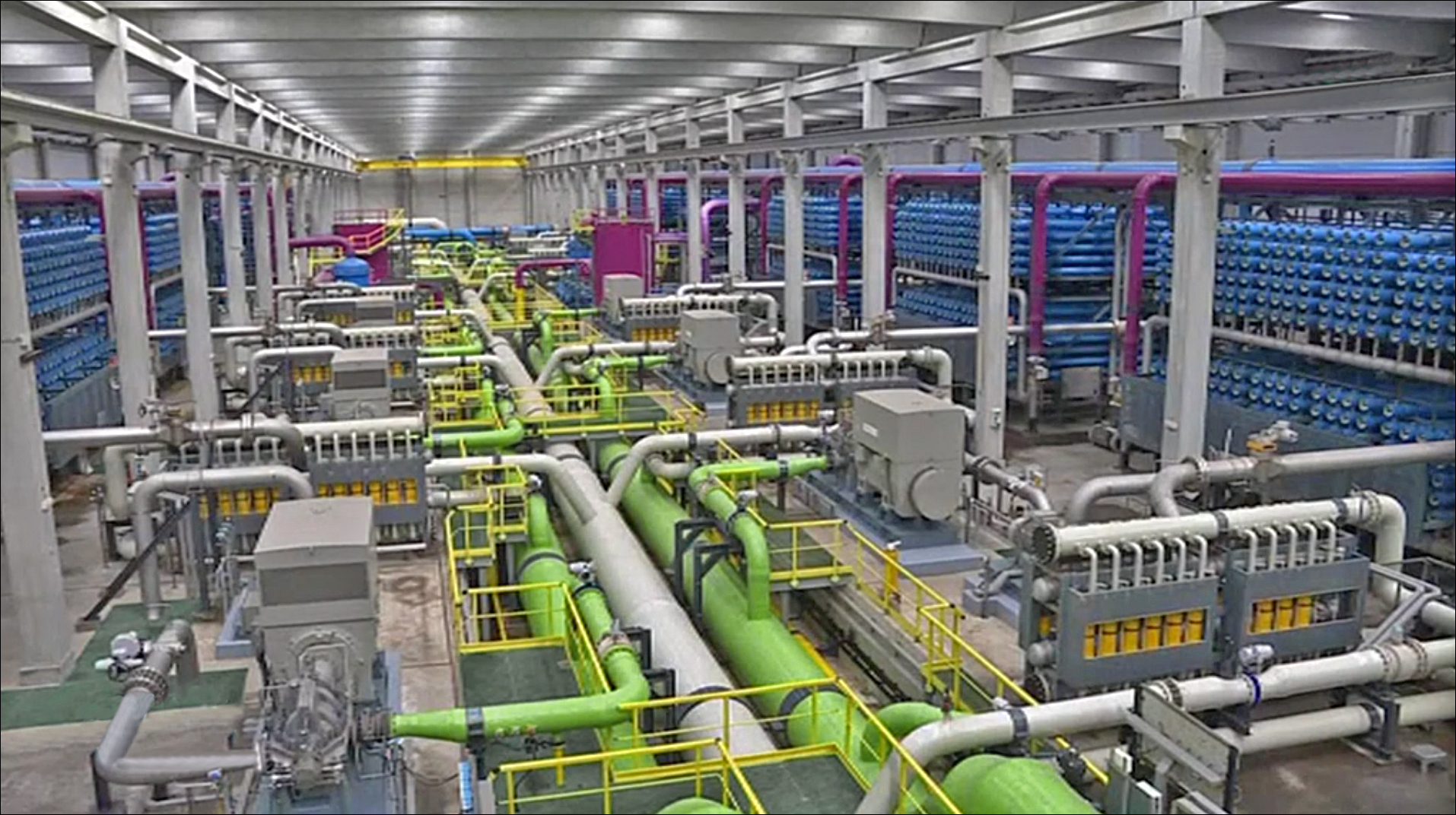
The contradiction is structural, not personal. MBS is not making an irrational choice. He is making the only rational calculation available to a leader whose country sits within missile range of an enemy that has already struck his territory hundreds of times in thirty days. A negotiated peace that leaves Iran’s military intact means every Saudi city, refinery, and desalination plant remains a hostage to Tehran’s next grievance. But the path to destroying that threat passes through the destruction of his own economic transformation.
The Escalation Push and Its Evidence Trail
The evidence of Saudi Arabia’s private push for escalation is now too voluminous to dismiss as speculation. Since February 28, when US and Israeli airstrikes opened the war, Riyadh has taken a series of steps that each, individually, could be explained as defensive. Taken together, they form a pattern of a state maneuvering to ensure the war intensifies rather than winds down.
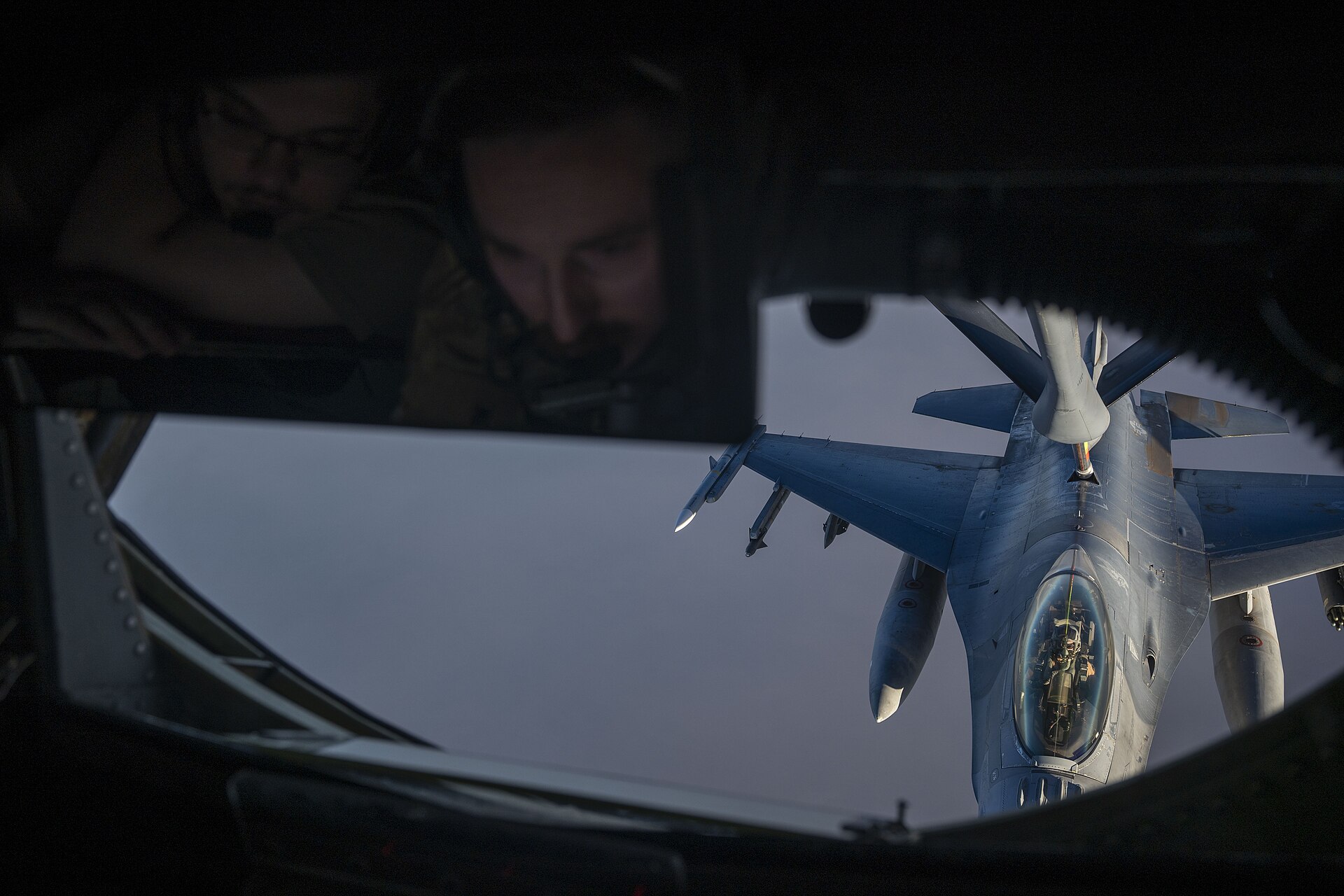
On March 20, Saudi Arabia opened King Fahd Air Base in Taif to American military operations, according to The Wall Street Journal. The base, located in western Saudi Arabia far from Iranian drone and missile range, provides a forward platform for strike aircraft, aerial refueling, and intelligence operations directed at Iranian targets. This was not a passive decision. Riyadh had initially barred the use of its facilities and airspace for strikes on Iran. The reversal came after Iranian drones struck the SAMREF refinery in Yanbu — the joint Saudi Aramco-ExxonMobil venture processing over 400,000 barrels per day — forcing a temporary halt to oil loadings at Saudi Arabia’s primary Red Sea export terminal.
Two days later, on March 22, Saudi Arabia expelled Iran’s military attache, his assistant, and three embassy staff members, giving them 24 hours to leave the kingdom. Al Jazeera reported that the Saudi foreign ministry cited “repeated Iranian attacks” as the justification. This move shattered the 2023 Beijing-brokered normalization agreement and represented what one Gulf diplomat described as a “diplomatic point of no return.”
Prince Faisal bin Farhan, the Saudi foreign minister, then conducted a whirlwind diplomatic offensive at the G7 meeting in Cernay-la-Ville outside Paris on March 27, holding five bilateral meetings in 48 hours. The objective, according to reporting by CNBC, was to build coalition support for sustained military pressure on Iran. He left with pledges for a post-war Hormuz naval force but no commitments of ships or aircraft during the active conflict.
Why Can’t MBS Respond to Trump’s Public Humiliation?
Mohammed bin Salman has absorbed two public humiliations from Donald Trump in the span of three days and responded to neither. The silence is not restraint. It is the sound of a leader who has no alternative patron and knows it.
On March 27, at the FII PRIORITY summit in Miami — an event organized and bankrolled by the Public Investment Fund, Saudi Arabia’s sovereign wealth fund — Trump stood before a room of sovereign fund managers and global investors assembled by Saudi Arabia and said: “He didn’t think he would be kissing my ass. He really didn’t. And now he has to be nice to me. You tell him he’d better be nice to me.” The “he” was MBS. Trump recounted that the crown prince had previously told him America was “a dead country” headed “downhill,” and that MBS “thought he’d be just another American president that was a loser.”
Then on March 30, in an interview with the Financial Times, Trump casually discussed seizing Kharg Island — the terminal handling 90% of Iran’s oil exports — telling the newspaper: “Maybe we take Kharg Island, maybe we don’t. We have a lot of options.” He added, “My favorite thing is to take the oil in Iran but some stupid people back in the US say: why are you doing that?” Trump noted that controlling Kharg “would also mean we had to be there for a while,” and dismissed Iranian defenses: “I don’t think they have any defense. We could take it very easily.”
Neither the Saudi Royal Court nor the Ministry of Foreign Affairs has issued any public statement addressing Trump’s remarks. Saudi state media covered the FII summit without referencing the “kissing my ass” comments. This silence reveals the fundamental asymmetry in the US-Saudi relationship during wartime: MBS needs American fighter jets, Patriot batteries, THAAD systems, and naval escorts to survive the Iranian missile and drone campaign. He cannot publicly challenge the man providing them, no matter how degrading the treatment. Trump appears to understand this power imbalance and exploit it deliberately, choosing Saudi-funded venues to remind MBS — and the world — who holds the power in the relationship.
The Economic Clock Ticking Against Riyadh
Thirty days of war have inflicted measurable damage on Saudi Arabia’s economic position. The numbers are not yet catastrophic, but they are deteriorating on a trajectory that becomes catastrophic if the conflict extends into May or June.
Goldman Sachs, in its most detailed assessment of the war’s economic impact released on March 17, projected a 3% GDP contraction for Saudi Arabia in a prolonged war scenario. That is the mildest forecast among major Gulf producers — a reflection of Riyadh’s pipeline infrastructure that allows some crude to bypass the Hormuz chokepoint — but it would still represent the kingdom’s worst economic performance since the 2020 oil price collapse.
| Economic Indicator | Pre-War (February 2026) | Current (March 30) | Source |
|---|---|---|---|
| Saudi fiscal breakeven oil price | ~$94/barrel (excl. PIF) | $111/barrel (incl. PIF spending) | Bloomberg Economics |
| Brent crude | ~$74/barrel | $116/barrel | CNBC, March 30 |
| PIF construction contract pipeline | $71 billion | $30 billion (58% cut) | Zawya, AGBI |
| PIF capex reduction | Baseline | 15% cut across portfolio | AGBI |
| The Line (NEOM) planned length | 170 km | ~2 km (initial phase) | Middle East Insider |
| Projected GDP impact (prolonged war) | N/A | -3% contraction | Goldman Sachs, March 17 |
The margin between Brent at $116 and the $111 breakeven is razor-thin and entirely consumed by war costs. The PIF’s capex reductions, detailed in the table above, followed a December 2024 board decision to cut spending by at least 20% across its more than 100 portfolio companies and 50-plus development entities. Remaining capital is being redirected toward FIFA 2034 stadium infrastructure and Expo 2030 preparations — projects with fixed international deadlines that cannot slip.
NEOM has been broken into five smaller entities, the flagship project of Vision 2030 now dismembered. NEOM terminated several construction contracts in the first quarter of 2026, with cancelled works potentially exceeding $5 billion, according to Zawya. The broader vision has been deferred indefinitely.
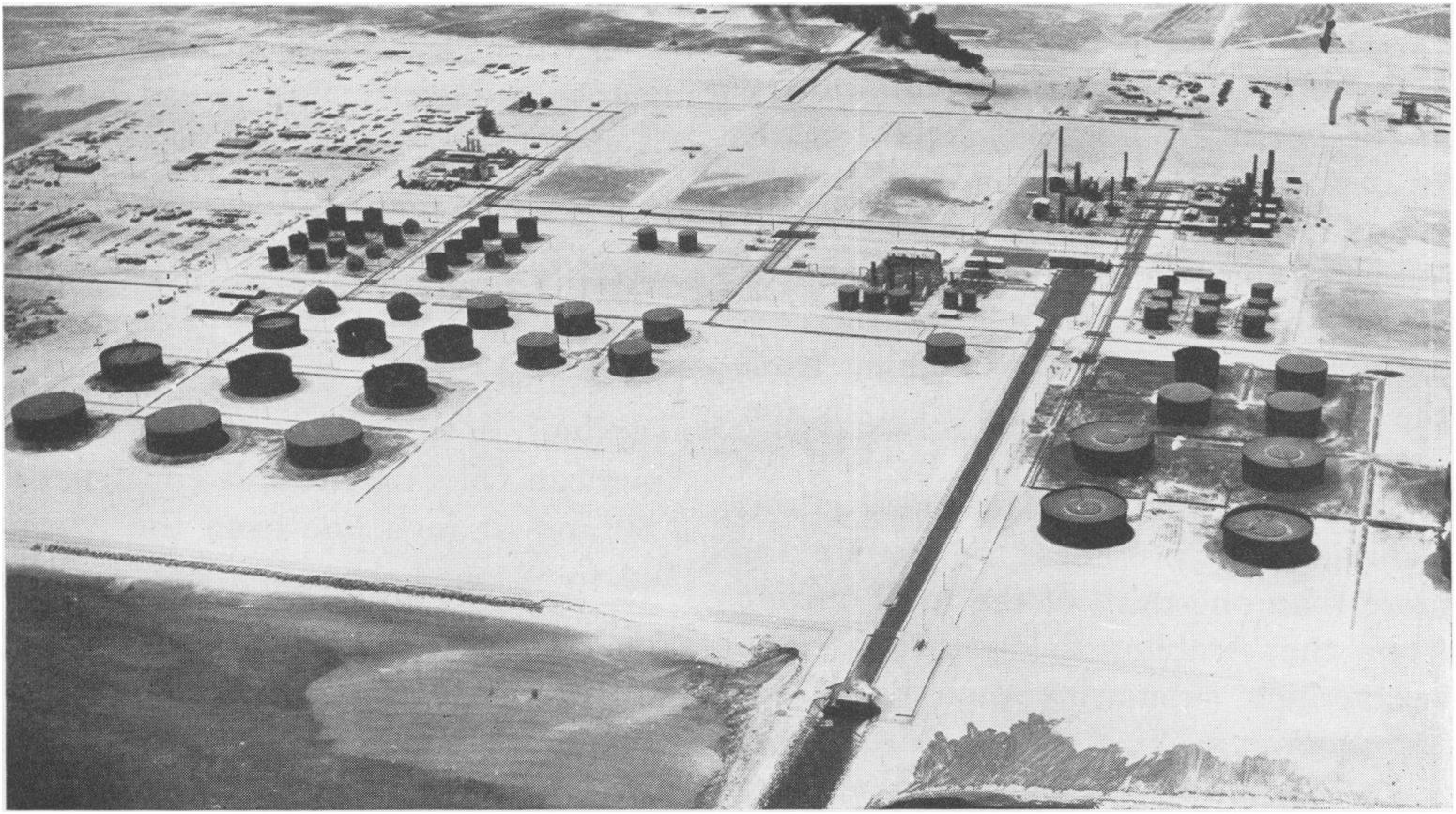
The most dangerous data point is not fiscal. It is physical. On March 19, an Iranian drone struck the SAMREF refinery in Yanbu on Saudi Arabia’s Red Sea coast. This was the first time during the conflict that a major oil facility on the Red Sea coast was hit. With the Strait of Hormuz effectively closed since early March, Yanbu had become Saudi Arabia’s primary oil export hub, handling a record 3.8 million barrels per day — nearly triple its January volume. The strike briefly halted crude oil loadings. The message from Tehran was unmistakable: there is no safe route.
Four Scenarios and the Narrow Corridor
MBS faces a decision matrix with four broad scenarios, each carrying distinct consequences for Saudi Arabia’s strategic position. None is good. The question is which is least destructive.
| Scenario | Probability | Saudi Economic Impact | Saudi Security Impact |
|---|---|---|---|
| Quick US victory — Iran capitulates within weeks | Low | War costs absorbed; recovery begins Q3 2026 | Iran’s threat neutralized for a generation |
| Prolonged air campaign — current intensity persists months | Moderate-High | 3-5% GDP contraction; Vision 2030 indefinitely paused | Steady attrition of Saudi infrastructure |
| Ground invasion via Kharg Island or southern Iran | Moderate | Oil spikes to $150+; short-term fiscal windfall offset by infrastructure destruction | Saudi Arabia becomes formal co-belligerent; escalated Iranian retaliation |
| Negotiated peace without degrading Iran’s military | Low-Moderate | Markets normalize; Vision 2030 resumes | Iran retains full retaliatory capacity; worst long-term outcome for MBS |
Scenario one — a quick, decisive US victory — is MBS’s optimal outcome but requires Iran to collapse faster than any intelligence assessment suggests it will. Iran’s decentralized military structure, its willingness to absorb punishment, and its dispersal of assets across hardened and underground facilities all argue against rapid capitulation. IRGC spokesman Ali Mohammad Naini stated on Iranian state television: “The enemy must await continuous punitive attacks; the gates of hell will open more and more, moment by moment, upon the United States and Israel.”
Scenario two — a prolonged air campaign — is the most likely and the most corrosive to Saudi interests. Every week of continued conflict means more drone and missile strikes on Saudi energy infrastructure, more investor flight from Vision 2030 projects, and more fiscal pressure on the PIF. The Goldman Sachs contraction estimate cited above assumes the war ends by late April. Extend the timeline to June and that figure worsens considerably.
Scenario three — a ground invasion — is where MBS’s position becomes most paradoxical. A ground operation launched from Saudi territory, using King Fahd Air Base and other Saudi facilities as staging grounds, would make the kingdom a formal co-belligerent under international law. Iran has explicitly warned of consequences for “regional partners.” Mohammad Bagher Ghalibaf, Iran’s parliament speaker, stated on March 29: “Our men are waiting for the arrival of American soldiers on the ground to set fire to them and punish their regional partners forever.” A ground invasion might destroy Iran’s military capacity, but it would almost certainly trigger a wave of retaliatory strikes against Saudi Arabia far more intense than anything seen in the first thirty days.
Scenario four — a negotiated peace that leaves Iran’s military intact — is the outcome MBS fears most. It would return the region to a status quo in which Saudi Arabia remains within range of an enemy that has already demonstrated the will and capability to strike its territory. Every dollar invested in NEOM, every desalination plant, every smart-city sensor array would remain a hostage to the next crisis. Trump’s claim on March 29 that Iran accepted “most” of the U.S. 15-point demands — while Tehran countered with five conditions protecting its proxies and Hormuz sovereignty — shows how close this nightmare scenario is to reality.
MBS’s optimal outcome therefore requires threading a needle: enough American escalation to break Iran’s military before Iran breaks Saudi Arabia’s infrastructure, fast enough that the economic damage remains recoverable. The corridor is narrow and getting narrower with each passing week.
Would a Ground Invasion Solve or Destroy MBS’s Problem?
A ground invasion would likely break Iran’s military capacity faster than any air campaign — but it would simultaneously make Saudi Arabia a formal co-belligerent, exposing the kingdom to retaliatory strikes far more intense than anything seen in the war’s first month. The operation MBS needs most is the one most likely to destroy him.
The Pentagon is preparing options for limited ground operations, potentially including raids on Kharg Island and coastal sites near the Strait of Hormuz, according to The Washington Post. The 82nd Airborne Division’s Immediate Response Force — approximately 2,000 soldiers based at Fort Bragg — has been ordered to the Middle East, according to CBS News and Stars and Stripes. Major General Brandon R. Tegtmeier, the division commander, elements of his headquarters staff, and infantry battalions are expected to deploy.
These forces would supplement approximately 50,000 American troops already present in the region, plus thousands of Marines aboard an amphibious assault group that arrived in the Gulf on March 28. The convergence of amphibious forces, elite paratroopers, and a division-level command structure represents the most significant expansion of US ground options since the war began.
For MBS, this creates a paradox that cannot be resolved by analysis alone. A successful seizure of Kharg Island would eliminate 90% of Iran’s oil export capacity and likely force Tehran to the negotiating table within weeks. But the operation itself would spike oil prices toward $150 per barrel or higher, according to Goldman Sachs scenario modeling. More critically, it would make Saudi Arabia — as the host of US staging bases — the primary target for Iranian retaliation.
The IRGC has positioned ground forces in Khuzestan province, the southwestern region closest to the Persian Gulf. Brigadier General Mohammad Karami, commander of the IRGC Ground Force, warned during an inspection of units deployed in the province that “any threat or act of aggression will be met with a crushing response,” according to Iran’s Press TV. The belligerency-by-default problem is not hypothetical — it is the inevitable consequence of hosting the ground force that invades Iran.
Tehran’s Pressure on the Saudi Position
Iran’s strategists appear to understand MBS’s dilemma and are calibrating their attacks accordingly. By striking Saudi energy and water infrastructure at a pace sufficient to inflict economic pain but not so devastating as to trigger a full Saudi military response, Tehran maintains pressure on the crown prince’s weakest point: the gap between his economic ambitions and his security reality.
The Yanbu SAMREF strike was the clearest expression of this strategy. The refinery sustained limited physical damage, and oil loadings resumed within hours — but the message mattered more than the damage. Iran demonstrated it can reach Saudi Arabia’s Red Sea coast, the route Riyadh had marketed to global buyers as the safe alternative to Hormuz. Yanbu’s port ceiling already caps the East-West Pipeline’s capacity at roughly half, according to analysis of the pipeline-port gap. A sustained Iranian campaign against Red Sea terminals would leave Saudi Arabia with no reliable export route.
Iran’s broader retaliatory campaign has struck Saudi Arabia hundreds of times in thirty days. Saudi air defenses have maintained an approximately 85% intercept rate, but the 15% that gets through is hitting refineries, desalination plants, and the industrial infrastructure that underpins the kingdom’s non-oil economy. The aluminium smelter and industrial facility strikes have exposed vulnerabilities in the Gulf’s industrial base that no one anticipated before the war.
Tehran also holds an asymmetric advantage in escalation tolerance. The Iranian regime has spent four decades preparing its population for conflict with the United States. Saudi Arabia has not. The social contract between the Al Saud and the Saudi population rests on prosperity, modernization, and security — all three of which are degrading simultaneously. MBS can absorb military strikes, but he cannot absorb the collapse of the economic promise that legitimizes his rule.
The Diplomatic Offensive That Produced Nothing
Saudi Arabia’s diplomatic efforts over the past thirty days have been frenetic and largely fruitless. The kingdom has pursued parallel tracks — building a military coalition to pressure Iran and seeking international diplomatic support for a war conclusion — without achieving meaningful results on either front.
The G7 Foreign Ministers meeting on March 21 produced a joint statement condemning “the regime’s reckless attacks against civilians and civilian infrastructure” across the Gulf, according to the Canadian and French foreign ministries. But the statement stopped short of committing any G7 member to military action. When G7 ministers reconvened on March 27, with Secretary Rubio pushing for stronger backing, European allies had grown more skeptical, not less. CNBC reported that the session revealed deep Western divisions over the war’s trajectory.
Pakistan hosted Saudi, Turkish, and Egyptian foreign ministers for Iran war talks in Islamabad, but these produced no concrete framework for de-escalation. The six-nation GCC condemnation of Iran — issued jointly with Jordan — demonstrated rhetorical unity but no material military commitment beyond what individual states were already providing.
The fundamental problem is that MBS wants two incompatible things from the international community: military support for escalation and diplomatic support for a rapid conclusion. European and Asian partners are willing to offer neither. They want the war to end, and they hold MBS partly responsible for its continuation. The disintegration of the “oil for security” bargain that governed US-Gulf relations for half a century has left Saudi Arabia without the transactional influence it once wielded.
What Is the Least-Bad Outcome for Saudi Arabia?
The least-bad outcome for Mohammed bin Salman is a war that ends within two to three weeks through intensified American air operations that degrade Iran’s missile and drone production, followed by a negotiated settlement with verified disarmament provisions. This gives MBS a weakened Iran without a ground invasion’s catastrophic escalation or a prolonged air campaign’s attrition.
Whether this outcome is achievable depends on variables MBS does not control. Trump’s willingness to sustain the air campaign at the intensity required to break Iran’s military production is uncertain. His public musing about seizing Kharg Island suggests he is drawn to dramatic, visible victories rather than the patient degradation of dispersed military infrastructure. Iran’s willingness to negotiate while under bombardment is unknown — Tehran has rejected direct talks with Washington while continuing to engage through intermediaries.
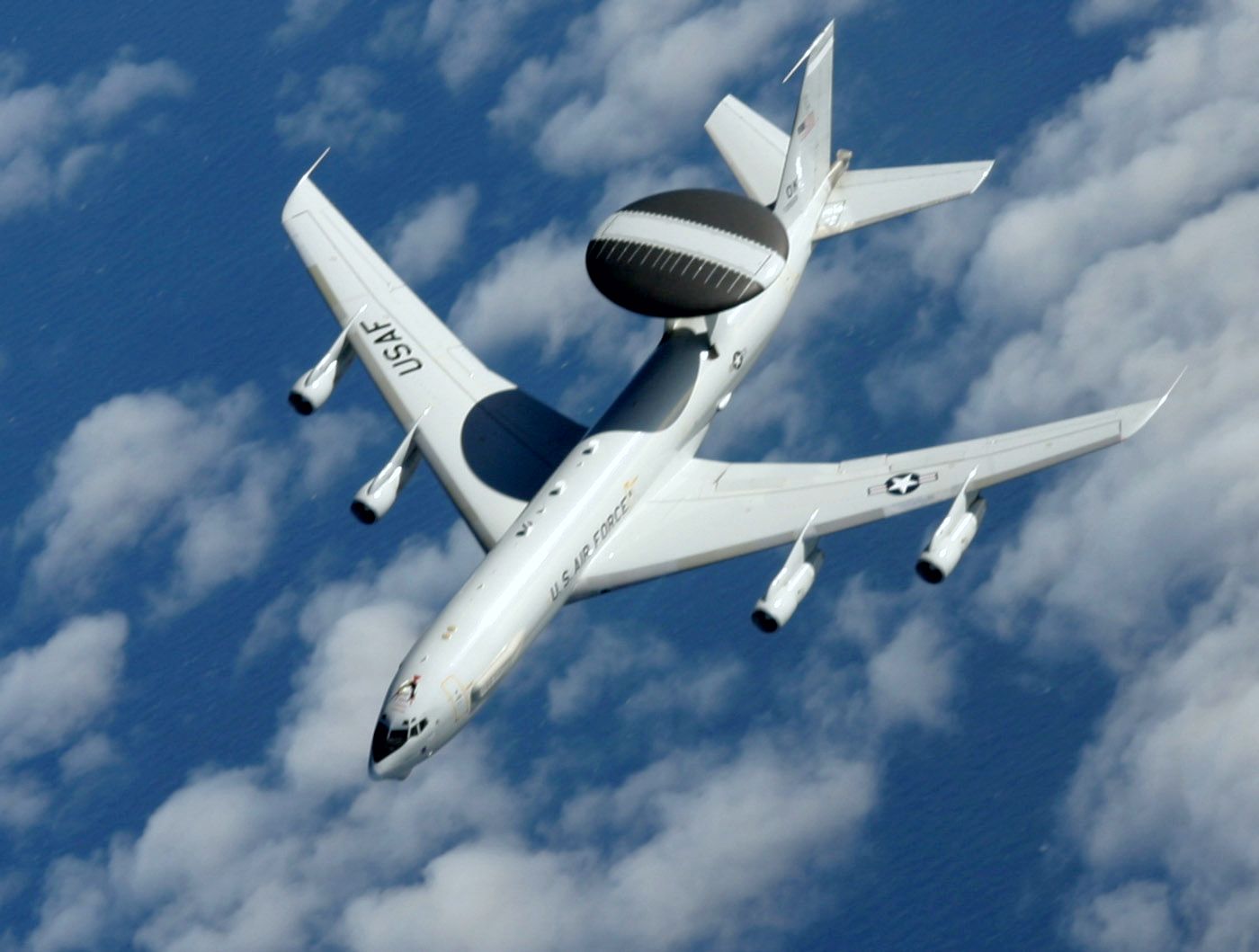
The crown prince’s position also depends on how long Saudi Arabia’s own defenses hold. The multinational air shield coalition defending Saudi airspace is operating on a timer. Patriot interceptor stocks are finite. Each missile costs between $3 million and $6 million. Iranian drones cost a fraction of that. The cost-exchange ratio favors Tehran in a prolonged campaign.
The one-month balance sheet for Saudi Arabia reveals a state that is bleeding but not yet hemorrhaging. The question is whether MBS can find an exit before the bleeding becomes fatal — and whether his patron in Washington is interested in providing one, or is too absorbed in the spectacle of seizing islands and humiliating allies to notice the clock running out.
MBS built Vision 2030 on the premise that Saudi Arabia could diversify away from oil before oil became irrelevant. The Iran war has inverted that timeline. Oil is now more relevant than ever — Brent has surged over 55% in March alone, the steepest monthly rise on record — but the infrastructure that extracts, refines, and exports it is under direct military attack. The crown prince sits at the center of a self-reinforcing loop: he needs the war to destroy Iran’s threat, but the war is destroying his ability to outlast that threat. Every escalation he advocates brings the resolution he desires closer and the collapse he fears closer in equal measure. There is no move on this board that does not cost him something he cannot afford to lose.
Frequently Asked Questions
Has Saudi Arabia formally declared war on Iran?
No. As of March 30, 2026, Saudi Arabia has not formally declared war on Iran or deployed offensive military forces against Iranian targets. The kingdom’s involvement has been limited to defensive measures — operating Patriot and THAAD air defense systems — and providing base access to US forces at King Fahd Air Base in Taif. Under international law, however, providing basing rights for offensive operations can constitute acts of co-belligerency regardless of formal declarations, a distinction Iranian officials have repeatedly invoked when threatening Saudi Arabia.
How much oil does Saudi Arabia export through Yanbu versus Hormuz?
Before the war, Saudi Arabia exported the majority of its crude through terminals on the Persian Gulf coast, transiting the Strait of Hormuz. With Hormuz effectively closed since early March 2026, Yanbu on the Red Sea coast has become the primary export outlet, handling a record 3.8 million barrels per day — nearly triple its January volume of approximately 1.3 million barrels per day. The East-West Pipeline (Petroline) connecting eastern oil fields to Yanbu has a theoretical capacity of 7 million barrels per day, but Yanbu’s port infrastructure caps actual throughput at roughly half that figure, creating a bottleneck that constrains Saudi export capacity for the duration of the Hormuz closure.
What would happen to oil prices if the US seized Kharg Island?
Kharg Island handles approximately 90% of Iran’s oil exports, which totaled roughly 1.3 million barrels per day before the war. A US military seizure would remove this volume from global markets entirely and likely trigger retaliatory strikes against other Gulf export terminals. Analysts at Goldman Sachs and JP Morgan have modeled scenarios in which a Kharg operation pushes Brent crude above $150 per barrel within days, with potential spikes to $170-180 if retaliatory strikes disrupt Saudi or Emirati export capacity simultaneously. The International Energy Agency’s strategic petroleum reserve releases — already activated — would moderate but not prevent such a spike.
Can Iran’s military survive a prolonged US air campaign?
Iran’s military doctrine, developed over decades of anticipating a US-Israeli attack, emphasizes dispersal, redundancy, and underground hardening. The IRGC operates from hundreds of facilities across the country, many built into mountain ranges and tunnels that reduce the effectiveness of conventional airstrikes. Iran’s drone production, in particular, relies on a decentralized network of small workshops and dual-use factories that are difficult to target comprehensively. US intelligence assessments cited by The Washington Post suggest that even four weeks of sustained bombing have degraded but not eliminated Iran’s ability to produce and launch drones and ballistic missiles at a rate sufficient to maintain pressure on Gulf states.
Is the Beijing-brokered Saudi-Iran normalization deal dead?
The March 2023 agreement, mediated by China, restored diplomatic relations between Saudi Arabia and Iran after a seven-year rupture. Saudi Arabia’s expulsion of Iran’s military attache and four embassy staff on March 22, 2026 — with 24 hours to leave — effectively suspended the military component of the normalization framework. The Saudi foreign ministry stated that “what little trust there was before has completely been shattered.” Both countries maintain civilian embassy staff, and diplomatic channels remain technically open, but Gulf diplomats describe the normalization agreement as functionally dead, with any revival dependent on a comprehensive post-war settlement that addresses Saudi Arabia’s security demands regarding Iranian missile and drone capabilities.