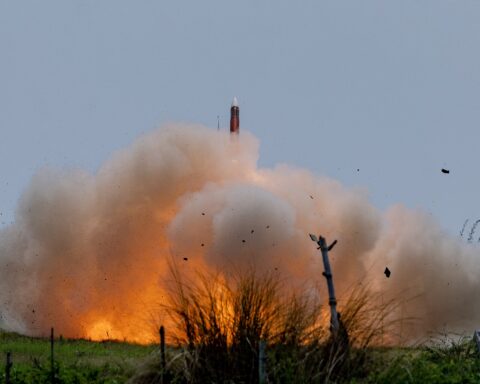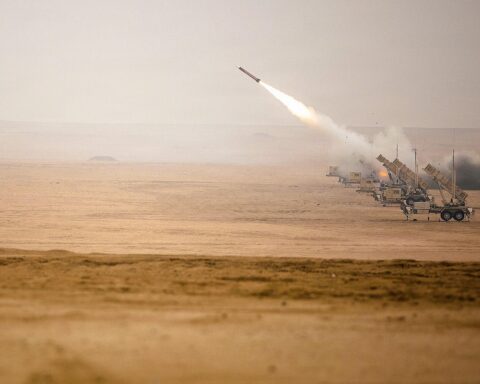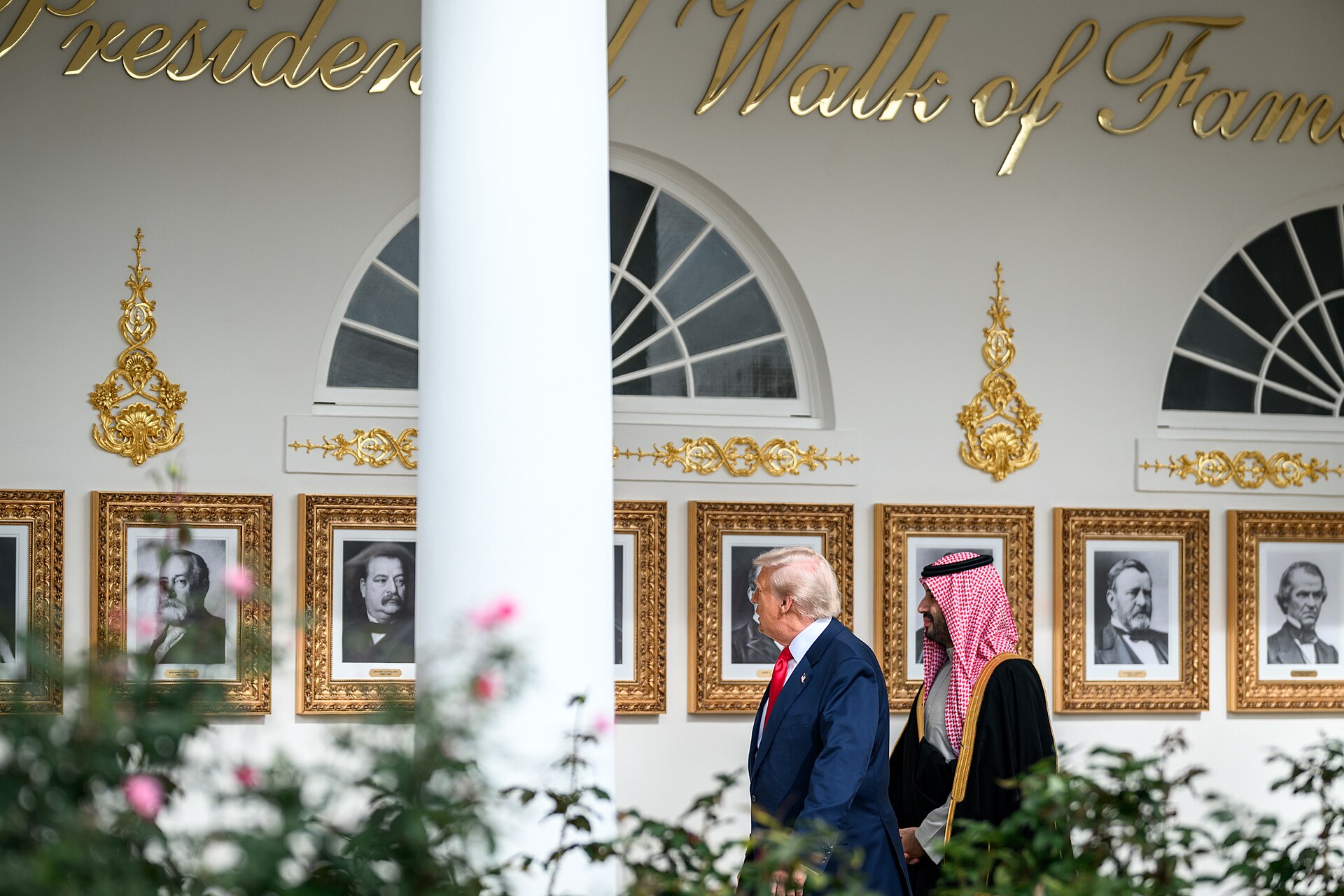

WASHINGTON — Saudi Crown Prince Mohammed bin Salman has privately urged President Donald Trump to deploy American ground troops inside Iran and seize the country’s energy infrastructure, according to people briefed on the conversations who spoke to the New York Times. The reported calls, made over the past week as the war entered its fourth week, cast the crown prince as a driving force behind potential military escalation even as Riyadh publicly insists it supports a peaceful resolution to the conflict.
The revelation exposes a sharp contradiction between Saudi Arabia’s official diplomacy and the private ambitions of its most powerful figure. While the Saudi government issued a statement saying it “has always supported a peaceful resolution to this conflict,” the New York Times reported that MBS framed the war as a “historic opportunity” to reshape the Middle East and pressed Trump to dismantle Iran’s theocratic government rather than wind down the US-Israeli military campaign that began on February 28.
The report landed on the same day that the Pentagon confirmed the deployment of up to 3,000 troops from the 82nd Airborne Division to the Middle East, and as the Wall Street Journal reported that both Saudi Arabia and the UAE were inching toward joining the fighting against Iran.
Table of Contents
- What Did MBS Tell Trump in the Private Calls?
- What Is Saudi Arabia’s Official Position?
- How Many US Troops Are Now Deploying to the Region?
- What Has the Pentagon Prepared for a Ground Invasion?
- Why Is MBS Pushing for Regime Change in Iran?
- How Has Trump Responded to the Pressure?
- Regional Powers React to the Escalation Signals
- Frequently Asked Questions
What Did MBS Tell Trump in the Private Calls?
The crown prince made his case across a series of phone calls over the past week, according to people briefed on the conversations who spoke to the New York Times. MBS argued that even a weakened Iran remains a “grave and direct security threat” to the Gulf and pressed Trump to destroy Iran’s theocratic government entirely rather than accept a negotiated end to hostilities.
The calls went further than general strategic advice. According to the New York Times reporting, MBS urged Trump to consider putting American troops on Iranian soil to seize control of energy infrastructure and force the government out of power. The prince reportedly argued that the current military campaign — which has targeted Iranian nuclear facilities, air defenses, and military installations since February 28 — presented a once-in-a-generation chance to eliminate the threat Iran poses to Saudi Arabia and its Gulf neighbours.
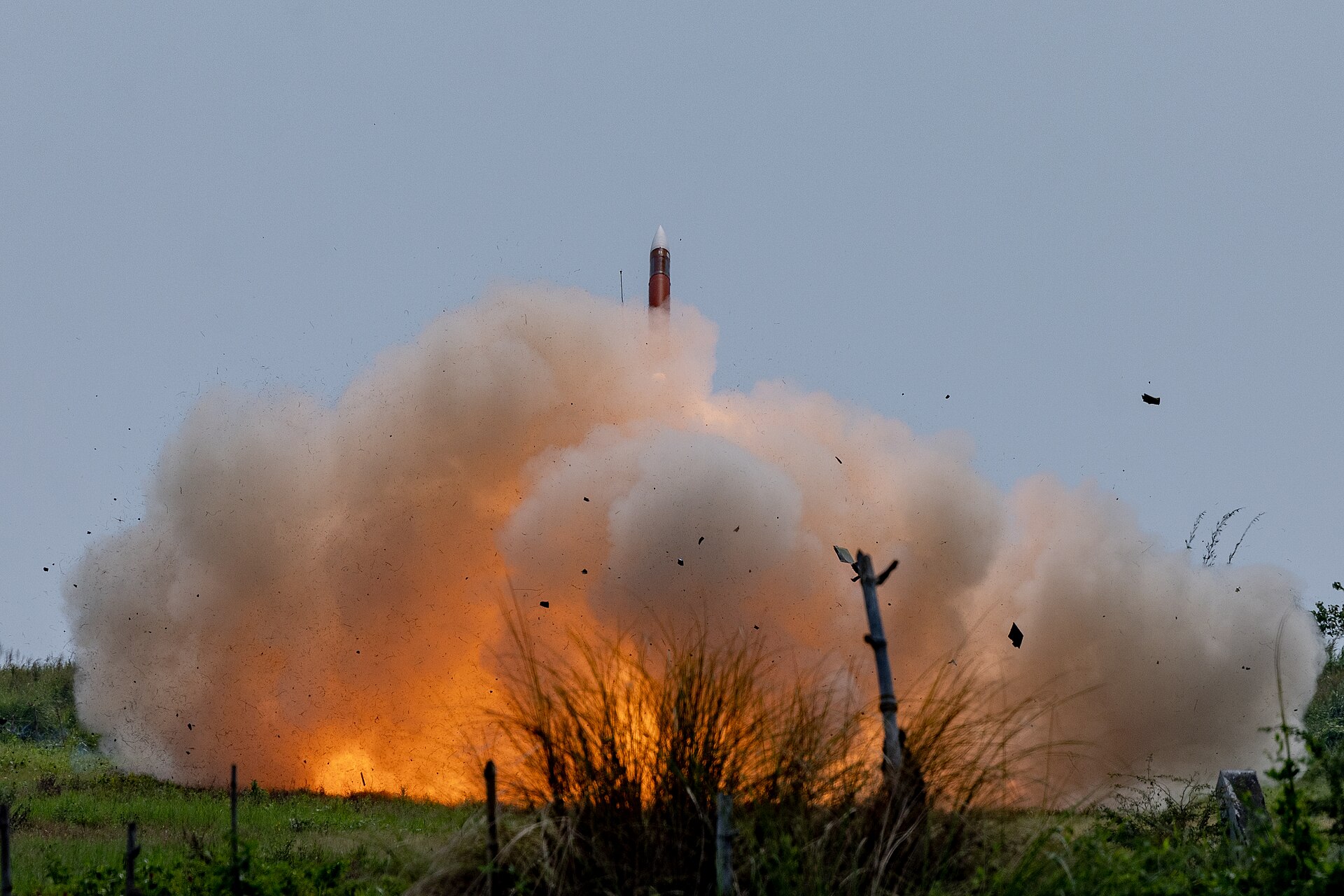
The crown prince’s private advocacy contrasts with his public posture. Mohammed bin Salman has avoided making any public statements calling for escalation and has instead positioned Saudi Arabia as a party that was dragged into the conflict by Iranian retaliatory strikes on its territory. Saudi Arabia has absorbed more than 575 Iranian drone and missile strikes since the war began, according to tracking by the Saudi Ministry of Defense.
A senior White House official confirmed to the Jerusalem Post that MBS had been “speaking regularly” with Trump and urging “harsh action against Iran.” The official described the relationship between the two leaders as unusually close during this crisis, with the crown prince calling Trump directly rather than communicating through diplomatic channels.
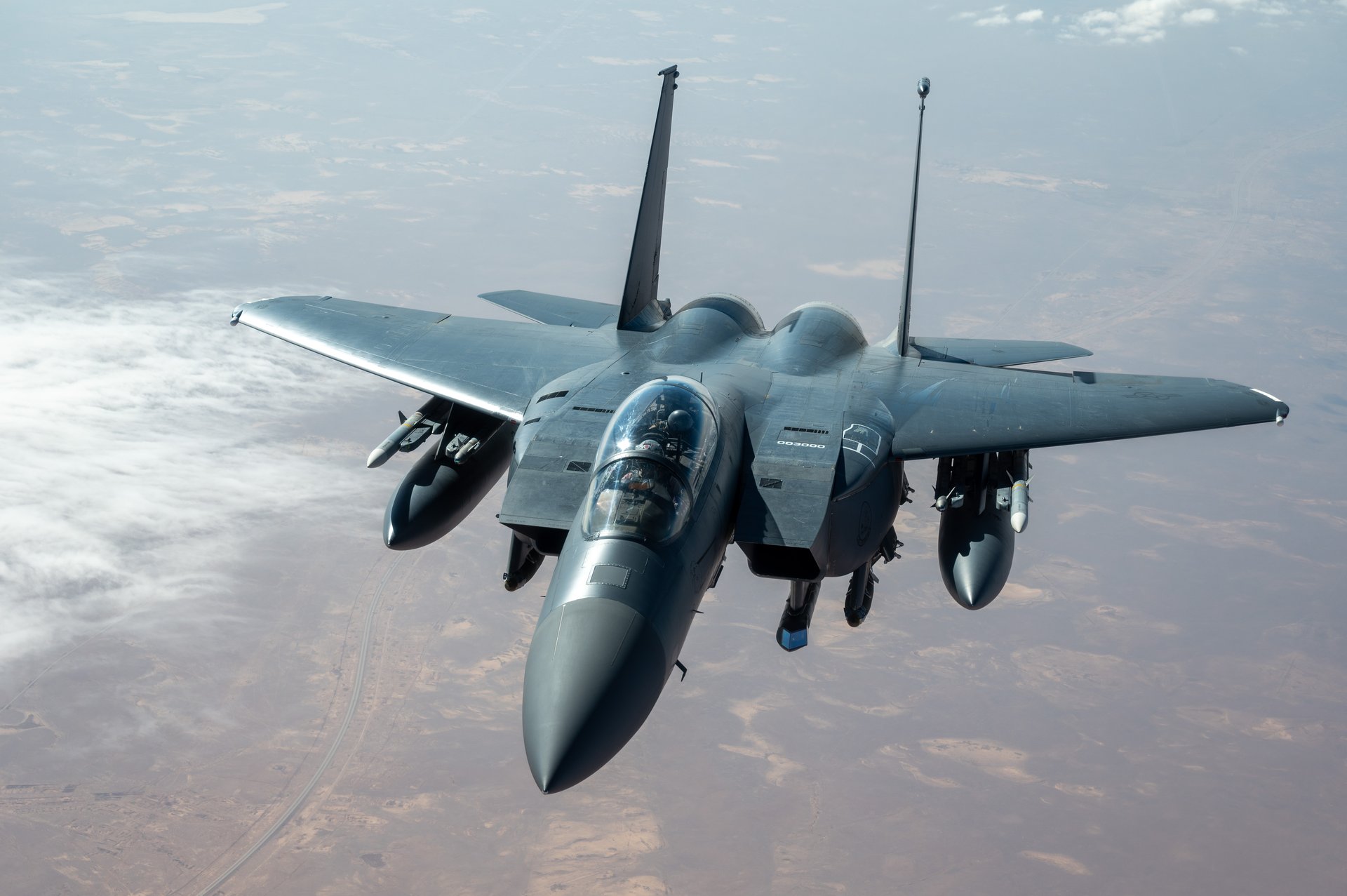
The reported conversations also touched on Saudi Arabia’s decision to open King Fahd Air Base in Taif to American forces, a move the Wall Street Journal reported as a reversal of Riyadh’s earlier insistence that its military facilities could not be used for offensive operations against Iran. The base sits approximately 1,400 kilometres from the nearest Iranian launch positions, offering US Air Force assets a degree of protection that Prince Sultan Air Base near Al Kharj — which has sustained Iranian bombardment damaging five US tanker aircraft — cannot provide.
What Is Saudi Arabia’s Official Position?
Riyadh moved quickly to distance itself from the New York Times reporting. A Saudi spokesman told reporters that “the Kingdom of Saudi Arabia has always supported a peaceful resolution to this conflict” and that officials “remain in close contact with the Trump administration and our commitment remains unchanged.”
The denial followed a pattern that analysts have tracked throughout the four-week conflict. Saudi Arabia has simultaneously pursued what Bruce Riedel, a senior fellow at the Brookings Institution and former CIA officer, described as a “dual-track approach” — absorbing Iranian strikes without formally entering the war while quietly deepening military cooperation with Washington behind closed doors.
The gap between public statements and private lobbying is not new for MBS. During the early days of the Trump administration’s first term, the crown prince privately encouraged Washington to take a harder line on Iran’s nuclear programme while publicly endorsing diplomatic channels through the Joint Comprehensive Plan of Action review process. The current dynamic, however, involves direct advocacy for a ground invasion — a qualitative escalation in Saudi private diplomacy that several former US officials described to NBC News as “unprecedented.”
| Issue | Public Position | Reported Private Position (NYT) |
|---|---|---|
| War aims | Peaceful resolution to the conflict | Regime change in Iran |
| Military bases | Bases cannot be used for offensive operations | Opened King Fahd Air Base to US strikes |
| Ground troops | No public statement | Urged Trump to deploy troops inside Iran |
| Energy infrastructure | Calls for de-escalation of energy targeting | Advocated seizing Iranian energy assets |
| War duration | Supports immediate ceasefire efforts | Sees war as “historic opportunity” |
Saudi Defence Minister Prince Khalid bin Salman has served as the public face of the Kingdom’s military response, chairing emergency meetings and coordinating with allied defence ministries. Khalid has consistently framed Saudi Arabia’s posture as defensive, emphasizing the interception of Iranian missiles and drones rather than any offensive ambitions.
How Many US Troops Are Now Deploying to the Region?
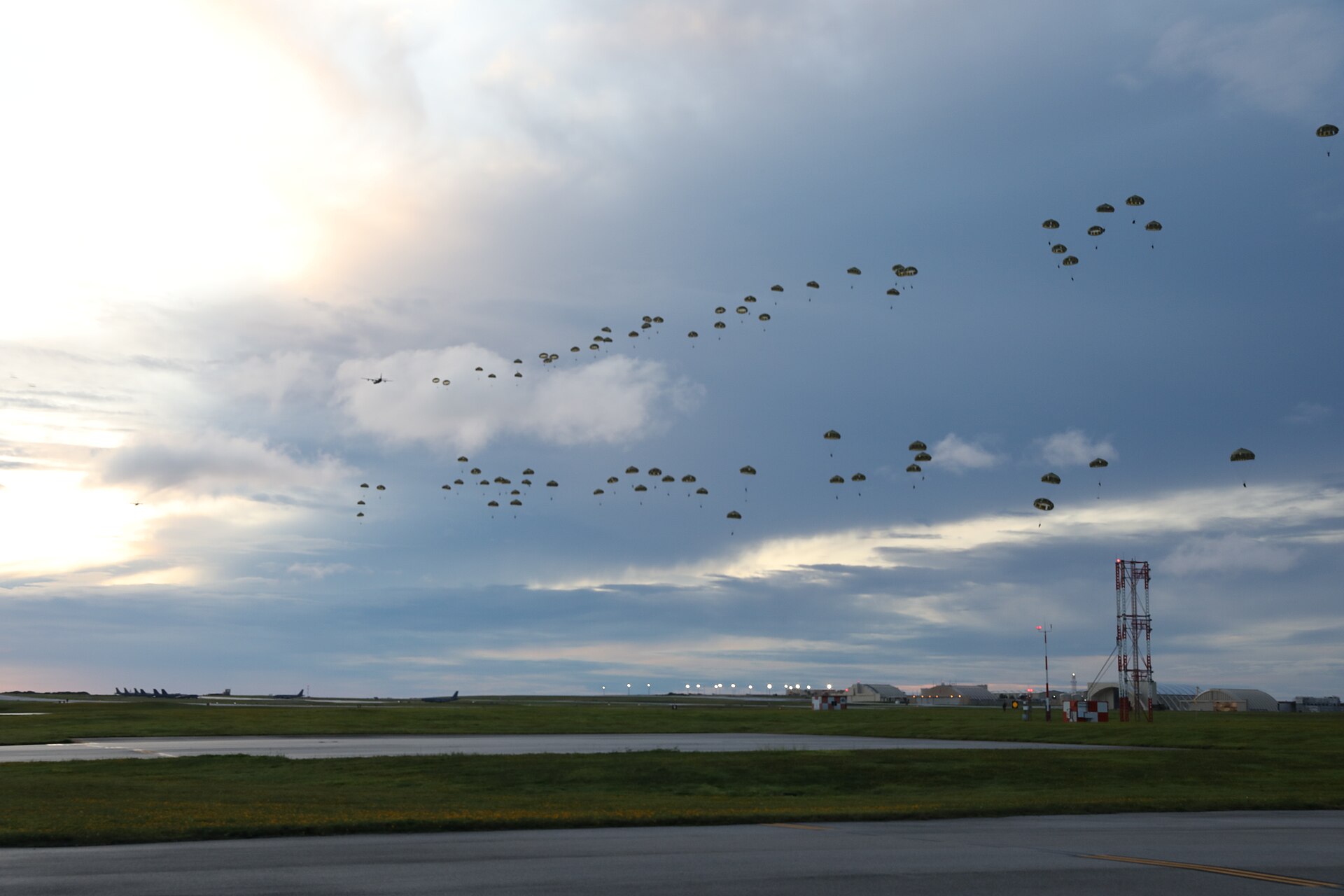
The Pentagon confirmed on March 25 that elements of the 82nd Airborne Division at Fort Liberty, North Carolina, have received written deployment orders for the Middle East. Between 2,000 and 3,000 paratroopers are expected to deploy, drawn from the division’s Immediate Response Force — a unit capable of mobilizing worldwide within 18 hours, according to Military Times.
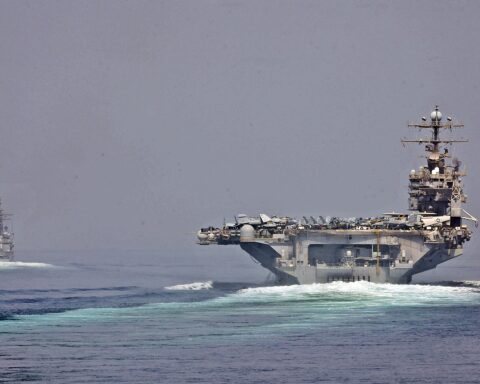
The deployment, combined with two Marine Expeditionary Units already moving toward the Persian Gulf, could bring between 6,000 and 8,000 US ground troops into close proximity to Iran, according to Pentagon sources who spoke to CBS News. This represents the largest concentration of American ground forces in the region since the drawdown from Iraq.
The troops are in addition to the existing US military presence in the Gulf, which includes approximately 45,000 personnel spread across air bases, naval facilities, and ground installations in Saudi Arabia, Bahrain, Qatar, Kuwait, and the UAE. The 82nd Airborne deployment is significant because the division specialises in rapid forced-entry operations — parachute assaults behind enemy lines — rather than the static base protection missions that characterise most US deployments in the Gulf.
| Unit | Personnel | Estimated Strength | Role |
|---|---|---|---|
| 82nd Airborne Division (deploying) | Paratroopers | 2,000-3,000 | Rapid response / forced entry |
| Two Marine Expeditionary Units | Marines | 4,000-5,000 | Amphibious operations |
| Existing Gulf presence | Multi-service | ~45,000 | Air operations, base security, naval |
| Carrier Strike Groups (2) | Navy/Air Wing | ~10,000 | Air superiority, naval power projection |
Pentagon spokesperson Major Charlie Dietz told reporters that “it’s the job of the Pentagon to make preparations in order to give the Commander in Chief maximum optionality.” White House press secretary Karoline Leavitt echoed the message, stating that the preparations “do not mean the President has made a decision” and that Trump “is not planning to send ground troops anywhere at this time.”
What Has the Pentagon Prepared for a Ground Invasion?
CBS News reported that Pentagon officials have made “detailed preparations” for deploying US ground forces into Iran, with senior military commanders submitting specific operational requests aimed at preparing for such an eventuality. The preparations include logistics for handling the potential detention of Iranian soldiers and paramilitary operatives if American forces enter Iranian territory.
The planning reportedly involves multiple scenarios ranging from limited seizures of coastal energy infrastructure along the Persian Gulf to broader operations targeting Iranian military command centres inland. Officials familiar with the planning told CBS that military leaders have briefed Trump on the risks, including the potential for Iran to activate its extensive proxy network across Iraq, Syria, Lebanon, and Yemen in response to a ground incursion.
Military analysts have cautioned that any ground operation in Iran would face severe logistical challenges. Iran’s terrain — mountainous in the north and west, with vast desert stretches in the centre — favours defenders. The country’s population of approximately 88 million people and its 610,000-strong armed forces, supplemented by an estimated 190,000 Islamic Revolutionary Guard Corps personnel, present a scale of opposition that dwarfs the US military campaigns in Iraq and Afghanistan.
Anthony Cordesman, a strategist at the Center for Strategic and International Studies, noted that “the idea of seizing Iranian energy infrastructure presumes you can hold it against a hostile population and ongoing irregular warfare. The US military learned that lesson in Iraq at enormous cost.”
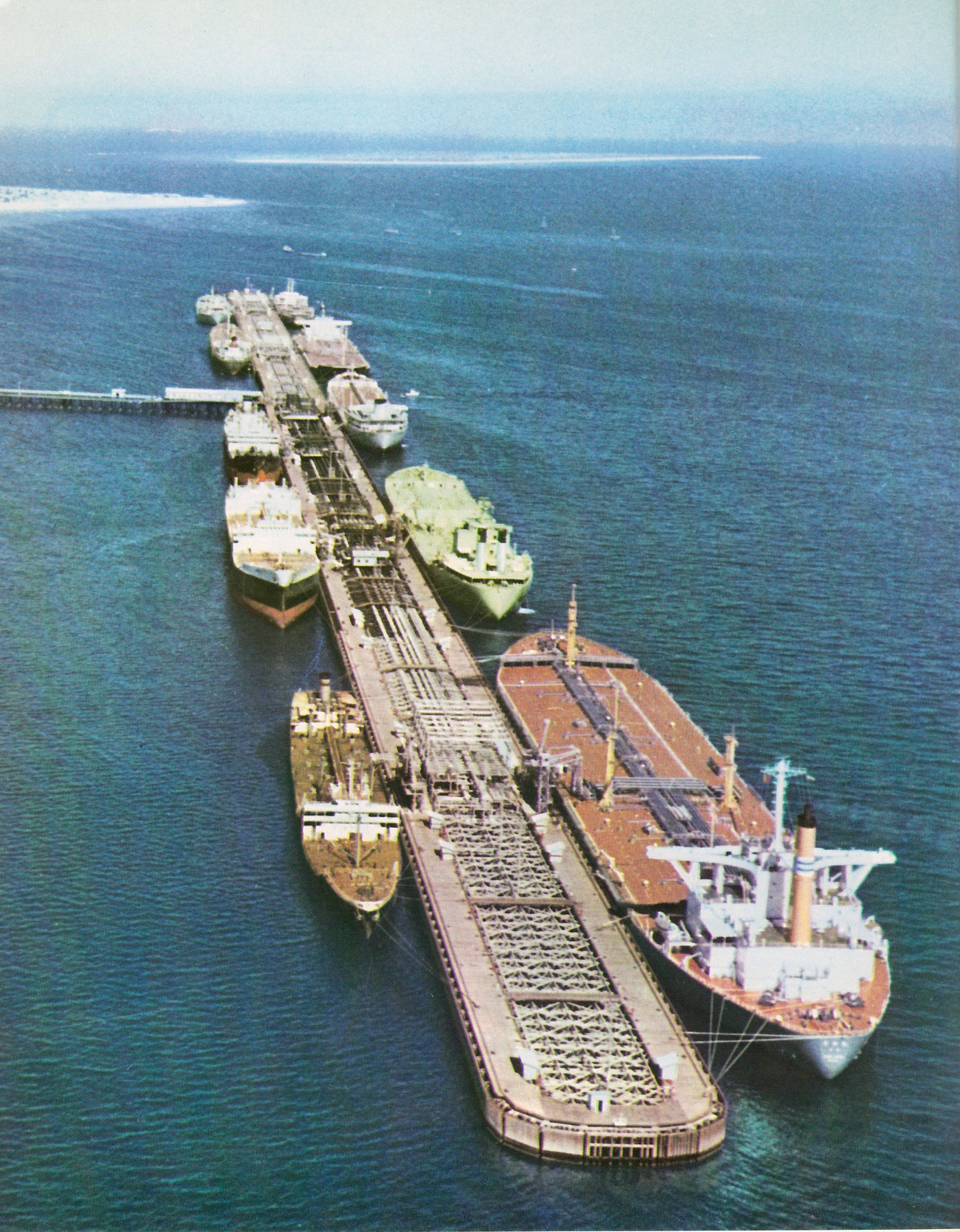
Iran’s primary energy infrastructure sits along the Persian Gulf coast. Kharg Island, which handles roughly 90 percent of Iran’s crude oil exports, is an obvious target. But seizing and holding the island — or the refineries at Abadan and Bandar Abbas — would require a sustained ground presence that the current US force structure in the region cannot support without a major mobilization, according to military logistics experts.
Why Is MBS Pushing for Regime Change in Iran?
The crown prince’s reported push for regime change reflects a calculation that has been building inside the Saudi national security establishment since Iranian drones and missiles began striking Saudi territory on March 1. Iran’s retaliatory campaign — launched after US and Israeli forces struck Iranian nuclear and military sites — has hit Saudi oil facilities, military bases, residential areas, and critical infrastructure across the Kingdom.
Saudi Arabia has intercepted more than 575 drones and multiple ballistic missiles since the war began, but the attacks have still caused damage. Iran struck a residential building in Al Kharj, killing two foreign workers and injuring 12 others. The economic toll has been substantial, with oil exports through the Strait of Hormuz effectively blocked and Aramco forced to reroute shipments through the Red Sea pipeline to Yanbu at significantly reduced volumes.
For MBS, the logic of regime change is straightforward, according to officials who described his thinking to the New York Times: as long as Iran’s current government survives, it will retain the capacity to threaten Saudi Arabia with the kind of asymmetric warfare that has paralysed Gulf energy exports for nearly a month. A negotiated end to the war that leaves Iranian military capabilities intact — even in a weakened state — would mean Saudi Arabia faces the same threat again.
The crown prince’s position also reflects a broader strategic vision in which the destruction of Iran’s military capacity would remove the primary external threat to Vision 2030, his multi-trillion-dollar economic transformation programme. Iranian strikes have already forced the Public Investment Fund to redirect capital from megaprojects like NEOM toward wartime priorities including grain stockpiling and defence procurement.
How Has Trump Responded to the Pressure?
Trump has sent mixed signals. According to the New York Times, the president expressed reservations during his calls with MBS about further military escalation, warning that a ground invasion could drive oil prices even higher and damage the US economy. Oil prices have already surged past $114 per barrel during the conflict, with periods of extreme volatility driven by attacks on Gulf energy infrastructure.
On March 23, Trump announced a five-day pause in strikes against Iranian power plants and energy infrastructure, citing “productive” negotiations with a “top person” in the Iranian leadership. Trump’s envoys Steve Witkoff and Jared Kushner have reportedly been in contact with the speaker of the Iranian parliament, Mohammad Bagher Ghalibaf, although Iran’s Foreign Ministry denied that any negotiations were taking place.
Trump also floated the idea that the Strait of Hormuz might be “jointly controlled” by the US and Iran, describing such an arrangement as “a very serious form of regime change.” The proposal was immediately rejected by Tehran. Iran’s Foreign Ministry said on March 25 that it rejected all US ceasefire conditions and demanded recognition of Iranian sovereignty over the waterway.
The White House has avoided publicly endorsing or rejecting the idea of ground troops. Press secretary Leavitt’s statement that the president is “not planning to send ground troops anywhere at this time” leaves deliberate ambiguity — the phrase “at this time” signals that the option remains on the table.
It’s the job of the Pentagon to make preparations in order to give the Commander in Chief maximum optionality. It does not mean the President has made a decision.
Karoline Leavitt, White House Press Secretary, March 25, 2026
Congressional reaction has been divided. Senators Lindsey Graham and Tom Cotton have publicly supported more aggressive action against Iran, while a bipartisan group including Senators Tim Kaine and Rand Paul have warned that a ground invasion would require formal congressional authorization under the War Powers Act.
Regional Powers React to the Escalation Signals
The cascade of developments — the NYT report on MBS’s private lobbying, the 82nd Airborne deployment, and the WSJ report on Saudi and UAE steps toward joining the war — triggered responses from capitals across the region and beyond.
Pakistan’s Prime Minister Shehbaz Sharif said on March 25 that his country “stands firmly with Saudi Arabia against Iran’s repeated attacks.” Sharif spoke with MBS by phone and renewed his offer to host face-to-face US-Iran peace talks in Islamabad. However, Pakistan has carefully avoided committing military forces to the conflict, maintaining what analysts describe as “limited alignment without military entanglement.”
China’s Foreign Minister Wang Yi called his Iranian counterpart Abbas Araghchi on March 24 and urged Tehran to prioritize dialogue, telling him that “talking is always better than fighting.” Araghchi responded that Iran seeks a “comprehensive resolution rather than a temporary ceasefire” and thanked China for humanitarian support.
The United Kingdom’s Prime Minister spoke with MBS on March 24 and reiterated “unwavering support for the Kingdom.” The UK has deployed air defence missiles to Saudi Arabia, Kuwait, and Bahrain and committed to leading a mine-clearing coalition through the Strait of Hormuz. British officials briefed journalists that the call included an update on further UK defensive military equipment being deployed to the region.
Turkey has been working to prevent Gulf states from formally entering the war. Turkish Foreign Minister Hakan Fidan visited Riyadh, Abu Dhabi, and Doha in rapid succession last week, arguing that Gulf military intervention would widen the conflict without accelerating Iran’s defeat.
Iran’s response to the NYT revelations was characteristically blunt. An IRGC-affiliated media outlet described MBS’s reported push for regime change as “confirmation that Riyadh is America’s client, not its partner” and warned that any Saudi participation in ground operations on Iranian soil would make “every Saudi city a legitimate military target.”
UN Secretary-General António Guterres, speaking separately about the escalating conflict, said there were “reasonable grounds” to believe that both sides may have committed war crimes through attacks on energy infrastructure. Guterres called on Iran to stop attacking neighbours who “were never parties to the conflict” and urged all sides to end assaults on energy sites — a plea that the prospect of a US ground invasion aimed at seizing Iranian oil and gas facilities would directly undermine.
France’s President Emmanuel Macron urged Tehran to engage in good-faith negotiations to end the war. European diplomats expressed private alarm at the prospect of a ground campaign, with one senior EU official telling Reuters that “an American ground presence in Iran would make the Iraq war look like a rehearsal.”
The coming days will test whether MBS’s reported private pressure or the more cautious voices in Washington and allied capitals prevail. The 82nd Airborne deployment, once completed, will place American rapid-reaction forces within striking distance of Iranian territory for the first time since the war began. Whether those troops remain a deterrent or become the tip of a ground assault may depend on conversations between Riyadh and Washington that, until this week, the world did not know were happening.
Frequently Asked Questions
Did MBS directly ask Trump for a ground invasion of Iran?
According to the New York Times, citing people briefed on private phone calls between the two leaders, Crown Prince Mohammed bin Salman urged Trump to deploy ground troops inside Iran to seize energy infrastructure and force regime change. Saudi officials denied the characterisation, saying the Kingdom supports a peaceful resolution.
How many US troops are being sent to the Middle East?
The Pentagon confirmed the deployment of 2,000 to 3,000 paratroopers from the 82nd Airborne Division. Combined with two Marine Expeditionary Units already en route, between 6,000 and 8,000 additional US ground troops will be positioned near Iran, supplementing approximately 45,000 already stationed in the Gulf region.
Has the Pentagon planned for a ground invasion of Iran?
CBS News reported that Pentagon officials have made detailed preparations for deploying ground forces into Iran, including planning for the detention of Iranian military personnel. The White House stated these preparations reflect standard military planning to give the president “maximum optionality” and do not indicate a decision has been made.
What is Saudi Arabia’s official position on the war?
Saudi Arabia’s official position is that it supports a peaceful resolution to the conflict. The Kingdom has not formally declared war on Iran and has characterised its military activity as defensive, focused on intercepting the more than 575 Iranian drones and missiles that have struck Saudi territory since February 28.