NEOM — Saudi Arabia has killed NEOM. Not with an announcement but with an autopsy performed in public, one contract termination at a time. The $500 billion megaproject that was supposed to prove Mohammed bin Salman could build a civilization from sand is being carved up and distributed to Aramco, the Ministry of Sport, and Red Sea Global — entities that serve the war economy, not the utopian one. The dismemberment is not a failure of imagination. It is a confession of priorities.
Since September 2025, when the Public Investment Fund suspended work on The Line after completing just 2.4 kilometres of its 170-kilometre ambition, NEOM has shed more than $6.8 billion in contracts in a single month. Trojena lost its ski village steel, its dam system, and the 2029 Asian Winter Games. The Line lost its transport tunnel. DSV’s $10 billion logistics joint venture sits frozen.
What remains — a green hydrogen plant and a rump technology showcase — amounts to perhaps 5 percent of the original vision. The rest has been sacrificed so that MBS can fight a war, feed an AI strategy, and keep the riyal pegged to the dollar. The sacrifice was calculated, overdue, and more revealing than anything MBS has said in a decade.
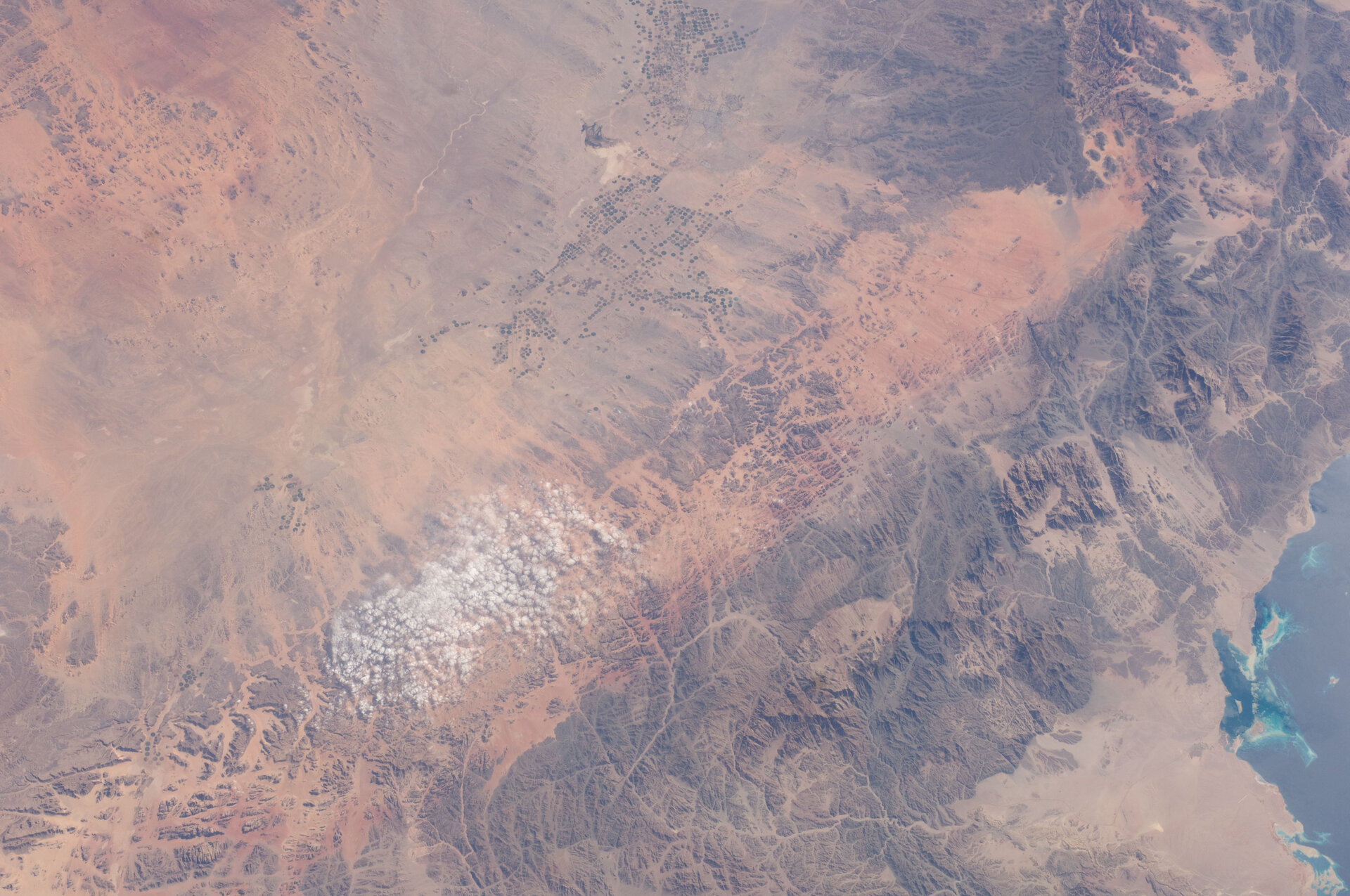
Table of Contents
What Happened to NEOM in 2026?
NEOM in 2026 is a project being stripped for parts. The PIF suspended construction on The Line in September 2025 after completing just 1.4 percent of the planned structure, according to AGBI reporting. The population target for 2030 was slashed by 80 percent. A leaked 2023 board presentation, first reported by Bloomberg, projected that completing The Line would take until 2080 — over half a century away, at a cost detailed further below.
Then came the contract cancellations. In March 2026 alone, NEOM terminated three major contracts worth a combined $6.85 billion. Italian contractor Webuild lost a $4.7 billion contract to build three dams and a freshwater lake for Trojena; the project was roughly 30 percent complete when the axe fell. Malaysia’s Eversendai lost a structural steel contract for Trojena’s ski village valued at approximately $1.15 billion, according to its stock exchange filing. A consortium of Hyundai E&C, Samsung C&T, and Archirodon lost a $1 billion contract to build a 12.5-kilometre transport tunnel beneath The Line, a project originally awarded in June 2022.
These are not deferrals. Webuild confirmed that the termination takes effect on March 29, 2026. Eversendai attributed the cancellation to “the current geopolitical situation in the Middle East.” The companies are submitting claims for demobilisation costs and work already performed, but the projects themselves are dead.
The Anatomy of a Dismemberment
The contract cancellations are the visible evidence. The structural change runs deeper. In January 2026, AGBI reported that Saudi Arabia was considering a radical restructuring of NEOM, breaking it into at least five separate entities managed by different state bodies. By March 2026, that restructuring was effectively complete. NEOM’s major components — Oxagon, Trojena, Sindalah, and The Line — are now controlled by different organisations with different mandates and different timelines.
The entity called “NEOM” still exists, but it is a holding shell. The organisation has been directed to cut its headcount to roughly one-third of existing levels, according to sources cited by AGBI. In July 2025, Semafor reported that NEOM was already considering laying off up to 1,000 employees — approximately 20 percent of its 5,000 full-time staff — and relocating over 1,000 more to Riyadh, where they would lose housing and meal benefits provided at the remote NEOM site. That amounts to a de facto pay cut designed to accelerate voluntary departures.
The dismemberment also extends to NEOM’s commercial partnerships. DSV, one of the world’s largest logistics groups, holds a 49 percent stake in a $10 billion joint venture with NEOM that holds exclusive rights to provide logistics and transport services until 2055. In its 2025 annual report, reported by AGBI in February 2026, DSV stated: “The planned joint venture is not operational, and no capital has been allocated to it.” DSV had committed to invest up to $2.45 billion but capped 2025 spending at $100 million as timelines collapsed. The company dropped its dedicated joint-venture section from its annual report entirely.
Where Did NEOM’s Components Go?
The components of NEOM did not vanish. They were redistributed to entities that serve the kingdom’s wartime and post-war priorities. Each transfer reveals what MBS actually values.
| Component | Original Vision | Transferred To | New Function |
|---|---|---|---|
| Oxagon | Floating industrial city, world’s largest automated port | Saudi Aramco | Industrial logistics hub integrated with energy infrastructure |
| Trojena | Mountain ski resort, 2029 Asian Winter Games host | Ministry of Sport | FIFA 2034 World Cup venue infrastructure (if salvageable) |
| Sindalah | Luxury island resort, “Saudi Monaco” | Red Sea Global | Tourism asset within existing RSG hospitality portfolio |
| The Line | 170 km mirrored city, 1.5 million residents | Retained by NEOM (rump entity) | Technology demonstration, under 300,000 residents |
| Green Hydrogen Plant | $8.4 billion facility, 600 tonnes/day | NGHC (Air Products JV, retained) | Energy export asset, production mid-2027 |
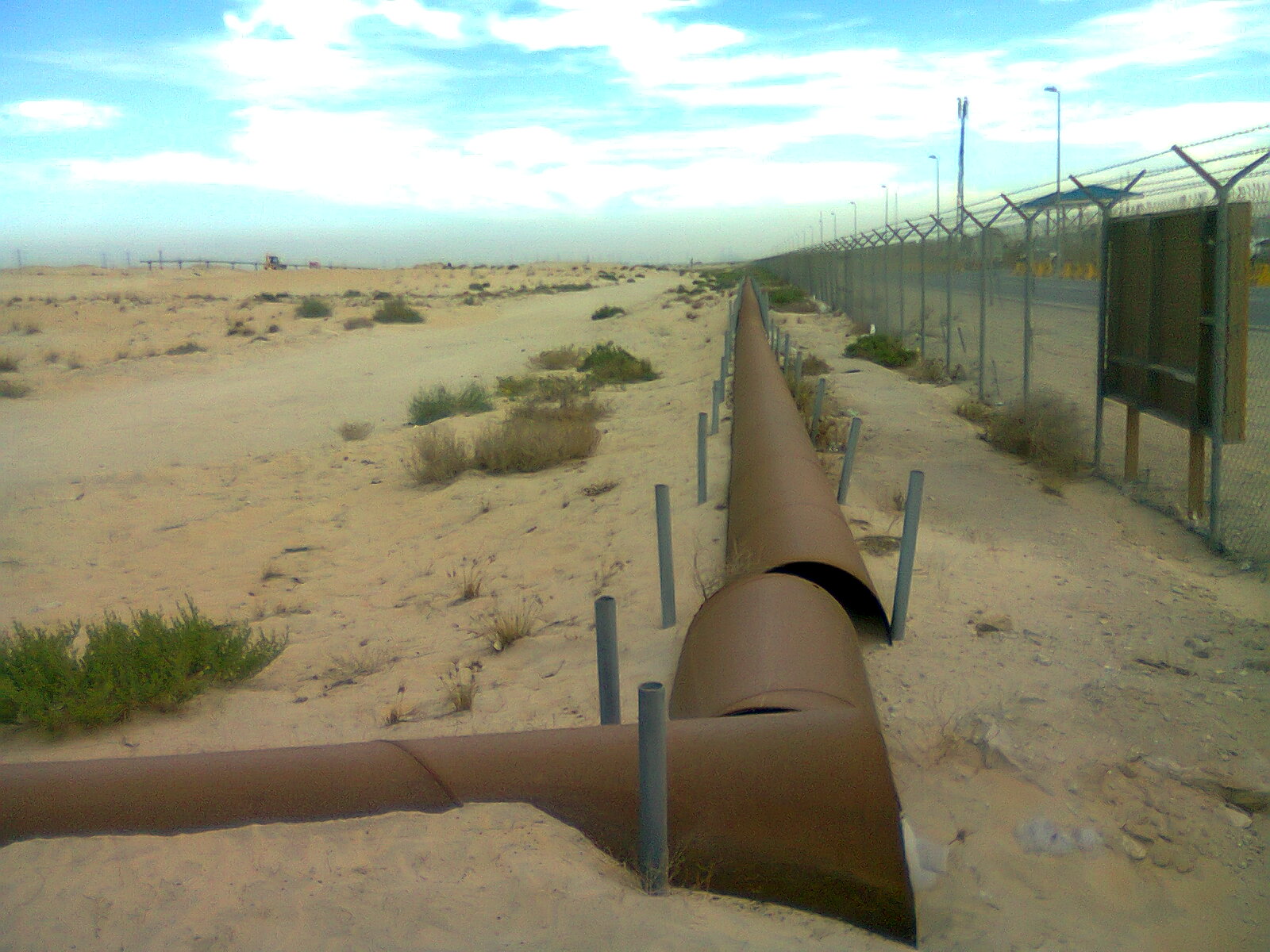
The logic of these transfers is not aesthetic. Aramco gets Oxagon because Aramco runs industrial infrastructure at scale and is building out the East-West Pipeline that hit 7 million barrels per day on March 28. The Ministry of Sport gets Trojena because Saudi Arabia needs to deliver fifteen stadiums for the FIFA 2034 World Cup, and the Trojena site — stripped of its ski resort fantasy — still has mountain terrain and road access that could serve a venue cluster. Red Sea Global gets Sindalah because RSG already manages the Red Sea Project and Amaala luxury developments, and has the hospitality operating expertise that NEOM conspicuously lacked.
Sindalah itself has become a case study in the gap between NEOM’s promises and its delivery. The island consumed an estimated $4 billion — roughly triple its initial projected cost, according to reporting by The Middle East Insider. It held a grand opening party on October 27, 2024, with 65 superyachts and performances by Alicia Keys. By March 2026, it had yet to welcome a single paying guest from the general public.
The Cost of the Dream That Died
Quantifying NEOM’s cost is an exercise in confronting Saudi Arabia’s most expensive miscalculation. The kingdom has spent approximately $50 billion on the project since its 2017 launch, according to multiple reporting sources including TechCrunch and AGBI. Of that sum, McKinsey and Company alone has earned over $130 million per year in consulting fees, a figure first reported by TechCrunch in March 2025.
The PIF’s 2024 annual results, released in August 2025, confirmed an $8 billion write-down across its giga-project portfolio, with NEOM absorbing the largest share. Giga-project investments declined 12.4 percent year-over-year to 211 billion Saudi riyals ($56.2 billion), and the giga-project share of PIF’s total assets fell from 8 percent to 6 percent, as reported by CNBC. The fund’s total assets still climbed 19 percent to approximately $913 billion, but the direction is unmistakable: PIF is shrinking its giga-project exposure and growing everything else.
Then came the December 2024 board meeting, where PIF’s board approved a minimum 20 percent reduction in spending across its portfolio of more than 100 companies, according to AGBI. Some project budgets were cut by as much as 60 percent. Others were placed on indefinite hold. This is the fiscal mechanism through which NEOM dies — not a dramatic announcement, but a budget committee quietly reallocating capital toward priorities that generate returns or protect sovereignty.
The contractor fallout extends beyond headline cancellations. Webuild, which had approximately 30 percent of the Trojena dam work complete, will claim reimbursement for costs incurred and early termination penalties. Eversendai’s outstanding order book fell from 4.6 billion Malaysian ringgit ($1.15 billion) to 2.02 billion ringgit ($506 million) after losing the Trojena steel package, according to its stock exchange filings.
Hyundai E&C reported that it finalised settlements for completed tunnel work and suffered “no financial loss” — language that suggests the Korean contractor was paid for exit, not for delivery.
The total tab, if one includes sunk construction costs, consulting fees, workforce expenses, contract termination penalties, and the write-down, likely exceeds $60 billion. That is more than Saudi Arabia spends on education in a year. It is also, by the standards of sovereign wealth fund investing, a recoverable loss — provided the PIF redirects that capital toward assets that actually produce.
Why Did the PIF Kill Its Own Flagship?
The Public Investment Fund killed NEOM because the math stopped working and a war started. Those two facts are connected but separable. The math stopped working years before the first Iranian drone crossed the Gulf.
The leaked 2023 board presentation established that completing The Line would require $8.8 trillion — a figure so large it amounts to 25 times Saudi Arabia’s annual budget. Even the first phase, targeted for 2035, carried a $370 billion price tag. The PIF, for all its scale, manages approximately $925 billion in total assets. Completing Phase One of The Line alone would have consumed 40 percent of the fund’s entire portfolio. No investment committee on earth would approve that concentration risk.
The war accelerated the timeline of a decision that was already overdue. When Iranian-backed Houthi strikes began hitting Saudi energy infrastructure and the regional conflict entered its acute phase in early 2026, the PIF faced a capital allocation choice it could no longer defer. Every riyal spent on a mirrored wall in the Tabuk desert was a riyal not spent on air defence, pipeline redundancy, food security stockpiles, or the AI infrastructure that PIF had identified as the real growth vector.
The Humain initiative, launched under PIF in May 2025, has already committed $23 billion in strategic technology partnerships and established a $10 billion AI venture fund, according to Arab News. Saudi Arabia designated 2026 as the “Year of Artificial Intelligence.” Aramco acquired a significant minority stake in Humain. The message is explicit: the PIF’s capital is migrating from construction in the desert to compute in the cloud.
The War Economy Paradox
Here is the paradox that makes NEOM’s death both inevitable and tragic: the war that killed the megaproject also proved why Saudi Arabia needed it.
NEOM was always, at its core, a diversification play. The $500 billion price tag was supposed to buy Saudi Arabia a post-oil economic anchor — a technology hub, a tourism destination, a manufacturing base that would generate non-hydrocarbon revenue long after the last barrel of crude lost its premium. Vision 2030 exists because MBS understood that oil dependency is an existential vulnerability. NEOM was the physical manifestation of that understanding.
Oil revenue still constitutes 64 percent of Saudi Arabia’s total government revenue in the 2026 budget, according to the Ministry of Finance pre-budget statement — the same share as 2025, underscoring how little structural progress the kingdom has made in weaning itself off hydrocarbons.
The Iran war has now made that vulnerability concrete. Goldman Sachs projected Saudi GDP to contract by 3 percent in 2026, according to its December 2025 forecast. The Strait of Hormuz, through which roughly 20 percent of global oil transits, faces ongoing disruption. Brent crude surged above $112, generating windfall revenue for Saudi Arabia in the short term — but also demonstrating to every importing nation that they need to accelerate their exit from oil dependency. The conflict may have moved the end of the oil age forward by a decade.
So Saudi Arabia now faces a double bind. It killed its most ambitious diversification project to fund a war that makes diversification more urgent than ever. The IMF estimates Saudi Arabia’s fiscal breakeven oil price at approximately $78-85 per barrel. With Brent above $110, every additional dollar generates surplus that can be directed toward defence spending and strategic reserves rather than concrete in Tabuk.
SAMA’s $475 billion in foreign reserves provides a multi-year buffer for riyal peg defence. But the reserves are finite, and the war’s duration is unknown. The resolution of this paradox lies in what MBS chose to keep.
What Actually Survives NEOM’s Dismemberment?
Not everything at NEOM is dead. The assets that survived the triage reveal what the Saudi state considers genuinely valuable — as opposed to what it considered impressive.
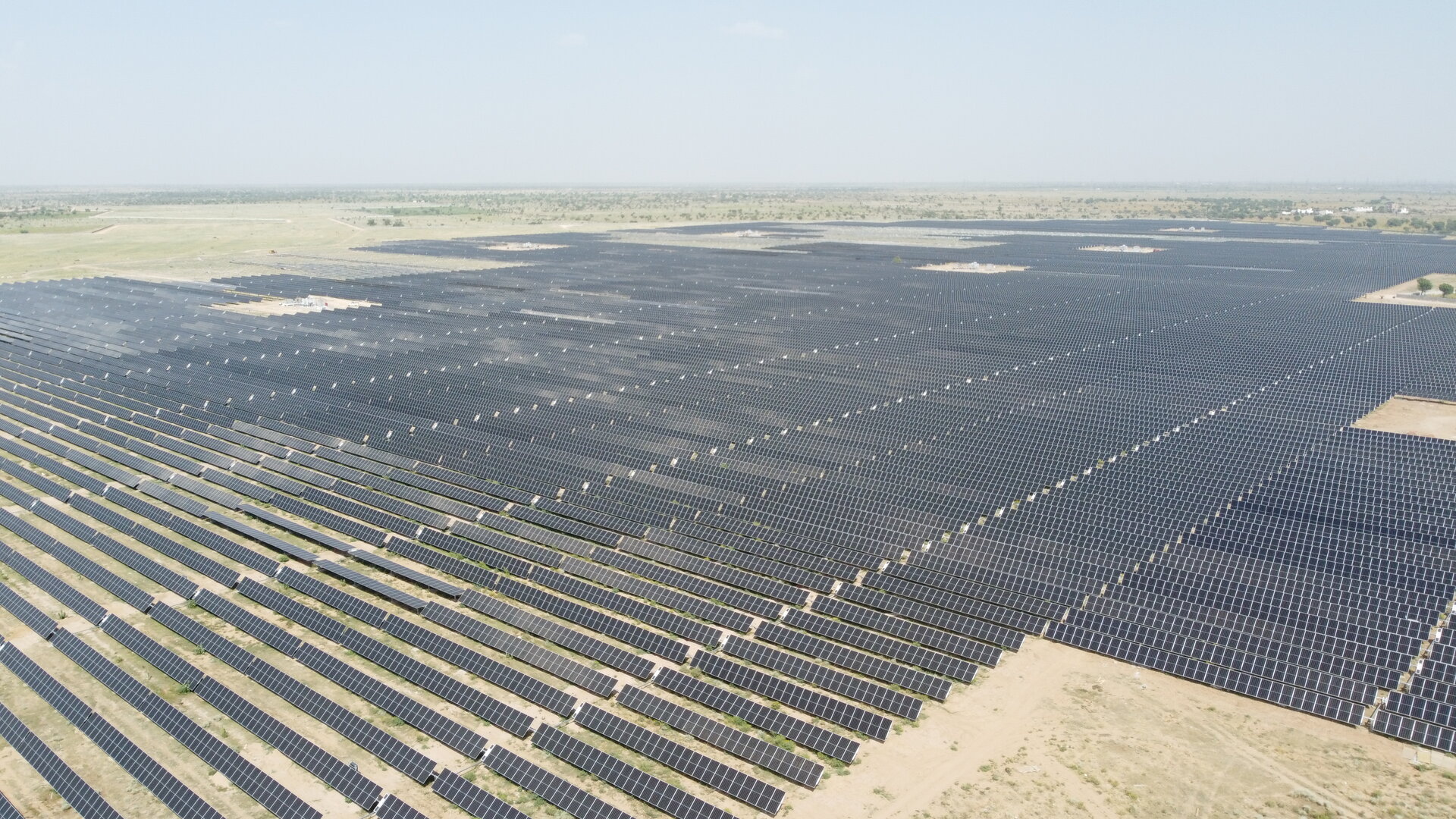
The NEOM Green Hydrogen Company (NGHC), a joint venture between NEOM, Air Products, and ACWA Power, is more than 90 percent complete and on track for commercial production in mid-2027, according to Air Products’ first-quarter 2026 earnings presentation. The $8.4 billion facility will produce up to 600 tonnes of green hydrogen per day, converted to green ammonia for export under a 30-year offtake agreement with Air Products. Solar and wind power infrastructure powering the plant is 95 percent complete. Air Products and Yara are negotiating a marketing agreement to commercialize excess ammonia in Europe.
This plant is the single most tangible deliverable from NEOM’s decade of spending. It is also the asset that most directly serves Saudi Arabia’s post-war positioning: a green energy export that hedges against declining oil demand while generating guaranteed revenue streams.
NEOM Bay, a residential and commercial development near the coast, also retains PIF funding, though at reduced scope. And the DataVolt hyperscale data centre campus at Oxagon, announced in February 2025 at a cost of $5 billion, continues under Aramco’s oversight — feeding directly into the kingdom’s AI infrastructure ambitions.
Everything else is either dead, frozen, or transferred to an entity that will repurpose it beyond recognition. Trojena without the ski resort, the dams, and the Winter Games is a mountain road with some graded land. Sindalah without NEOM’s management is a resort island that Red Sea Global will operate like any other luxury property. The Line without its tunnel, its population target, and its timeline is an architectural concept that will persist as a technology showcase — impressive on a brochure, irrelevant to GDP.
Sovereignty Over Spectacle
The argument against NEOM’s dismemberment is that MBS surrendered his boldest vision to short-term pressures. The argument for it is simpler and, ultimately, more persuasive: he chose sovereignty over spectacle.
Consider what the PIF is buying with the capital it freed from NEOM. The Humain AI initiative, as noted above, has secured billions in partnerships. Saudi Arabia’s mining sector is being positioned as a post-oil pillar, with Ma’aden and new exploration licences generating real revenue from real resources. The East-West Pipeline, hitting full capacity amid Hormuz disruption, protects Saudi oil exports from chokepoint interdiction.
Air defence systems, food security stockpiles, and strategic reserves are not glamorous. They keep the state intact.
NEOM, by contrast, was glamour. A mirrored city in the desert is a statement of ambition, not a guarantor of sovereignty. The Line was designed to attract global headlines, foreign investment, and the admiration of the Davos circuit. It did all three. It did not produce a single barrel-equivalent of economic output, employ a single Saudi citizen in a permanent role, or defend a single kilometre of border.
MBS has spent eight years constructing a public identity around transformation — the concerts, the tourist visas, the film festivals, the woman-driver announcements. NEOM was the capstone of that identity. Dismantling it is an admission that the identity was a branding exercise built on assumptions about oil prices, regional stability, and construction timelines that all proved wrong.
But it is also something rarer in authoritarian governance: a course correction. The PIF’s pivot toward AI, mining, food security, and defence logistics represents an economic strategy organised around what the kingdom actually needs — not what it wanted the world to see.
The 2029 Asian Winter Games were moved to Almaty, Kazakhstan, in January 2026, and Saudi Arabia’s reaction was not outrage but relief. The Games were a prestige commitment that required completing a ski resort in a region where summer temperatures exceed 30 degrees Celsius. Losing them freed capital and eliminated a deadline that had become impossible.
The markets understood before the pundits did. The Tadawul held steady through the NEOM contract cancellations because institutional investors had already priced in the megaproject’s death. NEOM was a sunk cost. The PIF’s pivot to assets that generate returns — AI compute, green hydrogen, mineral extraction — is what kept investor confidence intact.
There is a reading of MBS’s career that treats NEOM as his greatest ambition. There is another reading, more supported by the evidence of 2026, that treats NEOM as the thing he was willing to sacrifice when it mattered. Sovereignty — the ability to defend borders, feed citizens, peg a currency, and project power — always outranked spectacle. The dismemberment simply made that ranking visible.
The question now is whether MBS can build a diversified economy from hydrogen plants, data centres, and phosphate mines with the same urgency he once brought to a mirrored city. The post-war reconstruction contest in Iran will test whether Saudi capital can compete in real infrastructure markets. The AI pivot will test whether a petrostate can become a compute state. And the riyal peg, defended by SAMA reserves, will test whether the kingdom’s fiscal architecture can survive a multi-year oil demand decline.
NEOM was always a bet that Saudi Arabia could skip the hard work of incremental diversification and leap directly into a post-oil future. The leap failed. The hard work remains. But the capital that was vanishing into a mirrored wall is now available for that work — and that, more than any gleaming render, is what Vision 2030 needed.
Frequently Asked Questions
Can contractors recover costs from NEOM cancellations?
Yes, but the process varies by contract. Webuild’s agreement with NEOM includes reimbursement for costs incurred and early termination expenses including site disengagement and demobilisation. Eversendai confirmed it is preparing commercial claims with supporting documentation. Hyundai E&C stated it suffered “no financial loss” from its tunnel contract termination, suggesting the consortium negotiated a clean exit. Under Saudi procurement law, sovereign entities retain broad termination rights but must compensate for work performed and mobilisation costs. Contractors that had shipped equipment and materials to the remote Tabuk site face additional logistics expenses to remove them.
How does NEOM’s failure compare to other cancelled megaprojects globally?
NEOM is among the most expensive project cancellations in history, but it is not unprecedented. Japan’s Shimizu Mega-City Pyramid, a $36 billion Tokyo Bay proposal, died in the 1990s at the planning stage. South Korea’s Saemangeum seawall cost $3 billion and took 33 years before being abandoned as an economic zone. What distinguishes NEOM is that approximately $50 billion was actually spent before the restructuring, making it the most expensive partially built project ever dismantled. By comparison, the Superconducting Super Collider in Texas cost $2 billion before Congress cancelled it in 1993.
Will NEOM’s dismemberment affect Saudi Arabia’s credit rating?
Ratings agencies have treated the restructuring as a fiscal positive. S&P and Fitch have maintained Saudi Arabia’s A/A+ investment-grade ratings throughout the NEOM cancellations, with analysts noting that redirecting capital from speculative construction to revenue-generating assets improves the sovereign’s risk profile. Moody’s, which rates Saudi Arabia A1, flagged the kingdom’s non-oil fiscal deficit — projected at 15 percent of non-oil GDP through 2027 — as the more material concern. The risk to creditworthiness lies not in NEOM’s death but in what follows: if the war extends beyond 2027 and oil prices normalize below $80, the kingdom will need to demonstrate that PIF’s pivot toward AI and mining can generate non-oil revenue faster than the fiscal gap widens.
What happens to the 26,500 square kilometres of NEOM land?
The NEOM zone occupies an area larger than Belgium along Saudi Arabia’s Red Sea coast and Gulf of Aqaba shoreline. The land remains under PIF ownership through the NEOM entity, but most of the 26,500 square kilometres was never developed and requires no remediation. The green hydrogen facility occupies a fraction of the zone. Oxagon uses the former Duba port area. The Trojena mountain district has partially graded terrain and some foundation work. The vast majority of the zone — desert, coastline, and mountain terrain — will revert to its pre-NEOM state unless repurposed for mining exploration or military use, both of which PIF has signalled as priorities.
Could NEOM be revived after the war ends?
A full revival is economically implausible. The original concept required sustained oil prices above $80, global investor appetite for speculative Saudi assets, and a peaceful regional environment — conditions that may not recur simultaneously. PIF governor Yasir Al Rumayyan has instead described a revised 2026-2030 strategy centred on AI, mining, food security, and tourism, with no mention of restoring NEOM to its original scope. The individual components that survive — hydrogen, data centres, resort tourism — will generate returns on their own merits, but they bear little resemblance to the integrated city that NEOM was meant to become.