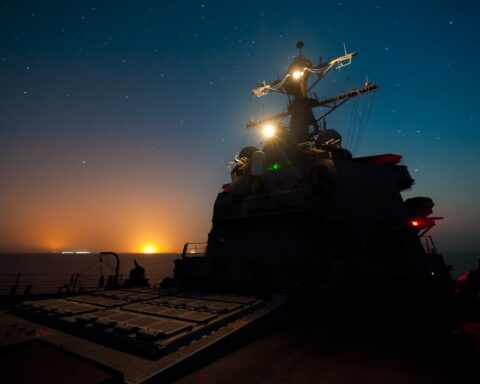

RIYADH — Israeli Prime Minister Benjamin Netanyahu has ordered the Israeli military to accelerate the destruction of Iran’s remaining arms manufacturing capacity within 48 hours, officials told the Jerusalem Post on Thursday, in a move driven by growing concern that President Donald Trump may announce a ceasefire as early as this weekend. The directive, issued Tuesday, marks the most intensive phase of strikes since the US-Israeli air campaign began 27 days ago, with CENTCOM confirming that more than two-thirds of Iran’s missile and drone factories have already been eliminated across more than 10,000 individual strikes.
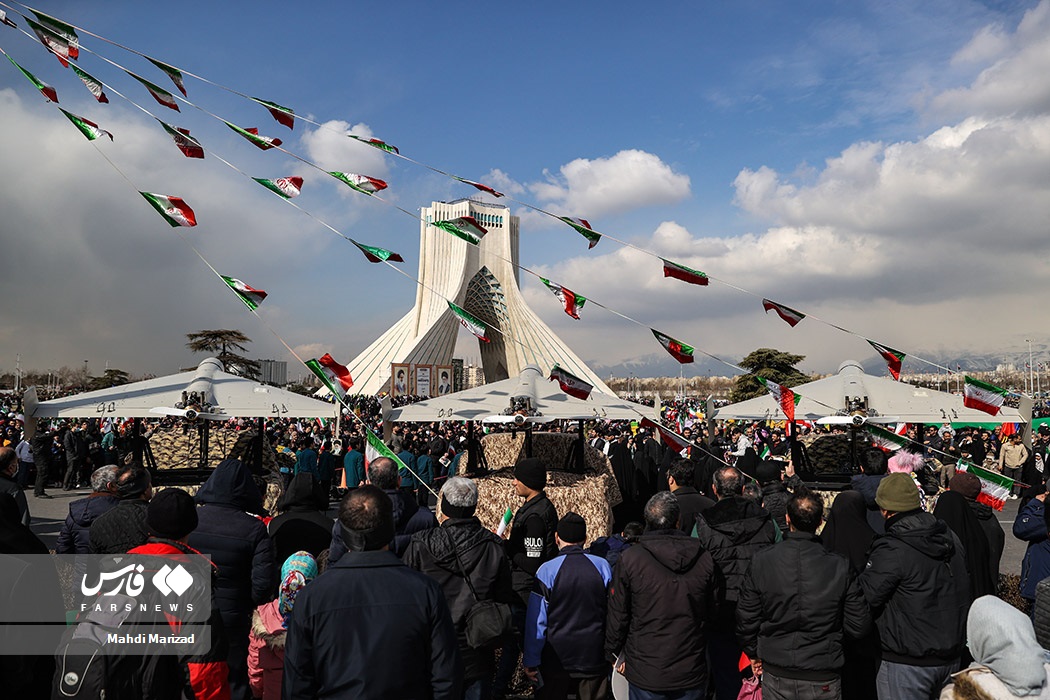
The decision carries direct consequences for Saudi Arabia and the Gulf states that have absorbed hundreds of Iranian drone and missile attacks since the war began on February 28. Every Shahed-136 loitering munition and every Fateh-class ballistic missile that Iran can no longer produce represents one fewer threat to Riyadh, Dhahran, and the oil infrastructure that underpins the Kingdom’s economy. For Crown Prince Mohammed bin Salman, who is weighing whether to enter the conflict directly, the scale of destruction inflicted on Iran’s military-industrial base in the next 48 hours may determine whether Saudi Arabia needs to fight at all.
Table of Contents
What Has Netanyahu Ordered?
Netanyahu ordered the Israeli Defence Forces on Tuesday to maximise the destruction of Iran’s arms industry over the following 48 hours, according to two senior Israeli officials who spoke to i24News and the Jerusalem Post. The order reflected a growing conviction within Israel’s security establishment that Trump could halt the campaign before the IDF has finished dismantling Iran’s capacity to rebuild its military.
The political and security leadership in Jerusalem drew up a prioritised target list focusing on what officials described as “maximal achievements” before a potential ceasefire. Arms factories, missile assembly plants, drone production lines, and the supply chains feeding them moved to the top of the strike queue, displacing infrastructure targets that had dominated the previous week’s operations.
One Israeli official told i24News that Netanyahu is concerned Trump may announce an end to hostilities “as early as this coming Saturday,” even before securing a finalised agreement with Tehran on Washington’s 15-point ceasefire proposal. Israel’s military establishment wants several more weeks of sustained strikes to ensure Iran cannot rapidly reconstitute its arsenal, NPR reported, citing defence officials.
The 48-hour window reflects a calculated gamble. Israel assesses that the remaining one-third of Iran’s arms factories represents the most hardened, dispersed, and difficult-to-reach targets, many of them buried in mountainous terrain or hidden within civilian industrial zones. The IDF is prioritising speed over precision, accepting greater operational risk to hit as many sites as possible before the diplomatic clock runs out.
How Much of Iran’s Arms Industry Has Been Destroyed?
More than two-thirds of Iran’s missile, drone, and naval production facilities have been damaged or destroyed since strikes began on February 28, according to CENTCOM Commander Admiral Brad Cooper. Speaking from MacDill Air Force Base in Florida on March 25, Cooper said US forces had struck more than 10,000 individual targets inside Iran, underscoring the scale of the campaign known as Operation Epic Fury.
The damage assessment is staggering by any historical standard. Iran entered the conflict with an estimated missile production capacity of roughly 300 units per month, according to Israeli military intelligence assessments cited by the Times of Israel. That figure has now fallen to approximately 40 to 50 missiles per month, a decline of more than 80 percent, according to Al Jazeera’s analysis of open-source intelligence data.
The destruction extends well beyond factory floors. Approximately 75 percent of Iran’s missile launchers have been destroyed, with an estimated 100 to 200 remaining, according to the Jerusalem Post. Iran’s ballistic missile and drone launch rates have fallen by more than 90 percent compared to the first week of the conflict, CENTCOM reported, severely constraining Tehran’s ability to target US forces, Israeli population centres, and Gulf state infrastructure.
Iran’s naval capacity has been even more thoroughly dismantled. Cooper said approximately 92 percent of Iran’s largest naval vessels had been destroyed, effectively eliminating the Islamic Republic’s ability to project maritime power beyond its coastal waters. The IRGC Navy, which operated the Strait of Hormuz blockade, has lost most of its patrol boats, frigates, and fast-attack craft.
| Capability | Pre-War Level | Current Assessment | Reduction |
|---|---|---|---|
| Missile production (monthly) | ~300 units | ~40-50 units | 83-87% |
| Drone production facilities | Fully operational | Two-thirds destroyed | ~67% |
| Missile launchers | 400-500 estimated | 100-200 remaining | ~75% |
| Missile/drone fire rate | Peak rate (Week 1) | Collapsed | >90% |
| Major naval vessels | Full fleet | Remnants only | ~92% |
| Arms factory targets struck | — | 10,000+ total targets | — |
Isfahan Under Fire
Isfahan Province has emerged as the primary battleground in the campaign to dismantle Iran’s arms industry. The Israeli military confirmed on Thursday that it completed a “wave of extensive strikes in Isfahan targeting infrastructure,” the most recent in a series of raids that have systematically dismantled the city’s role as the heart of Iran’s military-industrial complex.
The city’s strategic importance is rooted in decades of investment. Isfahan hosts the Shahed Aviation Industries Research Centre, the facility responsible for designing and manufacturing the Shahed-131 and Shahed-136 loitering munitions that have struck targets across the Gulf, according to the Institute for Science and International Security. The same complex produces components for the Mohajer and Ababil drone families. Isfahan Optics Industries, also located in the province, manufactures the precision lenses and guidance systems used in missiles, drones, tanks, and small arms, the IDF said in a March 24 statement.
A US-Israeli strike on March 14 killed 15 workers at an Isfahan factory, Iranian state media reported, one of the deadliest single attacks on a production facility during the conflict. Since then, the tempo of strikes on the province has increased markedly. The IDF reported conducting “extensive” raids on production sites across Isfahan Province on March 24, targeting multiple facilities in a single operational window.
The overnight strike that killed IRGC Navy Commander Alireza Tangsiri was also conducted in the Isfahan area, Israeli Defence Minister Israel Katz confirmed. Tangsiri had commanded the IRGC’s naval operations, including the forces responsible for enforcing the Strait of Hormuz blockade that has paralysed global oil shipping for nearly four weeks.
The CENTCOM Campaign in Numbers
Admiral Cooper’s March 25 briefing provided the most detailed public accounting of the American air campaign to date. US forces have now struck more than 10,000 targets inside Iran, a figure that encompasses military bases, weapons storage depots, missile silos, drone assembly lines, command-and-control nodes, and transportation infrastructure feeding the arms supply chain.
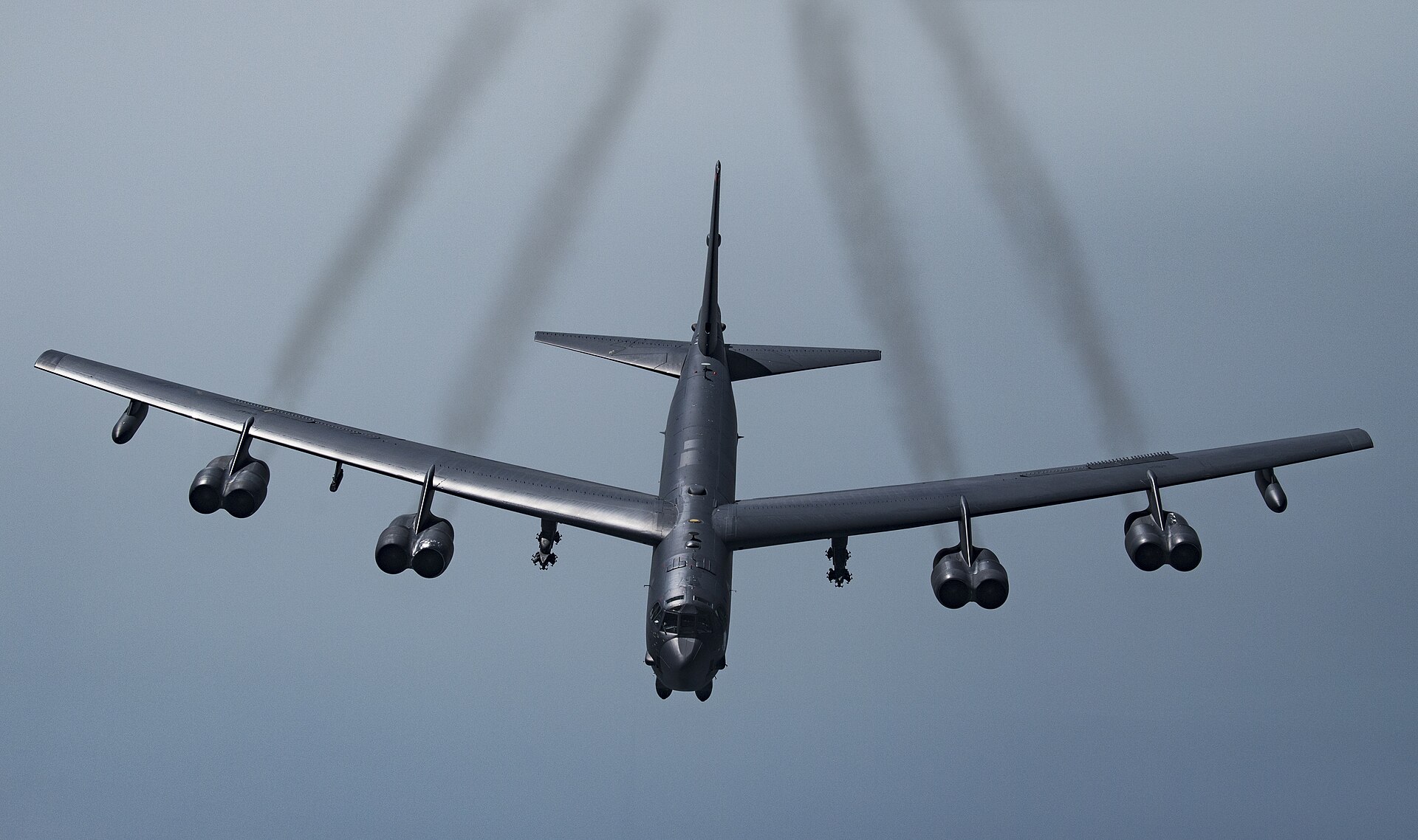
The scale of the bombing campaign has required sustained use of America’s heaviest strategic assets. Cooper said B-52H Stratofortress bombers were delivering up to 70,000 pounds of munitions per sortie, according to VINnews, operating from bases across the region including facilities in the Gulf that MBS has opened to US forces. Each B-52 sortie can carry a mix of precision-guided bombs, cruise missiles, and Joint Direct Attack Munitions capable of penetrating hardened targets.
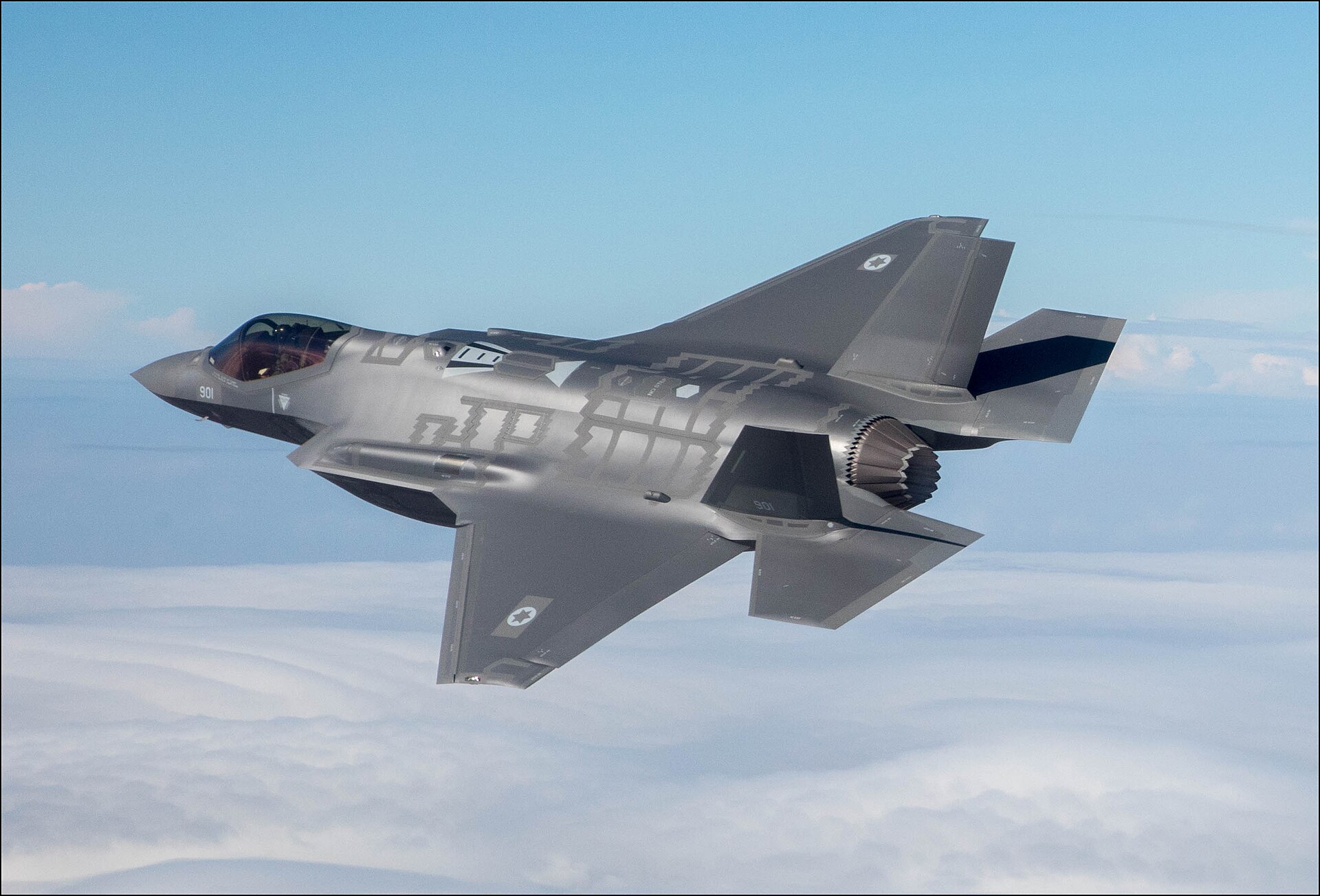
The campaign has involved multiple aircraft types. F-35 stealth fighters from both the US Air Force and Israeli Air Force have conducted the majority of penetrating strikes on air-defence-protected targets. F-15E Strike Eagles, F/A-18 Super Hornets operating from carrier groups in the Arabian Sea, and B-1B Lancers have supplemented the heavy bombing runs. The coordination between US and Israeli strike packages represents the most complex joint air campaign since Operation Desert Storm in 1991.
Cooper’s assessment that the campaign has prevented the production of at least 1,500 additional ballistic missiles in just two days of concentrated strikes illustrates the industrial scale of destruction. Iran’s defence sector employed an estimated 200,000 workers before the conflict, according to the International Institute for Strategic Studies. A significant percentage of those jobs have been eliminated alongside the factories themselves.
The geographic scope of the campaign spans the entirety of Iran. Strikes have hit facilities in Isfahan, Tehran, Tabriz, Parchin, Kermanshah, Semnan, and the Gulf coast. The Parchin military complex southeast of Tehran, long suspected of hosting research into nuclear weapons components, has been struck repeatedly. The Shahrud complex, which manufactures solid-propellant missile motors essential for Iran’s longer-range ballistic missiles, has been targeted in multiple waves, according to Al Arabiya.
The operational tempo shows no signs of slowing. Cooper noted that strike sorties have increased over the past 72 hours, coinciding with Netanyahu’s order. US and Israeli air assets are operating around the clock, with refuelling tankers and surveillance aircraft maintaining continuous coverage over Iranian airspace. The intensity of the campaign has drawn comparisons to the opening weeks of Operation Iraqi Freedom in 2003, though the targets in Iran are more dispersed and often better protected.
Why Does Iran’s Arms Industry Matter to Saudi Arabia?
Every missile and drone that Iran can no longer manufacture is one fewer weapon aimed at Saudi soil. The Kingdom has absorbed more than 200 drone and missile attacks since the war began, according to Saudi Ministry of Defence statements, with Iranian strikes targeting the Eastern Province oil infrastructure at Ras Tanura, Ghawar, and Abqaiq, the Yanbu refinery on the Red Sea coast, and residential areas in Al-Kharj where debris has killed civilians of multiple nationalities.
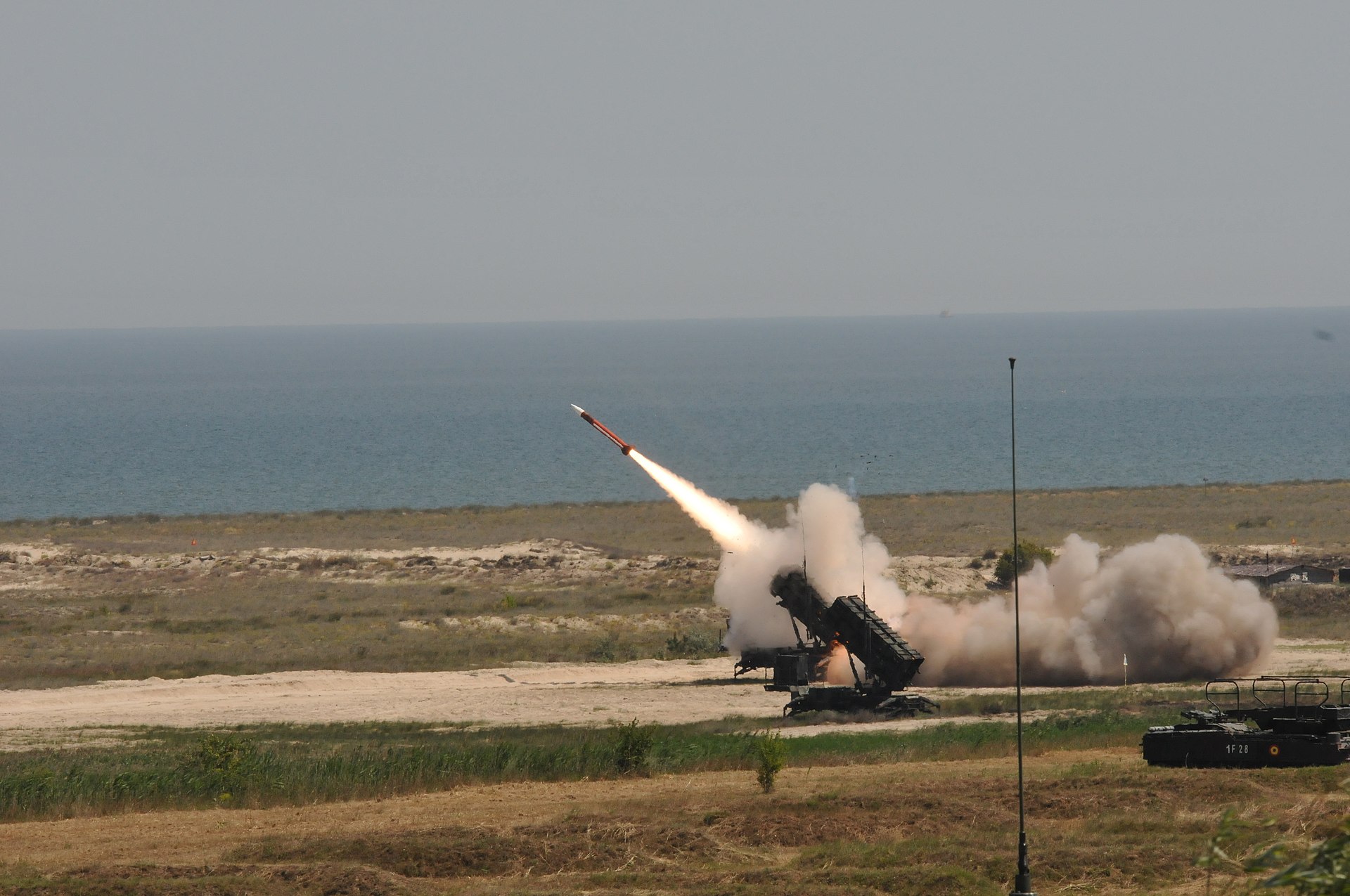
Saudi Arabia’s air defence network has performed well, intercepting the vast majority of incoming threats, but the system operates under continuous strain. Patriot batteries, THAAD interceptors, and the Kingdom’s own HAWK systems consume expensive interceptor missiles with every engagement. The asymmetry is acute: a Shahed-136 drone costs Iran an estimated $20,000 to produce, while a Patriot PAC-3 interceptor costs approximately $4 million.
The destruction of Iran’s production capacity shifts this equation fundamentally. If Iran can no longer replenish its drone and missile stocks at the pre-war rate, the threat to Saudi Arabia diminishes with every day the campaign continues. This calculus is central to Riyadh’s ongoing deliberation over whether to join the fighting directly. Crown Prince Mohammed bin Salman, who the Wall Street Journal reported is weighing direct military participation, may conclude that Israel and the United States are destroying the threat for him.
The strategic implications extend beyond the immediate conflict. Saudi Arabia’s post-war security environment will depend heavily on how much of Iran’s military-industrial base survives the ceasefire. A comprehensive destruction of production facilities would take years to rebuild, even without sanctions. A partial destruction, by contrast, could leave Iran capable of rearming within 12 to 18 months, recreating the same threat that launched hundreds of drones at Saudi cities in March 2026.
Iran’s Remaining Capacity and Response
Despite the unprecedented scale of destruction, Iran retains meaningful military capabilities. Al Jazeera reported on March 16 that Western intelligence agencies are puzzled by Iran’s continued ability to launch strikes despite CENTCOM’s claims of near-total degradation. The answer lies in pre-war dispersal, underground storage, and decentralised production networks that Tehran spent years building in anticipation of exactly this scenario.
Iran entered the war with an estimated 2,500 ballistic missiles in its arsenal, according to IDF intelligence assessments cited by the Times of Israel. Even with production at a fraction of pre-war levels, Iran has drawn on stockpiles hidden in underground “missile cities” carved into mountains across Kermanshah and Semnan provinces. These hardened facilities, some buried beneath 80 metres of rock, have proven difficult to destroy even with the most advanced bunker-busting munitions in the US and Israeli arsenals.
Tehran has also diversified its production internationally. Iranian Defence Minister Aziz Nasirzadeh confirmed in 2025 that Iran had established arms production facilities in several countries, without naming them, according to Iran International. Open-source intelligence has documented drone manufacturing operations in Tajikistan producing the Ababil-2, and long-standing industrial ties with Venezuela for drone component manufacturing.
Iran’s Deputy Health Minister Ali Jafarian told Al Jazeera on Thursday that the death toll from the war in Iran has reached at least 1,937 people, with 240 women and 212 children among the dead and more than 24,800 wounded. The civilian toll has become a central element of Tehran’s diplomatic positioning, as Iran frames the strikes as indiscriminate aggression against a sovereign nation.
Iran hit back on Thursday, firing two rounds of missiles at central Israel causing destruction and injuries, and struck targets across the Gulf. The UAE intercepted 15 ballistic missiles and 11 drones on Thursday alone, the Emirates’ Defence Ministry confirmed, bringing the cumulative total of intercepted projectiles to 372 ballistic missiles, 15 cruise missiles, and 1,826 drones since the conflict began. Shrapnel from an interception killed two people and injured three on Abu Dhabi’s Sweihan Road, a reminder that even successful air defence operations carry civilian costs.
The question confronting military planners in Riyadh, Abu Dhabi, and Washington is whether Iran’s remaining capacity is sufficient to sustain current attack rates. CBC News reported that Western analysts remain divided, with some arguing that Iran’s stockpile of pre-manufactured missiles could sustain attacks for several more weeks even without new production, while others assess that the sharp decline in fire rates indicates Tehran is already rationing its remaining inventory.
The Ceasefire Clock Is Ticking
The urgency behind Netanyahu’s 48-hour order is driven by the accelerating pace of ceasefire diplomacy. Pakistan confirmed on Thursday that it is facilitating “indirect talks” between the United States and Iran, with Pakistani Foreign Minister Ishaq Dar stating that Washington’s 15-point proposal is being “deliberated upon” by Tehran, NPR reported.
Trump administration officials, including Vice President JD Vance, special envoy Steve Witkoff, and Jared Kushner, are working to arrange a meeting in Pakistan this weekend, according to two senior administration officials cited by NPR. Trump himself acknowledged the negotiations on Thursday, saying “Mr. Witkoff and JD and Jared will tell me whether or not they think it’s going along.”
Tehran’s public position, however, remains defiant. Iranian Foreign Minister Abbas Araghchi told Al Jazeera that Iran “does not want a ceasefire” on Washington’s terms and instead wants the war to end “on our own terms.” Iran has set five conditions: an immediate halt to all aggression, concrete guarantees against recurrence, payment of war damages, a comprehensive end to hostilities across all fronts including against Hezbollah and Iraqi militias, and recognition of Iran’s sovereignty over the Strait of Hormuz.
The gap between the two positions remains vast. Washington’s 15-point proposal includes sanctions relief, a rollback of Iran’s nuclear programme, limits on missiles, and the reopening of the Strait of Hormuz. Iran has dismissed the plan as “maximalist” and “unreasonable.” Trump, in characteristic fashion, oscillated between claiming Iran is “begging” for a deal and declaring “I don’t care” about reaching an agreement, according to CNBC.
For Israel, the diplomatic ambiguity is the danger. Netanyahu’s fear, according to Israeli officials, is that Trump will unilaterally announce a cessation of hostilities to claim a political victory, regardless of whether a comprehensive agreement has been finalised. That scenario would freeze Iran’s remaining military capacity in place, leaving the arms factories that survive the next 48 hours intact and operational for years to come.
The arithmetic of the ceasefire remains daunting. Iran and the United States are separated by fundamental disagreements on every major issue: Hormuz, nuclear enrichment, proxies, reparations, and the future of sanctions. Whether those gaps can be bridged in a weekend meeting in Pakistan, while bombs continue to fall on Isfahan, represents the central question of the war’s 27th day.
Frequently Asked Questions
What is the 48-hour blitz on Iran’s arms factories?
Israeli Prime Minister Netanyahu ordered the IDF on Tuesday to maximise the destruction of Iran’s remaining arms manufacturing facilities within a 48-hour window. The order was driven by concern that Trump may announce a ceasefire as early as Saturday, March 29, which would freeze Iran’s surviving military-industrial capacity in place. The blitz focuses on missile assembly plants, drone production lines, and supply chain infrastructure.
How much of Iran’s arms industry has been destroyed so far?
CENTCOM Commander Admiral Brad Cooper confirmed on March 25 that US forces have struck more than 10,000 targets in Iran and destroyed approximately two-thirds of the country’s missile, drone, and naval production facilities. Iran’s missile production has fallen from roughly 300 per month before the war to approximately 40 to 50 per month, and 92 percent of its largest naval vessels have been destroyed.
Why does the destruction of Iran’s arms factories matter for Saudi Arabia?
The factories being targeted produce the Shahed-136 drones and Fateh-class ballistic missiles that have struck Saudi oil facilities, residential areas, and military installations more than 200 times since the war began. Every factory destroyed reduces Iran’s ability to sustain and replenish its attacks on the Kingdom, potentially sparing Saudi Arabia from years of continued aerial bombardment even after a ceasefire. Yet as a deeper analysis of the long-term consequences of destroying Iran’s arsenal reveals, the aftermath may prove more complex than the strikes themselves.
What are Iran’s conditions for ending the war?
Iran has set five conditions: a halt to all US and Israeli aggression, concrete guarantees against future attacks, payment of war reparations, an end to strikes against Hezbollah and Iraqi militias, and formal recognition of Iranian sovereignty over the Strait of Hormuz. Tehran rejected Washington’s 15-point ceasefire proposal as “maximalist and unreasonable.”
Is a ceasefire likely this weekend?
Diplomatic activity is intensifying, with Pakistan confirming it is mediating indirect US-Iran talks and Vice President Vance planning to travel to Islamabad this weekend. However, the gap between the two sides’ positions remains enormous, and Iran’s foreign minister has publicly denied that negotiations are taking place. Israeli officials fear Trump may announce a ceasefire unilaterally for political reasons, regardless of whether a deal has been finalised.