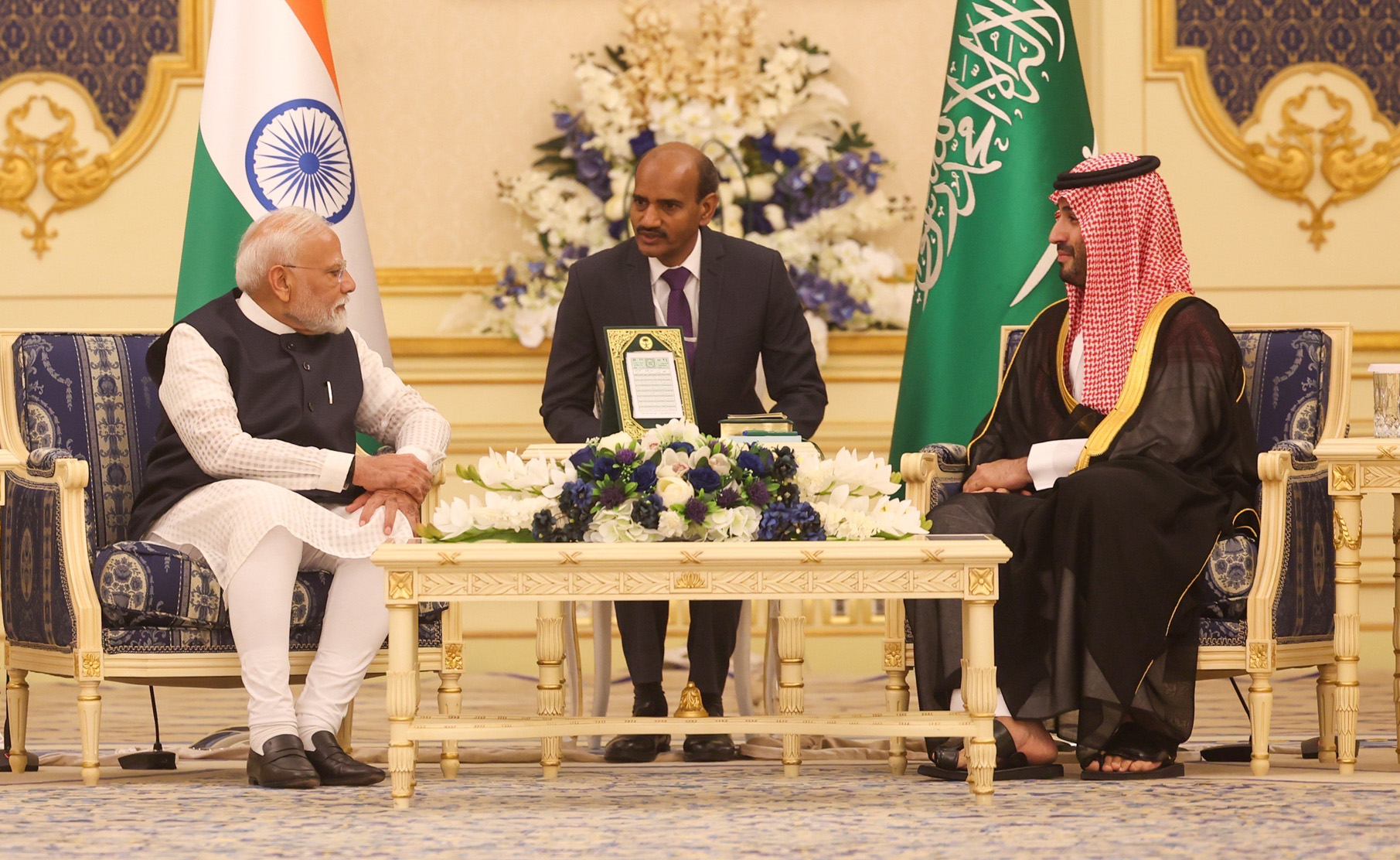

MUSCAT — Oman is the last neutral state in the Persian Gulf, and the most consequential. One month into a war that has closed the Strait of Hormuz, killed fourteen people on Omani soil, and forced every other GCC member into a collective defense posture, Sultan Haitham bin Tariq has refused to join the coalition against Iran. That refusal is not passivity. It is the Gulf’s most valuable — and most fragile — strategic asset: the only surviving diplomatic corridor between the warring parties, maintained by a country physically situated in the crossfire and absorbing Iranian fire while it mediates.
Every realistic ceasefire scenario runs through Muscat. If Oman is forced off the fence — by one strike too many, by Saudi economic pressure, by the sheer gravitational pull of a war on its doorstep — that corridor closes. And nothing replaces it.
Oman’s wartime neutrality is unprecedented in the modern Gulf. No GCC state has attempted to remain non-aligned during an active conflict involving its own territory, its largest trade partner, and its most important security guarantor simultaneously. The experiment is worth understanding in full, because its success or failure will shape whether this war ends at a negotiating table or grinds on until one side breaks.
Contents
- The Geography of Neutrality Under Fire
- Who Is Sultan Haitham and Why Does His Neutrality Matter?
- What Have Iranian Strikes Done to Oman?
- The Muscat Channel and Its Diplomatic Prehistory
- Can Oman Be an Honest Broker While Absorbing Iranian Drones?
- The Economic Calculus Behind Omani Neutrality
- What Would Force Oman Off the Fence?
- What Happens to Ceasefire Talks If Oman Joins the Coalition?
- Frequently Asked Questions
The Geography of Neutrality Under Fire
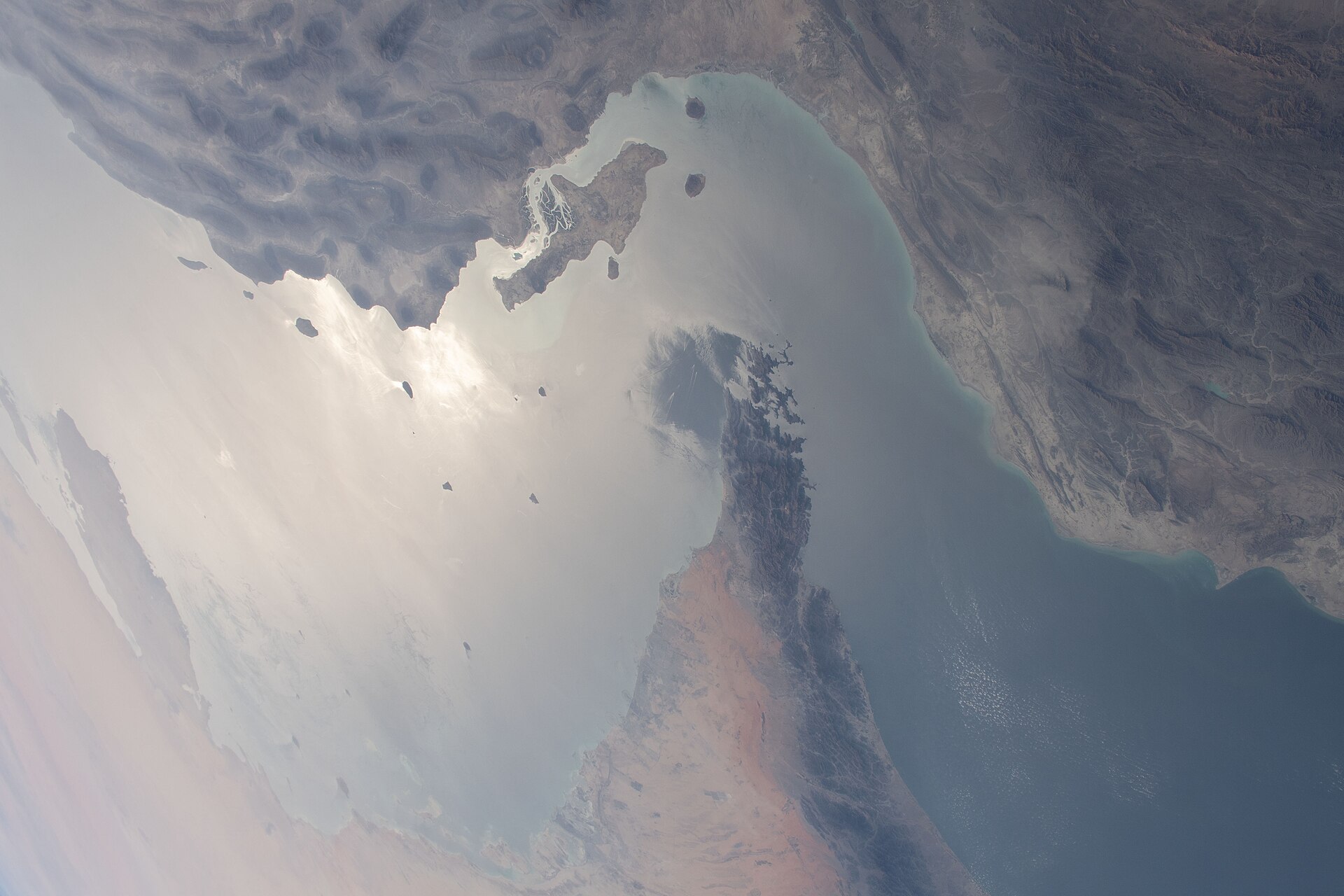
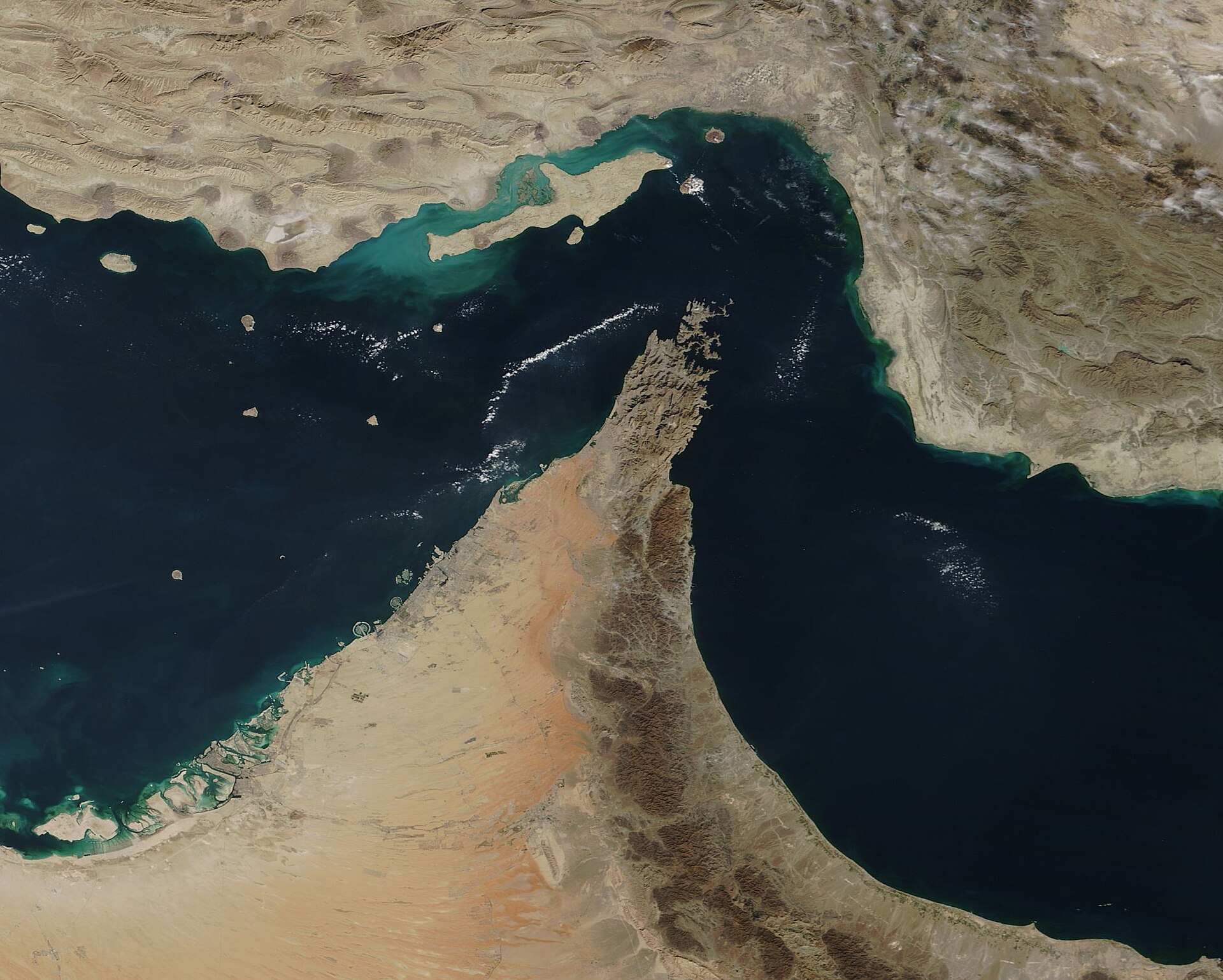
Switzerland could afford wartime neutrality because the Alps stood between it and the belligerents. Oman has no such buffer. Its Musandam Peninsula — a finger of rock jutting into the Strait of Hormuz — shares the waterway with Iran at a distance of roughly twenty-one miles at the narrowest point, according to the Strauss Center for International Security and Law. Oman does not observe the war from a safe distance. It sits inside it.
The Musandam exclave, separated from the Omani mainland by a wedge of UAE territory, is the southern coast of the most contested chokepoint on Earth. Before the war, approximately 20% of the world’s liquefied natural gas and 25% of seaborne oil trade passed through that strait annually, according to the International Energy Agency. Since the IRGC’s effective closure of the Hormuz passage on March 4, that traffic has collapsed — and Oman’s geographic exposure has intensified.
Oman’s territory is not just adjacent to the conflict. It hosts elements of the infrastructure the conflict is being fought over. The United States operates under a 2019 Framework Agreement granting access to the ports of Duqm and Salalah and the Thumrait air base, according to the US State Department. Iran has explicitly cited the presence of American military assets in Gulf states as justification for its retaliatory strikes. The IRGC warned in early March that “all military bases and interests of criminal America on land, at sea, and in the air across the region will be considered primary targets.” Oman received that message — in the form of drone strikes on its own ports.
The comparison to historical neutral states breaks down further on examination. Sweden and Switzerland during the Second World War were geographically insulated and economically self-sufficient enough to sustain non-alignment. Turkey during NATO-Russia tensions in the 2010s and 2020s maintained a form of equidistance, but Turkey is a nuclear-armed alliance member with the second-largest military in NATO. Oman, ranked 86th globally in military power according to Global Firepower’s 2026 index, with 42,600 active personnel and a defense budget of approximately $6 billion, is attempting neutrality without any of these advantages.
Who Is Sultan Haitham and Why Does His Neutrality Matter?
Sultan Haitham bin Tariq’s commitment to neutrality is not a passive inheritance from his predecessor. It is a deliberate strategic choice, tested under conditions Sultan Qaboos never faced. Haitham assumed power in January 2020 following Qaboos’s death after a fifty-year reign that established Oman’s “friend to all, enemy to none” doctrine as the foundation of its foreign policy. In his first public speech, Haitham promised to uphold that peace-making tradition. The Iran war is the first test of whether the promise survives contact with an actual war.
Haitham’s diplomatic record before the crisis suggested a leader willing to take calculated risks for the doctrine. He visited Tehran in May 2023 to discuss regional security — two days after Muscat mediated a prisoner swap between Iran and Belgium, according to Anadolu Agency. He brokered elements of the Saudi-Iranian rapprochement that same year. And in 2025, Oman mediated a ceasefire between the United States and Houthi forces in the Red Sea, according to Foreign Policy.
The most telling gesture came on March 9, 2026, nine days into the war. Sultan Haitham became the first Arab leader to congratulate Mojtaba Khamenei on his appointment as Iran’s new supreme leader — succeeding his father Ali Khamenei, who was killed in the US-Israeli strike that started the conflict, according to Anadolu Agency. No other Gulf ruler sent congratulations. The signal to Tehran was unmistakable: Oman’s channel remains open, regardless of who sits on the other end.
For Riyadh, that signal carries a secondary meaning. Crown Prince Mohammed bin Salman has absorbed more than 600 Iranian strikes without retaliating directly. That restraint requires a diplomatic off-ramp, and MBS cannot be seen negotiating directly with the regime that is bombing his country. Oman provides what diplomats call “plausible deniability” — a channel through which Saudi Arabia can explore terms without appearing weak. If Haitham abandons neutrality, MBS loses that cover.
What Have Iranian Strikes Done to Oman?
The strikes began almost immediately. On March 1, 2026 — the first day of Iranian retaliatory operations — drones targeted the Port of Duqm on Oman’s Arabian Sea coast, according to the Wikipedia article cataloguing the 2026 Iranian strikes on Oman. Duqm sits roughly 500 kilometers south of the Strait of Hormuz, well outside the immediate conflict zone, but the port hosts US Navy logistics operations under the 2019 access agreement.
The timeline of escalation tells a story of deliberate Iranian calibration:
- March 1-3: Drones struck Duqm Port and Salalah Port, both used by the US military. A fuel tank at Duqm was hit; damage was contained with no casualties.
- March 11: Salalah Port was targeted again, setting two fuel tanks on fire and suspending port operations.
- March 13: The deadliest strike hit the Al Awahi Industrial Area in Sohar, in Oman’s north. Two expatriate workers were killed and ten injured, according to Democracy Now.
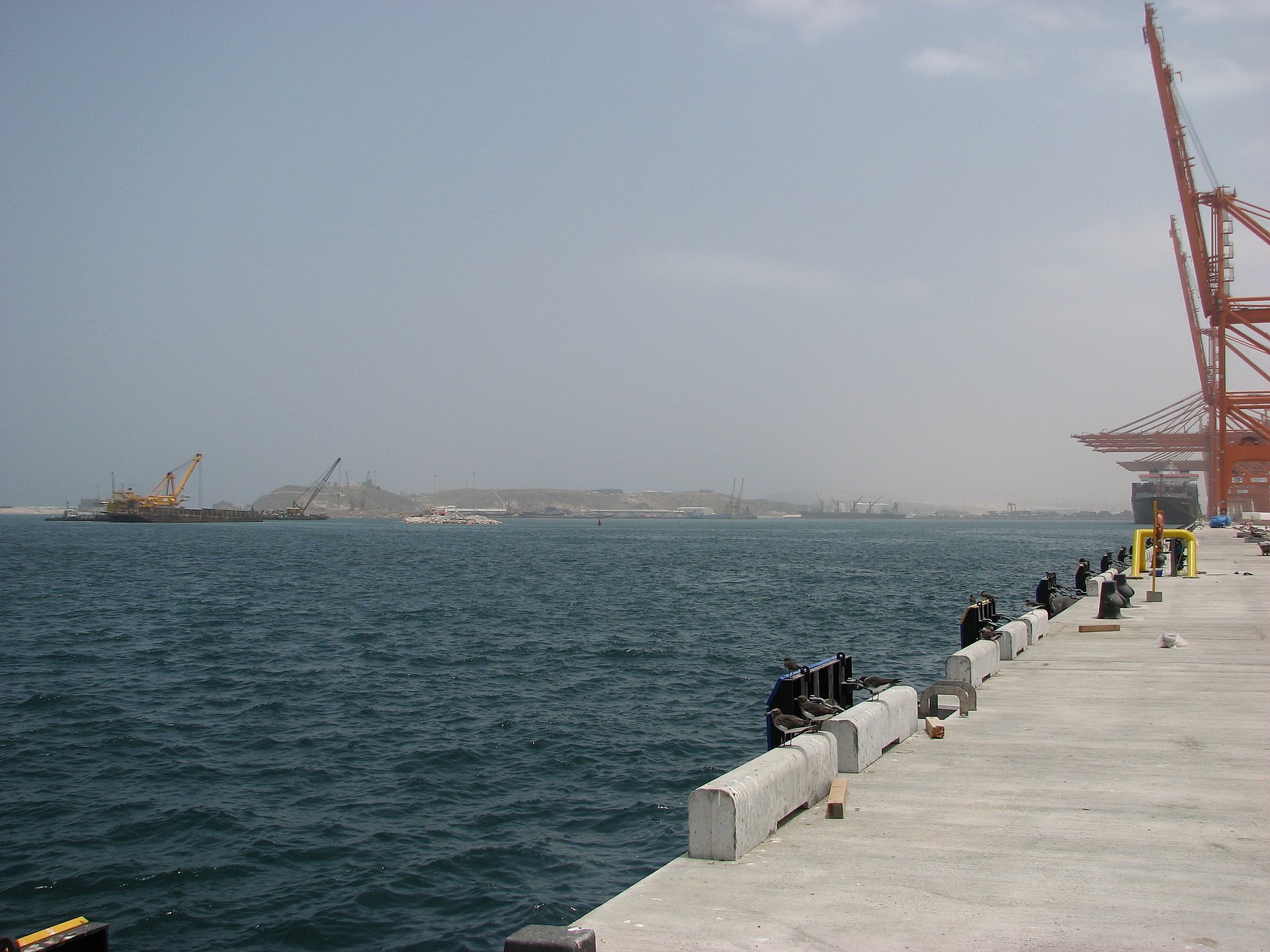
- March 28: Two more drones struck Salalah Port, injuring one foreign worker and damaging a container crane. Maersk’s APM Terminals, which operates the port, suspended operations and evacuated the facility, according to Al Arabiya.
In total, the strikes have killed fourteen people and injured fifteen others across multiple incidents, according to compiled data. All but one of the fourteen civilian fatalities were immigrants — predominantly South Asian nationals working in Omani ports and industrial zones, according to Iran International. The IRGC claimed it was targeting US support assets, not Omani civilians. The distinction matters little to the dead.
Iran’s framing reveals a contradiction at the heart of its own position. Tehran values Oman as its primary diplomatic interlocutor with the West. It simultaneously treats Omani territory as a legitimate target because of US military presence. An IRGC-affiliated analyst cited by Al-Ahram Weekly argued that Oman’s hosting of US logistics amounted to “complicity in aggression” regardless of Muscat’s stated neutrality. Yet Iran’s foreign minister, Abbas Araghchi, told his Omani counterpart Badr Albusaidi that Tehran remained “open to any serious efforts at de-escalation,” according to Asharq Al-Awsat. Iran wants Oman both as a target and a mediator — a position that may eventually force Muscat to choose.
The Muscat Channel and Its Diplomatic Prehistory
The Muscat Channel is not a creation of this war. It is a decade-old diplomatic infrastructure that Oman built painstakingly, starting with the secret talks that produced the 2015 Iran nuclear deal. Sultan Qaboos personally built the Obama-era back-channel between Washington and Tehran that led to the JCPOA, hosting meetings that neither side wanted to acknowledge publicly. Since 2015, every significant round of US-Iran diplomacy has passed through Muscat, according to NPR’s reporting on Oman’s mediation role.
The channel was active until the moment the bombs fell. On February 6, 2026, Iran and the United States held indirect nuclear negotiations in Muscat, according to Al Jazeera. On February 27 — one day before Operation Epic Fury began — Foreign Minister Albusaidi told CBS News that a “breakthrough” had been reached and peace was “within reach.” Hours later, US and Israeli forces struck Iran, killing Ali Khamenei and destroying the nuclear infrastructure that the negotiations were meant to constrain peacefully.
Albusaidi’s public response was unusually sharp for Omani diplomacy. He challenged the Trump administration’s characterization of Iran as an “imminent threat,” telling CBS that “significant progress” had occurred in the nuclear discussions before the assault. He called the war a “grave miscalculation,” according to the Palestine Chronicle. And on March 3, he posted on X: “Oman reaffirms its call for an immediate ceasefire and a return to responsible regional diplomacy. There are off ramps available. Let’s use them.”
Qatar’s foreign affairs spokesman captured the broader diplomatic community’s reaction to the strikes on Oman: the attacks were “an attack on the very principle of mediation,” according to Al Jazeera. When a country takes fire for hosting peace talks, the incentive structure for future mediators changes permanently.
Oman has since proposed a path forward: resume the Muscat channel, tie it to a Gulf-wide nuclear transparency process, and work toward a regional non-aggression treaty. Pakistan has entered the mediation effort, hosting Saudi, Turkish, and Egyptian foreign ministers in Islamabad for parallel talks. Egypt has joined as well, according to the Washington Times. But none of these actors replaces what Oman uniquely provides: sustained institutional trust with both Washington and Tehran, built over a decade of quiet facilitation.
Can Oman Be an Honest Broker While Absorbing Iranian Drones?
The honest-broker problem is not theoretical. It is the central strategic contradiction of Oman’s wartime position. A mediator’s credibility depends on perceived impartiality. When one side is killing your citizens, impartiality becomes harder to sustain — politically, emotionally, and diplomatically.
Historical precedents offer limited comfort. Switzerland maintained banking relationships with Nazi Germany throughout the Second World War, which retrospectively undermined its claim to moral neutrality but preserved its functional role as a diplomatic channel. Turkey under Erdogan maintained economic ties with Russia after the 2022 invasion of Ukraine while being a NATO member arming Kyiv with Bayraktar drones — a contradiction that somehow survived because both Moscow and Washington needed Ankara’s grain-deal mediation.
Oman’s situation is more extreme than either case. Switzerland was never bombed by Germany. Turkey was never struck by Russian missiles. Oman is absorbing repeated drone strikes from the country it is trying to bring to the table, while simultaneously hosting military facilities for the other belligerent. The Foundation for Defense of Democracies, a Washington think tank broadly critical of Iran engagement, argued on March 4 that “Oman’s flipflopping on Iran will leave it isolated in the Gulf” and that Muscat’s neutrality amounts to “part convenience, part cowardice.” The FDD analysis, authored by Hussain Abdul-Hussain, contended that fellow GCC members “suspect Oman of neglecting their concerns in favor of Iran and the Houthis.”
The opposing view — articulated by Helmi Hammami in The Arab Weekly — holds that Oman’s neutrality “is no longer simply a political option; it is a genuine stabilising tool, preventing the region from sliding into potentially catastrophic conflicts.” The Lowy Institute’s analysis of Oman’s mediation role noted that Muscat “genuinely positions itself as a neutral in such dialogues, acting as a facilitator of exchanges rather than as a mediator” — a distinction that matters. Oman does not propose terms. It provides the room.
The honest-broker paradox may ultimately resolve itself not through Omani choice but through Iranian behavior. If the strikes intensify — if a drone hits a school in Sohar rather than a fuel tank in Salalah — Omani public opinion could make neutrality untenable regardless of the sultan’s preferences. Fourteen dead is a manageable political burden in an absolute monarchy. One hundred and forty would not be.
The Economic Calculus Behind Omani Neutrality
Oman’s neutrality has an economic dimension that cuts in unexpected directions. The conventional assumption — that Hormuz closure devastates Oman — is wrong. Oman is the only Gulf state whose oil and gas exports do not depend on the Strait of Hormuz. Its export terminals at Duqm, Mina Al Fahal, and Salalah route crude around the strait and into the Arabian Sea, according to S&P Global Ratings.
The result, perversely, is that the war has been an economic windfall. Omani crude has been trading at approximately $50 per barrel above Brent — reaching roughly $158 per barrel at end-March, according to Fitch Ratings — because it is one of the few Gulf crudes that buyers can physically access. S&P projects Oman’s GDP would increase modestly in response to continued closure: 0.2% after one week, 0.4% after two weeks, 0.8% after four weeks. The ratings agency affirmed Oman’s BBB- sovereign rating with a stable outlook in late March, citing liquid government assets above 40% of GDP and foreign reserves near 20% of GDP.
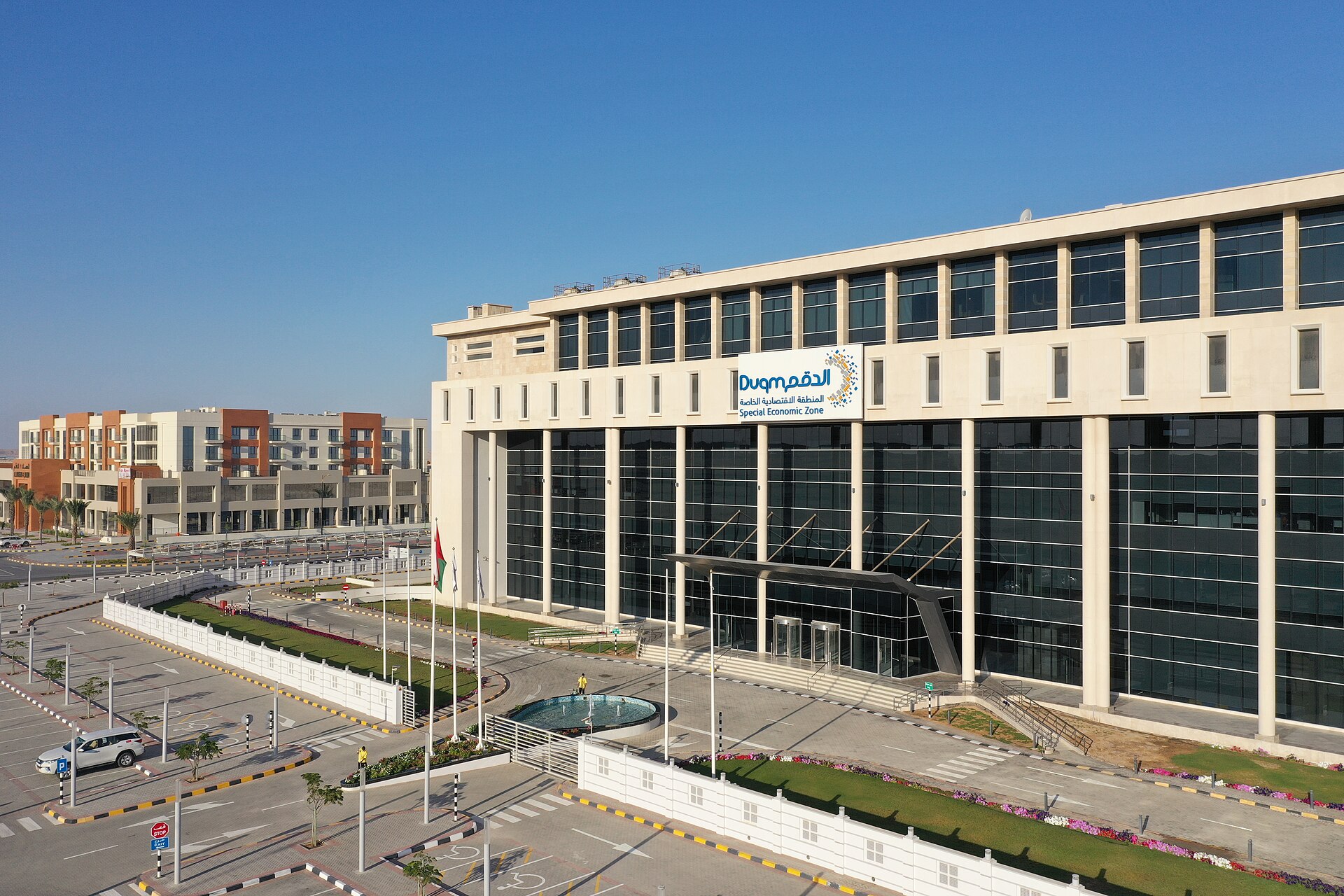
But the windfall masks deeper vulnerabilities. Saudi Arabia is Oman’s largest trade partner, with bilateral trade reaching OMR 1.76 billion ($4.57 billion) by mid-2025, a 20% increase year-over-year, according to Oman’s Ministry of Finance. Saudi exports to Oman grew 10% to OMR 762 million in the same period. Oman is building special economic zones on its Saudi border designed as logistics corridors into the Kingdom’s interior. That economic integration gives Riyadh a pressure point. If MBS decided that Oman’s neutrality was unacceptable, he would not need to apply military pressure. Trade disruptions would suffice.
Non-oil sectors face headwinds. S&P noted that tourism will moderate, private investment is slowing, and import-dependent sectors — manufacturing, construction, retail — are temporarily constrained by trade-route disruptions and higher shipping and insurance costs. Oman’s overall GDP growth forecast was cut from 2.2% to 1.4% for 2026, according to S&P, with recovery expected from 2027. The war benefits Oman’s petroleum sector while damaging nearly everything else — a tension that mirrors the country’s broader strategic dilemma.
What Would Force Oman Off the Fence?
Four converging pressures could break Oman’s neutrality: escalating Iranian strikes that overwhelm public tolerance, GCC collective defense obligations that demand participation, American expectations tied to base-access agreements, and diplomatic pressure from South Asian governments whose citizens are dying in Omani ports. Each vector has its own threshold — and they interact.
The military pressure is the most visible. The casualty toll documented above has been politically manageable so far; the IRGC has treated Omani territory as a secondary theater, calibrating strikes to damage infrastructure without provoking a formal rupture. But calibration depends on competence, and drones are imprecise instruments. A strike that kills fifty people in a residential area — rather than two in an industrial zone — changes the political calculus overnight.
The diplomatic pressure comes from inside the GCC. On March 1, the GCC’s 50th Extraordinary Ministerial Council met in Riyadh and issued a statement declaring that “the security of its member states is indivisible, and that any attack on any member state is a direct attack on all GCC states,” invoking the Joint Defense Agreement, according to the GCC Secretariat. Oman sent a representative to that meeting. But when a subsequent ministerial meeting was convened in Riyadh to discuss a more assertive collective response, Oman was the only Gulf state that did not attend, according to coverage in The National.
The GCC’s collective defense architecture has always been aspirational rather than operational, but the war is forcing convergence. If the five attending states move toward an integrated defense posture that requires Omani participation — shared air defense grids, intelligence sharing, joint patrols — Muscat faces a choice between collective security and sovereign neutrality.
The American pressure is quieter but no less real. The US operates from Omani bases under agreements that predate the current conflict. Washington has not publicly demanded that Oman join the coalition. But the logic of the war creates implicit pressure: US assets in Oman are being targeted by Iran; the US is fighting a war partly to protect those assets; Oman’s refusal to contribute to their defense creates a strategic free-rider problem that the Pentagon may eventually raise privately.
The domestic pressure is the hardest to measure. Oman is an absolute monarchy with limited press freedom, making public opinion difficult to gauge. But the demographics of the casualties — overwhelmingly immigrant workers from South Asia — create a secondary pressure. These communities have their own governments, and those governments have their own relationships with both Oman and Iran. India, Bangladesh, and Pakistan may eventually demand that Muscat do more to protect their citizens. New Delhi is already navigating this pressure through direct wartime calls between Modi and MBS, with 2.7 million Indian nationals in Saudi Arabia alone making the Gulf diaspora an acute vulnerability.
What Happens to Ceasefire Talks If Oman Joins the Coalition?
The scenario is stark. If Oman abandons neutrality and joins the six-nation GCC collective defense posture, the last open diplomatic corridor between the warring parties closes. No other country in the region has the institutional relationships, the physical infrastructure, or the track record to replace Muscat as a facilitator.
Gulf states are demanding that Iran’s military be permanently degraded before any deal — a maximalist position that requires a mediator capable of translating it into terms Tehran might accept. Egypt and Pakistan have entered the mediation space, but neither has Oman’s decade-long channel to the Iranian security establishment. Andrew Leber of the Carnegie Endowment for International Peace noted that Gulf states need to provide “negotiated off-ramps” while resisting the pressure to join US offensive operations. Oman is the off-ramp.
Albusaidi’s proposed framework — resume the Muscat channel, link it to nuclear transparency, and build toward a regional non-aggression treaty — is the only ceasefire architecture that has been articulated publicly by a credible regional actor. Kuwaiti political scientist Bader Al Saif argued in the Carnegie analysis that “only collective action among the GCC states is likely to get them out of this dilemma.” But collective action for defense is not the same as collective action for diplomacy, and Oman’s value lies precisely in its refusal to collapse the distinction.
The deeper risk is precedential. If Oman is punished — economically, diplomatically, militarily — for maintaining a mediation channel during wartime, the lesson for future conflicts is clear: neutrality is a luxury that small states cannot afford, and mediation is an activity that invites retaliation. That lesson would make every future Gulf crisis harder to resolve, because no state would volunteer to be the room where enemies talk.
The war’s most recent escalation underscores the urgency. Houthi forces entered the conflict on March 28, striking Israel and threatening to close Bab al-Mandab. With the war expanding rather than contracting, the window for Omani mediation may be narrowing. A two-front maritime conflict — Hormuz in the east, Bab al-Mandab in the west — traps Oman between chokepoints and between belligerents, making its neutrality both more valuable and more difficult to sustain.
The question, then, is not whether Oman’s neutrality is admirable or naive. It is whether the rest of the region — Saudi Arabia above all — can resist the temptation to force a choice that would close the only door through which peace might enter. One month into the war, the balance sheet for every Gulf state is written in ink that has not dried. Oman’s blank column — the refusal to commit to a side — may prove to be the most consequential entry of all.
Frequently Asked Questions
Has Oman formally protested the Iranian strikes on its territory?
Oman’s response has been deliberately muted compared to other GCC states. Rather than issuing formal diplomatic protests or recalling ambassadors, Muscat has channeled its response through Foreign Minister Albusaidi’s public calls for ceasefire and continued back-channel engagement with Tehran. This restraint reflects a calculated decision: a formal protest escalates the diplomatic temperature and makes mediation harder. Oman’s Ministry of Defense has confirmed strike damage through official statements but has consistently avoided attributing blame directly to Iran’s government — instead referencing “unidentified aerial objects” in several early incidents — preserving diplomatic space that a formal accusation would foreclose.
How does Oman’s defense spending compare to the threat it faces?
Oman’s defense budget, roughly 5.6% of GDP according to the World Bank, represents a high percentage for its size but a fraction of Saudi Arabia’s $78 billion or the UAE’s $24 billion in absolute terms. Its forces operate a mixed Western inventory including Challenger 2 tanks, NASAMS air defense systems, and a Royal Air Force structured along British lines with senior RAF advisors. The military is professional and well-trained for border security and counterinsurgency — the legacy of the Dhofar rebellion, which Oman defeated in 1976 with British, Iranian, and Saudi support — but it lacks the layered air defense architecture needed to intercept sustained drone campaigns. Oman’s NASAMS batteries can engage low-altitude threats, but the country has no equivalent of Saudi Arabia’s Patriot shield.
Could Oman’s neutrality actually benefit Saudi Arabia economically?
There is an underappreciated commercial dimension. With the Strait of Hormuz effectively closed, Saudi crude exports through Ras Tanura and Jubail are blocked. Oman’s Arabian Sea ports remain operational despite periodic strikes, and the price premium on Omani crude has drawn attention to their strategic value. Saudi Arabia is exploring emergency pipeline and overland routing options, and Oman’s port infrastructure could theoretically serve as an alternative export corridor for Saudi crude if bilateral agreements were reached. Ironically, Oman’s neutrality — by keeping its ports partially functional rather than converting them into full military targets — may preserve logistics options that benefit the entire GCC, including Saudi Arabia.
What role did Oman play in the pre-war US-Iran nuclear talks?
Beyond the talks described above, Oman’s role extended into back-channel coordination that has received less attention. Iran’s top security official visited Muscat after the February sessions to brief regional counterparts, and IRNA reported that “discussions over the latest regional and international developments” were on the agenda — suggesting the channel carried security as well as nuclear content. Oman also hosted at least two earlier rounds in January 2026 that laid the groundwork for the February progress. The pattern suggests Muscat was functioning not merely as a venue but as a diplomatic switchboard, routing communication between parties who could not be seen talking directly.
Is there precedent for a GCC member maintaining neutrality during a regional conflict?
Oman’s current position echoes its stance during the 2017 Qatar blockade, when it refused to join Saudi Arabia, the UAE, Bahrain, and Egypt in severing ties with Doha. But the 2017 crisis was an economic and diplomatic confrontation, not a shooting war. The closest historical parallel within the Gulf is Oman’s own behavior during the Iran-Iraq War (1980-1988), when Sultan Qaboos maintained relations with both Baghdad and Tehran while the rest of the Arab world backed Saddam Hussein. That earlier neutrality came at a lower cost — Iraq was not bombing Omani ports. The current experiment is testing a principle under conditions its architect never intended.