
RIYADH — Operation Maritime Shield, the G7-coordinated naval escort initiative announced on March 10, will not reopen the Strait of Hormuz in any timeframe that matters to Saudi Arabia’s economy. The plan envisions a rotating command structure with U.S. carrier strike groups providing air cover while British, French, and Canadian frigates escort convoys of oil tankers through the world’s most dangerous waterway. It sounds decisive. The problem is that Treasury Secretary Scott Bessent promised escorts would begin “as soon as it is militarily possible,” while Energy Secretary Chris Wright told CNBC the Navy is “not ready” and might not be for weeks. Between those two statements lies a gap wide enough to park 150 stranded tankers — and an energy crisis that has already wiped 8 million barrels a day from global supply.
The last time the United States attempted a naval escort through Iranian waters — Operation Earnest Will in 1987 — the first reflagged tanker struck an Iranian mine on the very first convoy. Nearly four decades later, the mine threat is worse, the Iranian arsenal is larger, and the asymmetric weapons that Tehran can deploy against slow-moving tanker convoys did not exist when Ronald Reagan ordered American warships into the Persian Gulf. The G7 coalition faces an estimated 5,000 to 6,000 Iranian naval mines, a maritime insurance market that has effectively priced Gulf shipping out of existence, and a Saudi economy that cannot afford to wait for the diplomatic and military stars to align.
The failure of Maritime Shield’s approach became even more apparent on 23 March when Trump pivoted from naval force to diplomacy, offering Iran joint control of the very waterway the escorts were meant to liberate.
Table of Contents
- What Is Operation Maritime Shield?
- Why Did the White House Promise Escorts Before the Navy Was Ready?
- Operation Earnest Will — The Last Time America Escorted Tankers Through Iranian Waters
- How Many Mines Has Iran Laid in the Strait of Hormuz?
- Can the U.S. Navy Clear the Strait Before Escorts Begin?
- The Coalition of the Willing — Who Joins and Who Hesitates
- The Insurance Gap That No Warship Can Close
- What Would a Hormuz Convoy Actually Look Like?
- The Drone Boat Threat That Earnest Will Never Faced
- Saudi Arabia’s Alternative — The Red Sea Gamble
- The Hormuz Reopening Readiness Index
- Frequently Asked Questions
What Is Operation Maritime Shield?
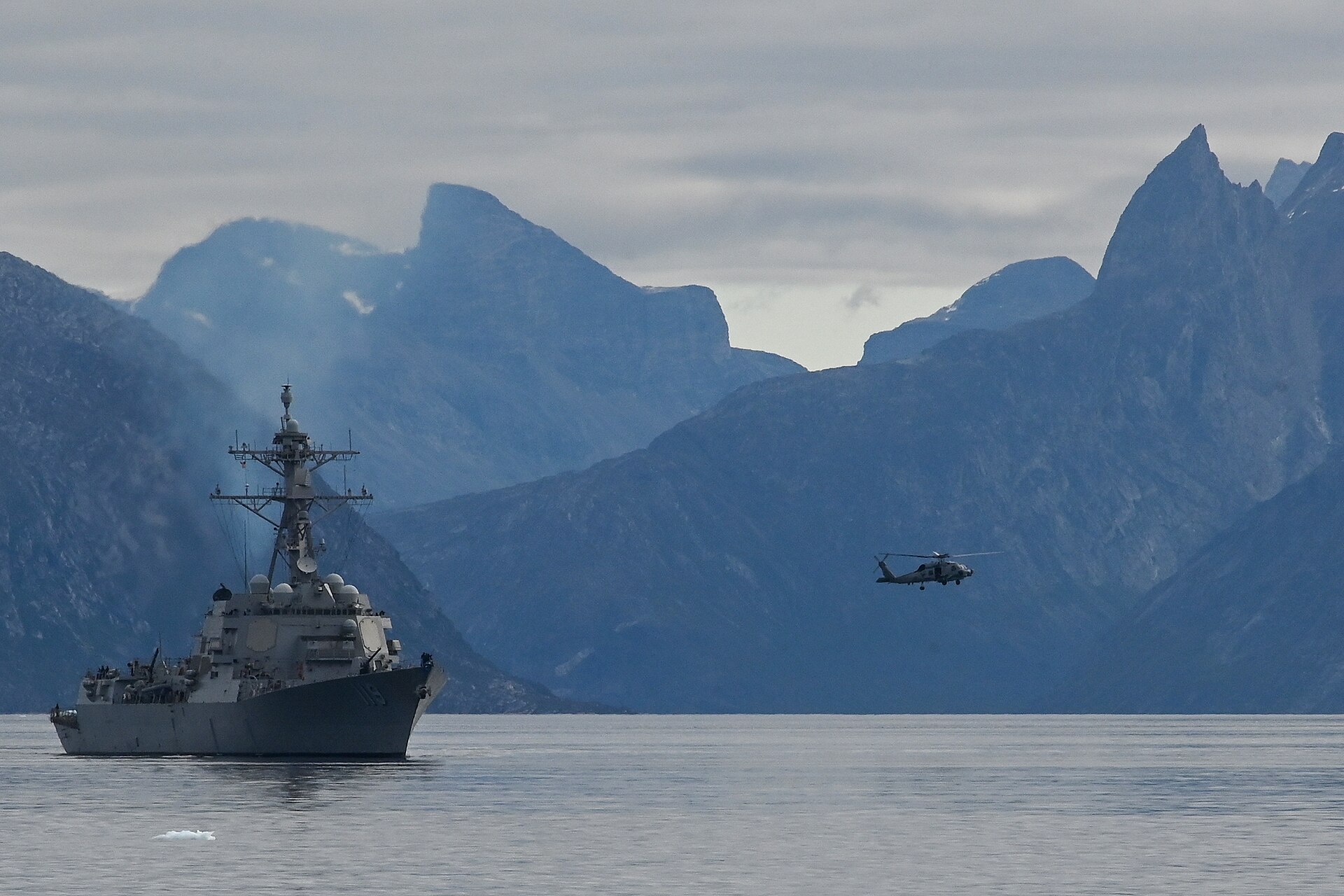
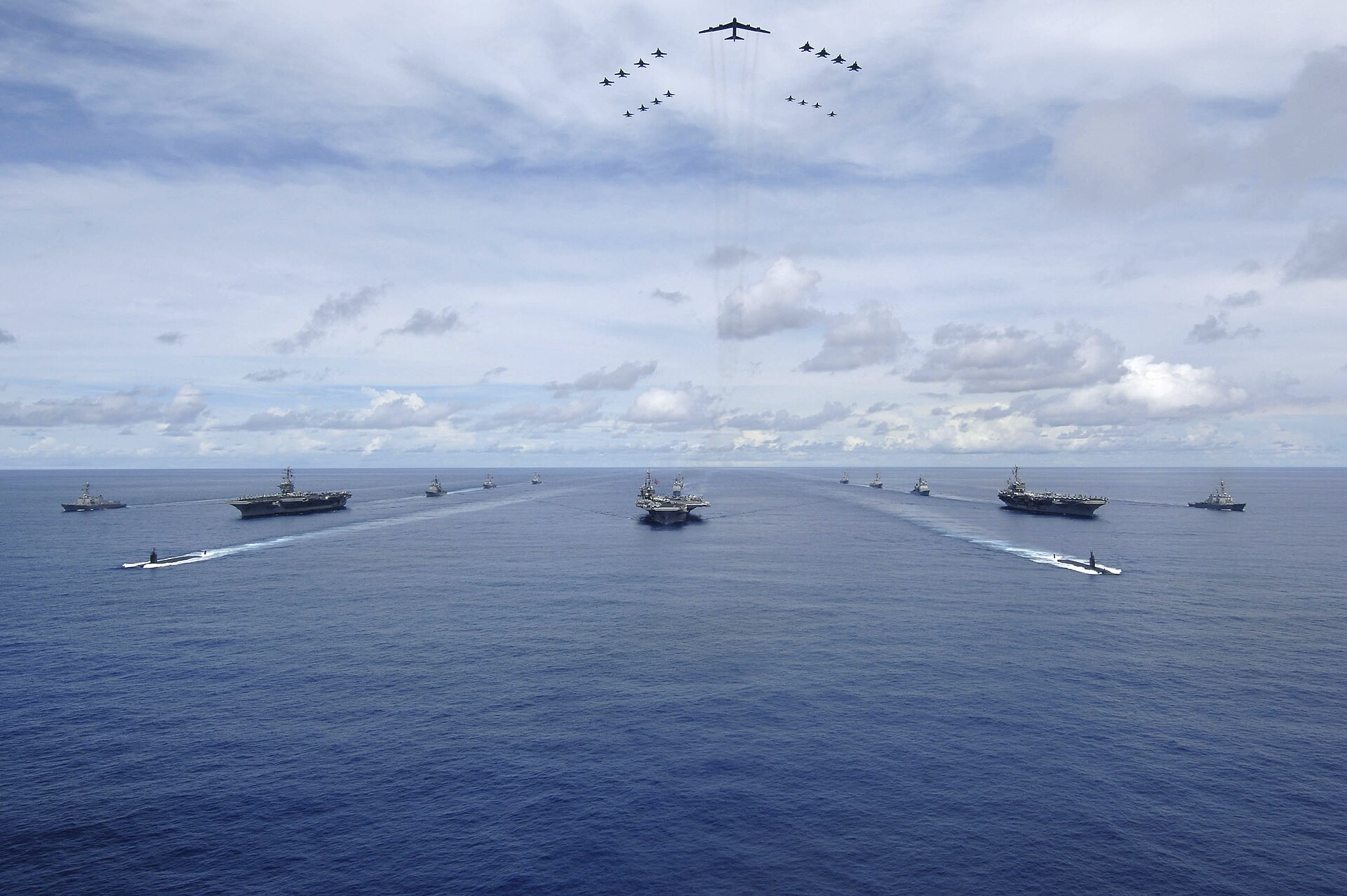
Operation Maritime Shield is a coordinated naval escort initiative launched by the G7 nations on March 10, 2026, designed to restore commercial shipping through the Strait of Hormuz after Iranian military action effectively closed the waterway to civilian traffic. The operation involves a rotating command structure in which U.S. carrier strike groups — including the USS Gerald Ford (CVN-78) — provide high-altitude air defense while frigates from France, Britain, and Canada conduct close-proximity escorts for organized convoys of tankers and cargo vessels. While Maritime Shield prepares its convoy system, Iran has meanwhile opened the strait selectively to ships from nations it considers neutral or friendly, creating a parallel diplomatic channel that bypasses the military approach entirely.
The initiative emerged from an emergency G7 leaders’ summit convened as Brent crude breached $94 per barrel and tanker traffic through Hormuz collapsed by 94 percent, according to Windward maritime intelligence data. The supply shock has hit India particularly hard, with half of the country’s crude imports and 90 per cent of its cooking gas supply severed at source. By March 9, only one outbound transit had been recorded through the strait in a single day, and all detected crossings involved Iranian vessels. The International Energy Agency called it the “largest supply disruption” in history, affecting roughly 20 percent of the world’s daily oil consumption and significant volumes of liquefied natural gas.
The G7 communiqué stated that member nations “agreed to establish coordination to prepare for the restoration of freedom of navigation in the region,” with work launched to “explore the possibility of escorting vessels when security conditions allow.” The careful language — “when security conditions allow” — reflects the reality that those conditions do not currently exist.
Treasury Secretary Scott Bessent, speaking to Sky News on March 12, offered the most optimistic timeline. “That was always in our planning, that there’s the chance that the U.S. Navy or perhaps an international coalition will be escorting oil tankers through,” Bessent said. The escort plan would proceed once the U.S. had “complete control of the skies and Iran’s rebuilding capabilities for the missiles completely degraded.” Hours later, Energy Secretary Chris Wright told CNBC that the Navy was “not ready” and might not be in a position to start escorting tankers until the end of March — a timeline that means at least two more weeks of near-total disruption to Gulf oil flows.
Why Did the White House Promise Escorts Before the Navy Was Ready?
The disconnect between Bessent’s promise and Wright’s reality reveals a White House caught between market panic and military constraints. A CNN report on March 12 found that the Pentagon and National Security Council had significantly underestimated the impact the Iran war would have on the Strait of Hormuz, despite Iranian leaders warning for decades that any attack on Iran would result in the closure of the waterway.
Bessent, as Treasury Secretary, was not making a military assessment. He was making a market-calming statement. When Brent crude spiked to $94 on March 9 — up roughly 50 percent since the start of the year — and the IEA announced a record 400 million barrel emergency stock release, the administration needed to signal that Hormuz would reopen. The alternative was allowing oil to breach $100, which would have triggered stagflation fears and further market contagion. Global stock markets had already shed trillions in value since the war began on February 28.
Chairman of the Joint Chiefs General Dan Caine offered the most candid military assessment: “We’ll look at the range of options to set the military conditions to be able to do that.” The careful phrasing — “set the military conditions” — acknowledged that those conditions did not yet exist. U.S. military officials, speaking on background to reporters, “repeatedly made clear they have not received orders to begin any escort operation and the risks to U.S. assets remained extremely high,” according to USNI News.
The result is a policy announcement running ahead of operational capability — a gap that Iran can exploit. Every day that escorts are promised but do not materialize reinforces Tehran’s narrative that it can close Hormuz and keep it closed.
Operation Earnest Will — The Last Time America Escorted Tankers Through Iranian Waters
The historical parallel that Pentagon planners are studying most closely is Operation Earnest Will, which ran from July 24, 1987, to September 26, 1988 — the largest naval convoy operation since the Second World War. The operation was born from a Kuwaiti request for American protection after Iran began attacking tankers carrying Iraqi oil through the Persian Gulf during the Iran-Iraq War. Within weeks, the Reagan administration agreed to reflag Kuwaiti tankers under the U.S. flag and provide military escorts.
The operation’s first day provided a brutal lesson that remains relevant in 2026. The SS Bridgeton, a 401,382-deadweight-ton supertanker and the largest vessel reflagged under the program, struck an Iranian contact mine in the Persian Gulf on July 24, 1987 — the very first convoy transit. The mine tore a 30-foot hole in the Bridgeton’s hull. No minesweepers had been deployed in advance. No contingency plans existed for mine strikes. Senior U.S. naval officers later admitted that the convoy route had not been checked for mines despite intelligence warnings that Iran had deployed them.
The lessons from that failure shaped a generation of naval doctrine. Operation Prime Chance was launched alongside Earnest Will, deploying special operations forces on converted barges to detect and interdict Iranian mine-laying vessels at night. U.S. Army helicopters equipped with infrared sensors hunted Iranian Revolutionary Guard small boats. At the operation’s peak, more than 30 warships were simultaneously deployed in the Persian Gulf to support escort duties.
Even with that massive commitment, Earnest Will did not stop Iranian mining. In April 1988, the guided-missile frigate USS Samuel B. Roberts struck an Iranian M-08 mine, nearly sinking the vessel and injuring 10 crew members. The U.S. response — Operation Praying Mantis — sank or damaged half of Iran’s operational navy in a single day and remains the largest American naval engagement since the Second World War.
The 2026 situation is exponentially more dangerous. In 1987, Iran’s mine inventory was estimated at a few hundred, mostly aging contact mines. Today, Iran possesses an estimated 5,000 to 6,000 naval mines of multiple types, including modern influence mines that can distinguish between different vessel classes. Iran’s ballistic missile arsenal, which did not threaten shipping in 1987, can now reach any point in the Persian Gulf. And Iran’s fleet of explosive-laden unmanned surface vessels — kamikaze drone boats — represents an asymmetric threat that Earnest Will never confronted.
How Many Mines Has Iran Laid in the Strait of Hormuz?
Iran maintains one of the world’s largest stockpiles of naval mines, with estimates from U.S. congressional researchers ranging from 5,000 to 6,000 devices across multiple categories. According to a report by the Alma Research and Education Center, the Islamic Revolutionary Guard Corps Navy (IRGCN) possesses three principal types: moored contact mines that float just below the surface and detonate on physical impact; bottom influence mines that rest on the seabed and trigger when sensors detect a vessel’s magnetic, acoustic, or pressure signature; and limpet mines that divers can manually attach to a ship’s hull.
U.S. intelligence assessments reported by CNN on March 10 indicated that Iran had begun actively laying mines in the Strait of Hormuz, with “a few dozen” deployed in recent days. The report noted that Iran retains “upward of 80 to 90 percent of its small boats and mine layers,” meaning Tehran could feasibly lay hundreds of additional mines in the waterway within days if it chose to escalate. The 16 Iranian mine-laying vessels destroyed by U.S. forces on the night of March 10-11 represented only a fraction of Iran’s mine-delivery capability.
The Strait of Hormuz is approximately 21 nautical miles wide at its narrowest point, but the shipping lanes are far more constrained. Inbound and outbound traffic lanes are each only two miles wide, separated by a two-mile buffer zone. Mining even a small portion of these lanes effectively closes the strait to commercial traffic, because tanker operators and their insurers will not risk transit through waters where mine presence has been confirmed but clearance has not been verified.
| Mine Type | Examples | Estimated Quantity | Depth Range | Threat Level |
|---|---|---|---|---|
| Moored contact | M-08 (Soviet), EM-52 (Chinese) | 2,000-3,000 | Shallow to medium | High — simple but effective |
| Bottom influence | EM-11, EM-31, Sadaf-02 | 1,000-1,500 | Shallow waters (under 60m) | Very high — difficult to detect |
| Limpet mines | Various IRGC models | 500-1,000 | Applied by divers | Moderate — requires proximity |
| Smart mines | Sadaf-01 (torpedo-releasing) | Unknown | Seabed | Extreme — mobile and targeted |
The most dangerous category may be the least well-known. Iran has reportedly developed “smart” mines that combine bottom-mounted sensors with a torpedo-release mechanism — the mine sits on the seabed, detects a passing vessel, and launches a torpedo-like projectile. If Iran has deployed even a handful of these devices in the shipping lanes, no mine countermeasures vessel can guarantee safe passage without first identifying and neutralizing every one.
Can the U.S. Navy Clear the Strait Before Escorts Begin?
The single greatest obstacle to Operation Maritime Shield is not Iran’s air defense network or its missile arsenal — both of which Operation Epic Fury has significantly degraded. The obstacle is underwater. Before any tanker escort can transit the Strait of Hormuz, the shipping lanes must be verified clear of mines. This requires mine countermeasures (MCM) vessels, mine-hunting helicopters, and unmanned underwater vehicles — assets that the U.S. Navy has chronically underinvested in for decades.
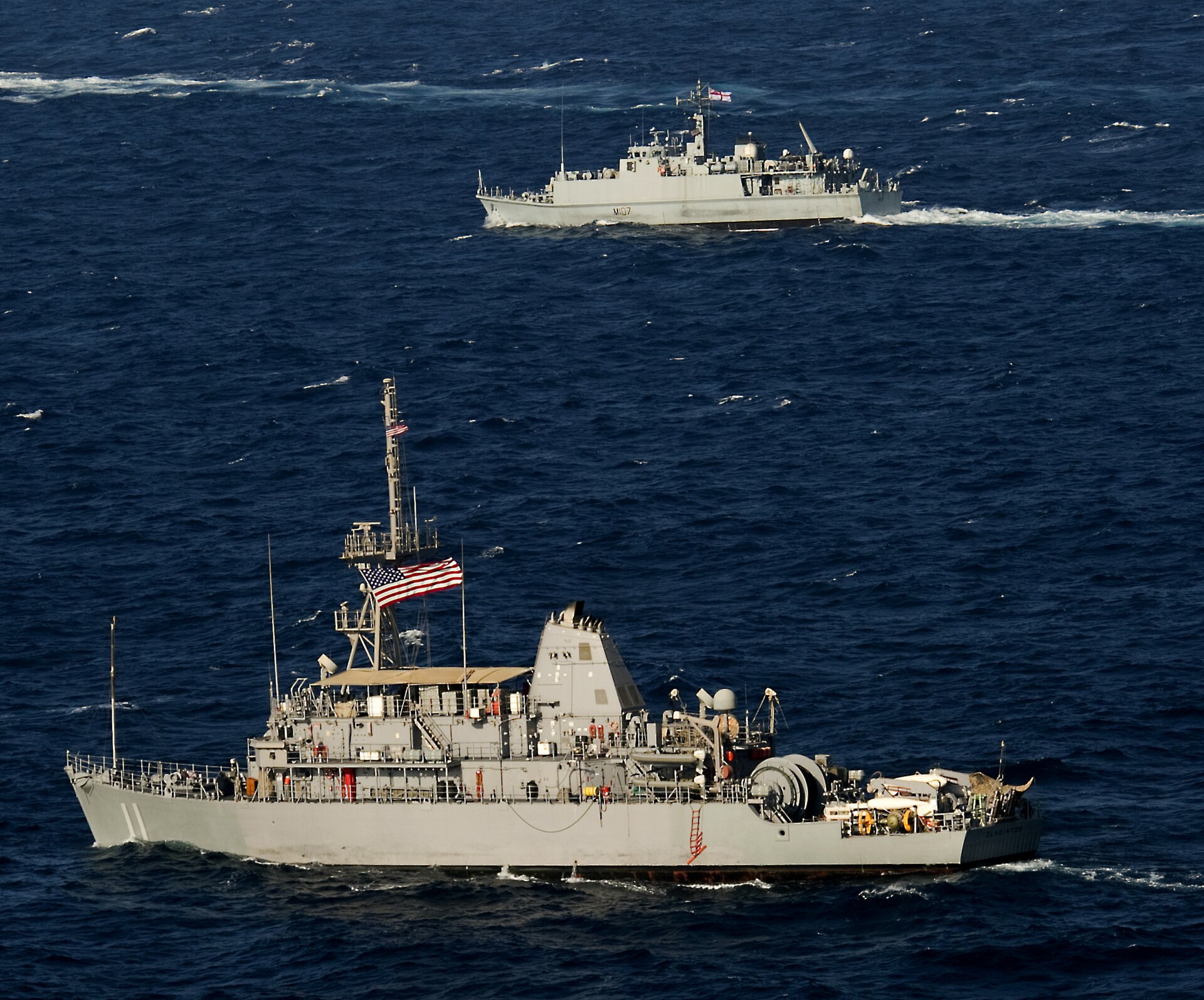
The U.S. Navy currently operates 11 Avenger-class mine countermeasures ships, four of which are forward-deployed to Bahrain as part of Commander, Task Force 52. These wooden-hulled, 1,312-ton vessels were commissioned between 1987 and 1994 and were originally designed as an interim solution. They use the AN/SQQ-32 mine-hunting sonar and the AN/SLQ-48 Mine Neutralization System, both of which are being replaced by the newer Littoral Combat Ship (LCS) mine countermeasures mission package — a system that has faced repeated testing failures and is not yet operationally certified for contested waters.
The MH-53E Sea Dragon helicopters that tow minesweeping sleds — the fastest way to clear large areas of moored mines — are among the oldest aircraft in the Navy’s inventory, with availability rates below 40 percent. The service has announced plans to replace them with the MH-60S equipped with the Airborne Mine Neutralization System (AMNS), but the transition remains incomplete.
Clearing the two primary shipping lanes in Hormuz — roughly 40 nautical miles of transit zone — to a confidence level acceptable to commercial shipping insurers could take two to four weeks under favorable conditions, according to estimates from the Center for Strategic and International Studies. Under active Iranian interference — with fresh mines being laid while others are cleared — the timeline extends indefinitely. This is the mathematical problem that confronts Operation Maritime Shield: Iran can lay mines faster than the coalition can clear them, and even a single uncleared mine means no insurer will underwrite transit.
The Coalition of the Willing — Who Joins and Who Hesitates
The G7 framework nominally commits seven nations to Operation Maritime Shield: the United States, the United Kingdom, France, Germany, Italy, Japan, and Canada. In practice, the naval contributions will be wildly uneven, and several critical regional players remain absent from the coalition entirely.
France has offered the most concrete European commitment. President Emmanuel Macron stated on March 9 that France was “preparing a purely defensive mission to escort vessels through the Strait of Hormuz once the most intense phase of the war ends.” France maintains a permanent naval base in Abu Dhabi and typically deploys a frigate and support vessel in the Gulf. The Charles de Gaulle carrier strike group could be repositioned from the eastern Mediterranean within days.
Britain, despite its recently reinvigorated defense alliance with Saudi Arabia, operates a diminished Gulf fleet. The Royal Navy maintains HMS Juffair, its permanent base in Bahrain, and typically has one Type 23 frigate and mine countermeasures vessels in the region. The UK can contribute mine-hunting expertise — the Royal Navy’s Hunt-class and Sandown-class vessels are among the world’s most capable — but sending additional surface combatants would require pulling them from other commitments.
Japan faces an existential dilemma. More than 90 percent of Japan’s crude oil transits Hormuz, yet Japan’s Maritime Self-Defense Force has never participated in a combat escort operation. Prime Minister Sanae Takaichi’s announcement that Japan would tap strategic reserves signaled that Tokyo expects Hormuz to remain closed for some time. Japan could contribute minesweepers — it operates some of the world’s best — but deploying them to an active combat zone would cross constitutional red lines that decades of political consensus have maintained.
Conspicuously absent from the coalition is China, which buys more than 80 percent of Iran’s exported oil and has been receiving approximately 1.25 million barrels per day through the supposedly closed strait. Beijing has called on all sides to protect ships transiting Hormuz while simultaneously benefiting from the preferential access that Iran’s IRGC Navy grants to Chinese-flagged vessels. The People’s Liberation Army Navy maintains a base in Djibouti and regularly transits the Gulf of Oman, but China has shown no interest in joining a Western-led military operation that targets its primary oil supplier.
Saudi Arabia itself occupies an awkward position. The Royal Saudi Naval Forces operate Al-Riyadh-class frigates and Al-Madinah-class vessels capable of escort duties, but the Saudi navy is primarily configured for coastal defense, not blue-water convoy operations. Crown Prince Mohammed bin Salman has framed Saudi Arabia as a non-belligerent in the U.S.-Israel war on Iran — a position that would be undermined by Saudi warships actively escorting tankers through waters Iran claims as a war zone.
Meanwhile, the Pentagon has ordered the USS Tripoli and 31st Marine Expeditionary Unit from Japan to the Gulf, adding amphibious assault capability and F-35B stealth fighters to the escort equation.
The Insurance Gap That No Warship Can Close
Even if Operation Maritime Shield succeeds in establishing a credible military escort corridor, it may fail to restart commercial shipping because of a problem no warship can solve: the collapse of maritime war risk insurance in the Persian Gulf.
Before the war began on February 28, war risk premiums for tankers transiting Hormuz ran at approximately 0.025 percent of vessel value — roughly $625,000 for a tanker valued at $250 million. By the second week of March, premiums had spiked to 3 percent of vessel value, or approximately $7.5 million per voyage, according to Insurance Journal. Most major underwriters had simply stopped writing new Gulf war risk policies altogether. Lloyd’s of London syndicates, the global benchmark for marine war risk, effectively withdrew from the Gulf market.
The insurance problem is self-reinforcing. Without insurance, tanker operators cannot legally transit most ports or canals. Without tanker traffic, insurers have no data on which to model risk. Without risk models, they cannot price policies. The result is a market freeze that military escorts alone cannot thaw.
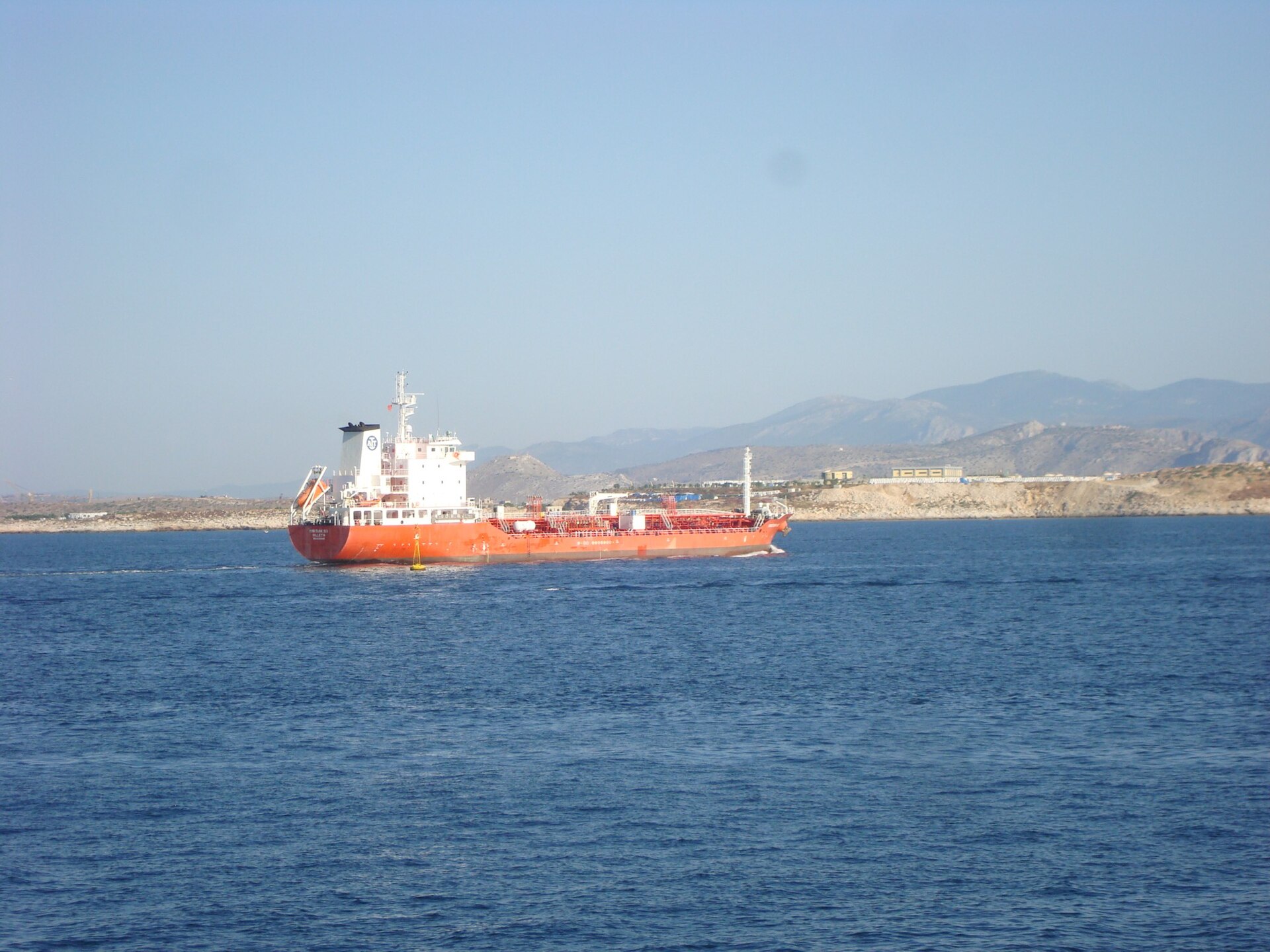
The Trump administration attempted to address this with an executive order directing the U.S. International Development Finance Corporation (DFC) to provide political risk insurance and financial guarantees for maritime trade in the Gulf. But the DFC, created to support development projects in emerging markets, has no institutional experience underwriting wartime maritime risk at the scale required. Insuring a single loaded VLCC (Very Large Crude Carrier) for a round trip through Hormuz would require a commitment of hundreds of millions of dollars — and there are 150 tankers currently waiting to transit.
| Period | War Risk Premium (% of vessel value) | Cost per Voyage ($250M tanker) | Insurance Status |
|---|---|---|---|
| Pre-war (before Feb 28) | 0.025% | $625,000 | Widely available |
| First week (Mar 1-7) | 0.5-1.0% | $1.25M-$2.5M | Restricted, few underwriters |
| Second week (Mar 8-13) | 3.0% | $7.5M | Effectively unavailable |
| With naval escort (projected) | 1.0-1.5% | $2.5M-$3.75M | Unknown — requires proven safety record |
Historical precedent from Operation Earnest Will suggests that insurance markets take months, not weeks, to re-enter a conflict zone — and only after a sustained period of successful transits without incident. During the Tanker War in 1987-88, Lloyd’s did not meaningfully reduce Gulf war risk premiums until several months of convoy operations had passed without a major loss. The SS Bridgeton mine strike on the first convoy actually drove premiums higher, not lower.
What Would a Hormuz Convoy Actually Look Like?
The practical logistics of escorting commercial shipping through the Strait of Hormuz are significantly more complex than the political announcements suggest. A modern tanker convoy through Hormuz would need to address threats from above (anti-ship missiles), on the surface (fast attack craft and drone boats), and below (mines and potentially submarines) — simultaneously, across a transit zone approximately 40 nautical miles long.
During Operation Earnest Will, convoys typically consisted of two to four reflagged tankers escorted by a cruiser or destroyer, with air cover from E-2C Hawkeye surveillance aircraft operating from a carrier. Transit times through the danger zone were approximately six to eight hours at tanker cruising speed of eight to ten knots. Each convoy required 24 to 48 hours of advance preparation, including route surveys, mine avoidance planning, and coordination with regional naval forces.
A 2026 Hormuz convoy would require substantially more resources. According to analysis published by USNI News, a single convoy of four to six tankers would need a minimum escort force of: one Aegis-equipped destroyer or cruiser for air defense; one or two frigates for surface and close-in protection; at least one mine countermeasures vessel or unmanned system sweeping the route ahead; and helicopter support for anti-surface and mine detection operations. Carrier-based fighter aircraft would provide a defensive combat air patrol overhead.
At a throughput of one convoy per day — an optimistic assumption given the preparation time required — and six tankers per convoy, Operation Maritime Shield could move roughly 12 million barrels per day through Hormuz. That would be approximately 60 percent of pre-war throughput of roughly 20 million barrels per day. It would require every available warship in the region to be committed full-time to escort duties, leaving no reserves for other contingencies.
The speed mismatch creates additional vulnerability. A loaded VLCC can manage perhaps 12 knots. An Iranian Noor anti-ship cruise missile, the IRGC’s workhorse weapon, travels at 680 miles per hour. An Arleigh Burke-class destroyer’s Aegis combat system can track and engage such missiles, but the reaction window is measured in seconds, and a saturation attack with multiple missiles simultaneously is the exact scenario that has degraded U.S. missile defense effectiveness during this war.
The Drone Boat Threat That Earnest Will Never Faced
The most significant tactical difference between 1987 and 2026 is the emergence of unmanned naval weapons. Iran’s Islamic Revolutionary Guard Corps has developed and deployed a fleet of explosive-laden unmanned surface vessels — drone boats that function as waterborne kamikaze weapons. These low-profile craft, difficult to detect on radar and capable of speeds exceeding 40 knots, represent a threat that the Earnest Will-era Navy never confronted.
The IRGC’s fast attack craft and drone boat fleet has already demonstrated its capability during this conflict. Multiple attacks on commercial vessels in the first two weeks of the war used a combination of swarm tactics — dozens of small craft approaching simultaneously from multiple directions — designed to overwhelm a warship’s close-in weapon systems. A Phalanx CIWS or RAM missile system can engage fast-moving surface targets, but it can engage them one at a time. A swarm of 20 drone boats attacking a convoy from multiple bearings creates a targeting problem that no single escort vessel can solve.
The IRGC has also shown a willingness to use its manned fast attack craft in near-suicidal attacks that blur the line between drone and crewed vessel. This complicates rules of engagement for escort commanders. In 1987, an approaching Iranian Boghammer speedboat was clearly hostile. In 2026, a fast-approaching small craft could be a fisherman, a refugee, a drone boat, or an IRGC operative. The decision to fire — or not fire — must be made in seconds.
Iran’s aerial drone threat adds another layer. While Operation Epic Fury has degraded Iran’s drone production capacity, the IRGC retains thousands of Shahed-series one-way attack drones. These can be launched from concealed positions along Iran’s coastline — which overlooks the strait at ranges of less than 30 miles — and directed at tankers in a convoy. The cost asymmetry that has defined this war — a $35,000 drone versus a $4 million interceptor — applies at sea just as it does on land.
Saudi Arabia’s Alternative — The Red Sea Gamble
The question that Riyadh is asking is not whether Operation Maritime Shield will succeed, but whether Saudi Arabia can afford to wait for the answer. Saudi Arabia has already begun opening Red Sea cargo corridors as an alternative to the paralyzed Persian Gulf, and Aramco’s East-West Pipeline — the 1,200-kilometer conduit running from Abqaiq to the Red Sea terminal at Yanbu — has become the Kingdom’s most critical piece of infrastructure.
The East-West Pipeline has a maximum capacity of approximately 5 million barrels per day, though it has not operated at that level since the 1990-91 Gulf War. Before the current conflict, Saudi Arabia was exporting roughly 7.5 million barrels per day, the vast majority through the Persian Gulf terminals at Ras Tanura and Ju’aymah. Even at full pipeline capacity, the Red Sea bypass can move only two-thirds of Saudi Arabia’s export volume. The remaining third either cannot be shipped or must wait for Hormuz.
The pipeline option also has vulnerabilities. The East-West Pipeline crosses 1,200 kilometers of desert — a target-rich environment for long-range Iranian ballistic missiles or drone strikes. Aramco has hardened the pumping stations and installed air defense systems along the route, but a sustained campaign of precision strikes could disrupt flow. Iran has already demonstrated the ability and willingness to strike Saudi energy infrastructure, hitting Ras Tanura and Shaybah facilities in the opening days of the war.
For the broader Gulf oil market, Red Sea alternatives are even more limited. Kuwait and the United Arab Emirates have no equivalent bypass pipelines. Qatar’s LNG exports are entirely dependent on Hormuz. These producers are entirely hostage to the escort question — a reality that explains why the G7 communiqué was issued from an emergency session, not a scheduled meeting.
“Every day that Hormuz remains closed, the global economy loses the equivalent of the entire output of Iraq. Naval escorts are necessary. But the question is not whether they will come — it is whether they will come in time.”Center for Strategic and International Studies, Gulf Energy Security Brief, March 12, 2026
The Hormuz Reopening Readiness Index
Six conditions must be met before Operation Maritime Shield can restore meaningful commercial shipping through the Strait of Hormuz. Each condition operates independently — progress on one does not compensate for failure on another. A single unfulfilled condition is sufficient to keep the strait functionally closed to commercial traffic, regardless of how many warships are present.
| Condition | Current Status (Mar 13) | Requirement for Reopening | Estimated Timeline | Readiness Score |
|---|---|---|---|---|
| Air superiority over the strait | Partial — Iranian air defenses degraded but coastal missile launchers intact | Complete suppression of anti-ship missile launch capability within 60km of shipping lanes | 1-2 weeks | 60% |
| Mine clearance verification | Active mining ongoing; few dozen mines confirmed laid; 80-90% mine-laying capacity intact | Verified clearance of both shipping lanes (40nm) to insurable confidence level | 3-6 weeks | 15% |
| IRGC surface threat neutralization | 16 mine-layers destroyed; fast attack craft and drone boat fleet largely intact | Destruction or credible deterrence of IRGC swarm-capable assets within strike range | 2-4 weeks | 30% |
| Coalition escort force assembled | G7 agreement signed; U.S. carriers present; allied frigates en route | Minimum 15-20 escort-capable warships plus MCM assets continuously available | 2-3 weeks | 45% |
| Insurance market restoration | War risk coverage withdrawn; premiums at 3% of vessel value; DFC scheme not operational | At least 3 major underwriters offering policies at premiums below 1.5% of vessel value | 4-8 weeks after first successful convoys | 5% |
| Commercial shipping confidence | Traffic down 94%; 150+ tankers at anchor; crews refusing Gulf assignments | Tanker operators willing to accept contracts; crews willing to sail; charterers willing to book | Follows insurance — minimum 2 weeks lag | 5% |
The composite readiness score across all six conditions is approximately 27 percent — far below the threshold required for commercial reopening. The critical bottleneck is not military but commercial: even perfect military conditions cannot force insurance underwriters to re-enter the market or convince tanker crews to accept Gulf assignments. The maritime industry’s risk tolerance has been permanently recalibrated by this conflict, and restoring it will require not just successful convoy operations but a sustained period — weeks to months — without incident.
The contrarian reality embedded in this framework is uncomfortable for policymakers but essential for Saudi strategic planning: Hormuz may not fully reopen during this war. The strait’s utility as a global oil chokepoint has been permanently degraded by Iran’s demonstration that it can be closed — and closed quickly — by a determined adversary with modern asymmetric weapons. The correct strategic response for Saudi Arabia may not be to wait for escorts but to accelerate the Red Sea alternative and accept that the Hormuz-dependent oil export model that has sustained the Kingdom for six decades must be fundamentally redesigned.
The 1987 Tanker War lasted 14 months. Operation Earnest Will required more than 30 warships deployed simultaneously. The current conflict has already created the largest energy supply disruption in history. The question is not whether escorts will eventually begin — they will. The question is whether they will restore Hormuz to anything resembling its pre-war throughput, or whether they will amount to a symbolic gesture while the real rerouting of global energy happens through pipelines, overland routes, and alternative ports that bypass the strait entirely.
As Operation Maritime Shield struggles to clear the waterway, the broader conflict continues to escalate. Day 14 saw Iran launch its largest drone barrage yet against Saudi Arabia, with 56 drones and two ballistic missiles intercepted across multiple provinces.
Frequently Asked Questions
What is Operation Maritime Shield and when did it launch?
Operation Maritime Shield is a G7-coordinated naval escort initiative launched on March 10, 2026, to restore commercial shipping through the Strait of Hormuz. The operation involves U.S. carrier strike groups providing air defense while British, French, and Canadian frigates escort organized convoys of tankers and cargo vessels through the waterway.
How does Operation Maritime Shield compare to Operation Earnest Will in 1987?
Operation Earnest Will ran from July 1987 to September 1988 and was the largest naval convoy operation since World War II, deploying more than 30 warships. The 2026 situation is significantly more dangerous: Iran’s mine stockpile is ten times larger, its missile and drone capabilities are incomparably more advanced, and the insurance market collapse has created a commercial barrier that did not exist in 1987.
Why can the U.S. Navy not immediately escort tankers through Hormuz?
Three factors prevent immediate escorts. First, Iran has laid mines in the shipping lanes that must be cleared before tankers can safely transit. Second, Iran’s coastal anti-ship missile launchers and drone boat fleet have not been fully neutralized. Third, the U.S. mine countermeasures fleet is small and aging, with only four MCM vessels forward-deployed to Bahrain. Energy Secretary Chris Wright estimated the Navy might not be ready until the end of March 2026. Wright also admitted that the administration’s tanker escort promise had been premature, with all military assets focused on destroying Iranian offensive capabilities.
How many Iranian mines are in the Strait of Hormuz?
Iran possesses an estimated 5,000 to 6,000 naval mines of multiple types, including moored contact mines, bottom influence mines, and limpet mines. U.S. intelligence reported in mid-March that “a few dozen” had already been deployed in the strait, with 80 to 90 percent of Iran’s mine-laying capability still intact despite the destruction of 16 mine-laying vessels.
What happens to Saudi Arabia’s oil exports if Hormuz stays closed?
Saudi Arabia can reroute approximately 5 million barrels per day through Aramco’s East-West Pipeline to the Red Sea terminal at Yanbu, roughly two-thirds of pre-war export volume. The remaining third is stranded. Kuwait, the UAE, and Qatar have no equivalent bypass infrastructure and remain entirely dependent on the Strait of Hormuz for their energy exports.
Will naval escorts restore shipping insurance in the Gulf?
Not immediately. War risk premiums have surged from 0.025 percent to 3 percent of vessel value, and most major underwriters have withdrawn from the Gulf market. Historical precedent from Operation Earnest Will suggests insurance markets take months, not weeks, to re-enter a conflict zone and only after a sustained period of incident-free convoy transits.
Facing these operational realities, President Trump shifted his approach on March 14, publicly demanding that six nations send warships to help reopen the strait, including France, which has already committed 10 warships, and China, Japan, and South Korea, whose economies depend heavily on Gulf energy flows.