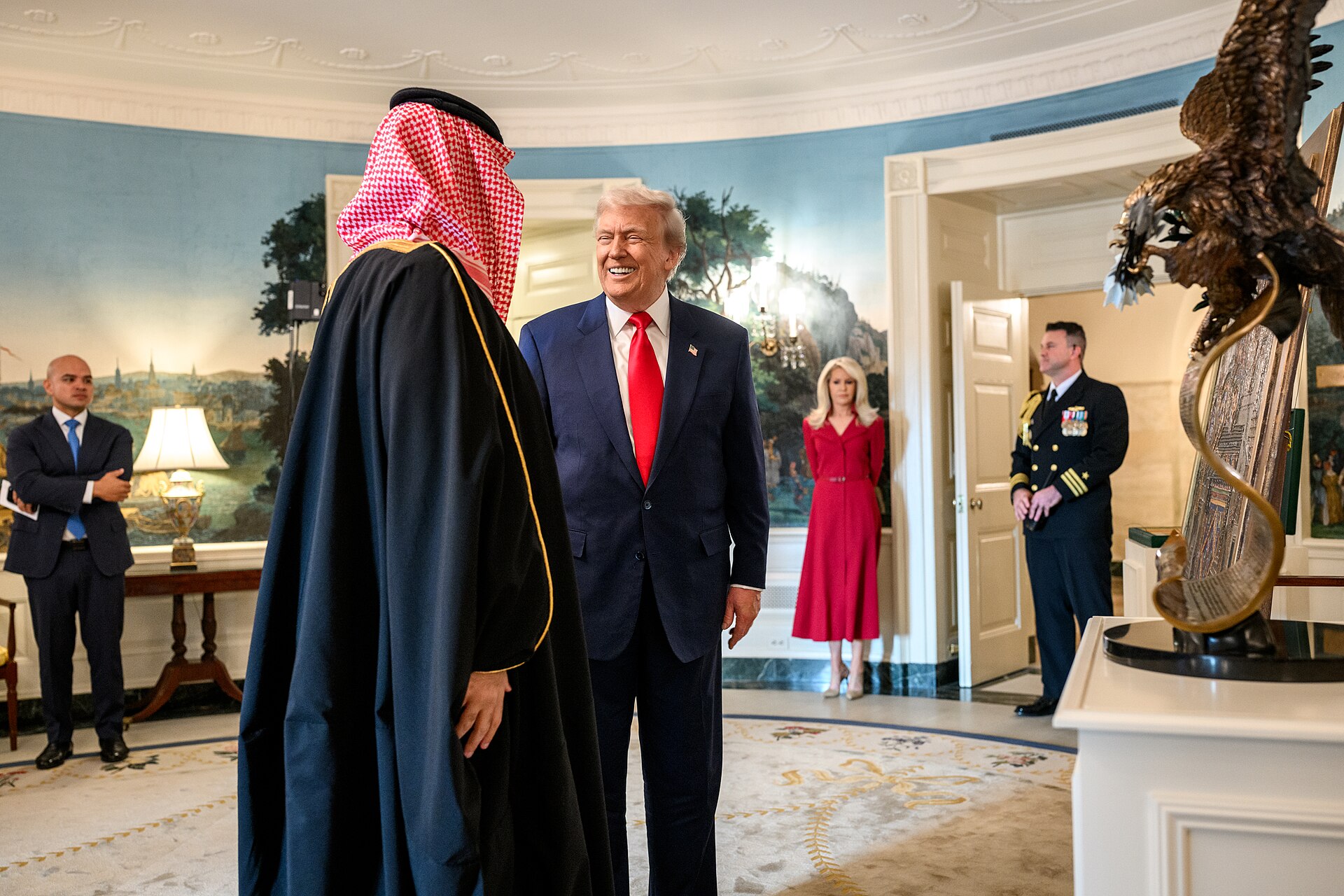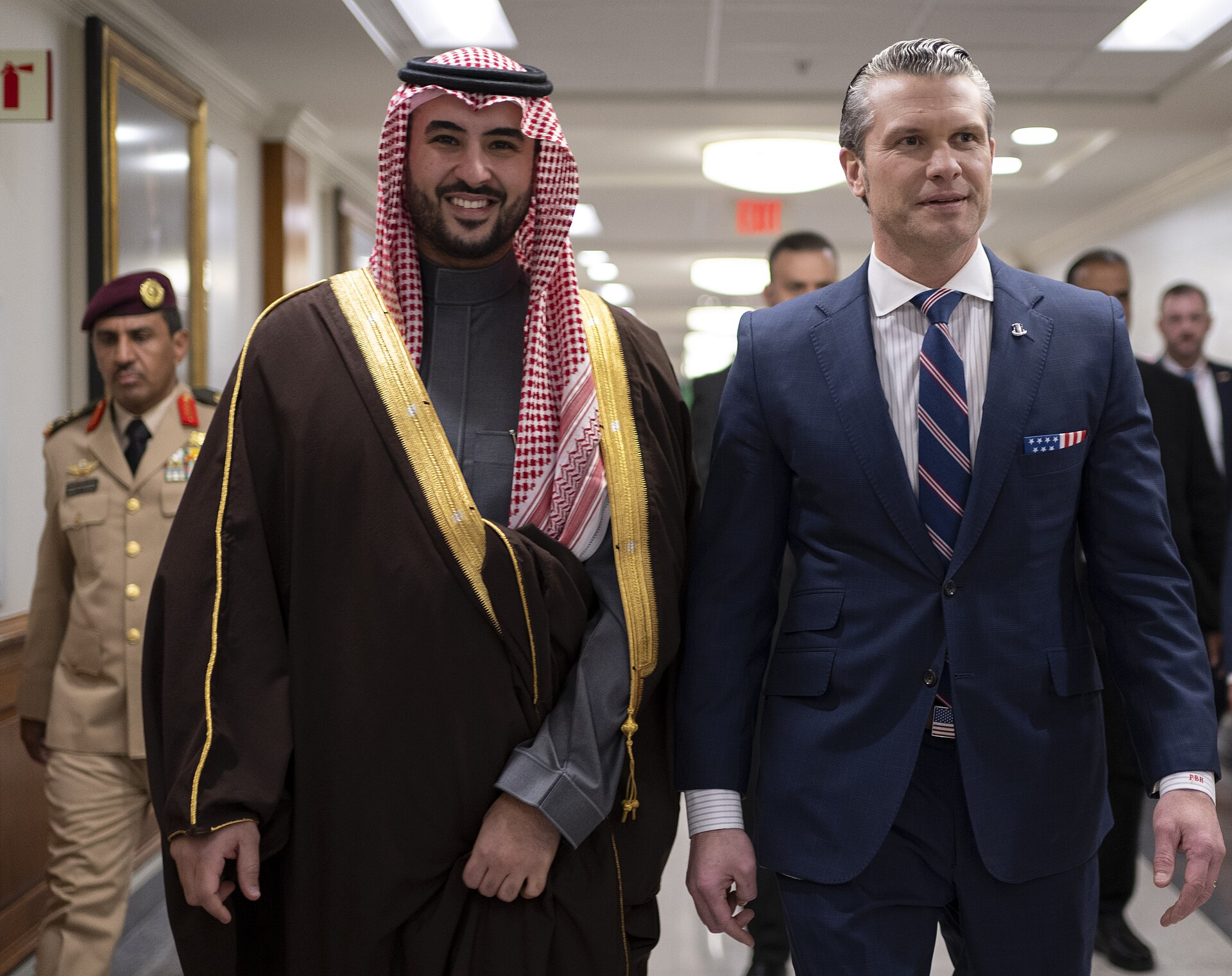

RIYADH — Pakistan’s top military commander, Field Marshal Asim Munir, flew to Riyadh on Friday to meet Saudi Defense Minister Prince Khalid bin Salman in what both governments described as formal consultations under the Strategic Mutual Defense Agreement signed last September. The meeting, confirmed by Saudi state media and Pakistan’s Inter-Services Public Relations directorate, marks the first operational activation of the pact since it was signed at Al Yamamah Palace in September 2025 — and the first time the agreement’s collective security provisions have been tested by a live conflict.
The two defense leaders discussed “Iranian attacks on the Kingdom within the framework of the Saudi-Pakistani Strategic Mutual Defense Agreement, focusing on mechanisms to halt these aggressions which undermine regional security and stability,” according to a statement from Saudi Arabia’s Ministry of Defense. The meeting came on the eighth day of Iran’s retaliatory missile and drone campaign against Gulf states hosting American military assets, a campaign that has killed two civilians on Saudi soil and forced the interception of dozens of ballistic missiles and hundreds of drones across the Kingdom.
The pact, modeled on NATO’s Article 5, stipulates that an attack on either country constitutes an attack on both. With Iranian Shahed-136 drones and ballistic missiles now striking Saudi residential areas, oil infrastructure, and military bases on a near-daily basis, the question of what Pakistan’s defense guarantee actually means in practice has moved from the realm of diplomatic theory to operational reality.
Table of Contents
- What Did the Riyadh Meeting Achieve?
- The Week of Strikes That Forced Pakistan’s Hand
- What Does the Strategic Mutual Defense Agreement Actually Say?
- Who Is Field Marshal Asim Munir?
- What Military Assets Can Pakistan Deploy?
- The Nuclear Question Neither Side Will Answer
- How Will Regional Powers React to the Pact Activation?
- The Road Ahead for the Saudi-Pakistan Alliance
- Frequently Asked Questions
What Did the Riyadh Meeting Achieve?
The March 7 meeting between Field Marshal Munir and Prince Khalid bin Salman produced three concrete outcomes, according to diplomatic sources briefed on the discussions and official readouts from both governments.
First, both sides formally acknowledged that the Iranian strikes on Saudi territory constitute the type of aggression the SMDA was designed to address. This is significant because it removes any ambiguity about whether the pact’s collective security clause applies to the current conflict. Saudi Arabia’s Ministry of Defense stated that the talks focused on “mechanisms to halt these aggressions,” language that implies the two nations moved beyond symbolic solidarity toward discussing specific military responses.
Second, the meeting addressed what Pakistan’s defense establishment describes as “joint measures” to counter Iranian drone and missile strikes on the Kingdom. While neither side disclosed the specific measures discussed, Bloomberg reported that the talks represented a “first test of the mutual defense pact between the two countries,” with both governments exploring coordinated defensive responses to Iran’s ongoing campaign.
Third, Prince Khalid bin Salman issued a pointed warning to Tehran, with both leaders expressing hope that “the Iranian side will exercise wisdom and avoid miscalculation.” The phrasing was deliberate — by invoking the mutual defense framework rather than issuing a unilateral Saudi statement, Riyadh signaled that any continued escalation against the Kingdom would risk drawing Pakistan into the conflict.
The Express Tribune reported that Munir’s visit underscored Pakistan’s role as the “security guarantor” of the Holy Sites and Saudi infrastructure, a framing that carries particular weight given that Hajj 2026 is fewer than three months away and the pilgrimage’s security remains under direct threat from Iranian missile attacks.
The Week of Strikes That Forced Pakistan’s Hand
The urgency of Munir’s visit to Riyadh cannot be understood without the context of the devastating week that preceded it. On February 28, the United States and Israel launched joint airstrikes on Iran, killing Supreme Leader Ayatollah Ali Khamenei and destroying key military and nuclear facilities across the country. Iran’s retaliatory campaign began within hours and has escalated steadily since.
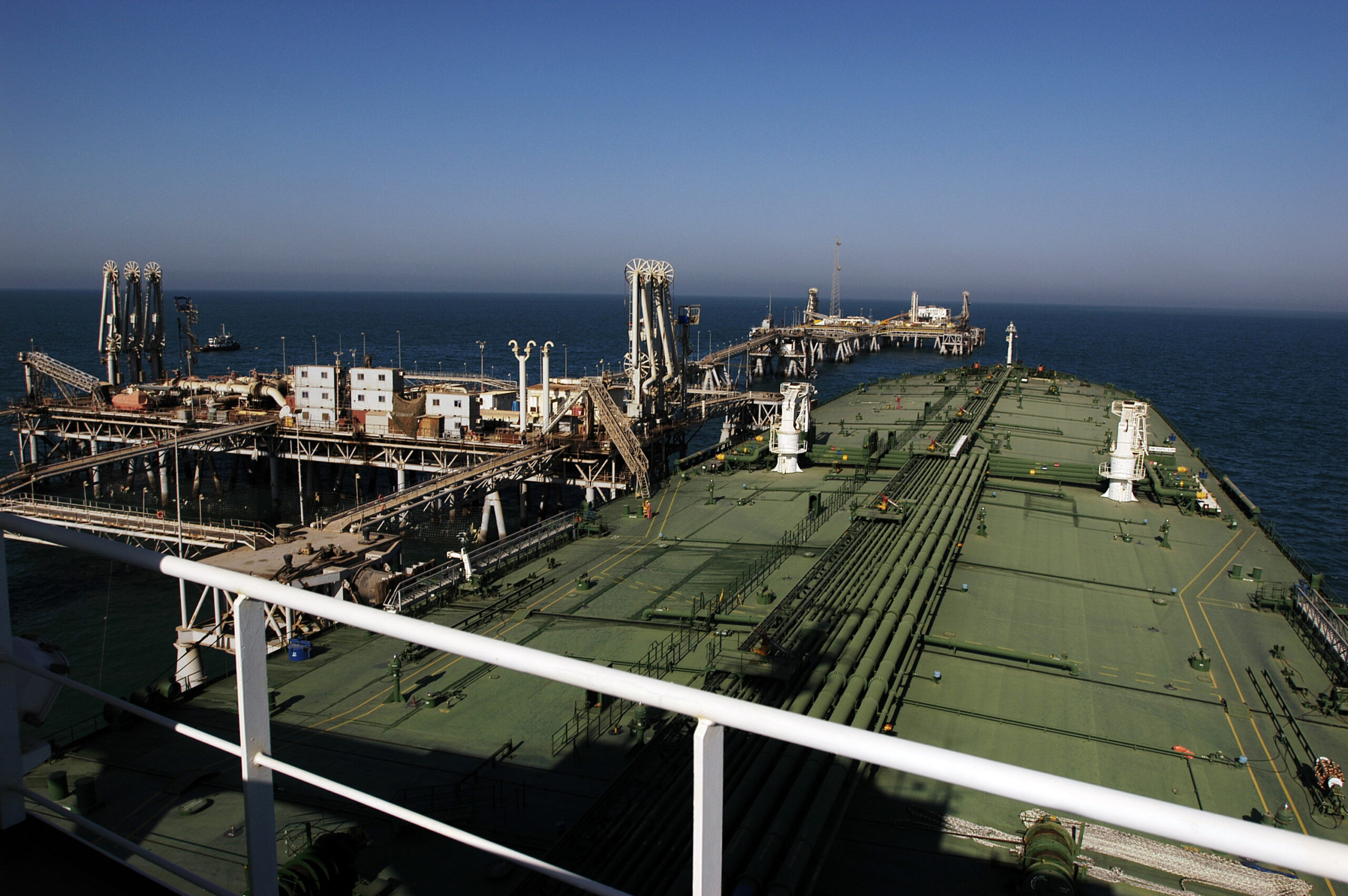
By the time Munir arrived in Riyadh on March 7, Saudi Arabia had endured nine consecutive days of Iranian drone and missile attacks. The Saudi Ministry of Defense reported intercepting three ballistic missiles targeting Prince Sultan Air Base on March 6, two cruise missiles and nine drones on March 5, and multiple drone swarms aimed at Ras Tanura — the world’s largest oil export terminal — on several occasions throughout the first week of March.
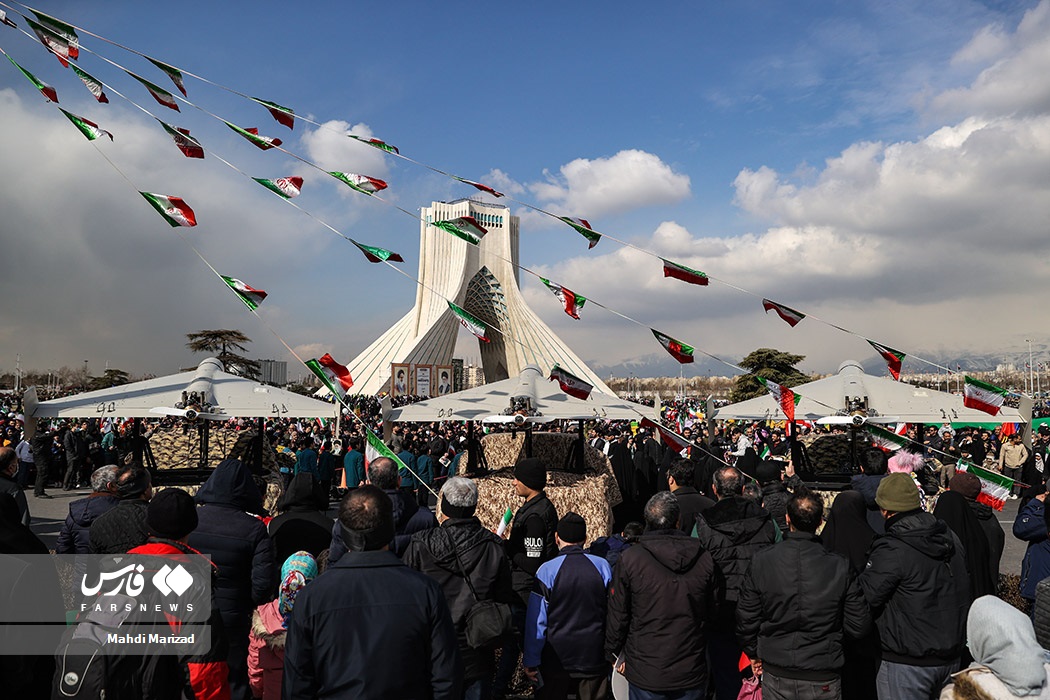
The most alarming escalation came on March 8, when a military projectile struck a residential compound in Al-Kharj, approximately 77 kilometers south of Riyadh, killing two Bangladeshi nationals and injuring 12 others. The Al-Kharj strike marked the first civilian fatalities on Saudi soil since the war began and represented a qualitative shift in the conflict — from attacks on military and energy infrastructure to strikes that endangered civilian populations.
Iran’s Islamic Revolutionary Guard Corps claimed responsibility for targeting radar systems in the Al-Kharj area, suggesting the civilian casualties were collateral damage from strikes aimed at nearby military facilities. Saudi Arabia’s civil defense described the projectile simply as “military” without specifying its type or origin, though the IRGC’s public claim left little doubt.
The attacks extended well beyond Saudi borders. Kuwait reported an Iranian strike that hit fuel tanks at Kuwait International Airport. Bahrain said a water desalination plant had been damaged. The US Embassy in Riyadh’s diplomatic quarter was targeted by drones in the war’s first week, and by March 9, the embassy had suspended all routine consular services and ordered remaining personnel into a modified shelter-in-place. Washington began evacuating non-essential embassy staff as oil prices broke past $110 per barrel.
Against this backdrop, the IRGC issued a chilling declaration: it possessed sufficient drone and missile supplies to sustain attacks across the Middle East for up to six months. For Saudi Arabia, a country that had spent $74.76 billion on defense in 2026 and maintained one of the most expensive air defense networks in the world, the Iranian threat was proving far more persistent and asymmetric than Riyadh had prepared for.
What Does the Strategic Mutual Defense Agreement Actually Say?
The Strategic Mutual Defense Agreement was signed on September 17, 2025, at Al Yamamah Palace in Riyadh by Crown Prince Mohammed bin Salman and Pakistani Prime Minister Shehbaz Sharif during a state visit. The agreement’s central provision mirrors the collective defense clause of NATO’s Article 5: any act of aggression against either Saudi Arabia or Pakistan shall be considered an act of aggression against both nations.
The pact emerged from more than a year of negotiations between Riyadh and Islamabad, driven by several converging factors. Saudi Arabia had grown increasingly concerned about Iran’s expanding missile capabilities and the reliability of American security guarantees in the Gulf. The Israeli airstrike on Doha, Qatar, on September 9, 2025 — which targeted exiled Hamas leaders during ceasefire talks and struck sovereign Qatari territory — shocked Arab capitals and accelerated the push for alternative security arrangements beyond Washington’s umbrella.
According to the Chatham House analysis published after the pact’s signing, the agreement sets a precedent for extended deterrence in the Muslim world, creating a security architecture that exists independently of the US-led alliance system. The Center for Strategic and International Studies asked whether the pact could represent “the first step toward a NATO-style alliance” among Muslim-majority nations — a concept that commentators and analysts have since dubbed the potential “Islamic NATO.”
| Provision | Detail |
|---|---|
| Signed | September 17, 2025, at Al Yamamah Palace, Riyadh |
| Signatories | Crown Prince MBS (Saudi Arabia), PM Shehbaz Sharif (Pakistan) |
| Core clause | Attack on either nation treated as attack on both |
| Model | Mirrors NATO Article 5 collective defense |
| Scope | Conventional military defense; nuclear provisions unspecified |
| Context | Signed after Israeli strike on Doha, September 2025 |
| First activation | March 7, 2026 — Munir-Khalid bin Salman meeting in Riyadh |
The Brookings Institution noted that the agreement’s “signal and substance” served different audiences simultaneously: it reassured the Saudi domestic public that the Kingdom had credible security partnerships beyond Washington, while putting Tehran on notice that further escalation against Saudi Arabia could widen the conflict to include a nuclear-armed state. The Atlantic Council described the pact as reflective of “the Gulf’s evolving strategic calculus” in a region where American commitment could no longer be taken for granted.
Critically, however, the agreement’s text does not specify what constitutes an adequate response to an attack. It contains no automatic deployment triggers, no force contribution requirements, and no timeline for military assistance. This ambiguity was deliberate — it gave both governments diplomatic flexibility while still projecting deterrence. Whether that flexibility survives the stress test of an actual regional war is now the central question.
Who Is Field Marshal Asim Munir?
Syed Asim Munir, 57, holds the dual title of Chief of Army Staff and Chief of Defence Forces, making him the most powerful military figure in Pakistan. Promoted to the rank of Field Marshal — a five-star rank last held by Field Marshal Ayub Khan in the 1960s — Munir commands the sixth-largest military in the world and oversees Pakistan’s nuclear arsenal through the Strategic Plans Division.
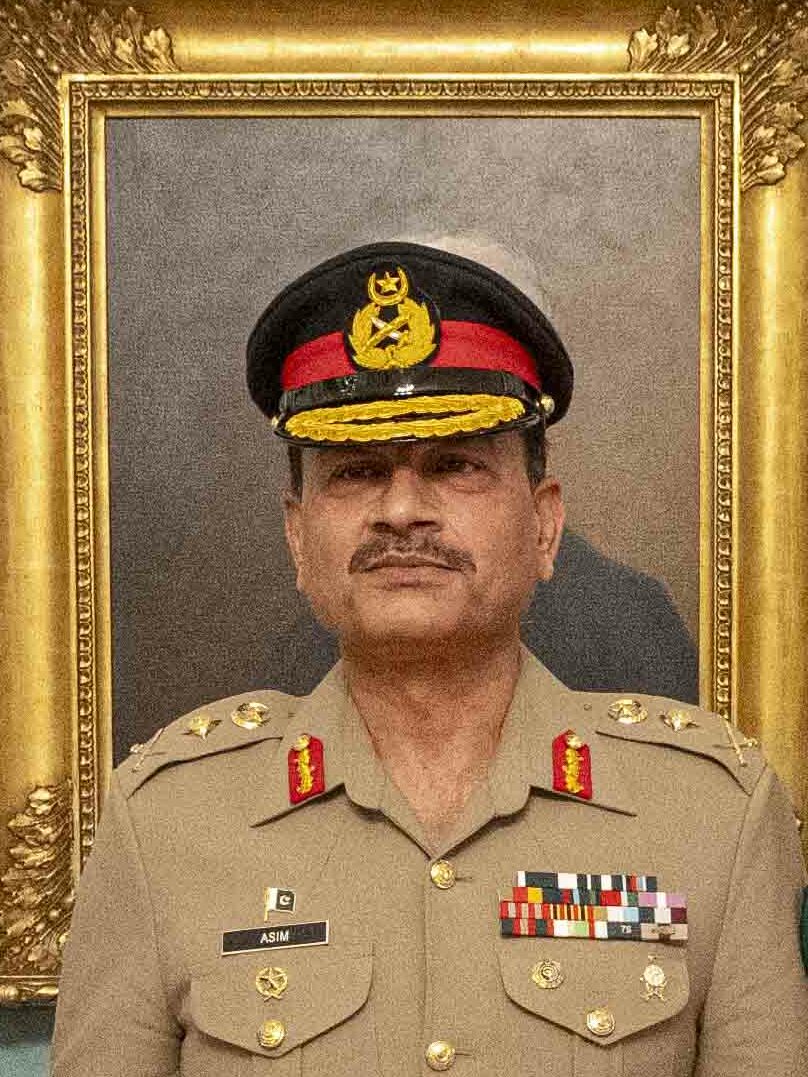
Munir’s background is particularly relevant to the Saudi relationship. Before becoming army chief in November 2022, he served as Director General of Military Intelligence and later as Director General of the Inter-Services Intelligence directorate. His intelligence career included extensive engagement with Gulf security services, and he is regarded in Islamabad’s defense establishment as deeply familiar with the Saudi military’s capabilities and limitations.
His relationship with Crown Prince Mohammed bin Salman and Prince Khalid bin Salman has been cultivated through multiple visits. In September 2025, Munir accompanied Prime Minister Sharif to Riyadh for the SMDA signing ceremony. In January 2026, Pakistan deployed F-16 Block 52 fighter jets to Saudi Arabia for the Spears of Victory 2026 multinational military exercise — a deployment that, in retrospect, appears to have been a rehearsal for the kind of interoperability the two militaries would need in a real conflict.
Munir met President Donald Trump at the White House in September 2025, reinforcing Pakistan’s position as a partner that maintains relationships with both Washington and Riyadh. This triangular dynamic is central to the current crisis: Pakistan’s defense guarantee to Saudi Arabia operates alongside, not in opposition to, the American security umbrella over the Gulf.
What Military Assets Can Pakistan Deploy?
Pakistan maintains the world’s sixth-largest military with approximately 654,000 active-duty personnel. Its armed forces are built around a conventional deterrent designed primarily for the Indian theater, but several capabilities have direct relevance to the Saudi defense challenge.
The Pakistan Air Force operates a tiered fighter fleet of approximately 400 combat aircraft, including 75 F-16 Block 52 and Mid-Life Update variants — the same airframes that NATO allies use — as well as Chinese-origin J-10C multirole fighters and the indigenously developed JF-17 Thunder Block 3, a 4.5-generation platform. The PAF deployed F-16s to Saudi Arabia for Spears of Victory 2026 in January, demonstrating the ability to operate from Saudi air bases and integrate with the Royal Saudi Air Force’s command and control systems.
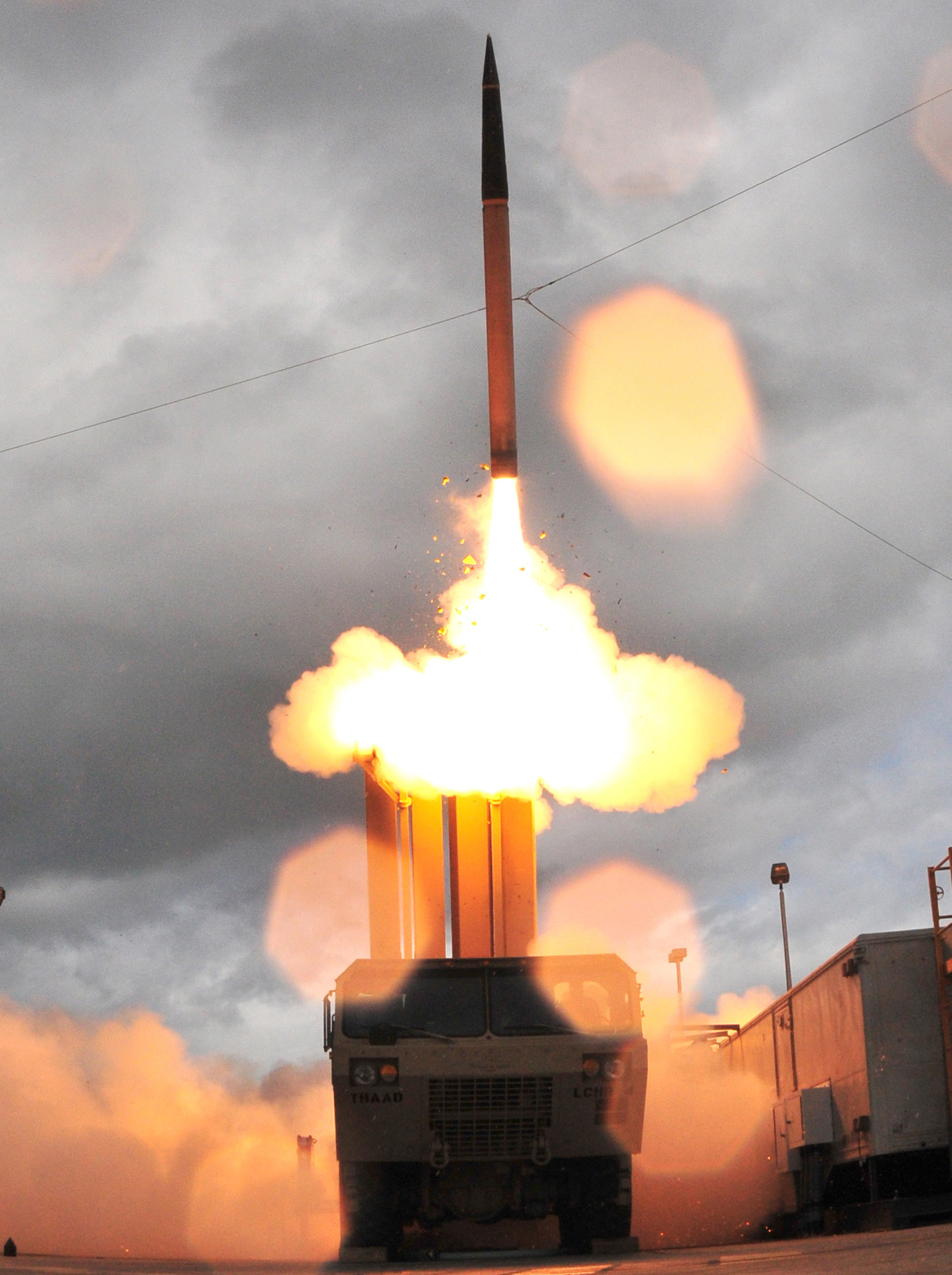
Pakistan’s air defense expertise is particularly valuable. The PAF has extensive experience with Chinese-designed HQ-9 and HQ-16 surface-to-air missile systems, and Pakistani radar operators have trained alongside Saudi counterparts on integrated air defense architectures. With Iran launching hundreds of drones and dozens of ballistic missiles at the Kingdom in just ten days, additional air defense personnel and equipment could directly address Saudi Arabia’s most immediate vulnerability.
The Pakistani dimension gains further significance when viewed against the broader reality that Saudi Arabia’s American-made arsenal carries a de facto kill switch — a dependency on US technicians, spare parts, and ammunition resupply that the Kingdom cannot unilaterally resolve. Pakistan’s Chinese-platform expertise represents one avenue for diversifying that dependency.
| Capability | Detail | Quantity |
|---|---|---|
| Active personnel | Army, Navy, Air Force combined | 654,000 |
| Combat aircraft | F-16, J-10C, JF-17 Thunder | ~400 |
| F-16 Block 52 | Advanced multirole fighters | 75 |
| Nuclear warheads | Credible minimum deterrence | 170 |
| Ballistic missiles | Shaheen-III range: 2,750 km | Multiple types |
| Naval vessels | Frigates, corvettes, submarines | 100+ |
| Defense budget (2026) | Annual military expenditure | $10.2 billion |
In the naval domain, Pakistan and Saudi Arabia have conducted the Naseem Al-Bahr bilateral naval exercise since 1993. Pakistan’s navy operates frigates, corvettes, and submarines that could contribute to maritime security in the Persian Gulf and Red Sea — particularly relevant given Iran’s ongoing disruption of shipping through the Strait of Hormuz.
The most significant capability Pakistan brings, however, is manpower. At its peak in the 1980s, more than 20,000 Pakistani troops were stationed in Saudi Arabia in both training and operational roles, deployed to sensitive areas including Tabuk and the Eastern Province. Pakistan’s military has institutional experience operating on Saudi soil, an advantage that no other potential Saudi security partner outside the United States can match.
The Nuclear Question Neither Side Will Answer
Pakistan possesses an estimated 170 nuclear warheads, making it the world’s fifth-largest nuclear power. The SMDA makes no explicit mention of nuclear deterrence or nuclear weapons, and both governments have carefully avoided linking the defense pact to Pakistan’s nuclear arsenal. The Belfer Center for Science and International Affairs at Harvard published an analysis titled “Beyond the Hype: Pakistan-Saudi Defense Pact Is Not a Saudi Nuclear Umbrella,” arguing that the agreement should not be interpreted as extending Pakistan’s nuclear deterrent to cover Saudi Arabia.
Yet the nuclear dimension cannot be entirely divorced from the pact’s strategic logic. Pakistan’s Defense Minister Khawaja Muhammad Asif stated publicly after the SMDA signing that “Pakistan’s nuclear program would be available to Saudi Arabia if needed” — a remark that drew immediate international attention and has since been walked back by Pakistani diplomats as reflecting a personal opinion rather than official policy.
Saudi Arabia has its own nuclear ambitions. Crown Prince Mohammed bin Salman has publicly stated that the Kingdom would pursue nuclear weapons if Iran developed them, and Riyadh has pushed for uranium enrichment rights as part of its negotiations with Washington over a civilian nuclear cooperation agreement. The Bulletin of the Atomic Scientists described the SMDA as “the pact that no one saw coming,” noting that it raised fundamental questions about nuclear proliferation norms in the Middle East.
With Iran’s new Supreme Leader Mojtaba Khamenei installed under IRGC pressure on March 8 — and with Israel and the United States having already destroyed significant Iranian nuclear infrastructure — the nuclear calculus in the region is shifting rapidly. The question of whether Pakistan’s deterrent implicitly backs the Saudi-Pakistan alliance, even without an explicit provision, adds a dimension to the March 7 meeting that neither Munir nor Khalid bin Salman chose to address publicly.
How Will Regional Powers React to the Pact Activation?
The activation of the Saudi-Pakistan defense pact sends reverberations across multiple capitals, each with distinct concerns about what the partnership implies for the regional balance of power.
India, which shares a disputed border with Pakistan and maintains its own strategic relationship with both Saudi Arabia and Iran, will view the pact activation with deep unease. New Delhi has approximately 2.7 million citizens working in Saudi Arabia and depends on the Kingdom for roughly 18 percent of its crude oil imports. Indian officials have privately expressed concern that any Pakistani military deployment to the Gulf could free up Pakistani Army resources along the Line of Control in Kashmir, according to analysts at the Carnegie Endowment for International Peace.
Iran’s response to the pact activation has been muted publicly but hostile in private channels. Tehran views the SMDA as further evidence that Pakistan has aligned itself with the US-Saudi-Israeli axis against Iranian interests — a perception that carries particular weight given that Iran and Pakistan share a 959-kilometer border in Balochistan, a region already plagued by cross-border militant activity. In January 2024, Iran and Pakistan exchanged cross-border missile strikes targeting militant groups, bringing the two countries closer to open conflict than at any point in decades.
Turkey, a NATO member with its own aspirations for regional leadership in the Muslim world, has watched the Saudi-Pakistan defense architecture develop with a mix of interest and wariness. Ankara maintains its own bilateral defense agreements with several Gulf states and has a military base in Qatar. The emergence of a formal Saudi-Pakistan mutual defense framework challenges Turkey’s self-appointed role as the security coordinator for Sunni Muslim nations and raises the question of whether Ankara might seek inclusion in a broader “Islamic NATO” structure — or find itself marginalized by it.
China, Pakistan’s closest strategic partner and Saudi Arabia’s largest oil customer, has adopted a careful position. Beijing supported the SMDA’s signing through diplomatic channels but has avoided endorsing any specific military measures against Iran, with whom China maintains a 25-year strategic cooperation agreement signed in 2021. Foreign Minister Wang Yi has called for “all parties to immediately stop military operations” and return to dialogue — language that implicitly criticizes the US-Israeli strikes that triggered the conflict while carefully avoiding any condemnation of Iran’s retaliatory campaign.
The Road Ahead for the Saudi-Pakistan Alliance
The March 7 meeting opened a new chapter in Saudi-Pakistan relations, but it also exposed the gap between the pact’s ambitious language and the practical challenges of military coordination during a fast-moving regional war.
Several immediate questions remain unanswered. Will Pakistan deploy military personnel to Saudi Arabia beyond the exercise participants already in-country? Will Pakistani air defense assets integrate into Saudi Arabia’s layered missile defense network? Will Pakistani naval vessels join the multinational effort to keep the Strait of Hormuz open for commercial shipping?
Islamabad faces enormous domestic and regional constraints on any overt military involvement. Pakistan’s economy remains fragile, with the country undergoing an International Monetary Fund stabilization program. Deploying forces to the Gulf would strain an already stretched military budget and risk provoking Iran on Pakistan’s western border. The Asia-Pacific Leadership Network described the SMDA’s guarantees as “paper promises” that face severe practical limitations when tested against real-world logistics and political will.
For Saudi Arabia, the pact activation provides immediate diplomatic value even if no Pakistani soldiers deploy. The mere fact that Pakistan’s top military commander flew to Riyadh during an active conflict, sat with the Saudi defense minister, and discussed “mechanisms to halt these aggressions” under a formal treaty framework sends a signal to Tehran that further escalation carries escalating risks. Whether that signal translates into genuine military cooperation or remains a diplomatic gesture dressed in treaty language will determine whether the September 2025 agreement enters history as a watershed moment in Gulf security — or a footnote.
The defense pact with Pakistan represents just one element of the broader strategic trilemma facing Mohammed bin Salman, who must simultaneously shore up military alliances, sustain economic confidence, and keep diplomatic channels open to Tehran — all while Iranian missiles continue falling on Saudi soil.
The next seventy-two hours will be critical. As Saudi Arabia explores every available avenue to bolster its drone defenses — including Ukraine’s offer of low-cost interceptor technology — the question is no longer whether the Saudi-Pakistan defense pact exists on paper. The question is whether it exists on the battlefield.
Frequently Asked Questions
What is the Saudi-Pakistan Strategic Mutual Defense Agreement?
The Strategic Mutual Defense Agreement is a bilateral defense pact signed on September 17, 2025, at Al Yamamah Palace in Riyadh by Crown Prince Mohammed bin Salman and Pakistani Prime Minister Shehbaz Sharif. It stipulates that any act of aggression against either Saudi Arabia or Pakistan shall be considered an act of aggression against both nations, mirroring NATO’s Article 5 collective defense clause. The agreement was formally activated for the first time on March 7, 2026, when Pakistan’s Field Marshal Asim Munir met Saudi Defense Minister Prince Khalid bin Salman in Riyadh to discuss joint responses to Iranian attacks on the Kingdom.
Has Pakistan deployed troops to Saudi Arabia?
As of March 9, 2026, Pakistan has not announced a formal military deployment to Saudi Arabia in response to the Iranian attacks. However, Pakistani F-16 fighter jets were already present in the Kingdom for the Spears of Victory 2026 military exercise that began in January. The March 7 meeting between Field Marshal Munir and Prince Khalid bin Salman focused on “mechanisms to halt” Iranian attacks, suggesting that specific military measures are under discussion but have not yet been publicly confirmed.
By March 11, Pakistan had formally deployed air defense systems and military personnel to Saudi Arabia, including LY-80 and FM-90 missile batteries integrated into the Kingdom’s air defense network, confirming the operational activation of the pact.
Does the defense pact include nuclear weapons?
The Strategic Mutual Defense Agreement does not explicitly mention nuclear weapons or nuclear deterrence. Pakistan maintains an arsenal of approximately 170 nuclear warheads, but both governments have avoided linking the pact to Pakistan’s nuclear capabilities. The Belfer Center at Harvard has specifically argued that the SMDA should not be interpreted as a nuclear umbrella for Saudi Arabia, though Pakistan’s Defense Minister made a personal remark that Pakistan’s nuclear program would be “available” to Saudi Arabia if needed. A deeper analysis of Pakistan’s nuclear deterrent posture suggests the strategic ambiguity itself serves as the most effective form of extended deterrence.
Why is the pact being activated now?
The pact activation was triggered by Iran’s retaliatory strikes against Saudi Arabia following the US-Israeli strikes on Iran that began on February 28, 2026. By March 7, Saudi Arabia had endured nine days of continuous drone and missile attacks, including ballistic missiles aimed at Prince Sultan Air Base, drone swarms targeting Aramco’s Ras Tanura facility, and a projectile strike on a residential compound in Al-Kharj that killed two civilians. The escalating pattern of attacks, combined with the IRGC’s declaration that it could sustain strikes for six months, prompted both nations to invoke the agreement’s provisions.
How does this affect the wider Iran war?
The pact activation introduces a new variable into the conflict calculus. Pakistan is a nuclear-armed state with the world’s sixth-largest military, and its formal alignment with Saudi Arabia under a mutual defense treaty raises the potential cost of Iranian escalation. While analysts debate whether Pakistan would actually deploy forces to the Gulf, the diplomatic signal alone serves as a deterrent. Iran must now factor in the possibility — however uncertain — that continued strikes on Saudi Arabia could draw a nuclear-armed neighbor into the conflict.