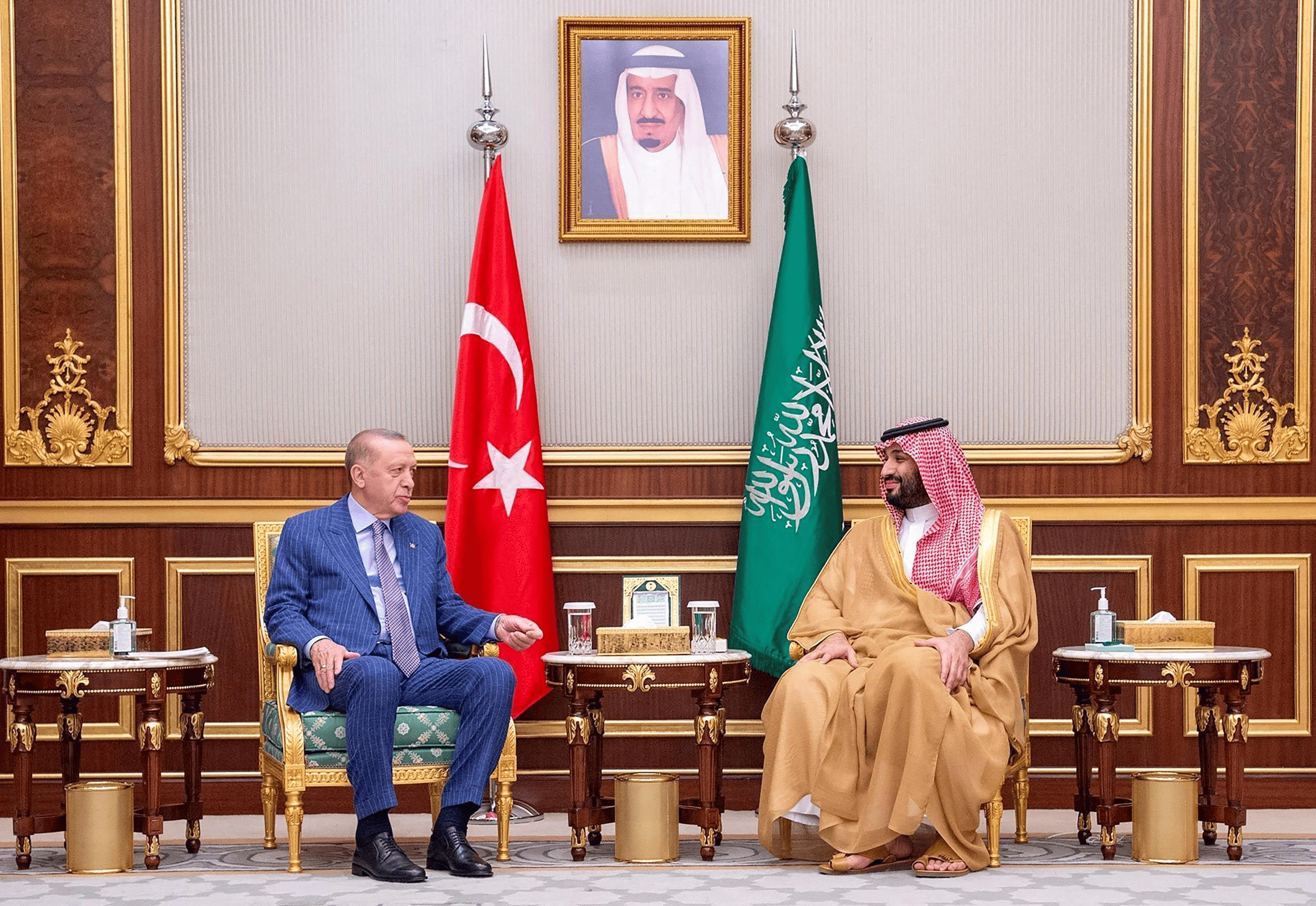

In a first-time visit since assuming office, Palestinian Prime Minister Mohammed Mustafa met with Saudi Foreign Minister Prince Faisal bin Farhan in Jeddah on Tuesday. The exchanges followed the backdrop of the ongoing Israel-Hamas conflict in the Gaza Strip, and mounting tensions in the West Bank, with particular emphasis on the Palestinian territories’ current dynamics, according to a statement by the Saudi Foreign Ministry on the X platform.
Discussions also encompassed efforts to achieve an immediate and lasting cease-fire in Gaza and enhance the delivery of humanitarian aid to the embattled region.
Mustafa, in his remarks, acknowledged Saudi Arabia’s backing for the Palestinian cause and the populace, reported the official Palestinian WAFA news agency.
“The relentless assault on our people must end, relief operations in the Gaza Strip need to be hastened and significant planning for reconstruction and overhaul of key sectors like health, education, and essential utilities such as electricity, water, and sanitation ought to be accelerated,” Mustafa articulated in the meet.
The prime minister’s arrival in Jeddah on Tuesday was greeted by Deputy Foreign Minister Waleed bin Abdulkarim Al Khuraiji at the airport.
#Jeddah | Vice Minister of Foreign Affairs, H.E. @W_Elkhereiji, received Prime Minister and Foreign Minister of the State of Palestine, Dr. Mohammed Mustafa, upon his arrival at King Abdulaziz Airport.
Before the Israel-Hamas conflict broke out on Oct. 7, US had been encouraging Saudi Arabia to establish a diplomatic understanding with Israel, a proposition which was abruptly halted in the wake of the war.
From that point, calls from Saudi officials amplified, emphasizing a need for an Israeli-Palestinian peace and ensuring Palestinian rights before considering any normalization deal.
Riyadh has concurrently highlighted the necessity of the Palestinian Authority’s (PA) return to Gaza. Mustafa’s reception cements the Kingdom’s backing of the PA.
In a significant reshuffle in mid-March, Palestinian President Mahmoud Abbas appointed Mohammed Mustafa, his long-time economic advisor from 2005, as prime minister. A new cabinet was formed late March amidst an escalating US push for an overhaul of the Palestinian Authority, necessitating a new government skilled in post-war Gaza management.
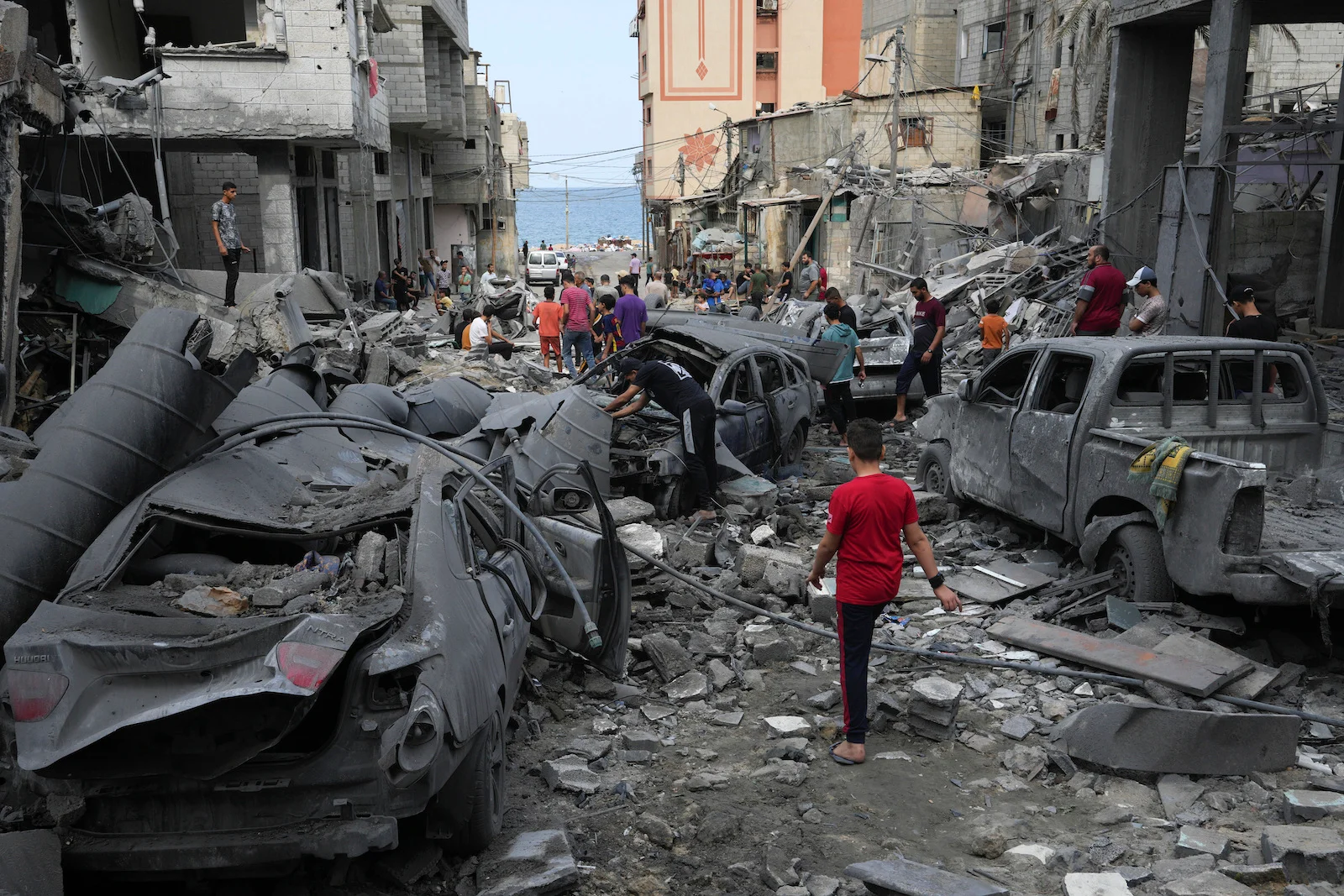
The Gaza war toll stands at a staggering 33,000 Palestinian fatalities and 75,000 injuries, according to the records from the enclave’s Ministry of Health. Israel’s crackdown was in response to Hamas’ mounting attacks, killing nearly 1,200 and holding over 240 captive. A brief cease-fire in November led to the liberation of 100 hostages in return for 240 Palestinian detainees. Rumours persist about the remaining hostages who presumably have perished in the clash.
Last Sunday, cease-fire talks in the Gaza Strip, mediated by Egypt, Qatar and the United States, resumed in Cairo, aiming to secure a prisoner swap deal.
Hamas announced its contemplation over a recent proposition for a six-week truce under which a swap of 40 women and child hostages for hundreds of Palestinian prisoners would happen, while allowing up to 500 aid trucks to enter Gaza daily.
A day prior to his Saudi visit, Mustafa met with Egyptian President Abdel Fattah al-Sisi in Cairo. Much of the conversation centred around the prevailing circumstances in the Gaza Strip and West Bank as well as the progress of cease-fire negotiations.
While acknowledging Egypt’s integral role in advocating the Palestinian cause and seeking an end to the Israeli occupation, Mustafa echoed Egypt’s refusal to displace Palestinians from their territories and promised to pursue an immediate, durable cease-fire to safeguard Palestinian civilians.
Preceding this, the Palestinian leader held similar discussions in Amman with his Jordanian counterpart, Bisher Khasawneh.