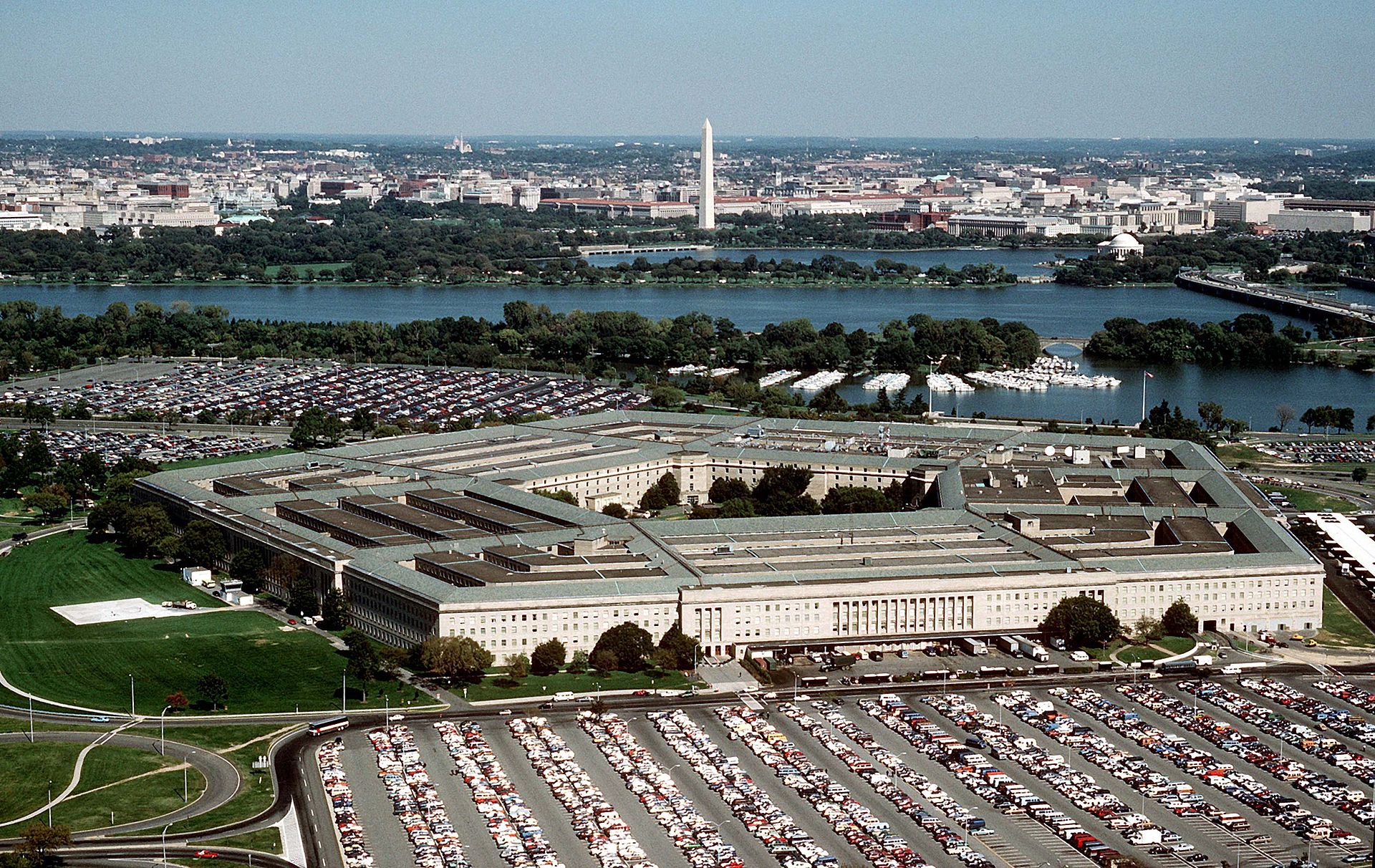

WASHINGTON — The Pentagon has asked the White House to approve a supplemental budget request to Congress exceeding $200 billion to fund the war in Iran, according to the Washington Post, a sum that dwarfs four years of Ukraine military aid in just twenty days of combat. Defense Secretary Pete Hegseth, briefing reporters at the Pentagon on Wednesday alongside Joint Chiefs Chairman Dan Caine, said Thursday’s airstrikes against Iran would constitute the “largest strike package yet” of Operation Epic Fury, the administration’s campaign name for the war that began on February 28. The request, if approved, would represent the single largest wartime supplemental since the early years of the Iraq War and underscores the extraordinary pace at which the United States is burning through precision munitions, jet fuel, and interceptor missiles — much of it from air bases on Saudi soil.
The scale of spending carries immediate implications for Saudi Arabia. Crown Prince Mohammed bin Salman has spoken regularly with President Trump throughout the conflict, according to the New York Times, urging him to “keep hitting the Iranians hard” and echoing advice attributed to the late King Abdullah to “cut off the head of the snake.” The Kingdom hosts the primary American staging ground for the air campaign and has pledged up to $1 trillion in investment in the United States. Whether Congress funds the next phase of a war Saudi Arabia vocally encouraged may determine the shape of the Gulf’s security architecture for a generation.
Table of Contents
- What Did the Pentagon Request?
- How Does $200 Billion Compare to Past Wars?
- Hegseth Vows ‘Largest Strike Package Yet’
- Why Is Saudi Arabia Central to the Iran Air Campaign?
- The $1 Trillion Pledge and the Defense Relationship
- Will Congress Approve the Funding?
- MBS and the War He Encouraged
- Background on Operation Epic Fury
- Frequently Asked Questions
What Did the Pentagon Request?
The Pentagon’s supplemental budget request exceeds $200 billion, the Washington Post reported on March 18, citing multiple officials familiar with the proposal. The figure represents a formal ask from the Department of Defense to the Office of Management and Budget, which must approve the request before it is transmitted to Capitol Hill. Some White House officials have privately expressed doubt that the number has a realistic chance of surviving congressional scrutiny, the Post reported.
The supplemental would far surpass the cost of the airstrike campaign to date. Instead, it seeks to urgently increase production of critical weaponry expended at an unprecedented rate as American and Israeli forces have struck more than 7,000 targets across Iran in twenty days. Tomahawk cruise missiles, which cost approximately $3.5 million per unit, have been fired in the hundreds. Patriot and THAAD interceptor missiles, which cost between $3 million and $12 million each, have been consumed in large quantities defending Gulf air bases — including those in Saudi Arabia — from Iranian retaliatory strikes.
The munitions shortage extends beyond American stockpiles. Gulf allies have burned through their own interceptor inventories at an alarming rate, prompting Secretary of State Marco Rubio to invoke emergency authority to push through Washington’s largest emergency arms deal — a $16.5 billion package for the UAE, Kuwait, and Jordan that bypasses congressional review to accelerate delivery of the same THAAD and Patriot systems the Pentagon is struggling to replenish.
The Center for Strategic and International Studies estimated the war’s cost at $16.5 billion by day twelve, with daily expenditures running between $500 million and $900 million during the initial phase. The $200 billion request signals the Pentagon is planning for a campaign lasting months, not weeks.
The Middle East briefing 3,000+ readers start their day with.
One email. Every weekday morning. Free.
How Does $200 Billion Compare to Past Wars?
The Pentagon’s $200 billion request for a twenty-day-old conflict surpasses the $188 billion Congress approved for Ukraine over four years through December 2025. It equals roughly 22 percent of the current fiscal year defense budget of $901 billion. For context, the entire United Kingdom defense budget for 2025-2026 stands at approximately $82 billion — meaning the Pentagon is requesting nearly two and a half times Britain’s annual military spending to fund a single campaign.
| Conflict / Program | Funding | Timeframe | Daily Cost Equivalent |
|---|---|---|---|
| Iran War (requested) | $200 billion+ | 20 days to date | $500M–$900M/day |
| Ukraine military aid | $188 billion | 4 years (2022–2025) | ~$129M/day |
| Iraq War FY2008 (peak) | $186 billion | 1 fiscal year | ~$510M/day |
| Afghanistan FY2011 (peak) | $107 billion | 1 fiscal year | ~$293M/day |
| FY2026 base defense budget | $901 billion | Full fiscal year | ~$2.5B/day |
The comparison with Iraq is instructive. At the peak of the Iraq War in fiscal year 2008, annual supplemental spending reached approximately $186 billion — a figure the Iran campaign threatens to match within its first months. The Iraq and Afghanistan wars ultimately cost the United States over $8 trillion when long-term veterans’ care, equipment replacement, and interest on borrowed funds were included, according to Brown University’s Costs of War project. The Iran war’s final bill remains impossible to calculate, but the opening trajectory suggests it will be the most expensive American military operation since the 2003 invasion of Iraq.
Hegseth Vows ‘Largest Strike Package Yet’
Speaking at a Pentagon press conference on March 19 alongside Joint Chiefs Chairman Dan Caine, Defense Secretary Pete Hegseth said Thursday’s operations would involve the “largest strike package yet, just like yesterday was.” The phrase suggested a pattern of daily escalation, with each successive wave of airstrikes exceeding the previous one in scale.
Hegseth said the United States had struck more than 7,000 targets across Iran since Operation Epic Fury began, including military infrastructure, air defense networks, missile production facilities, and command-and-control nodes. He reported that Iranian ballistic missile attacks against Gulf countries had declined by 90 percent since the war’s opening days, and that one-way attack drone launches had fallen by a comparable margin.
“It takes money to kill bad guys,” Hegseth said when asked about the $200 billion supplemental request reported by the Washington Post. He did not directly confirm the figure but did not dispute it.
Hegseth insisted that Operation Epic Fury was not “an endless abyss or a forever war or quagmire.” The goals, he said, were “laser-focused” on degrading Iran’s military capability to attack its neighbors and eliminating its ability to threaten international shipping through the Strait of Hormuz. Absent from those stated objectives, however, was any reference to securing Iran’s surviving enriched uranium stockpile — a mission that military analysts say would consume a significant portion of any contingency budget and require the ground deployment the Pentagon has so far avoided.
Caine, the Joint Chiefs chairman, noted that Iran “came into this fight with a lot of weapons” but that the United States had developed “layered defenses throughout the region” to protect American forces and allied nations. Nearly 200 American troops have been wounded in the conflict so far, though most have returned to duty, according to U.S. Central Command.
Why Is Saudi Arabia Central to the Iran Air Campaign?
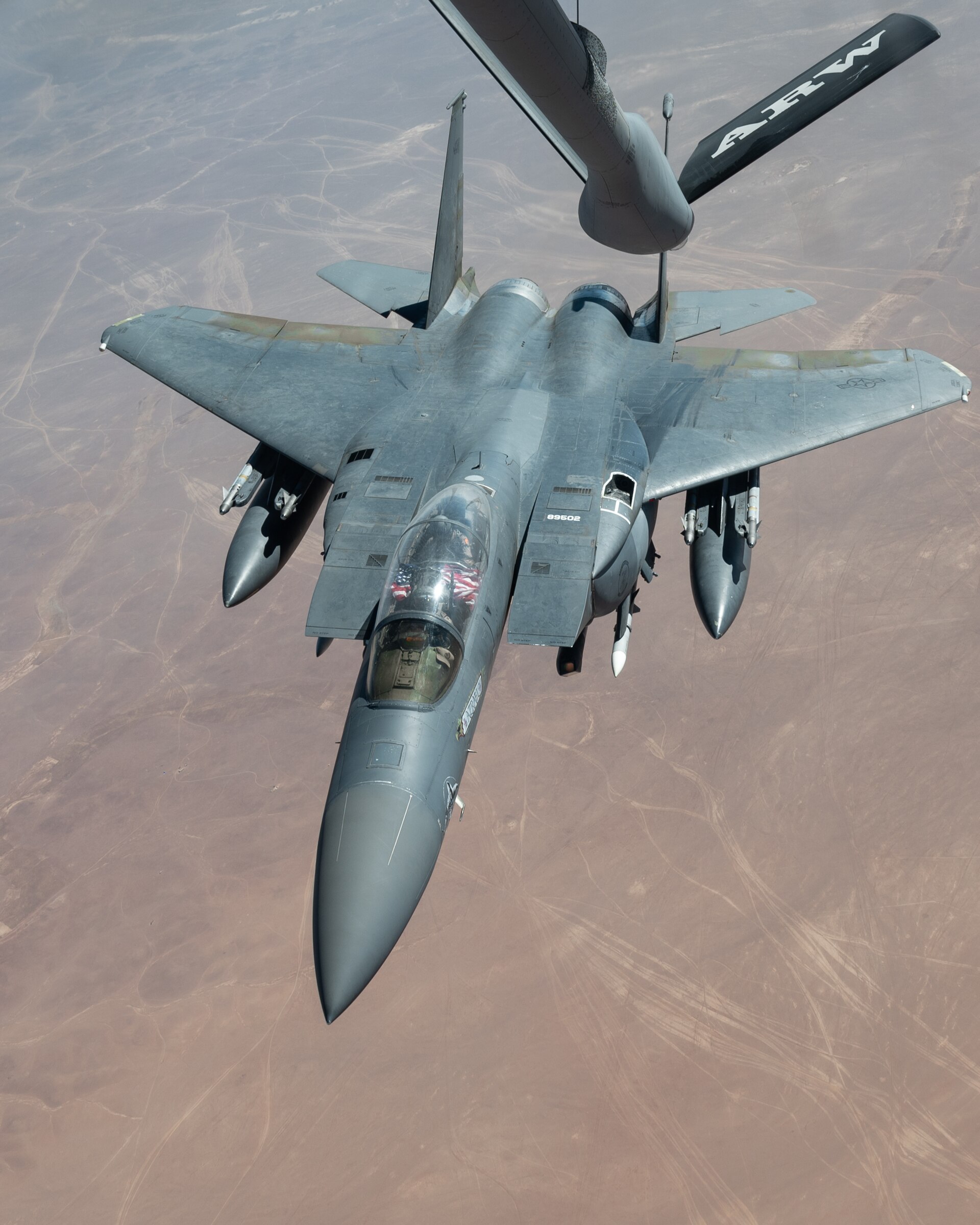
Saudi Arabia’s Prince Sultan Air Base, located near Al-Kharj approximately 100 kilometres southeast of Riyadh, serves as the primary staging ground for American aerial operations against Iran. More than 2,300 U.S. troops were stationed at the base before the war, a number that has grown substantially since operations began. Satellite imagery analysed prior to the conflict revealed at least 13 KC-135 Stratotanker aerial refuelling aircraft, six E-3G Sentry airborne early warning planes, four E-11 battlefield communications aircraft, and multiple C-130 transport planes at the facility.
The base has come under repeated Iranian attack. On March 14, an Iranian missile strike damaged five KC-135 tanker aircraft on the ground at Prince Sultan, exposing what analysts called a critical vulnerability in American airpower logistics. Army Sergeant Benjamin Pennington, 26, of Fort Carson, Colorado, died on March 8 from wounds sustained during an earlier Iranian ballistic missile strike on the base, making him the seventh American service member killed in Operation Epic Fury.
Saudi Arabia has intercepted hundreds of Iranian missiles and drones since the war began, the vast majority over Saudi territory. On March 19, the Saudi defense ministry said it had downed four ballistic missiles targeting Riyadh, with debris falling near a refinery south of the capital. For millions of Saudi residents, the war is not an abstraction — it is the sound of interceptors overhead and the vibration of alerts on their phones.
The strategic logic is straightforward: Prince Sultan Air Base sits within range of Iran’s major military and nuclear sites, and the Kingdom’s vast territory provides depth for tanker orbits, intelligence collection, and logistics. Saudi Arabia’s own Defense Minister, Prince Khalid bin Salman, has coordinated closely with American commanders throughout the campaign.
The $1 Trillion Pledge and the Defense Relationship
The Pentagon’s funding request arrives against the backdrop of Saudi Arabia’s deepening entanglement in the American military campaign. Crown Prince Mohammed bin Salman pledged up to $1 trillion in investment in the United States during his November 2025 visit to Washington, a package that included defense sales valued at approximately $142 billion. The White House issued a fact sheet describing the arrangement as an “economic and defense partnership” that included discussions about the potential sale of F-35 fighter jets to the Kingdom.
That financial relationship now operates in both directions. Saudi Arabia is simultaneously spending billions on its own defense — interceptor missiles, air defense maintenance, civil protection infrastructure — while the United States is spending hundreds of millions daily to operate from Saudi bases. The $200 billion supplemental request, if approved, would fund operations that directly benefit Saudi security by degrading Iran’s ability to strike the Kingdom.
| Flow | Amount | Description |
|---|---|---|
| Saudi investment pledge to U.S. | $1 trillion | Announced November 2025, includes $142B in defense purchases |
| U.S. FY2026 defense budget | $901 billion | Base budget before supplemental |
| Pentagon Iran war supplemental | $200 billion+ | Requested March 2026, awaiting OMB/Congress |
| Iran war costs to date (est.) | $16.5 billion | CSIS estimate through Day 12 |
| Gulf war economic losses (est.) | $300 billion+ | Goldman Sachs projection, worst since 1991 Gulf War |
Bloomberg reported on March 6 that Saudi Arabia had intensified a direct diplomatic line to Iran in parallel with the military campaign, seeking to limit the damage to Gulf infrastructure even as Riyadh encouraged Washington to press harder. The dual-track approach — urging American escalation while maintaining a backchannel to Tehran — reflects the Kingdom’s position as both the war’s principal advocate and its most exposed target.
Will Congress Approve the Funding?
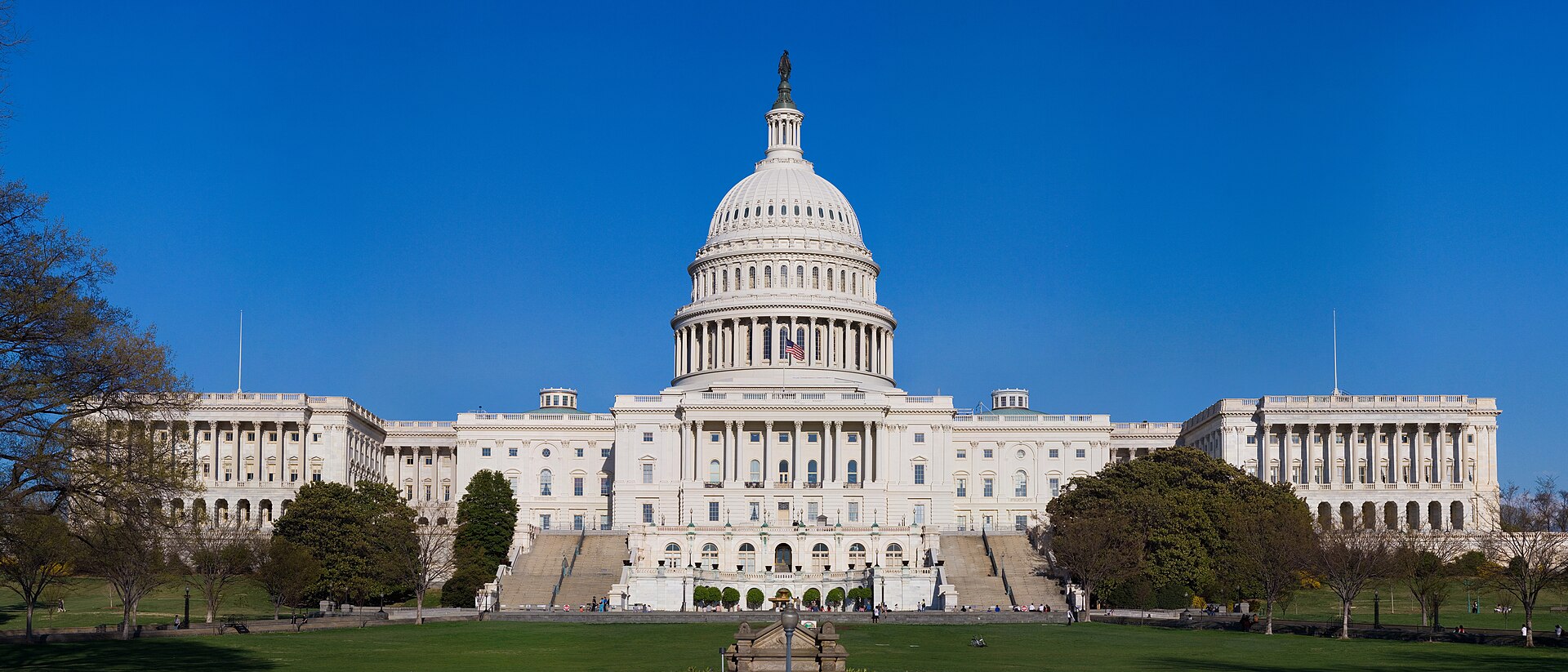
The Pentagon’s supplemental faces significant political headwinds. Some White House officials do not believe the request has a realistic chance of passing Congress in its current form, the Washington Post reported. Democrats have been sharply critical of the war, which the Trump administration launched without a formal Authorization for Use of Military Force, relying instead on Article II constitutional authority and the 2001 AUMF originally passed to authorize operations against al-Qaeda after the September 11 attacks.
Common Dreams reported that several Democratic lawmakers responded to the $200 billion figure with outrage. The website quoted members of Congress describing the request as funding for “Trump’s illegal Iran war” and calling for a vote on a new AUMF before any supplemental spending is considered.
Republicans have signalled support for the war effort but have not committed to a legislative strategy for the supplemental. Senator Lindsey Graham, who threatened to block the U.S.-Saudi defense pact if Riyadh continued to refuse direct military action against Iran, is expected to support the supplemental but may attach conditions requiring Gulf states to contribute financially to the campaign.
The authorization question looms over every dollar. Opponents argue that the 2001 AUMF, designed to target non-state terrorist organizations, cannot legally justify a full-scale air campaign against a sovereign nation’s military. Supporters counter that Iran’s attacks on American forces and allied nations in the Gulf constitute an armed attack triggering the President’s Article II self-defense authority.
A vote is not expected for several weeks. The House and Senate Armed Services Committees would need to hold hearings, and the appropriations process typically takes months. In the interim, the Pentagon is drawing on existing contingency funds and reprogramming authority to sustain operations — a stopgap that military officials say cannot last beyond mid-April without additional appropriations.
MBS and the War He Encouraged
Crown Prince Mohammed bin Salman has been one of the most vocal proponents of the American campaign against Iran, according to multiple reports. The New York Times reported that MBS has spoken regularly with President Trump since the war began, urging him to sustain and intensify military operations. The Times of Israel cited White House officials saying bin Salman conveyed advice attributed to the late King Abdullah: to “cut off the head of the snake.”
Saudi Arabia’s foreign minister, Prince Faisal bin Farhan, made the Kingdom’s position explicit on March 18 when he told a meeting of regional diplomats in Riyadh that “what little trust there was has completely been shattered” and that Saudi Arabia “reserves the right to take military actions if deemed necessary.” The statement represented the sharpest Saudi rhetoric since the war began and suggested Riyadh was prepared to move beyond its current posture of hosting American forces to actively participating in combat operations.
The shift was not sudden. Saudi Arabia’s reversal from years of diplomatic engagement with Iran to open advocacy for military action followed the Iranian strikes that hit Saudi cities, oil infrastructure, and military bases beginning on March 1. Pakistan’s Prime Minister Shehbaz Sharif flew to Jeddah on March 12 to express “full solidarity and support for the Kingdom,” reinforcing the bilateral defense pact that Islamabad and Riyadh invoked under fire.
The $200 billion supplemental, in this context, represents not just a Pentagon budget line but a test of whether the United States will sustain the campaign that Saudi Arabia’s crown prince has staked his credibility on. If Congress denies or significantly reduces the funding, the operational tempo that has degraded Iran’s attack capability by 90 percent — according to Hegseth — could falter, leaving the Kingdom exposed.
Background on Operation Epic Fury
Operation Epic Fury began on February 28, 2026, when U.S. and Israeli forces launched coordinated strikes against Iranian military targets, including missile production facilities, air defense networks, Revolutionary Guard command centres, and nuclear-related infrastructure. The operation followed months of rising tensions between Iran and the United States, escalating proxy conflicts, and a breakdown in the diplomatic negotiations that had been mediated by Oman and Qatar through 2025 and into early 2026.
Iran retaliated within hours by launching ballistic missiles and drones at U.S. military installations in the Gulf, Saudi oil infrastructure, and Israeli targets. The war has since expanded to involve strikes on energy infrastructure across Saudi Arabia, Qatar, the UAE, Kuwait, Bahrain, and Oman. Tehran effectively closed the Strait of Hormuz to commercial shipping, trapping approximately 3,000 vessels carrying 20,000 crew members and sending global oil prices up more than 40 percent from pre-war levels.
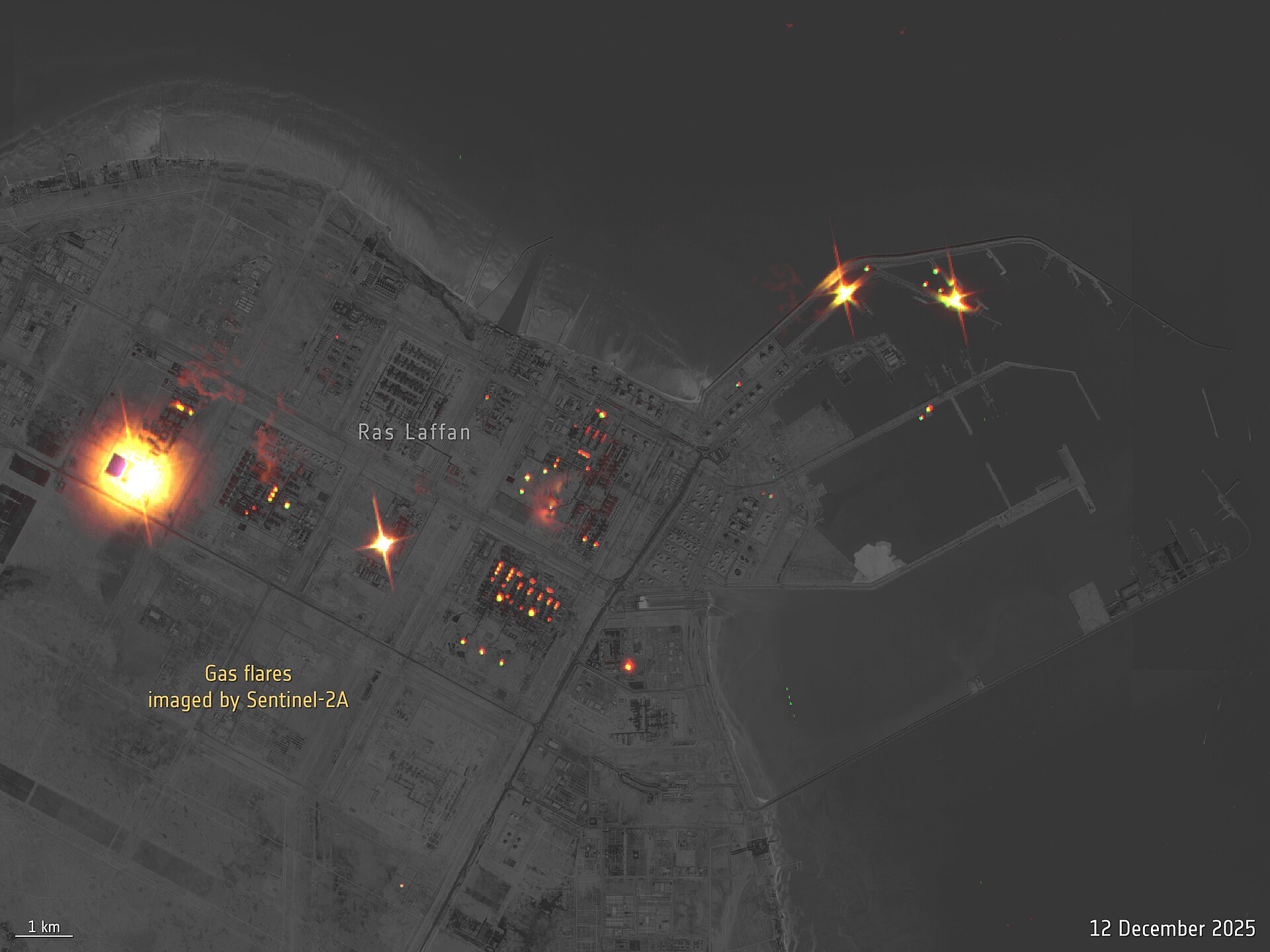
The conflict escalated sharply on March 18 when Israeli forces struck Iran’s South Pars gas field — the largest natural gas reserve in the world — prompting Iran to retaliate by attacking energy facilities across four Gulf countries simultaneously. Missiles hit Qatar’s Ras Laffan LNG complex, a UAE gas field, a Saudi oil refinery near Jubail, and two Kuwaiti gas processing units. The tit-for-tat targeting of energy infrastructure marked what analysts described as a dangerous new phase in the war, drawing energy markets deeper into the crossfire.
The human cost has been significant on all sides. Seven American service members have been killed and nearly 200 wounded, according to U.S. Central Command. Eleven civilians in Gulf countries have died from Iranian strikes on hotels, airports, and residential areas, Al Jazeera reported. Iranian casualties from American and Israeli strikes remain unknown, though Hegseth has claimed the destruction of major military and industrial infrastructure across the country.
As the war enters its twenty-first day on Thursday — the first day of Eid al-Fitr across the Muslim world — there is no ceasefire in sight. Iran’s new Supreme Leader, Mojtaba Khamenei, has rejected negotiations while attacks continue. The United States has shown no indication of pausing operations for the holiday. Trump threatened on Wednesday to “massively blow up the entirety” of South Pars if Iran attacked Qatar again. And the Pentagon’s $200 billion request to Congress signals that Washington is preparing for a conflict measured in months, not weeks — a reality that will reshape the security architecture of the Gulf long after the last missile has been fired.
Frequently Asked Questions
How much has the Iran war cost the United States so far?
The Center for Strategic and International Studies estimated the cost of Operation Epic Fury at $16.5 billion through its twelfth day, with daily expenditures ranging between $500 million and $900 million. The Pentagon’s $200 billion supplemental request to Congress signals planning for a significantly longer campaign than the initial weeks of airstrikes.
Why is the Pentagon requesting $200 billion for the Iran war?
The request reflects the extraordinary rate at which the United States is consuming precision munitions, interceptor missiles, jet fuel, and other materiel. Tomahawk cruise missiles cost approximately $3.5 million each and have been fired in the hundreds. The supplemental also seeks to increase production capacity for weapons systems being depleted faster than they can be replaced.
What role does Saudi Arabia play in Operation Epic Fury?
Saudi Arabia hosts the primary American staging ground for the air campaign at Prince Sultan Air Base near Riyadh. The base houses KC-135 tanker aircraft, E-3 Sentry early warning planes, and thousands of U.S. troops. Saudi Arabia has also intercepted hundreds of Iranian missiles and drones over its own territory and has vocally encouraged Washington to sustain and intensify operations against Iran.
The fiscal contradiction became even more stark on March 20, when the Treasury Department issued a 30-day sanctions waiver releasing 140 million barrels of Iranian oil to global markets. As analyzed in Washington Released Iran’s Oil. Riyadh Got the Bill., the administration spent hundreds of billions destroying Iranian capacity while facilitating billions in revenue that partially sustained it.
Will Congress approve the Pentagon’s $200 billion funding request?
Approval is uncertain. Democrats have opposed the war and are demanding a formal Authorization for Use of Military Force before any new funding is considered. Republicans broadly support the campaign but have not committed to a legislative strategy. Some White House officials have privately expressed doubt that the full amount will survive the congressional process, according to the Washington Post. The House and Senate Armed Services Committees would need to hold hearings before any vote, and the appropriations process typically takes months. In the interim, the Pentagon is drawing on existing contingency funds that officials say cannot sustain operations past mid-April.