
WASHINGTON — The Pentagon is considering whether to redirect approximately $750 million in military aid earmarked for Ukraine to the Middle East, according to three people familiar with the deliberations cited by the Washington Post on March 26. The potential diversion would prioritise restocking American interceptor supplies depleted by four weeks of sustained combat against Iran, raising alarm among European allies and Ukrainian officials who warn that Russia will exploit the resulting air defence gap. No final decision has been made, but the Pentagon notified Congress on March 23 of its intention to repurpose funding from the Prioritised Ukraine Requirements List, known as PURL, a NATO mechanism through which European partner countries finance the purchase of American-made weapons for Kyiv.
The disclosure arrives as the Iran war enters its twenty-eighth day with U.S. Central Command having struck more than 9,000 targets since February 28. Gulf states led by Saudi Arabia have consumed interceptors at rates that dwarf anything seen in Ukraine, burning through more than 800 Patriot and THAAD missiles in the first three days of fighting alone — more than Ukraine used over an entire winter of the largest arms race since the Cold War. The arithmetic has forced Washington into a triage calculation with no good answers. The political sustainability of the American commitment to the Gulf is now as much a strategic variable as the munitions stockpile itself.
Table of Contents
- What Weapons Would Be Diverted From Ukraine?
- How Deep Is the Interceptor Shortage?
- Congressional Notification and the $750 Million Redirect
- How Does This Affect Saudi Arabia and the Gulf?
- What Has Ukraine Said About the Diversion?
- NATO Allies Push Back on the Shift
- The Production Bottleneck Nobody Can Fix Quickly
- Russia Stands to Gain the Most
- Frequently Asked Questions
What Weapons Would Be Diverted From Ukraine?
The weapons under consideration for diversion centre on air defence interceptor missiles ordered under the PURL programme, the Washington Post reported. PURL was launched in July 2025 as a NATO mechanism allowing European partner countries to fund the purchase of American-made weapons for Ukraine. Since its inception, the programme has supplied 75 percent of all missiles for Ukraine’s Patriot batteries and 90 percent of the ammunition used in its other air defence systems, according to Euronews.
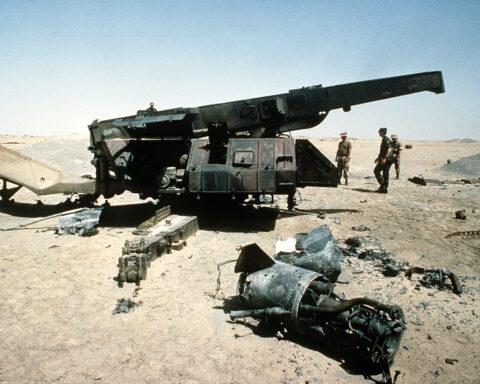
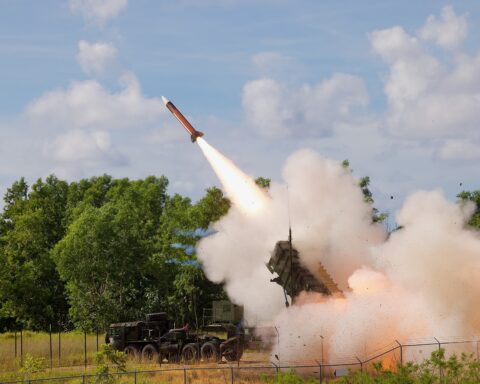
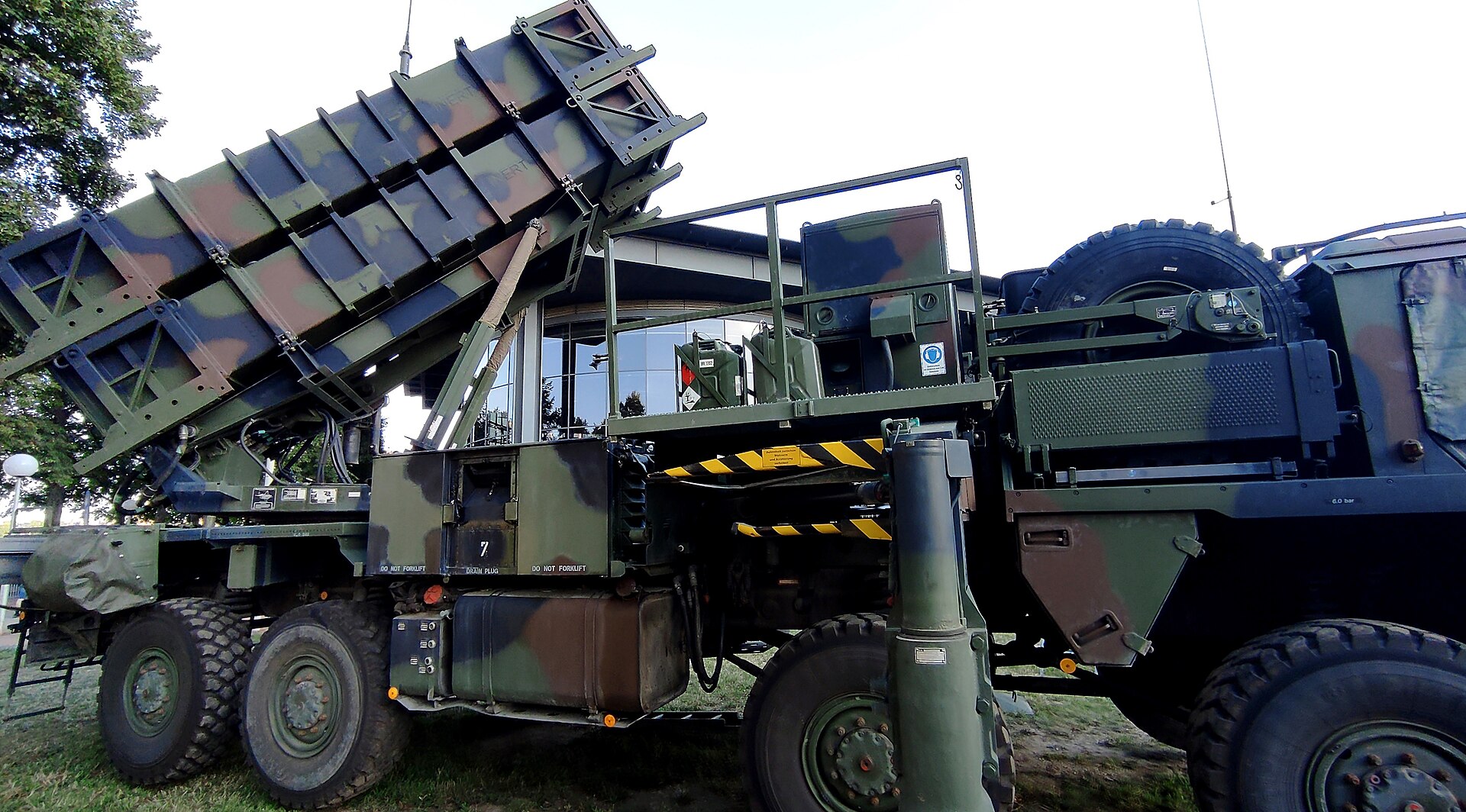
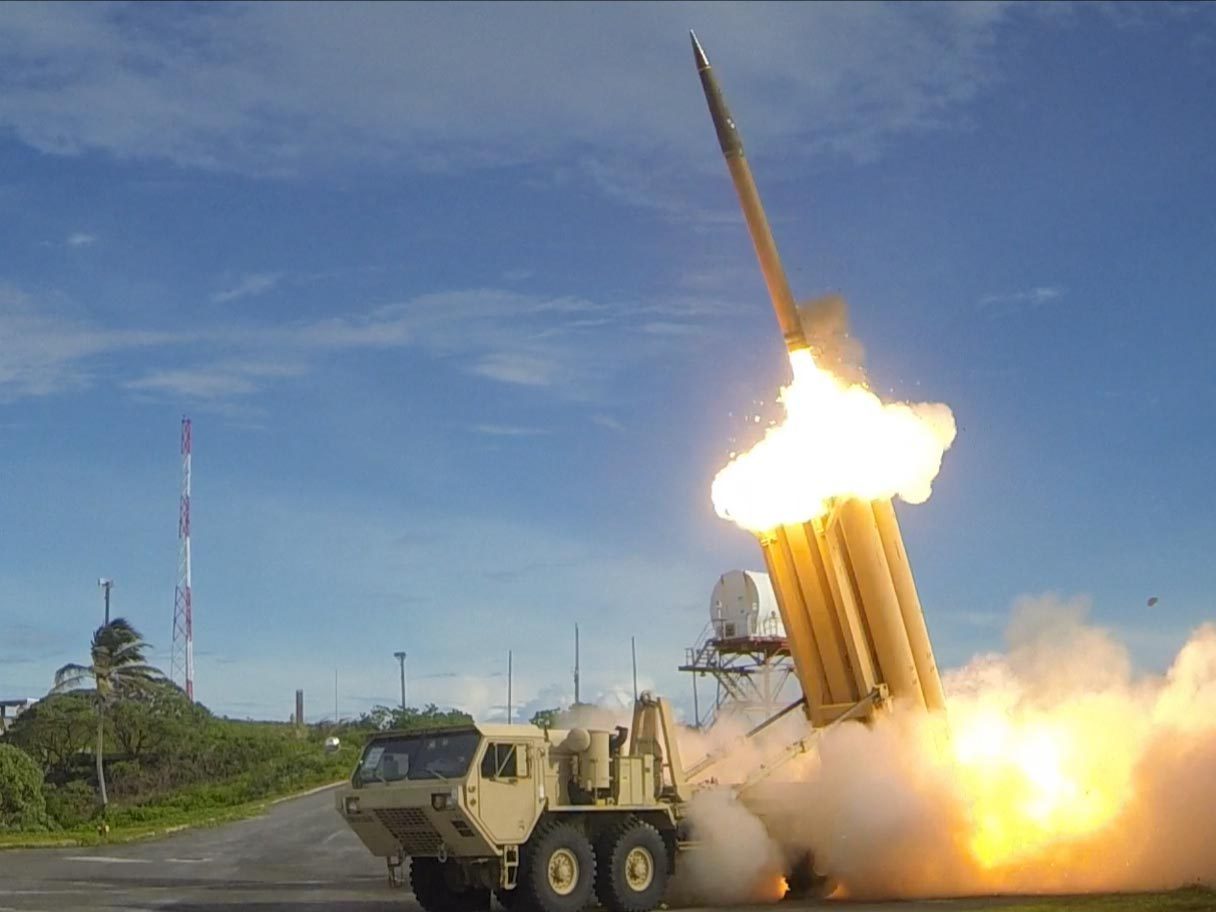
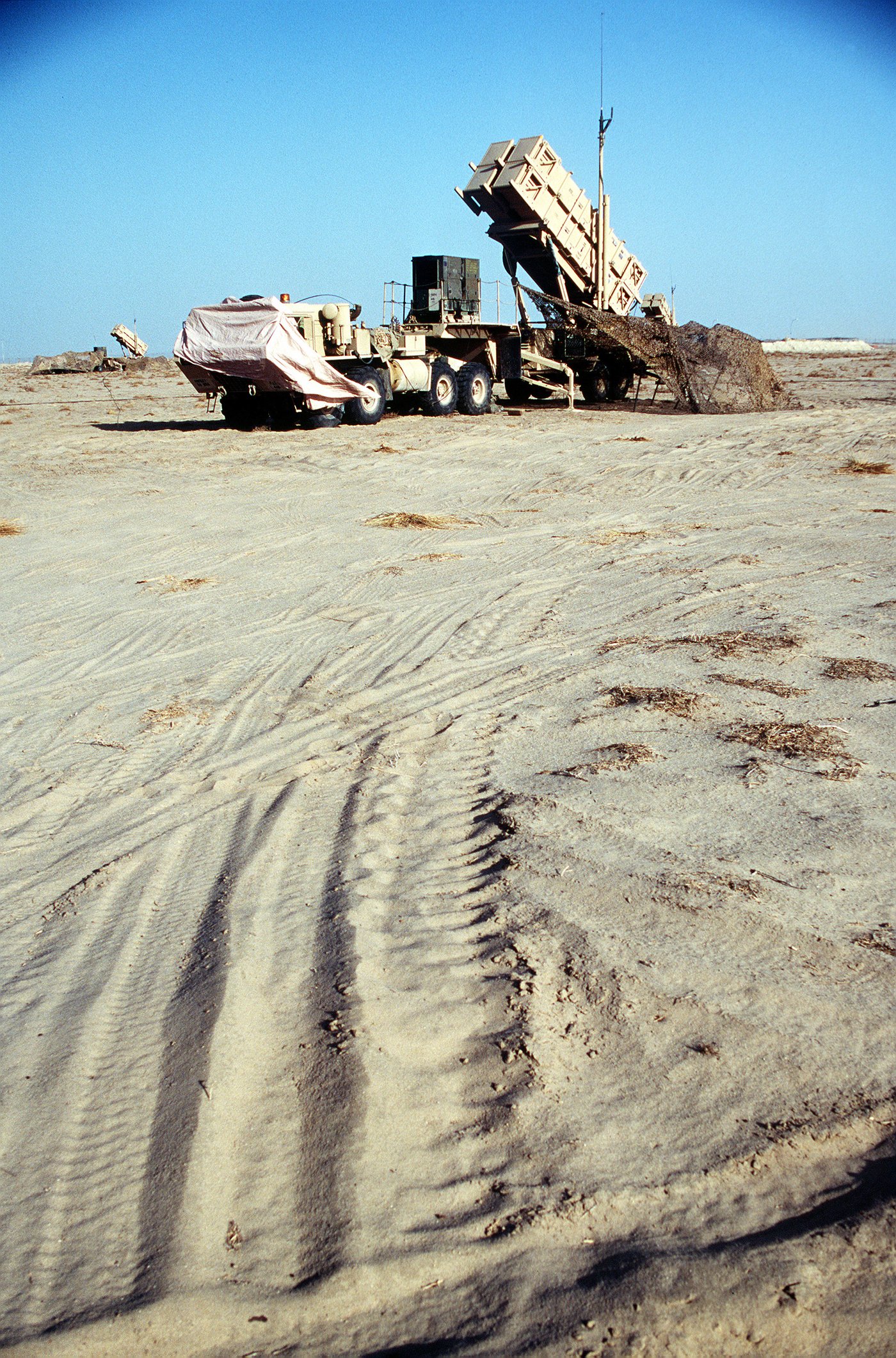
The specific systems at risk include Patriot PAC-3 MSE interceptors, the backbone of Ukraine’s defence against Russian ballistic missiles such as the Iskander and Kinzhal. No other Western system widely deployed in Ukraine provides comparable anti-ballistic capability, the Foreign Policy Research Institute noted in a March analysis. THAAD interceptors have already been redirected from Europe and East Asia to U.S. Central Command for operations in the Middle East, and NASAMS ammunition faces similar risk in future PURL packages.
One person familiar with the Pentagon’s internal calculations told the Washington Post that PURL deliveries to Ukraine were likely to continue, but that future packages may arrive without air defence capabilities. The distinction matters: Ukraine would still receive other forms of military assistance, but the precise category of weapons it needs most urgently — those capable of stopping Russian ballistic missiles aimed at power plants and civilian infrastructure — would be redirected to protect Gulf oil facilities and American bases in the Arabian Peninsula.
How Deep Is the Interceptor Shortage?
The numbers expose a crisis of industrial capacity that predates the Iran war. U.S. Army Patriot stockpiles had already fallen to 25 percent of the volume deemed necessary by the Pentagon as of July 2025, before a single missile was fired at Iranian targets, according to the Center for Strategic and International Studies. The Iran war then burned through years of production in days.
In the first sixteen days of Operation Epic Fury, coalition forces fired 402 Patriot PAC-3 interceptors and 198 THAAD interceptors, according to CSIS tracking data. The THAAD figure alone represents approximately 40 percent of the Pentagon’s entire pre-war inventory. Mark Cancian, a senior adviser at CSIS, said that “THAAD is probably the worst in terms of depletion. We didn’t have a large inventory to begin with.”
| System | Fired (16 days) | Inventory Depleted | Unit Cost | Next Delivery |
|---|---|---|---|---|
| THAAD | 198 | ~40% | $15.5 million | April 2027 |
| Patriot PAC-3 MSE | 402 | Significant | $3.9 million | Ongoing (limited) |
| Tomahawk | 535 | ~17% | $3.5 million | Ongoing |
| PrSM/ATACMS | 320 | ~46% | Varies | Limited |
Washington officials admitted that “we have shot several years’ worth of production in the last few days,” the Washington Post reported. The financial value of munitions expended in the first sixteen days runs into billions of dollars, with THAAD interceptors alone accounting for more than $3 billion worth of inventory. The U.S. could be approximately one month or less from exhausting available THAAD interceptor stocks at current expenditure rates, according to analysis by Small Wars Journal.
The June 2025 Israel-Iran confrontation had already consumed approximately 150 THAAD interceptors — roughly 25 percent of the total Pentagon inventory ever purchased — and around 80 SM-3 missiles from naval stocks. Those reserves were never fully replenished before the current war began on February 28, 2026.
Congressional Notification and the $750 Million Redirect
The Pentagon notified Congress on Monday, March 23 of its intention to redirect approximately $750 million in PURL funding to restock American military inventories rather than send additional assistance to Ukraine, two U.S. officials confirmed to the Washington Post. The notification marked the first formal acknowledgement that the Iran war was directly competing with Ukraine for the same finite pool of advanced air defence weapons.

Countries participating in PURL have committed approximately $4 billion for Ukraine through the programme since its launch, making it the primary pipeline for Kyiv’s most critical air defence ammunition. It remained unclear whether European countries providing funds understood how the money was being spent, with one official suggesting allies may not have been consulted before the redirection decision, Euronews reported.
President Trump addressed the reports on March 26, saying: “We do that all the time. We have tremendous amounts of ammunition, we have them in other countries… and we take, sometimes we take from one and we use for another.” Trump also separately blamed Ukraine for American ammunition shortages in the Iran theatre — a claim the Kyiv Post reported was factually inaccurate, noting that PURL deliveries represent a fraction of total Pentagon procurement.
The $750 million figure represents roughly one-fifth of total PURL commitments. While the Pentagon framed the move as inventory restocking rather than a permanent diversion, the practical effect is the same: interceptors that would have shipped to Ukraine will instead replenish stocks consumed by operations over the Persian Gulf and the Arabian Peninsula.
How Does This Affect Saudi Arabia and the Gulf?
Saudi Arabia has emerged as the single largest consumer of American-made air defence interceptors since the Iran war began. The Kingdom has fired an estimated 300 to 450 PAC-3 MSE rounds in the conflict’s first sixteen days, with a daily expenditure rate of 20 to 40 interceptors against Iranian drone and ballistic missile salvoes, according to defence analysts tracking the conflict. Gulf states collectively consumed more than 800 interceptors in the first three days of the air defence war over Saudi Arabia — more than Ukraine received over four entire years of fighting Russia.
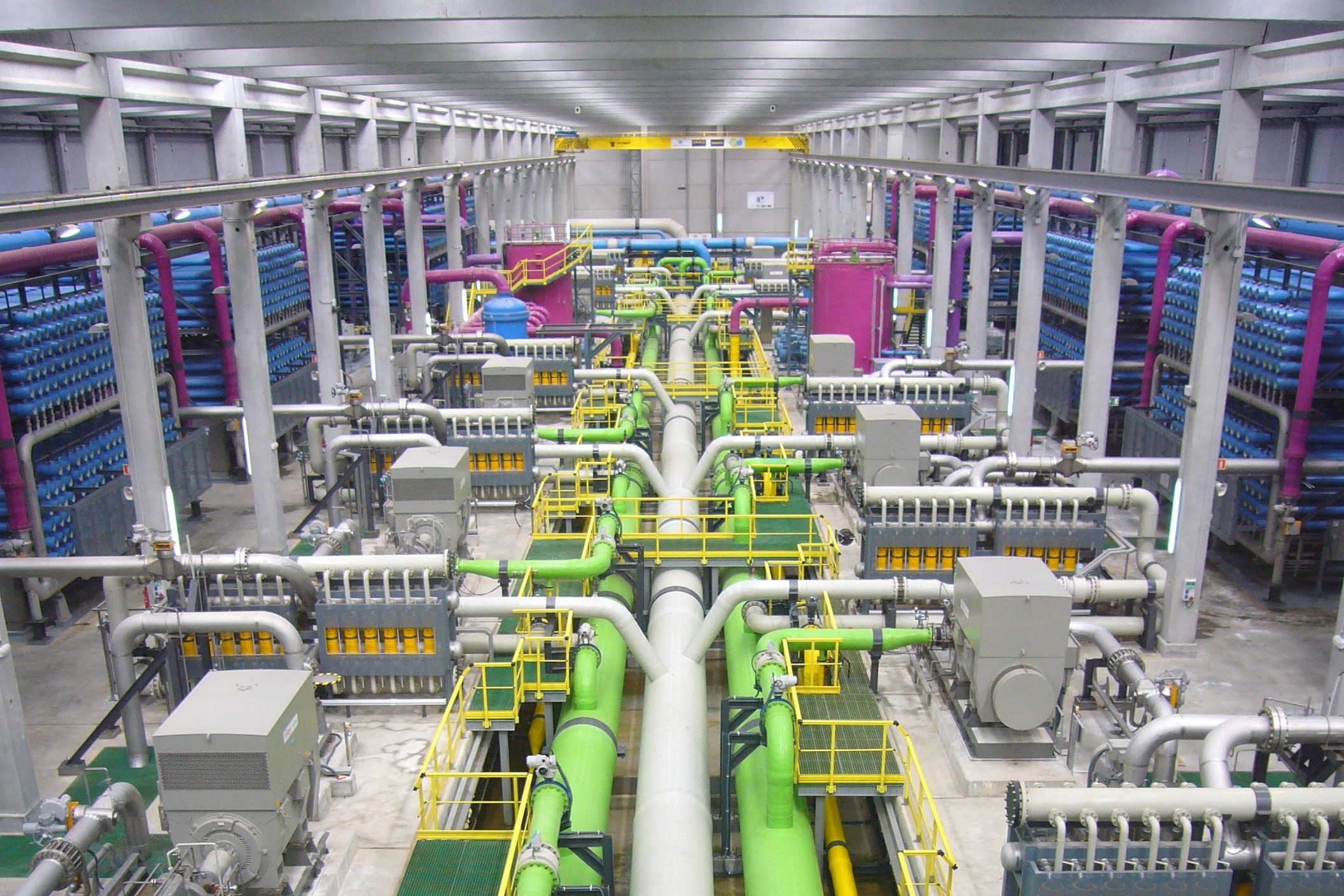
The strain on interceptor stocks raises urgent questions about which assets receive priority protection. Oil refineries and military bases have traditionally topped the list, but Saudi Arabia’s desalination plants present an even more critical vulnerability — a sustained strike on the Kingdom’s water infrastructure could produce a humanitarian crisis within 72 hours.
In January 2026, the United States approved a $9 billion Foreign Military Sale to provide Saudi Arabia with up to 730 PAC-3 MSE interceptors, launcher conversion kits, and associated support. That order predates the war and its delivery timeline stretches years into the future. The gap between Saudi consumption rates and American production capacity has created a crisis that the PURL diversion is designed to partially address.
Qatar has been projected to deplete its Patriot inventory within four days at wartime consumption rates. The UAE faces a similar timeline of approximately seven days. The asymmetry between the cost of Iranian attack drones — $20,000 to $50,000 for a Shahed-136 — and the interceptors required to shoot them down — $3.9 million for each PAC-3 MSE — means the Gulf is burning through its most expensive military hardware at a rate that no production line can sustain.
The arrival of Ukrainian President Volodymyr Zelenskyy in Saudi Arabia on March 26, offering drone defence expertise against Iran, underscored the paradox. Ukraine is offering to help Saudi Arabia defend itself with low-cost interceptor drones at $2,100 per unit, even as the weapons Ukraine needs most are being rerouted to the Gulf. Zelenskyy proposed supplying 1,000 interceptor drones per day to Gulf states, pitching Ukraine’s Sting interceptor as an alternative to the missiles his own forces are about to lose. That pitch became a signed agreement on March 27, when Zelenskyy and Crown Prince Mohammed bin Salman concluded a formal defense cooperation deal in Jeddah covering air defense technology transfer and mutual investment.
What Has Ukraine Said About the Diversion?
President Zelenskyy called the American move “not the right decision” because it will further enable Russia’s military campaign against Ukrainian civilian infrastructure. He warned that Kyiv will “definitely” face shortages of Patriot systems because of the Iran war, a prediction that air defence analysts consider almost certain given the supply mathematics.
Ukrainian Air Force spokesman Yurii Ihnat stated that Russia has increased its use of ballistic missiles targeting energy infrastructure in 2026, and that “only the Patriot systems can intercept” weapons like the Iskander and Kinzhal. Russian overnight missile strikes in February 2026 reached their highest intensity in four years of war, including salvoes with up to 30 ballistic missiles in a single wave. Without Patriot coverage, those strikes would hit their targets unchallenged.
Ukraine received approximately 600 Patriot PAC-3 MSE missiles over the four years of its war with Russia, through PURL and other channels. The Gulf consumed more than that figure in the first three days of the Iran war. The disparity illustrates a fundamental imbalance: Ukraine’s war moves slowly enough to be sustained by trickle-rate production, while the Iran war’s intensity has overwhelmed the entire Western industrial base.
Zelenskyy’s decision to visit Saudi Arabia immediately after the diversion reports surfaced was interpreted by diplomats as an attempt to negotiate directly with the Gulf states receiving the weapons Ukraine will lose. If Riyadh and its neighbours adopt Ukrainian-made interceptor drones for low-altitude threats, it would reduce pressure on Patriot stockpiles and theoretically free some interceptors to flow back toward Europe.
NATO Allies Push Back on the Shift
European leaders responded to the reports with carefully worded concern. Kaja Kallas, the EU High Representative for Foreign Affairs and Security Policy, said: “It’s definitely important that those promises that have been given to Ukraine regarding their weapons and their defenses that they so desperately need are delivered to them.” She expressed particular concern that weapons and defence capabilities needed by Ukraine, including air defence systems, are being redirected to the Middle East.
NATO Secretary General Mark Rutte sought to reassure allies, telling reporters: “I can assure you that the critical support from the United States into Ukraine, paid for by allies — this famous abbreviation PURL — continues to flow.” He dismissed claims about weapons being redirected as premature, stating deliveries would continue “without interruption.” The gap between Rutte’s assurances and the Washington Post’s reporting — sourced to officials inside the Pentagon — left European capitals uncertain about which account to believe.
French President Emmanuel Macron warned that the Iran war “must not divert our attention from the support we give Ukraine,” without directly addressing the diversion reports. CSIS published an analysis recommending that Europe establish a new “ASAP for Air Defence” programme with 5 to 10 billion euros in funding to reduce dependence on American suppliers, calling the continent’s reliance on U.S. interceptor production a strategic vulnerability that the Iran war had fully exposed.
The European anxiety reflects a structural problem: there is no European-made equivalent to the Patriot PAC-3 MSE. The Aster 30, produced by MBDA, provides medium-range air defence but lacks the anti-ballistic missile capability that makes the Patriot indispensable against both Russian and Iranian threats. CSIS recommended tripling Aster 30 production to 500 units per year by 2028, but even that timeline would leave Europe dependent on American systems for at least three more years.
The Production Bottleneck Nobody Can Fix Quickly
The diversion debate exists because the defence industry cannot build interceptors fast enough to supply both wars simultaneously. Lockheed Martin currently produces approximately 600 PAC-3 MSE interceptors per year, having delivered 620 in 2025. Under a seven-year framework agreement signed in January 2026, the target is 2,000 per year — but that capacity will not be reached until the end of 2030. The historical average from 2015 to 2024 was roughly 270 per year.
| System | Current Annual Output | Target Output | Target Date | 16-Day War Consumption |
|---|---|---|---|---|
| PAC-3 MSE | ~600/year | 2,000/year | End of 2030 | 402 |
| THAAD | ~96/year | 400/year | TBD | 198 |
| PAC-2 GEM-T | ~240/year | ~420/year | End of 2027 | N/A |
| Tomahawk | ~90/year | 1,000+/year | TBD | 535 |
THAAD interceptor production presents the most acute bottleneck. Lockheed Martin builds roughly 96 THAAD interceptors per year, with a framework agreement targeting 400 per year, but the last delivery occurred in July 2023 and the next shipment is not expected until April 2027. At current rates, replacing the 198 interceptors fired in sixteen days would take over two years. The Royal United Services Institute warned that rebuilding interceptor stocks across all systems will take “years.”
Iran produces more than 100 missiles and drones per month, according to Western intelligence estimates. The United States can build roughly six to seven interceptors per month for some of its most advanced systems. That production asymmetry — combined with the cost disparity between a $20,000 Iranian drone and a $3.9 million American interceptor — creates a mathematical problem that no amount of political will can resolve in the near term.
A new $5.5 billion contract between Raytheon, MBDA, and the German government for a PAC-2 GEM-T production facility is scheduled for completion in September 2026, with a target of 35 missiles per month by the end of 2027. Critical mineral dependencies — gallium and germanium, both largely controlled by China, are essential for interceptor guidance systems — add a further layer of supply chain risk that has received little public attention.
Russia Stands to Gain the Most
The Atlantic Council published an analysis titled “Iran war could save Vladimir Putin’s failing Ukraine invasion,” arguing that the diversion of air defence assets away from Ukraine creates a strategic opening for Moscow. Russia has already increased its use of ballistic missiles in 2026, with February strikes reaching their highest intensity in four years of fighting.
Russia produces approximately 2,000 cruise missiles, 800 to 1,000 ballistic missiles, and more than 30,000 Geran-2 drones annually, according to Ukrainian military intelligence estimates. Its 2026 defence budget assumes a Urals crude oil price of roughly $59 per barrel. Since the Iran war began, Urals prices have climbed above $70 per barrel, providing Moscow with a revenue windfall that directly funds weapons production.
Lt. Col. Jahara Matisek, a Defence Department academic, warned in Small Wars Journal that the depletion extends beyond the Iran and Ukraine theatres: “A South China Sea crisis is exactly the kind of scenario where long-range strike and high-end air and missile defence become decisive quickly. It’s not looking good.” Asia Times separately reported that Chinese military planners are closely monitoring the rate at which American missile stockpiles are being consumed, calculating the implications for Washington’s deterrence capacity in the Pacific.
The Foreign Policy Research Institute framed the dilemma in starker terms: “From Tehran to Donbas: What the Iran War Means for Russia and Ukraine.” The Patriot system forms the backbone of Ukraine’s defence against Russian ballistic missiles. Even before the Iran crisis, Washington was reluctant to part with additional Patriot launchers. The PURL diversion, if executed, would formalise a priority ordering that places the Gulf above Ukraine in the queue for America’s most consequential defensive weapons — a sequence that the broader Gulf strategic crisis shows no sign of reversing.
Frequently Asked Questions
Has the Pentagon confirmed it will divert Ukraine weapons to the Middle East?
No final decision has been announced. The Washington Post reported on March 26, citing three people familiar with the deliberations, that the Pentagon is considering the move and notified Congress on March 23 of its intention to redirect approximately $750 million in PURL funding. Pentagon officials have not made a public statement confirming or denying the report.
What is the PURL programme?
The Prioritised Ukraine Requirements List is a NATO mechanism launched in July 2025 through which European partner countries fund the purchase of American-made weapons for Ukraine. It has committed approximately $4 billion and has supplied 75 percent of all missiles for Ukraine’s Patriot batteries and 90 percent of the ammunition used in its other air defence systems.
How many interceptors has the Iran war consumed?
Coalition forces fired more than 800 Patriot and THAAD interceptors in the first three days of fighting, and approximately 600 total Patriot PAC-3 and THAAD interceptors in the first sixteen days. THAAD inventory has been depleted by approximately 40 percent, while Patriot stocks — already at 25 percent of required levels before the war — have fallen further.
Why can production not keep up with demand?
Lockheed Martin produces approximately 600 PAC-3 MSE interceptors per year and roughly 96 THAAD interceptors per year. The Iran war consumed more than sixteen months of PAC-3 production and over two years of THAAD production in its first sixteen days. Scaling up to target levels of 2,000 PAC-3 and 400 THAAD per year will not occur until 2030 and beyond. Critical mineral dependencies on Chinese-controlled supplies of gallium and germanium add further constraints.
What does this mean for Saudi Arabia?
Saudi Arabia is the largest consumer of American-made air defence interceptors in the Iran war, firing an estimated 20 to 40 PAC-3 MSE interceptors per day. The Kingdom secured a $9 billion Foreign Military Sale for 730 interceptors in January 2026, but delivery timelines stretch years into the future. The PURL diversion would partially address the immediate shortfall by prioritising Gulf restocking, though it would not resolve the long-term production deficit.