
RIYADH — Saudi Arabia’s Civil Defense authority pushed an emergency alert to millions of mobile phones across Riyadh on Wednesday evening, warning residents of a “hostile aerial threat” and ordering them to stay indoors — the first time in the Kingdom’s history that such a warning has reached civilian handsets. The bilingual Arabic-English message arrived at approximately 7:23 p.m. local time on March 18, 2026, minutes after Saudi air defense batteries began intercepting a barrage of eight Iranian ballistic missiles aimed at the capital. Four residents were injured by falling debris, according to the Saudi Ministry of Interior, and fragments from one intercepted warhead landed near a refinery south of the city.
The alert marked a psychological watershed for a capital of more than eight million people that had already endured nearly three weeks of intermittent missile and drone attacks since the Iran war began on February 28. Until Wednesday, Riyadh’s residents had relied on social media, the sound of interceptor launches, and word of mouth to gauge the danger. The activation of a formal civilian warning system signals that the Kingdom’s security establishment now treats sustained aerial bombardment of the capital as a baseline reality rather than an exceptional event.
Table of Contents
- What Happened on the Night of March 18?
- What Did the Phone Alert Say?
- How Many Missiles Did Saudi Arabia Intercept?
- Saudi Arabia’s Civil Defense System
- Missiles Fell as Foreign Ministers Gathered in Riyadh
- Does Saudi Arabia Have Bomb Shelters?
- How Does Saudi Arabia’s Alert System Compare to Israel and South Korea?
- The Psychological Toll on Eight Million Residents
- Frequently Asked Questions
What Happened on the Night of March 18?
Iran launched a two-wave ballistic missile attack on Riyadh on Wednesday evening, targeting the Saudi capital hours before it was due to host a consultative meeting of foreign ministers from Arab and Islamic countries. The Saudi Ministry of Defense confirmed that air defense systems intercepted and destroyed eight ballistic missiles in total — four in an initial volley and four in a second barrage that followed shortly afterward, according to a statement reported by Xinhua and Saudi Gazette.
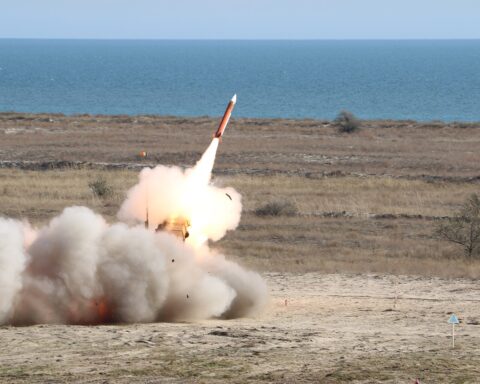
The first wave struck at approximately 7:20 p.m. local time. Within minutes, residents across the city reported hearing multiple loud booms — the distinctive concussive sound of Patriot and THAAD interceptors engaging incoming warheads at high altitude. Videos posted to social media showed bright flashes in the sky above Riyadh’s northern and eastern districts, consistent with terminal-phase intercepts.
Scattered debris fell across multiple neighborhoods. The Saudi Civil Defense authority, which operates under the Ministry of Interior, confirmed that four residents sustained injuries when fragments from an intercepted missile landed on a residential area. A week later, debris from another interception struck two homes in the Eastern Province, underscoring the recurring threat. Separately, part of a destroyed warhead fell near a refinery complex south of the capital, though Saudi authorities reported no damage to energy infrastructure.
The attack was part of a broader Iranian escalation that saw Tehran launch almost 100 drones at Saudi Arabia on Monday alone — far exceeding the previous daily average of fewer than 25 — as the Kingdom moved to a war footing. Since the US-Israeli war on Iran began on February 28, Saudi Arabia has been struck by hundreds of Iranian missiles and drones, the vast majority of which authorities say were intercepted.
The Middle East briefing 3,000+ readers start their day with.
One email. Every weekday morning. Free.
What Did the Phone Alert Say?
The emergency alert arrived on mobile phones via Saudi Arabia’s cell broadcast system at approximately 7:23 p.m. local time, according to reporting by Al-Monitor and AFP. The bilingual message, issued by the General Directorate of Civil Defense, read: “The area is under a hostile aerial threat. Remain calm, stay indoors or in a safe place away from windows and doors.”
For the majority of Riyadh’s 8.4 million residents, it was the first government-issued warning of its kind they had ever received on their personal devices. Although the Kingdom has experienced weeks of intermittent sirens and interceptor fire since late February, the formal phone-based alert represented a qualitative shift in how the state communicates threat to its civilian population.
The cell broadcast system pushes alerts to every compatible handset connected to local cell towers, regardless of whether the user has installed any specific application. Unlike SMS messages, cell broadcasts can reach millions of devices simultaneously without network congestion. The technology is the same standard used by the United States Wireless Emergency Alert (WEA) system and Japan’s J-Alert, both of which have been tested extensively in real-world emergencies.
Saudi Arabia’s General Directorate of Civil Defense, which operates the emergency number 998, has maintained a network of physical sirens across major cities for decades. The phone-based alert system was reportedly upgraded under a broader National Risk Council initiative established by royal decree in 2018, with Crown Prince Mohammed bin Salman named as the council’s chair. Until March 18, the system had never been activated for a live military threat against Riyadh.
How Many Missiles Did Saudi Arabia Intercept?
Saudi Arabia intercepted and destroyed all eight ballistic missiles launched at Riyadh on Wednesday evening, the Ministry of Defense confirmed. The interceptions occurred in two distinct engagements separated by approximately 15 to 20 minutes, consistent with Iran’s established pattern of staggered volleys designed to saturate air defense coverage.
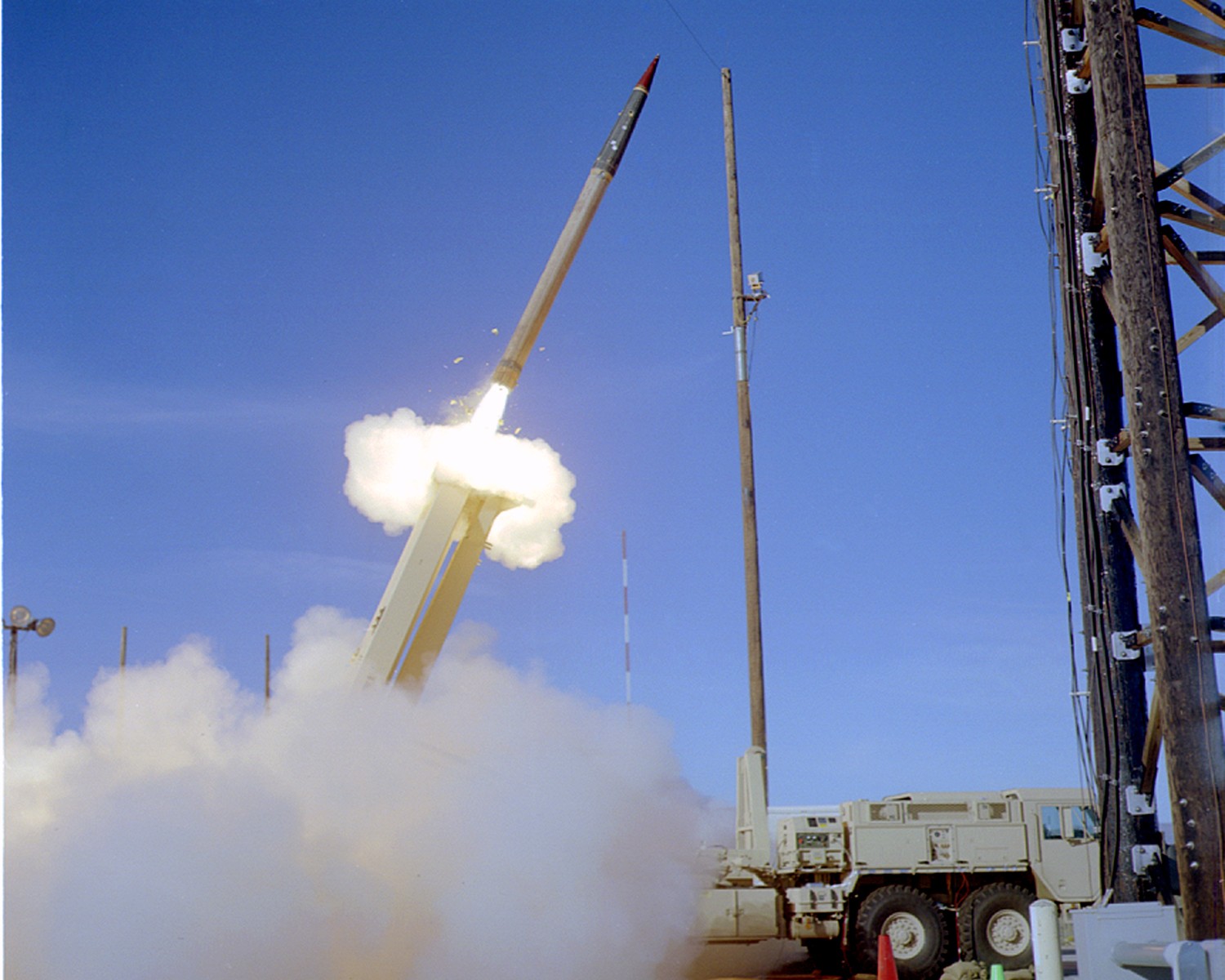
The Kingdom’s air defense architecture around Riyadh includes American-made Patriot PAC-3 batteries and THAAD (Terminal High Altitude Area Defense) systems. Saudi Arabia is one of only four countries — alongside the United States, the UAE, and South Korea — to operate THAAD, which is designed specifically to intercept short- and medium-range ballistic missiles during their terminal descent phase at altitudes above 150 kilometers.
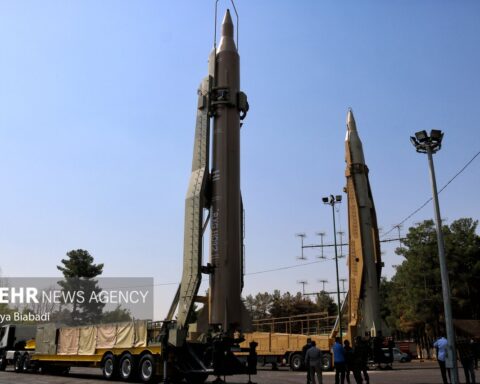
Brigadier General Riyadh al-Maliki, the official spokesperson for the Saudi Ministry of Defense, said the intercepted missiles had been launched from Iranian territory. The defense ministry did not specify which warhead types Iran employed, though previous attacks have included Shahab-3 medium-range ballistic missiles with a range of approximately 1,300 kilometers and the more advanced Emad precision-guided variant.
Since the war began on February 28, Saudi Arabia has intercepted more than 300 aerial threats over Riyadh alone, according to a running tally maintained by the ministry. That figure includes ballistic missiles, cruise missiles, and armed drones. On March 13 alone, Saudi forces downed 31 drones targeting the Diplomatic Quarter, where many foreign embassies are located.
| Date | Threat Type | Number | Target Area | Casualties |
|---|---|---|---|---|
| March 1 | Ballistic missiles | 3 | Eastern suburbs | None reported |
| March 6 | Ballistic missiles | 3 | Prince Sultan Air Base | None reported |
| March 13 | Drones | 31 | Diplomatic Quarter | None reported |
| March 13 | Drones + missiles | 50+ | Citywide | None reported |
| March 18 | Ballistic missiles | 8 | Citywide, refinery | 4 injured |
The intercept rate remains high, but analysts have warned that sustained bombardment is depleting interceptor stocks faster than they can be replenished. Each Patriot PAC-3 missile costs approximately $4 million, and the United States has been accelerating deliveries under an emergency authorization signed by President Trump in early March. Israel’s simultaneous demand for the same interceptors has created an acute supply chain bottleneck.
Saudi Arabia’s Civil Defense System
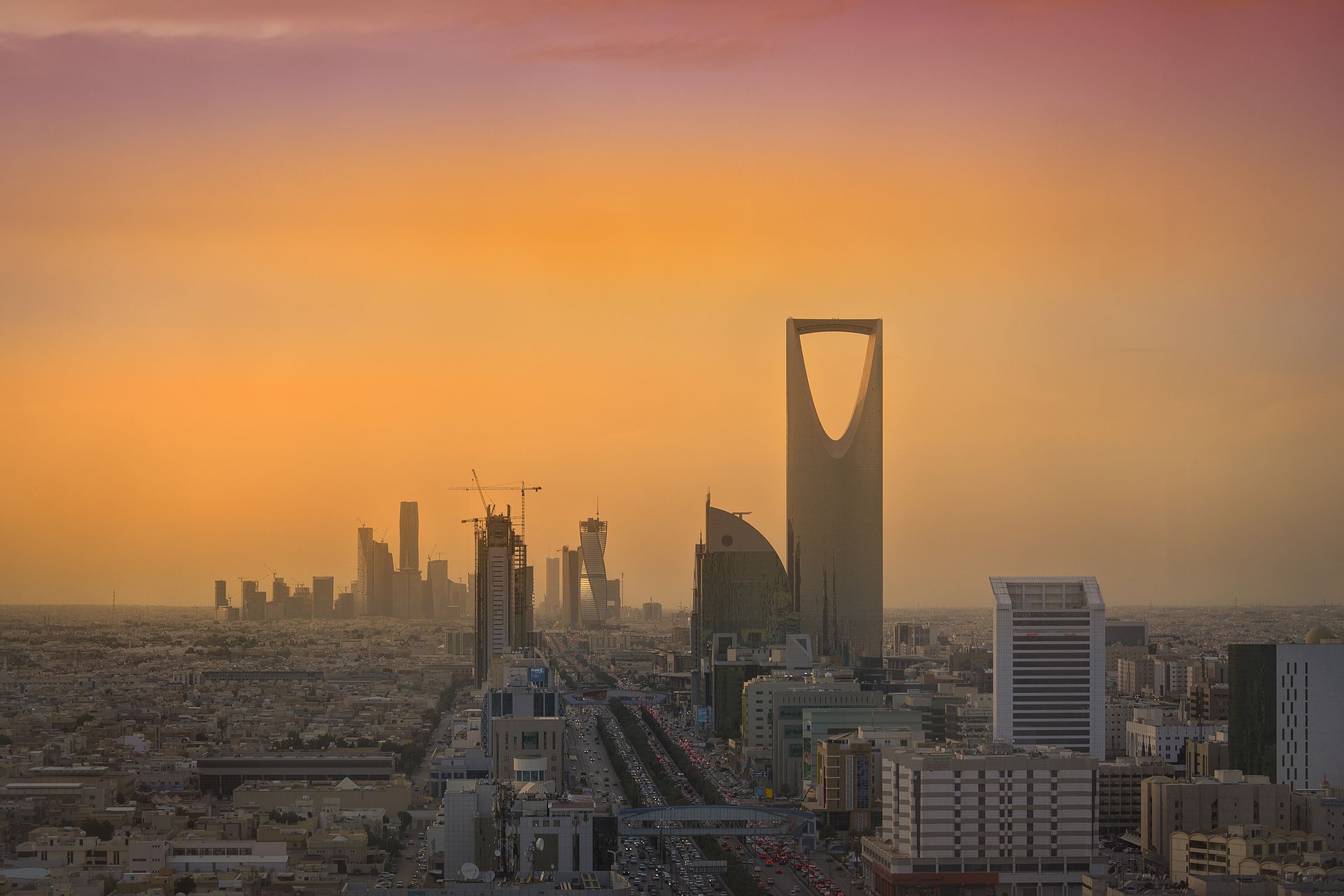
The General Directorate of Civil Defense (DGCD) is a national agency operating under the Saudi Ministry of Interior, responsible for preparing for, preventing, and responding to hazards and disasters across the Kingdom. Established more than six decades ago, the directorate manages a workforce of approximately 30,000 personnel, operates fire stations and emergency response units in every major Saudi city, and runs the 998 emergency hotline.
The DGCD’s mandate expanded significantly following the 2019 drone and cruise missile attack on Saudi Aramco’s Abqaiq and Khurais facilities, which temporarily knocked out roughly half of the Kingdom’s oil production capacity. That attack — attributed to Iran-backed Houthi forces and Tehran itself — exposed gaps in both military air defense and civilian emergency preparedness.
In 2018, the Saudi cabinet established the National Risk Council (NRC) to coordinate strategic planning for emergencies ranging from natural disasters to chemical, biological, radiological, and nuclear (CBRN) threats. Crown Prince Mohammed bin Salman chairs the NRC, signaling that Riyadh has elevated emergency preparedness to the highest levels of government. The council was tasked with unifying disparate agencies — including the DGCD, the Red Crescent, the military, and regional authorities — under a single command framework for crisis response.
The cell broadcast alert system activated on March 18 represents the culmination of a modernization effort that has been underway since the NRC’s founding. Saudi Arabia’s telecommunications infrastructure — dominated by STC, Mobily, and Zain — supports the international Cell Broadcast Standard (CBS), which allows emergency messages to be pushed to all compatible devices within a geographic area without requiring individual phone numbers or app downloads.
Missiles Fell as Foreign Ministers Gathered in Riyadh
The timing of the attack carried unmistakable political weight. Iran launched the missiles hours before Saudi Arabia was due to host a consultative meeting of foreign ministers from roughly a dozen Arab and Islamic countries, convened to discuss regional security and potential responses to Tehran’s ongoing attacks on Gulf Cooperation Council (GCC) states.
Reuters reported that interceptor fire was visible from near a Riyadh hotel where the diplomatic delegations had gathered. The attack underscored Iran’s willingness to strike the Saudi capital even when it is hosting senior international officials — a signal that analysts interpreted as Tehran demonstrating that no location in the Kingdom is beyond its reach.
Saudi Foreign Minister Prince Faisal bin Farhan Al Saud responded to the attack with the Kingdom’s most forceful public warning to date. Speaking early on Thursday, March 19, he stated that Saudi Arabia “reserves the right to take military actions if deemed necessary,” and declared that “the little trust that remained in Iran has been completely shattered,” according to Al Jazeera and US News.
Prince Faisal added that Saudi Arabia and other Gulf states possess “very significant capacities and capabilities” that could be deployed “should they choose to do so.” The statement stopped short of committing to offensive military action but represented a marked escalation in rhetoric from a Kingdom that has sought throughout the conflict to position itself as a victim of Iranian aggression rather than a belligerent.
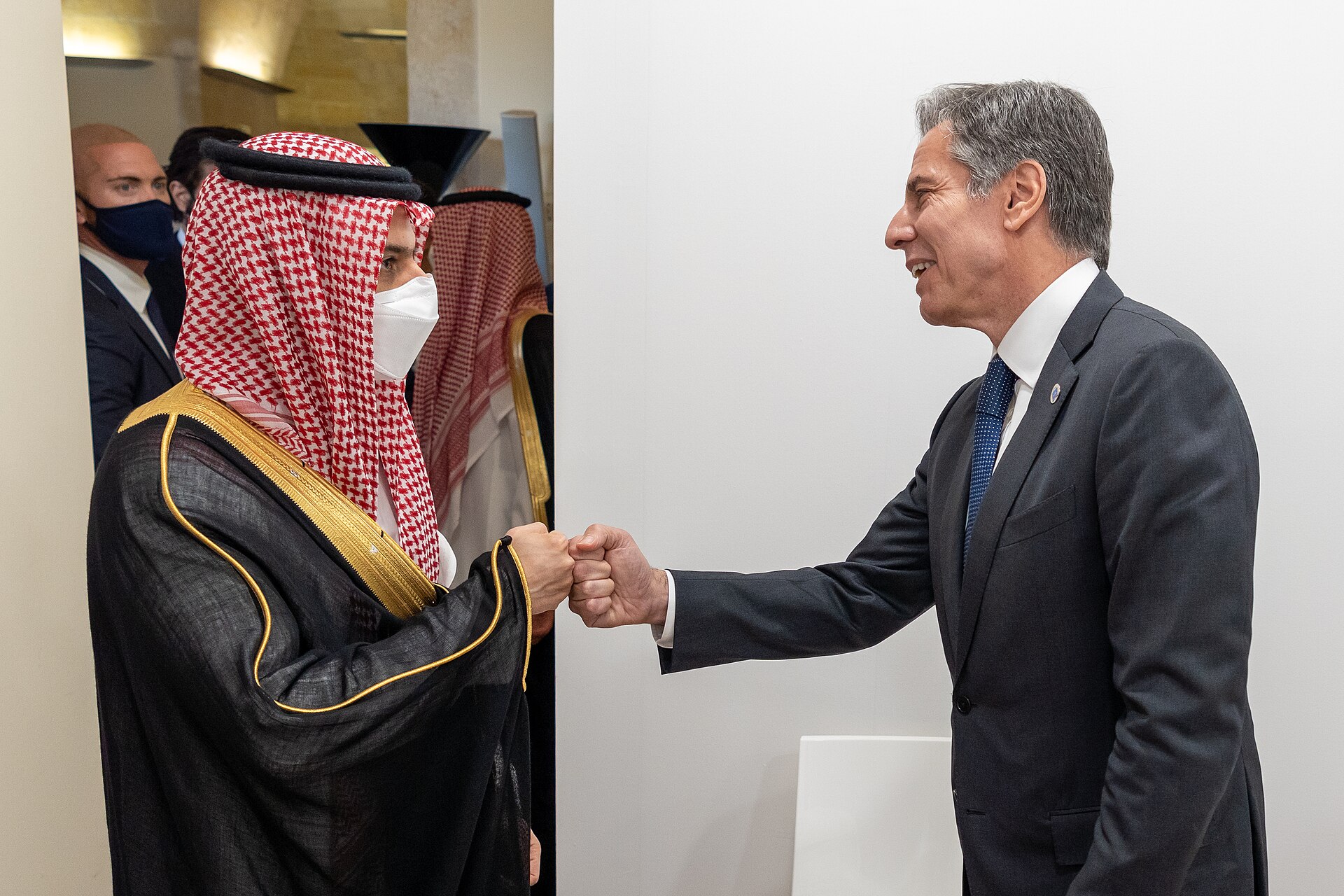
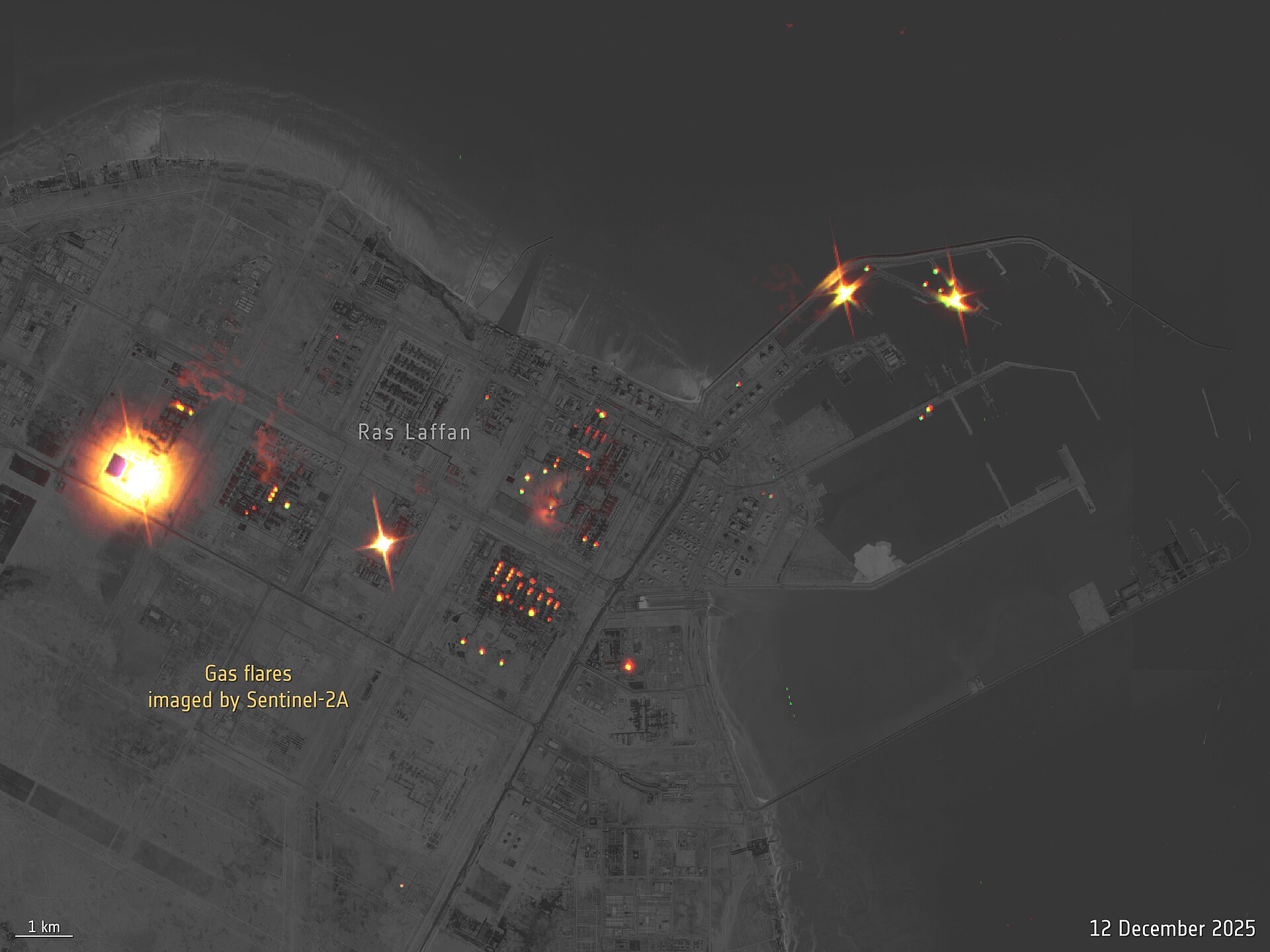
The emergency foreign ministers’ meeting came amid a broader escalation that has seen Iran attack all six GCC member states for the first time in history. Qatar ordered Iranian security and military attachés out of the country after missiles caused extensive damage to its Ras Laffan gas facility. The UAE, Bahrain, Kuwait, and Oman have all reported Iranian strikes on their territory since the war began, according to reporting by Al Jazeera and The National.
Does Saudi Arabia Have Bomb Shelters?
Saudi Arabia does not have a comprehensive public bomb shelter network. Unlike Israel, which mandates reinforced rooms in all residential and commercial construction, or South Korea, which has repurposed thousands of subway stations and underground spaces as emergency shelters, the Kingdom has never been required by geography or threat perception to build a civilian shelter system at scale.
A 2020 analysis by the Washington Institute for Near East Policy found significant gaps in Saudi Arabia’s CBRN defense capabilities, noting that the Kingdom “may not be able to protect more than a fraction of its population” in the event of a mass attack. The Ministry of Economy and Planning reportedly attempted to develop a national shelter strategy in 2011, but the plan was never published or implemented, the Washington Institute noted.
The DGCD’s bylaws mandate shelters in some public buildings, but media reports have questioned whether these regulations are consistently enforced. Private residential properties — including the vast apartment complexes that house a large share of Riyadh’s population — generally lack any form of reinforced shelter space. The absence of shelters has become a more urgent concern as Iranian ballistic missiles, which travel at speeds exceeding Mach 10 on reentry, give residents only minutes of warning between detection and impact.
The phone alert issued on March 18 instructed residents to “stay indoors or in a safe place away from windows and doors” — guidance that reflects the absence of dedicated shelter infrastructure. In Israel, by contrast, the Home Front Command’s alert system directs residents to specific mamad (fortified rooms) with exact time-to-shelter calculations based on proximity to the threat.
Riyadh’s large expatriate population — estimated at roughly 40 percent of the city’s residents — faces particular vulnerability. Many foreign workers live in labor camps or shared accommodation without reinforced structures, and language barriers may limit the effectiveness of bilingual emergency alerts. The U.S. Embassy has issued security alerts on multiple consecutive days, including on March 18 and 19, advising American citizens in Saudi Arabia to monitor local media, maintain a low profile, and be prepared to shelter in place.
How Does Saudi Arabia’s Alert System Compare to Israel and South Korea?
Saudi Arabia’s cell broadcast alert represents a first step toward the kind of comprehensive civilian warning infrastructure that Israel and South Korea have spent decades building. The comparison highlights both the progress Riyadh has made and the distance it still needs to travel.
| Feature | Saudi Arabia | Israel | South Korea |
|---|---|---|---|
| Alert delivery | Cell broadcast (first used March 18, 2026) | Home Front Command app + cell broadcast + sirens | Cell broadcast + physical sirens + TV/radio override |
| Time to alert | Estimated 2–3 minutes after detection | 15–90 seconds after launch detection | Under 60 seconds from detection |
| Shelter infrastructure | Minimal; no mandatory residential shelters | Mandatory reinforced room (mamad) in all buildings since 1992 | 4,800+ designated shelters including subway stations |
| Population drills | No regular civilian drills | Annual national drill (Home Front Command Week) | Twice-annual national civil defense exercises |
| Languages | Arabic and English | Hebrew, Arabic, English, Russian | Korean and English |
| Operational since | 2026 (first live use) | 2014 (Red Alert system) | 2013 (post-North Korean nuclear tests) |
Israel’s Home Front Command has refined its system through thousands of real-world activations, including during the 2023–2024 Gaza conflict and the 2024 Iranian missile exchanges. The system provides location-specific alerts with precise instructions — residents in Haifa may receive a 90-second warning, while those in border towns near Gaza have as little as 15 seconds. The mamad shelter requirement, enforced in building codes since 1992, means that the vast majority of Israeli civilians are within steps of a reinforced room at all times.
South Korea’s system, built in response to decades of North Korean provocation, integrates cell broadcast with a network of 4,800 designated shelters — many of them subway stations in Seoul and Busan that can accommodate millions of people. The country conducts twice-annual national civil defense exercises in which the entire population practices shelter-in-place procedures.
Saudi Arabia’s system, by contrast, is in its infancy. The March 18 alert demonstrated that the technical infrastructure exists to push warnings to millions of devices, but the Kingdom lacks the shelter network, the regular drill schedule, and the institutional muscle memory that make such systems effective under sustained bombardment.
The Psychological Toll on Eight Million Residents
For Riyadh’s residents, the phone alert transformed what had been an abstract awareness of conflict into an immediate, personal instruction from the state to take cover. Social media posts from Saudi users on the night of March 18 described shock, fear, and confusion — many had never experienced a government-issued threat warning of any kind.
The alert arrived on the eve of Eid al-Fitr, the celebration marking the end of Ramadan. Saudi Arabia announced on March 18 that the first day of Eid would fall on Friday, March 20 — meaning that the holiday would begin with the country under active ballistic missile threat. The juxtaposition of celebration and air defense operations encapsulated the surreal reality that the Iran war has imposed on Saudi civilian life.
The psychological dimension of sustained missile bombardment is well-documented from other conflicts. A 2023 study published in the Journal of Traumatic Stress found that Israeli civilians exposed to repeated rocket attacks showed elevated rates of post-traumatic stress disorder, anxiety, and sleep disturbance even when physical injury rates remained low. The study, conducted by researchers at Tel Aviv University, found that the sound of warning sirens alone — without any physical impact — was sufficient to trigger measurable stress responses.
Saudi Arabia has no comparable body of research on the psychological impact of wartime alert systems on its population. The Kingdom’s mental health infrastructure, though it has expanded significantly under Vision 2030 reforms, was not designed for mass trauma resulting from sustained military conflict. The war has brought the homefront to the center of Saudi national life in ways that no planning document anticipated.
The U.S. Embassy’s security alert issued on March 19 — the fifth consecutive daily alert — warned American citizens of “continued threats from missiles and drones targeting locations throughout Saudi Arabia.” The repeated warnings, combined with the departure of non-emergency U.S. government employees ordered on March 8, have reinforced the perception among both Saudi nationals and the Kingdom’s large expatriate community that the threat is not diminishing.
Frequently Asked Questions
What was the Riyadh phone alert on March 18?
Saudi Arabia’s General Directorate of Civil Defense pushed the Kingdom’s first-ever wartime emergency alert to mobile phones across Riyadh at approximately 7:23 p.m. local time on March 18, 2026. The bilingual Arabic-English message warned of a “hostile aerial threat” and instructed residents to stay indoors, away from windows and doors. The alert came as Saudi air defenses intercepted eight Iranian ballistic missiles targeting the capital.
How many people received the alert?
The cell broadcast system reaches every compatible mobile phone connected to cell towers in the target area. Riyadh has a population of approximately 8.4 million people, including a large expatriate community. The exact number of devices that received the alert has not been disclosed by Saudi authorities, but cell broadcast technology is designed to reach all connected handsets simultaneously without network congestion.
Were there casualties from the March 18 attack?
Saudi Civil Defense confirmed that four residents were injured when debris from an intercepted ballistic missile fell on a residential area in Riyadh. Part of another intercepted warhead landed near a refinery south of the city, but Saudi authorities reported no damage to energy infrastructure. All eight incoming ballistic missiles were intercepted and destroyed, according to the Ministry of Defense.
Does Saudi Arabia have bomb shelters?
Saudi Arabia does not have a comprehensive public shelter network comparable to Israel or South Korea. The Kingdom’s Civil Defense bylaws mandate shelters in some public buildings, but private residential properties generally lack reinforced shelter space. The Washington Institute for Near East Policy has noted that the Kingdom “may not be able to protect more than a fraction of its population” in the event of a mass attack.
What air defense systems protect Riyadh?
Riyadh is defended by a layered air defense network including American-made Patriot PAC-3 missile batteries and THAAD (Terminal High Altitude Area Defense) systems. Saudi Arabia is one of only four countries worldwide to operate THAAD. The Kingdom has intercepted more than 300 aerial threats over Riyadh since the Iran war began on February 28, 2026, according to the Saudi Ministry of Defense.