
RIYADH — Russia is simultaneously coordinating oil production with Saudi Arabia through OPEC+ and providing Iran with satellite intelligence, drone technology, and tactical guidance used to attack Saudi cities. Western intelligence reports published in the first two weeks of March 2026 reveal a pattern of Russian assistance to Tehran so extensive that it challenges the foundational assumptions of the Saudi-Russian partnership built over the past decade. Riyadh has, so far, said nothing publicly about the evidence.
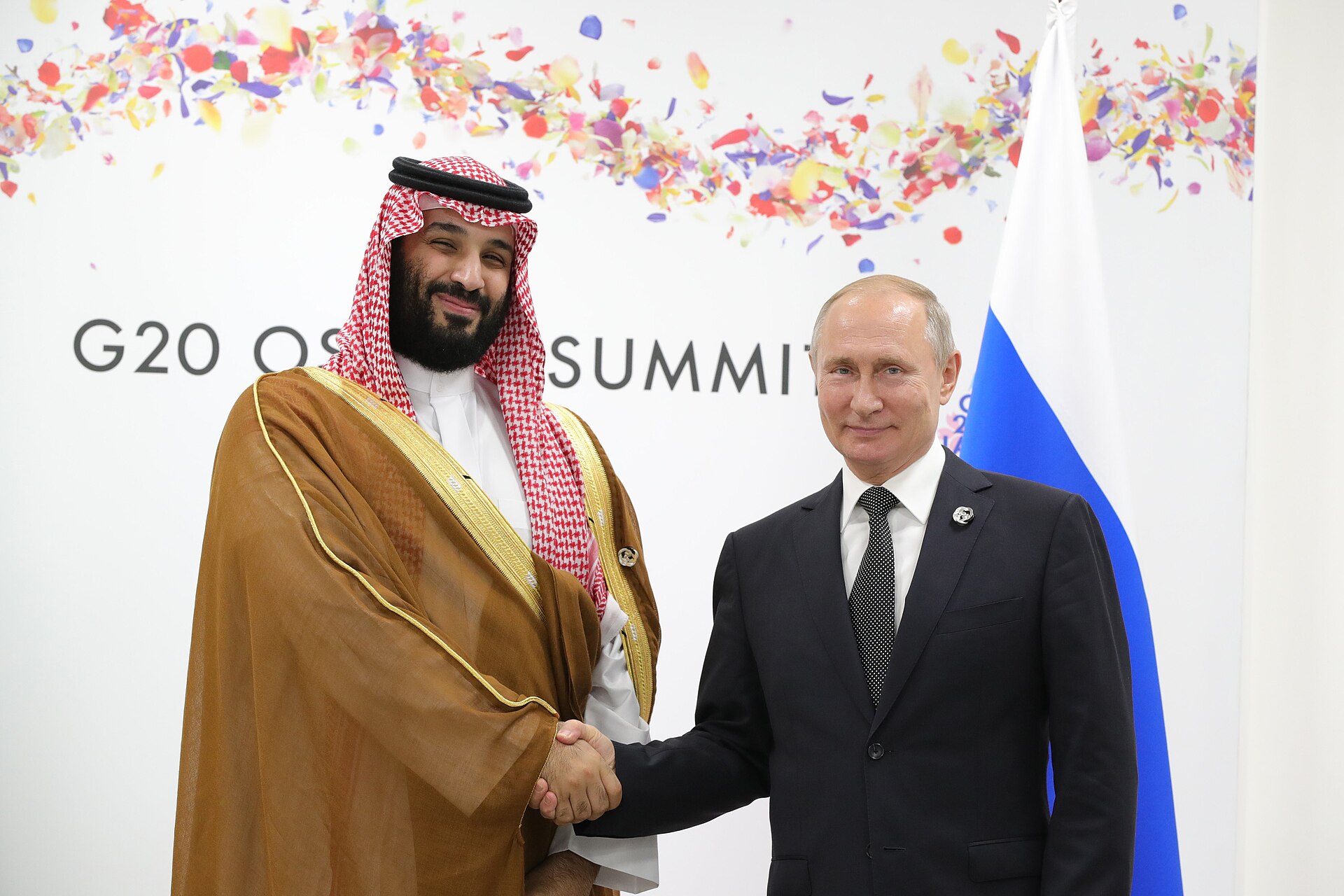
The contradiction sits at the centre of Saudi foreign policy in the twelfth day of the Iran war. Crown Prince Mohammed bin Salman cultivated Vladimir Putin as an energy partner since 2016, investing billions in the OPEC+ framework that stabilised oil markets. Now Russian-manufactured drones bearing serial numbers from an Izhevsk factory are falling on Gulf cities, guided by satellite imagery from Moscow’s overhead constellation. The partnership that was supposed to protect Saudi economic interests is, in measurable ways, funding and directing the missiles aimed at Saudi infrastructure.
Table of Contents
- The Partnership That Built OPEC+
- What Is Russia Sharing With Iran?
- How Did Russian Drones End Up Over Dubai?
- What Drone Tactics Has Moscow Transferred to Tehran?
- Does Russia Profit From the War It Is Fuelling?
- The Moscow Multiplier Framework
- Why Has Riyadh Said Nothing?
- Can Washington Force Moscow to Choose?
- How the Evidence Is Reshaping Saudi Defense Procurement
- Is the OPEC+ Alliance Already Dead?
- The Conventional Wisdom Is Wrong About Russia’s Neutrality
- Frequently Asked Questions
The Partnership That Built OPEC+
The Saudi-Russian energy partnership is the most consequential oil market alliance of the twenty-first century, and its roots trace to a single meeting in September 2016 when Riyadh and Moscow agreed to coordinate production cuts. By December of that year, OPEC joined with ten non-OPEC producers — Russia chief among them — to curtail output by 1.8 million barrels per day in a bid to rebalance a market drowning in American shale oil. The arrangement was dubbed OPEC+, and it transformed both countries from competitors into co-managers of the global energy market.
The economic logic was straightforward. Russia needed stable oil revenues to fund its military modernisation and absorb the cost of Western sanctions imposed after the 2014 annexation of Crimea. Saudi Arabia needed a mechanism to prevent the shale revolution from permanently depressing prices below the fiscal breakeven the Kingdom requires to fund Vision 2030 and its trillion-dollar investment programme. OPEC+ delivered: crude prices rose from below $30 per barrel in early 2016 to a stable range around $60-$70 by 2019.
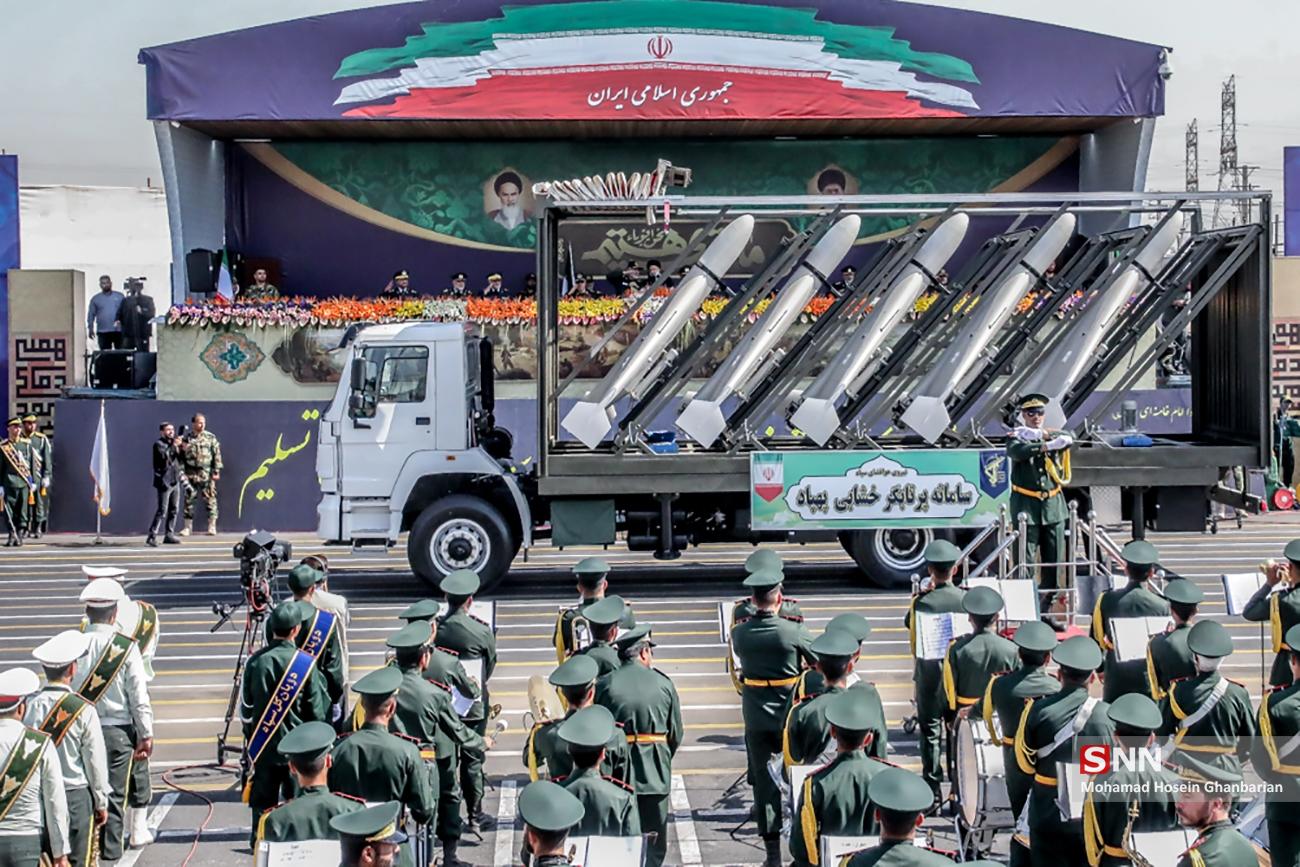
The alliance survived a near-death experience in March 2020, when Russia rejected Saudi demands for deeper production cuts at the onset of the Covid-19 pandemic. Moscow’s refusal triggered a brief but devastating oil price war in which Riyadh flooded the market and Brent crude crashed to $20 per barrel. The reconciliation that followed — brokered partly by President Trump — demonstrated both the fragility and the mutual dependency at the heart of OPEC+. Neither country could afford to let the partnership die.
Beyond oil, bilateral trade between Russia and Saudi Arabia surged from under $2 billion in 2016 to a projected $4 billion in 2025, according to Russian trade data. Non-oil trade rose from $491 million to $3.28 billion over the same period. Russian agricultural exports to the Kingdom multiplied: sunflower oil shipments reached 88,000 tonnes annually, and soybean oil exports grew fivefold. The two countries were building exactly the kind of diversified economic relationship that both governments said they wanted.
In 2026, this entire architecture sits atop a geopolitical fault line that threatens to swallow it.
What Is Russia Sharing With Iran?
Russia is providing Iran with satellite imagery showing the precise locations of American warships, aircraft, and military assets across the Middle East, according to reporting by The Washington Post published on March 6, 2026. The intelligence, drawn from Moscow’s sophisticated constellation of overhead satellites, gives Tehran targeting data faster and with greater precision than Iran’s own surveillance capabilities can produce.
The scope of the assistance is not peripheral. Much of the intelligence Moscow has transferred consists of imagery enabling Iran to track the movements of US naval vessels in the Persian Gulf, carrier strike groups in the Arabian Sea, and the positions of air defense batteries deployed to protect Gulf states — including the very Patriot and THAAD systems that Saudi Arabia’s $1 trillion deal with Washington was partly designed to secure. NBC News, citing US officials, confirmed that Russia passed along the locations of US military assets since the war began on February 28, 2026.
Five days after the initial Washington Post report, CNN published an exclusive on March 11 stating that Russian assistance had escalated beyond passive intelligence sharing. A Western intelligence official told CNN that Russia was giving Iran “specific advice on drone tactics” — transferring operational lessons from two years of drone warfare in Ukraine to improve the effectiveness of Iranian attacks on US and Gulf targets. This represents a qualitative shift from providing data to actively shaping Iranian military operations.
The White House response has been notably restrained. Special envoy Steve Witkoff said he warned Russian counterparts not to share such intelligence. When asked whether Russia had complied, Witkoff said the United States was taking Russia “at their word” — a diplomatic construction that satisfied no one. The Pentagon has not publicly addressed how Russian intelligence may have contributed to specific Iranian strikes on Gulf targets, including the attack on Al-Kharj that killed two foreign nationals on Saudi soil.
| Date | Development | Source |
|---|---|---|
| Feb 28 | War begins; Russia begins sharing satellite imagery of US asset positions | Washington Post |
| Mar 1-5 | Iran launches missiles at Prince Sultan Air Base, Ras Tanura, Riyadh — targeting patterns suggest precise intelligence | Saudi MoD / Reuters |
| Mar 6 | Washington Post reveals Russia sharing US military locations with Iran | WashPost |
| Mar 6 | CNN confirms Russia aiding Iran’s targeting of US assets | CNN |
| Mar 7 | Al Jazeera reports US downplays Russian intelligence sharing | Al Jazeera |
| Mar 8 | Fortune reports Russia sharing imagery from satellite constellation | Fortune |
| Mar 11 | CNN exclusive: Russia providing specific drone tactics advice to Iran | CNN |
| Mar 11 | Defense Express identifies Geran-2 serial markings in UAE drone debris | Defense Express |
How Did Russian Drones End Up Over Dubai?
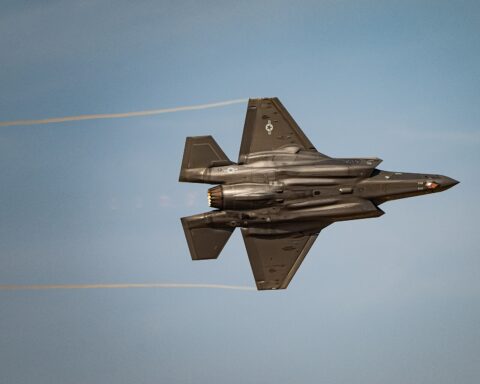
The most damning physical evidence of Russian involvement emerged not from intelligence reports but from the debris field. Open-source analysis of drone wreckage recovered near the port of Jebel Ali in Dubai identified fragments bearing serial markings consistent with the Geran-2, a Russian-manufactured variant of the Iranian Shahed-136 one-way attack drone.
The distinction matters enormously. Iran produces the Shahed-136 domestically. Russia produces its own version — the Geran-2 — at the Kupol electromechanical plant in Izhevsk and at the Alabuga Special Economic Zone in Tatarstan. By early March 2026, serial numbers on Russian-produced Geran-2 drones exceeded 30,000, according to Defense Express, indicating industrial-scale production far beyond what Russia needs for its own war in Ukraine.
The fragments recovered near Jebel Ali displayed markings from the “KTs” series, a batch designation associated with the Kupol plant. The drone incorporated a Kometa-M jam-resistant satellite navigation system operating on Russia’s GLONASS constellation — a component Iran does not manufacture. Earlier Shahed models used a simpler four-array GNSS antenna vulnerable to electronic warfare. The Kometa-M upgrade, with eight- or sixteen-array antennas, was developed specifically to defeat Ukrainian electronic countermeasures and represents a significant technology transfer that makes these drones harder for Gulf air defenses to jam.
The question of how Russian-made drones entered Iran’s inventory has two plausible explanations, neither of which is reassuring for Riyadh. The first is direct transfer: Russia shipped completed Geran-2 units to Iran. The second is component transfer: Russia provided the Kometa-M navigation modules and other upgraded subsystems for Iran to integrate into its own Shahed production line. Either pathway confirms that Russia is materially contributing to the weapons striking Saudi Arabia and its Gulf neighbours.
What Drone Tactics Has Moscow Transferred to Tehran?
The CNN exclusive of March 11 reported that Russia is sharing “advanced drone tactics from its war in Ukraine” with Iran. Western intelligence officials described the transfer as including electronic intelligence — radar signals, radio wavelengths, and frequency data — as well as “live-time dynamic targeting information” that enables the launch of drones and missiles on short notice.
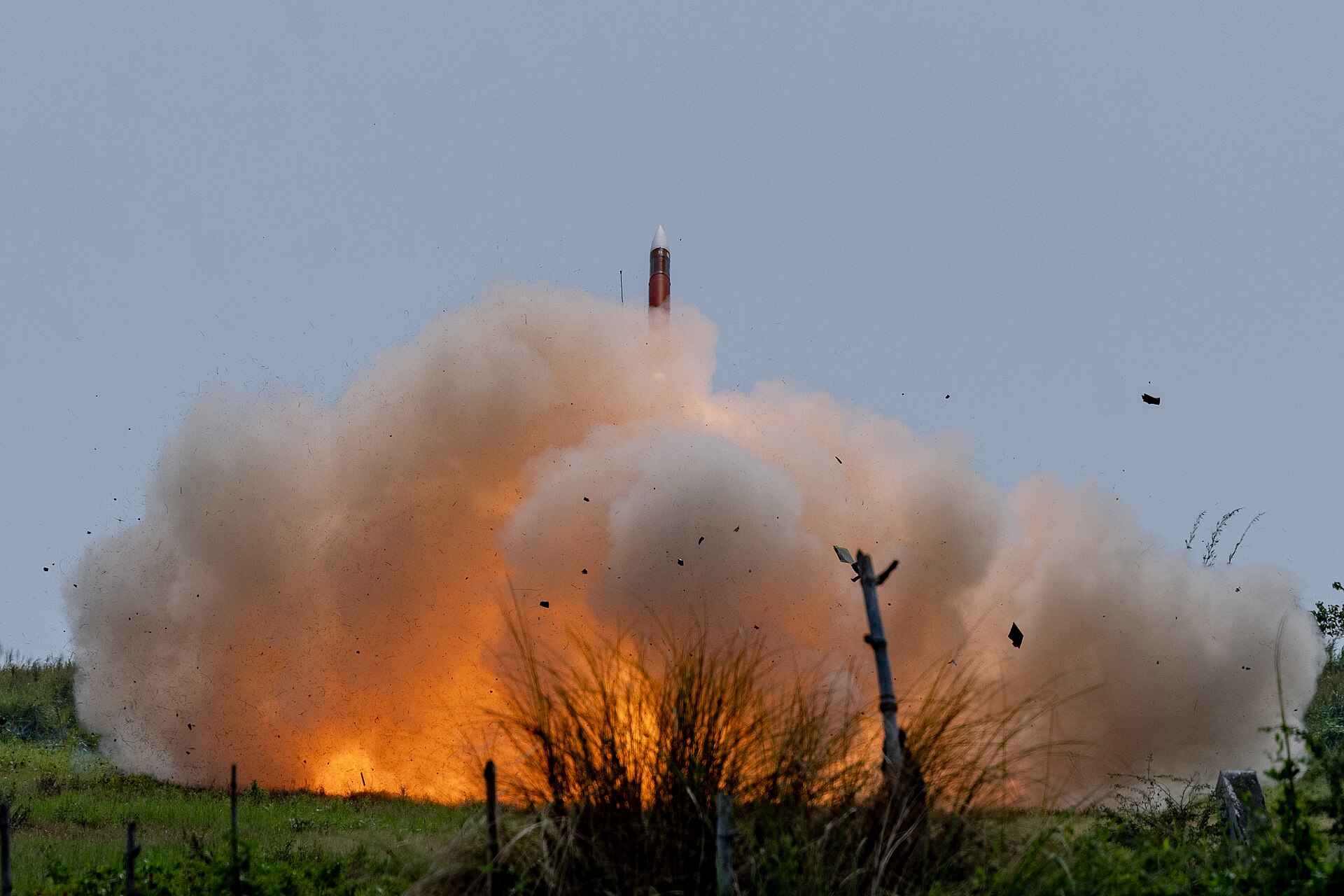
Russia has spent two years refining drone swarm tactics against Ukraine’s increasingly sophisticated air defenses. The lessons are directly applicable to the Gulf theatre. In Ukraine, Russia learned to fly multiple Shahed/Geran-2 drones in waves, with individual aircraft changing course regularly to evade radar-guided interceptors. The technique forces defenders to expend expensive missiles on cheap drones — a cost asymmetry that Saudi Arabia’s defense establishment is scrambling to address. Each PAC-3 interceptor costs between $4 million and $12 million. Each Shahed-136 costs an estimated $20,000 to $50,000.
The tactical transfer also reportedly includes guidance on timing waves to saturate air defense systems, mixing drone profiles with ballistic missile launches to create confusion between threat types, and exploiting gaps in radar coverage identified through satellite intelligence. These are not theoretical concepts — they are operational refinements developed through thousands of drone strikes against Ukrainian cities.
President Volodymyr Zelensky explicitly accused Russia of supporting Iran “with drones, with missiles, and with air defense.” Kyiv’s response has been to send drone interception experts to Qatar, Saudi Arabia, and the UAE, sharing Ukrainian expertise in countering the very weapons Russia helped build. Ukraine has developed low-cost interceptor drones priced between $1,000 and $5,000 — a direct response to the cost asymmetry problem that Zelensky is now selling to MBS.
Does Russia Profit From the War It Is Fuelling?
The economic incentives for Russian involvement are difficult to overstate. The Iran war has been an unexpected windfall for the Russian economy. Brent crude rose from an average of $71 per barrel on February 27 to above $110 per barrel by March 9, according to the US Energy Information Administration — a 55 percent increase in less than two weeks. For a country that derives roughly 30-40 percent of its federal budget from oil and gas revenues, every dollar increase in the oil price translates to billions in additional annual income.
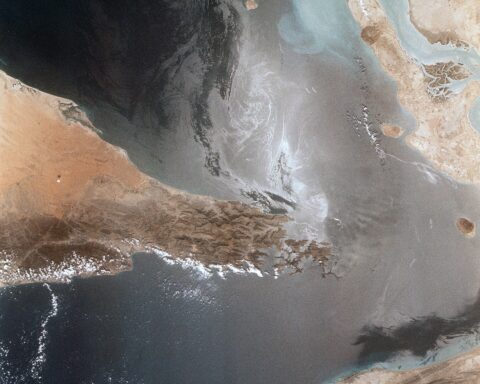
The financial logic is perverse but coherent. The Strait of Hormuz, through which nearly 20 percent of the world’s oil supply normally transits, has been effectively closed since early March. This has removed millions of barrels per day from the market precisely when demand is strong. Russia, which exports its oil primarily through pipelines to Europe and China and by tanker from Baltic and Black Sea ports, is largely unaffected by the Hormuz disruption. Moscow sells more oil at higher prices while its OPEC+ partner — Saudi Arabia — watches its own export infrastructure come under Iranian attack.
The numbers tell a brutal story. Saudi Arabia told OPEC it pumped 10.882 million barrels per day in February, up from 10.1 million in January — an 8 percent surge that Bloomberg reported as evidence of pre-war stockpiling. But with the Strait of Hormuz now closed, much of that production is stranded. Saudi Arabia has rerouted some exports through Red Sea terminals, but the East-West Pipeline connecting the Eastern Province to Yanbu carries only 5 million barrels per day at full capacity. The rest sits in rapidly filling storage.
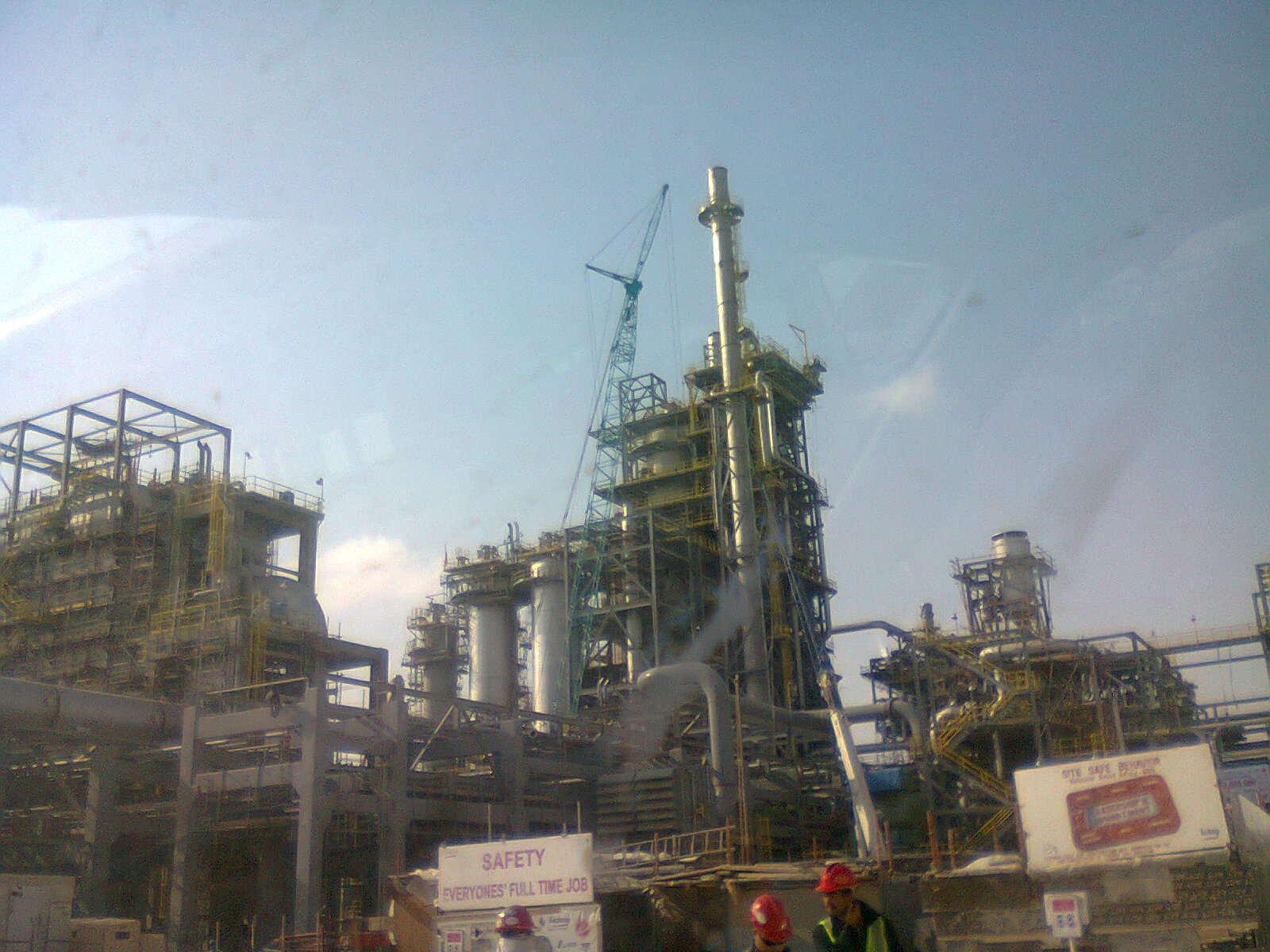
Russia, by contrast, has no such bottleneck. Its oil flows freely to China via the East Siberia-Pacific Ocean pipeline, to Europe via the Druzhba pipeline (for the countries still buying), and by tanker from Novorossiysk and Primorsk. The US Energy Information Administration projects that the war-driven price spike will add an estimated $15-$25 billion to Russia’s 2026 oil revenue — money that flows directly to the same government providing targeting intelligence to Iran. In a striking policy reversal that underscored Washington’s desperation to tame crude prices, the Trump administration subsequently lifted sanctions on Russian oil exports — effectively handing Moscow an even larger revenue windfall while American forces remained in direct confrontation with Iran.
| Metric | Russia | Saudi Arabia |
|---|---|---|
| Export route disruption | Minimal | Severe (Hormuz closed) |
| Oil price impact | +55% (windfall) | +55% (cannot fully monetise) |
| Production change | Stable ~9.5M bpd | Cut 2-2.5M bpd (forced) |
| Estimated revenue impact (2026) | +$15-25B | Net negative (stranded output) |
| Infrastructure damage | None from this war | Ras Tanura offline, multiple sites hit |
| Defence cost increase | Marginal | Billions (interceptor expenditure) |
The Moscow Multiplier Framework
The pattern of Russian behaviour toward Saudi Arabia during the Iran war operates across three reinforcing dimensions. Taken together, they reveal not a double game but a calculated strategy in which every Russian action strengthens Moscow’s position while degrading Riyadh’s.
The first dimension is intelligence amplification. Russia’s satellite constellation and signals intelligence capabilities multiply Iran’s targeting precision by an order of magnitude. Iran possesses its own surveillance satellites, but they are limited in resolution and revisit rates. Russia’s Persona, Bars-M, and Razdan series reconnaissance satellites provide near-real-time imagery at resolutions below one metre. By feeding this data to Tehran, Moscow transforms every Iranian missile and drone from an area weapon into a precision strike system.
The second dimension is technology transfer. The Geran-2 drone with its Kometa-M navigation package represents a measurable upgrade over Iran’s indigenous Shahed-136. The jam-resistant GLONASS receiver defeats the electronic warfare systems that Gulf air defenses rely on to divert incoming drones. This single component — a satellite navigation module produced in Russia — reduces the intercept rate for defending forces and increases the probability that each drone reaches its target.
The third dimension is economic arbitrage. Russia profits from the very destruction its intelligence and technology enable. Higher oil prices flow disproportionately to Moscow because Russian export routes remain open while Gulf routes are disrupted. The war generates demand for Russian weapons from both sides: Iran buys Verba air defense systems (a €495 million deal signed in December 2025), while Saudi Arabia’s defensive expenditure forces Riyadh to diversify its supplier base — potentially opening doors for Russian arms exports in the post-war period, as Moscow has historically sought to sell S-400 systems to the Gulf.
| Dimension | Mechanism | Impact on Saudi Arabia | Benefit to Russia |
|---|---|---|---|
| Intelligence Amplification | Satellite imagery, signals intelligence, real-time targeting data | Iranian strikes become more accurate against Saudi infrastructure | Strengthens Moscow’s position as indispensable Iranian ally |
| Technology Transfer | Geran-2 drones, Kometa-M navigation, electronic warfare resistance | Gulf EW defenses less effective, intercept rates decline | Field-tests Russian systems, builds export credentials |
| Economic Arbitrage | Oil prices spike while Russian exports remain unaffected | Saudi revenue stranded, defense costs surge | $15-25B revenue windfall, sanctions relief via oil demand |
The cumulative effect is what might be termed the Moscow Multiplier: each dollar Russia invests in supporting Iran generates disproportionate returns across military, technological, and economic domains simultaneously. The intelligence costs Moscow nothing beyond bandwidth. The Geran-2 production line was already operating at scale for Ukraine. The oil revenue windfall requires no Russian action at all — merely the continuation of a war that Russian assistance makes harder to end.
A historical parallel illuminates the dynamic. During the 1980-1988 Iran-Iraq war, the Soviet Union supplied weapons to Iraq while maintaining diplomatic relations with Iran — a dual-track approach that maximised Moscow’s regional influence at the cost of both belligerents. The current arrangement is more sophisticated. Russia has formalised its military relationship with Iran through the January 2025 strategic agreement, which guarantees Tehran access to Russian military technologies and economic incentives. This is not the opportunistic arms dealing of the Cold War. It is an institutional partnership operating in parallel with the OPEC+ energy framework — two alliances, one of which actively undermines the other.
The Moscow Multiplier also carries a temporal dimension that works against Saudi Arabia. The longer the war continues, the more Russia profits from elevated oil prices and the more deeply embedded Russian technology becomes in Iran’s military infrastructure. A war that ends in week two costs Moscow very little. A war that drags into month two or three generates tens of billions in Russian oil revenue while establishing the Geran-2 and Kometa-M as standard components of Iran’s arsenal — weapons that will threaten the Gulf for decades after any ceasefire.
Why Has Riyadh Said Nothing?
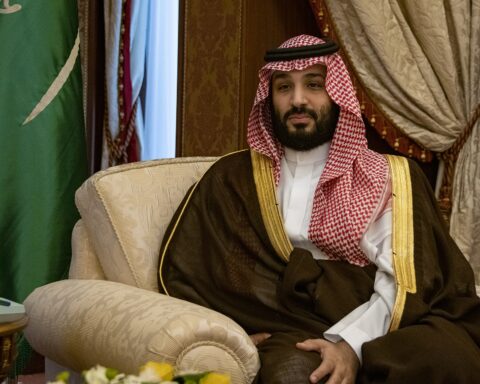
Saudi Arabia’s public silence on the evidence of Russian assistance to Iran is the most striking feature of the crisis. Crown Prince Mohammed bin Salman held phone calls in the first week of March with leaders of Turkey, the United Kingdom, and Kuwait — all condemning Iranian aggression. He has not publicly addressed Russia’s role in enabling that aggression.
Three factors explain the restraint. The first is OPEC+ dependency. Saudi Arabia still needs the OPEC+ framework to manage oil markets after the war ends. Publicly confronting Russia over intelligence sharing would almost certainly destroy the alliance, leaving Riyadh without its primary tool for influencing global energy prices. The Kingdom’s fiscal breakeven oil price — estimated at $80-$90 per barrel for 2026 — depends on production discipline that only OPEC+ can enforce.
The second factor is diplomatic sequencing. Riyadh is simultaneously attempting to broker a ceasefire through back-channel communications with Tehran and maintaining its position as a mediator rather than a belligerent. Publicly accusing Russia would complicate both efforts. Moscow retains influence over Iran that no other major power possesses, and Saudi diplomats recognise that any ceasefire arrangement may ultimately require Russian participation.
The third factor is the American variable. Washington has itself downplayed the intelligence-sharing reports. If the Biden and now Trump administrations are unwilling to escalate against Moscow over the issue, Riyadh has little incentive to take a harder line unilaterally. Saudi Arabia’s $1 trillion pledge to Trump was designed in part to ensure American security guarantees — guarantees that would be tested if Riyadh provoked a simultaneous confrontation with both Iran and Russia.
The silence is strategic, but it carries costs. Every day that passes without a Saudi response to the Geran-2 evidence normalises Russian arms transfers to Iran. It establishes a precedent in which Moscow can arm Saudi Arabia’s adversaries without diplomatic consequences. And it signals to smaller Gulf states — Bahrain, Kuwait, Qatar, the UAE — that the Kingdom’s alliance with Russia takes priority over collective Gulf security.
Can Washington Force Moscow to Choose?
The Trump administration’s handling of the Russia-Iran intelligence pipeline reveals the tensions within its own strategic priorities. President Trump spoke with Putin on March 11, in what both sides described as a discussion about ending the Iran war quickly. The Kremlin denied providing intelligence to Iran. The White House accepted the denial.
The acceptance was not naivety — it was calculation. Trump’s overriding foreign policy objective in March 2026 is securing a deal to end Russia’s war in Ukraine. Confronting Putin over intelligence sharing with Iran would jeopardise those negotiations. White House envoy Witkoff has warned Russian counterparts privately, but the public posture remains one of deliberate ambiguity.
Radio Free Europe/Radio Liberty posed the central question bluntly: “If Russia Wants To Stay On Washington’s Good Side, Why Help Iran Target US Forces?” The analysis identified several Kremlin motivations. Russia needs to preserve its strategic partnership with Iran, which has supplied Moscow with Fath-360 close-range ballistic missiles, Shahed drones, and other weapons critical to the Ukraine war effort. Abandoning Tehran during its hour of greatest need would destroy a relationship that Russia depends on for its own military operations.
Moscow also sees economic opportunity. The disruption to Gulf oil flows has provided “an unexpected shot in the arm for Russia,” as RFERL described it, boosting demand for Russian crude at premium prices. Putin’s calculus appears to be that the benefits of supporting Iran — military, economic, and geopolitical — outweigh the risk of American retaliation, particularly with a Trump administration focused on Ukraine above all else.
For Saudi Arabia, the implication is uncomfortable. Washington cannot or will not force Moscow to choose between its Iranian alliance and its OPEC+ partnership with Riyadh. The Kingdom must manage the contradiction on its own terms.
How the Evidence Is Reshaping Saudi Defense Procurement
The evidence of Russian involvement in Iranian attacks is accelerating a transformation of Saudi defense procurement that was already underway. The Kingdom’s traditional reliance on American and European weapons systems is giving way to a multi-supplier model in which China, South Korea, Pakistan, and Ukraine all play significant roles.
Saudi Arabia signed a $5 billion deal to build Chinese Wing Loong-3 combat drones in Jeddah, establishing a production line that reduces dependency on any single foreign supplier. South Korean M-SAM2 air defense systems are being evaluated as Patriot supplements. Pakistan has deployed air defenses and troops to Saudi territory under a bilateral defense pact invoked for the first time in March 2026.
The Ukrainian angle is perhaps the most geopolitically charged. The Kyiv Independent reported on March 10 that Saudi Arabia is negotiating a “huge deal” for Ukrainian weapons, including interceptor missiles designed to counter the very Shahed/Geran-2 drones that Russia helped develop. A Saudi arms company has already signed a contract for Ukrainian-made interceptor systems. Ukraine has sent drone defense teams to the Gulf, sharing hard-won expertise from defending against the same Russian-Iranian drone complex now attacking Saudi Arabia.
The irony is precise: Saudi Arabia is buying Ukrainian weapons designed to shoot down Russian-modified Iranian drones, while maintaining an energy partnership with the country that modified those drones. This is not incoherence — it is the pragmatic response to a security environment in which no single alliance provides adequate protection.
The deeper shift is philosophical. Before February 28, Saudi defense planning operated on the assumption that great-power relationships were compartmentalised — energy cooperation with Russia existed independently of Russia’s relationship with Iran. The evidence from March 2026 has demolished that assumption. Defence Minister Prince Khalid bin Salman, who has been rallying international support for Saudi defense during the crisis, now operates in a world where every weapons purchase must be evaluated not only on capability but on the supplier’s relationship with potential adversaries. The Russian dimension transforms procurement from a technical exercise into a geopolitical matrix.
| Supplier | System / Capability | Estimated Value | Strategic Rationale |
|---|---|---|---|
| United States | Patriot PAC-3, THAAD, F-35 (pending) | $100B+ | Primary alliance, nuclear umbrella |
| China | Wing Loong-3 drone factory, combat UAVs | $5B | No political conditions, rapid delivery |
| South Korea | M-SAM2 air defense, KF-21 fighter (potential) | $3-5B (est.) | Cost-effective, combat-proven subsystems |
| Ukraine | Interceptor drones, EW systems, training | TBD (“huge deal”) | Anti-Shahed/Geran expertise, low-cost intercept |
| Pakistan | Troops, air defense batteries, bilateral pact | N/A | Muslim solidarity, manpower, rapid deployment |
| United Kingdom | Destroyers, fighter jets, helicopters | N/A | NATO interoperability, political signal |
Is the OPEC+ Alliance Already Dead?
The OPEC+ framework survived the 2020 oil price war, a global pandemic, and the geopolitical upheaval of Russia’s invasion of Ukraine. Whether it can survive Russian drones hitting Saudi cities is a question that oil market analysts are only beginning to address.
The formal structure of OPEC+ remains intact. Russia participated in the most recent OPEC+ ministerial meeting, and the group agreed to continue unwinding voluntary production cuts at a pace of 206,000 barrels per day. Saudi Arabia has not called for Russia’s exclusion or even raised the intelligence-sharing issue within OPEC+ channels, according to delegates speaking to Reuters.
But the alliance’s fundamental premise — that Russia and Saudi Arabia share a common interest in stable, elevated oil prices — is being tested by the divergence in their wartime positions. Russia benefits from instability that raises prices while Saudi Arabia bears the costs of that instability in damaged infrastructure, disrupted exports, and defence expenditure. The OPEC+ agreement was built on the assumption that both parties needed each other. The war is revealing that Russia may need Saudi Arabia less than Riyadh assumed.
Three scenarios present themselves for the post-war period. In the first, Saudi Arabia and Russia restore OPEC+ to its pre-war status, treating the intelligence-sharing episode as an unfortunate but manageable disagreement. This scenario requires Riyadh to accept that Moscow will pursue its own interests even at Saudi expense — a bitter pill, but one the Kingdom may swallow to preserve the oil market architecture.
In the second scenario, Saudi Arabia quietly downgrades the relationship, reducing OPEC+ coordination while maintaining the formal framework. Riyadh would pursue a more independent production policy, leveraging its own spare capacity and diversified export routes to influence prices without Russian cooperation. This approach would carry risks — a return to competitive overproduction — but would eliminate the vulnerability of depending on a partner that arms your enemies.
In the third scenario, the evidence forces a public rupture. If additional proof of Russian involvement in specific Saudi casualties or infrastructure damage emerges — particularly if Geran-2 debris is found on Saudi soil — the political pressure on Mohammed bin Salman to respond could become irresistible. A public break with Moscow would reshape global energy markets, remove the production discipline that OPEC+ provides, and potentially trigger a new price war at the worst possible moment for a Kingdom already fighting a hot war.
The Conventional Wisdom Is Wrong About Russia’s Neutrality
The mainstream narrative about Russia’s position in the Iran war has been remarkably consistent across Western media: Moscow is “playing both sides,” maintaining ties with Tehran while seeking to preserve its relationship with Washington and the Gulf states. This framing presents Russian behaviour as opportunistic but fundamentally balanced.
The evidence does not support this interpretation. The pattern of Russian assistance to Iran — satellite intelligence, drone technology, tactical advice, and possibly complete Geran-2 airframes — is not balanced behaviour. It is active belligerency by proxy. Russia is not sitting on the fence. It is manufacturing weapons, providing targeting data, and sharing battlefield tactics for one side of a conflict in which its supposed partner is the target.
The January 2025 strategic agreement between Russia and Iran formalised a relationship that goes far beyond tactical convenience. The agreement guarantees Tehran access to Russian military technologies, economic incentives, and diplomatic support. Russia supplied Iran with Verba shoulder-mounted air defense systems under a €495 million contract signed in December 2025. It delivered Mi-28NE attack helicopters and Yak-130 training jets. The January 2025 pact is, in all but name, a military alliance.
The comparison with Russia’s relationship with Saudi Arabia is instructive. OPEC+ is an energy market coordination mechanism with no mutual defense provisions, no technology-sharing commitments, and no strategic guarantee. The Russia-Iran partnership includes all three. When forced to choose between its Iranian ally and its Saudi energy partner, Moscow has chosen — quietly but unmistakably — Iran.
Russia has not merely watched Iran’s attacks on Gulf states. It has provided the satellite eyes, the navigation upgrades, and the tactical playbook that make those attacks more effective. This is not neutrality. This is co-belligerency with plausible deniability.
Analysis based on Western intelligence reports, March 2026
The contrarian position is not that Russia is secretly hostile to Saudi Arabia — Moscow has no interest in permanently destabilising the Gulf. Rather, it is that Russia has made a rational calculation that supporting Iran during this conflict generates greater returns than protecting its relationship with Riyadh, and that Saudi Arabia will ultimately absorb the insult because it cannot afford to lose OPEC+. So far, that calculation appears correct.
The deepest irony of the Russia-Saudi relationship in March 2026 is that the two countries are approaching the 100th anniversary of diplomatic relations. Bilateral trade reached $4 billion in 2025, with an 85 percent year-on-year increase. Russian agricultural exports to the Kingdom — sunflower oil, soybeans, wheat — have grown fivefold in recent years. Russian investments in Saudi Arabia grew sixfold over the past year, while Saudi investments in Russia rose by 11 percent. The economic ties are real, diversified, and growing. They are also, in the current context, a veneer over a military relationship in which one partner actively aids attacks on the other.
No previous episode in Saudi-Russian relations carries the weight of the current crisis. The 2020 oil price war, for all its drama, was a commercial dispute. The intelligence and weapons transfers of March 2026 involve Saudi blood — the two foreign nationals killed in Al-Kharj on March 8 died from an Iranian projectile whose targeting may have been enhanced by Russian satellite data. Whether Riyadh can continue to treat the partnership as a purely economic arrangement, when the evidence points to something far more dangerous, will define the shape of Gulf geopolitics for a generation.
Frequently Asked Questions
Is Russia directly attacking Saudi Arabia?
Russia is not launching its own strikes against Saudi Arabia. However, Western intelligence reports confirm that Moscow is providing Iran with satellite imagery of military targets, drone technology (the Geran-2 variant of the Shahed-136), and specific tactical advice from its Ukraine campaign. Drone debris recovered in the UAE bears Russian serial markings from the Kupol plant in Izhevsk. This constitutes material support for Iranian attacks on Gulf states, including Saudi Arabia.
Why hasn’t Saudi Arabia publicly confronted Russia?
Riyadh’s silence reflects three strategic calculations: the Kingdom needs the OPEC+ framework to manage post-war oil markets, it requires Russian influence over Iran for potential ceasefire negotiations, and Washington has itself downplayed the intelligence-sharing reports. Publicly accusing Russia would risk destroying the OPEC+ alliance without providing any immediate military benefit.
What is the Geran-2 drone and how is it different from the Shahed-136?
The Geran-2 is Russia’s licensed copy of Iran’s Shahed-136 one-way attack drone, manufactured at the Kupol plant in Izhevsk. Key Russian modifications include the Kometa-M jam-resistant navigation system using GLONASS satellites, which defeats electronic warfare countermeasures. By March 2026, over 30,000 Geran-2 units had been produced in Russia, originally for use in Ukraine but now apparently transferred to Iran for Gulf operations.
How does Russia profit from the Iran war?
The war has driven Brent crude from $71 per barrel to above $110 — a 55 percent increase. Russia’s oil exports, which flow primarily through pipelines and Baltic/Black Sea ports unaffected by the Hormuz disruption, benefit from higher prices without the supply constraints facing Gulf producers. The US Energy Information Administration projects this could add $15-25 billion to Russia’s 2026 oil revenue. Russia simultaneously sells weapons to Iran (€495 million Verba deal) and benefits from increased demand for its crude.
Will OPEC+ survive the Russia-Iran intelligence scandal?
The formal OPEC+ framework remains intact, and Saudi Arabia has not raised the intelligence issue within OPEC+ channels. The most likely outcome is a quiet downgrading of the relationship rather than a public rupture. Riyadh cannot afford to lose the production coordination that OPEC+ provides, but the trust that underpinned the partnership since 2016 has been fundamentally damaged. A post-war OPEC+ will function, but it will operate under different assumptions about Russian reliability.
The full scope of the Russia-Saudi energy interdependence — including Moscow’s $150 million daily oil windfall and why Riyadh tolerates it — reveals an oil partnership that neither side can afford to abandon, regardless of the intelligence revelations.