
SANAA — Thirteen days into the most destructive conflict the Middle East has seen since the 2003 invasion of Iraq, the region’s most heavily armed non-state actor has done something no analyst predicted. It has done nothing. While Hezbollah fires rockets into Israel, while Iraqi militias launch drones at American bases, while Iran rains ballistic missiles on Saudi oil infrastructure and Riyadh’s diplomatic quarter, the Houthis — the movement that spent two years terrorising Red Sea shipping, that fired over a hundred ballistic missiles at Israel, that humiliated the United States Navy into a ceasefire — sit in Sanaa with their arsenal intact and their finger, as their leader puts it, “on the trigger.”
The silence is not weakness. Abdul-Malik al-Houthi, the reclusive cleric who commands Ansar Allah from somewhere in Yemen’s northern highlands, has delivered three televised addresses since American and Israeli bombs began falling on Iran on 28 February 2026. Each speech has been louder in rhetoric and quieter in action. He has called the war “unjust, brutal aggression.” He has declared Yemen “directly concerned.” He has promised readiness “for all developments.” And then he has ordered his forces to remain exactly where they are. For a movement that built its reputation on escalation, the restraint is the story — and it reveals more about the future of proxy warfare, the fragility of Iran’s regional network, and the quiet strategic calculations reshaping Yemen’s civil war than any missile strike ever could.
Table of Contents
- Why Have the Houthis Not Fired a Single Shot in Iran’s War?
- What Did the 2025 US-Houthi Ceasefire Actually Guarantee?
- The Proxy That Built a State
- How Powerful Is the Houthi Military Arsenal in 2026?
- The Oman Backchannel and Saudi Arabia’s Quiet Détente
- The Proxy Loyalty Stress Test
- What Would Make the Houthis Join the War?
- The Axis of Resistance Is an Alliance of Convenience
- Does Houthi Restraint Make Saudi Arabia Safer or More Vulnerable?
- Three Scenarios for Yemen’s Next Move
- Frequently Asked Questions
Why Have the Houthis Not Fired a Single Shot in Iran’s War?
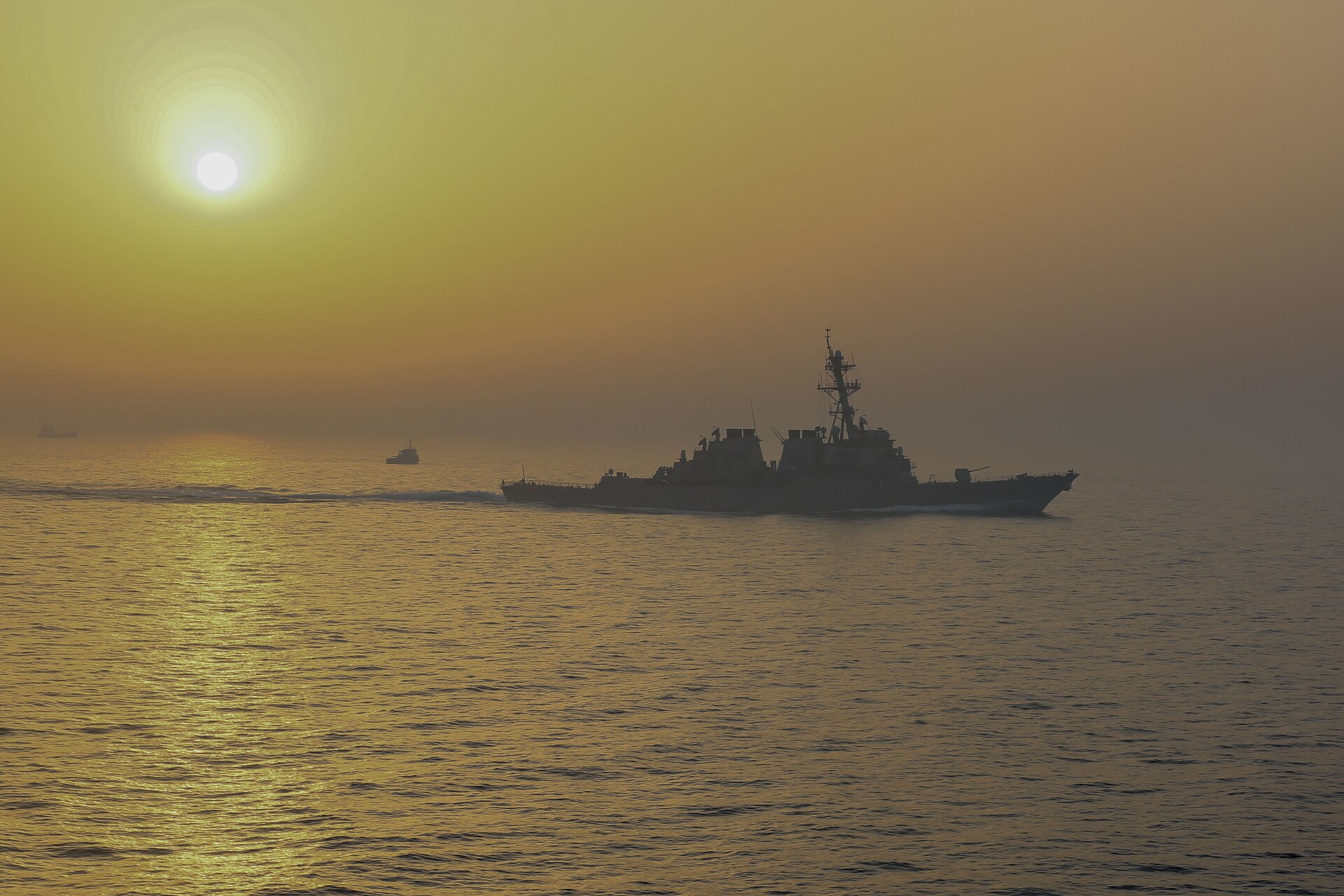
The Houthis have not joined the 2026 Iran war because doing so would destroy the state-like power structure they have spent a decade building — a calculation that now outweighs their ideological alignment with Tehran. As of 13 March, no Houthi missile has been fired, no ship has been struck, and no drone has crossed the Red Sea in connection with the conflict, according to US Central Command tracking and reporting by Foreign Policy.
The restraint is remarkable given the movement’s recent history. Between September 2024 and July 2025, United Nations experts counted 101 Houthi ballistic missiles fired at Israel. The group struck commercial vessels across the Red Sea and the Gulf of Aden with regularity that forced the world’s largest shipping companies to reroute around the Cape of Good Hope, adding weeks to journey times and billions in costs. When the United States and Britain launched airstrikes against Houthi positions in January 2024, the movement responded by escalating, not retreating — firing anti-ship missiles at US Navy destroyers and claiming, with some justification, that Washington lacked the will to sustain a bombing campaign.
That same movement now watches Iran absorb the heaviest aerial bombardment in its history and does nothing. The disconnect between capability and action suggests a strategic calculation far more sophisticated than the “axis of resistance” label implies. Three factors explain the silence.
The first is the May 2025 ceasefire with the United States, brokered by Oman, which gave the Houthis something they had never possessed: formal recognition as a negotiating partner by Washington. Breaking it would invite the resumption of American bombing at a moment when the US military has three carrier strike groups in the region, according to Pentagon deployment data.
The second is the Saudi-Houthi détente that has quietly developed since 2022. Saudi Arabia’s own strategic restraint in the Iran war mirrors the Houthis’ calculations — both sides have concluded that the war in Yemen is over in all but name, and neither wants to restart it.
The third is the most consequential: the Houthis are no longer a proxy. They are a government.
What Did the 2025 US-Houthi Ceasefire Actually Guarantee?
The May 2025 ceasefire between the United States and the Houthis, brokered by Oman, committed both sides to stop targeting each other — including American vessels in the Red Sea and the Bab al-Mandeb Strait — while guaranteeing freedom of commercial navigation. The deal did not cover attacks on Israel, which the Houthis explicitly excluded from the terms.
The ceasefire was announced on 6 May 2025 after weeks of Omani shuttle diplomacy. President Trump declared that the Houthis had “capitulated” and “didn’t want to fight anymore.” The Houthis’ own characterisation was the reverse: Mohammed Ali al-Houthi, the head of the Revolutionary Committee, told Al Jazeera that it was the United States that “backed down” after failing to achieve air superiority over Yemen. Administration officials interviewed by the New York Times privately acknowledged that the airstrikes were not achieving their objectives.
Both narratives contain elements of truth, but neither captures what the ceasefire actually accomplished for the Houthis. The agreement elevated Ansar Allah from a designated terrorist organisation to a formal negotiating counterpart of the world’s most powerful military. It gave them something more valuable than any weapons shipment from Iran: diplomatic legitimacy.
The terms also contained an implicit bargain that neither side publicly acknowledged. The United States wanted commercial shipping to resume in the Red Sea and the Bab al-Mandeb. The Houthis wanted the bombing to stop. Both got what they needed. And the deal’s survival now depends on the Houthis not joining the 2026 Iran war — because doing so would unquestionably be interpreted as a violation of the ceasefire’s core principle, regardless of whether the specific target was American.
Israel, notably, was not consulted. Israeli officials told reporters they received no advance notice of the agreement — a fact that underscores the Houthis’ ability to leverage American war-weariness against Israeli interests. The ceasefire effectively guaranteed Houthi survival in exchange for commercial calm. It is, by any measure, the most advantageous deal a non-state armed group has extracted from Washington since the 2020 Doha Agreement with the Taliban.
The Proxy That Built a State
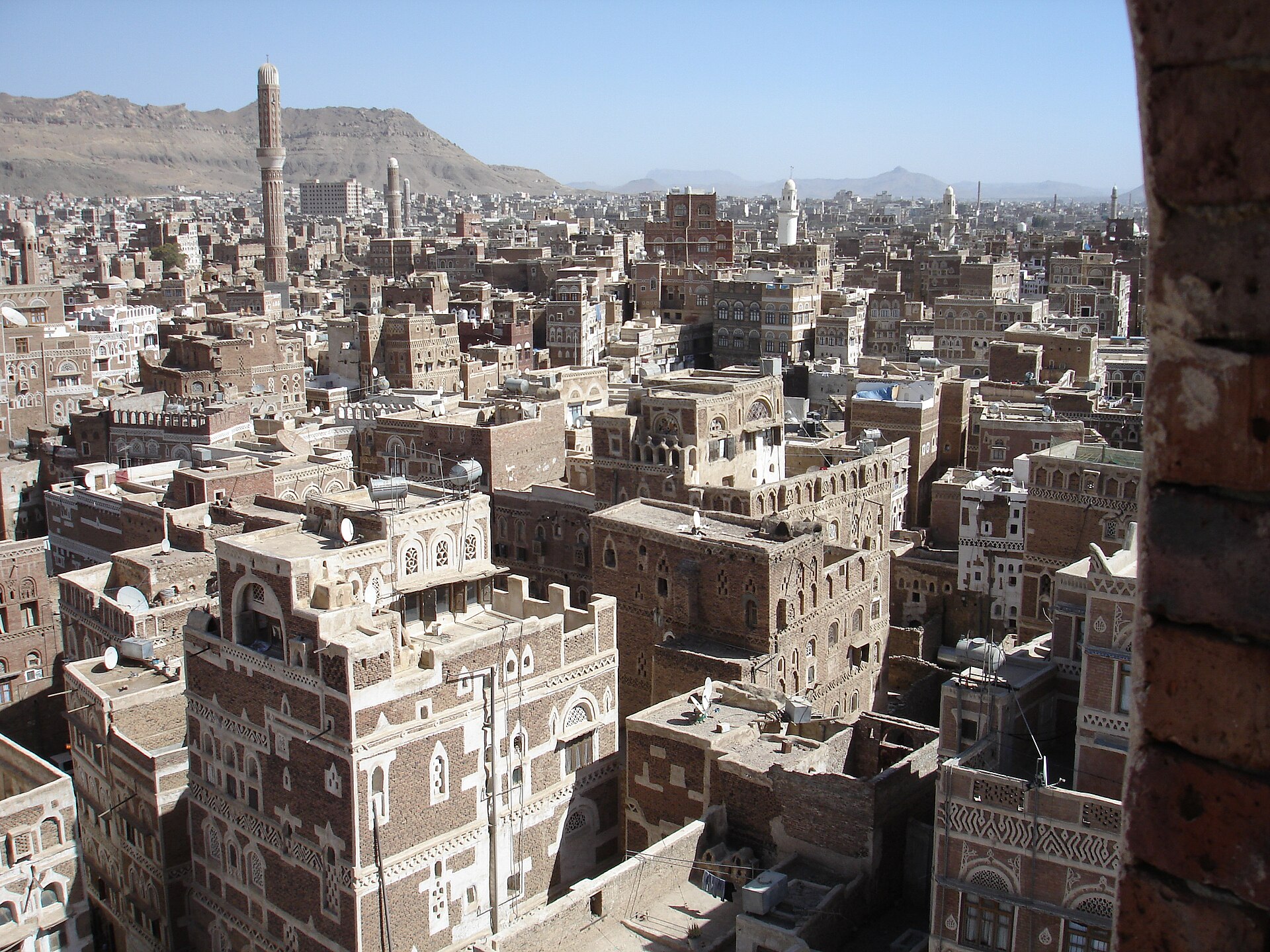
The Houthis who seized Sanaa in September 2014 bore little resemblance to the Ansar Allah movement that governs northern Yemen today. What began as a tribal-religious insurgency from the Sa’dah mountains has undergone one of the most remarkable political transformations in modern Middle Eastern history — evolving from a guerrilla force into a functioning, if authoritarian, state apparatus that now controls the lives of approximately 21 million people, according to World Bank population estimates for Houthi-held territory.
This evolution is the single most important factor explaining the Houthis’ wartime restraint. Proxies fight because they have nothing to lose. Governments hesitate because they have everything to lose.
Ansar Allah today operates a parallel state structure that, while not internationally recognised, possesses all the functional attributes of sovereignty. The movement controls Yemen’s central ministries in Sanaa, having replaced senior officials across governorates and districts with loyalists. A supervisory system operates alongside the formal bureaucracy, with appointed supervisors reporting directly to Abdul-Malik al-Houthi and monitoring ministers, governors, and military commanders.
The fiscal architecture is substantial. A United Nations panel of experts documented the redirection of $1.8 billion in government revenues by Ansar Allah for its war effort and operations. In 2020, the movement reinterpreted Yemen’s zakat law and introduced a 20 percent tax on certain businesses. Revenue streams include customs duties at Hodeidah port, telecommunications taxes, fuel levies, and the systematic diversion of humanitarian aid — practices documented by both the Sana’a Center for Strategic Studies and the Public International Law and Policy Group.
The movement runs universities, hospitals, and courts. It operates Yemen’s largest port at Hodeidah, which handles roughly 70 percent of the country’s imports, according to UN OCHA logistics data. It maintains a diplomatic track with the United Nations through the office of the Special Envoy for Yemen. And crucially, it negotiates with Saudi Arabia through Oman — a channel that has produced the most substantive dialogue between Riyadh and Sanaa since the war began in 2015.
None of this institutional infrastructure existed when the Houthis were a mountain insurgency accepting weapons and training from Iran’s Islamic Revolutionary Guard Corps. The IRGC invested in the Houthis as a disruptive force — a way to bog down Saudi Arabia, threaten Red Sea shipping, and project Iranian power into the Arabian Peninsula. But the investment produced an unintended consequence: it created an entity with independent interests, independent revenue, and an independent calculation of risk.
How Powerful Is the Houthi Military Arsenal in 2026?
The Houthi military possesses ballistic missiles capable of reaching Israel, anti-ship cruise missiles that can strike vessels in the Red Sea and Gulf of Aden, a fleet of Iranian-designed one-way attack drones, and surface-to-air missile systems that shot down American MQ-9 Reaper drones, according to US Defense Intelligence Agency assessments and UN panel of experts reports. The arsenal represents the most capable non-state military force in the Middle East.
The scale of Houthi firepower became apparent during the Red Sea campaign of 2023-2025. Between November 2023 and the May 2025 ceasefire, the movement launched an estimated 300 attacks against commercial and military shipping, according to the Combined Maritime Forces and independent tracking by ACLED. The campaign forced Maersk, MSC, Hapag-Lloyd, and CMA CGM — collectively controlling roughly 60 percent of global container capacity — to reroute around the Cape of Good Hope.
| Capability | System Type | Range | Source |
|---|---|---|---|
| Ballistic missiles | Toufan, Hatem, Palestine-2 | 1,500-2,000 km | Iranian-supplied / locally assembled |
| Anti-ship cruise missiles | Al-Mandab series | 300+ km | Based on Iranian Noor/C-802 |
| One-way attack drones | Shahed-136, Samad-3 | 1,500-2,500 km | Iranian-designed, $35,000 per unit |
| Surface-to-air missiles | Iranian 358 SAM, modified SA-2 | Variable | IRGC Quds Force supply chain |
| Naval mines | Contact/influence mines | N/A | Iranian-origin, locally modified |
| Unmanned surface vessels | Explosive-laden boats | Variable | Locally produced, Iranian design |
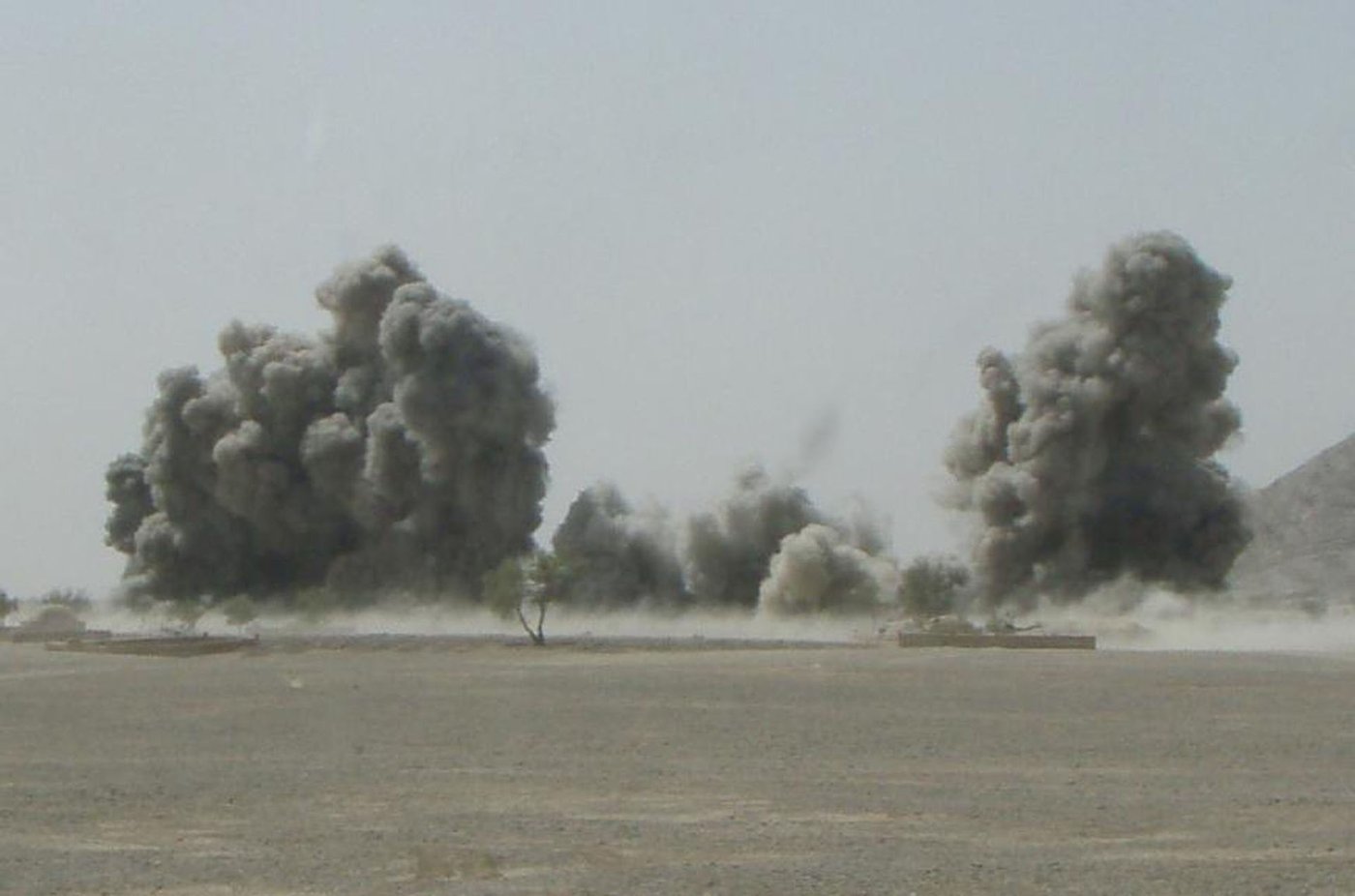
The arsenal suffered significant attrition during the US-UK bombing campaign. American B-2 Spirit stealth bombers struck underground missile storage facilities in October 2024, and CENTCOM claimed the destruction of dozens of launch sites, radar installations, and weapons caches. In a single interdiction in July 2025, US forces seized more than 750 tons of Iranian-origin materiel — including missile components, drone parts, and small arms — from a vessel bound for Houthi-controlled ports, according to CENTCOM’s public affairs office.
But the Houthis demonstrated throughout the Red Sea campaign that their arsenal is replenishable. Iran’s supply chain to Yemen — overland through Oman, by sea through the Indian Ocean — proved resilient against interdiction efforts. The Small Wars Journal assessed in December 2025 that the Houthis had effectively pioneered a “non-state multi-drone operational model” that could sustain high-tempo operations despite losses. Reports also suggested the movement was acquiring hydrogen fuel cells to extend drone flight times and altitude ceilings.
The question, then, is not whether the Houthis can fight. It is why they have chosen not to — and the answer lies not in their military limitations but in their political ambitions.
The Oman Backchannel and Saudi Arabia’s Quiet Détente
The relationship between Saudi Arabia and the Houthis has undergone a transformation that receives almost no international attention. What was once the Middle East’s most destructive bilateral conflict — a Saudi-led coalition intervention that killed over 150,000 people, according to the Armed Conflict Location and Event Data Project — has evolved into an Omani-brokered diplomatic channel that both sides appear determined to preserve.
The détente began in earnest in April 2023, when a Saudi delegation led by Ambassador Mohamed Saeed al-Jaber arrived in Sanaa for direct talks with Houthi leaders. Media coverage at the time noted the “warm hugs and smiles” exchanged between Saudi officials and Houthi negotiators — a remarkable image given that Saudi aircraft had been bombing Houthi positions for eight years. Five months later, in September 2023, Houthi representatives made their first announced visit to Riyadh, where they met Saudi Defence Minister Prince Khalid bin Salman — the brother of Crown Prince Mohammed bin Salman and the official most directly associated with the prosecution of the Yemen war.
The International Crisis Group described these meetings as “the most substantive back-channel peace talks” since the conflict began. The discussions covered prisoner exchanges, the reopening of Sanaa airport, and a broader framework for a political settlement. Progress stalled after October 2023, when the Houthis’ Red Sea campaign complicated diplomatic dynamics, but the underlying channel through Muscat was never severed.
For the Houthis, entering the 2026 Iran war against Saudi Arabia would destroy this channel entirely. It would force Mohammed bin Salman to reopen the Yemen front — something Riyadh has spent three years and considerable diplomatic capital avoiding. The Saudi-Houthi border has been quiet since 2022. Houthi drones no longer target Saudi airports or Aramco facilities, as they did during the most intense period of the Yemen war. This calm has a price, and the Houthis understand that joining Iran’s war would eliminate it overnight.
Saudi Arabia’s own wartime strategy depends partly on the continuation of this Houthi restraint. With Iranian drones and missiles striking Riyadh, Shaybah, Prince Sultan Air Base, and Ras Tanura, the last thing Saudi defence planners need is a second front from Yemen. The Houthis know this — and their silence is, in part, a message to Riyadh: we kept our side of the unwritten bargain. Remember that when this is over.
The Proxy Loyalty Stress Test
The Houthi case exposes a structural weakness in Tehran’s proxy model that has implications far beyond Yemen. Iran’s regional strategy has long depended on the assumption that proxy forces — Hezbollah, the Houthis, the Popular Mobilisation Forces in Iraq, and various Palestinian factions — will act as force multipliers when called upon. The 2026 war provides the first real test of that assumption under extreme conditions. The results are mixed.
A framework for evaluating proxy loyalty under stress reveals why some proxies fight and others hold back. Five variables determine whether a proxy will answer its patron’s call: economic dependency, territorial stakes, institutional development, diplomatic alternatives, and domestic legitimacy. The interaction of these variables produces predictable outcomes.
| Variable | Hezbollah | Houthis | Iraqi PMF |
|---|---|---|---|
| Economic dependency on Iran | High ($700M+/yr) | Medium ($100-200M/yr) | Low (Iraqi state budget) |
| Territorial stakes in conflict | High (Israeli border) | Low (no direct threat) | Medium (US bases) |
| Institutional development | High (but within Lebanon) | Very High (de facto state) | Medium (embedded in state) |
| Diplomatic alternatives | Limited | Extensive (Oman, Saudi, UN) | Some (within Iraqi politics) |
| Domestic legitimacy at risk | High (defending Lebanon) | Very High (governing 21M) | Medium |
| Response to 2026 Iran war | Active — 200+ rockets at Israel | Rhetoric only — no military action | Active — strikes on US bases |
| Loyalty score | 4/5 | 1/5 | 3/5 |
The pattern is clear. Hezbollah fights because it has direct territorial stakes (an Israeli military campaign in Lebanon), high financial dependency on Iran, and a narrative that frames the war as defending Lebanese sovereignty. The Iraqi PMF factions fight because they can target American bases on Iraqi soil — targets of convenience that serve both Iranian and domestic political objectives. The Houthis hold back because they have the most to lose: a functioning state apparatus, active diplomatic channels with multiple powers, independent revenue streams, and no direct territorial threat from the current conflict.
The Proxy Loyalty Stress Test suggests that the conventional understanding of Iran’s “axis of resistance” as a coordinated military alliance is fundamentally misleading. The axis operates not as a unified command structure but as a network of independent actors with overlapping but distinct interests. When Iran is strong, the alignment holds because following Tehran’s direction carries no cost. When Iran is weak — as it is now, having lost its supreme leader, its nuclear facilities, and much of its missile production capacity — the cost-benefit calculation shifts. Proxies with independent power bases, like the Houthis, discover that loyalty is expensive and sovereignty is priceless.
What Would Make the Houthis Join the War?
Three scenarios could push the Houthis from rhetorical solidarity to military action, though each carries escalation risks that the movement’s leadership appears determined to avoid. Understanding these tipping points is essential for assessing the war’s trajectory and the broader dynamics of the Iran conflict.
The first tipping point is a direct American or Israeli strike on Yemen. If the United States or Israel bombed Houthi positions — either pre-emptively or in response to a perceived threat — the ceasefire would be void and the Houthis would face no disincentive to retaliate. Pentagon officials are reportedly aware of this dynamic. US Central Command has maintained surveillance over Houthi missile positions since the ceasefire but has avoided provocative overflights of Sanaa, according to tracking data published by independent flight monitors.
The second tipping point is a formal Iranian request for intervention backed by the credible threat of cutting off weapons supplies. The IRGC Quds Force maintains an estimated $1-2 billion annual budget for proxy operations across the region, according to Congressional Research Service assessments. If Tehran explicitly conditioned future arms transfers on Houthi participation in the war, Abdul-Malik al-Houthi would face a painful choice: fight a war that risks everything or lose the military pipeline that sustains Ansar Allah’s deterrent capability.
The third tipping point is an escalation that directly threatens Houthi-controlled territory or the Red Sea — for instance, a Saudi or coalition decision to impose a naval blockade of Hodeidah, or an Israeli strike on Iranian assets transiting Houthi-controlled waters. The movement has consistently treated its control of the Bab al-Mandeb strait and the western Yemeni coastline as a core strategic asset. Any perceived threat to that control would trigger a response.
None of these tipping points has been reached. The United States has not struck Yemen. Iran has not issued an ultimatum — and given the IRGC’s own decimated command structure following the 28 February strikes that killed Supreme Leader Khamenei and 48 senior commanders, it may lack the organisational capacity to do so. And no actor has threatened the Houthis’ territorial position. As long as these conditions hold, the restraint will continue.
The Axis of Resistance Is an Alliance of Convenience
The conventional narrative — repeated in Western policy circles, Israeli intelligence assessments, and much of the analytical commentary on the 2026 war — holds that Iran commands a disciplined network of proxy forces that act in concert against shared enemies. The Houthis’ restraint exposes this narrative as a fiction. The “axis of resistance” is not a military alliance. It is a brand.
This is the war’s most underappreciated revelation. Iran’s proxy model was designed for a world in which proxies had no independent options. Hezbollah in the 1980s and 1990s existed in a security vacuum — it needed Iranian money, weapons, and training to survive, and it operated in a Lebanese state too weak to constrain it. The early Houthis similarly depended on IRGC patronage to survive Saudi airstrikes. The Iraqi militias needed Iranian support to fight the Islamic State when the Iraqi army collapsed in 2014.
But the conditions that created these dependencies have changed. Hezbollah’s engagement in the current war reflects not just Iranian direction but Lebanese domestic politics: the organisation’s legitimacy depends on being seen to defend Lebanon against Israeli aggression, which is now escalating toward a ground invasion. The Iraqi PMF factions attack American bases because it serves their domestic political positioning within Iraqi factional competition, not because Tehran issued an order. And the Houthis hold fire because doing so serves their state-building project — a project that has been more successful than any Iranian strategist intended.
The Foreign Policy analysis published on 11 March put it starkly: “The rational calculus, for the moment, is that subjugating Yemenis is safer than fighting Americans.” The Houthis govern through a combination of ideological mobilisation and coercion. Their ability to maintain control depends on projecting both strength and stability. Joining a war that would bring American bombers back over Sanaa — and potentially Saudi forces back across the border — threatens both.
The Stimson Center’s March analysis framed the choice in equally direct terms: the Houthis must decide between joining Iran’s war and preserving their own power. The Atlantic Council noted that by 7 March, the movement had released only three official declarations in response to the war, each characterised by “a more disciplined and subdued tone” that read as “political and emotional statements in favour of Iran rather than practical and military solidarity.”
That calculus shifted dramatically on March 14, when senior Houthi officials declared military alignment with Iran and signalled “Hour Zero” for coordinated operations targeting the Bab al-Mandab Strait.
The pattern across Iran’s proxy network reveals something that should concern Tehran far more than any American airstrike: the axis of resistance works when Iran is winning. When Iran is losing — when its leader is dead, its nuclear facilities are destroyed, and its military is absorbing punishment it cannot reciprocate — the proxies make their own calculations. And those calculations increasingly favour self-preservation over solidarity.
Does Houthi Restraint Make Saudi Arabia Safer or More Vulnerable?
Houthi restraint eliminates Saudi Arabia’s most dangerous second front in the short term but creates a strategic ambiguity that could prove more dangerous over time. The Kingdom is simultaneously relieved and unnerved by Ansar Allah’s silence — because silence from a force this powerful is not the same as peace.
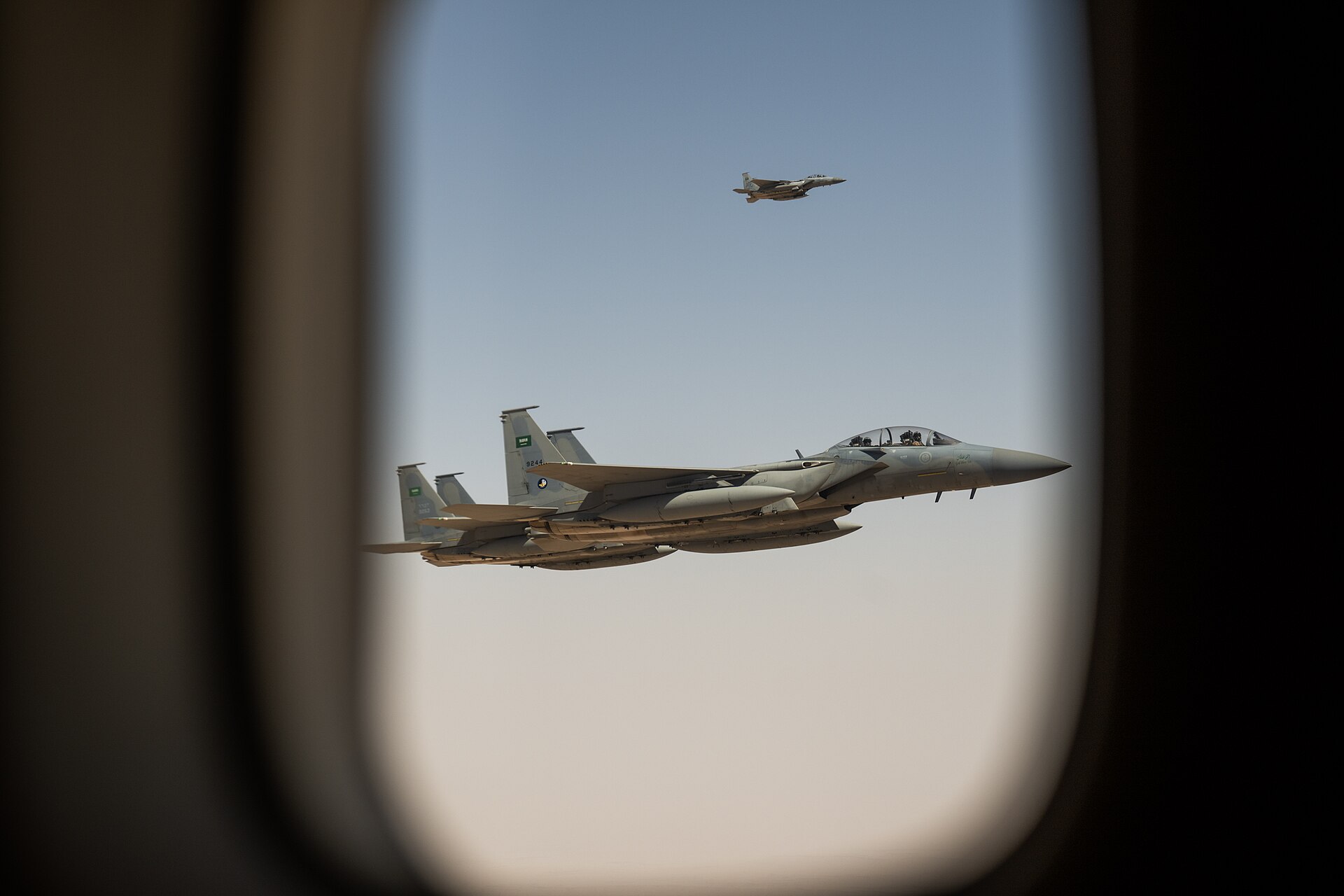
The immediate benefits are quantifiable. Saudi air defences intercepted 51 drones and multiple ballistic missiles on 13 March alone — all from Iranian launch sites or Iraqi militia positions. If the Houthis added their own drone and missile capabilities to this barrage, the Royal Saudi Air Defence Force would face a geometrically more complex threat picture. Iranian drones approach from the northeast. Houthi drones would approach from the south and southwest, exploiting the Kingdom’s geographical vulnerability — a 1,900-kilometre border with Yemen that Saudi Arabia spent $22 billion fortifying between 2015 and 2023, according to defence procurement data compiled by the Stockholm International Peace Research Institute.
The Houthis’ Red Sea position adds another dimension. Saudi Arabia has rerouted crude oil exports to the Red Sea port of Yanbu through the East-West pipeline to bypass the Strait of Hormuz blockade. If the Houthis resumed attacks on Red Sea shipping — or specifically targeted Saudi tankers departing Yanbu — Riyadh would lose its last functioning export route. The economic consequences would dwarf anything Iran’s direct strikes have achieved.
| Threat Vector | Iran (Active) | Houthis (Restrained) | Combined (Hypothetical) |
|---|---|---|---|
| Drone attacks per day (avg.) | 30-50 | 0 | 60-100+ |
| Ballistic missile threats | 3-5/day | 0 | 8-15/day |
| Approach vectors | Northeast (Iran, Iraq) | South, Southwest (Yemen) | 270-degree threat arc |
| Oil export routes threatened | Eastern ports, Hormuz | Red Sea, Yanbu, Bab al-Mandeb | All routes |
| Border exposure | Minimal (no land border) | 1,900 km land border | Full perimeter |
Saudi defence planners are aware of this vulnerability. The Kingdom has maintained its military posture along the Yemeni border even as it redirects air defence assets to counter Iranian threats from the northeast. Pakistan’s deployment of air defence troops to Saudi Arabia, announced this week, may partly reflect Riyadh’s need to free up Saudi forces currently guarding the southern frontier.
The longer-term concern is more subtle. Houthi restraint is transactional, not permanent. Every day the Houthis hold fire while Iran attacks Saudi Arabia, they accumulate leverage. When the war ends — and it will end — the Houthis will present their bill. They will seek Saudi recognition of their government in Sanaa, the permanent lifting of the coalition blockade, financial reconstruction assistance, and a formal peace agreement on terms far more favourable than anything they could have extracted while fighting. The silence is not free. It is an investment.
Three Scenarios for Yemen’s Next Move
The strategic ambiguity of Houthi restraint cannot last indefinitely. As the war grinds through its second week and toward a third, pressures from Tehran, from within the movement’s own rank and file, and from the shifting military dynamics of the broader conflict will force Abdul-Malik al-Houthi into a definitive choice. Analysts at the Mokha Center for Strategic Studies — a Yemen-focused research group — noted that the internal debate within Ansar Allah has intensified since 8 March, when Iranian strikes began hitting Saudi civilian areas. Hardline commanders with direct IRGC connections argue that inaction is betrayal. The political leadership around Mohammed Ali al-Houthi, who manages the movement’s governing apparatus, counters that survival trumps solidarity. The outcome of that internal contest will shape not only Yemen’s future but the entire post-war order in the Arabian Peninsula.
The calculus grew more volatile on Friday when Israel struck Tehran’s Ferdowsi Square during the Al-Quds Day rally, an attack on a religious gathering during Ramadan that could provide exactly the kind of emotional trigger the Houthi leadership would use to justify re-entering the conflict.
The Houthis’ response to the remainder of the Iran war will follow one of three trajectories, each with distinct implications for Saudi Arabia, the Gulf states, and the broader conflict.
Scenario one: continued restraint through the end of hostilities. This is the most probable outcome and the one that best serves Ansar Allah’s interests. The Houthis maintain rhetorical solidarity with Iran while avoiding any military action that could breach the 2025 ceasefire or provoke Saudi retaliation. When the war ends, they emerge as the only member of the “axis of resistance” that preserved its power structure intact — a position that gives them enormous leverage in post-war negotiations with both Riyadh and Washington. Probability: 60 percent.
Scenario two: calibrated escalation short of full entry. The Houthis begin conducting limited provocations — increased military exercises near the Saudi border, naval movements in the Bab al-Mandeb, or low-level harassment of commercial shipping not flagged to the United States — designed to extract concessions without triggering a full military response. This scenario becomes more likely if the war drags on and Iranian pressure on the Houthis intensifies, or if the broader economic disruption creates opportunities the Houthis can exploit. Probability: 25 percent.
Scenario three: full entry into the war. The Houthis launch missiles at Saudi Arabia, resume Red Sea shipping attacks, and formally declare their participation in Iran’s conflict. This outcome requires a triggering event — most likely a direct strike on Houthi territory, a catastrophic collapse of Iran that threatens the entire axis, or an Iranian ultimatum backed by the credible threat of severing the weapons pipeline. The consequences would be severe for all parties: Saudi Arabia would face a two-front war, the Houthis would lose their ceasefire protections and diplomatic standing, and the conflict would expand into a theatre that the United States has spent the past year trying to stabilise. Probability: 15 percent.
| Scenario | Probability | Saudi Oil Exports | Southern Border | Post-War Leverage |
|---|---|---|---|---|
| Continued restraint | 60% | Red Sea route secure | Stable | Houthis gain maximum diplomatic capital |
| Calibrated escalation | 25% | Red Sea at risk | Heightened alert | Houthis test boundaries, seek concessions |
| Full entry | 15% | All export routes compromised | Active conflict | Catastrophic for all parties |
The critical variable across all three scenarios is time. Every additional day of restraint raises the cost of entry for the Houthis — because each day that passes without military action makes the decision to fight harder to justify domestically, harder to execute operationally (forces at rest lose readiness), and harder to explain to a population that has spent three years recovering from war. The Houthis’ silence is becoming self-reinforcing. The longer it lasts, the more likely it is to hold.
There is a historical parallel worth noting. In 1991, when the United States led a coalition to liberate Kuwait from Iraqi occupation, Yemen — then unified under President Ali Abdullah Saleh — sided with Saddam Hussein. The decision was catastrophic: Saudi Arabia expelled 800,000 Yemeni workers virtually overnight, devastating Yemen’s economy for a generation. Abdul-Malik al-Houthi was a teenager in Sa’dah when that expulsion reshaped Yemeni politics. He remembers what happens when Yemen picks the wrong side in a Gulf war. The lesson appears to be informing his calculation today.
“The rational calculus, for the moment, is that subjugating Yemenis is safer than fighting Americans.”
Foreign Policy, 11 March 2026
Frequently Asked Questions
Are the Houthis still attacking ships in the Red Sea in 2026?
No. Since the May 2025 ceasefire between the United States and the Houthis, Ansar Allah has not conducted attacks on commercial shipping in the Red Sea or the Bab al-Mandeb Strait. The ceasefire committed both sides to stop targeting each other and guaranteed freedom of commercial navigation, though it explicitly excluded attacks on Israeli-linked vessels. As of March 2026, the ceasefire has held.
Why don’t the Houthis attack Saudi Arabia to help Iran?
The Houthis have spent a decade building a de facto state in northern Yemen — controlling ministries, ports, tax collection, and diplomatic channels. Attacking Saudi Arabia would collapse the Omani-brokered détente with Riyadh, invite the resumption of coalition airstrikes, and risk the institutional infrastructure that gives Ansar Allah its governing legitimacy. The movement has calculated that preserving its state-like power is more valuable than demonstrating solidarity with Tehran through military action.
Could the Houthis close the Red Sea to Saudi oil exports?
The Houthis possess anti-ship cruise missiles, one-way attack drones, naval mines, and unmanned surface vessels capable of threatening maritime traffic through the Bab al-Mandeb Strait and the southern Red Sea. Saudi Arabia currently relies on the Red Sea port of Yanbu to export crude oil bypassing the closed Strait of Hormuz. If the Houthis resumed attacks, they could theoretically disrupt this alternative route, though doing so would breach the 2025 ceasefire and almost certainly trigger a massive US military response.
What is the 2025 US-Houthi ceasefire?
The ceasefire was announced on 6 May 2025 following Omani mediation. Under its terms, the Houthis agreed to stop attacking US vessels and commercial shipping, while the United States agreed to halt airstrikes on Yemen. President Trump claimed the Houthis “capitulated,” while the Houthis said the US “backed down.” The deal effectively gave Ansar Allah diplomatic recognition as a negotiating counterpart of Washington — arguably the most significant political gain in the movement’s history.
Is Iran losing control of its proxy network?
The 2026 war has revealed significant cracks in Iran’s proxy model. While Hezbollah has engaged actively and Iraqi militias have struck US bases, the Houthis — Iran’s most militarily capable proxy outside Lebanon — have chosen restraint. This suggests that Iran’s ability to coordinate proxy action depends on alignment of interests rather than command authority. Proxies with independent revenue streams, territorial control, and diplomatic alternatives are increasingly making autonomous strategic decisions that diverge from Tehran’s preferences.