
RIYADH — Saudi Arabia’s air defenses intercepted three ballistic missiles targeting Riyadh Province and shot down nearly sixty Iranian drones across the kingdom on Sunday, the Ministry of Defense said, in what officials described as the largest single-day aerial assault on Saudi territory since the Iran war began on February 28. No casualties were reported from the interceptions, but the scale of the attack — combining ballistic missiles aimed at the Saudi capital with coordinated drone waves targeting Eastern Province oil infrastructure — represented a significant escalation in Tehran’s campaign of retaliation against Gulf states hosting American military assets.
The attacks came as tensions between Riyadh and Tehran reached their lowest point in three years, following Saudi Arabia’s expulsion of Iran’s military attaché and four embassy staff the previous day. Ministry of Defense spokesman Brigadier General Turki al-Maliki said all three ballistic missiles had been “intercepted and destroyed,” with one engaged directly over Riyadh and two falling in uninhabited desert areas east of the capital. Initial assessments found no damage from debris, according to the ministry.
Table of Contents
- Three Ballistic Missiles Target Riyadh Province
- What Hit the Eastern Province on Sunday?
- Why Were Drones Flying Across the Empty Quarter Toward Shaybah?
- Diplomatic Fallout Deepens as Embassy Staff Expelled
- How Has Saudi Arabia’s Air Defense Network Performed?
- Trump’s 48-Hour Ultimatum Looms Over the Gulf
- The Cumulative Toll of Three Weeks of Iranian Strikes
- What Comes Next for Saudi Air Defense?
- Frequently Asked Questions
Three Ballistic Missiles Target Riyadh Province
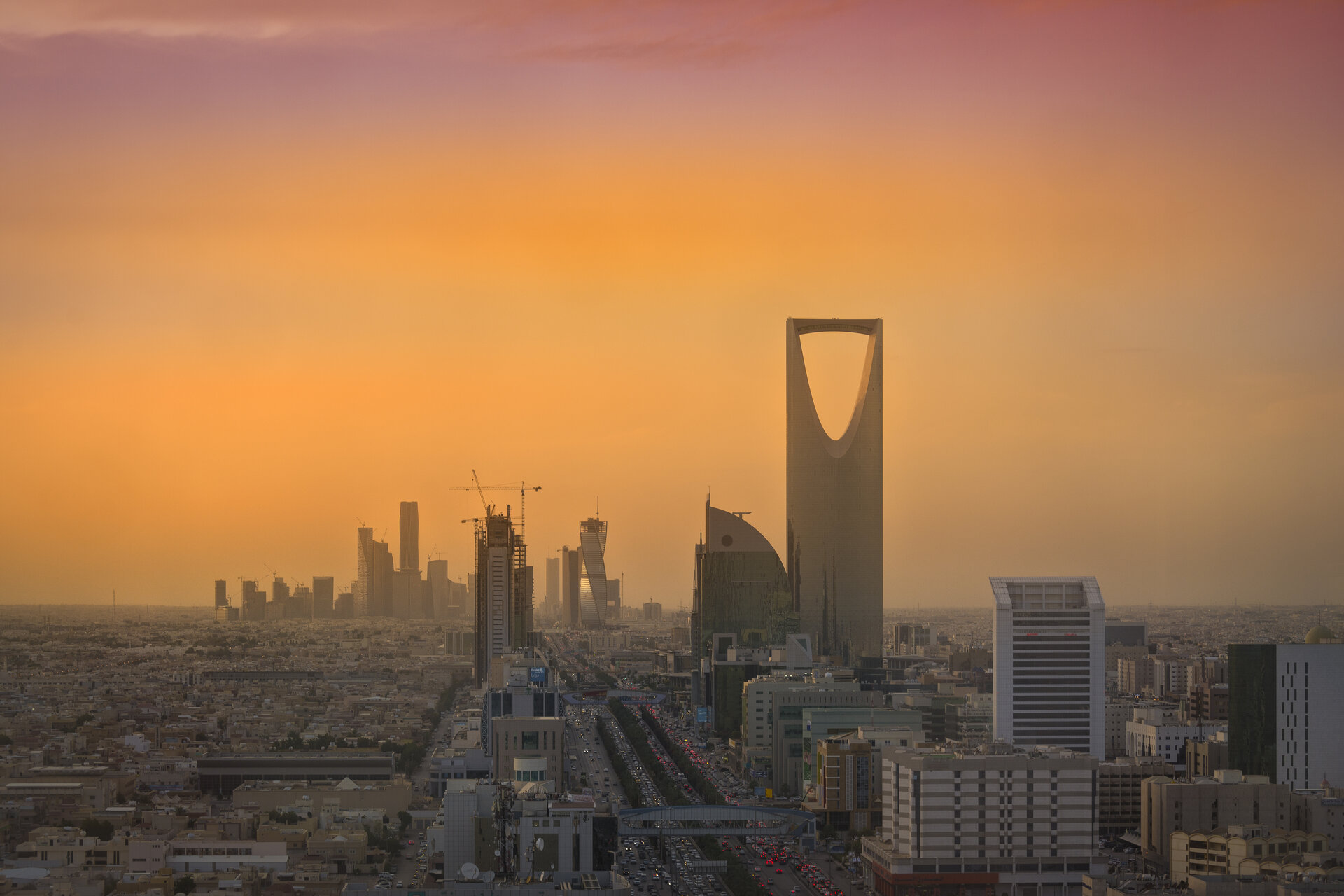
The Saudi Ministry of Defense reported detecting three ballistic missiles launched toward Riyadh Province early Sunday morning. Brigadier General al-Maliki told state media that one missile was intercepted directly above the Riyadh metropolitan area, while the remaining two were tracked on descent trajectories into uninhabited zones east of the capital, where they impacted without causing damage or casualties.
The ballistic missile strike on the capital followed a similar pattern to previous attacks. On March 18, Saudi air defenses intercepted eight ballistic missiles launched toward Riyadh, with four people reported injured from debris, according to Al Arabiya. On March 6, three ballistic missiles targeting Prince Sultan Air Base in al-Kharj, approximately 100 kilometres south of Riyadh, were also successfully intercepted, the Qatar News Agency reported.
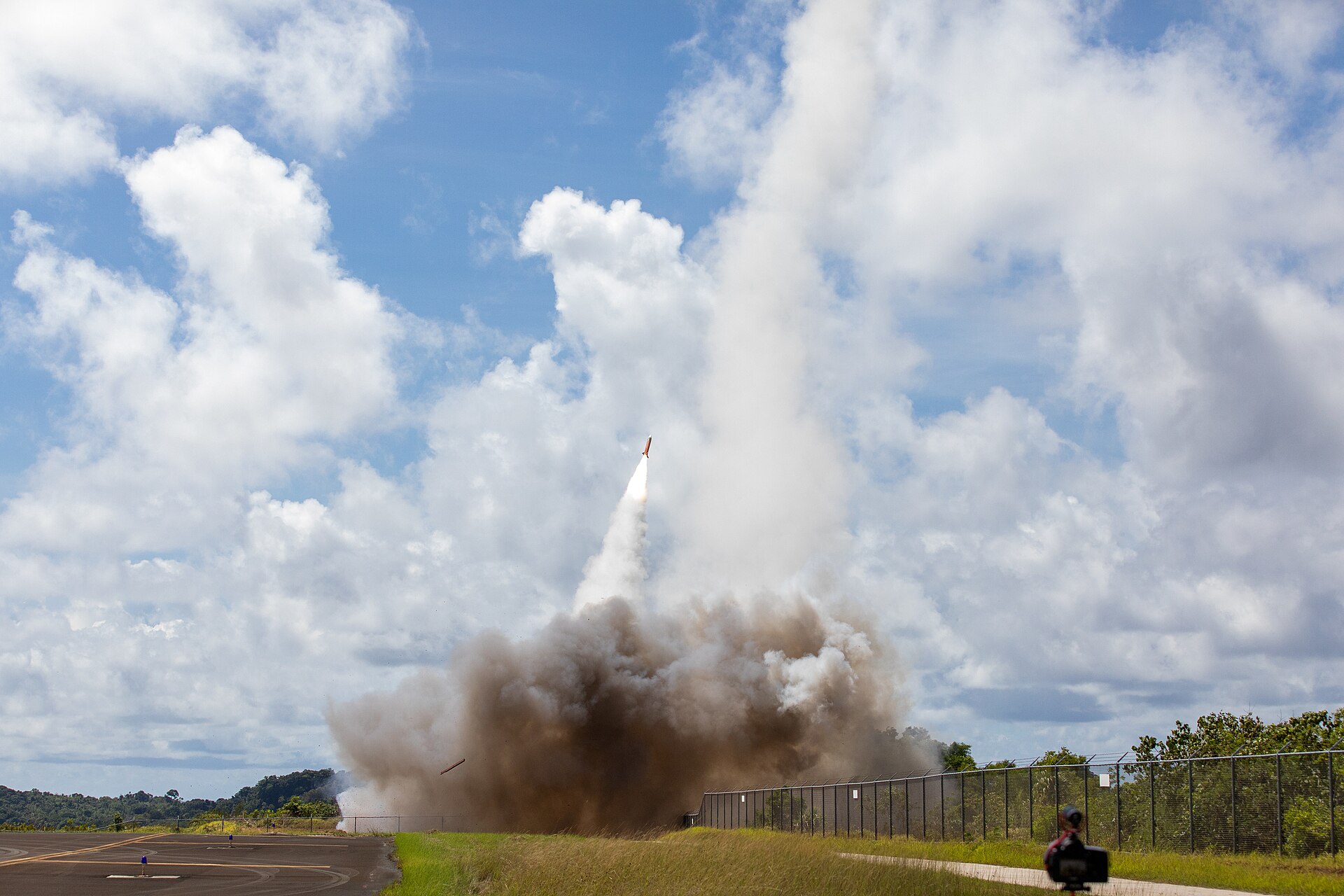
The missiles represent Iran’s most capable retaliatory weapons. Western intelligence assessments cited by Reuters have identified the projectiles fired at Riyadh as variants of the Emad and Ghadr medium-range ballistic missiles, with ranges exceeding 1,700 kilometres and warheads weighing approximately 750 kilograms. These weapons fly at speeds that can exceed Mach 10 during their terminal descent phase, giving air defense operators only minutes to detect, track, and engage each incoming threat.
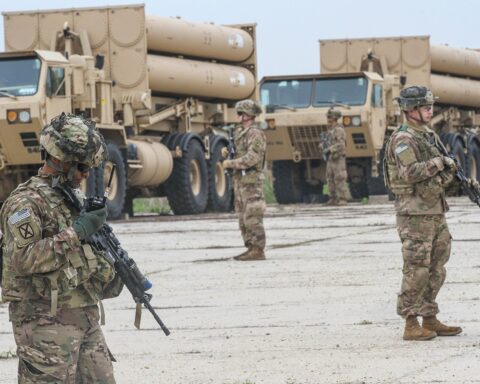
Saudi Arabia’s capital is defended by a layered network of American-supplied Patriot PAC-3 batteries and Terminal High Altitude Area Defense (THAAD) systems. The Patriot PAC-3 interceptor is designed specifically for ballistic missile threats, using hit-to-kill technology that destroys warheads through direct kinetic impact rather than proximity detonation. Each successful interception over a populated area like Riyadh costs an estimated $4 million to $6 million per interceptor, according to the Center for Strategic and International Studies.
What Hit the Eastern Province on Sunday?
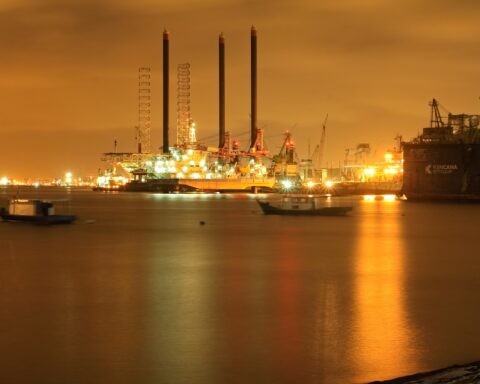
Saudi air defenses shot down approximately 60 Iranian drones across the kingdom on Sunday, according to Al Jazeera, with the majority targeting energy infrastructure in the Eastern Province. Brigadier General al-Maliki described the drone assault as arriving in multiple coordinated waves, with the largest single wave consisting of 38 drones intercepted within a three-hour window over the Eastern Province.
The ministry provided a breakdown of the interceptions. Eighteen drones were shot down over the Eastern Province in the primary wave targeting oil installations. Two drones were destroyed while approaching the al-Safarat diplomatic neighbourhood in Riyadh. One drone was downed near the Diplomatic Quarter. Five additional drones were intercepted in the Empty Quarter while on course toward the Shaybah oil field, more than 800 kilometres from the nearest Iranian launch point.
The Eastern Province is home to the world’s largest concentration of oil production and processing infrastructure. Saudi Aramco’s Abqaiq processing facility alone handles approximately 7 million barrels per day of crude stabilisation capacity, while the Ras Tanura terminal — the world’s largest offshore oil loading facility — sits within range of the low-cost Iranian drones that have tested Gulf air defenses since the war began. The Dhahran-Dammam-Jubail industrial corridor represents roughly 12 percent of global oil supply infrastructure, according to the International Energy Agency.
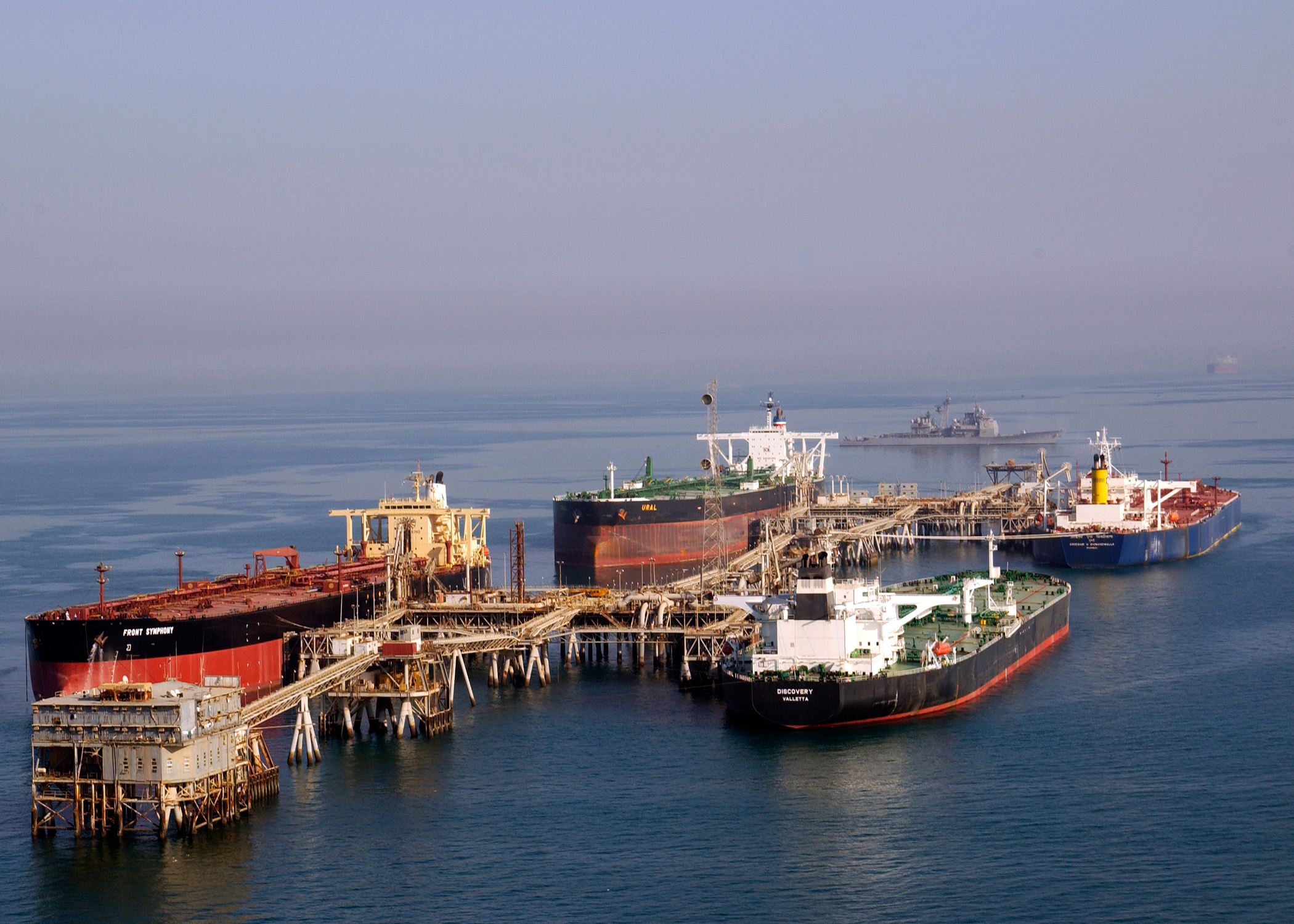
Sunday’s drone barrage brought the total number of Iranian drones intercepted over Saudi territory since February 28 to more than 700, according to figures compiled from daily Ministry of Defense statements. Aramco, already facing its largest operational crisis in history, has shifted significant production and export capacity to the Red Sea port of Yanbu via the East-West pipeline, though that facility was itself struck by an Iranian drone on March 19.
Why Were Drones Flying Across the Empty Quarter Toward Shaybah?
Five of Sunday’s intercepted drones were detected transiting the Rub’ al-Khali — the Empty Quarter — on flight paths converging on the Shaybah oil field, one of Saudi Arabia’s most remote and strategically significant production facilities. The field, located approximately 800 kilometres from the nearest Iranian launch sites and surrounded by some of the most inhospitable desert terrain on Earth, produces roughly one million barrels of natural gas liquids and crude oil per day, Reuters reported.
The targeting of Shaybah represents a persistent tactical problem for Saudi air defenses. The Empty Quarter offers drones a low-observable approach route with minimal radar coverage, forcing the Royal Saudi Air Defense to maintain forward-deployed radar pickets and interceptor teams deep in the desert. Previous attacks on Shaybah — including a Houthi drone strike in August 2019 that ignited a fire at a natural gas liquids facility — demonstrated the vulnerability of isolated energy assets to asymmetric threats.
Bloomberg reported on March 7 that Saudi Arabia had intercepted drones heading toward Shaybah on at least four separate occasions since the war began, suggesting the field remains a priority target for Iran’s Islamic Revolutionary Guard Corps (IRGC) drone units. Each Shaybah-bound drone must fly for several hours across open desert, making early detection possible but interception expensive — a cost asymmetry that has defined the broader air defense challenge facing the Gulf states.
Diplomatic Fallout Deepens as Embassy Staff Expelled
Sunday’s military escalation followed Saturday’s announcement that Saudi Arabia had declared Iran’s military attaché, his assistant, and three embassy staff members persona non grata, giving them 24 hours to leave the kingdom. The Saudi Foreign Ministry cited “repeated and blatant Iranian attacks on the territory of the Kingdom of Saudi Arabia” as justification for the expulsion, according to Al Jazeera.
Saudi Foreign Minister Prince Faisal bin Farhan, speaking at a meeting of Gulf and allied foreign ministers in Riyadh on March 19, said trust with Iran had been “completely shattered” by the attacks. “What little trust there was before has completely been shattered,” Prince Faisal told reporters, according to The National. “If Iran doesn’t stop immediately, there will be almost nothing that can re-establish that trust.”
The expulsion represented the most significant rupture in Saudi-Iranian diplomatic relations since the two countries restored ties in a China-brokered deal in March 2023. That agreement, which saw embassies reopen in both capitals after a seven-year break, was hailed at the time as a landmark in regional de-escalation. Three years later, the rapprochement has been undone in three weeks.
Qatar followed Saudi Arabia’s lead on the same day, ordering Iran’s military and security attachés and their staff to leave the country within 24 hours, following an Iranian attack on the Ras Laffan liquefied natural gas facility, one of the world’s largest. The coordinated Gulf diplomatic response suggested a level of behind-the-scenes coordination among Gulf Cooperation Council members, Reuters reported.
How Has Saudi Arabia’s Air Defense Network Performed?
Saudi Arabia’s multi-layered air defense network has intercepted more than 700 drones and an estimated 25 ballistic missiles since February 28, according to Ministry of Defense statements compiled by the Alma Research and Education Center. No ballistic missile has struck a populated area, and no energy infrastructure has sustained critical damage from drone attacks — though the Yanbu SAMREF refinery suffered limited damage from a drone on March 19 that briefly halted crude oil loadings at the Red Sea port.
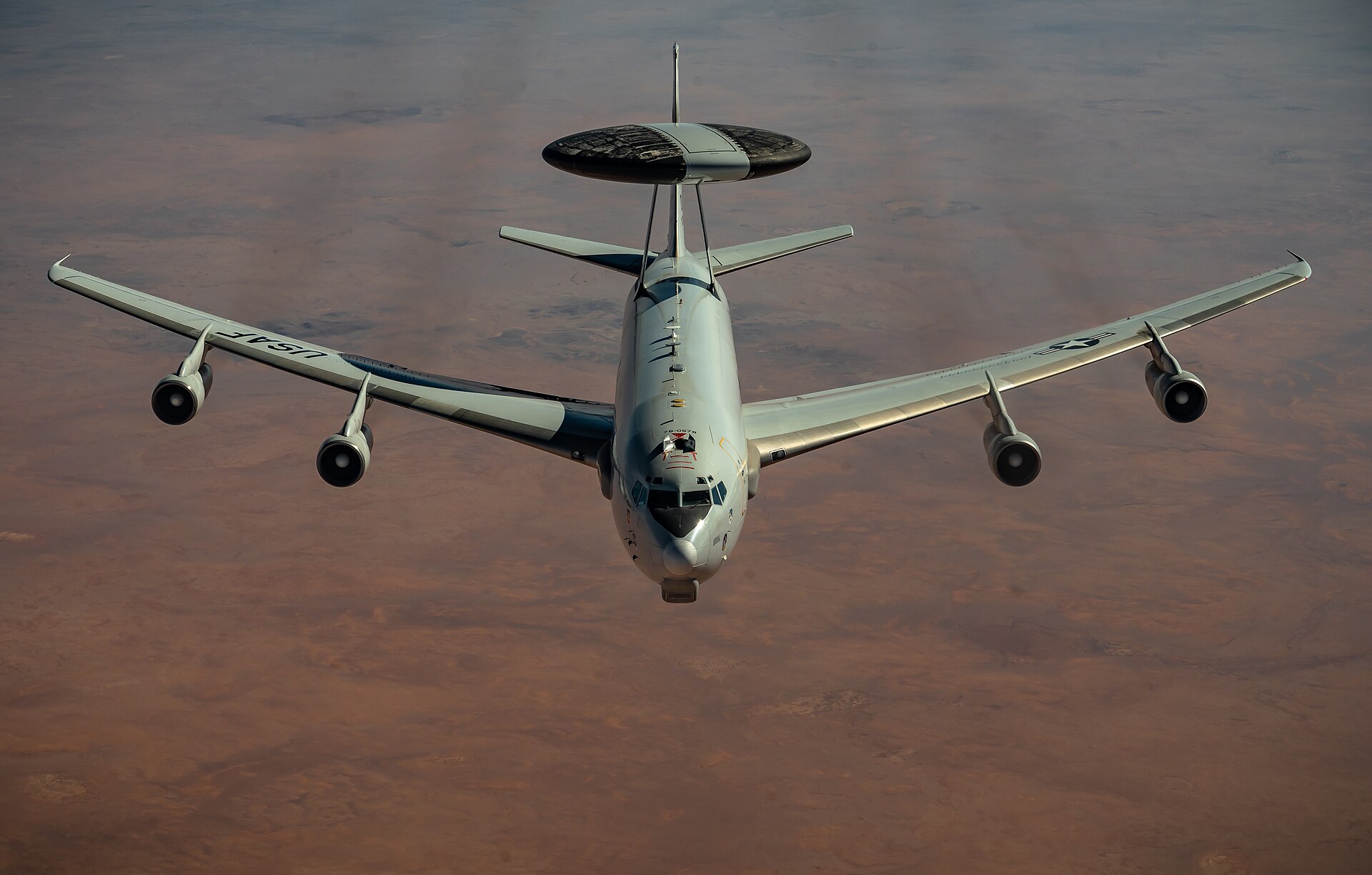
The kingdom’s air defense architecture relies on several overlapping systems. THAAD batteries, capable of intercepting ballistic missiles at altitudes exceeding 150 kilometres, provide the outer layer against medium-range threats. Patriot PAC-3 systems handle lower-altitude ballistic missile engagement and high-flying drones. Shorter-range systems, including Oerlikon Skyshield guns and electronic warfare jammers, address the low-and-slow drone threat that constitutes the bulk of daily attacks.
Bahrain, which operates a smaller but similarly structured air defense network, reported intercepting a cumulative 143 missiles and 242 drones as of March 22, Al Jazeera reported. The combined Gulf interception numbers underscore the scale of Iran’s retaliatory campaign — and the rate at which both sides are consuming expensive guided munitions. Each Patriot PAC-3 interceptor costs approximately $4 million, while each Iranian Shahed-136 drone costs an estimated $20,000 to $50,000 to produce, according to CSIS and IISS estimates.
The cost disparity between attack and defense has prompted concern among Western military analysts. A single day like Sunday, with 60 drone engagements and three ballistic missile interceptions, could consume upward of $30 million in interceptor munitions. Iran, by contrast, may have spent less than $3 million on the drones it launched, according to analysis by the International Institute for Strategic Studies. The economic sustainability of this asymmetry has emerged as one of the war’s defining strategic questions.
Trump’s 48-Hour Ultimatum Looms Over the Gulf
Sunday’s attacks unfolded against the backdrop of an escalating standoff between Washington and Tehran over the Strait of Hormuz. US President Donald Trump posted on Truth Social at 7:44 p.m. ET on Saturday, March 22, threatening to “hit and obliterate” Iran’s power plants if the Strait of Hormuz was not fully reopened within 48 hours, CBS News reported. The deadline would expire at approximately 7:44 p.m. ET on Monday, March 24.
“If Iran doesn’t FULLY OPEN, WITHOUT THREAT, the Strait of Hormuz, within 48 HOURS from this exact point in time, the United States of America will hit and obliterate their various POWER PLANTS, STARTING WITH THE BIGGEST ONE FIRST!” Trump wrote, according to the Washington Post.
Iran’s military responded by threatening to close the Strait of Hormuz “completely” — ending the selective passage arrangement that had allowed some ships from countries including India, China, and Japan to transit the waterway. Iran’s parliament speaker warned of “irreversible” destruction to regional infrastructure if power plants were attacked, while the military threatened to target “energy, information technology, and desalination infrastructure” across the Gulf, CNN reported.
The strait, through which approximately 20 percent of the world’s oil supply transits in normal conditions, has been effectively closed to most commercial traffic since early March. Only 21 tankers have transited the route since the war began, compared with more than 100 ships daily before the conflict, according to CNBC. Oil prices have surged above $100 per barrel from a pre-war level of approximately $65, creating a mutual economic hostage situation between American military power and Iranian energy leverage.
The Cumulative Toll of Three Weeks of Iranian Strikes
The March 22 attacks marked day 23 of the Iran war, which began on February 28 when the United States and Israel launched Operation Epic Fury against Iranian military facilities, nuclear sites, and leadership targets. Supreme Leader Ali Khamenei was killed in the opening strikes. His son, Mojtaba Khamenei, was elected as his successor on March 8.
Iran has retaliated against Gulf states hosting American military assets, launching more than 2,000 missiles and drones toward Saudi Arabia, the UAE, Bahrain, Qatar, and Kuwait since the war began, according to Al Jazeera. At least 20 civilians have been killed across the Gulf region, with dozens more injured. Iran’s Ministry of Health reported more than 1,500 deaths and 20,984 injured within Iran as a result of US and Israeli strikes, according to the Al Jazeera day 23 summary.
| Category | Confirmed Total | Source |
|---|---|---|
| Ballistic missiles intercepted | ~25 | Saudi MOD statements |
| Drones intercepted | 700+ | Saudi MOD statements |
| Civilian casualties | 4+ injured | Al Arabiya |
| Infrastructure damage | 1 refinery (limited) | Reuters (Yanbu SAMREF) |
| Oil export disruption | Yanbu briefly halted | Reuters, BOE Report |
| Diplomatic staff expelled | 5 | Saudi Foreign Ministry |
The conflict has drawn military contributions from multiple countries. A Greek Patriot battery deployed to Saudi Arabia intercepted Iranian missiles over the kingdom on March 19, the first time a NATO ally’s air defense system engaged Iranian weapons on Saudi soil. British RAF jets, French military assets, and Pakistani troops and air defense systems have also been deployed to the Gulf in support of Saudi Arabia’s defense, according to the UK government and Al Arabiya.
The war’s impact on Saudi Arabia extends beyond military statistics. The attack on Yanbu’s SAMREF refinery demonstrated that even the kingdom’s Red Sea bypass routes — designed as alternatives to Hormuz-dependent export terminals — face direct threats. Aramco has been forced to manage what analysts at Goldman Sachs described as the company’s largest operational crisis, juggling production shifts, pipeline rerouting, and damaged facilities while maintaining output commitments to global customers.
What Comes Next for Saudi Air Defense?
The sustainability of Saudi Arabia’s air defense operations depends on three variables: interceptor resupply, the pace of Iranian attacks, and the potential expansion of the conflict if Trump follows through on his power grid ultimatum. Each variable compounds the others — an attack on Iranian power plants could trigger the kind of total Hormuz closure and infrastructure-targeting campaign that would strain Saudi air defenses beyond their current operational tempo.
The US State Department approved an emergency arms transfer to Gulf states valued at $16 billion, including Patriot PAC-3 interceptors, THAAD rounds, and advanced radar components, Bloomberg reported on March 20. Secretary of State Marco Rubio bypassed standard Congressional notification requirements to expedite the deliveries. Manufacturing constraints, however, mean that Raytheon and Lockheed Martin — the primary Patriot and THAAD contractors — cannot replenish spent interceptors at the rate they are being consumed in combat, according to defense analysts at CSIS. Lockheed Martin produces approximately 500 PAC-3 MSE interceptors per year under peacetime contracts. At the current consumption rate of roughly 10 to 15 interceptors per day across the Gulf theatre, the kingdom could exhaust existing stockpiles within months absent a ceasefire or a significant production acceleration.
Saudi Arabia signed a $5 billion agreement to manufacture Chinese combat drones at a new facility in Jeddah on March 11, in what analysts described as a hedge against supply chain dependence on Western manufacturers. The deal, with China’s state-owned AVIC consortium, would give the kingdom a domestic drone production capability for the first time, reducing reliance on imported systems for both offensive and defensive operations.
Saudi Arabia’s Crown Prince Mohammed bin Salman has reportedly urged President Trump to “keep hitting the Iranians hard,” according to White House officials who spoke to the New York Times on March 16. At the same time, Saudi Arabia has not conducted retaliatory strikes of its own against Iran, maintaining what analysts describe as a posture of active defense — absorbing attacks while relying on the American-Israeli military campaign to degrade Iran’s offensive capabilities at their source.
Whether that calculation changes if Iran escalates to targeting desalination infrastructure — the water supply for approximately 70 percent of Saudi Arabia’s population — remains the kingdom’s most consequential unresolved security question. Prince Faisal’s statement that Saudi Arabia “reserves the right to respond militarily” left the door open to direct Saudi strikes on Iranian territory, a step that would represent the most significant Saudi military offensive since the Yemen intervention in 2015.
Frequently Asked Questions
How many drones has Saudi Arabia shot down since the Iran war began?
Saudi Arabia’s Ministry of Defense has reported intercepting more than 700 Iranian drones since the conflict began on February 28, 2026, according to figures compiled from daily official statements. The drones include variants of the Shahed-136 and other Iranian-produced unmanned aerial vehicles, most targeting Eastern Province energy infrastructure and the capital Riyadh.
Were there any casualties from the March 22 missile and drone attacks?
No casualties were reported from the March 22 attacks, according to the Saudi Ministry of Defense. Brigadier General Turki al-Maliki said initial damage assessments found no significant impact from intercepted missile debris or drone fragments. The only confirmed casualties from Iranian missile attacks on Saudi Arabia during the entire war were four people injured by debris on March 18.
What air defense systems does Saudi Arabia use against Iranian missiles?
Saudi Arabia operates a multi-layered air defense network including American-supplied THAAD (Terminal High Altitude Area Defense) systems for high-altitude ballistic missile threats, Patriot PAC-3 batteries for lower-altitude missile and drone engagement, and shorter-range systems including Oerlikon Skyshield guns and electronic warfare jammers for low-flying drone threats. A Greek-operated Patriot battery has also been deployed to the kingdom.
Why is Iran attacking Saudi Arabia?
Iran launched retaliatory strikes against Gulf states — including Saudi Arabia, the UAE, Bahrain, Qatar, and Kuwait — following the US-Israeli Operation Epic Fury that began on February 28, 2026. Iran targeted these countries because they host American military bases and assets used in the campaign against Iranian territory. Saudi Arabia’s King Fahd Air Base has been used by US forces conducting strikes on Iran, according to multiple reports.
Has Saudi Arabia attacked Iran directly?
As of March 22, Saudi Arabia has not conducted direct retaliatory strikes against Iranian territory. The kingdom has maintained a posture of active defense, relying on air defense systems to intercept incoming threats while the US-Israeli military campaign targets Iranian military capabilities. Saudi Foreign Minister Prince Faisal bin Farhan stated that Saudi Arabia “reserves the right to respond militarily” if attacks continue.