
RIYADH — Saudi Arabia has spent an estimated $700 billion on defence over the past decade, purchasing the most advanced fighter jets, missile interceptors, and surveillance systems that American industry can produce. Yet ten days into the Iran war, a single order from Washington to evacuate non-emergency personnel from the Kingdom has exposed an uncomfortable truth that no amount of money can obscure: the country that bought the world’s most expensive arsenal cannot independently fire, maintain, or resupply the weapons it owns. The American kill switch is not a hypothetical lever. It is being tested, in real time, under Iranian fire.
Saudi Arabia’s defence dependency on the United States represents the most consequential strategic vulnerability in the Gulf today. According to the Stockholm International Peace Research Institute, 74 percent of Saudi arms imports between 2020 and 2024 came from a single country — the United States. The Patriot batteries intercepting Iranian ballistic missiles require American technicians to maintain. The F-15SA fighters flying combat air patrols depend on Raytheon and Boeing contractors for avionics support. The THAAD systems protecting Riyadh run on software that Lockheed Martin controls. What follows is an examination of how the Kingdom reached this point, what it would take to break free, and why the Iran war may ultimately force the most significant defence industrial transformation in Saudi history.
Table of Contents
- How Dependent Is Saudi Arabia on American Weapons?
- What Happens When American Technicians Leave?
- How Fast Is the Kingdom Burning Through Its Interceptor Stockpile?
- The Defence Sovereignty Matrix
- Can SAMI and GAMI Close the Gap in Time?
- Why Did $700 Billion Buy a Military That Cannot Arm Itself?
- Which Nations Have Escaped Western Arms Dependency?
- Is the Iran War the Best Thing That Ever Happened to Saudi Defence Industry?
- What Does Washington’s Kill Switch Look Like in Practice?
- How the Next Twelve Months Will Reshape Saudi Defence Forever
- Frequently Asked Questions
How Dependent Is Saudi Arabia on American Weapons?
The scale of Saudi Arabia’s reliance on American defence equipment is without parallel among major military powers. Between 2015 and 2019, the Kingdom held the position of the world’s largest arms importer, according to SIPRI. It has since slipped to fourth place in the 2020–2024 period, behind Ukraine, India, and Qatar — but the decline reflects delivery cycles, not a strategic pivot away from American hardware. The dependency has, if anything, deepened.
SIPRI’s latest data, published in March 2025, reveals that 74 percent of Saudi Arabia’s arms imports during the 2020–2024 period originated from the United States. Spain accounted for 10 percent, France for 6.2 percent, and the remaining 9.8 percent was divided among a handful of other suppliers. No other major military power in the world concentrates its procurement so heavily on a single foreign supplier. The November 2025 pledge of $1 trillion in Saudi investment to the United States deepens that dependency further still.
| Supplier | Share of Saudi Imports (%) | Key Systems Delivered |
|---|---|---|
| United States | 74.0 | Patriot PAC-3, THAAD, F-15SA, AH-64 Apache, M1A2 Abrams |
| Spain | 10.0 | A330 MRTT tanker aircraft |
| France | 6.2 | Naval systems, CAESAR howitzers |
| United Kingdom | 4.1 | Eurofighter Typhoon support, BAE maintenance contracts |
| Others | 5.7 | Various systems from South Korea, Turkey, China |
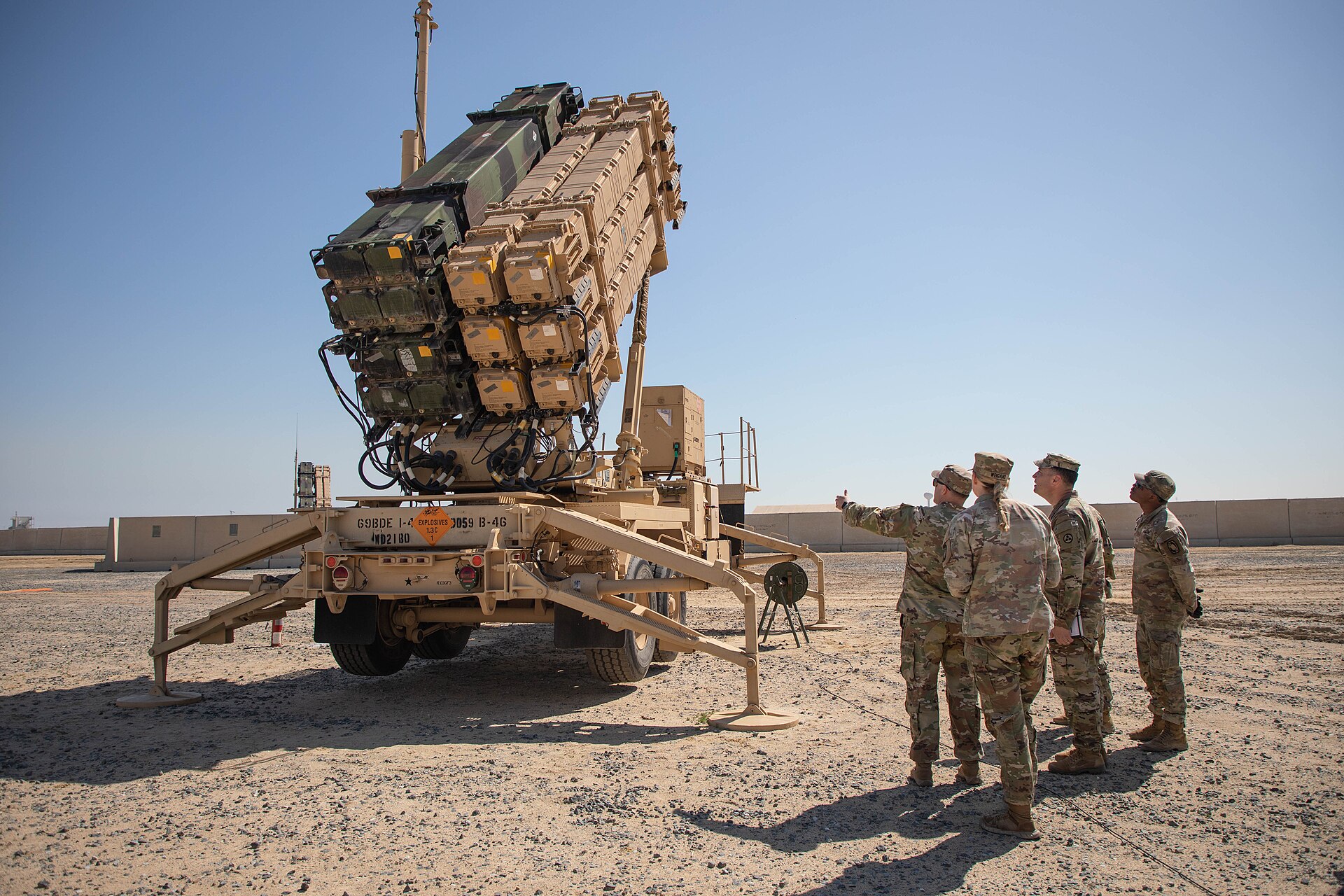
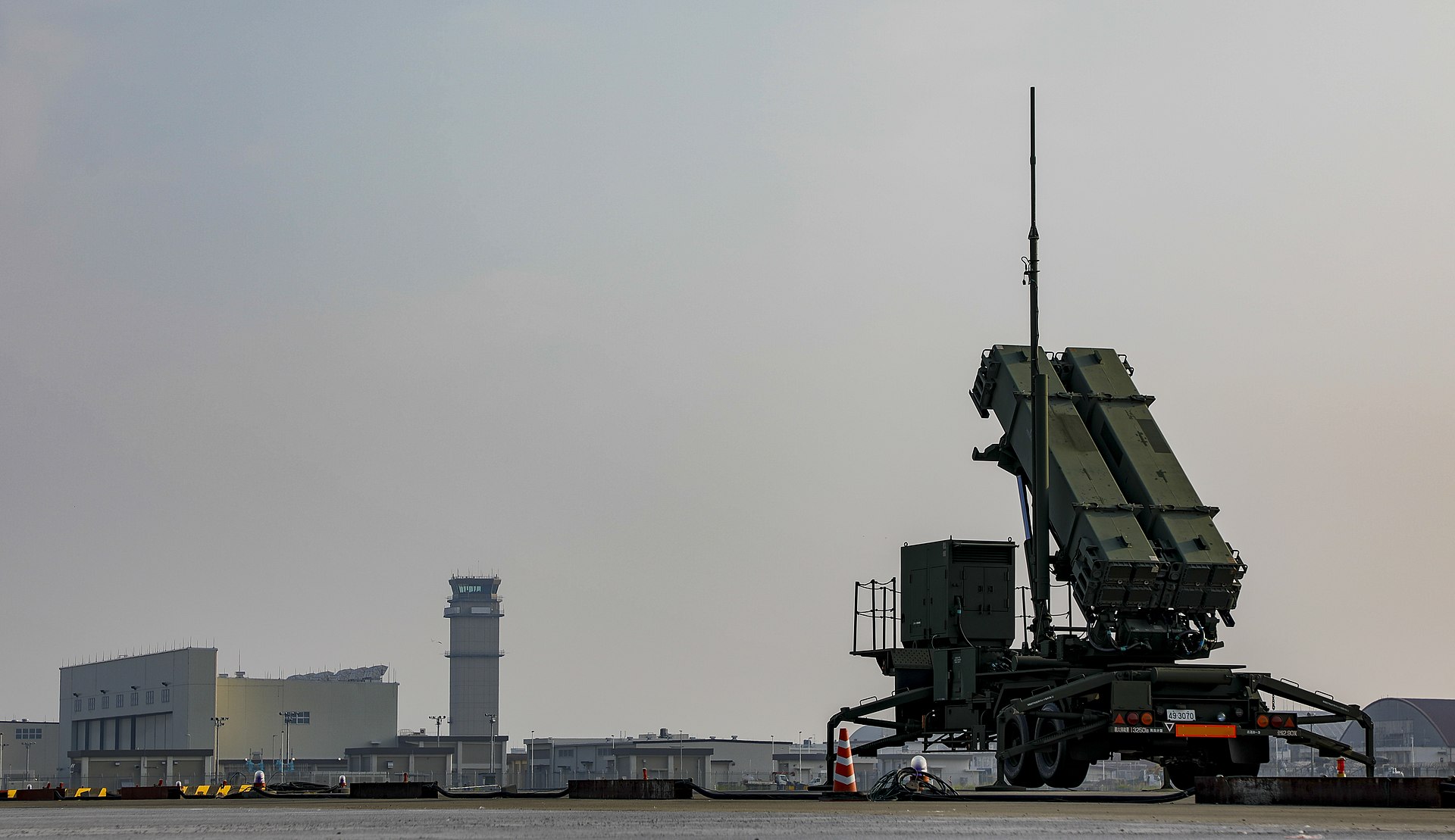
The concentration is even more pronounced in the systems that matter most in the current conflict. Every Patriot battery defending Saudi airspace is American-made. Every THAAD launcher protecting Riyadh and the Eastern Province oil infrastructure was manufactured by Lockheed Martin. The Saudi air defence network that has been absorbing Iranian missile and drone strikes since March 1 is, in its entirety, a product of the American defence industrial base.
The landmark 2017 arms agreement signed by President Donald Trump and King Salman was announced at $110 billion in immediate deals with a potential value of $350 billion over a decade. The reality was more modest. Defence News reported that only approximately $34.6 billion in actual foreign military sales notifications materialised between 2017 and 2025. In January 2026 — just weeks before the war began — Saudi Arabia placed an order for 730 PAC-3 MSE interceptors worth approximately $9 billion, one of the largest single interceptor purchases in history.
What Happens When American Technicians Leave?
On March 9, 2026, the United States ordered non-emergency government personnel to leave Saudi Arabia as the Iran war continued to escalate across the Gulf. The order covered embassy and consular staff, but it sent a tremor through the defence establishment for a reason that few officials would discuss publicly: the Kingdom’s most advanced weapons systems depend on thousands of American contractors who may be next.
The exact number of US defence contractor personnel in Saudi Arabia is not publicly disclosed, but estimates from industry analysts range between 6,000 and 10,000 across Raytheon (now RTX Corporation), Lockheed Martin, Boeing, General Dynamics, and BAE Systems. These are not advisory roles. They are operational positions. American technicians perform scheduled maintenance on Patriot radar systems, calibrate THAAD fire-control software, manage the integrated battle management command-and-control architecture, and troubleshoot F-15SA avionics packages that Royal Saudi Air Force mechanics are not certified to touch.
The vulnerability this creates is not theoretical. During the 2019 Abqaiq-Khurais drone and cruise missile attack, which temporarily knocked out half of Saudi oil production, the Pentagon rushed additional Patriot batteries and technical personnel to the Kingdom. The response highlighted a structural truth: Saudi Arabia could not independently surge its own air defence capacity. It needed American equipment and the American hands trained to operate it.
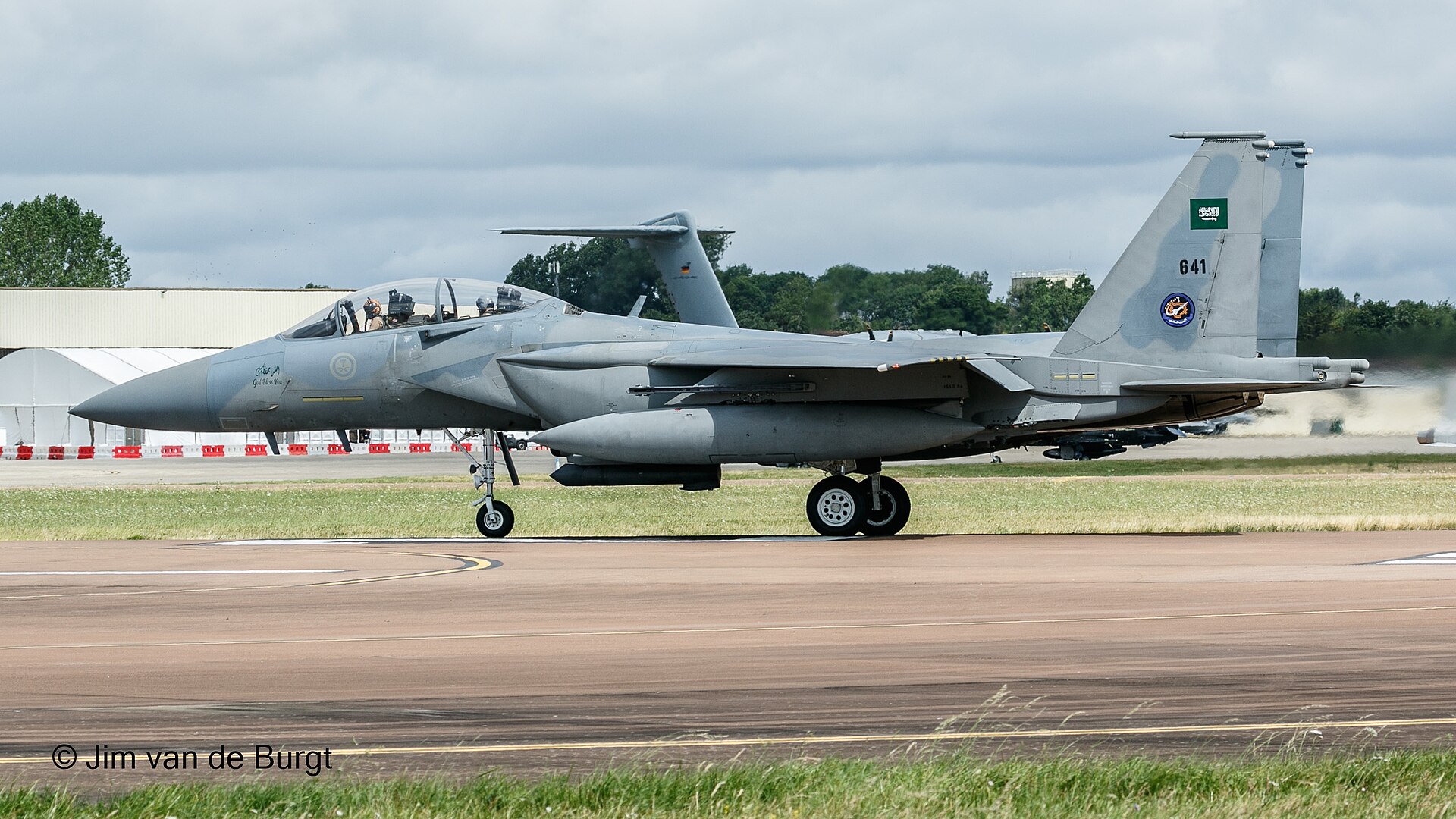
The dependency extends beyond air defence into every branch of the Saudi military. The lethal consequences of this integration were underscored when an Iranian ballistic missile strike on Prince Sultan Air Base killed Army Sergeant Benjamin Pennington, the seventh American service member to die in Operation Epic Fury and the first on Saudi soil. The Royal Saudi Air Force’s fleet of 84 F-15SA Strike Eagles — purchased from Boeing for $29.4 billion — requires American contractor teams for depot-level maintenance, engine overhauls, and software upgrades to the AN/APG-63(V)3 active electronically scanned array radar. The Royal Saudi Navy’s frigate and corvette programmes include long-term maintenance contracts with American and European shipbuilders. Even the Army’s M1A2 Abrams tanks, deployed along the Yemeni border, depend on General Dynamics Land Systems for hull and turret repairs that exceed Saudi workshop capabilities.
The scale of foreign technical presence in the Kingdom is itself a strategic vulnerability. These contractors live in guarded compounds, travel under security escorts, and are subject to evacuation orders that Saudi Arabia cannot countermand. When the US State Department issues a departure order, Lockheed Martin and Raytheon comply — regardless of what the Saudi Defence Ministry wants. The Kingdom pays billions for systems it nominally owns but cannot fully control.
A former senior US defence official, speaking to the Center for Strategic and International Studies in 2024, described the relationship bluntly: “The Saudis can push the launch button. But if the radar goes down, if the fire-control system throws an error code, if the software needs a patch — they call Raytheon. And Raytheon sends an American.”
The Iran war has tested this dependency more severely than any previous crisis. With Mohammed bin Salman managing three simultaneous fronts — military, diplomatic, and economic — the potential withdrawal of American technical support creates a fourth front that the crown prince cannot control.
How Fast Is the Kingdom Burning Through Its Interceptor Stockpile?
The arithmetic of missile defence in the current conflict is punishing. Since the war began on February 28, Iran has launched over 500 ballistic and cruise missiles and nearly 2,000 drones at targets across the Gulf, according to Fars News Agency. The Saudi Defence Ministry has reported intercepting multiple waves daily — 15 drones in a single engagement over Riyadh on March 8, three ballistic missiles near Prince Sultan Air Base on March 6, and two cruise missiles east of Al Jouf on March 5.
Each PAC-3 MSE interceptor costs approximately $4 million. Each THAAD interceptor costs between $12 million and $15 million. Iran’s Shahed-136 drones, by contrast, cost an estimated $20,000–$50,000 each. The cost asymmetry is well documented, but the stockpile depletion rate is not.
At least one Gulf state reportedly ran low on interceptors within four days of the war beginning, according to defence analysts monitoring the conflict. Production of PAC-3 MSE missiles at Lockheed Martin’s Camden, Arkansas facility reached approximately 620 units in 2025 — a record year. But that annual output can be consumed in weeks during sustained combat operations. THAAD interceptor production is even more constrained, with only 11 to 12 units produced per year.
| System | Unit Cost | Annual Production (2025) | Estimated Wartime Use (10 days) | Days of Supply at Current Rate |
|---|---|---|---|---|
| PAC-3 MSE | $4 million | ~620 | 150–300 | 20–40 |
| THAAD | $12–15 million | ~12 | 8–15 | 8–15 |
| Iran Shahed-136 (drone) | $20,000–50,000 | ~3,000–5,000 | 600–800 | N/A (attacker) |
The January 2026 order for 730 PAC-3 MSE interceptors was prescient but insufficient. Lockheed Martin’s current production line cannot deliver 730 missiles quickly enough to sustain operations at the rate they are being consumed. The Pentagon and Lockheed Martin announced a “transformative partnership” in January 2026 to scale production from approximately 600 to 2,000 interceptors per year — but the ramp-up timeline extends to 2030. The war is happening now.
This production bottleneck means that Saudi Arabia’s interceptor reserves are a finite resource that cannot be domestically replenished. Every missile fired at an incoming Iranian drone is a missile that can only be replaced by an American factory operating on an American timeline.
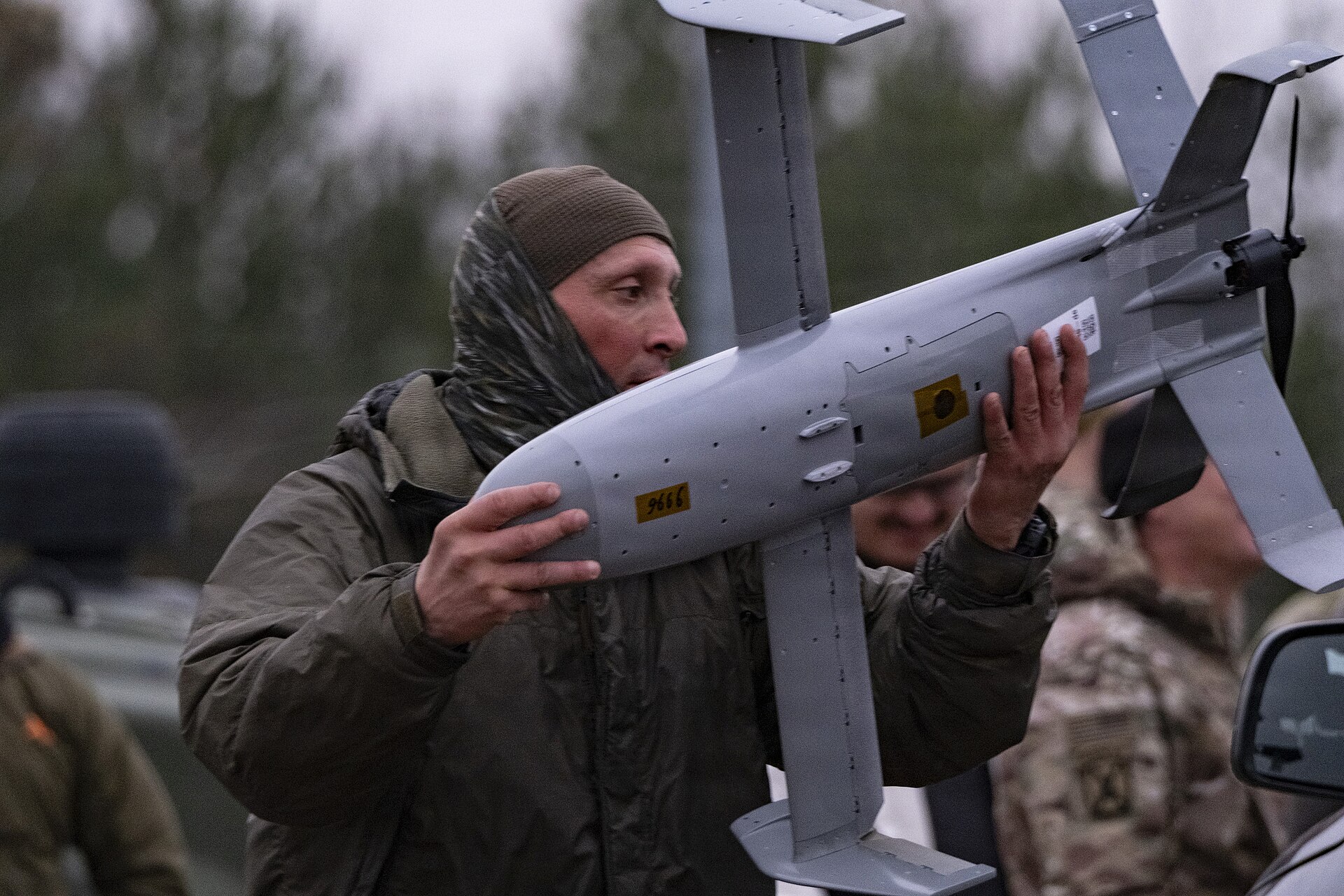
The interceptor stockpile crisis has driven Gulf states toward unconventional solutions, including Ukraine’s offer to deploy counter-drone expert teams equipped with low-cost interceptor drones that cost as little as $1,000 each.
The IRGC has stated publicly that it possesses sufficient missile and drone stocks to sustain attacks across the Middle East for up to six months. If that claim is even partially accurate, the mismatch between Iranian offensive capacity and the coalition’s defensive resupply rate becomes the defining constraint of the conflict. Saudi Arabia could, in a scenario where the war drags into April or May, face the impossible choice of rationing interceptors — deciding which incoming threats to engage and which to let through — or accepting degraded air defence coverage over lower-priority installations.
Four THAAD AN/TPY-2 radar sites have already been struck across the Arabian Peninsula since the war began, degrading the sensor backbone that feeds targeting data to both THAAD and Patriot batteries. Replacing these radar units requires manufacturing lead times measured in months, not days. The sensor network that Saudi Arabia relies on to detect incoming ballistic missiles is being attrited faster than it can be restored — a reality that compounds the interceptor stockpile problem and creates cascading vulnerabilities across the entire integrated air defence architecture.
The Defence Sovereignty Matrix
Saudi Arabia’s defence dependency is not a single vulnerability but a network of interconnected dependencies that compound each other. Across five dimensions of defence sovereignty — manufacturing, maintenance, resupply, research and development, and component supply chains — the Kingdom faces challenges of varying severity. Understanding where the gaps are widest reveals where the risk is greatest.
| Dimension | Current Capability | Self-Sufficiency (1–5) | Critical Gap | Time to Close |
|---|---|---|---|---|
| Manufacturing | Light vehicles, small arms, some munitions, UAV assembly | 1.5 | Cannot produce fighter aircraft, missile systems, or naval combatants | 15–20 years |
| Maintenance | Basic servicing; complex repairs require foreign contractors | 2.0 | Patriot, THAAD, F-15 avionics require US-certified technicians | 5–10 years |
| Resupply | Zero domestic interceptor production; all missiles imported | 0.5 | Entire interceptor supply chain is foreign-controlled | 10–15 years |
| Research & Development | King Abdulaziz City for Science and Technology; early-stage programmes | 1.0 | No indigenous missile or advanced radar R&D capability | 15–25 years |
| Component Supply Chain | Some electronics assembly; semiconductors, propellants, alloys imported | 1.0 | Dependent on foreign suppliers for 95%+ of critical components | 20+ years |
The matrix reveals that resupply — the ability to replace expended munitions — is the most acute vulnerability, scoring just 0.5 out of 5. Saudi Arabia cannot manufacture a single Patriot interceptor, THAAD missile, or precision-guided munition. Every round fired must be replaced from foreign inventories. In a sustained conflict, this is an existential constraint.
Maintenance scores marginally better at 2.0, reflecting the Kingdom’s ability to perform routine servicing on some platforms. But the critical systems — the ones being used in combat right now — remain dependent on foreign technical support. Manufacturing scores 1.5, reflecting SAMI’s growing but still nascent production capabilities, which remain concentrated in light vehicles and small arms rather than the advanced platforms that dominate modern warfare.
The matrix also highlights a temporal dimension that strategic planners in Riyadh cannot ignore: even under the most optimistic scenarios, achieving meaningful self-sufficiency in the highest-priority dimensions — resupply and R&D — will take a decade or more. The war is not going to wait.
Can SAMI and GAMI Close the Gap in Time?
Saudi Arabian Military Industries, established in 2017 under the patronage of Mohammed bin Salman, was designed to be the vehicle through which the Kingdom would break its defence dependency. Seven years later, the results are simultaneously impressive and wholly inadequate for the challenge the Iran war has created.
SAMI’s growth trajectory has been remarkable in percentage terms. Revenue surged from $20 million in 2020 to $690 million in 2021, and the company now claims a backlog exceeding $10 billion in contracts. By the end of 2025, SAMI employed more than 7,000 people, 73 percent of them Saudi nationals. Under Defence Minister Prince Khalid bin Salman’s direction, the company launched SAMI Land Co. and SAMI Autonomous Co., began constructing a land systems facility in Al Kharj, and initiated the HEET indigenous military vehicle programme.
The General Authority for Military Industries reported that defence spending localisation reached 24.89 percent by the end of 2024, up from 19.35 percent in 2023 and targeting over 50 percent by 2030. Those numbers represent genuine progress — but they also reveal the scale of the remaining gap. Three-quarters of Saudi military spending still flows to foreign suppliers.
| Year | Localisation Rate (%) | Gap to 50% Target | Key Milestones |
|---|---|---|---|
| 2017 | ~2 | 48 | SAMI established; GAMI created |
| 2020 | ~8 | 42 | SAMI revenue $20M; initial joint ventures |
| 2023 | 19.35 | 30.65 | SAMI backlog exceeds $5B |
| 2024 | 24.89 | 25.11 | SAMI Land, Autonomous subsidiaries launched |
| 2025 | ~28 (est.) | ~22 | Al Kharj facility nearing completion; 7,000+ employees |
| 2030 Target | 50+ | 0 | Vision 2030 milestone |
The problem is not pace. GAMI has more than doubled the localisation rate since 2020. The problem is category. The systems being localised are overwhelmingly in the lower tiers of military capability — light armoured vehicles, small-calibre ammunition, military uniforms, base maintenance services. The systems that matter in the current war — air defence interceptors, fire-control radars, electronic warfare suites, advanced munitions — remain entirely imported.
SAMI’s 7,000 employees are dwarfed by the scale of the companies it depends on. Lockheed Martin alone employs over 116,000 people. RTX Corporation (formerly Raytheon) employs approximately 185,000. The knowledge base, institutional expertise, and manufacturing infrastructure that these companies have built over seven decades cannot be replicated in seven years, regardless of the budget.
Why Did $700 Billion Buy a Military That Cannot Arm Itself?
The question is not rhetorical. Between 2015 and 2024, Saudi Arabia’s cumulative military expenditure exceeded $680 billion, according to SIPRI and International Institute for Strategic Studies data. That figure places the Kingdom among the top five military spenders globally in every year of the period. Yet the spending produced a military that is, by any structural measure, incapable of prosecuting or sustaining a major conflict without continuous foreign support.
Three factors explain the paradox. The first is the purchasing model itself. Saudi Arabia has historically acquired weapons through foreign military sales, a government-to-government procurement channel administered by the US Defense Security Cooperation Agency. FMS purchases come with American training, American maintenance contracts, and American operational doctrine. The system is designed to create interoperability with US forces. It also creates dependency by design — a feature, not a bug, from Washington’s perspective.
The second factor is the absence, until recently, of any serious defence industrial policy. Before SAMI’s creation in 2017, Saudi Arabia had no strategic framework for building a domestic defence manufacturing base. The Kingdom purchased weapons the way it purchased luxury goods: off the shelf, from the most prestigious brands, with no requirement for technology transfer or local production. The offset programmes that other major importers like India and Turkey demanded as conditions of purchase were either weak or unenforced in Saudi contracts.
The third factor is human capital. Building a defence industrial base requires more than factories and investment. It requires tens of thousands of engineers, metallurgists, software developers, systems integrators, and programme managers with specific domain expertise. Saudi Arabia’s education system has not historically produced graduates in these fields at the scale or quality required. SAMI’s achievement of 73 percent Saudi workforce composition is notable, but many of these employees are in administrative or junior technical roles, not in the advanced engineering positions that drive weapons system development.
A related factor is the nature of technology transfer agreements — or the lack thereof. When India purchases weapons systems from foreign suppliers, it routinely demands licensed production, technology sharing, and the right to modify and maintain systems independently. Turkey followed the same model, building its defence industry through decades of increasingly ambitious co-production arrangements. Saudi Arabia’s procurement history contains far fewer such arrangements. The Kingdom’s purchases have tended to be turnkey acquisitions: finished products delivered with training packages and contractor support, but without the underlying technical knowledge to reproduce or deeply modify the systems.
The result is a military that, by expenditure, rivals European NATO powers but, by industrial capability, resembles a first-generation arms importer. France spends roughly $56 billion annually on defence and can design, build, and maintain nuclear submarines, stealth aircraft, satellite reconnaissance systems, and ballistic missiles. Saudi Arabia spends a comparable amount and cannot manufacture a single air defence interceptor. The difference is not budget. It is the century of institutional knowledge that separates a country that builds weapons from one that buys them.
Which Nations Have Escaped Western Arms Dependency?
Saudi Arabia is not the only major arms importer to recognise the strategic risk of dependency on a single supplier. Several countries have pursued deliberate strategies to diversify procurement and build domestic defence industries — with varying degrees of success. Their experiences offer both templates and cautionary tales for Riyadh.
Riyadh has wasted no time during the current conflict. In the same week it signed contracts for Ukrainian interceptor drones, reports confirmed a $5 billion agreement with China to build Wing Loong-3 combat drones in Jeddah — a deal that would embed Chinese aerospace manufacturing on Saudi soil and reduce dependence on the American kill switch that constrains the Kingdom’s existing arsenal.
India provides the most instructive comparison. Like Saudi Arabia, India was historically one of the world’s largest arms importers, with Russia and the Soviet Union accounting for the majority of its procurement. Unlike Saudi Arabia, India invested aggressively in domestic defence R&D from the 1960s onward, creating the Defence Research and Development Organisation and Hindustan Aeronautics Limited. The results took decades but are now substantial: India produces its own fighter aircraft (the Tejas LCA), main battle tank (Arjun), nuclear submarine (Arihant-class), and anti-ballistic missile system. India’s defence imports fell 44 percent between 2015–19 and 2020–24, according to SIPRI — a decline driven by growing domestic capability, not reduced demand.
Turkey offers a more recent example. Ankara’s exclusion from the F-35 programme after purchasing Russia’s S-400 air defence system accelerated an already-active defence industrialisation drive. Turkish Aerospace Industries now produces the Kaan fifth-generation stealth fighter. Baykar’s TB2 and Akinci drones have become global exports. Turkey’s defence localisation rate exceeds 80 percent. The transformation took roughly 20 years of sustained investment, political commitment, and deliberate confrontation with Washington’s preferences.
The United Arab Emirates, Saudi Arabia’s closest Gulf neighbour, has pursued a middle path. Abu Dhabi’s EDGE Group, created in 2019, has moved rapidly into autonomous systems, cyber capabilities, and precision-guided munitions. The UAE acquired Chinese Wing Loong drones and diversified its supplier base to reduce single-source dependency. While the UAE remains a major US arms customer, it has built sufficient domestic capacity to sustain operations in areas like unmanned systems without American support.
| Country | Defence Localisation Rate | Can Produce Indigenous Fighter? | Can Produce Indigenous Missile? | Primary Supplier Dependency |
|---|---|---|---|---|
| Saudi Arabia | ~25% | No | No | USA (74%) |
| India | ~65% | Yes (Tejas) | Yes (BrahMos, Akash) | Russia (36%, declining) |
| Turkey | ~80% | Yes (Kaan) | Yes (SOM, Roketsan) | Diversified (no single >30%) |
| UAE | ~35% | No (pursuing) | Partial (EDGE munitions) | USA (64%) |
| South Korea | ~75% | Yes (KF-21) | Yes (Hyunmoo, K-SAM) | USA (partner, not dependent) |
The common thread among countries that successfully reduced arms dependency is time. India’s journey took five decades. Turkey’s took two. South Korea’s took three. Saudi Arabia’s started in 2017. By any historical standard, expecting meaningful defence sovereignty within a single decade is ambitious bordering on unrealistic — particularly for the most complex systems like interceptor missiles and advanced radar.
South Korea’s experience offers particular relevance. Seoul began its defence industrialisation programme in the 1970s under Park Chung-hee, initially producing rifles and ammunition before progressively moving into armoured vehicles, naval vessels, and eventually the KF-21 Boramae fifth-generation fighter. The Korean model combined three elements that Saudi Arabia has only partially replicated: mandatory technology transfer requirements on every major foreign procurement, sustained investment in defence-related STEM education, and a deliberate strategy of partnering with — rather than simply purchasing from — American and European defence companies. Today, Hanwha Defense and Korea Aerospace Industries are globally competitive exporters. The journey took 50 years.
The UAE’s EDGE Group, despite being only six years old, has moved faster than SAMI in certain niche areas. EDGE has acquired foreign defence companies to gain instant access to technology and expertise — a strategy that SAMI has also pursued, acquiring a 50 percent stake in Advanced Electronics Company and establishing joint ventures with foreign partners. But acquisition alone does not produce the deep institutional capabilities needed for the highest-value systems. It is one thing to assemble drones from imported components. It is another to design the guidance system, write the flight-control software, and manufacture the propulsion unit.
Is the Iran War the Best Thing That Ever Happened to Saudi Defence Industry?
The conventional narrative frames the Iran war as a catastrophe for the Saudi royal family’s strategic position — exposing vulnerabilities, depleting stockpiles, and threatening the economic transformation that Vision 2030 was designed to deliver. But there is a contrarian reading of events that defence industry strategists in Riyadh are already articulating privately: nothing accelerates defence industrialisation like a real war that proves the cost of dependency in blood and treasure.
History supports this thesis. Israel’s defence industry was transformed by the 1967 and 1973 wars and the subsequent French arms embargo. The experience of dependence on foreign suppliers — and the discovery that those suppliers could cut off access at the worst possible moment — drove the creation of Israel Aerospace Industries, Rafael Advanced Defense Systems, and Elbit Systems. Today, Israel is a top-ten global arms exporter. The motivation was existential. The timeline was measured in decades, not quarters.
The Iran war is providing Saudi Arabia with a comparable existential motivation. Every interceptor that depletes the stockpile is an argument for domestic production. Every American technician who receives an evacuation order is an argument for Saudi-trained maintenance crews. Every day that Lockheed Martin’s production line cannot meet wartime demand is an argument for building a second production line in Saudi Arabia.
The worst outcome for Saudi defence independence would be a short war that ends before the dependency is fully felt. A longer conflict — terrible as it is — creates the political will, budget priority, and institutional urgency that peacetime bureaucracies never generate.
Analysis based on defence industrialisation precedents, March 2026
SAMI’s CEO has spoken publicly about the war as an accelerator. The February 2026 World Defense Show in Riyadh, held just days before hostilities began, featured announcements of expanded collaboration between SAMI and global defence companies precisely targeting the capability gaps the war has exposed — autonomous counter-drone systems, short-range air defence, and munitions production. Whether these programmes can be fast-tracked under wartime pressure is the defining question for Saudi defence planning in 2026.
The counterargument is equally compelling. Defence industrialisation cannot be rushed without unacceptable quality risks. A domestically produced interceptor that fails to hit its target is worse than an imported one that works. The gap between assembling a vehicle from imported components and designing a missile system from first principles is the gap between a workshop and an aerospace programme. Saudi Arabia is at the workshop stage. The war demands the aerospace programme now.
What Does Washington’s Kill Switch Look Like in Practice?
The phrase “kill switch” is metaphorical, but the mechanisms through which Washington could degrade Saudi military capability are concrete, documented, and have precedent. They operate across four channels, each of which can be activated independently or in combination.
The first channel is spare parts and maintenance support. US arms exports are governed by the Arms Export Control Act, which gives the President and Congress the authority to suspend or revoke export licences. If Washington decided to halt spare parts deliveries for Patriot systems, Saudi Arabia’s batteries would begin degrading within weeks as components fail and cannot be replaced. The same applies to F-15SA engines, THAAD radar modules, and Apache helicopter gearboxes.
The second channel is technical personnel. US defence contractors operate in Saudi Arabia under State Department-issued licences. These licences can be revoked or restricted, forcing companies to withdraw their employees. The March 9 evacuation order for non-emergency government personnel sets a precedent that could be extended to contractor personnel if the security situation deteriorates or if Washington makes a political decision to pressure Riyadh.
That political pressure is no longer hypothetical. Senator Lindsey Graham has publicly threatened to withdraw support for the US-Saudi mutual defense pact unless Riyadh commits its forces to the Iran campaign, raising the prospect that Congressional action could accelerate the very decoupling scenario Saudi defence planners have feared.
The third channel is ammunition resupply. Saudi Arabia cannot domestically produce interceptor missiles, precision-guided munitions, or advanced air-to-air missiles. Every round expended in combat must be replaced from American factories. Washington controls both the production priority (which allies receive deliveries first) and the export approval. During the war in Ukraine, the United States diverted Patriot batteries and interceptors from other clients to Kyiv — demonstrating that American strategic priorities, not customer contracts, determine who gets resupplied.
The fourth channel is software and intelligence. Modern weapons systems are software-intensive platforms that require regular updates, patches, and access to classified threat libraries. Patriot and THAAD systems receive software updates from their manufacturers. F-15SA targeting systems depend on intelligence feeds that flow through US-controlled networks. Cutting off software support would not immediately disable these systems, but it would progressively reduce their effectiveness as new threats emerge that the existing software cannot address.
Congress has tested these levers before. In 2019, the Senate passed bipartisan resolutions to block $8.1 billion in arms sales to Saudi Arabia over the Yemen war — resolutions that President Trump vetoed. In 2021, the Biden administration paused certain precision-guided munition sales. The pattern demonstrates that the kill switch is not merely theoretical: it is a political instrument that shifts with American domestic politics, presidential preferences, and public opinion about Saudi Arabia’s conduct.
The current Trump administration is unlikely to exercise the kill switch against Saudi Arabia under present circumstances — the strategic alignment between Washington and Riyadh on Iran is too strong. But the war will not last forever. Future administrations may view the Saudi relationship differently, particularly if the humanitarian costs of the conflict mount or if Riyadh’s diplomatic engagement with Tehran is perceived as undermining American objectives. The kill switch does not need to be pulled today to shape Saudi decision-making. Its mere existence — the knowledge in Riyadh that it could be activated at any time, by any president, for any reason — fundamentally constrains Saudi strategic autonomy in ways that $700 billion in purchases has not resolved.
The most insidious dimension of the kill switch is its deniability. Washington does not need to formally embargo Saudi Arabia. It can slow-walk export licence approvals, prioritise other customers for interceptor deliveries, delay software updates, or privately advise defence contractors to reduce their Saudi footprint. Each of these actions would degrade Saudi military capability without creating a formal diplomatic rupture. The distinction between “we are blocking your weapons” and “your order is in the production queue” is the difference between a crisis and a slow strangulation.
How the Next Twelve Months Will Reshape Saudi Defence Forever
The Iran war has created a window of necessity that Saudi defence planners have never faced. The decisions made in the next twelve months will determine whether the Kingdom enters the 2030s with the foundations of genuine defence sovereignty or remains locked into a dependency that the conflict has shown to be strategically untenable.
Three initiatives will be decisive. The first is the acceleration of SAMI’s munitions production capabilities. The Al Kharj facility, originally scheduled for light vehicle production, is being evaluated for expansion into short-range air defence munitions and counter-drone interceptors. If Saudi Arabia can begin domestic production of even a basic counter-drone missile — something less sophisticated than the PAC-3 but effective against Shahed-type threats — it would dramatically reduce the dependence on American resupply for the most frequent type of engagement in the current war.
The second initiative is a maintenance sovereignty programme to train Saudi technicians to perform the full spectrum of Patriot and THAAD maintenance without foreign contractor support. This requires not only technical training but also access to proprietary manuals, diagnostic software, and spare parts inventories that are currently controlled by American companies. Negotiating this access — potentially as part of a broader wartime support agreement with Washington — is an immediate priority for the Saudi Defence Ministry under the wartime conditions imposed by Iran’s new leadership.
The third initiative is supplier diversification. Saudi Arabia has already explored alternatives to American systems, including Chinese drone technology, Turkish Bayraktar UAVs, and South Korean air defence systems. The war creates political space for these acquisitions that did not exist in peacetime, when Washington’s disapproval of non-US procurement carried more weight. A Saudi Arabia that operates Chinese counter-drone systems alongside American Patriot batteries would be more resilient than one that depends entirely on a single supplier — even if the integration challenges are significant.
The transformation will not be cheap. Defence analysts at the International Institute for Strategic Studies estimate that building a credible domestic interceptor production capability from scratch would require $15–25 billion in investment over a decade, including facilities, workforce training, technology licensing, and testing infrastructure. For a country that spent $680 billion on defence in the last decade alone, the investment is affordable. The question is whether the institutional capacity exists to spend it effectively.
Prince Khalid bin Salman, the defence minister, has positioned himself as the champion of defence localisation. The war gives him both the mandate and the budget to accelerate programmes that might otherwise have proceeded at a peacetime pace. Whether that acceleration produces results or simply produces spending is the test that will define his tenure — and the Kingdom’s strategic future. A comprehensive assessment of Saudi Arabia’s defense industry transformation reveals how SAMI, GAMI, and new international partnerships are reshaping the Kingdom’s military-industrial base.
Frequently Asked Questions
How much does Saudi Arabia spend on defence each year?
Saudi Arabia’s annual defence expenditure has ranged between $55 billion and $80 billion over the past decade, placing it consistently among the world’s top five military spenders. The cumulative total between 2015 and 2024 exceeded $680 billion according to SIPRI and IISS data, making the Kingdom one of the largest aggregate defence spenders globally despite its relatively small population of approximately 36 million.
What percentage of Saudi weapons come from the United States?
According to SIPRI data covering the 2020–2024 period, 74 percent of Saudi Arabia’s arms imports originated from the United States. Spain was the second-largest supplier at 10 percent, followed by France at 6.2 percent. This concentration on a single supplier is unusually high among major military powers and represents the core of the Kingdom’s defence dependency vulnerability.
What is SAMI and what does it produce?
Saudi Arabian Military Industries is a state-owned defence conglomerate established in 2017 as part of Vision 2030. SAMI produces light armoured vehicles, small arms ammunition, military electronics, and unmanned aerial systems through subsidiaries including SAMI Land and SAMI Autonomous. By the end of 2025, SAMI employed over 7,000 people and reported a contract backlog exceeding $10 billion, though its products remain concentrated in lower-tier military equipment rather than advanced weapons systems.
Can Saudi Arabia operate Patriot missiles without American support?
Saudi Arabia can launch Patriot interceptors independently, but sustained operations require American technical support for maintenance, software updates, and complex repairs. The Patriot system’s AN/MPQ-65 radar, fire-control computers, and engagement control station all require periodic servicing by trained technicians, many of whom are American defence contractor employees. The Kingdom is working to train Saudi personnel for these roles, but the certification and knowledge transfer process takes years.
What is GAMI’s defence localisation target?
The General Authority for Military Industries has set a target of localising over 50 percent of Saudi military spending by 2030. As of the end of 2024, the localisation rate stood at 24.89 percent, up from approximately 2 percent when GAMI was established in 2017. Achieving the remaining 25 percentage points in five years will require dramatically expanding domestic manufacturing capabilities beyond the current focus on light vehicles and basic munitions.
Has the United States ever blocked arms sales to Saudi Arabia?
Yes. In 2019, the US Senate passed bipartisan resolutions to block $8.1 billion in arms sales to Saudi Arabia over the Yemen war, though President Trump vetoed the measures. In 2021, the Biden administration paused certain precision-guided munition sales pending a review of civilian casualties in Yemen. These precedents demonstrate that American arms supply to Saudi Arabia is contingent on political conditions that can shift with administrations, congressional sentiment, and public opinion.