
May is one of the most consequential months to visit Saudi Arabia. The heat is building fast across the lowlands, summer rates are kicking in at hotels, and most guidebooks will tell you to stay away. But May also brings Hajj and Eid al-Adha — the largest annual gathering of human beings on the planet — along with whale-shark season in the Red Sea, the tail end of the Taif rose harvest, and blissfully cool evenings in the Asir highlands while the rest of the Arabian Peninsula bakes. Whether you are a pilgrim preparing for the journey of a lifetime or a traveller hunting for off-season deals, this guide — part of our complete Saudi Arabia travel guide — covers everything you need to know about visiting the Kingdom in May.
Best Time to Visit: Early May (before the extreme heat peaks); highland regions comfortable all month
Getting There: Direct flights to Riyadh (RUH) and Jeddah (JED) from most major hubs; Hajj charter flights surge late May
Visa Required: Yes — tourist e-visa available for 63+ nationalities; Hajj requires a separate Hajj visa via Nusuk
Budget: SAR 400–900 / USD 105–240 per day (mid-range); hotel prices drop outside Makkah/Madinah corridor
Must-See: Hajj in Makkah (late May), Red Sea diving off Yanbu and Umluj, Asir mountain villages
Avoid: Midday outdoor sightseeing in Riyadh or Jeddah — temperatures regularly exceed 40 °C
May Weather Across Saudi Arabia
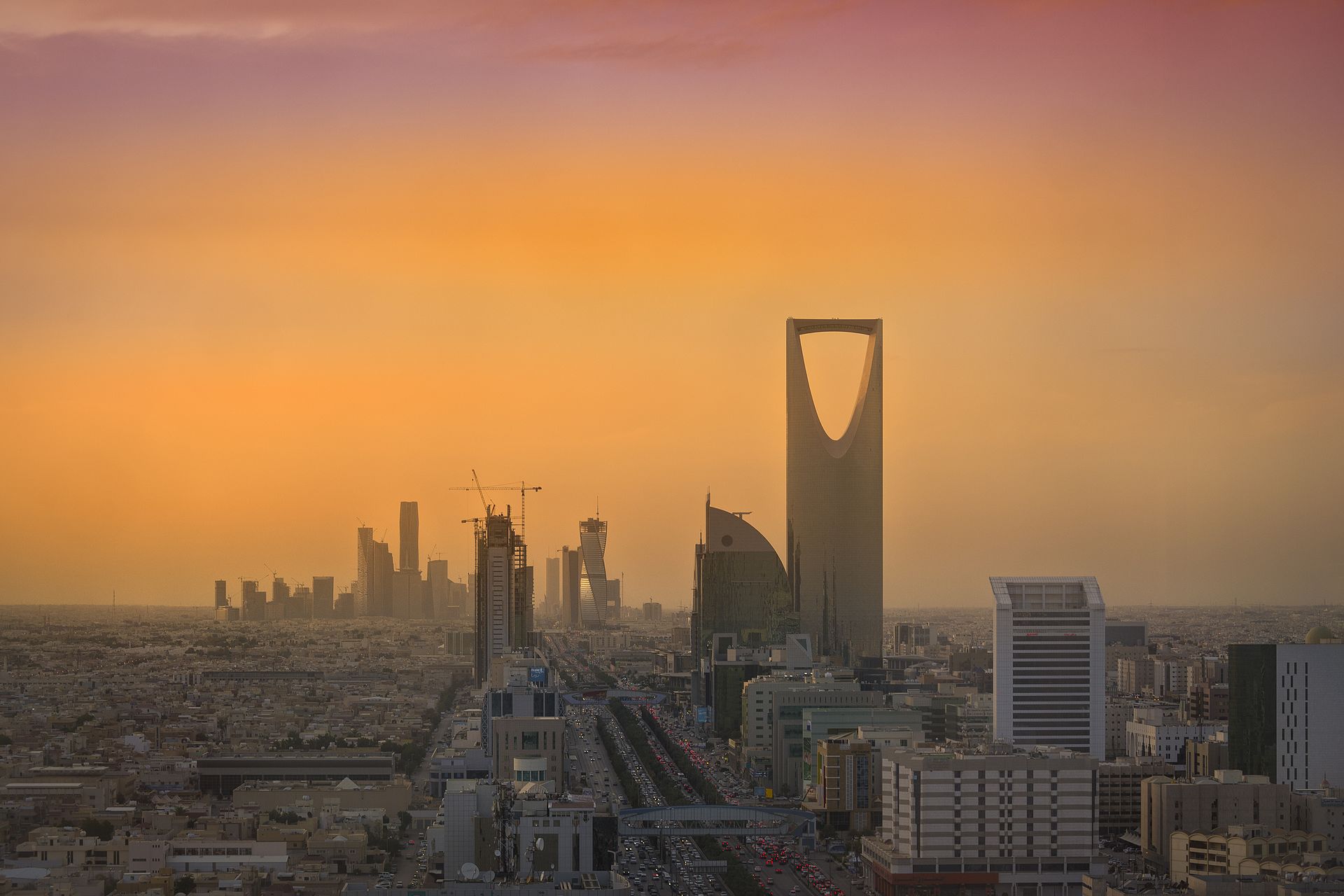
May marks the transition from spring into full summer across most of the Kingdom. In the central and eastern lowlands, temperatures climb past 40 °C by mid-month. But Saudi Arabia spans 2.15 million square kilometres — more than Western Europe — and weather varies dramatically by region. The southwestern highlands remain genuinely pleasant, the Red Sea coast stays swimnable, and even the hot cities are manageable if you plan around the heat.
| City / Region | Avg High (°C) | Avg Low (°C) | Rain Days | Sunshine (hrs/day) |
|---|---|---|---|---|
| Riyadh | 39 | 24 | 2–3 | 10 |
| Jeddah | 37 | 26 | 0 | 10 |
| Makkah | 39 | 27 | 1 | 10 |
| Madinah | 38 | 24 | 1 | 10 |
| Dammam / Al Khobar | 38 | 25 | 0 | 10 |
| Abha (Asir highlands) | 27 | 15 | 5–7 | 8 |
| Taif | 32 | 20 | 2–3 | 9 |
| AlUla | 38 | 22 | 0–1 | 11 |
| Tabuk | 33 | 18 | 1 | 10 |
What the Numbers Mean for Travellers
Riyadh, Makkah, and Madinah are genuinely hot by May. Daytime sightseeing should be confined to early morning (before 9 AM) and evening (after 5 PM). The UV index hits 11+ — extreme — so sunscreen, a hat, and hydration are non-negotiable. Air conditioning is universal in malls, museums, restaurants, and taxis, so the heat is manageable if you plan around it.
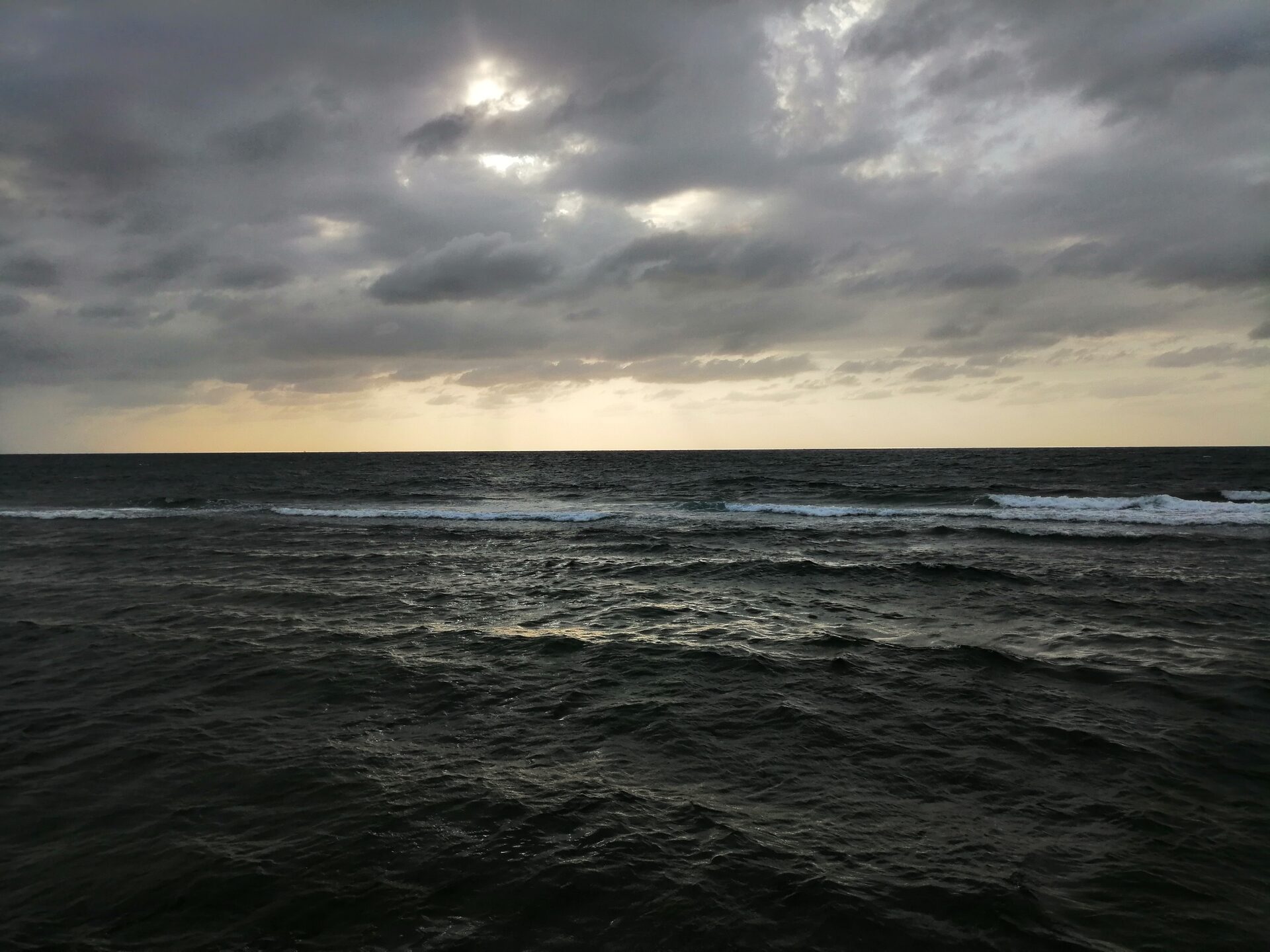
Jeddah and the Red Sea coast are humid but slightly cooler than inland cities. Sea breezes along the Jeddah Corniche make evenings genuinely pleasant. Water temperature in the Red Sea reaches 27–29 °C by May — warm enough for extended dives without a thick wetsuit.
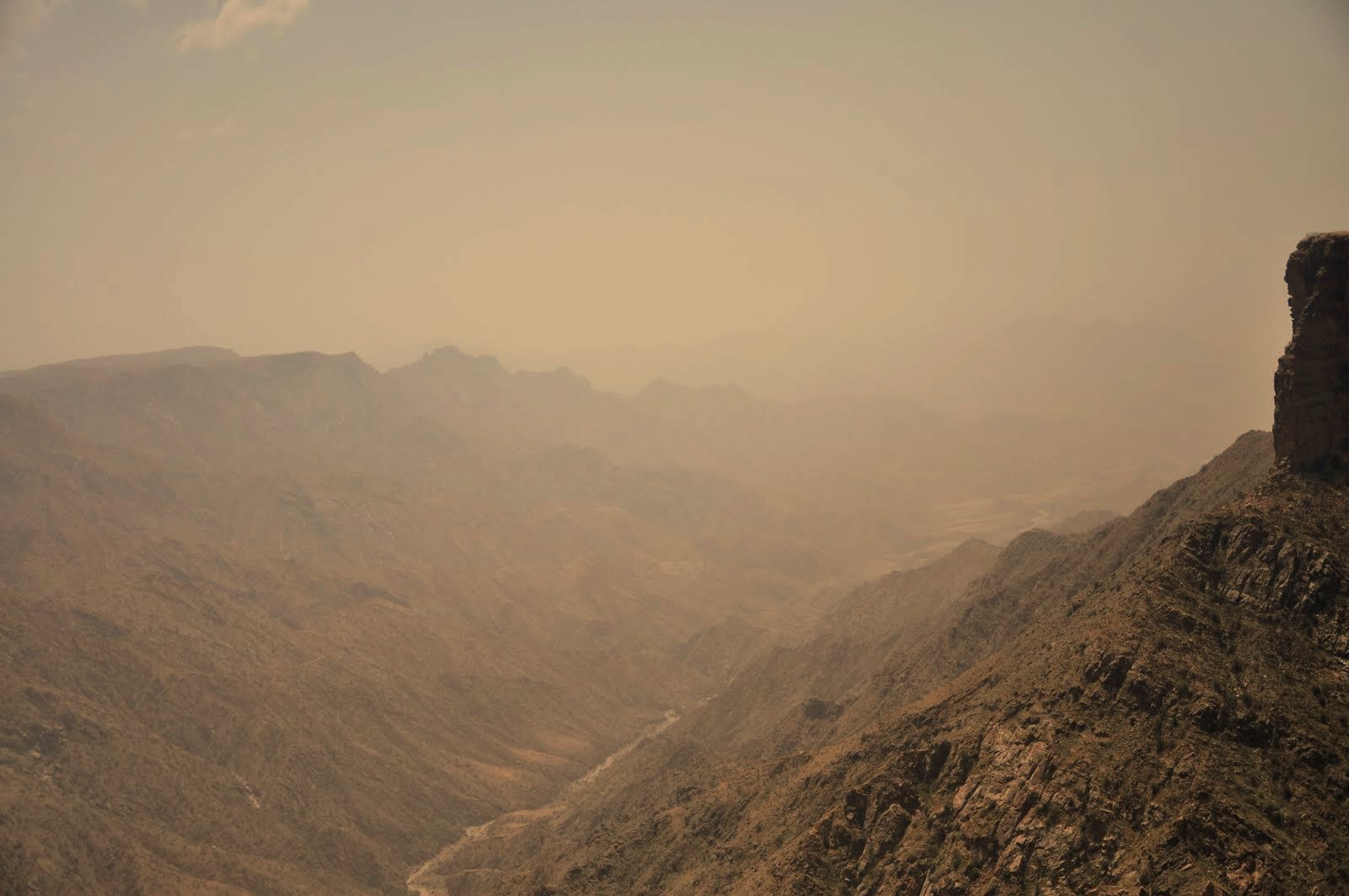
Abha and the Asir highlands are the standout choice for May. At 2,200 metres elevation, Abha and the surrounding Asir region rarely break 28 °C even at the height of summer. Evenings drop to 15 °C — cool enough for a light jacket. The Indian Ocean monsoon begins to deliver afternoon showers and dramatic fog by late May, which keeps the landscape unusually green for Arabia.
Taif, at 1,800 metres on the western escarpment, sits between the coastal heat and the highland cool. Daytime temperatures hover around 32 °C — warm but not punishing — and the last of the Taif rose harvest may still be underway in early May.
Hajj 2026 — The Defining Event of May
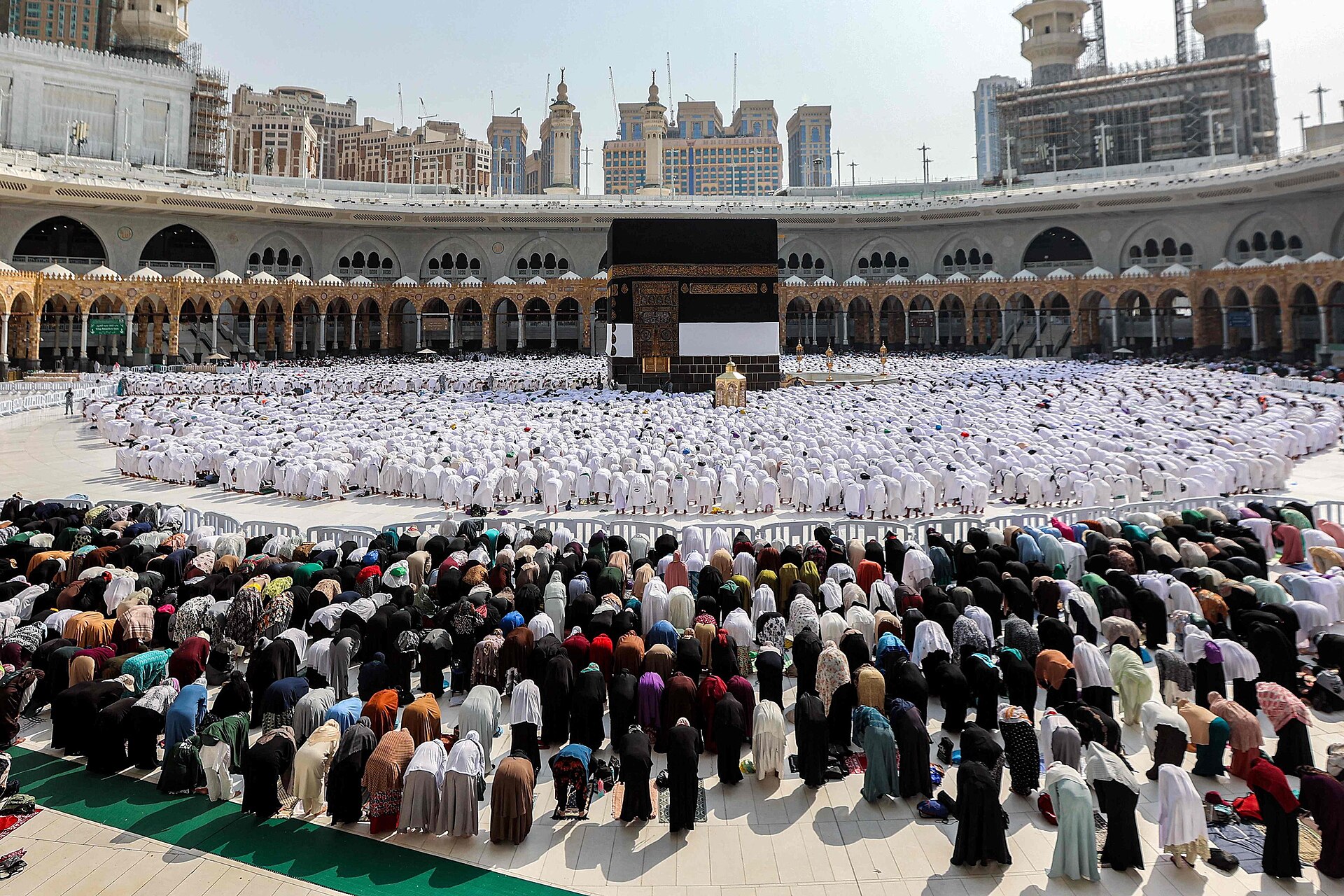
Hajj, the annual Islamic pilgrimage to Makkah, is expected to begin on approximately 25 May 2026 (8 Dhul Hijjah 1447 AH), with the Day of Arafah on 26 May and Eid al-Adha on 27 May. The exact dates depend on the official crescent-moon sighting announced by the Saudi Supreme Court and may shift by a day. Our Hajj 2026 guide covers dates, costs, registration, rituals, and preparation in full detail.
How Hajj Affects Non-Pilgrim Travellers
Even if you are not performing Hajj, the pilgrimage reshapes the entire western Saudi travel corridor in late May:
- Makkah is closed to non-Muslims year-round, but security checkpoints tighten further during Hajj. Do not attempt to enter the city.
- Madinah fills with pilgrims before and after Hajj. Hotel prices triple or more. The Prophet’s Mosque area becomes extremely crowded.
- Jeddah sees huge volumes of transit traffic — pilgrims arrive and depart via King Abdulaziz International Airport. Flights to and from Jeddah are expensive and often fully booked in the last two weeks of May.
- Haramain High-Speed Rail between Makkah, Madinah, Jeddah, and King Abdullah Economic City operates on expanded Hajj timetables, but tickets sell out fast.
- Eid al-Adha (27 May) is a national holiday lasting several days. Government offices close, some shops and restaurants adjust hours, and domestic flights fill with Saudis travelling for the holiday.
- Jabal Sawda — Saudi Arabia’s highest peak at 3,015 metres, with cool temperatures year-round and panoramic views over the Asir escarpment
- Rijal Almaa — a UNESCO-listed heritage village of colourful stone tower houses, 45 minutes from Abha
- Habala Hanging Village — a cliffside settlement accessible by cable car, perched on a sheer escarpment face
- Al Soudah Park — hiking trails, zip lines, and mountain scenery near the summit of Jabal Sawda
- Yanbu — the most accessible Red Sea diving hub, with dive centres, boat trips to offshore reefs, and a restored historic quarter worth exploring on land
- Umluj — known as the “Maldives of Saudi Arabia” for its turquoise water, white-sand islands, and sea-turtle nesting sites
- Farasan Islands — a remote archipelago off Jizan in the far south, with mangroves, dolphins, and some of the Kingdom’s least-explored reefs
- Hydrate aggressively. Carry a reusable water bottle and drink at least three to four litres per day. Dehydration creeps up fast in dry heat.
- Plan around the sun. Sightseeing windows are 6–9 AM and 5–9 PM. Use midday for indoor activities, meals, or rest.
- Dress for the climate. Loose, light-coloured, breathable fabrics that cover arms and legs are both culturally appropriate and heat-practical. Cotton and linen work best.
- Sunscreen is essential. UV index in May reaches 11+ (extreme) across all lowland regions. Apply SPF 50+ and reapply every two hours if outdoors.
- Keep your car fuelled and cool. If driving, never leave the engine off for long in the sun — interior temperatures can exceed 70 °C. Keep water in the car.
- Lightweight, modest clothing (arms and legs covered in public areas)
- A wide-brimmed hat and quality sunglasses
- SPF 50+ sunscreen and lip balm with SPF
- A reusable water bottle (refill stations are common in malls and airports)
- A light jacket or shawl for aggressively air-conditioned malls and restaurants
- Comfortable walking shoes that breathe — avoid black leather, which absorbs heat
- A power bank — you will use your phone heavily for navigation, Uber, and translation
- Best deals: Riyadh, Dammam, AlUla, Abha, and Tabuk hotels are at or near their annual lowest rates in May
- Worst deals: Jeddah, Makkah, and Madinah in the last two weeks of May, when Hajj demand inflates everything
- Domestic flights: Saudia and flynas connect all major cities. Book Abha and Tabuk flights early — these highland routes fill quickly as Saudis escape the heat
- Heat-related illness is the primary health risk in May. Heatstroke can be fatal. If you feel dizzy, stop sweating, or develop a headache after sun exposure, get into air conditioning immediately and seek medical help.
- Sandstorms are possible in May, especially in Riyadh and the central desert. They reduce visibility to near zero and ground flights. If caught in one, stay indoors with windows closed. Carry a scarf or buff that can cover your nose and mouth.
- Medical facilities in Saudi cities are world-class. The Kingdom has excellent public and private hospitals. Travel insurance is mandatory for tourist-visa holders.
- Hajj health requirements: Saudi authorities require specific vaccinations for Hajj and Umrah pilgrims, including meningococcal meningitis (ACWY) and seasonal flu. COVID-19 vaccination requirements vary by year — check the Nusuk platform for current rules.
- Saudi Arabia Travel Guide 2026 — The complete guide to visiting the Kingdom
- Hajj 2026 Guide — Dates, costs, registration, rituals, and preparation
- Abha and the Asir Region — Saudi Arabia’s cool mountain escape
- Yanbu Travel Guide — Red Sea diving, historic quarter, and practical tips
- Umluj Guide — The Maldives of Saudi Arabia
- Saudi Arabia Events Calendar 2026 — Month-by-month guide to festivals and events
- Saudi Arabia Visa Guide — Every visa type explained
Practical tip: If you are visiting Saudi Arabia in May for tourism rather than pilgrimage, plan your Jeddah and western-region travel for the first two weeks of the month. By the third week, the Hajj logistics machine is in full swing and prices, crowds, and airport queues all spike.
Performing Hajj in 2026
Hajj is obligatory once in a lifetime for every Muslim who is physically and financially able. Roughly two million pilgrims are expected in 2026. Registration is through the Nusuk platform, and a separate Hajj visa is required — the standard tourist e-visa does not permit Hajj. Temperatures in Makkah in late May regularly exceed 45 °C, and the 2024 Hajj saw more than 1,300 heat-related deaths. Hydration, sun protection, and physical preparation are life-or-death considerations. See our full Hajj 2026 guide for everything you need to know.
Events and Festivals in May
Eid al-Adha Celebrations
Eid al-Adha (the Festival of Sacrifice) falls on approximately 27 May 2026 and lasts three to four days. It is the holiest holiday in the Islamic calendar and the biggest public holiday in Saudi Arabia. Cities come alive with family gatherings, communal prayers, festive markets, and generous hospitality. Many Saudi families slaughter a sheep or goat and distribute the meat to neighbours and the poor. As a visitor, you will find Saudis exceptionally welcoming during Eid — it is common to be invited to share meals. Expect some shops and attractions to close for the first day or two, then reopen with extended evening hours.
Taif Rose Season (Early May)
The Taif rose harvest typically runs from late March through early May, and the annual Taif Rose Festival celebrates it with parades, workshops, and fragrant markets. If you visit in the first week of May, you may catch the tail end of the harvest — farmers in the Al Hada and Al Shafa valleys still picking the small, intensely perfumed Damask roses used to produce rose water and rose oil. Taif is a two-hour drive from Jeddah and makes a rewarding day trip or overnight stop, especially as a cooler-altitude escape.
Jewels of the World Exhibition
This major jewellery and watch exhibition typically visits Al Khobar in late April before moving to Riyadh in early May, showcasing collections from regional and international brands. Check the Saudi Events Calendar for exact 2026 dates.
Riyadh and Jeddah Seasons
Saudi Arabia’s entertainment calendar, managed by the General Entertainment Authority, runs various seasonal festivals in Riyadh and Jeddah throughout the year. May programming varies by year but often includes concerts, food festivals, and family entertainment events at venues like Boulevard Riyadh City and Jeddah Waterfront. Check the Saudi Arabia events calendar for confirmed May 2026 listings.
Best Places to Visit in May
Abha and the Asir Highlands — The Smart Choice
If your dates are flexible and you are visiting purely for tourism, the Asir highlands around Abha are the single best destination in Saudi Arabia in May. While Riyadh bakes at 39 °C, Abha sits at a comfortable 27 °C with cool evenings, green terraced hillsides, and the beginning of the monsoon fog that gives the region its mystical atmosphere. Key highlights include:
Red Sea Coast — Diving and Whale Sharks
May is one of the best months for diving and snorkelling along Saudi Arabia’s Red Sea coast. Water temperatures reach 27–29 °C, visibility is excellent, and — crucially — May through June is peak whale-shark season. The Saudi Red Sea remains far less visited than the Egyptian side, meaning uncrowded reefs, pristine coral, and genuine frontier diving. Top spots include:
Whale-shark tip: Whale sharks congregate near the central Saudi Red Sea coast between April and June. Yanbu-based operators run dedicated whale-shark snorkelling trips, but sightings are never guaranteed. Book with operators who follow responsible wildlife guidelines — maintaining distance and not touching the animals.
AlUla — Before the Summer Shutdown
AlUla’s winter season (October–March) draws the biggest crowds, but the archaeological sites remain open in May. Expect daytime temperatures around 38 °C with negligible humidity — hot but dry. Early-morning visits to Hegra (Madain Saleh), the Nabataean tomb complex and Saudi Arabia’s first UNESCO World Heritage Site, are rewarding if you start at opening time. The advantage of May is significantly fewer tourists and easier booking for experiences like the Hegra After Dark tours. Elephant Rock at sunset remains spectacular year-round.
Jeddah — Evening City
Jeddah in May is for night owls. Daytime heat pushes life indoors, but after sunset the city comes alive. The Corniche fills with families, the Al-Balad historic district (a UNESCO World Heritage Site) is atmospheric under evening lights, and the restaurant scene runs late. The King Fahd Fountain — the world’s tallest water fountain — operates in the evening. Non-Muslim visitors will find Jeddah’s cosmopolitan atmosphere one of the most welcoming in the Kingdom.
Riyadh — Indoor Riyadh
Saudi Arabia’s capital has invested heavily in indoor attractions that make it viable even in the heat. The National Museum, Masmak Fortress, and the restored At-Turaif district in Diriyah (another UNESCO site) are all air-conditioned or shaded. Boulevard Riyadh City offers shopping, dining, and entertainment under cover. Evening trips to the Edge of the World (Jebel Fihrayn) — the dramatic escarpment 90 minutes from the city — work well in May if you depart by 4 PM and stay for sunset.
Dammam and the Eastern Province
The Dammam–Al Khobar corridor on the Arabian Gulf coast is hot and humid in May (38 °C with high humidity), but the Corniche, Scitech museum, and Half Moon Bay beach offer diversions. The real draw is access to nearby attractions: the Al Ahsa Oasis (UNESCO-listed, the world’s largest natural oasis) and the island of Tarout, one of the oldest continuously inhabited places in the Arabian Peninsula.
Practical Tips for May Travel
Beating the Heat
What to Pack
Ramadan — Not a Factor in May 2026
Ramadan in 2026 falls in late February through late March, so May travellers will not need to navigate daytime fasting restrictions. Restaurants, cafes, and shops operate on normal schedules throughout the month (though Eid al-Adha brings its own holiday closures in late May).
Flights and Costs
May is shoulder-to-low season for tourist travel, meaning flight prices and hotel rates in most cities are significantly lower than the October–March peak — with the major exception of the Hajj corridor (Jeddah, Makkah, Madinah) in the second half of the month. If you are flexible:
Visa Information
The standard Saudi tourist e-visa is available to citizens of 63+ countries and can be obtained online in minutes. It permits stays of up to 90 days and is valid for one year with multiple entries. The e-visa covers tourism, Umrah, and business visits — but not Hajj. Hajj requires a separate visa obtained through authorised Hajj agents or the Nusuk platform. See our complete Saudi Arabia visa guide for requirements by nationality, costs, and application steps.
May Day-by-Day: How to Plan Your Trip
First Week (1–7 May)
The best window for general tourism. Temperatures are building but haven’t peaked. The Taif rose harvest may still be underway. Red Sea diving conditions are excellent. AlUla and Riyadh are manageable with early starts. This is the sweet spot before Hajj logistics reshape the western corridor.
Second Week (8–14 May)
Still good for tourism outside the Hajj corridor. Hotel prices in Jeddah begin to climb as early Hajj groups arrive. Abha and the highlands are at their best — warm days, cool nights, green landscapes. A great week for hiking in the Sarawat Mountains.
Third Week (15–21 May)
Hajj preparations intensify. Jeddah airport reaches peak congestion. Makkah and Madinah are flooded with pilgrims. If you are not on Hajj, this is the week to be in Riyadh, the Eastern Province, or the highlands. Hotel deals in non-Hajj cities are excellent.
Fourth Week (22–31 May)
Hajj begins around 25 May. Eid al-Adha falls on approximately 27 May. The entire country enters holiday mode. Government offices close for several days. Many Saudis travel domestically or visit family. Some restaurants and shops close on the first day of Eid but reopen with festive energy by day two. If you are in the country during Eid, embrace it — the communal atmosphere and hospitality are unforgettable.
Who Should Visit Saudi Arabia in May?
| Traveller Type | May Verdict | Best Base |
|---|---|---|
| Hajj pilgrims | Essential — Hajj is in late May 2026 | Makkah / Madinah |
| Budget travellers | Great — off-season rates outside Hajj corridor | Riyadh, Dammam, AlUla |
| Divers and snorkellers | Excellent — warm water, whale sharks, uncrowded | Yanbu, Umluj |
| Hikers and nature lovers | Good in highlands, too hot in lowlands | Abha, Taif, Tabuk |
| Culture and history buffs | Viable with heat planning; fewer crowds | Riyadh, AlUla, Jeddah |
| Families with young children | Challenging — heat limits outdoor time | Abha or defer to cooler months |
| Business travellers | Note: Eid closures late May | Riyadh |