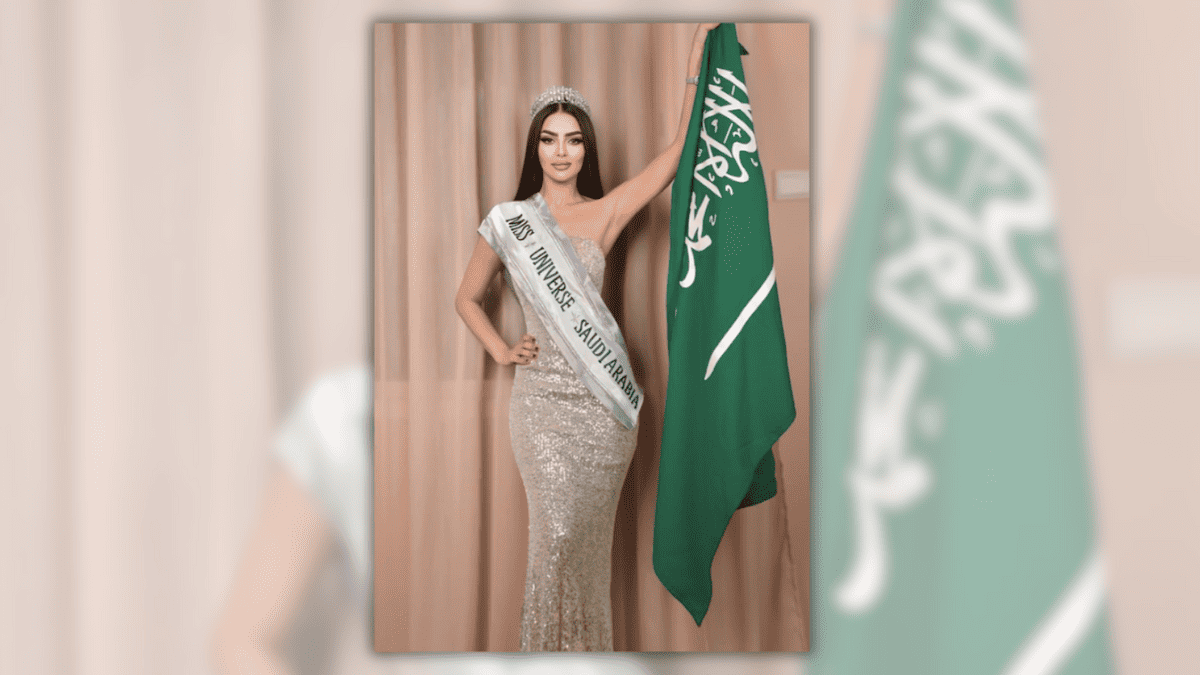

In an irony-laden scenario, Saudi Arabia now heads the UN’s Commission on the Status of Women, stirring a wave of outrage. This arises not least due to the Middle Eastern Kingdom’s less than stellar record on gender parity, making this development unsettling. At the helm is Abdulaziz Alwasil, the nation’s representative to the UN. His unchallenged election came in an assembly held in New York, with not a single dissenting voice from the 45 attending members.
Alwasil’s appointment received backing even from a group of Asian-Pacific states, notwithstanding the known gender disparities in Saudi Arabia – a fact that human rights groups promptly highlighted. Sherine Tadros, who spearheads Amnesty International’s New York chapter, underscored the irony. She noted that Saudi Arabia takes up the chair role on the 30th anniversary of a significant international law that decidedly bolstered the status of women worldwide.
According to Tadros, the country presently in charge – now Saudi Arabia – essentially influences the commission’s strategic planning, decision-making, and vision for the future. Louis Charbonneau, United Nations Director at Human Rights Watch, decried Saudi’s election, describing it as a blatant disregard for global women’s rights. “It’s unsettling when a country that detains women championing their rights leads the UN’s chief platform for gender equality,” he stated.
Despite Saudi Arabia’s troubling gender equality record, Charbonneau urged the Saudi government to seize this opportunity to rectify its questionable standing. Immediate release of female rights defenders, elimination of the male guardianship system, and guaranteeing gender equality were among his suggestions.
In 2022, Saudi legislators passed a law that ostensibly aimed to augment women’s ‘personal status’ within the nation. However, it still maintains that a woman requires consent from a male guardian for marriage. The law also states that wives must adhere to their husbands ‘reasonably’, subjecting her financial support to her obedience. Failure to comply with her husband’s demands—residing in the marital home or traveling with him without a ‘legitimate excuse’—can lead to financial support withdrawal.
The Human Rights Watch specifies another troubling provision – women abandoning the marital home could face potential custody loss of their children if it’s in the child’s undefined ‘best interest’. The United Kingdom’s Foreign Office elucidated that it doesn’t have membership in the Commission on the Status of Women, thus playing no role in the chair election. Despite this, the office emphasized a continual engagement with Saudi authorities regarding gender rights issues.