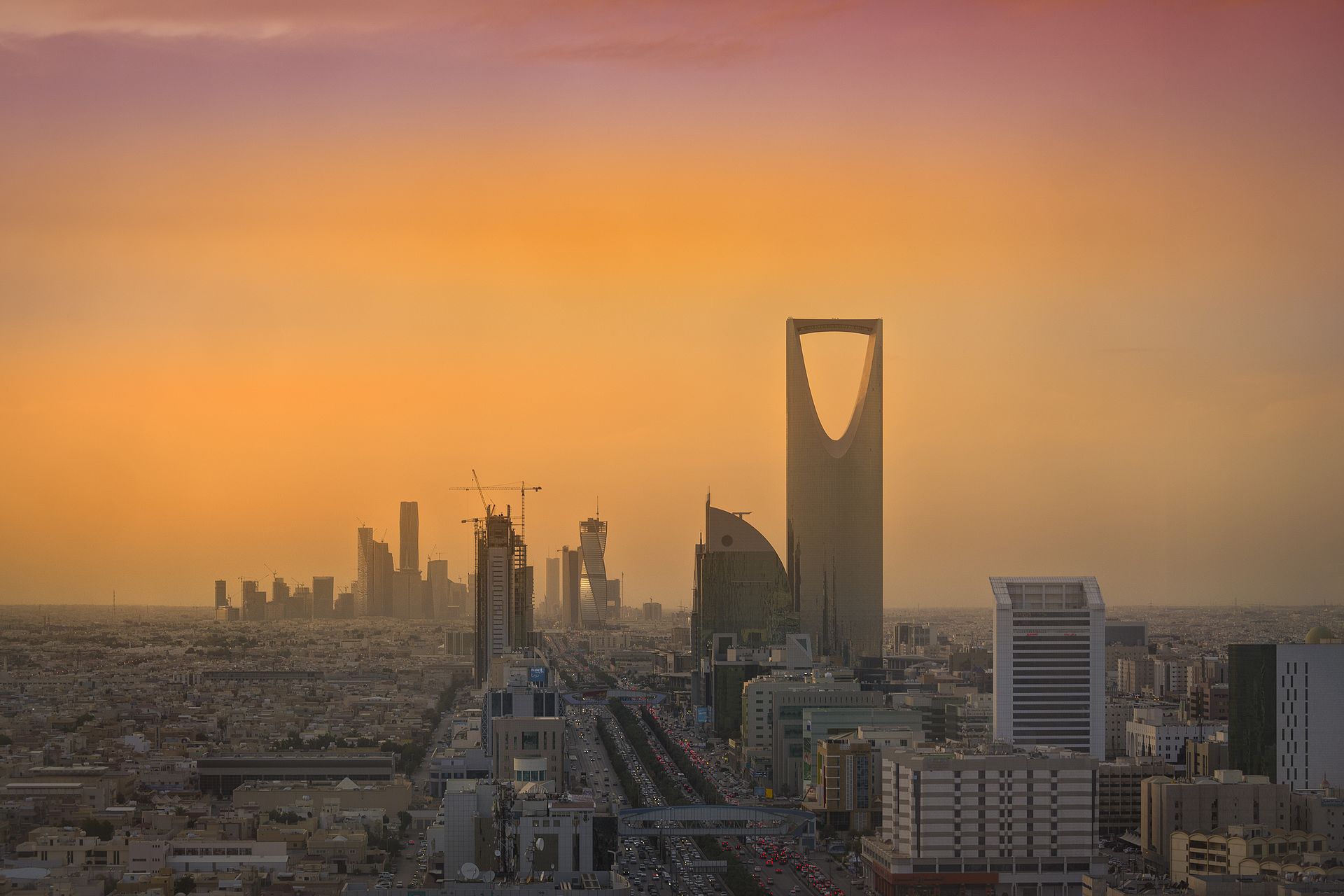

RIYADH — Saudi Arabia’s Public Investment Fund entered the Iran war with $1.15 trillion in assets, a pipeline of megaproject IPOs, and a strategy built for a world at peace. Twenty-five days later, the fund has slashed NEOM construction budgets by up to 60 percent, acquired a controlling stake in a global grain company for $1.78 billion, and redirected capital toward missile production, data centres, and food security. The pivot reveals more about where the Kingdom is headed than any diplomatic statement from the Royal Court.
PIF’s wartime recalibration is not a retreat. It is the most consequential reallocation of sovereign capital since the fund’s transformation began under Crown Prince Mohammed bin Salman in 2016. Governor Yasir Al Rumayyan’s revised 2026-2030 strategy, expected within weeks, will formalise what the war has already made inevitable: a fund that once defined itself by futuristic cities and entertainment spectacles now measures success by interceptor production capacity, grain reserves, and server rack density. Three wartime priorities — defence, food, and artificial intelligence — have displaced the vanity construction that once consumed PIF’s balance sheet.
Table of Contents
- What Is PIF and Why Does It Matter for the Iran War?
- How Did PIF Reach $1.15 Trillion in Assets?
- The Sixty Percent Cut That Redrew Saudi Arabia’s Priorities
- Where Is PIF Investing During the War?
- SAMI and the Defence Bet That War Made Urgent
- Can SALIC Feed 35 Million Saudis Without Hormuz?
- The $2.7 Billion AI Gamble That Cannot Wait for Peace
- The Wartime Sovereign Wealth Resilience Matrix
- What Happened to PIF’s Global Portfolio?
- The Contrarian Case for PIF Emerging Stronger
- What Comes After the War for Saudi Arabia’s Sovereign Fund?
- Frequently Asked Questions
What Is PIF and Why Does It Matter for the Iran War?
The Public Investment Fund is Saudi Arabia’s sovereign wealth fund and the single most important financial instrument in the Kingdom’s economic transformation. With $1.15 trillion in assets under management, PIF ranks as the fifth-largest sovereign wealth fund in the world, behind only Norway’s Government Pension Fund Global, China Investment Corporation, Abu Dhabi Investment Authority, and Kuwait Investment Authority, according to the Sovereign Wealth Fund Institute’s 2026 rankings. The fund was named the world’s most active sovereign wealth fund in 2025.
PIF matters for the Iran war because it controls the financial architecture that determines whether Saudi Arabia can sustain a prolonged conflict. The fund owns Saudi Arabian Military Industries, the company manufacturing the Kingdom’s indigenous armoured vehicles and missile components. It owns the Saudi Agricultural and Livestock Investment Company, the entity responsible for securing food supplies for 35 million residents whose shipping lanes are under fire. And it owns stakes in the Tadawul stock exchange itself, meaning the fund’s domestic portfolio rises or falls with investor confidence in the war’s outcome.
PIF’s wartime decisions carry weight that extends far beyond investment returns. When the fund cut NEOM budgets and redirected capital toward defence and food, it signalled to every foreign investor, every government contractor, and every rating agency that the Kingdom’s priorities had fundamentally shifted. A sovereign wealth fund of this scale does not reallocate capital quietly. Its movements reshape entire sectors.
How Did PIF Reach $1.15 Trillion in Assets?
PIF’s trajectory from a $150 billion domestic holding company to a $1.15 trillion global investment powerhouse took less than a decade. When Crown Prince Mohammed bin Salman assumed oversight of the fund in 2016, PIF held a portfolio of legacy Saudi corporate stakes and government-linked enterprises. By the end of 2024, assets under management had climbed to approximately $913 billion, according to the fund’s annual disclosures. The $1 trillion threshold was crossed in 2025, making PIF the fastest-growing sovereign wealth fund in history by absolute dollar terms.
Three mechanisms powered this growth. First, the Saudi Aramco IPO in 2019 transferred a 1.7 percent stake in the world’s most valuable company to PIF, instantly adding approximately $29 billion to the fund’s balance sheet. Subsequent transfers of government assets — including real estate, corporate holdings, and infrastructure concessions — continued to inflate AUM without requiring fresh capital deployment. Second, oil revenue windfalls during the 2022-2023 price surge allowed the Saudi government to inject additional capital into PIF. Third, aggressive international investment — from a $3.5 billion stake in Uber to a $4 billion-plus position in Nintendo — generated portfolio appreciation that compounded the domestic asset transfers.
The fund’s target of $2 trillion in assets by 2030 would require more than doubling its current base in roughly four years. Before the war, analysts at Goldman Sachs and JP Morgan assessed this target as ambitious but plausible, contingent on sustained oil prices above $80 per barrel and continued megaproject monetisation through IPOs. The war has complicated both assumptions — oil prices have surged past $114, enriching the fund’s energy exposure, but the IPO pipeline has stalled and foreign investment appetite has collapsed.
The Sixty Percent Cut That Redrew Saudi Arabia’s Priorities
At a board meeting in late 2024 — months before the first Iranian missile struck Saudi territory — PIF approved sharp cuts across more than 100 portfolio companies. Some budgets were reduced by as much as 60 percent, according to reporting by Arabian Gulf Business Insight. The cuts slowed projects and triggered layoffs across the giga-project ecosystem that had defined Saudi Arabia’s global brand.
NEOM bore the heaviest blow. On 13 March 2026, South Korea’s Hyundai Engineering and Construction disclosed in a market filing that NEOM had terminated a roughly $1 billion tunnelling contract at the heart of The Line — the 170-kilometre mirrored city that was once the most ambitious construction project in human history. Khalid Al Falih, Saudi Arabia’s former investment minister, confirmed that NEOM and The Line had been pushed down the priority list as the state diverts spending toward construction required for the 2034 World Cup and Expo 2030 in Riyadh.
The cuts were not a panic response to the war. They reflected a strategic recalibration that had been building throughout 2025, as PIF governor Yasir Al Rumayyan signalled a pivot from rapid capital deployment toward financial sustainability and measurable returns. The war accelerated a process already in motion, converting what might have been a gradual transition into an abrupt one. Capital that would have flowed into desert construction over the next three years is now being redirected toward three sectors the fund considers existential: defence manufacturing, agricultural supply chain control, and artificial intelligence infrastructure.
The practical impact on the ground is significant. The new PIF strategy, expected in spring 2026, will outline six main ecosystems — travel, tourism and entertainment; urban development and livability; advanced manufacturing and innovation; industry and logistics; clean energy and renewables; and NEOM as its own standalone ecosystem. Notably, NEOM’s separation from the broader portfolio suggests the fund intends to ring-fence the project’s costs and potentially seek outside capital rather than continuing to fund it from PIF’s core balance sheet.
Where Is PIF Investing During the War?
PIF’s wartime spending has crystallised around three pillars that reveal the fund’s assessment of what Saudi Arabia needs most urgently: the ability to defend itself without depending on foreign arms deliveries, the ability to feed its population without depending on the Strait of Hormuz, and the ability to compete in the global AI race regardless of regional instability. Each pillar represents a multi-billion dollar commitment that will outlast the current conflict.
| Pillar | Primary Vehicle | Capital Committed | Strategic Objective |
|---|---|---|---|
| Defence Manufacturing | SAMI (Saudi Arabian Military Industries) | $5.6B+ (estimated portfolio value) | Localise 50% of military spending by 2030 |
| Food Security | SALIC (Saudi Agricultural and Livestock Investment Company) | $1.78B (Olam Agri acquisition alone) | Secure grain, livestock, and commodity supply chains outside the Gulf |
| AI Infrastructure | Humain + SDAIA Hexagon Data Centre | $2.7B (Hexagon) + undisclosed (Humain) | Position Riyadh as a global AI hub, reduce dependency on foreign cloud providers |
| Domestic Market Support | Tadawul stock purchases | $35-45B in mark-to-market exposure | Stabilise Saudi equity markets during wartime selloff |
The combined commitment exceeds $45 billion when including PIF’s domestic market stabilisation activities. Each pillar addresses a specific vulnerability that the war has exposed — and each represents a permanent strategic shift rather than a temporary wartime measure.
SAMI and the Defence Bet That War Made Urgent
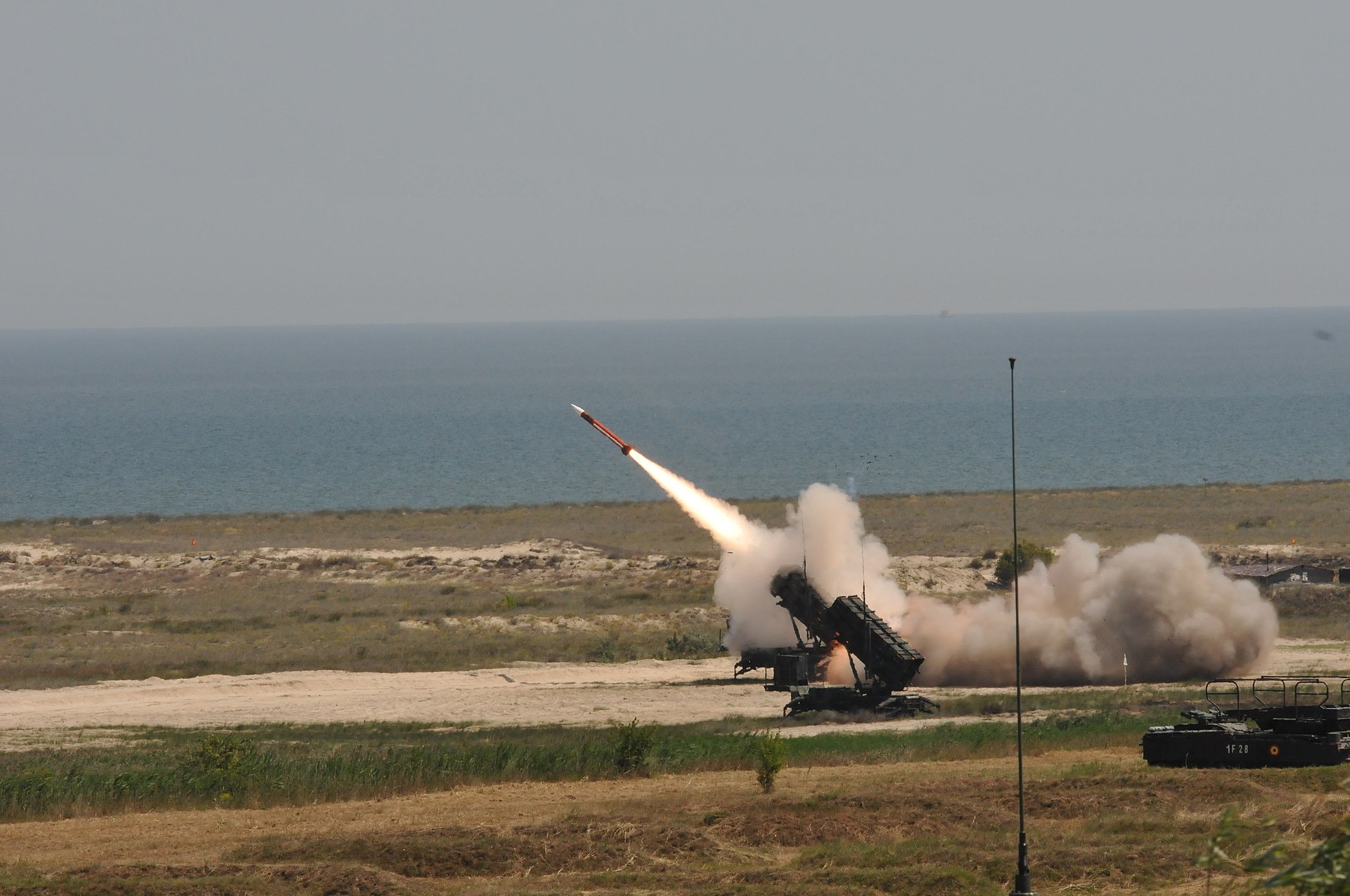
Saudi Arabian Military Industries, wholly owned by PIF, has become the most strategically important company in the fund’s portfolio overnight. SAMI was established in 2017 with the mandate to localise half of Saudi Arabia’s military expenditure by 2030 — a target that seemed aspirational when the Kingdom was importing nearly everything from American and European defence contractors. The war has transformed that target from aspiration to necessity.
At the World Defense Show in Riyadh in February 2026 — just days before the first Iranian strikes — SAMI unveiled the HEET programme, a new generation of advanced wheeled armoured vehicles designed, developed, and manufactured entirely within the Kingdom using Saudi intellectual property and Saudi talent. The SAMI Land Industrial Complex, the largest fully integrated military vehicle production facility in the Middle East and North Africa, operates at Industry 4.0 standards with an annual production capacity of up to 1,500 military vehicles.
SAMI concluded its participation at the World Defense Show by signing 25 strategic agreements, launching new specialised national champions, and advancing indigenous industrial programmes that the fund describes as central to “sovereign defence capabilities.” The language matters. PIF is not positioning SAMI as a commercial enterprise competing for export contracts. It is positioning SAMI as a national security asset — one whose value is measured not in profit margins but in the Kingdom’s ability to sustain a military campaign without waiting for congressional approval of American arms sales.
The $2025 defence budget allocated $78 billion to military spending, according to government figures. If SAMI achieves its 50 percent localisation target, that would represent approximately $39 billion in annual domestic defence procurement — a figure that would make SAMI one of the top 25 defence companies in the world by revenue, which is precisely what the company has stated as its ambition.
The war exposed the single greatest risk in Saudi Arabia’s defence posture: the gap between the weapons it buys and the weapons it can build. Every interceptor fired over Riyadh that was manufactured abroad is a reminder that sovereignty requires production lines, not just purchase orders.
Defence analyst assessment, March 2026
Can SALIC Feed 35 Million Saudis Without Hormuz?
The closure of the Strait of Hormuz has transformed food security from a long-term planning exercise into an immediate operational crisis. Saudi Arabia imports approximately 80 percent of its food, and a significant share of those imports historically transited through the Persian Gulf. With commercial shipping through Hormuz reduced to a trickle — just 21 tankers have transited the route since the war began, compared with more than 100 ships daily before the conflict — the Kingdom’s food supply chain has been rerouted through Red Sea ports, overland corridors through Jordan and Iraq, and air freight at extraordinary cost.
SALIC, PIF’s agricultural investment arm, was designed precisely for this scenario. The company invests in global agribusiness assets in commodity-rich regions — South America, Australia, Southeast Asia, Sub-Saharan Africa — to ensure Saudi Arabia has access to essential food imports regardless of regional disruption. Its most significant recent acquisition was a $1.78 billion deal to increase its stake in Singapore-based Olam Agri from 35.4 percent to 80 percent, with an option to acquire the remaining 19.99 percent within three years.
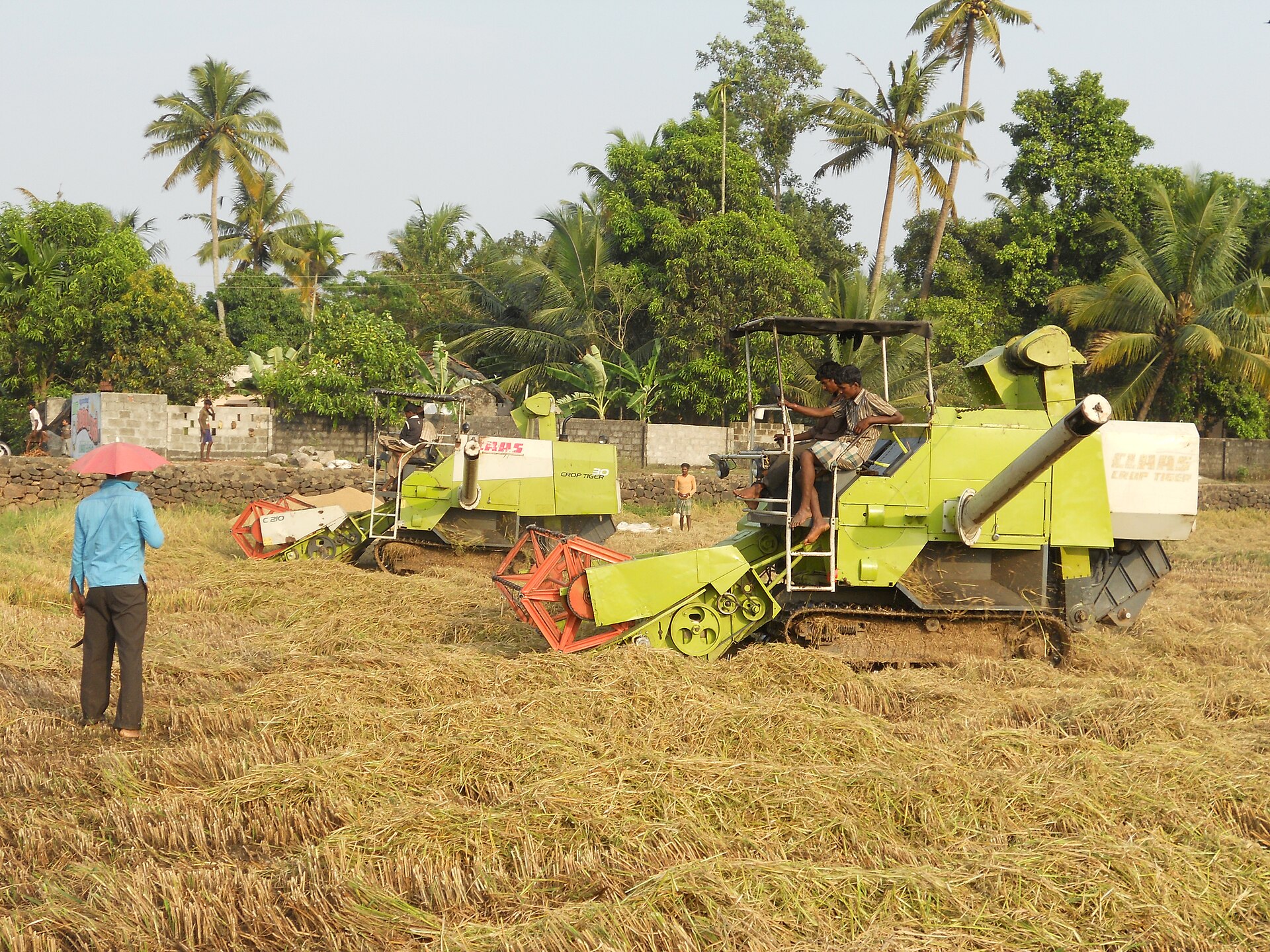
Olam Agri is one of the world’s largest agricultural commodity traders, operating in over 60 countries with major grain origination operations in Brazil, Argentina, Australia, and West Africa. By controlling Olam Agri, SALIC effectively controls a parallel supply chain that connects Saudi Arabia to global food production through routes that never touch the Persian Gulf. The acquisition, which was struck before the war, now appears prescient.
SALIC has also signed a partnership with Syngenta, the global agri-tech leader, to explore joint projects in sustainable farming, digital agriculture, soil health, and crop protection within Saudi Arabia. The partnership signals PIF’s intention to develop domestic food production capacity — a long-term hedge against the kind of supply chain disruption the Kingdom is experiencing right now.
| Asset | Geography | Commodity Focus | PIF/SALIC Stake | Strategic Value |
|---|---|---|---|---|
| Olam Agri | 60+ countries | Grains, edible oils, rice, animal feed | 80% | Bypasses Hormuz entirely |
| Syngenta Partnership | Global / Saudi domestic | Digital agriculture, crop protection | Joint venture | Domestic food production capacity |
| South American livestock operations | Brazil, Argentina | Livestock, beef | Various | Direct protein supply to Kingdom |
| Australian agricultural holdings | Australia | Wheat, barley, livestock | Various | Southern Hemisphere diversification |
The irony is stark. PIF spent years building the image of a futuristic investment vehicle — backing Lucid electric cars, Nintendo gaming stakes, and mirrored cities in the desert. The war has revealed that the fund’s most strategically valuable assets are grain elevators in Brazil and livestock operations in South America. The $1.78 billion SALIC spent on Olam Agri may prove to be the single most important investment PIF has ever made.
The $2.7 Billion AI Gamble That Cannot Wait for Peace
In January 2026, Saudi Arabia’s Data and Artificial Intelligence Authority awarded a $2.7 billion contract for the Hexagon data centre in Riyadh — the world’s largest government data centre by megawatt capacity. The facility will span more than 30 million square feet, operate at 480 megawatts of capacity, and meet Tier IV reliability standards, the highest international benchmark for data centre uptime and redundancy.
The timing appeared counterintuitive. Saudi Arabia was weeks away from a war that would see Iranian drones and missiles target its critical infrastructure, yet the Kingdom was committing $2.7 billion to a data centre project that would take years to complete. The logic, however, is straightforward: AI infrastructure is the one investment that becomes more valuable regardless of whether the war escalates or ends.
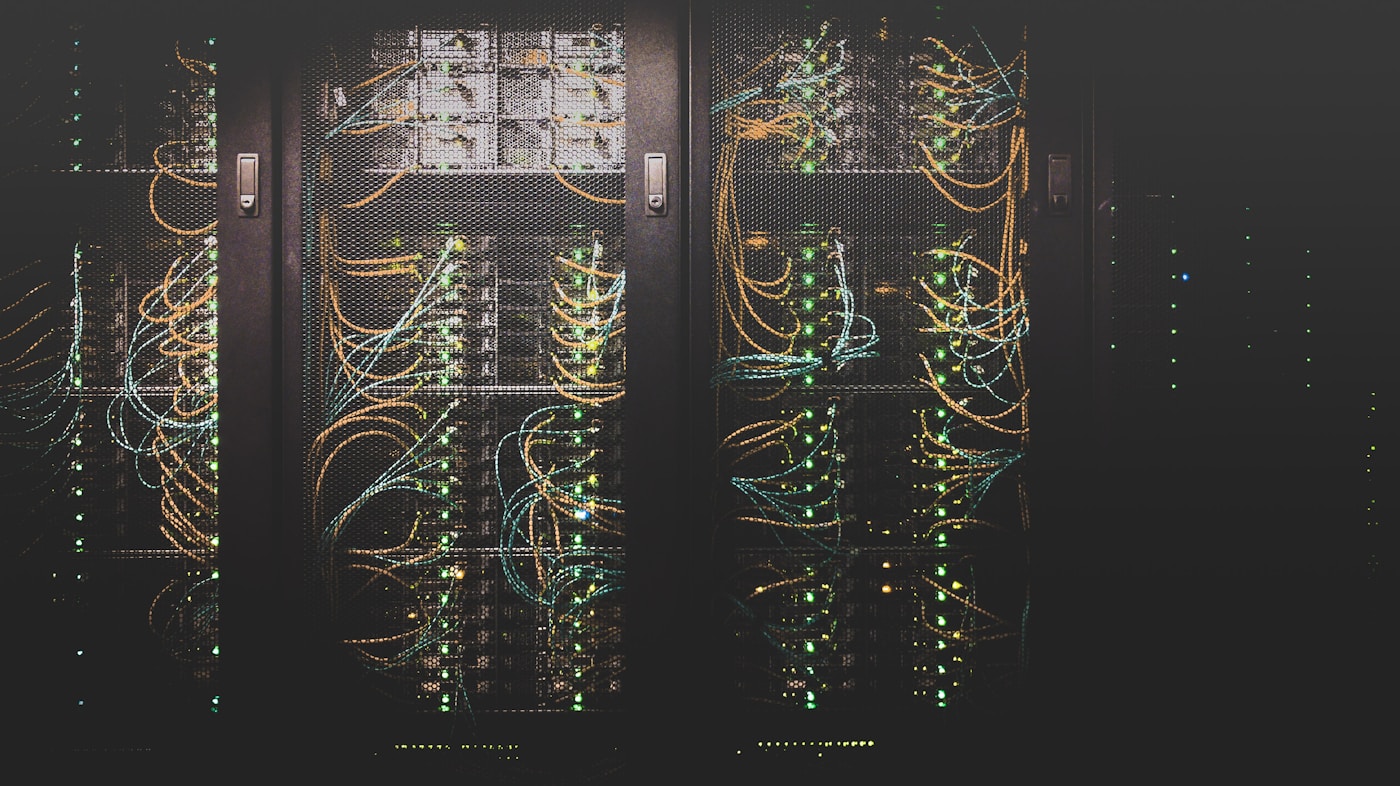
If the war continues, AI-driven systems will be essential for drone defence coordination, logistics optimisation, and threat analysis — capabilities that Saudi Arabia currently sources from American and Israeli partners. If the war ends, AI infrastructure positions Riyadh as a regional technology hub at precisely the moment when global demand for compute capacity is outstripping supply. Either scenario validates the investment.
PIF’s AI ambitions extend beyond the government Hexagon project. Humain, an AI company backed by the fund, has awarded Al Moammar Information Systems a contract to design and build a dedicated AI data centre. The strategy mirrors the approach PIF took with SAMI in defence — create a wholly-owned national champion, fund it aggressively, and use sovereign purchasing power to build scale that private enterprise cannot achieve alone.
Saudi Arabia declared 2026 the “Year of AI,” and PIF’s spending reflects that ambition. The fund has identified artificial intelligence, alongside events and entertainment and residential housing, as the sectors receiving the highest concentration of capital in 2026. The AI bet is particularly revealing because it represents PIF’s view of what matters after the war — a signal that the fund’s leadership believes the post-conflict economic landscape will be shaped by compute capacity rather than construction capacity.
The Wartime Sovereign Wealth Resilience Matrix
PIF’s wartime performance can be assessed through a framework that measures how effectively a sovereign wealth fund adapts to conflict. The Wartime Sovereign Wealth Resilience Matrix evaluates five dimensions: portfolio diversification, domestic industrial capacity, supply chain independence, market stabilisation capability, and strategic optionality. Each dimension receives a score from 1 to 5 based on observable actions and outcomes.
| Dimension | What It Measures | PIF Score (1-5) | Evidence |
|---|---|---|---|
| Portfolio Diversification | Geographic and sectoral spread of assets | 4 | Holdings span 60+ countries through SALIC/Olam; US equities at $12.9B; domestic and international balance |
| Domestic Industrial Capacity | Ability to produce strategic goods domestically | 3 | SAMI producing armoured vehicles; HEET programme launched; but still importing most advanced systems |
| Supply Chain Independence | Food, energy, and defence supply alternatives to disrupted routes | 4 | SALIC controls Olam Agri (60+ country grain network); Red Sea ports operational; Yanbu pipeline bypass |
| Market Stabilisation | Capacity to prevent domestic market collapse | 3 | TASI dropped 13.88% but avoided systemic crash; PIF buying discounted domestic stocks; mark-to-market losses of $35-45B |
| Strategic Optionality | Flexibility to pivot capital allocation rapidly | 5 | Shifted from megaprojects to defence/food/AI within weeks; 60% budget cuts executed decisively; IPO pipeline paused without panic |
PIF scores 19 out of 25 — a strong performance considering the unprecedented nature of the disruption. The fund’s highest score, in strategic optionality, reflects perhaps its greatest advantage: as a sovereign fund answering to a single decision-maker, PIF can reallocate capital at a speed that would be impossible for a publicly traded conglomerate or a democratically governed fund. Crown Prince Mohammed bin Salman’s direct oversight of the fund means that strategic pivots that would require months of board deliberation at Norway’s Government Pension Fund can be executed in days.
The lowest scores — domestic industrial capacity and market stabilisation — identify the areas where PIF remains most vulnerable. SAMI has made impressive progress in armoured vehicle production, but the Kingdom still cannot manufacture its own interceptor missiles, fighter jet components, or advanced radar systems. And while the Tadawul avoided a systemic crash after the war began, the 4.6 percent single-session collapse on the first day of trading — the steepest since the COVID-19 crash in March 2020 — exposed the market’s vulnerability to geopolitical shock.
What Happened to PIF’s Global Portfolio?
PIF’s international investments have experienced the war as a double-edged sword. The fund’s US-listed equity holdings fell to $12.9 billion at the end of the fourth quarter of 2025, down sharply from $19.4 billion just three months earlier, according to Global SWF analysis. The decline reflects both deliberate portfolio rotation and market losses on key positions.
The composition of PIF’s US portfolio has shifted significantly. Uber Technologies emerged as the fund’s largest single American holding at $5.31 billion, overtaking Lucid Group, whose market value in PIF’s portfolio declined to $4.29 billion from over $5.3 billion at the end of 2024. Lucid produced 18,378 vehicles in 2025 — a 104 percent year-over-year increase driven by the Gravity SUV ramp-up — but the electric vehicle maker’s share price has struggled amid broader market uncertainty and the war-driven spike in oil prices that makes petrol-powered vehicles comparatively cheaper to run.
PIF’s 8.26 percent stake in Nintendo, comprising more than 107 million shares, represents a different kind of wartime exposure. Gaming and entertainment companies are relatively insulated from Middle Eastern conflict, and Nintendo’s strong performance through 2025 provided a counterweight to PIF’s energy-exposed domestic holdings. The same logic applies to PIF’s positions in American defence contractors and technology companies — sectors that benefit from the very geopolitical instability that threatens PIF’s domestic assets.
| Holding | PIF Stake | Q4 2025 Value | War Impact Assessment |
|---|---|---|---|
| Uber Technologies | Undisclosed | $5.31B | Neutral — global platform, limited Gulf exposure |
| Lucid Group | 1.77B shares (~62%) | $4.29B | Negative — EV demand softened by oil price spike |
| Nintendo | 8.26% (107M shares) | $4B+ (estimated) | Neutral — entertainment sector insulated |
| Electronic Arts | Various | $1B+ (estimated) | Neutral — gaming sector insulated |
| Other US equities | Various | ~$2.3B | Mixed — sector-dependent |
The combined mark-to-market loss across PIF’s domestic Tadawul holdings in the first week of the war was estimated at $35 to $45 billion, according to market analysts. This figure is partially offset by the appreciation of energy-sector holdings — Aramco shares benefit from elevated crude prices — but the net domestic portfolio impact remains significantly negative. PIF has responded by strategically purchasing discounted Tadawul stocks in its own portfolio companies, effectively using the war as an opportunity to increase ownership at depressed valuations.
The Contrarian Case for PIF Emerging Stronger
The conventional narrative holds that the Iran war is devastating Saudi Arabia’s economic ambitions. Foreign direct investment is expected to decline by 60 to 70 percent in the first quarter of 2026, according to investment bank estimates reported by Arabian Gulf Business Insight. Tourism revenue faces $15 to $30 billion in losses over two to three years. The World Economic Forum postponed its Jeddah conference. Luxury hotel bookings dropped 45 percent in the first two weeks of March. Several European and American investment funds halted new capital deployment into Saudi projects, adopting what analysts describe as a “wait and see” stance. Chinese banks have begun cutting their exposure to Middle Eastern debt. The cancellation of more than 23,000 flights across the region has made even routine business travel unreliable.
The contrarian reading of PIF’s position is more nuanced. The war has accomplished in weeks what Yasir Al Rumayyan had been trying to engineer for months: a decisive pivot away from vanity construction toward productive investment with measurable returns. The NEOM cuts that generated international headlines were not a crisis response — they were the acceleration of a rationalisation process that began in late 2024. The war provided political cover for decisions that would otherwise have been interpreted as an admission that Vision 2030’s signature projects were failing.
Consider the evidence. PIF’s board approved 60 percent budget cuts in December 2024, before anyone anticipated a war with Iran. The revised 2026-2030 strategy was in development throughout 2025, with Al Rumayyan signalling at the PIF Private Sector Forum in February that the fund would become “more efficient and returns-driven.” The Hyundai contract for The Line tunnel was terminated, but the termination notice arrived on 12 March — a date that suggests administrative timelines rather than wartime panic. The groundwork for PIF’s pivot was laid long before the first Iranian drone crossed the Persian Gulf.
Oil revenues tell an equally complex story. Saudi Arabia’s 2026 budget projected a deficit of 165 billion riyals ($44 billion, or 3.3 percent of GDP), based on pre-war oil price assumptions. Capital Economics estimated the actual deficit could approach 6.0 percent of GDP if oil averaged $65 per barrel. The war has rendered those projections obsolete. With crude surging past $114 per barrel — and Saudi production capacity at 10.1 million barrels per day with room to increase under the OPEC+ April 2026 increase agreement — oil revenues are running significantly above budget projections. The Strait of Hormuz closure has constrained Saudi export capacity through the Gulf, but the Kingdom’s East-West pipeline to Yanbu on the Red Sea provides a 5-million-barrel-per-day bypass route that keeps a substantial share of Saudi crude flowing to global markets.
Finance Minister Mohammed Al-Jadaan has stated publicly that the Kingdom’s deficit is a policy choice — that as long as the return on the government’s investments exceeds the cost of borrowing, running shortfalls is the rational approach. The war has not changed this calculation. If anything, it has strengthened it. The return on PIF’s defence investments is measured in national survival. The return on SALIC’s food investments is measured in social stability. These are returns that justify any borrowing cost.
The structural advantage that war confers on PIF is one that few analysts have fully appreciated. A sovereign wealth fund that builds missiles, grows grain, and runs data centres is far more resilient than one that builds glass cities and invests in electric car startups. The prewar PIF was a development fund. The wartime PIF is becoming something closer to a strategic reserve — an economic instrument of national power. That transformation, painful as it is, may ultimately produce a stronger institution.
The war forced PIF to do in twenty-five days what the fund had been planning to do over twenty-five months. The result is a leaner, more focused investment vehicle — one that builds missiles and buys grain instead of building glass cities in the desert.
Gulf-based sovereign wealth fund analyst, March 2026
What Comes After the War for Saudi Arabia’s Sovereign Fund?
PIF’s post-war trajectory depends on three variables: the duration of the conflict, the terms of any settlement, and the speed at which foreign investor confidence recovers. Each variable carries significant uncertainty, but the fund’s current positioning suggests that Yasir Al Rumayyan is planning for a protracted conflict followed by a slow recovery rather than a quick resolution.
The IPO pipeline illustrates this calculation. Before the war, PIF had earmarked eight companies for listing on the Tadawul, including Sela (a ticketing company acquired by PIF), Saudi Global Ports (a joint venture with Singapore’s PSA International), and potentially the Diriyah and Rua Al Madinah giga-projects. Analysts at Semafor reported in January 2026 that PIF was preparing for a “wave of IPOs” as part of its strategy to monetise mature portfolio companies and recycle capital into new investments. Diriyah’s CEO stated the company aimed to launch an IPO in early 2027, while Rua Al Madinah executives said the project was “ready for an IPO” but timing was not a priority.
That wave has been postponed indefinitely. The TASI index’s decline to 10,365 points — its lowest level since October 2023, representing a 13.88 percent annual drop — makes IPO pricing unfavourable. Listing a company at depressed wartime valuations would crystallise losses that PIF can avoid by simply waiting. The fund’s ability to defer monetisation without financial pressure is one of its most significant structural advantages over private equity funds or publicly traded conglomerates that face investor redemptions or quarterly earnings pressure.
The 2034 World Cup and Expo 2030 in Riyadh remain the fund’s anchor events — the deadlines that will force construction spending to resume regardless of the regional security environment. Khalid Al Falih’s confirmation that these events have overtaken NEOM in the priority list signals a pragmatic recalibration: the Kingdom will build what it must for events it has already committed to, and defer everything else until the security environment permits.
Non-oil revenue growth offers an additional source of optimism for PIF’s post-war recovery. Saudi Arabia’s non-oil GDP has been expanding steadily, and the government’s fiscal reforms — including the introduction of VAT, entertainment levies, and tourism taxes — have boosted non-oil government income to the point where it constitutes an increasingly important share of total revenue. The war has not disrupted these domestic revenue streams. If anything, the influx of military personnel, the surge in domestic economic activity driven by defence procurement, and the acceleration of import substitution have reinforced non-oil growth.
The question that will define PIF’s next decade is whether the wartime priorities become permanent. A fund that emerges from the war with a mature defence manufacturing arm, a global food supply network, and a world-class AI infrastructure would be fundamentally different from the fund that entered 2026 planning NEOM tunnels and Formula 1 races. The answer depends on whether Saudi Arabia’s leadership interprets the Iran war as a one-time shock or as the beginning of a permanently more volatile regional order. Every signal from Riyadh suggests the latter interpretation prevails.
PIF’s revised 2026-2030 strategy, once released, will be the most closely watched document in sovereign wealth fund history. It will reveal whether Al Rumayyan views the war as a temporary disruption to an otherwise sound strategy or as a fundamental inflection point that permanently reshapes the fund’s purpose. The evidence to date — the defence, food, and AI pivots; the construction cuts; the IPO deferrals — suggests the latter. PIF is not waiting for the war to end. It is building a fund designed for a world where the next war is always possible.
Frequently Asked Questions
How large is Saudi Arabia’s Public Investment Fund?
PIF holds approximately $1.15 trillion in assets under management as of early 2026, making it the fifth-largest sovereign wealth fund globally. The fund’s target is $2 trillion by 2030, though the Iran war has introduced uncertainty around this timeline. PIF’s assets grew from approximately $150 billion when Crown Prince Mohammed bin Salman assumed oversight in 2016.
How has the Iran war affected PIF’s investment strategy?
The war has accelerated PIF’s pivot away from megaproject construction toward three priority sectors: defence manufacturing through SAMI, food security through SALIC, and artificial intelligence infrastructure through the Hexagon data centre and Humain. The fund cut budgets by up to 60 percent across more than 100 portfolio companies and terminated a $1 billion NEOM tunnelling contract.
What is SAMI and why does it matter?
Saudi Arabian Military Industries is a PIF-owned defence company established in 2017 to localise 50 percent of Saudi military spending by 2030. SAMI operates the largest military vehicle production facility in the Middle East, with capacity for 1,500 armoured vehicles per year. The company signed 25 strategic agreements at the World Defense Show in February 2026.
How is PIF securing Saudi Arabia’s food supply during the war?
PIF subsidiary SALIC acquired an 80 percent controlling stake in Singapore-based Olam Agri for $1.78 billion, gaining control of a global grain trading network operating in over 60 countries. This provides Saudi Arabia with food supply chains that bypass the Strait of Hormuz entirely. SALIC also partners with Syngenta on domestic agricultural development within the Kingdom.
What happened to NEOM and The Line under PIF’s new strategy?
NEOM has been pushed down PIF’s priority list in favour of World Cup 2034 and Expo 2030 construction. A $1 billion tunnelling contract for The Line was terminated in March 2026. Under PIF’s new strategic framework, NEOM will operate as a standalone ecosystem rather than drawing from PIF’s core capital budget, suggesting the fund may seek external investors for the project.
Will PIF’s IPO plans go ahead during the war?
PIF had earmarked eight companies for Tadawul listing in 2026, including Sela and Saudi Global Ports. The IPO pipeline has been effectively paused due to the Tadawul’s decline to its lowest level since October 2023. The fund can defer listings without financial pressure, unlike private equity funds facing investor redemptions, and is expected to resume IPO activity once market conditions stabilise.